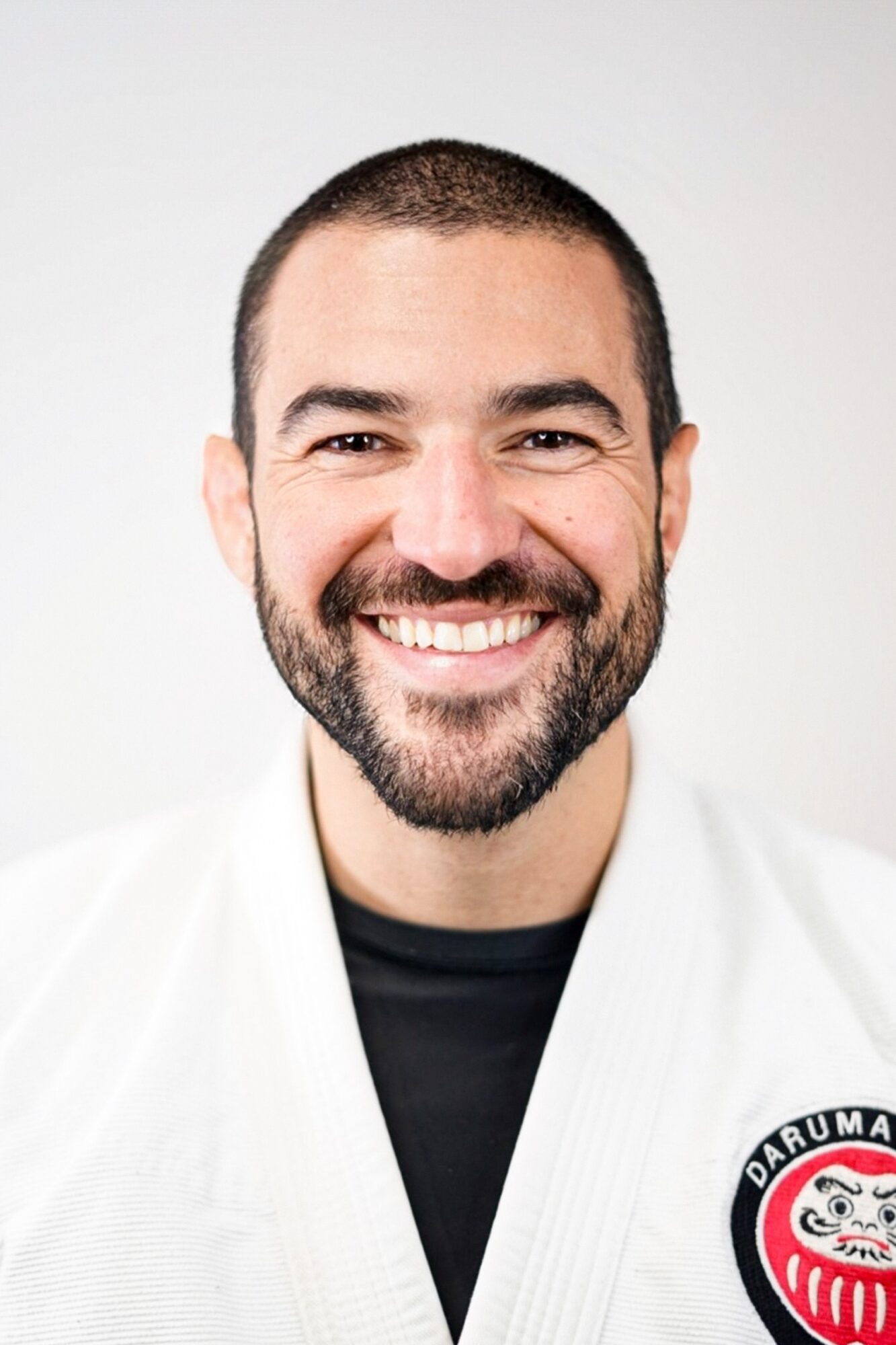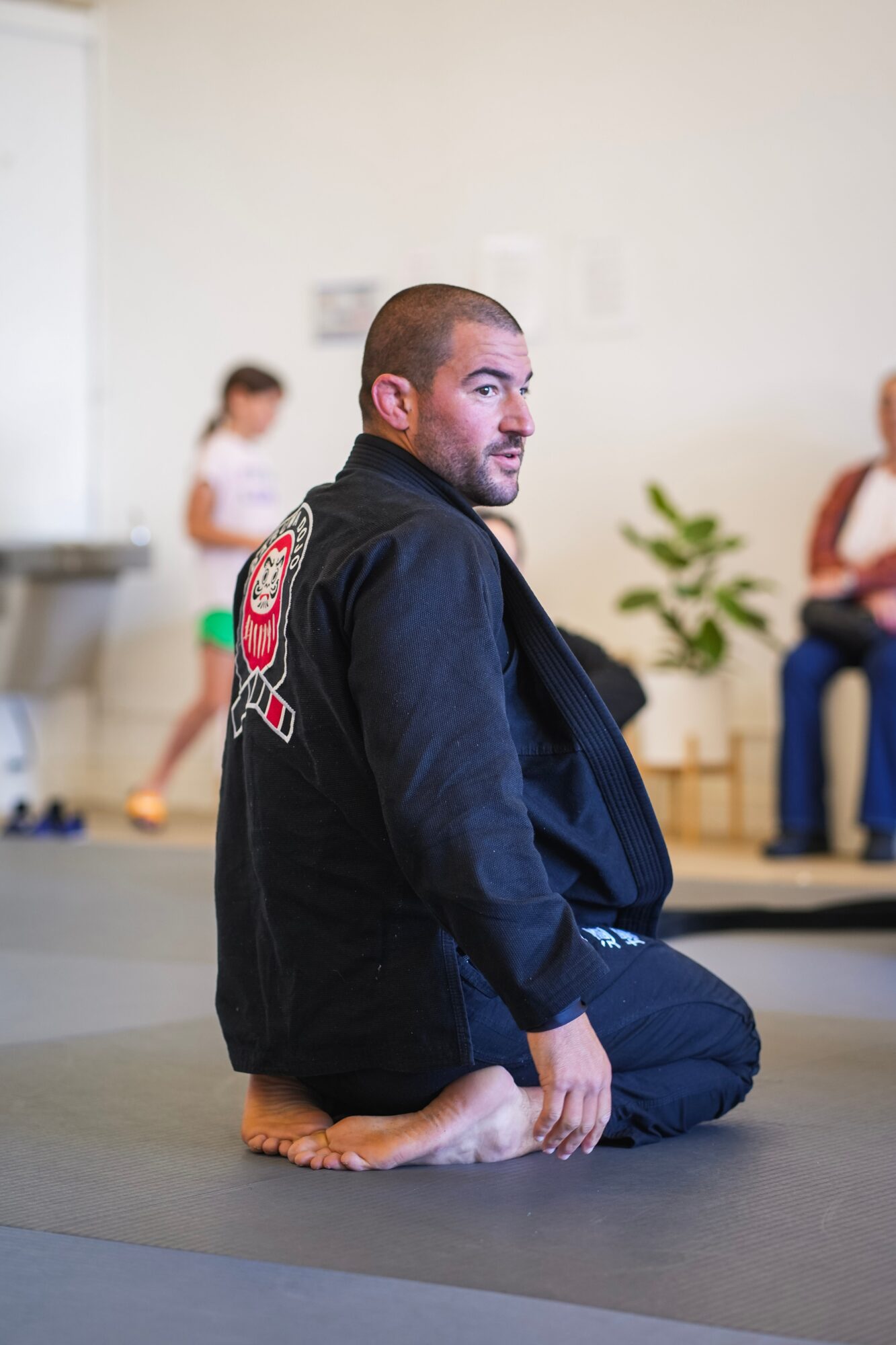





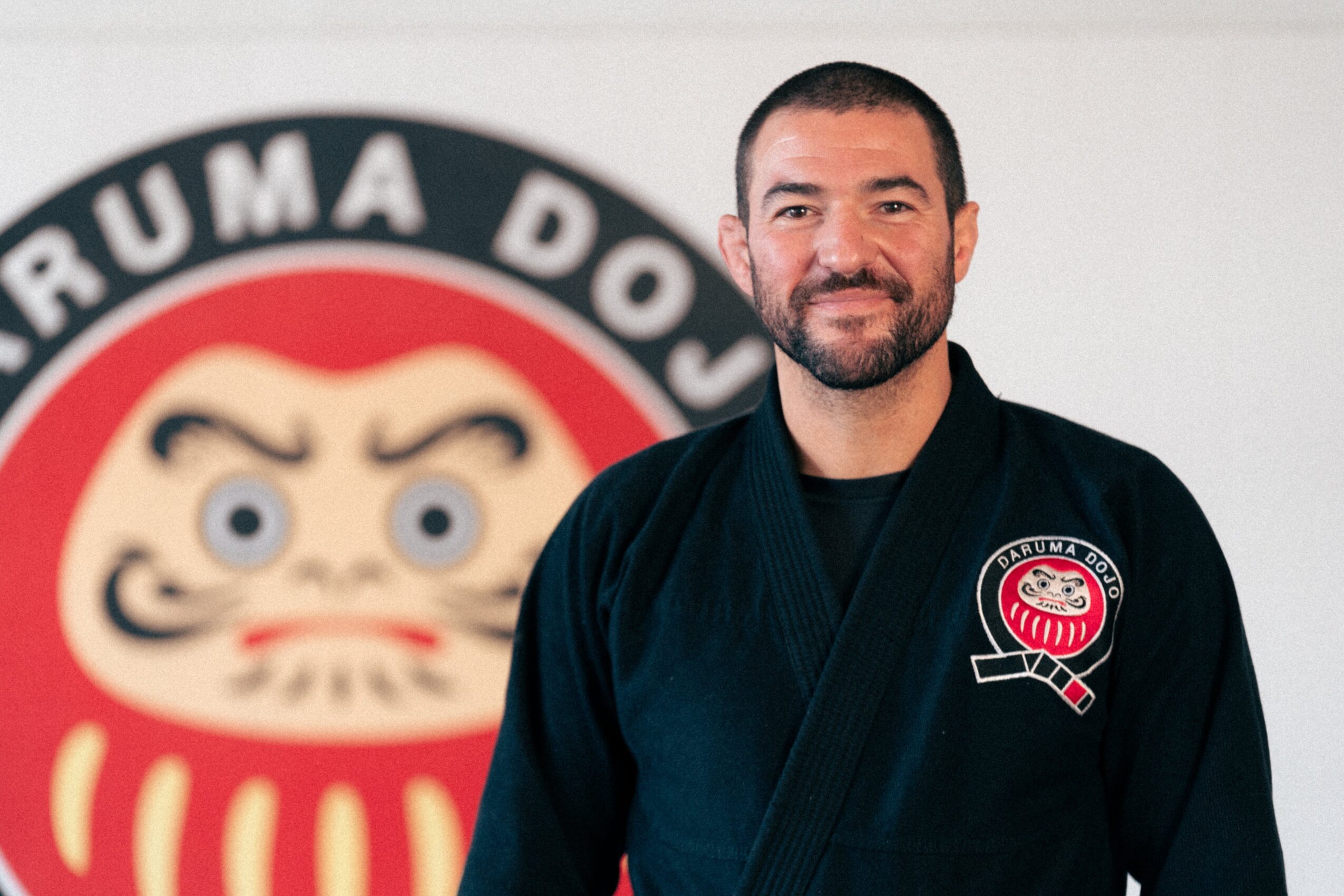
Today we’d like to introduce you to Alberto Juarez.
Alright, so thank you so much for sharing your story and insight with our readers. To kick things off, can you tell us a bit about how you got started?
My journey with Brazilian Jiu-Jitsu began when I was about 17 years old. I’ve always been drawn to physical challenges, and when I first discovered Jiu-Jitsu, I was immediately hooked. I loved the intensity of the training, but what really fascinated me was the science behind it. The idea that someone smaller and physically weaker could overcome a stronger opponent through leverage, technique, and strategy completely changed how I viewed martial arts.
I began training under Professor Ricardo Barros, who would eventually promote me from white belt all the way to black belt. He became one of the biggest influences in my life, not only teaching me Jiu-Jitsu but also showing me how martial arts could bring people together and create opportunities.
Early in my journey, Jiu-Jitsu was very much about personal achievement. I wanted to improve, compete, earn my black belt, and push myself to see what I was capable of. But as I progressed, my perspective began to change. I realized that Jiu-Jitsu was teaching me much more than how to fight. It was teaching me humility, perseverance, problem-solving, and how to become comfortable with failure.
By the time I was a purple belt, I knew that teaching Jiu-Jitsu was something I wanted to pursue professionally. After years of teaching for other organizations, I eventually reached a point where I wanted to create something of my own, something that reflected my values and the kind of community I wanted to be part of.
In 2018 and 2019, my wife Keiko and I created Daruma Dojo. The name was inspired by the Japanese Daruma doll, which symbolizes perseverance, goal-setting, and the determination to keep getting back up after being knocked down. Those values resonated deeply with me, and they became the foundation of our academy.
We opened our first location in Sunnyvale in 2022 and eventually expanded to a second location in Milpitas. What started as a vision between my wife and me has grown into a thriving community of students, families, and coaches who share those same values.
Today, after more than two decades of practicing Jiu-Jitsu, my purpose has evolved. It’s no longer just about becoming a better martial artist. It’s about becoming a better teacher, leader, husband, father, and person. I want to use what I’ve learned to inspire others to pursue their goals, overcome challenges, and become the best versions of themselves.
Looking back, I think the biggest transformation has been going from asking myself, “How can Jiu-Jitsu make me better?” to asking, “How can I use Jiu-Jitsu to make the lives of others better?”
And that’s really what Daruma Dojo represents to me today.
Can you talk to us a bit about the challenges and lessons you’ve learned along the way. Looking back would you say it’s been easy or smooth in retrospect?
It definitely hasn’t been a smooth road, but I think that’s part of what makes the journey so rewarding.
One of my earliest struggles was figuring out how to turn my passion for Brazilian Jiu-Jitsu into a sustainable career. I originally planned to become a doctor, but I eventually realized that my heart was in martial arts. I stepped away from college for several years to pursue Jiu-Jitsu, working in restaurants, construction, and other jobs to pay the bills while continuing to train and teach. For many years, teaching Jiu-Jitsu alone wasn’t enough to make a living.
Even on the mats, I faced plenty of challenges. I was athletic and physically strong, but I quickly learned that strength and determination weren’t always enough. I had to learn to put my ego aside, embrace failure, and become a better problem solver. Those lessons would eventually become invaluable when I started my own business.
When my wife Keiko and I decided to open Daruma Dojo, we took a significant financial risk. We funded the business ourselves, using our personal savings rather than taking out loans or bringing in investors. There was always the possibility that things wouldn’t work out, but I had reached a point where I knew I would rather try and fail than spend my life wondering what could have been.
We were fortunate that our first location got off to a strong start, but expanding to a second location in Milpitas presented an entirely new set of challenges. I quickly learned that what worked at one location didn’t necessarily work at another. The market was different, the timing was different, and I couldn’t physically be in two places at once. I had to learn how to delegate, build systems, trust my coaches, and transition from being primarily an instructor to becoming a business leader.
One of the biggest lessons I’ve learned is that entrepreneurship is essentially a continuous process of solving problems. Every day presents new challenges, whether it’s finances, staffing, operations, or simply making difficult decisions. I’ve made mistakes along the way, and I’m sure I’ll make plenty more.
But that’s also one of the greatest lessons Jiu-Jitsu has taught me. What we often perceive as failure is really an opportunity to learn and improve. You don’t always have the answers, and sometimes you need to seek guidance from people with more experience.
I’ve been incredibly fortunate to have mentors, friends, family, and a strong team who have helped me throughout this journey. I certainly wouldn’t be where I am today without them.
Ultimately, I think the struggles have shaped both who I am and what Daruma Dojo represents. Our philosophy is inspired by the Japanese proverb, “Fall down seven times, stand up eight.” To me, success isn’t about avoiding failure or having an easy path. It’s about continuing to learn, adapt, and move forward, no matter how many times you get knocked down.
As you know, we’re big fans of you and your work. For our readers who might not be as familiar what can you tell them about what you do?
I’m the founder, owner, and head instructor of Daruma Dojo, a Brazilian Jiu-Jitsu and Judo academy with two locations in Sunnyvale and Milpitas, California. I’ve been practicing Brazilian Jiu-Jitsu for over 23 years, and what began as a passion for martial arts has evolved into a lifelong commitment to teaching, mentorship, and community building.
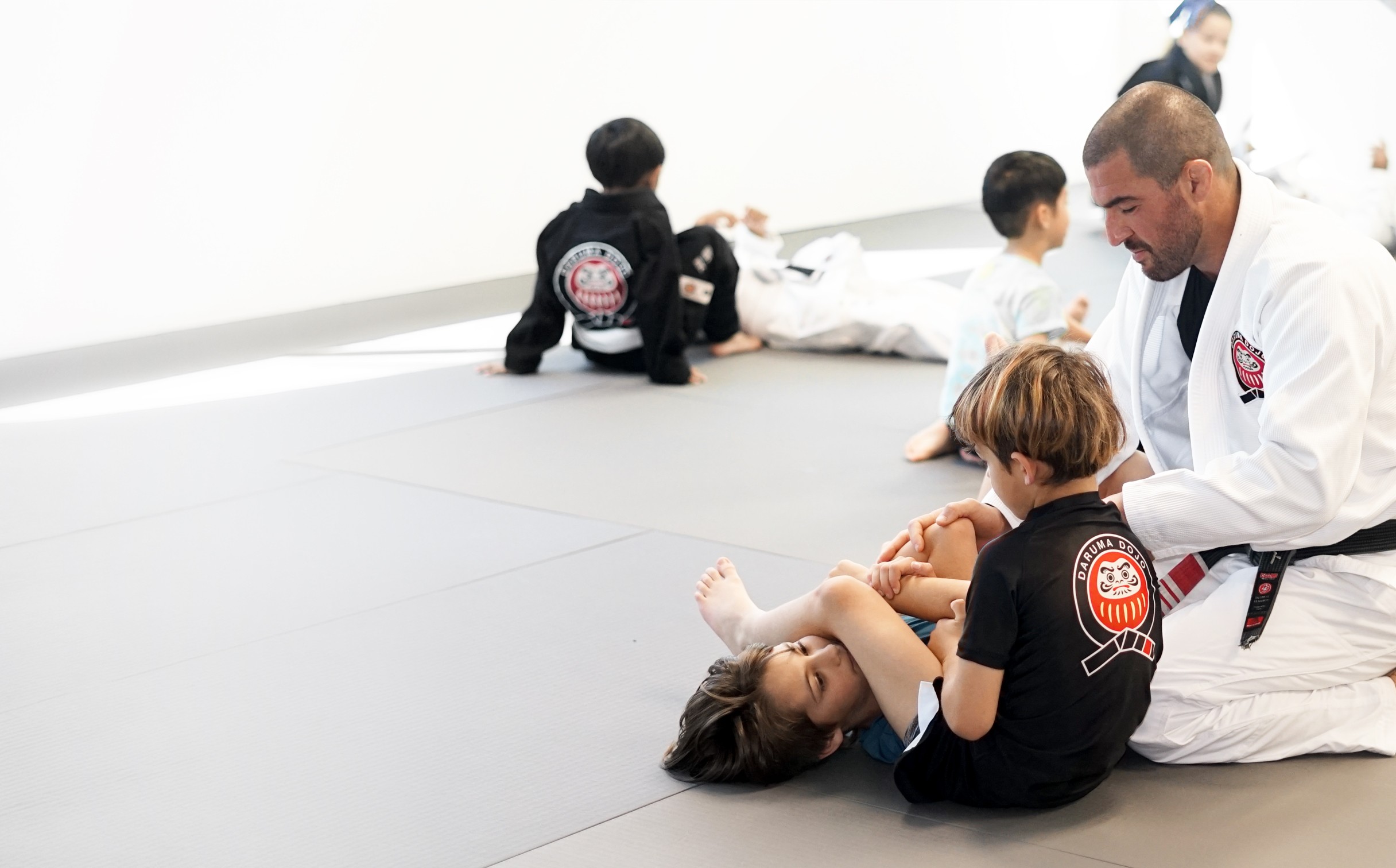
At Daruma Dojo, we specialize in Brazilian Jiu-Jitsu instruction for children and adults, from complete beginners to experienced competitors. Our programs focus on self-defense, physical fitness, technical development, and personal growth. While we’re proud of the quality of our martial arts instruction, I believe the greatest benefits of Jiu-Jitsu extend far beyond the mats.
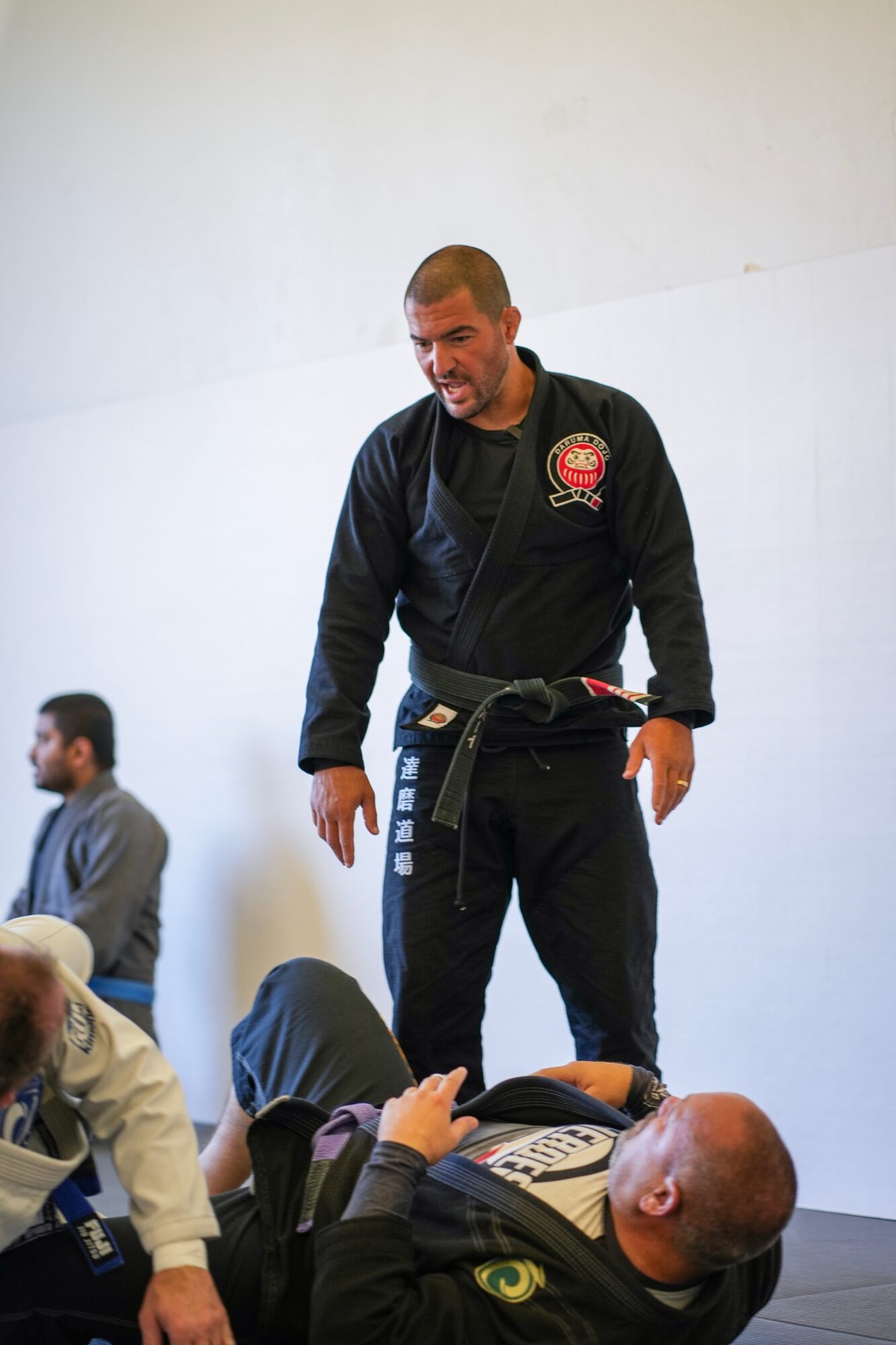
My approach to teaching combines the physical and scientific principles of Jiu-Jitsu with an academic understanding of how people learn. I earned my degree in Kinesiology with an emphasis in Sports Management and a minor in Business from San Jose State University, where I’ve also had the privilege of teaching Brazilian Jiu-Jitsu at the university level. I enjoy breaking down complex techniques into understandable concepts and encouraging students to explore, experiment, ask questions, and develop their own understanding of the art.
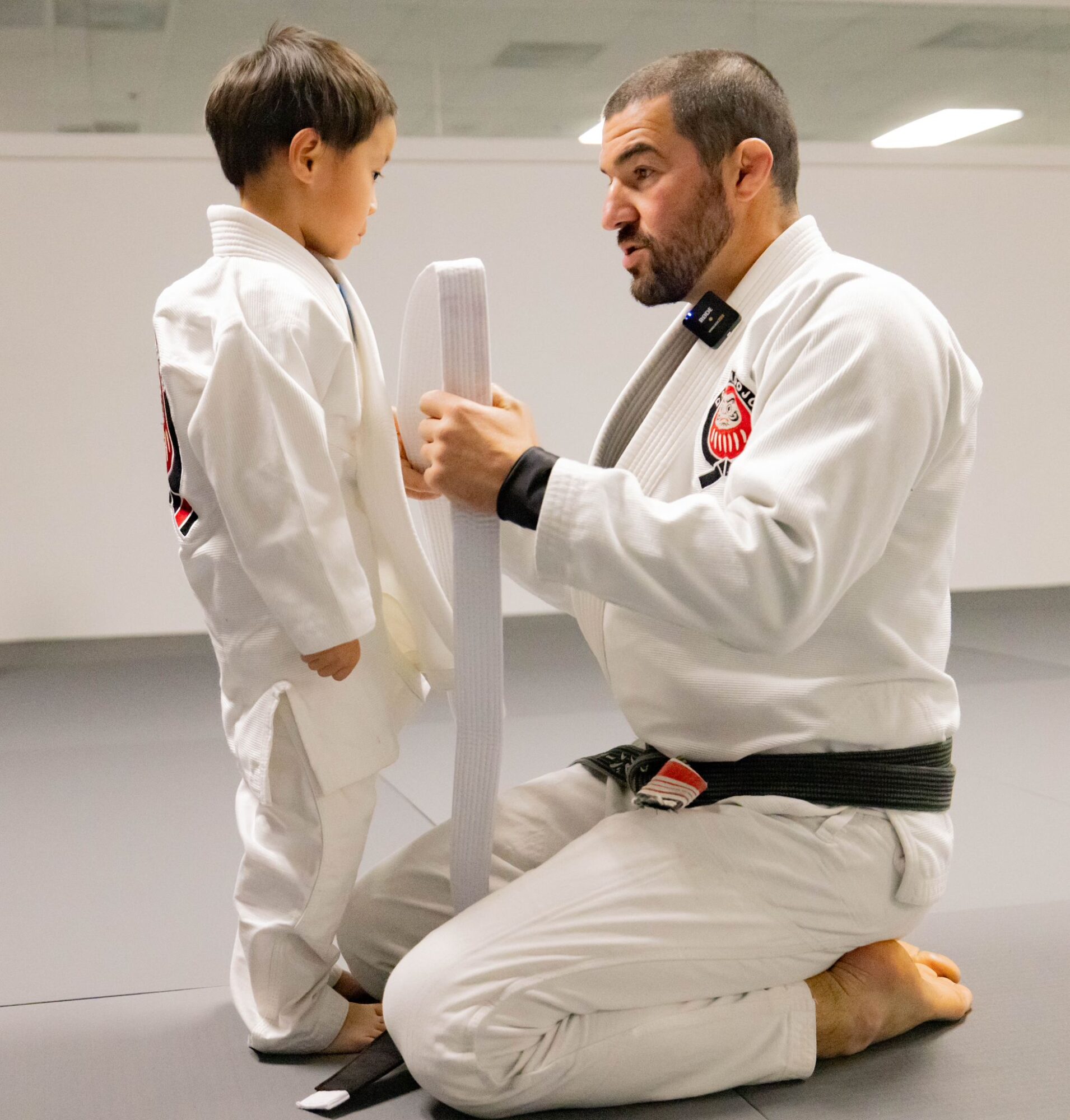
One area that’s especially meaningful to me is teaching children. Growing up as a competitive young athlete, I experienced firsthand how a coach can influence a child’s relationship with sports. Some of those experiences inspired me to become the kind of coach I wish I had growing up. I want our students to feel encouraged, supported, and comfortable making mistakes. I believe that when children learn to embrace challenges rather than fear failure, they develop confidence and resilience that will benefit them throughout their lives.
What I believe sets Daruma Dojo apart is our intentional focus on community. We don’t want to simply be a place where people show up, train, and leave. We want to create an environment where people feel welcomed, safe, and connected to something bigger than themselves. We organize community events, team gatherings, tournaments, and activities that bring students and their families together outside of regular classes. The friendships and relationships that develop through these experiences are just as important to me as the techniques we teach.
I’m also a strong believer that Jiu-Jitsu is a lifestyle rather than simply a sport. The discipline, humility, perseverance, and problem-solving skills we develop through training can influence how we approach our health, relationships, careers, and everyday challenges. One of the philosophies I often share with my students is that action precedes motivation. We don’t always feel motivated to do difficult things, but through consistency and discipline, we gradually become better versions of ourselves.
What I’m most proud of isn’t necessarily my accomplishments as a martial artist or even the growth of our business from one location to two. It’s the community that my wife Keiko, our coaches, and our students have built together. I’m proud when I see a shy child develop confidence, when a student overcomes something they once thought was impossible, or when teammates support one another through challenges both on and off the mats.
I’ve learned that Jiu-Jitsu doesn’t necessarily change someone’s life in one defining moment. It’s a collection of small moments, repeated over time, that gradually transform who we are.
Ultimately, I want Daruma Dojo to be remembered not just for producing skilled martial artists, but for positively impacting the lives of the people who walk through our doors. Whether someone trains with us for six months or twenty years, I hope they leave with greater confidence, meaningful friendships, lasting memories, and lessons they can carry with them throughout their lives.
That’s what I’m most proud of, and that’s what continues to inspire me every day.
Do you have any advice for those looking to network or find a mentor?
One of the most valuable things I’ve learned throughout my journey is the importance of surrounding yourself with people you admire and can learn from. I wouldn’t be where I am today without the mentors, coaches, friends, and colleagues who have generously shared their knowledge and experiences with me.
I’ve been fortunate to have several influential mentors in my life. My Brazilian Jiu-Jitsu professor, Ricardo Barros, was one of the first. He taught me much more than martial arts. Watching him build a life and support his family through Jiu-Jitsu showed me that it was possible to turn something I loved into a career.
Later, when I was operating a youth sports franchise, I had the opportunity to learn from Aaron Locks, the founder of the National Academy of Athletics. I admired his leadership, positive attitude, and ability to manage people and build a successful organization. Even today, I occasionally reach out to him for business advice.
My advice for finding mentors is simple: **Don’t be afraid to approach people you admire.** Most people are more willing to share their experiences than you might think. Ask thoughtful questions, listen carefully, and be genuinely interested in learning from them. You don’t necessarily need a formal mentor-mentee relationship. Sometimes a single conversation with someone who has already accomplished what you’re trying to do can save you years of unnecessary mistakes.
I also really connect with the philosophy behind the book *Steal Like an Artist* by Austin Kleon. The idea is that we don’t have to reinvent everything ourselves. We can study the people we admire, borrow the principles and ideas that resonate with us, and combine those influences to create something uniquely our own.
That’s something I’ve done throughout my career. I’ve learned teaching methods from different professors, leadership principles from successful entrepreneurs, and business practices from people in completely different industries. I take what works, adapt it to my own personality and values, and try to improve upon it. I think the key is to learn from many different people rather than trying to become a copy of any one person.
Networking, to me, is really about building authentic relationships rather than simply collecting contacts. Some of the most valuable relationships I’ve developed started through Jiu-Jitsu, friendships, or conversations with people who shared similar interests. When I opened Daruma Dojo, I leaned on people with expertise in areas where I lacked experience. A friend with decades of commercial real estate experience helped me negotiate our lease, my father helped with construction, and experienced business owners helped me navigate important decisions. I wasn’t afraid to acknowledge what I didn’t know and ask for help.
But I think there’s another equally important side to mentorship and networking: **Always be willing to help others, especially those who are just starting their journey.**
I’ve benefited tremendously from people who took the time to guide me, and I feel a responsibility to do the same for others. Whether it’s a new Jiu-Jitsu instructor, an aspiring business owner, or a young student trying to find their direction, I try to be generous with my time, knowledge, and experience. You never know how much a little encouragement or advice might mean to someone.
I also believe that teaching and helping others makes you better. Some of my greatest lessons have come from my own students. Their questions challenge me to think differently, reconsider my assumptions, and continue growing. Mentorship doesn’t always flow in one direction.
Ultimately, I think the best approach to networking is to be curious, humble, generous, and authentic. Seek out people who inspire you, learn everything you can from them, build genuine relationships, and when you have the opportunity, extend that same generosity to someone else.
Success becomes much more meaningful when you can help others succeed along the way.
Contact Info:
- Website: https://www.teamdarumadojo.com/
- Instagram: @teamdarumadojo
- Facebook: https://www.facebook.com/p/Daruma-Dojo-100063348661615/
- Youtube: @teamdarumadojo