


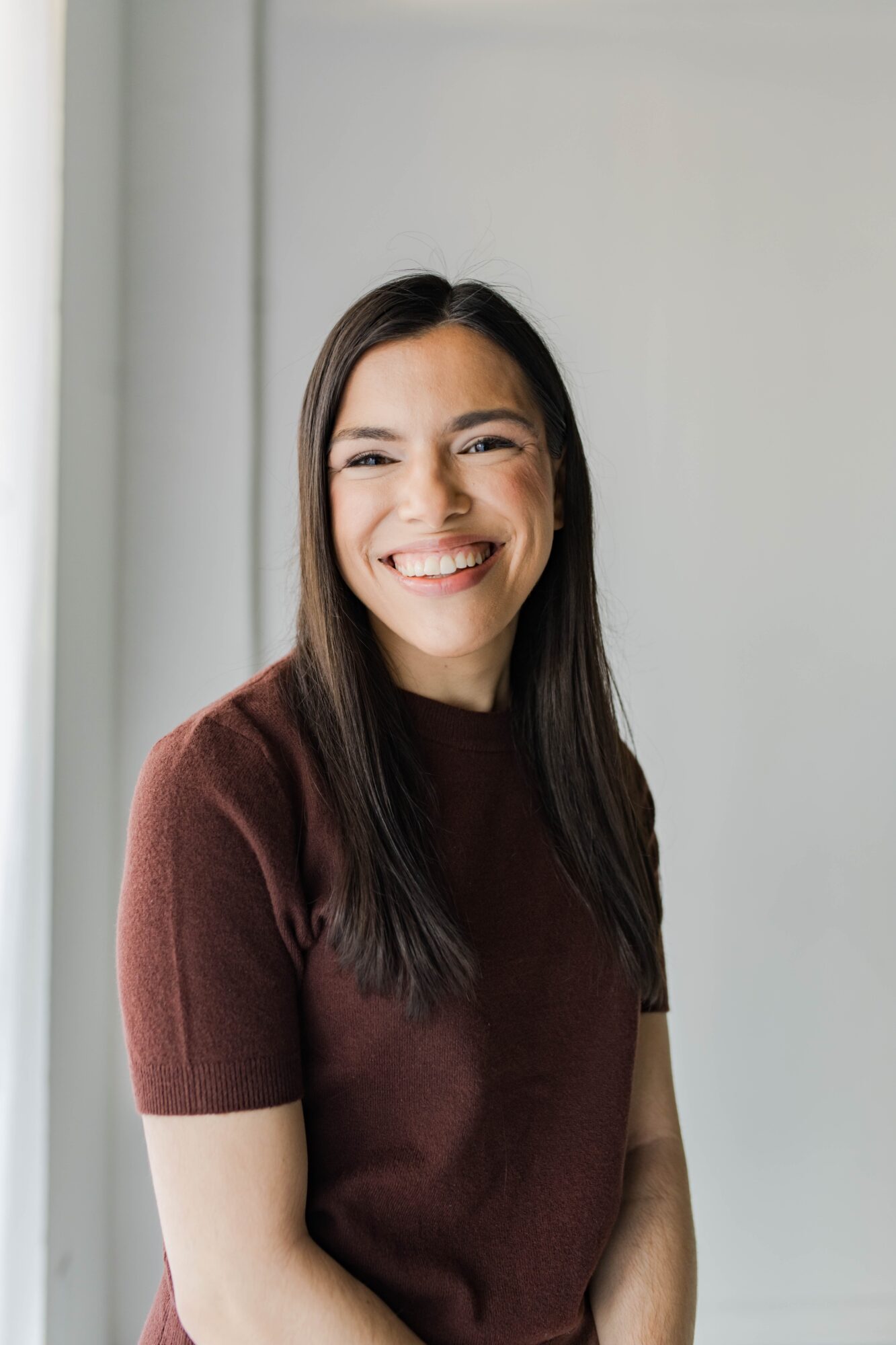
Today we’d like to introduce you to Angela Evenich.
Hi Angela, thanks for joining us today. We’d love for you to start by introducing yourself.
I am a disabled Speech-Language Pathologist, disability activist, and small business owner with cerebral palsy. My small business (Angie Advocates LLC) offers disability-led trainings, consultations, and educational resources grounded in anti-ableist frameworks. With over six years of experience as an established presenter and writer in speech-language pathology, I am actively expanding my work across healthcare, education, and community spaces.
My disability is core to my identity, as it shapes how I see the world and am perceived by it. When I was first diagnosed with cerebral palsy, my parents were told I would never walk or talk. This marked the beginning of our journey of weekly physical, occupational, and speech therapy appointments. My earliest childhood memories began in preschool, where I was in an inclusive education classroom for students with orthopedic disabilities. Our room was at the end of a long, dark hallway in a building separate from the main campus. I can’t help but wonder if this was intentional, but I am grateful my education started there. My teachers and paraeducators taught me functional life skills such as feeding myself, holding a cup, and using the bathroom independently. This prepared me for the general education classroom I transitioned to in kindergarten, but I stuck out tremendously amongst my non-disabled classmates. While they were playing and learning with the rest of our class, I was pulled out multiple times a week for speech, occupational, and physical therapy. I loved my occupational and physical therapists, but I remember being terrified to go to speech. I often cried during my sessions because I was forced to communicate in a way aimed to make me palatable to the rest of the world. I knew I was different and didn’t understand why I had to continue working on something I couldn’t do. My therapist was trying to hide my cerebral palsy as much as possible in my speech production, causing me to feel unsafe as a child. I never thought I would pursue speech-language therapy as a career until I was in my junior year of high school. No one believed in my capabilities, so I was left to fight for my rights and accommodations alone. Many teachers wrote me off, didn’t support my college exploration, and gave me after-school detention for not doing what everyone else could. I began advocating for myself by speaking out against discrimination. I wanted to empower other disabled people to advocate against these oppressive systems. That parallel to the power in communication sparked my desire to become a speech-language pathologist. I also wanted to be the kind of therapist I needed as a child, one there to support instead of fix.
Unfortunately, my undergraduate experience in college was similar to high school. My professors didn’t want to provide my accommodations and told me I would never make it as a speech-language pathologist. However, my time volunteering in a life-participation approach program for adults with neurogenic disabilities such as aphasia and dysarthria, changed everything. I soon immersed myself in meaningful conversations with these individuals, as I viewed their experiences differently from the other volunteers. As someone with cerebral palsy, I related to various neurological symptoms and adapted to the needs of those I worked with. While speaking with caregivers about their experiences, I made connections with what I had seen my parents go through while caring for me full-time when I was younger. As a future disabled healthcare professional, I recognized my worth, which kept me going. I cultivated a platform to empower other disabled students to pursue the field. Speech-language pathology serves disabled people, and we are needed to prevent the harm that comes from forcing people to fit into abled and neurotypical norms.
I earned my master’s degree in Speech, Language and Hearing Sciences in 2023 and am now a licensed Speech-Language Pathologist in the state of California, working with children and adults. I have also published articles nationally and delivered presentations across the country on my story and how it emphasizes the importance of incorporating anti-ableist practices.
Alright, so let’s dig a little deeper into the story – has it been an easy path overall and if not, what were the challenges you’ve had to overcome?
As I became older, I started realizing how negatively the world views disabled people. It was clear to me through conversations at school and out in my community that people didn’t expect me to accomplish much. These attitudes followed me from high school to college and even to my career. Disabled people are expected to prove their worth. We are typically not regarded unless we meet up to “normal enough” or “not too disabled.” If we accomplish something that was not thought possible for someone with a disability, we are showered with remarks about how inspiring we are. This is not doing disabled people any justice, nor does it account for the reality of disability. Living with a disability means there will be things I cannot do, no matter how hard I try or put my mind to it.
Can you tell our readers more about what you do and what you think sets you apart from others?
I am a disabled speech-language pathologist, disability activist, writer, and presenter with cerebral palsy. I bring lived experience to my work, advocating for anti-ableist practices in speech-language pathology and centering the voices of disabled people in multimodal communication access and support. Through my writing, presentations, and clinical expertise, I challenge traditional models of therapy and promote disability justice within and beyond the field.
So maybe we end on discussing what matters most to you and why?
Being the representation I needed as a child who didn’t yet understand her disability or what being disabled meant. I love supporting my clients, their families, and other disabled speech-language pathology students. Being able to provide people with what I didn’t always receive means a lot to me.
Contact Info:
- Website: https://angieadvocates.com/
- Instagram: https://www.instagram.com/angieevenich/
- Other: https://www.instagram.com/angieadvocates/
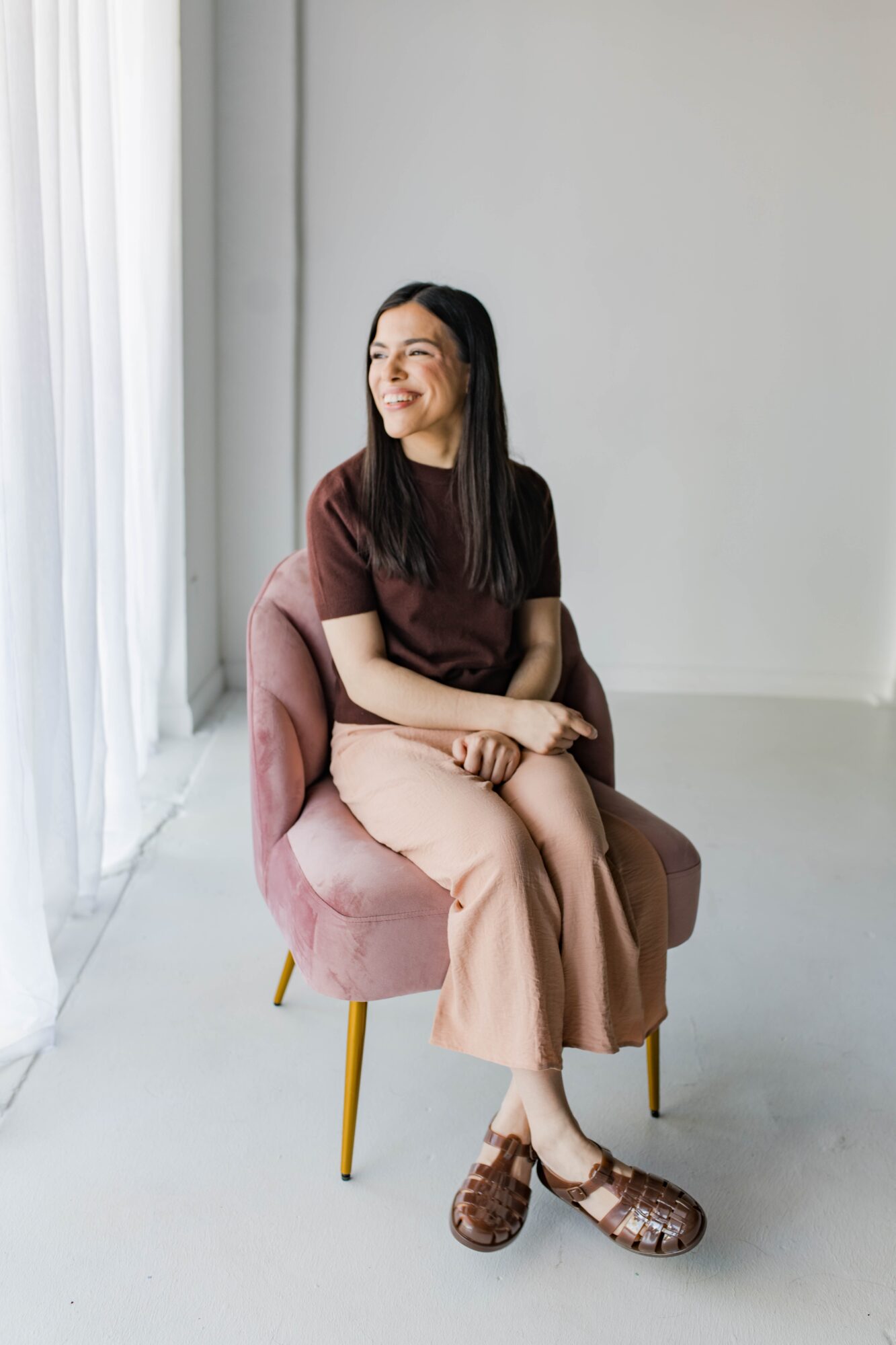

Image Credits
TrueNorth Imagery