




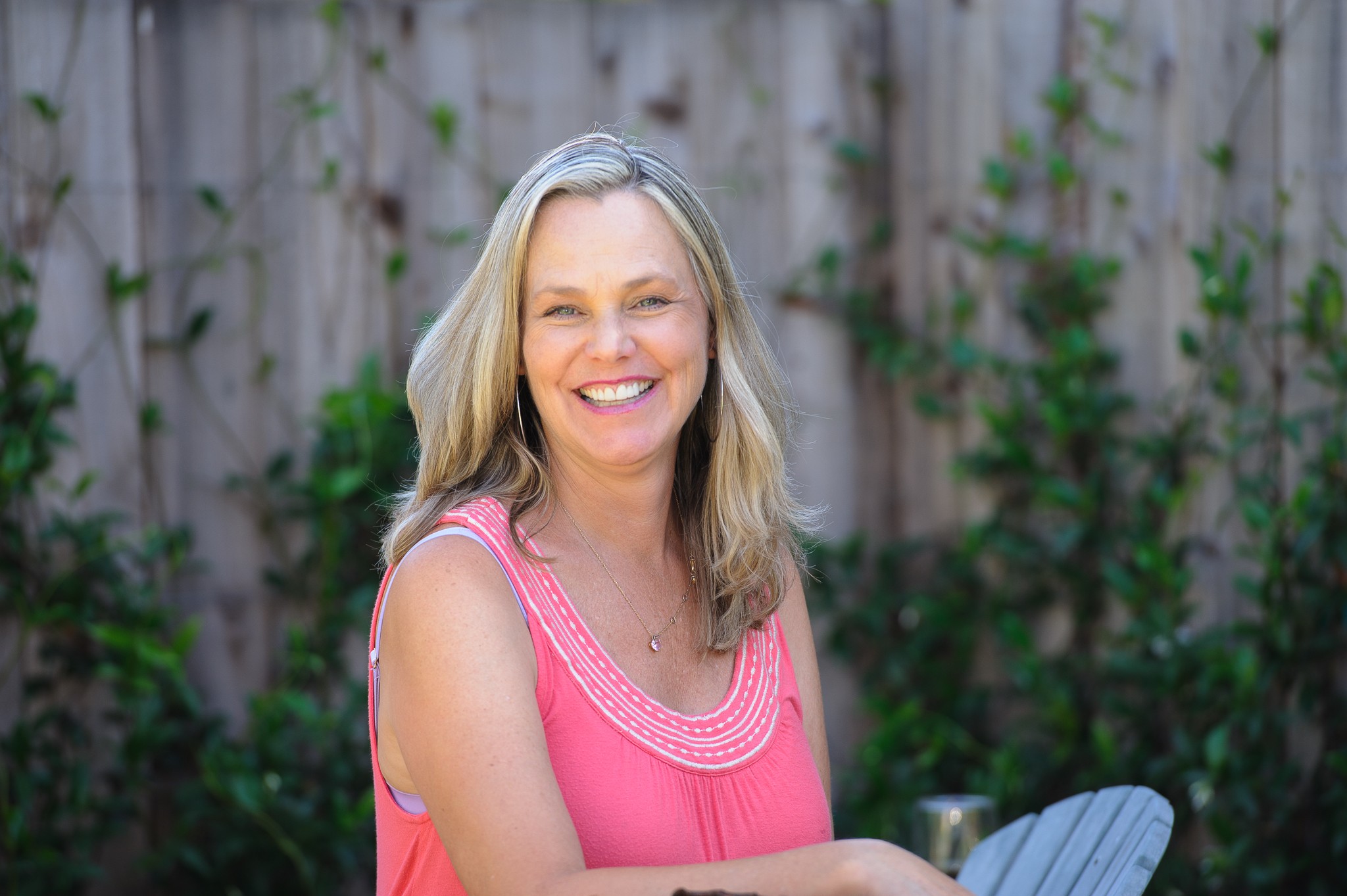
Today we’d like to introduce you to Dr. Cassie Woods-Peirce.
Hi Dr. Cassie , it’s an honor to have you on the platform. Thanks for taking the time to share your story with us – to start maybe you can share some of your backstory with our readers?
I’m a pediatric physical therapist by training, and I started Children’s Therapy Network in 2004. Like a lot of small businesses, it didn’t begin with some grand master plan. It really started with seeing a need and believing there had to be a better way to support children and families.
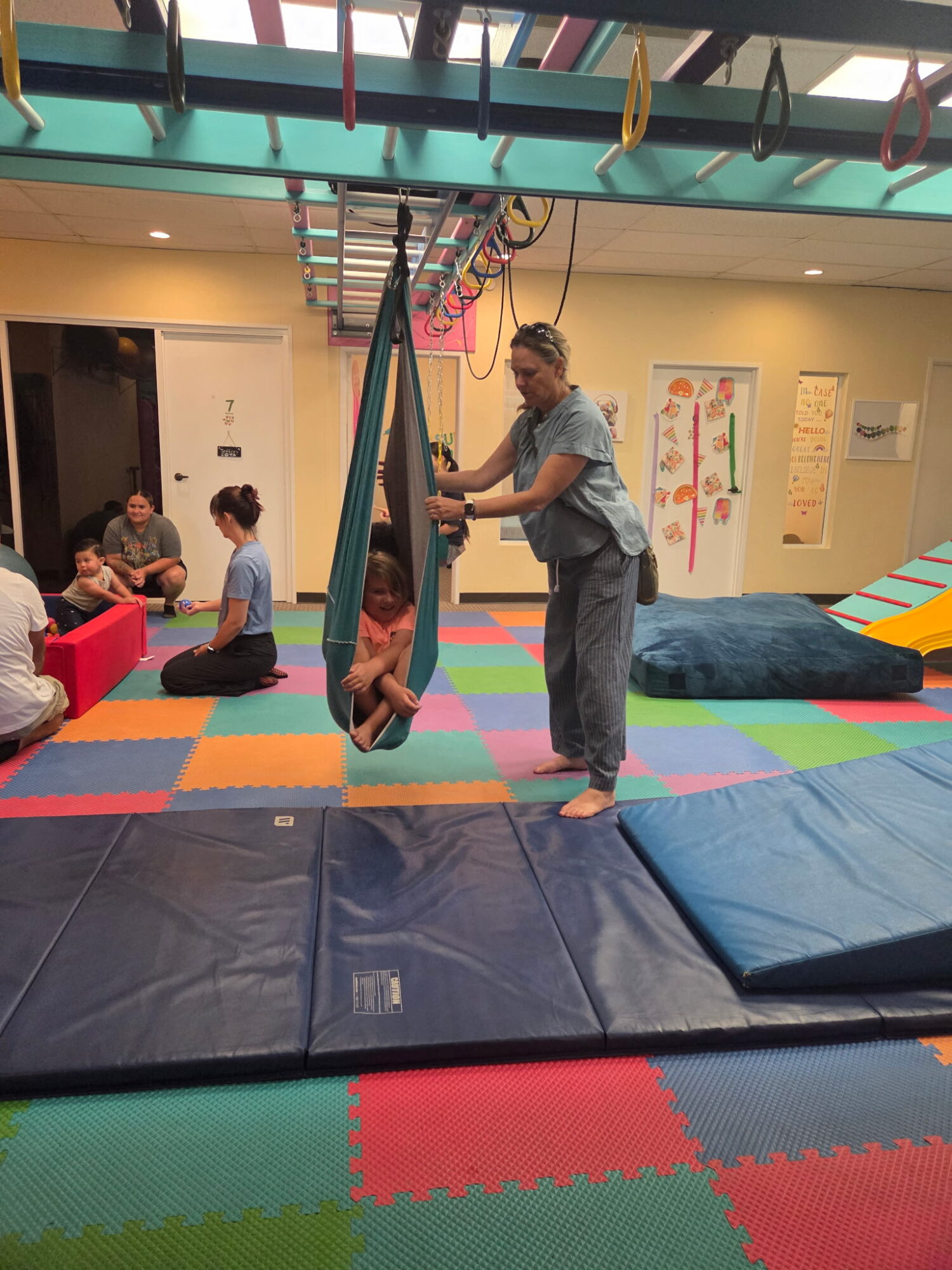
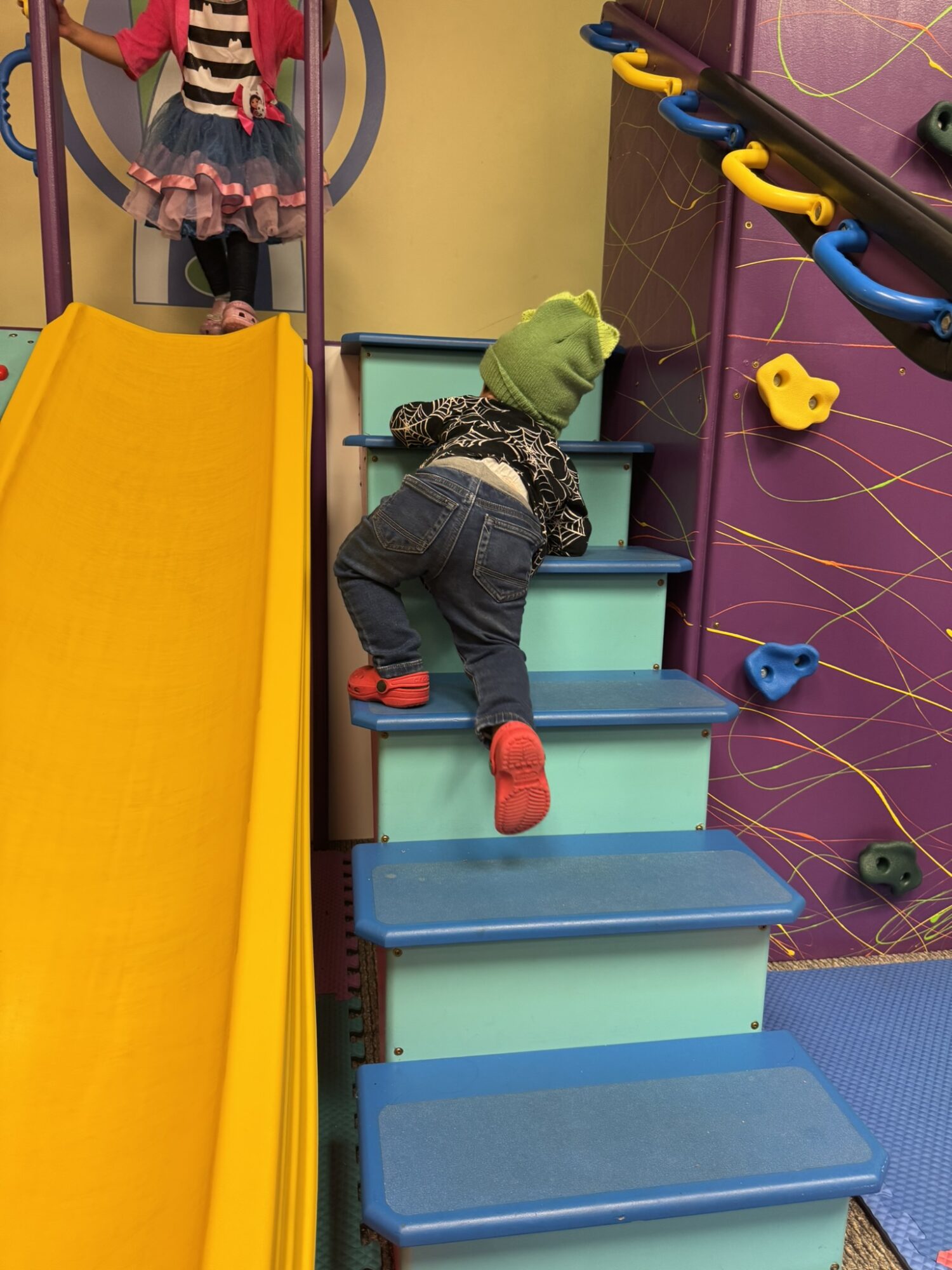
Over the years, CTN grew from a small therapy practice into a multidisciplinary pediatric organization providing physical therapy, occupational therapy, and speech therapy to hundreds of families each year. As the company grew, so did my role. I went from being primarily a treating therapist to learning how to be an employer, a business owner, a leader, and eventually a CEO. I learned a lot of those lessons the hard way.
One thing that has stayed consistent throughout my career is my belief that therapy works best when we look beyond the treatment room. Parents and caregivers are a huge part of a child’s success, and therapists need practical tools that work in real life—not just in a perfect 30- or 60-minute session.
That philosophy eventually led me into telehealth and clinician education. I became especially interested in how technology could help us reach families differently, improve access to care, and give therapists more ways to connect with the people they serve.
Today, I still own Children’s Therapy Network, but I’m also building Dr. Cassie LLC, an education platform focused on helping therapists develop the skills and confidence to provide meaningful care beyond the traditional clinic model. One of my current projects is a pediatric telehealth certification program that brings together what I’ve learned from more than two decades of treating patients, running a therapy organization, and navigating the changing healthcare landscape.
When I look back, my career really hasn’t been one straight path. It has been a series of seeing a problem, asking, “How can we do this better?” and then being willing to build something new.
Alright, so let’s dig a little deeper into the story – has it been an easy path overall and if not, what were the challenges you’ve had to overcome?
No, it definitely has not been a smooth road.
One of the biggest challenges has been learning how to build and run a business while also being a healthcare provider. I was trained to be a physical therapist, not a CEO. There is a huge difference between being good at treating patients and knowing how to manage employees, finances, contracts, insurance companies, regulations, and all of the other pieces that come with running a healthcare organization.
Healthcare itself can also be incredibly challenging. There are constant changes in reimbursement, insurance requirements, regulations, staffing, and documentation. Sometimes you can be doing everything right clinically and still find yourself fighting through systems that make it difficult to get families the care they need.
We have also gone through the same growing pains that many businesses experience: hiring the right people, losing great employees, making leadership mistakes, trying systems that did not work, and occasionally realizing that something I had built needed to be completely rebuilt.
COVID was another major turning point. Like everyone in healthcare, we had to adapt very quickly. It forced us to rethink how therapy could be delivered and accelerated my interest in telehealth and caregiver coaching. What initially felt like a major disruption ultimately opened my eyes to new ways of reaching and supporting families.
Probably one of the hardest lessons for me personally has been learning that I cannot do everything myself. As an entrepreneur, it is very easy to believe that working harder will solve every problem. Eventually, you realize that growth requires building systems, trusting other people, letting go of some control, and becoming a different kind of leader.
There have absolutely been moments when I wondered whether all of the stress and responsibility were worth it. But most of the biggest challenges have also led to the biggest changes in my career. They have forced me to keep learning, keep adapting, and keep asking the same question that has guided me from the beginning: “How can we do this better?”
Thanks – so what else should our readers know about your work and what you’re currently focused on?
My work really sits at the intersection of pediatric therapy, business leadership, caregiver education, and innovation.
I am a pediatric physical therapist and the founder of Children’s Therapy Network, a multidisciplinary pediatric therapy organization providing physical therapy, occupational therapy, and speech therapy. Over the years, CTN has grown to serve hundreds of families each year, and I am incredibly proud of the team and culture we have built.
Clinically, I have always been passionate about looking at the whole child and the whole family. I strongly believe that the best therapy does not happen only during the therapy session. Parents and caregivers are with their children every day, so one of the most powerful things we can do as therapists is give families practical strategies they can actually use in real life.
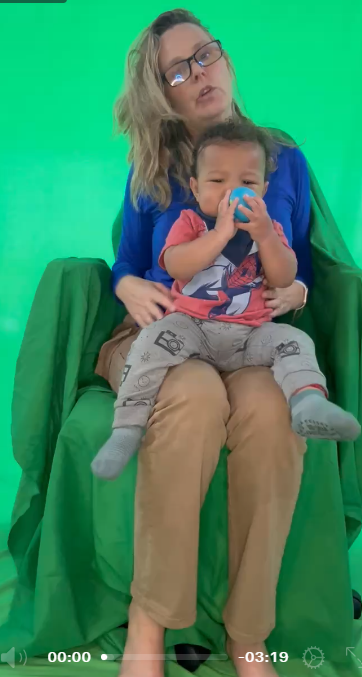
That philosophy is also what led me deeper into telehealth, caregiver coaching, and clinician education. Through Dr. Cassie LLC, I am now focused on helping therapists become more confident and effective in virtual care and in using technology to expand how they connect with and support families.
What probably sets me apart is that I have lived this work from several different perspectives. I have been the treating therapist, the clinic owner, the employer, the CEO, the person negotiating insurance contracts, the person trying to solve access-to-care problems, and the person sitting with families trying to figure out what will actually work in their home.
Because of that, I tend to be very practical. I am less interested in what sounds good on paper and more interested in what actually works for therapists, families, and businesses in the real world.
What I am most proud of is that Children’s Therapy Network has continued to grow and evolve for more than two decades while staying focused on children and families. I am also proud that I am taking everything I have learned along the way—the successes, the failures, and the lessons—and turning it into education that can help other therapists grow faster, avoid some of the mistakes I made, and ultimately serve families better.
We’d be interested to hear your thoughts on luck and what role, if any, you feel it’s played for you?
I definitely think luck has played a role, both good and bad, but I also believe a lot of what we call luck is what happens when opportunity meets preparation and a willingness to take a chance.
I have been incredibly lucky in the people who have crossed my path over the years—mentors, employees, colleagues, friends, and family members who have opened doors, challenged me, supported me, or brought an opportunity that I might never have found on my own. Some of the best things that have happened in my career started with a conversation or connection I never could have planned.
There has been plenty of bad luck too. Running a healthcare business means dealing with things completely outside of your control. Over the years, we have survived the Thomas Fire, the Montecito mudslides, COVID, economic changes, reimbursement issues, regulatory changes, and staffing challenges. There have been times when circumstances changed almost overnight and we simply had to figure out what to do next.
But I have learned that bad luck is not always entirely bad. COVID is a great example. It was incredibly difficult for healthcare providers and families, but it also forced us to become much better at telehealth almost overnight. That experience ultimately changed the direction of my career and became part of what I now teach other therapists.
I think the real difference is what you do when luck shows up. When something good happens, are you willing to recognize the opportunity and act on it? And when something bad happens, can you adapt instead of staying stuck?
I have certainly been lucky along the way, but I have also made a lot of mistakes, worked extremely hard, taken risks, and kept going when things did not turn out the way I expected. Sometimes the roadblock ended up pointing me toward a road I would never have considered otherwise.
Pricing:
- Because Children’s Therapy Network contracts with most major insurance companies, as well as Tri-Counties Regional Center, Gold Coast Health Plan, and multiple school systems, the cost of therapy can vary significantly depending on a family’s insurance coverage, funding source, deductible, and individual plan. We know that raising a child with special needs can be a lifelong journey, and the financial cost of therapy can become significant. That is why we try to help families look at all of their options. We offer payment plans when appropriate and help families identify additional resources, such as CareCredit, healthcare grants, and other possible funding sources. We are also exploring sponsorship opportunities for individuals or organizations that would like to help offset the cost of care for a child or family. More recently, CTN has been developing a concierge-style private-pay option designed to give families greater flexibility in scheduling and services while helping them better manage the extraordinary cost that ongoing therapy can sometimes create. But for me, the bigger issue is not simply how we pay for therapy—it is making sure families have more control over their child’s journey. A child’s progress should not depend entirely on how many therapy visits an insurance company authorizes or how often a family can afford to come into a clinic. Parent education, home exercise programs, caregiver coaching, and newer tools such as video-based Remote Therapeutic Monitoring allow us to extend therapy beyond the walls of the clinic. Parents can learn what to do at home, incorporate therapeutic activities into everyday life, and become active participants in their child’s progress. That philosophy—putting practical knowledge and tools into the hands of parents, caregivers, and therapists—is really the backbone of what I am building through Dr. Cassie LLC and DrCassie.com. My goal is to help families feel empowered rather than dependent on the healthcare system, while still having professional support when they need it.
Contact Info:
- Website: https://childrenstherapynetwork.net/
- Instagram: https://www.instagram.com/childrenstherapynetwork/
- Facebook: https://www.facebook.com/ChildrensTherapyNetwork.net
- LinkedIn: https://www.linkedin.com/company/children’s-therapy-network-inc-/?viewAsMember=true
- Youtube: https://www.youtube.com/@DrCassiePT
- Yelp: https://www.yelp.com/biz/childrens-therapy-network-ventura-2
- Other: https://www.drcassie.com