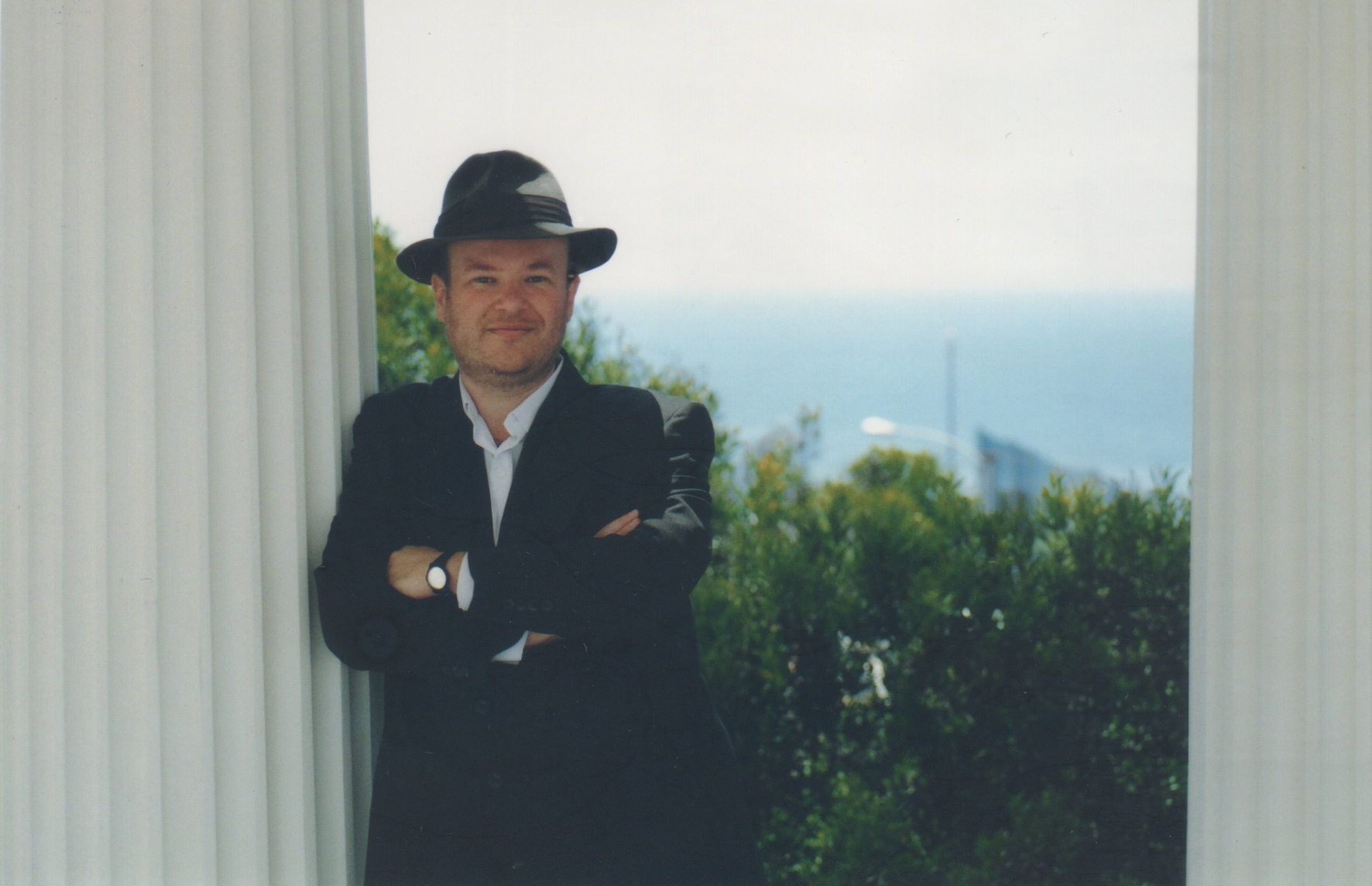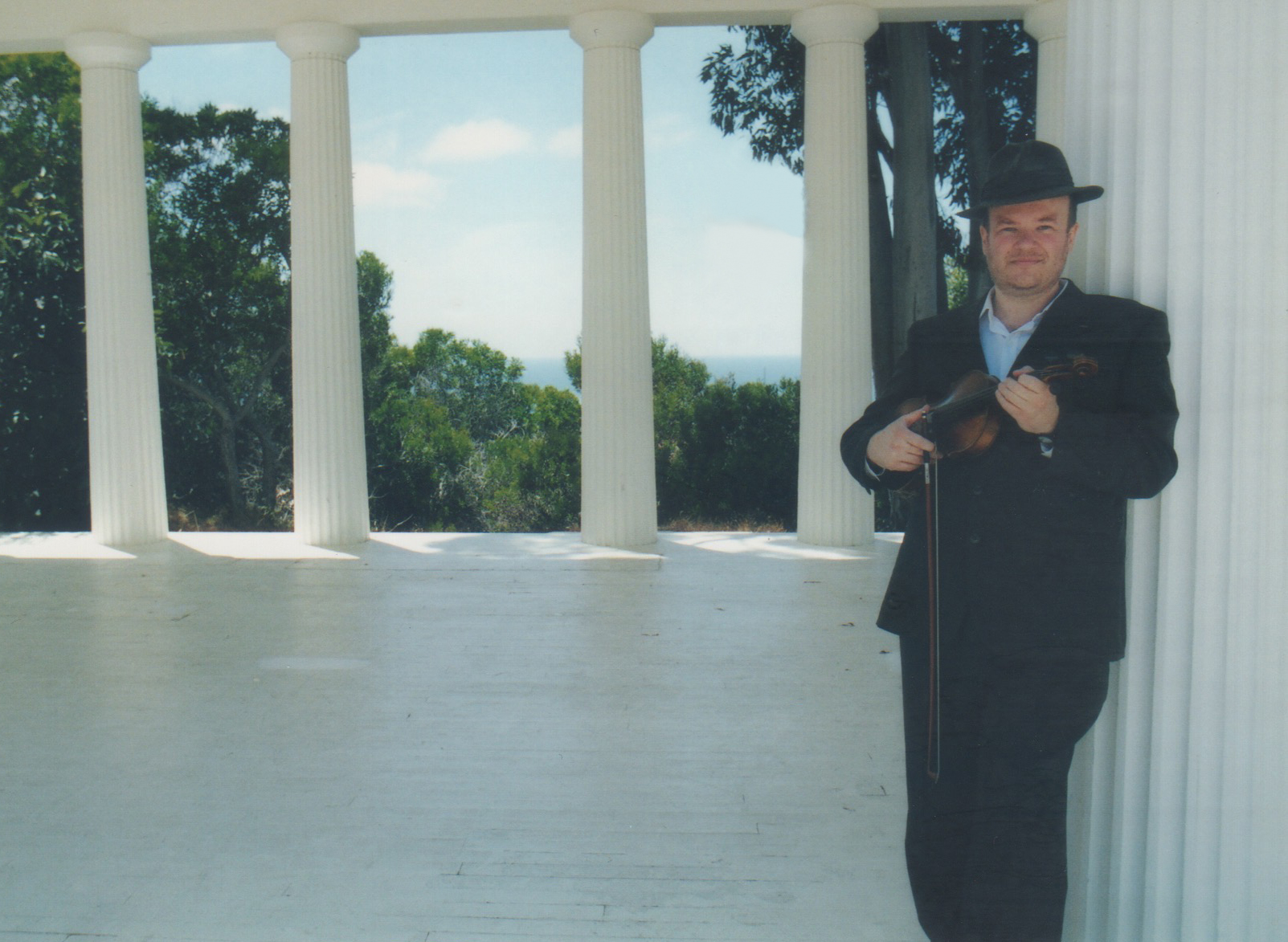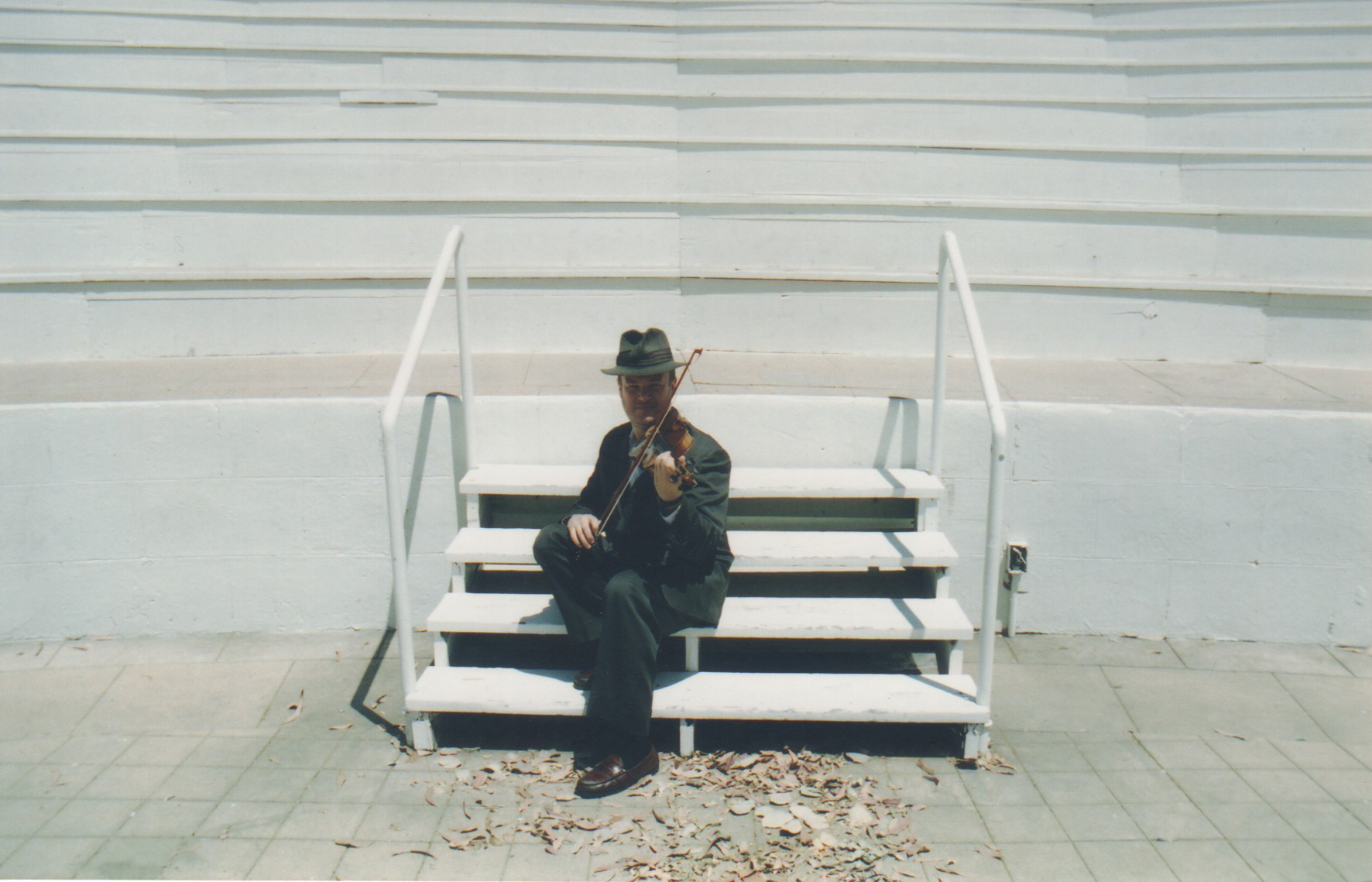





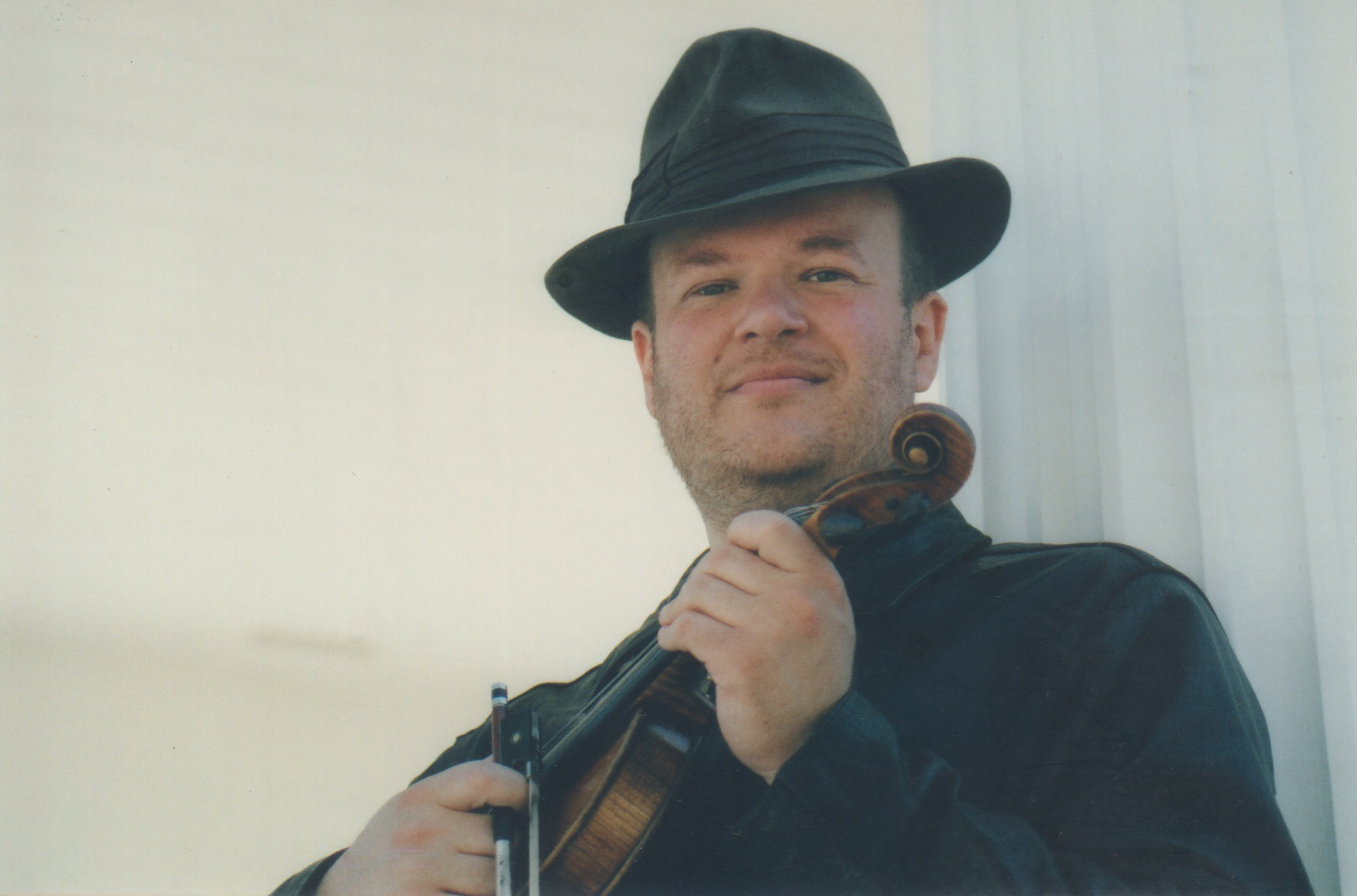
Today we’d like to introduce you to Emil Luxemburg.
Hi Emil, so excited to have you on the platform. So before we get into questions about your work-life, maybe you can bring our readers up to speed on your story and how you got to where you are today?
Emil Luxembourg is a violinist, violist, conductor, music educator, arranger, and music producer.
I was born in Moldova into a musical family: my father, Arkady Luxemburg, is a well-known composer and pianist; my sister is a pianist; only my mother was not a musician—she worked in the field of economics.
I was connected to music from childhood, watching my father work with different performers and lyricists, creating new hit songs. I traveled with him to concerts, stayed by his side during rehearsals and performances.
I remember how my father would work late into the night on a new idea that gradually took shape as a new musical composition for a symphony orchestra or for an instrument with piano. Sometimes he would work together with the lyricist on a new pop song, and until it acquired a clear, finished form, he would keep working on it until the early hours of the morning. He often worked until morning without sleeping all night, checking the orchestral parts of his compositions that he had received from the music copyist just one day before the orchestra rehearsal.
Since the rehearsal was scheduled for the morning, he had to review every orchestral part overnight to make sure there were no mistakes.
I believe all of this shaped my future and determined what I would devote my life to, which is why I became a musician.
I started playing the violin at the age of six at a specialized music school for children. I graduated from a music college, where I studied violin performance, chamber ensemble, string quartet, orchestral performance, music theory, instrumentation, orchestration, musical analysis, violin teaching methodology for children, and more.
Later, while working with various youth orchestras, I realized that I was also interested in orchestral conducting. I decided to continue my education in this field and earned a Bachelor’s degree in Orchestral Conducting and Music Pedagogy.
I later completed a Master’s degree in Symphony Conducting under E. Tsirlin (a student of the renowned conductors Arvid Jansons and Mariss Jansons).
After moving to the United States and continuing my career as a musician and music educator,
I founded the Lux Ensemble Music Group, with which I have toured throughout the United States and Europe.
We perform a wide variety of music, from classical music to swing, rock, ballads, oldies, R&B, and Latin music, at concerts, special events, and corporate functions.
The group’s core lineup is a violin and keyboards duo, sometimes expanded into a trio with our wonderful female vocalist, Tamara. Depending on the event and budget, the ensemble can be further expanded to include a full rhythm section with bass guitar, drums, guitar, and more.
Would you say it’s been a smooth road, and if not what are some of the biggest challenges you’ve faced along the way?
The COVID pandemic created many challenges for musicians because live performances were prohibited due to restrictions. However, we found a solution by organizing performances over Zoom and even arranged outdoor concerts for entire neighborhood.
These performances helped people take their minds off the daily difficulties associated with COVID and brought positive emotions during that difficult time for everyone.
It was also a challenging period for my students, but we found a solution. I taught violin, viola, piano, and music theory through Zoom and Skype.
For any musician, every performance involves risk. You never know whether the audience will enjoy it.
A performance may be canceled for many reasons: a string may break, the sound system may fail, or an outdoor concert may be canceled because of rain.
Nevertheless, musicians do not lose heart and ultimately overcome these challenges.
We live to overcome life’s difficulties, and after some time, when you look back, you always realize that every problem has a solution. For example, now, due to budget cuts for cultural programs in San Diego,
I remain optimistic and hope that a solution will be found and that people will recognize that culture is one of the most essential parts of human life, and that there can be no healthy society without it.
Culture makes people better, and it makes life more meaningful and interesting.
Thanks – so what else should our readers know about your work and what you’re currently focused on?
I currently live and work in San Diego, California.
I have worked as a violinist with various orchestras and at the Lambs Players Theatre.
I have conducted the Rachmaninoff Lyceum Orchestra, the Moldovan State Philharmonic Orchestra, the Greenbaum Orchestra, and the Mendi Rodan Orchestra, and I have participated in various solo and chamber concerts throughout the United States and Europe. I have appeared as a performer on television programs on CBS, PBS, and other networks in San Diego. I also performed before the opening game of the season at Petco Park in San Diego.
After living in San Diego and being inspired by what a wonderful city it is, my father, the composer, and I came up with the idea of creating a song about the city.
In Europe, it is a tradition for famous cities and capitals to have songs dedicated to them. For example, everyone knows songs such as “New York, New York” and others.
Inspired by this idea, my father wrote the music, I produced the song, and we called it “My San Diego”.
Later, we also created a music video for the song and uploaded it to YouTube. The song was also featured on the CBS television program, and the music video for the song “My San Diego” was officially selected and nominated for screening at the San Diego Film Awards and screened during the San Diego Film week festival.
In terms of your work and the industry, what are some of the changes you are expecting to see over the next five to ten years?
I think changes have already taken place due to the development of AI. Many musicians are using AI to create music videos and so on.
Before long, we might see avatars—or something resembling holograms—performing instead of real artists; experiments with this were already conducted a few years ago. I remain an optimist, though.
I believe people will still have a desire to listen to real performers, because the genuine energy of a live concert is irreplaceable. It’s like comparing a CD recording to a live performance.
We recently created a remix—a new club dance version of the “My San Diego song” Rita Kolt—and released it on Spotify, Apple Music, and other platforms.
We are currently looking for people to collaborate with us on creating a music video for the song. It is not easy because we want the new music video to be at least as good as the previous one, and ideally even better and more interesting, since the new version of the song is written in a different style.
I am also currently working on a new concert program, performing at private events, corporate functions, and festivals.
I teach violin, viola, piano, music theory, and conducting in my own music studio as well as at other educational institutions.
Contact Info:
- Website: https://musiclux.com
- Instagram: https://www.instagram.com/violinistsd/
- Facebook: https://www.facebook.com/violinist.sandiego/