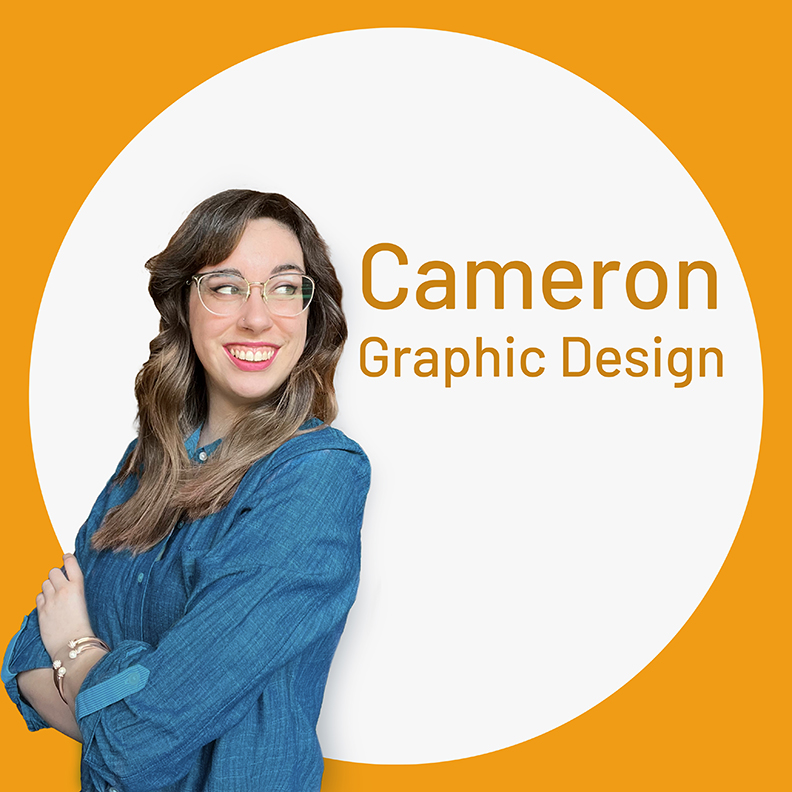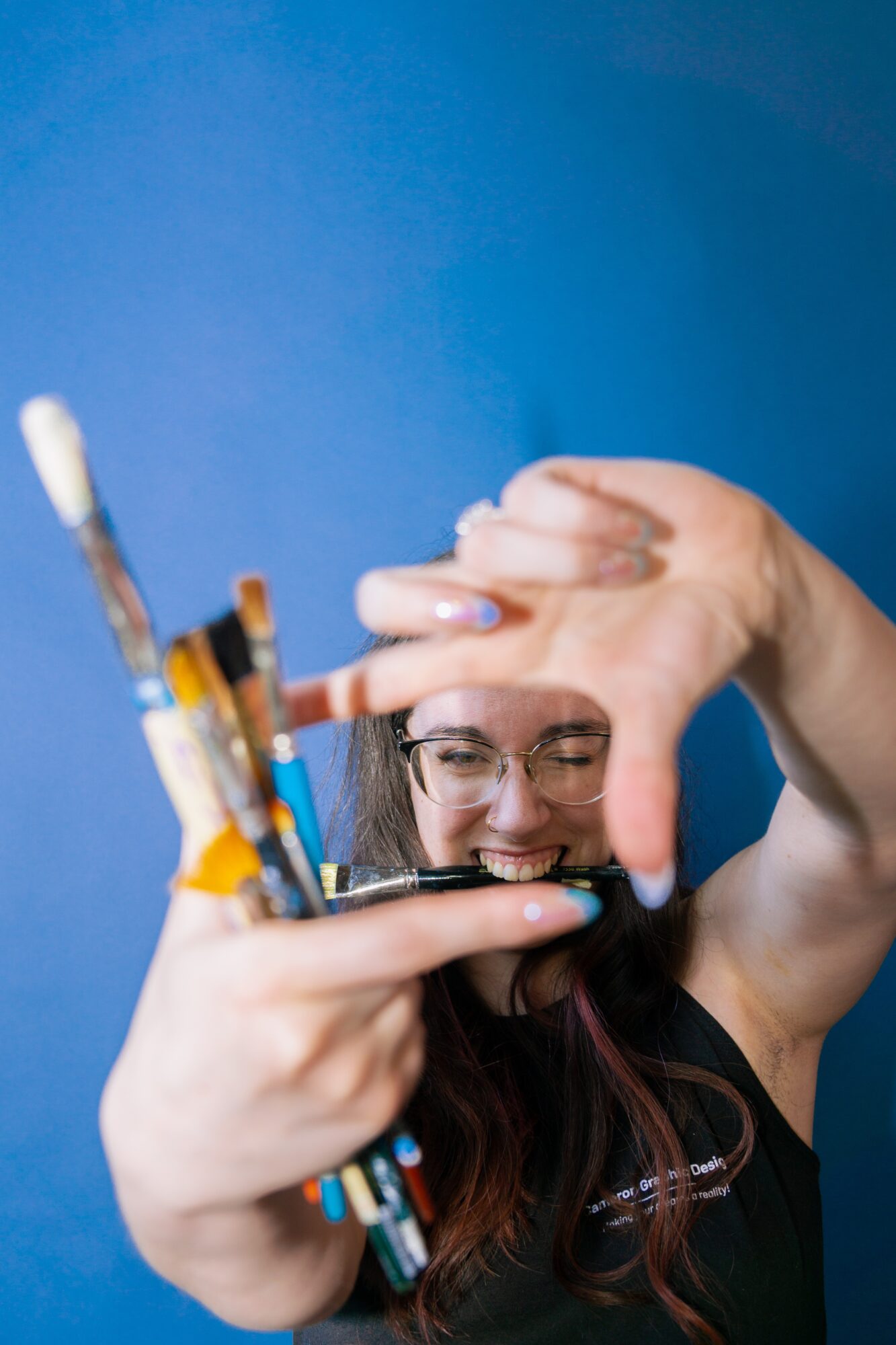





Today we’d like to introduce you to Katharine Cameron.
Hi Katharine, thanks for joining us today. We’d love for you to start by introducing yourself.
Ever since I shadowed a Digital Art class at Marin School of the Arts, I became fascinated by art as a form of communication. I immersed myself in that world, eventually graduating with a triple major from Marin School of the Arts before earning a full scholarship to attend the Academy of Art University. Countless hours sketching still lifes, studying color, and learning design principles trained me to see the visual world differently.
Over the past 18 years, I’ve worked with businesses of all sizes, helping them communicate through branding, print, packaging, websites, signage, and marketing materials. Four years ago, I took the leap and founded Cameron Graphic Design, where I partner directly with clients to solve communication problems through thoughtful, strategic design.
No matter the industry, I kept hearing the same concerns. Business owners had strong feelings about how they wanted their brand to be perceived, but they didn’t always know how visual design could create that perception. The phrase, “I just don’t get art,” haunted my work days.
I think that’s a completely valid feeling. It feels nebulous, and vague. “What is art?” We teach people how to read and write words, but we rarely teach them how to interact with images. Engaging in art is something anyone can learn to do.
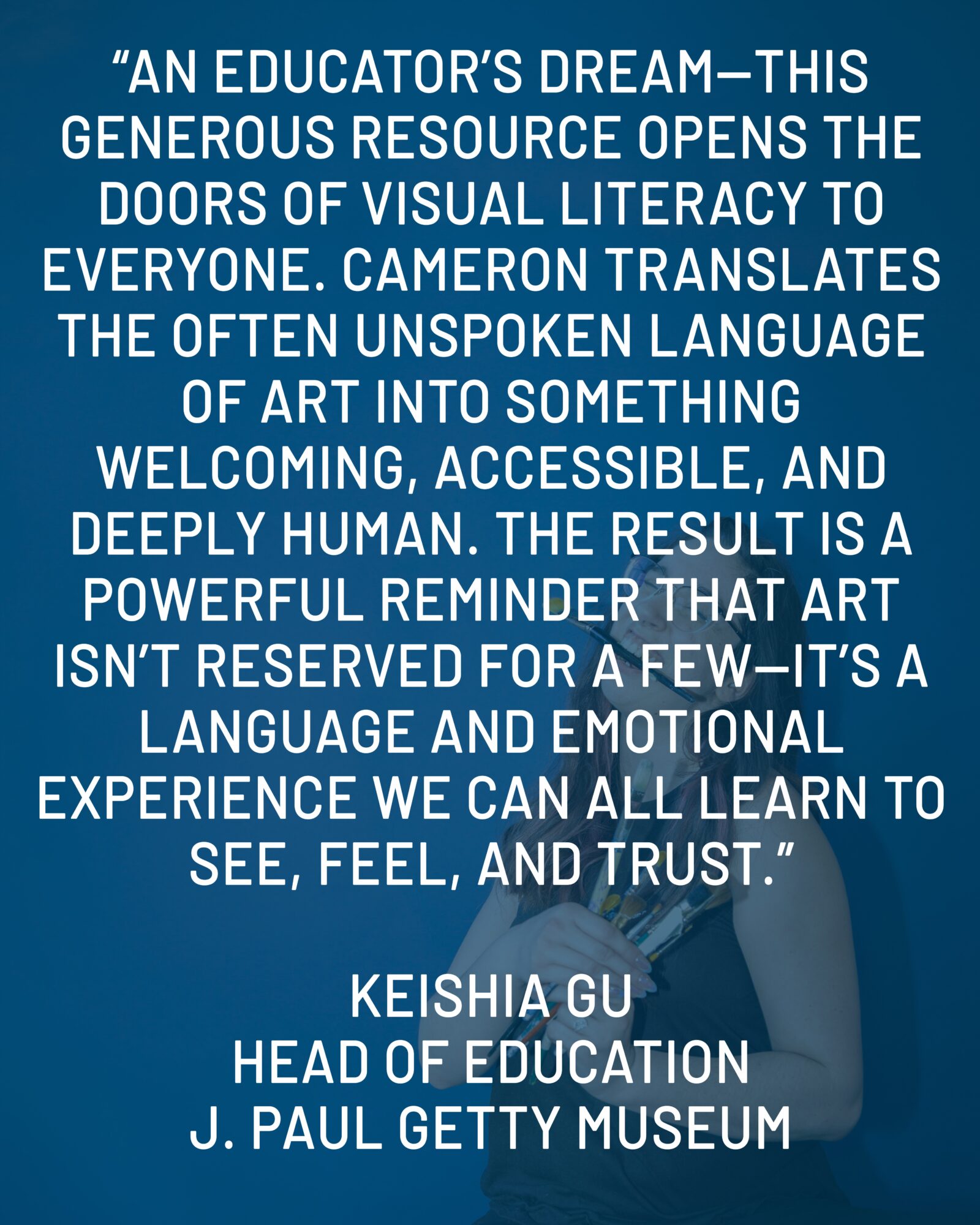
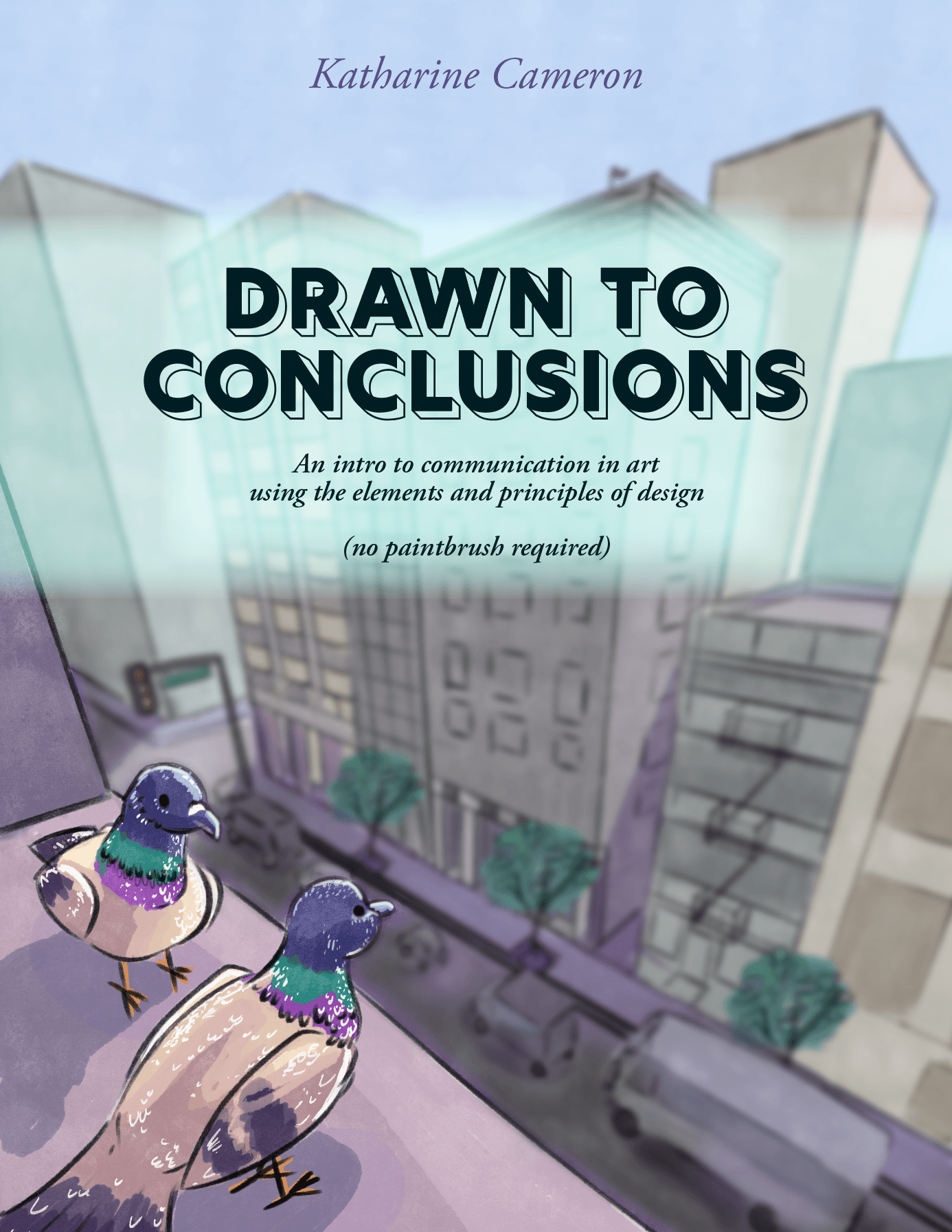
My passion for understanding visual communication, deciphering it, and hearing how others interpret it eventually grew into writing Drawn to Conclusions. I realized there are countless books that teach people how to make art, but very few that teach people how to relate to it. In the same way that someone can love music without being a musician, I believe people can enrich their lives by understanding art without ever picking up a paintbrush.
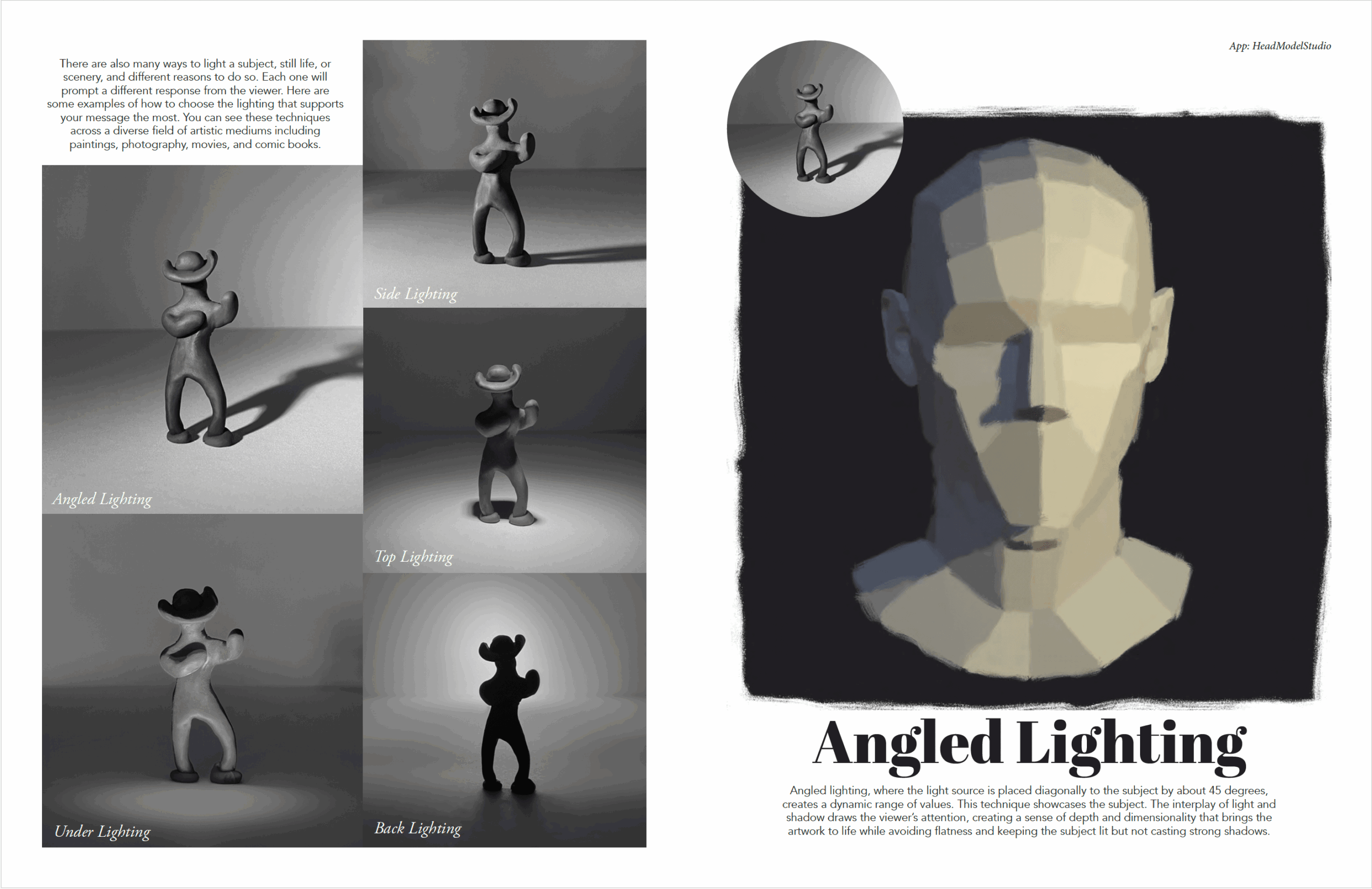
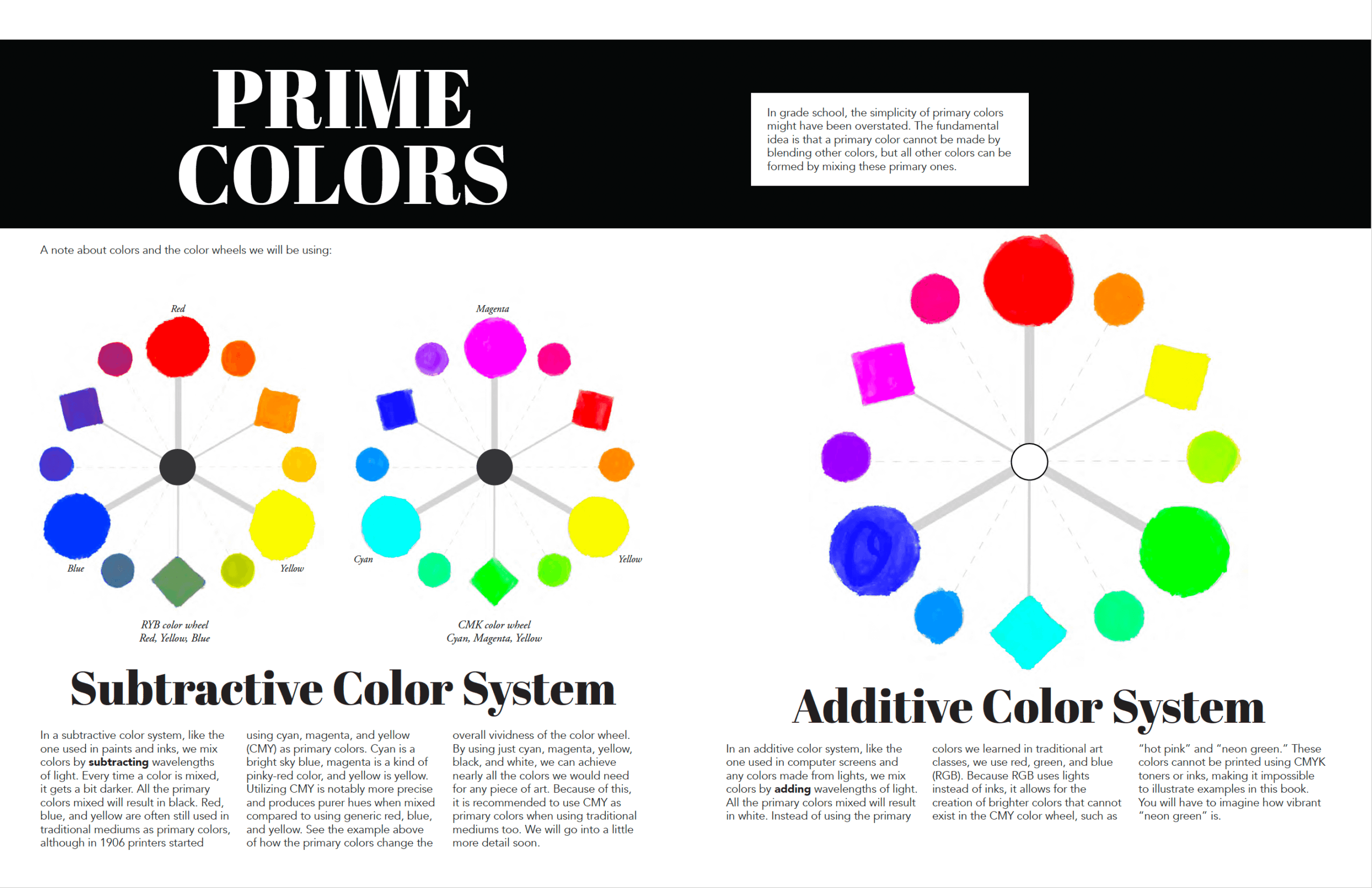
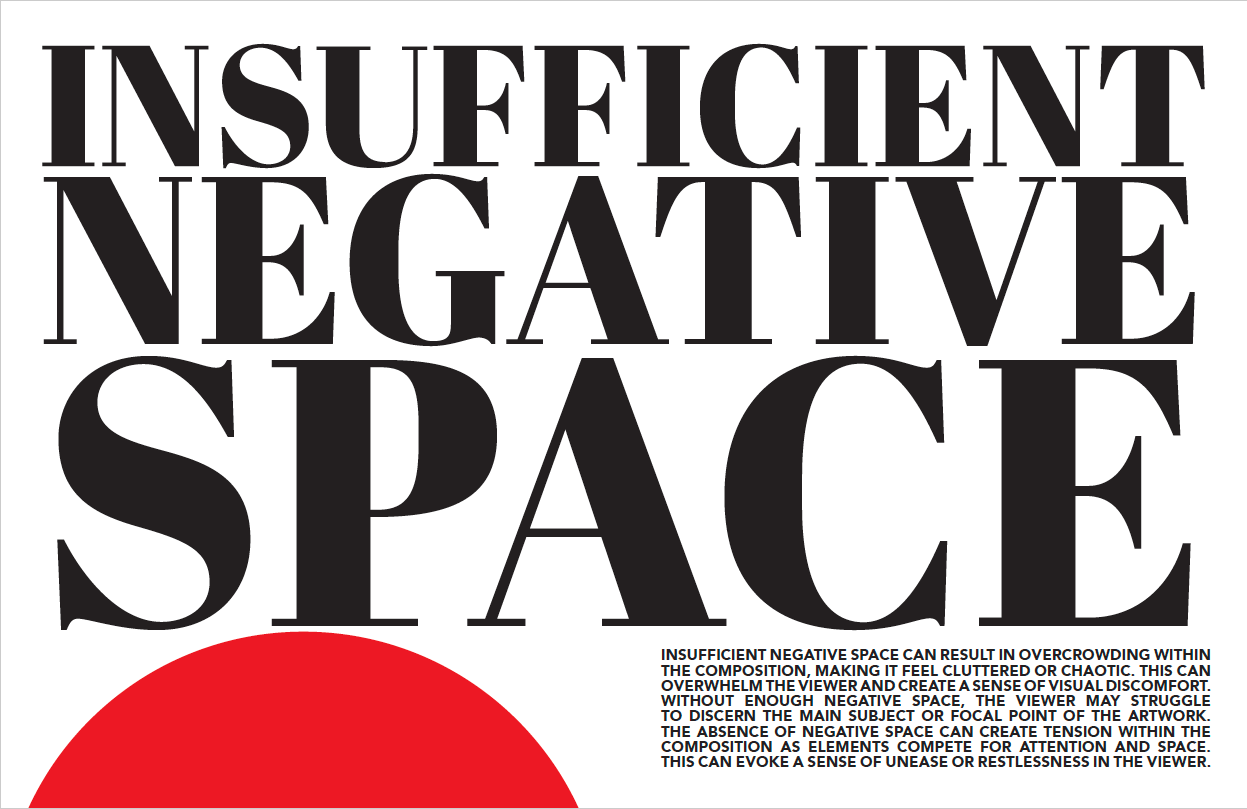
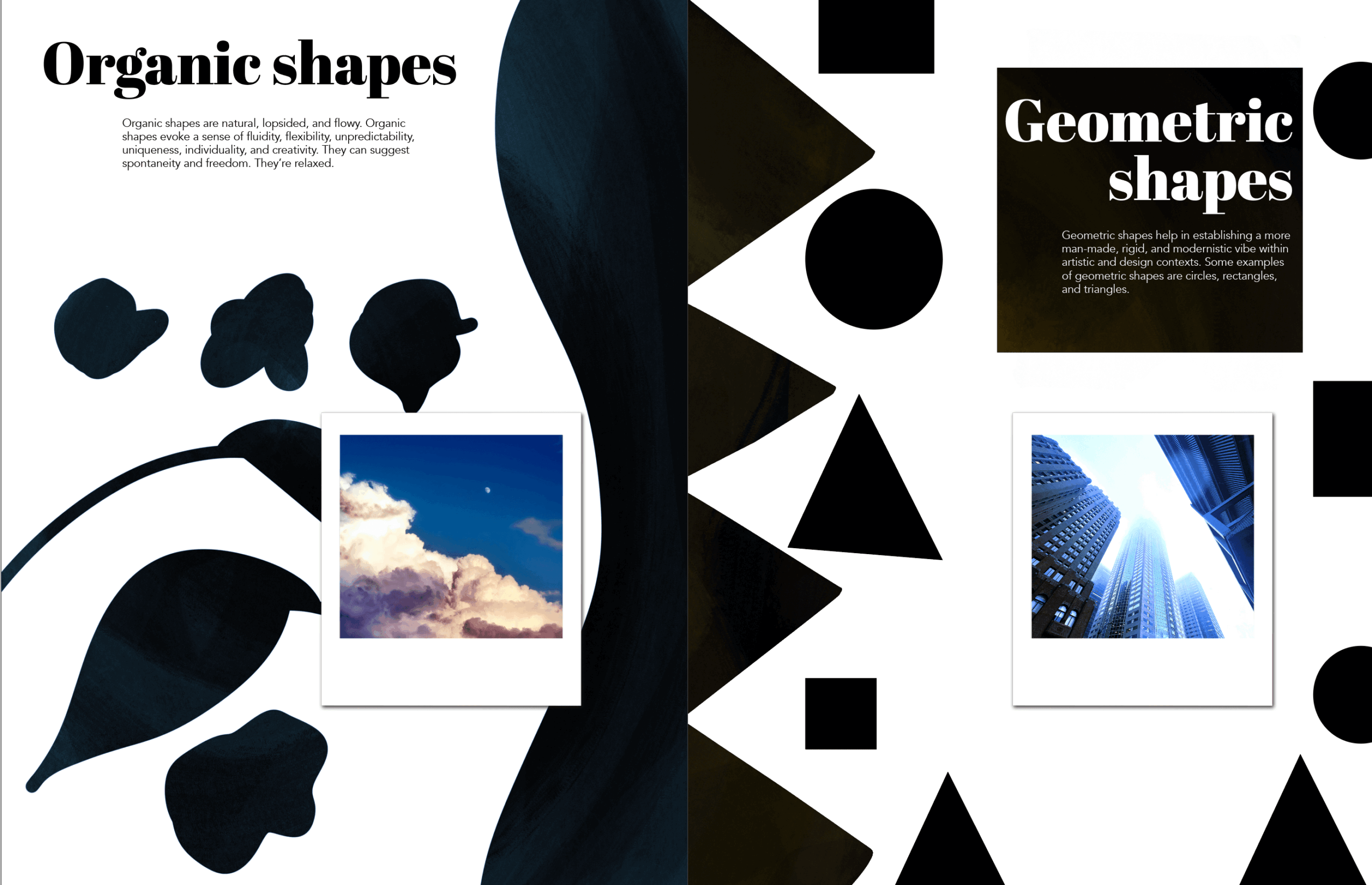
Drawn to Conclusions explores the elements and principles of design in an approachable, practical way for artists, business owners, students, and anyone who’s ever wondered why certain images resonate while others fall flat. My hope is that it gives readers the vocabulary to notice, discuss, and appreciate the visual world around them.
Today, my work sits at the intersection of design and communication. Whether I’m creating a brand identity, teaching a workshop, illustrating a children’s book, or writing about visual communication, my goal is the same: to help people communicate more clearly and connect more meaningfully through design.
Would you say it’s been a smooth road, and if not what are some of the biggest challenges you’ve faced along the way?
Of course there were bumps! The biggest challenge wasn’t learning design or pairing art with communication. It was realizing that most people were never taught how to do that.
Again and again, I’d hear clients say, “I know how I want my business to feel, but I don’t know how to explain it.” Graphic designers joke about hearing “Make it pop!” because it’s become such a universal experience. Clients know something isn’t working, but they often don’t have the vocabulary to explain why. They revise logos, websites, and branding for years, chasing a feeling they can’t quite define.
That revealed a much bigger problem to me: there is very little public education around visual communication, despite the fact that we’re surrounded by it every day. Every sign, package, advertisement, website, and logo is communicating something, whether we realize it or not.
Those conversations became the inspiration for Drawn to Conclusions. There are plenty of books about making art, but very few about understanding it. My goal is to give readers the vocabulary to recognize why images make us think, feel, and connect, so they can navigate the visual world with confidence.
Alright, so let’s switch gears a bit and talk business. What should we know about your work?
I’m a graphic designer, illustrator, and now an author, but everything I do revolves around the same idea: visual communication.
For the past 18 years, I’ve helped businesses communicate through branding, print, packaging, signage, websites, and marketing materials. Every project starts with the same question: Who are we talking to, what are we trying to say, and how can design support that message?
What I’m most proud of is Drawn to Conclusions. After years of hearing clients struggle to explain what they wanted visually, I realized there was a gap in how we teach art. We spend a lot of time teaching people how to make art, but very little time teaching people how to understand it. That’s what inspired me to write a book about the elements and principles of design, visual communication, and visual literacy for everyday people.
I think what sets me apart is that I’m just as interested in teaching people to read images as I am in creating them. Whether I’m designing a logo, illustrating a children’s book, or writing about why certain images resonate, my goal is always to make visual communication more approachable, more intentional, and more meaningful.
How can people work with you, collaborate with you or support you?
The best way to work with me is to reach out through Instagram or my website! If you need graphic design, branding, illustration, print design, or help bringing a creative idea to life, send me a message.
I also love collaborations! Whether you’re another artist, a small business owner, or someone with a wild idea you want to explore, let’s brainstorm and see what we can create together.
Supporting me can be as simple as following along, sharing my work, recommending me to someone who needs design help, or starting a conversation about a project.
Contact Info:
- Website: https://www.camerongraphicdesign.com/artandeducation
- Instagram: https://www.instagram.com/camerongraphicdesign
- Other: https://www.camerongraphicdesign.com/links