



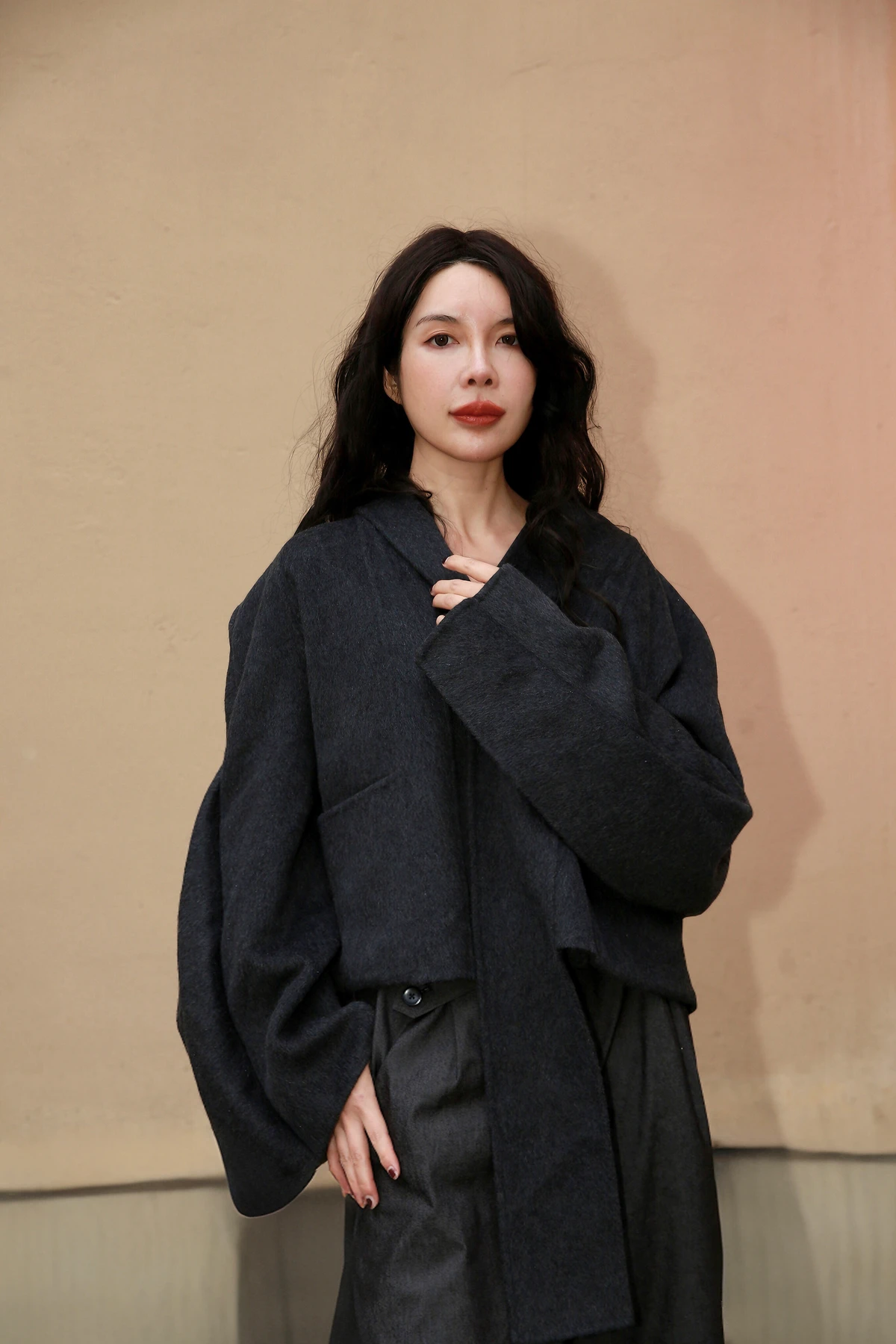
Today we’d like to introduce you to Yixin Zhang.
Hi Yixin, so excited to have you with us today. What can you tell us about your story?
My background is in film and creative production. I have worked across film, advertising, and cultural projects. Over the years, my practice has grown interdisciplinary, spanning documentary and experimental film, visual art, public installations, and cultural experiences.
One experience changed the way I began to think about audiences. One of my experimental films was presented at a large free public art museum in China. It was a very different context from a cinema or a film festival: people were not necessarily there to watch a film. They encountered it simply as part of a public space.
That experience made me increasingly interested in what happens when creative work leaves its traditional setting. How do people discover it? What makes them stop, look, participate, or come back? And how can the environment itself become part of the experience?
Those questions gradually took me beyond making individual films and toward building cultural platforms. Today, I am a co-founder of DOCA, where I work across film, public art, and cultural experiences. Through the DOCA Film Festival and our public projects, we are exploring new ways to bring creative work into public life and connect it with audiences in unexpected settings.
Looking back, the progression feels quite natural: I started by making films, became increasingly interested in how people experience creative work, and eventually began building platforms that could create those encounters at a larger scale.
We all face challenges, but looking back would you describe it as a relatively smooth road?
It hasn’t been a smooth road, and for a long time, I probably misunderstood what the challenge actually was.
I used to think of myself primarily as an artist. I assumed that my creative work and my commercial work belonged to two different worlds.But I spent years working on commercial projects while the internet and digital media were transforming the way people communicated, consumed culture, and built audiences. I was exposed to a very different way of thinking — one that was fast-moving, highly audience-driven, and deeply connected to technology, business, and popular culture.
looking back, they were shaping me all along, They taught me to think beyond the work itself — about who it is for, how people encounter it, and what makes an idea travel.
That shift in perspective is a big part of what led me to DOCA. Today, For me, that is one of the most exciting possibilities of public art: creating cultural experiences that don’t require people to already think of themselves as an audience for art. The work meets people where they are, and the city becomes part of the experience.
Thanks – so what else should our readers know about your work and what you’re currently focused on?
DOCA Film Festival grew from a long-standing question I’ve held: what happens when people encounter film in places they never expect to find it?
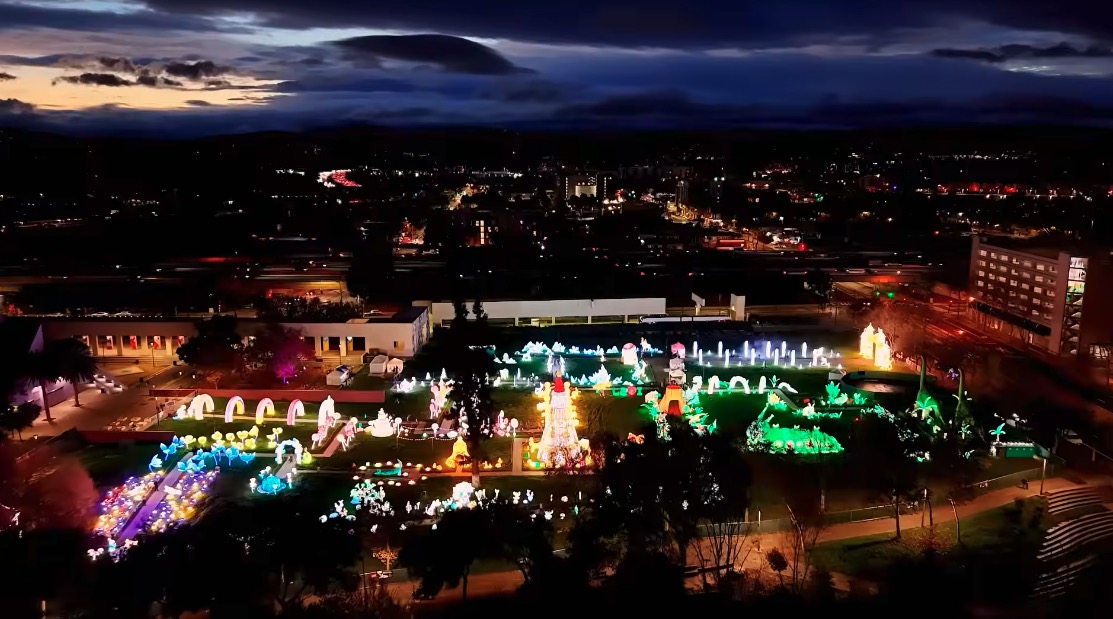
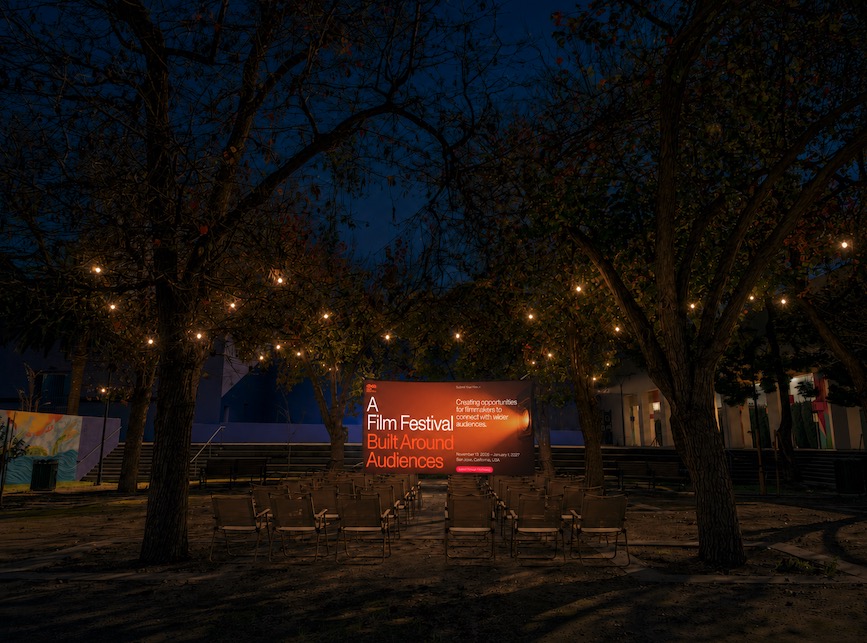
That question is taking shape as a festival. DOCA debuts in downtown San Jose, embedded within San Jose Holiday Lights, with screenings running alongside light sculptures, installations and other public programming.
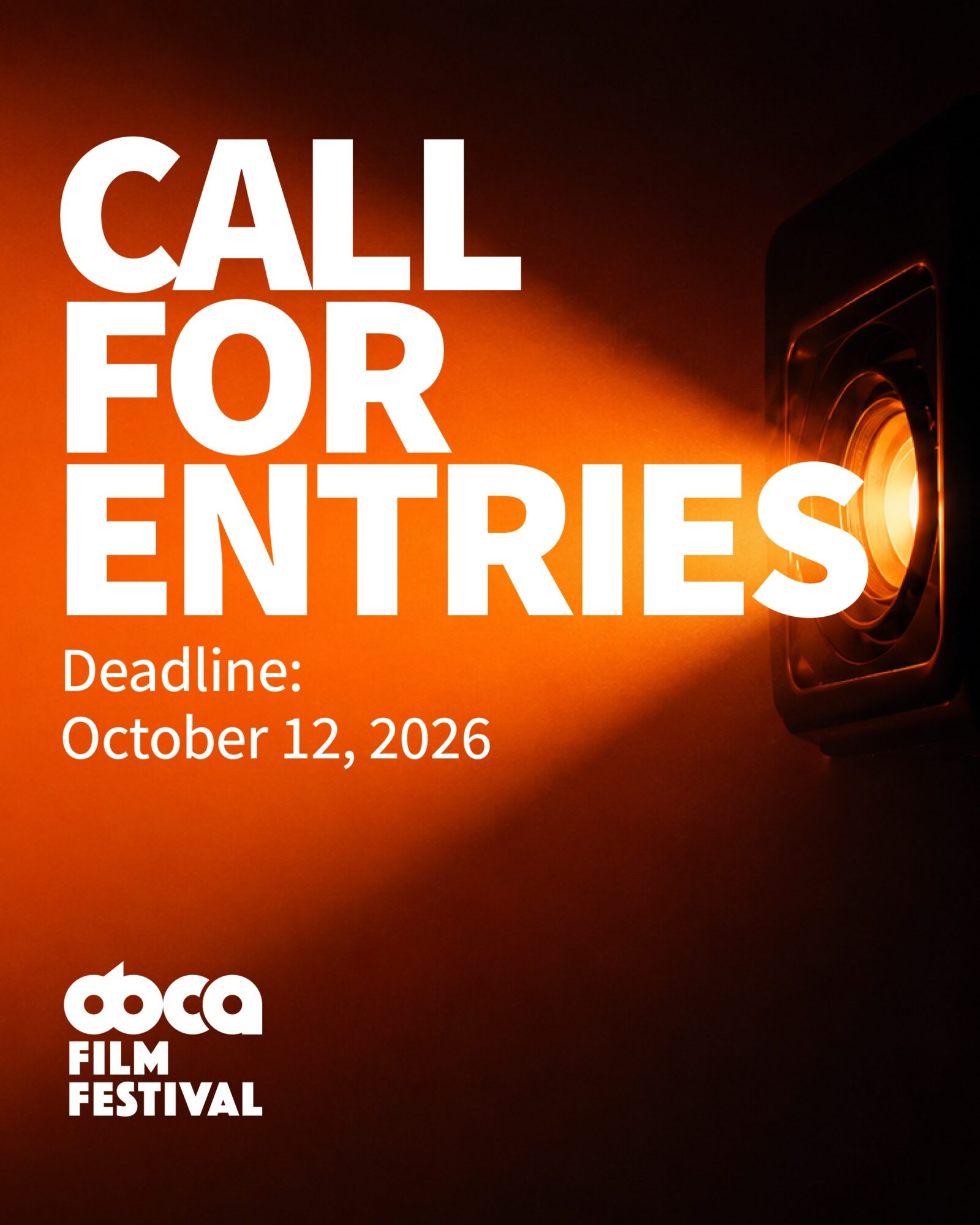
We keep our call open to many kinds of short-form work: narrative, documentary, animation, experimental, new media, AI-assisted and mobile-shot films, plus work that resists neat traditional festival categorization.
I’ve been struck by the range of submissions from filmmakers across many regions. The work varies widely: tightly constructed narratives sit beside experimental pieces, phone-shot films, animation, and projects built with emerging technologies. Viewing them side by side, I spot unexpected threads connecting filmmakers who otherwise have little obvious overlap.
Our tagline is “A Film Festival Built Around Audiences.” At its core, DOCA seeks to move independent film outside traditional venues and industry circles. In these outdoor public spaces, cinema becomes part of everyday leisure. Visitors come downtown for the holiday light displays — to view lights, bring children, meet friends, or simply spend time in the city — and may chance upon international films amid sculptures and crowds. They might see street scenes from faraway places, rural American family stories, personal ethical reflections, children’s experimental works, or hand-drawn animations reimagining ordinary domestic life. People arrive for the lights, not film, yet briefly step into unfamiliar narratives, places and perspectives. These unplanned encounters between viewers and lesser-seen films are what I hope to foster. This is one of my favorite parts of curating: discovering work before audiences see it, and imagining where and how it might resonate most.
Three films I keep returning to for the outdoor program
Barbed Wire is a subtle hand-drawn short about the quiet aftereffects of war. Using kites and barbed wire, it explores release and healing; its strength comes from restraint.
A Cheese Dream is a light 43-second debut animation by a 10-year-old California student. A mouse wanders a cheese-filled dream as a cat watches, playful and unselfconscious.
Laura Venditti’s stop-motion draws on medieval illuminated manuscripts. Three odd cats move through absurd, colourful scenes. The work has tangible texture, with loose, spontaneous humour.
I love the contrast between these films, and it reflects the range of work we’ve been seeing through DOCA.films that take a much more unconventional approach to storytelling.Some are highly crafted and visually sophisticated; others are remarkably simple. Some tell a complete story in just a few seconds, while others rely more on atmosphere, movement, or a single visual idea. We’ve also seen films made with very limited resources that still have a distinctive point of view.
This matters greatly for an outdoor festival. A film may only have seconds to grab someone walking with family or friends. When a person with no intention of watching a film pauses — that is a rare, intimate connection.
Contact Info:
- Website: https://docafilmfestival.com/
- Instagram: https://www.instagram.com/docafilmfestival/