




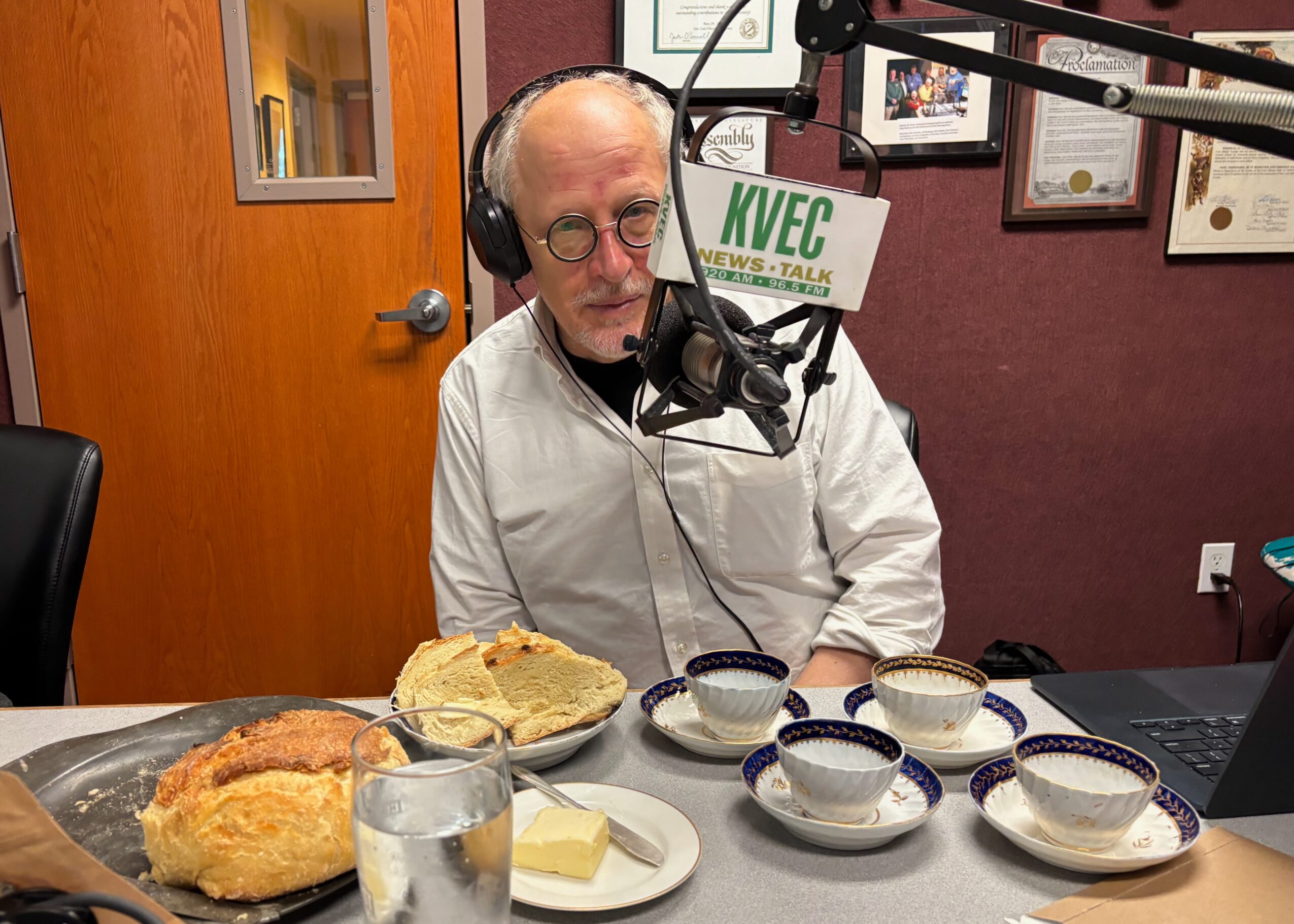
Today we’d like to introduce you to James Papp.
Hi James, it’s an honor to have you on the platform. Thanks for taking the time to share your story with us – to start maybe you can share some of your backstory with our readers?
“If you’d told me six months ago I’d be doing what I’m doing now, I’d have thought you were nuts” is something I’ve had the privilege of saying often in my life. I’ve gotten used to being always “nel mezzo del cammin di nostra vita”—in the middle of the walk of our life—as Dante low-keys the beginning of the “Divine Comedy.” In the thick of it, in other words. The next stage may be Paradiso, Purgatorio, or the Inferno. You deal with it or move on. Better than boredom.
My father apprenticed age twelve as a metal worker because of poverty; my mother became a reluctant nurse because of World War II patriotic duty. I had the privilege of being born in Southern California at the tail end of the Baby Boom, a time and place of endless possibilities; of then being dragged off age six to New Zealand for five years, where I encountered the British literature I learned to love. I quickly formed the desire to write, and after more than half a century, the desire is undiminished and seems no less impractical. Who wants to read stuff crazy enough to be worth writing?
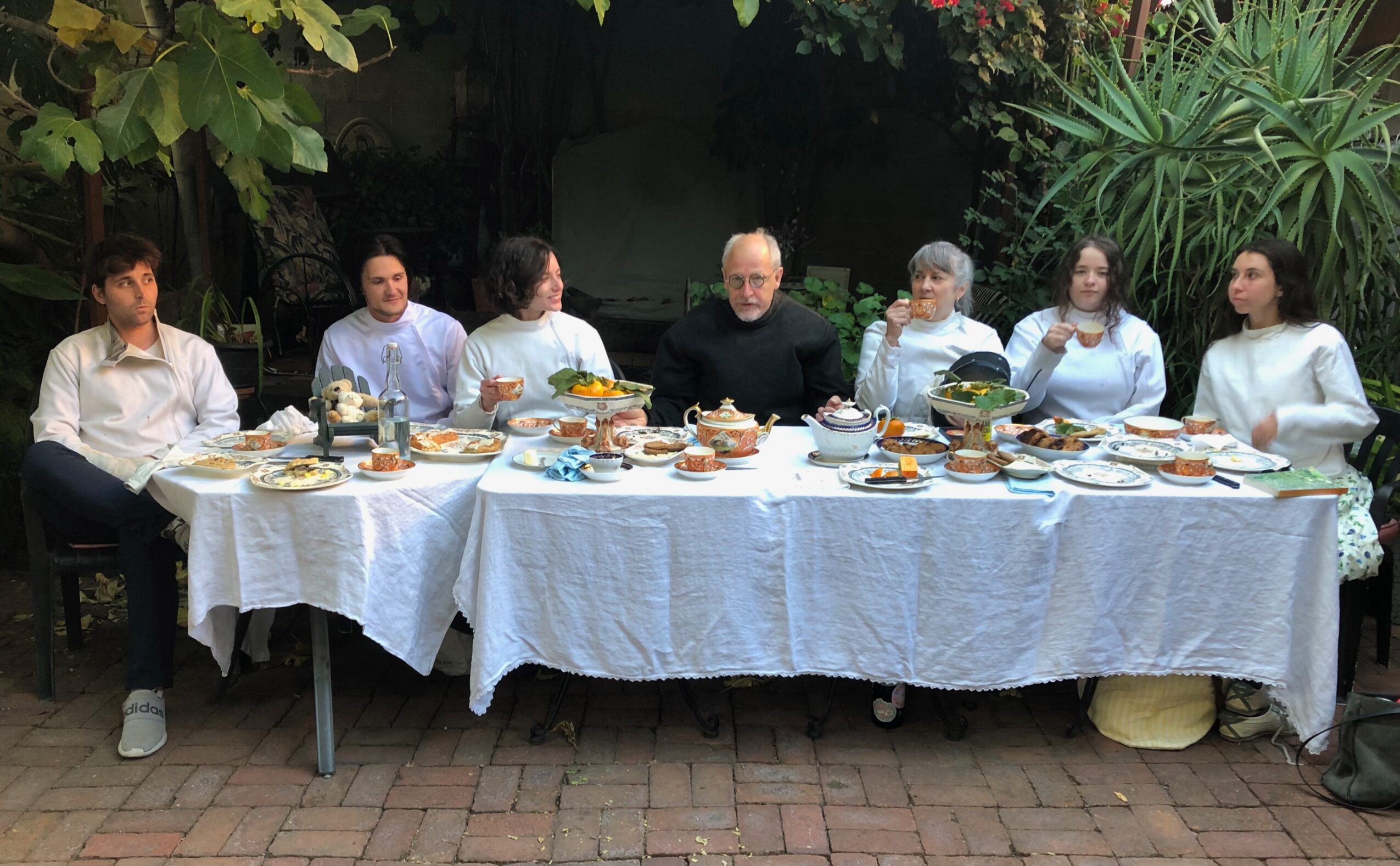
Jim Grove, my high school English teacher, once said, “James Papp writes the damnedest bilge!” (which a printer friend put on stationery for me), but I’ll be forever grateful for the battles we fought over my weekly 300-word essays. As a result, at the end of my first college paper, on Viennese intellectual history, my professor commented, “You write like an Austrian historian.” Another professor added, “You write like an angel!” Interesting but not useful. When I recently gave the manuscript of my just-finished vampire novel to several members of my fencing club, I was not offended when all of them literally fell asleep on the first page. I have been blessed and cursed with an enduring indifference as to what people think of my writing.
It occurred to me that the best way to have the time and the means to write was to become an academic, but I finished my doctorate in English literature in the year with historically the highest number of PhDs produced and fewest number of tenure-track professorships available and ended up unhired. So I joined the Peace Corps, got sent to teach English and American literature, history, and cultural studies in post-Communist Slovakia, and thereby obtained a second education, learning much more about Central and Eastern Europe than anything I taught. Four years later, I came back to the US from a postdoc in Berlin for a job as an editor and administrator at the Modern Language Association in New York. That city was a third education (in art, movies, architecture, you name it).
Then the World Trade Center collapsed four blocks from my office, and it occurred to me, walking through the blind cloud of concrete, glass, and asbestos—nel mezzo del cammin di nostra vita again—that I could be alive or dead in the next minute, and here I was working as an administrator instead of as a teacher instead of as a writer. “On the Folly of Rewarding A, While Hoping for B,” to quote the title of a famous management article. I quit my job and lived from hand to mouth to write: crazy stuff, niche styles on nicher topics, inventing words and concepts, a 10,000-word sentence, merging and disentangling poetry and prose, All while staying on a goat ranch in Sonoma, barge in Paris, cabin on Lake Superior, abandoned mansion in Oregon, etc. All while doing construction jobs, art restoration and dealing, running the oldest and largest fencing club in the Western Hemisphere, etc. I got one of the biggest literary agents in New York, then lost one of the biggest literary agents in New York, neither of which made sense (my novel at the time recommended by a hedge fund manager who was her friend and my nemesis, the board chair of the fencing club I managed).
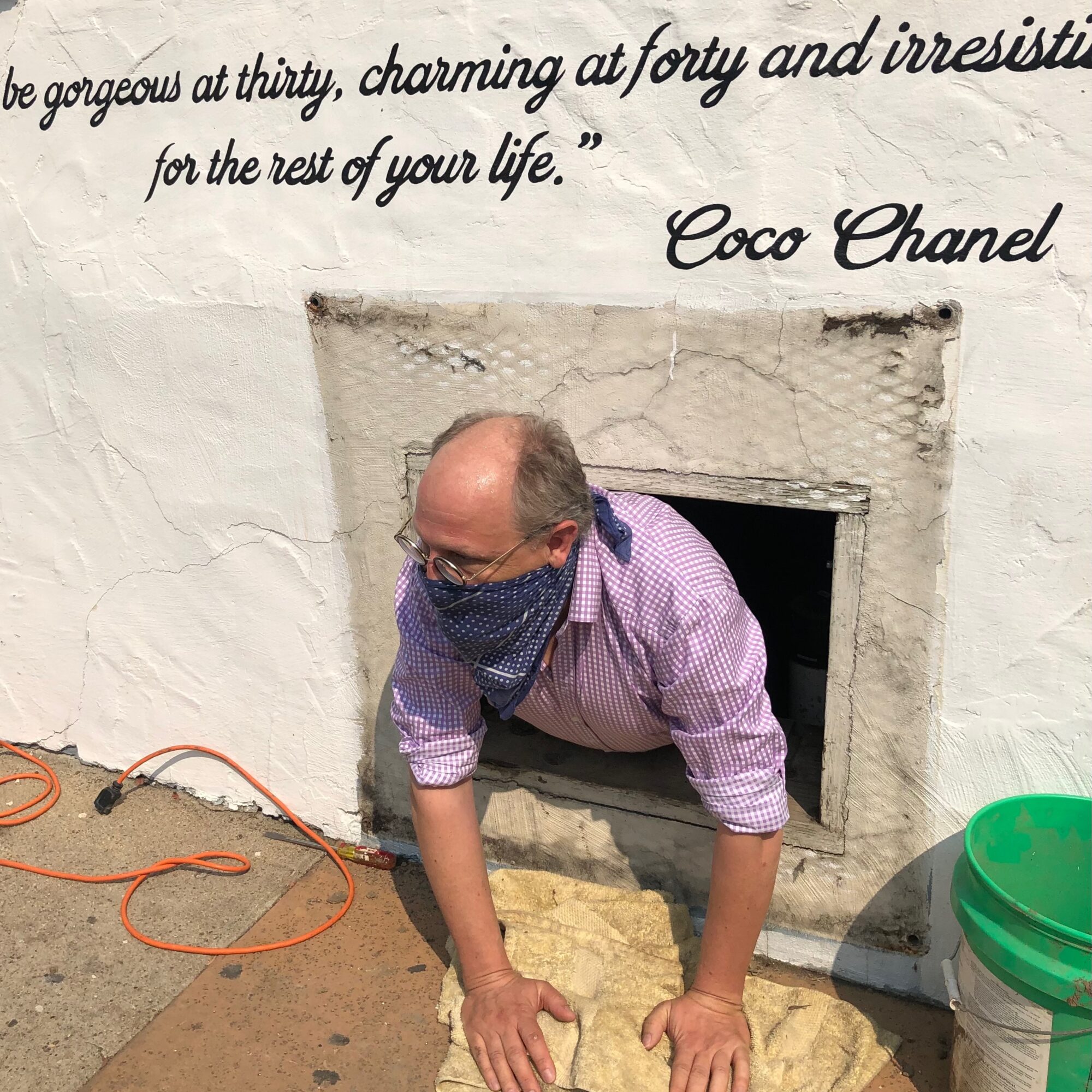
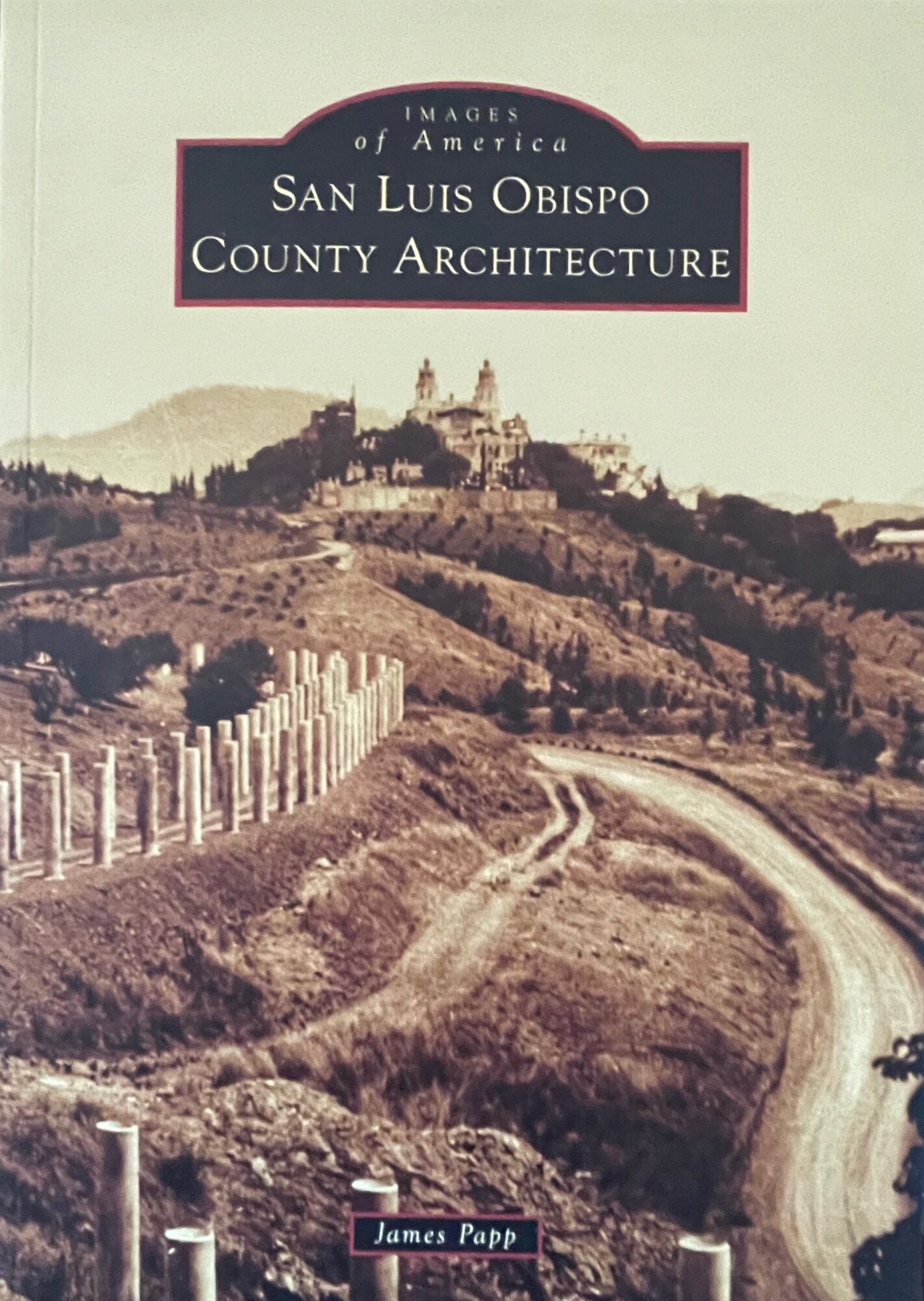
Twelve years ago I fetched up in San Luis Obispo, was appointed to the historic preservation commission, was then asked to work as an architectural historian (a profession in short demand here but shorter supply), and have run that business ever since, responsible for the vast majority of new landmarkings over that period, a book on the county’s architectural history, a couple of dozen art and history exhibitions, and some hundred discussions on local radio and television about California’s history, architecture, and urban planning. This seems far from my English PhD, but data is data, and once you learn to crunch one data set for patterns, you can crunch another set of different data for different patterns. I spend much of my time myth-busting, probably the result of coming to the field of architectural history by a non-traditional path. Fortunately, I can’t afford to retire so will continue to upset the apple cart until I die. Nel mezzo del cammin di nostra vita on my last day on earth. But the business also gives me time to write novels for hedge fund managers to admire and fencers to fall asleep over.
Alright, so let’s dig a little deeper into the story – has it been an easy path overall and if not, what were the challenges you’ve had to overcome?
I remember one day walking on Fifth Avenue with fifty cents in my pocket and ten bucks in the bank. You can’t take ten bucks out of a cash machine, and fifty cents won’t buy anything, so when a guy on the steps of St. Thomas Church asked if I had spare change, I gave it to him, figuring he could aggregate it. The next day I got hired for a minor art consultation, used the money for materials to restore a painting for a client, then sold an anonymous painting that I’d bought for a couple of hundred bucks and then I’d figured out was a bad early Asher B. Durand for several thousand. On that dough, I went to Europe for the rest of the year. But it could have as easily gone the other way. Never mistake good luck for knowledge and skill, though skill and knowledge are useful when good luck hits. On the flip side, never give bad luck the satisfaction of inspiring self-pity, which, however justified, is not useful.
A useful phrase from a friend and former colleague: “We live in a fallen world.” Another, from a would-be lover from whom I had a narrow escape: “Consign it to the flames.”
I learned from my mother, who suffered from migraines, not to suppress vexation, to which I attribute my lack of diplomacy; from my father, who suffered from depression, never to experience regret. But more important, my father modeled kindness; my mother, aplomb; and both, intellectual curiosity. I’d rather be poor than bored.
Alright, so let’s switch gears a bit and talk business. What should we know?
Architectural historians have the statutory function to analyze resources (buildings, objects, landscapes) to see if they are historic rather than simply old—that is, are they related to historically important people or events or do they embody aesthetically significant design? If yes, they can be landmarked (often with tax advantages); if no, demolished. We also analyze modifications and additions to see if they degrade the ability of the resource to convey its significance. Very technical but involving research and writing.
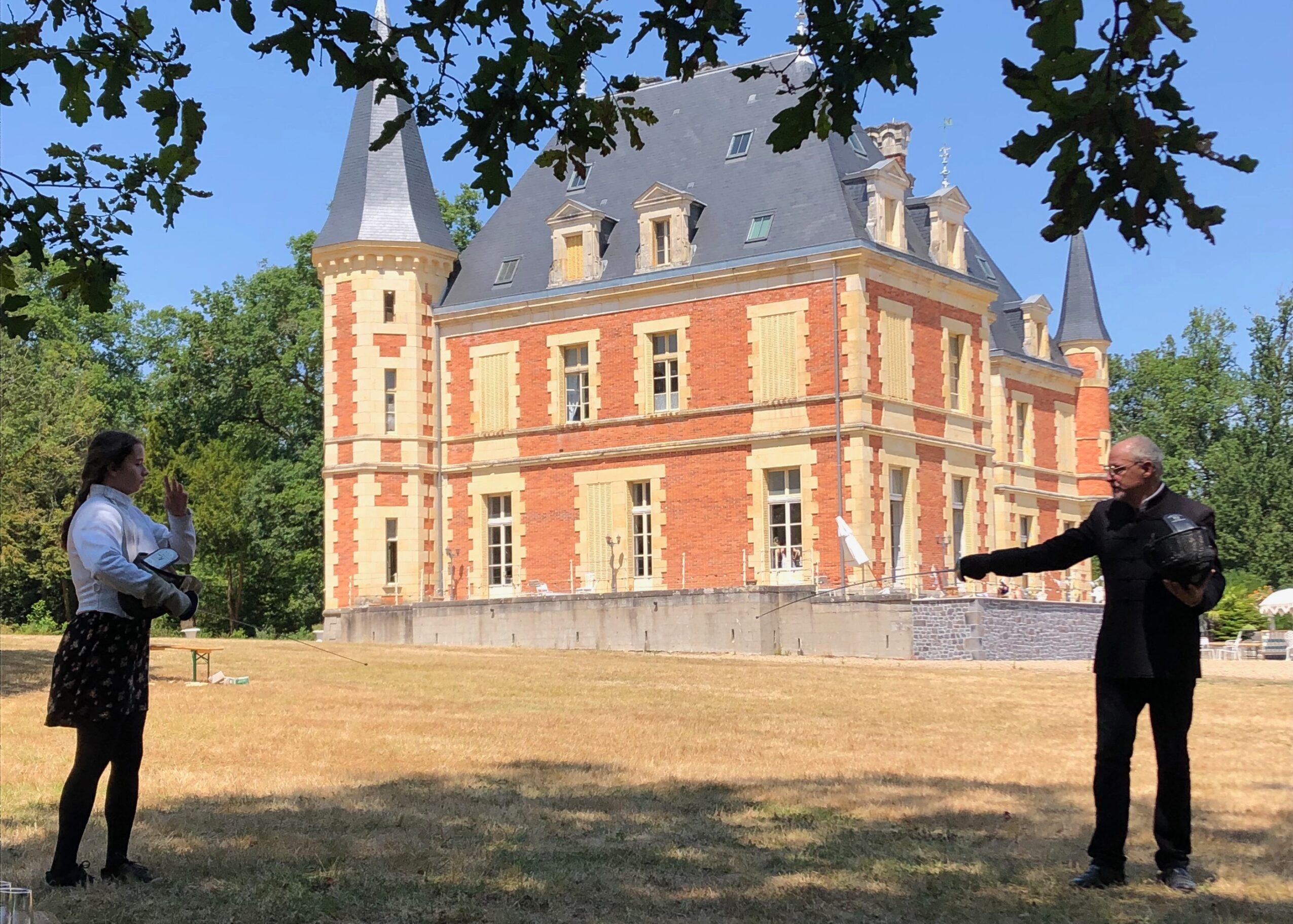
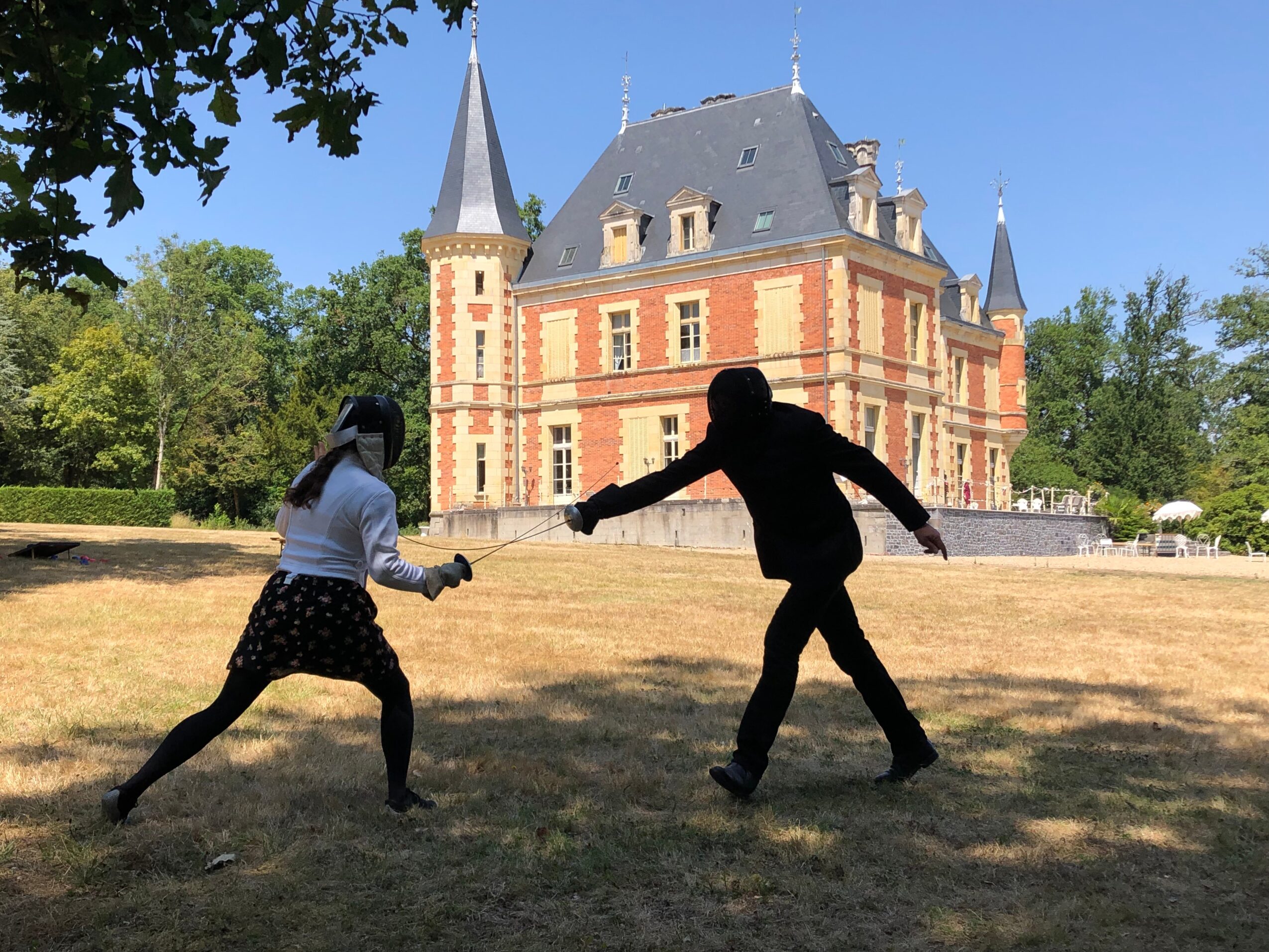
I’m one of the last independent practitioners in the region, still representing individual householders, as well as the more thoughtful and sensitive developers. As a three-time historic preservation commission chair, I’ve made my belief in legality and ethics very clear, which has lost me plenty of clients but gained me trust and influence. I’m proud of doing the first landmarkings of properties in San Luis related to historically significant African Americans and women (about time!), as well as doing the first landmarkings of Modernist architecture and saving our only Chumash-built structure. I and my apprentice, Coco La Bretteuse, an accomplished taxonomist, have done extensive work on Chinatown, lectured at Cal Poly on it, and have been instrumental on a $50,000 National Trust–American Express grant to restore the neon of the second oldest Chinese restaurant in the country. (Coco is also my assistant fencing coach and is pictured here on our recent study trip to France.)
Our small firm’s knowledge and understanding of California architectural styles, particularly on the Central Coast, is second to none. The most widespread and best documented late-nineteenth-century architectural style in California is Eastlake, but because a Yale professor said in a footnote half a century ago that Eastlake doesn’t exist, it dropped out of most guides to historic architecture. Our firm recently identified a subgenre of Eastlake cottage architecture that appears to exist only in Santa Barbara and San Luis Obispo Counties—plus halfway across the world in Auckland, New Zealand. It’s like finding a lost language, learning its grammar and vocabulary, and teaching people to hear and speak it again.
California architecture has always been incredibly innovative and always marginalized by East Coast architectural historians. For instance, what are now known as “Craftsman Bungalows” were called California Bungalows throughout the United States and Canada and as far away as Australia when they were being built in the early 20th century. That utopian history of architecture matched to climate and lifestyle has been erased by a lazy, ahistorical renaming.
Can you tell us more about what you were like growing up?
One of my earliest memories is of being mislaid by my mother, who miscounted her children and drove off, leaving me, at age four, two miles from home. I have a strong visual memory of it, because it was next to a building I liked by Irving Gill, one of the most important California architects (though I wasn’t at that time aware of his name). I knew the way home so just walked. In the meantime, everyone left home to look for me, so I arrived without fanfare. I suppose this demonstrates that I was an impatient child with a good directional and spatial sense, an eye for architecture, and low tendency for panic. All true of me as an adult.
A year later I was taken, with my youngest sister, to see Richard Nixon and Spiro Agnew land in the La Jolla High football field. Forty-five years later, I mentioned this to my sister, and she said she thought we had been taken to see the helicopter. So I must have had an early interest in politics, too.
Contact Info:
- Website: https://papp-architectural-history.com
- Other: papp.architectural.history@gmail.com