



Today we’d like to introduce you to Jonathan Goldhill.
Hi Jonathan, so excited to have you on the platform. So before we get into questions about your work-life, maybe you can bring our readers up to speed on your story and how you got to where you are today?
My relationship with family business started long before I had language for it.
My grandfather had largely exited our family’s apparel business by the time I was growing up, so I didn’t work inside the company. But I saw the impact of what he had built. I saw the respect he earned, the life he created, and the quiet pride that came from building something meaningful over decades.
That early exposure planted a seed. Later, I came to understand that family businesses are never just businesses. They carry identity, legacy, expectations, conflict, pride, and sometimes unresolved conversations from one generation to the next.
My own career path was not inherited. I built it. One of the formative chapters of my career was helping grow VEDC in the San Fernando Valley into one of California’s most successful business and economic development organizations. That work put me directly in the world of small and mid-sized business owners—people trying to grow, hire, survive downturns, raise capital, and create opportunity for their families and communities.
In 2000, I moved into private coaching and advisory work. Over the past two decades, I’ve worked with entrepreneurial and family-owned businesses through growth, leadership challenges, succession issues, and moments when the old way of operating no longer worked.
Today, my work is focused on helping next-generation leaders and family business owners navigate the transition from founder-led to professionally led. That includes leadership development, succession, communication, accountability, family dynamics, and business execution.
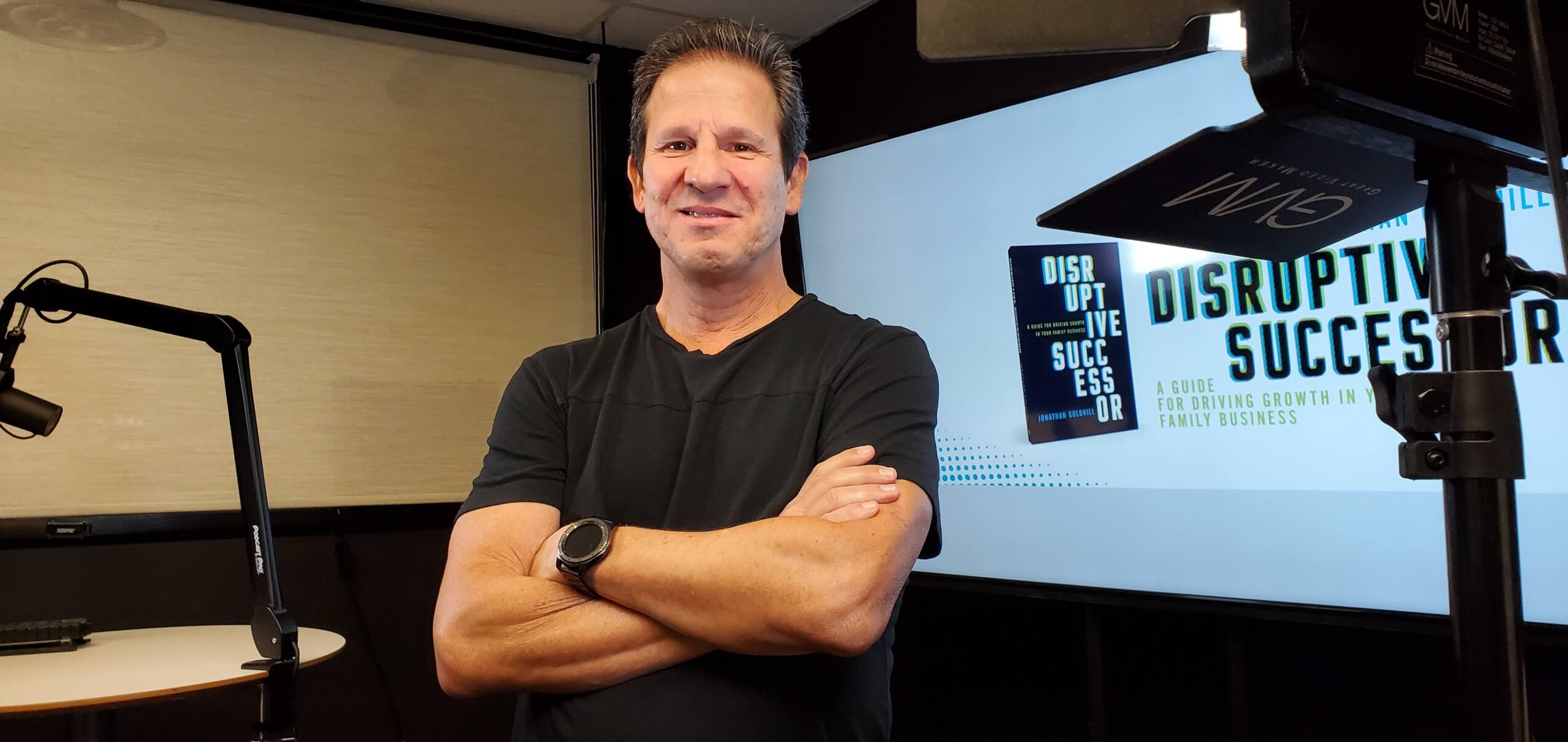
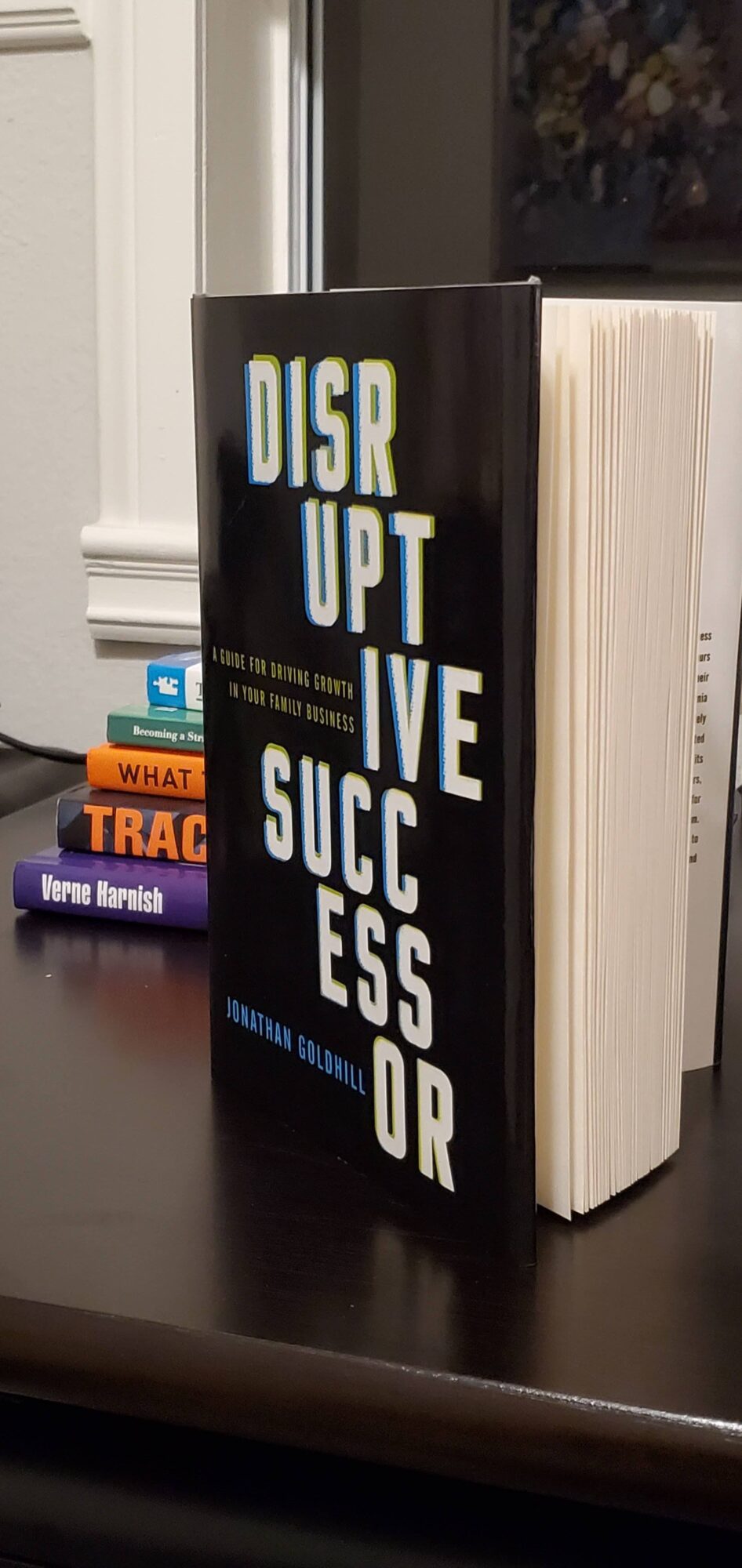
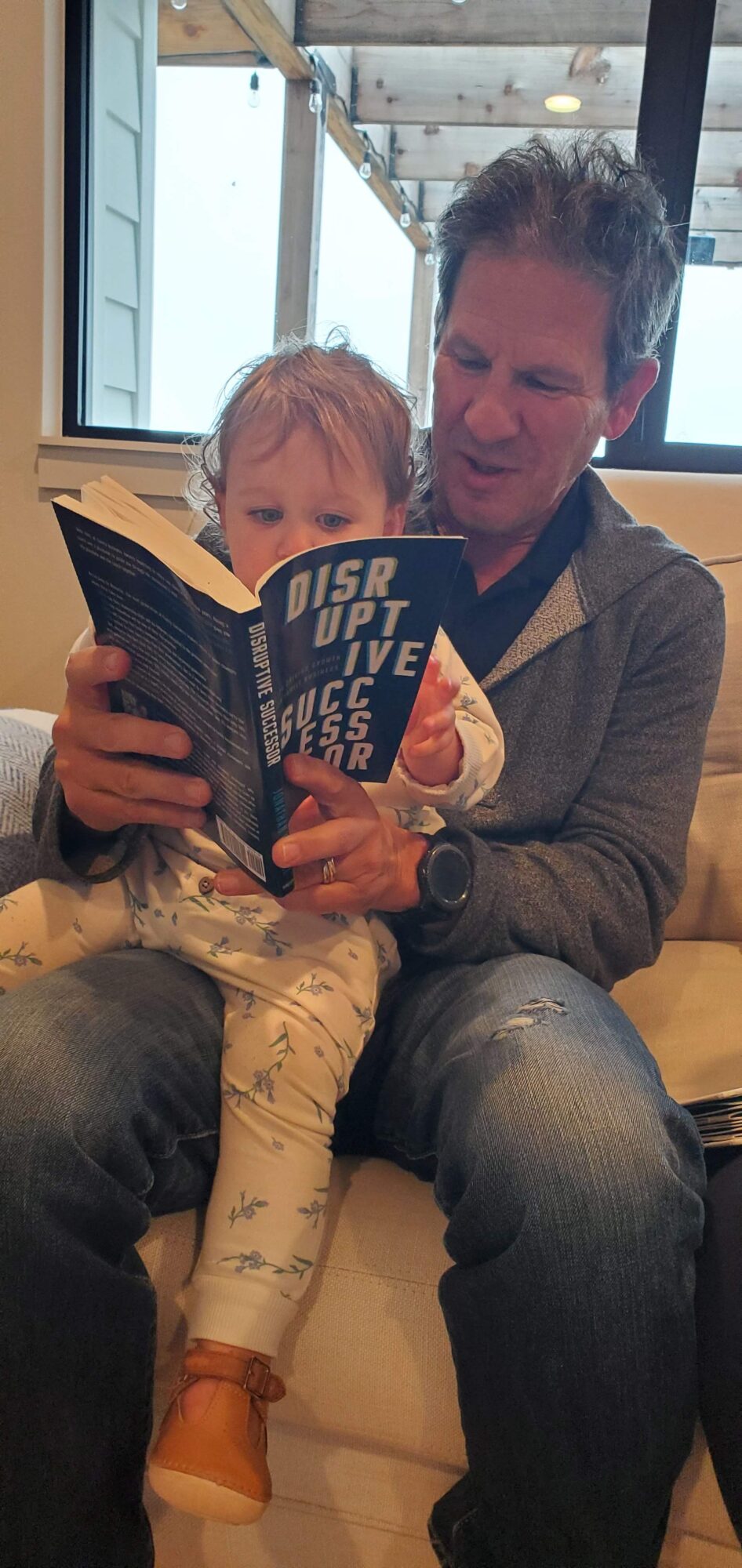
I also host the Disruptive Successor Show, where I interview next-generation leaders, family business owners, and advisors about what it really takes to lead, grow, and preserve legacy without being trapped by it.
At this stage of life, I’m less interested in building a bigger business for myself and more interested in doing meaningful, high-impact work with the right people. My best work now is helping family business leaders move from confusion to clarity, from tension to trust, and from inherited expectations to confident leadership.
Would you say it’s been a smooth road, and if not what are some of the biggest challenges you’ve faced along the way?
It has not been a smooth road, and I’m grateful for that.
Early in my career, I made several investments in private companies. Some worked out, but several did not. Those experiences taught me that optimism is not a strategy. A business needs the right people, the right timing, clear roles, capital discipline, and alignment among the owners.
One of my most important learning experiences was starting an art and clothing company with an artist. The venture was short-lived, largely because of a difficult partnership dynamic, and I lost about $25,000 of my own money in 1986. At the time, it felt like a major personal and financial failure.
But that failure became a turning point. It pushed me to go back to school and earn my MBA in Entrepreneurship and Management Consulting at USC. More importantly, it forced me to study what I had experienced firsthand: why businesses struggle, why partnerships break down, and why leadership and human dynamics matter as much as strategy.
Those lessons still shape my work today.
When I sit with a founder who is afraid to let go, a successor who feels underestimated, or siblings who don’t know how to talk honestly about ownership and leadership, I’m not just applying a framework. I’m drawing from decades of watching how businesses succeed and fail.
The biggest lesson I’ve learned is that most business problems are not purely business problems. They are people problems, communication problems, trust problems, and clarity problems. Especially in family businesses, the financial issues are often easier to solve than the emotional and relational ones.
That’s why my work today is so focused on helping families have the conversations they avoid, clarify roles, build trust, and create operating systems that reduce drama and improve performance.
As you know, we’re big fans of Goldhill Group. For our readers who might not be as familiar what can you tell them about the brand?
Goldhill Group is a coaching and advisory practice for family businesses, entrepreneurial companies, and next-generation leaders navigating growth and transition.
The heart of my work is helping family businesses move from founder dependency to next-generation leadership. Many of my clients are successful companies, often in construction, landscaping, manufacturing, professional services, and other privately held industries. They have built something valuable, but now they are facing a new set of questions:
Who will lead next?
How do we prepare the next generation?
How do we reduce conflict between family members?
How do we professionalize the company without losing the culture?
How do we create accountability when family members are involved?
How do we grow the business while protecting the relationships?
That is where I come in.
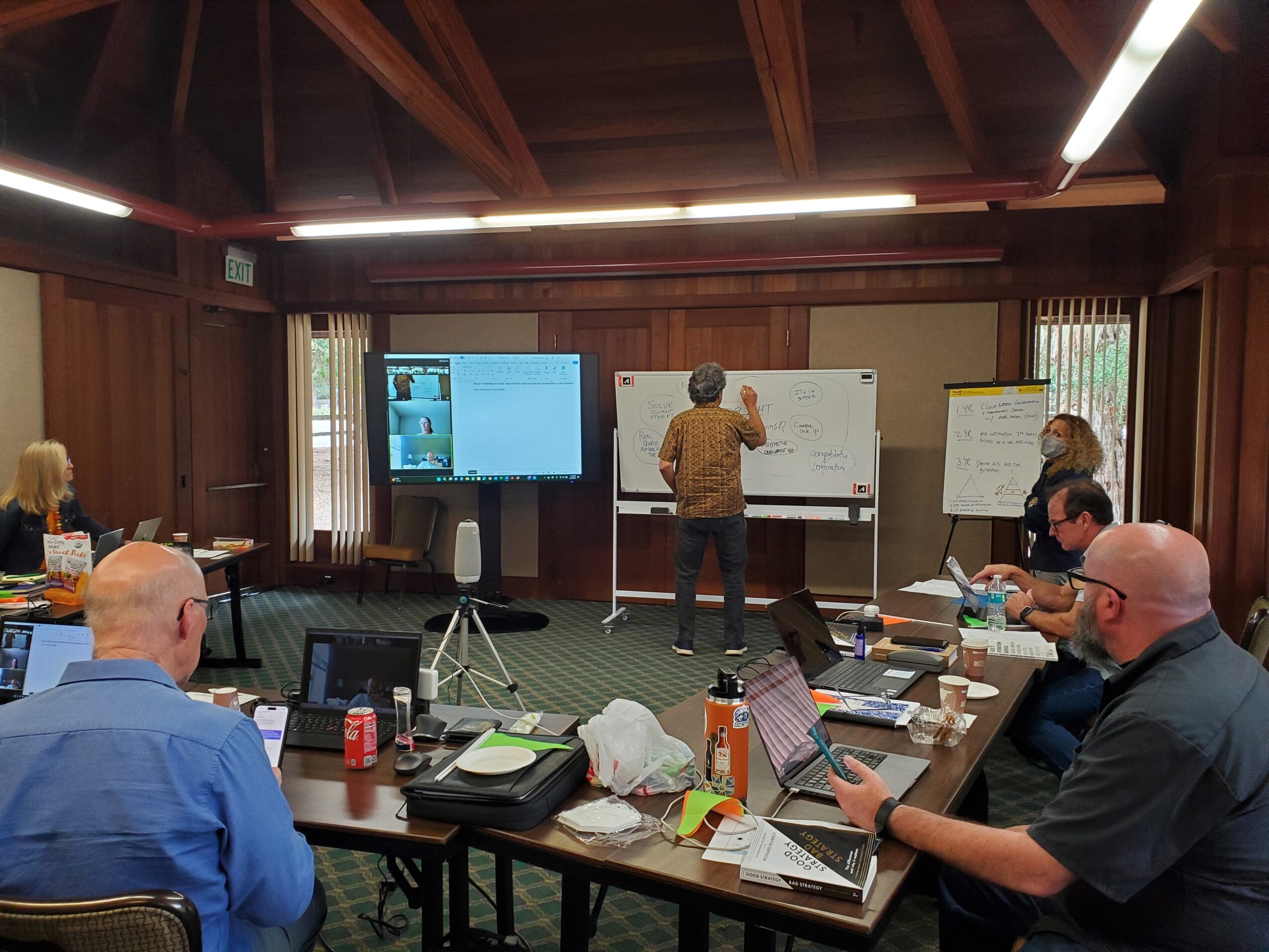
I help clients strengthen leadership, improve communication, install practical operating rhythms, clarify roles, and create the structure needed for sustainable growth and succession. My work often blends business coaching, leadership development, strategic planning, family business advising, and facilitated conversations.
I’m known for helping leaders bridge the gap between legacy and innovation. Founders often want to protect what they built. Successors often want to modernize, grow, and lead in their own way. Both are valid. The challenge is helping the generations listen to each other, align around shared goals, and build a business that can thrive beyond the founder.
What sets Goldhill Group apart is that I don’t treat family business challenges as purely operational or purely emotional. They are both. You need strategy, accountability, meetings, metrics, and execution discipline. But you also need trust, respect, role clarity, healthy communication, and the courage to talk about ownership, authority, money, and succession.
I’m proudest when a next-generation leader becomes more confident, more respected, and more effective—or when a founder begins to trust that the business can continue without everything depending on them.
That’s the transformation I care about most.
Can you talk to us a bit about the role of luck?
I don’t think luck has played any role in my business. In life, I was fortunate to have been born into an upper-middle-class family with middle class values where wealth was earned and accumulated by my grandfather and his brothers and passed down to two generations. It afforded me the opportunity to move from New York to California at the age of 20 and forge my path serving others. I have led my life in service of others to help them achieve what I was given: dignity and freedom of choice,
Contact Info:
- Website: https://www.thegoldhillgroup.com
- Instagram: https://www.instagram.com/goldhillgroup
- LinkedIn: https://www.linkedin.com/in/jonathangoldhill-familybusinessadvisor/
- Youtube: https://www.youtube.com/thegoldhillgroup