




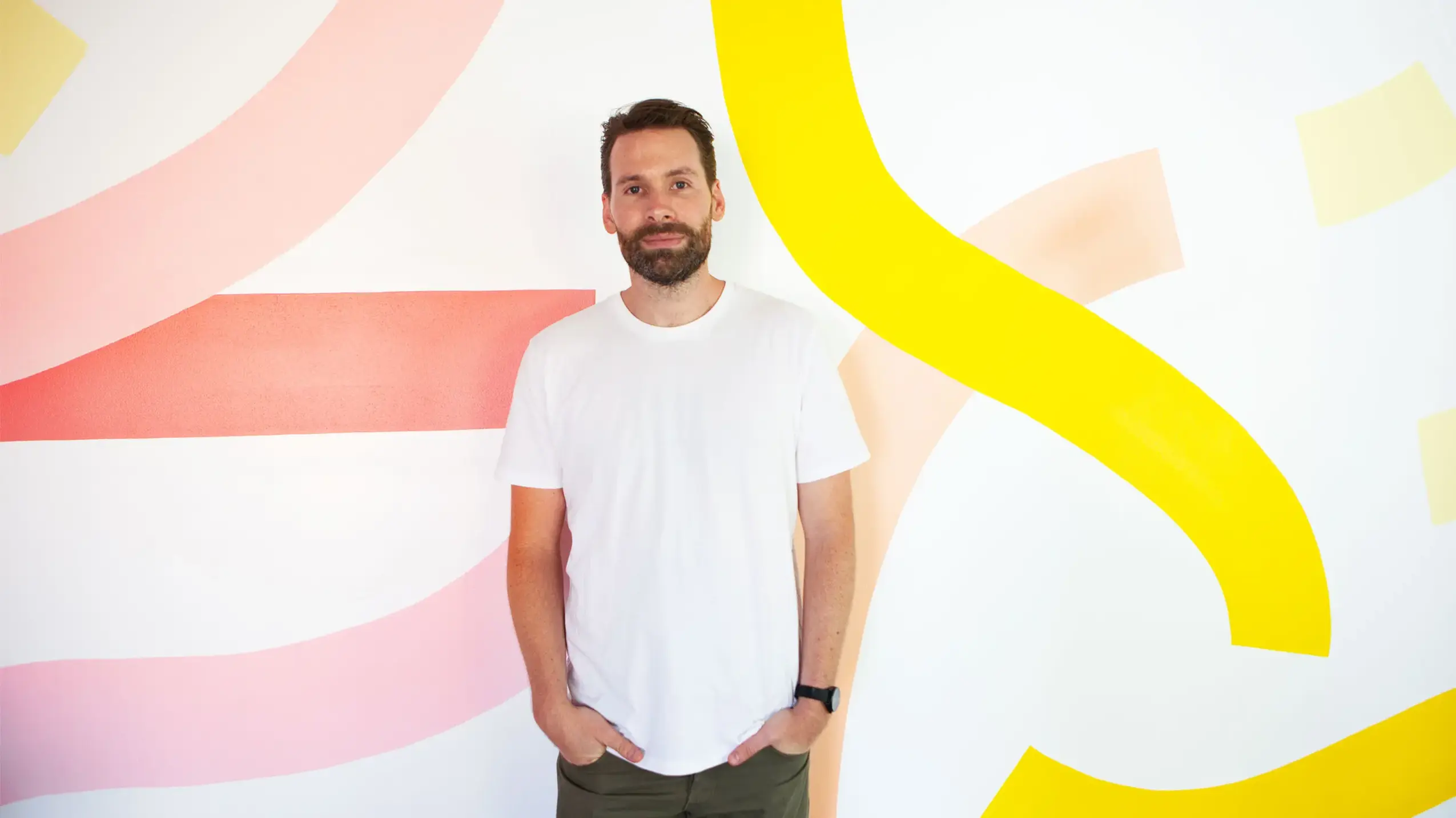
Today we’d like to introduce you to Marc Hendrick.
Hi Marc , so excited to have you on the platform. So before we get into questions about your work-life, maybe you can bring our readers up to speed on your story and how you got to where you are today?
I studied architecture in Sydney and worked out fairly quickly that I was more interested in graphic design, so I spent the early part of my career in design, branding and art direction, mostly around music and fashion, and ran my own clothing label for a while. The best part of all of it was working with artists. I came out of that decade with a long list of people I wanted to collaborate with again on something. A few years after moving to LA, I went to an exhibition where every piece had been woven into a tapestry. These were painters and illustrators whose work I’d only ever seen on paper or a screen, and seeing it as textile made something click: art you could actually use, that still worked on a wall. The timing helped – everything was going very minimal at that point, there was a particular millennial brand look, and I wanted to make something with a bit more character in it. The blankets still sat happily next to the perfect pastel candles and ceramics, but the art was the point. A lot of the designs were hand-drawn, imperfect, sometimes plain weird, and that was the part I loved. Because every piece came from a different artist we were never locked into one style, which meant the thing holding it together was an attitude rather than an aesthetic.
I’m sure it wasn’t obstacle-free, but would you say the journey has been fairly smooth so far?
It started well, which I know isn’t the usual answer. Slowdown was meant to be a one-off side project, but the first collection sold out much faster than we expected and it turned into a full time business almost by accident. The product and the art direction clearly resonated with people.
The struggles have been the unglamorous ones, and they’re almost always on the production side. When you’re making a physical product, there’s a long chain between the artwork and someone opening a box, and any link in it can go wrong. You spend a lot more time than you’d expect chasing things that were supposed to happen on their own. None of it is interesting to talk about and none of it is what you imagined the job would be, but it’s most of the job! And COVID was its own strange problem. Everyone was home and buying things for their home, so it set a benchmark that was never going to hold, and recalibrating afterwards was harder than any of the early stuff. Underneath all of it it’s been steady growth over ten years, which I’ll happily take.
Appreciate you sharing that. What should we know about Slowdown Studio?
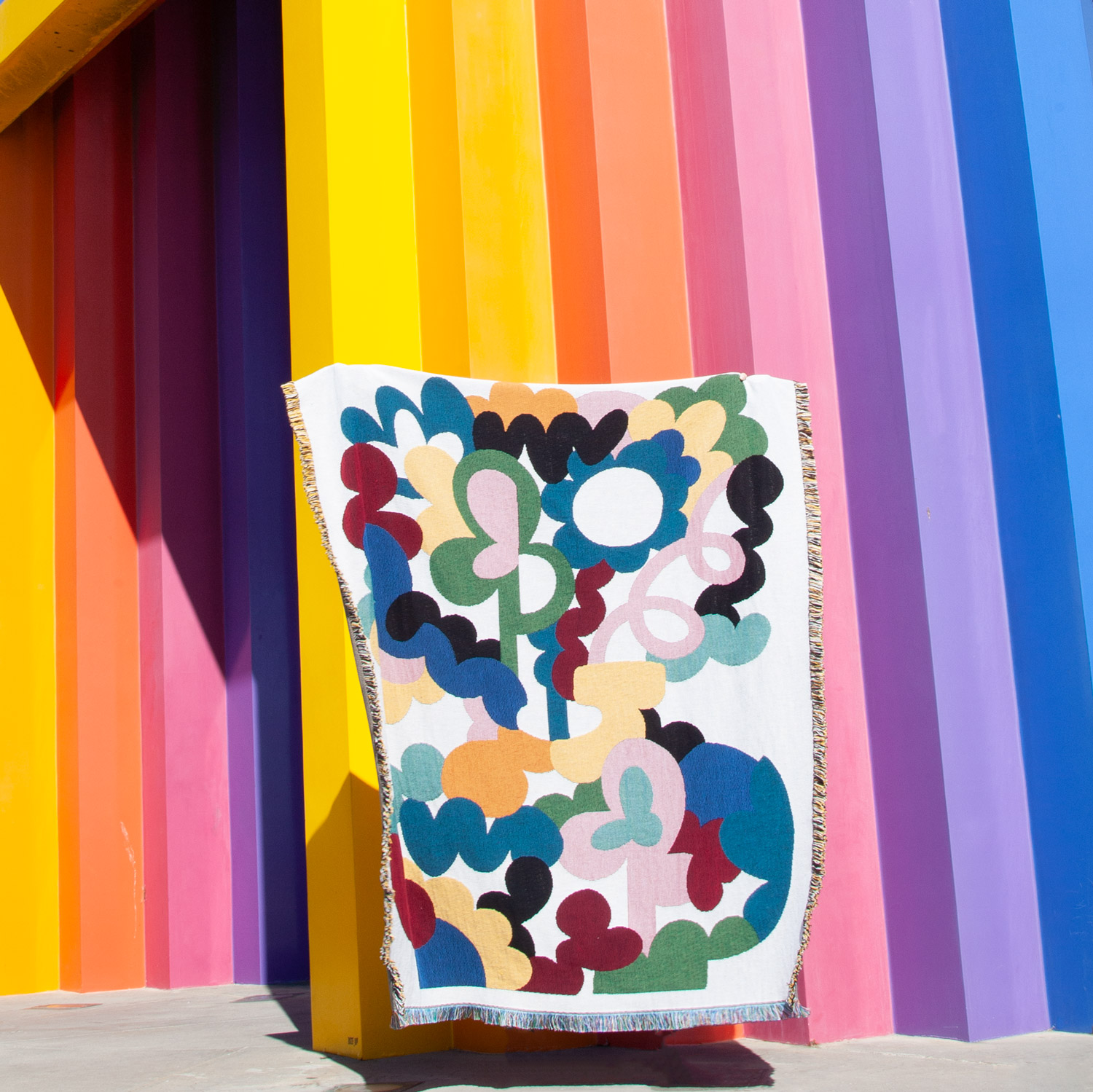
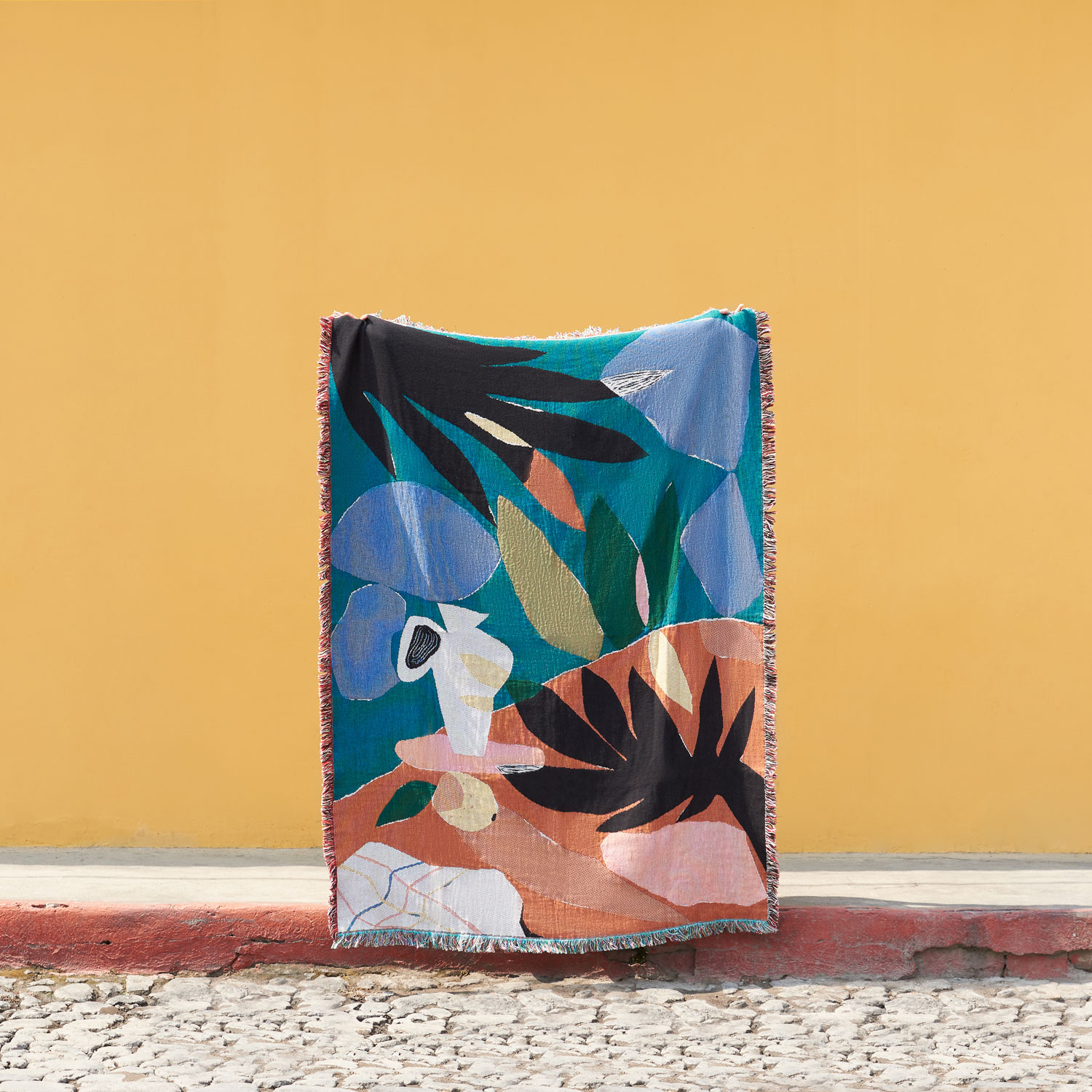
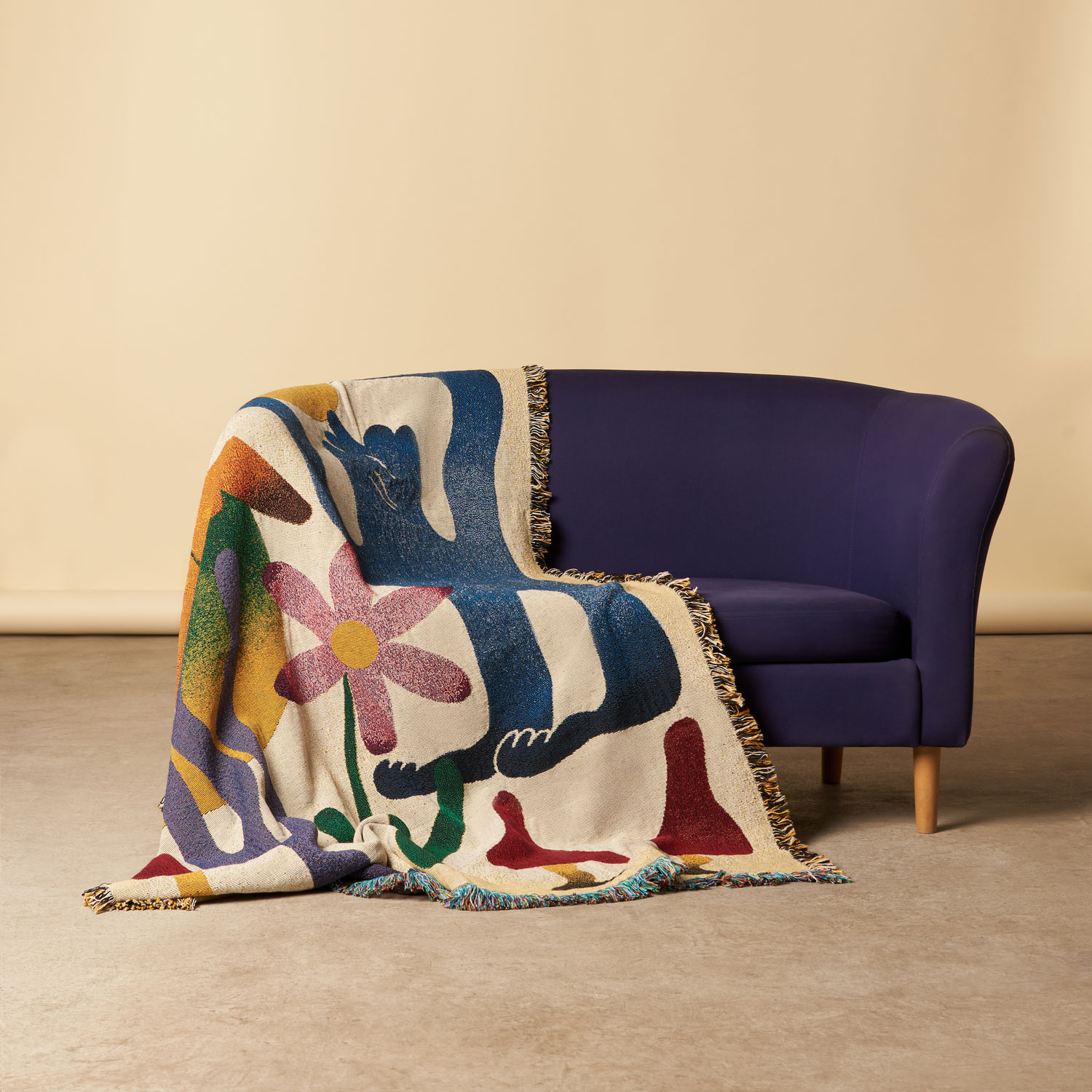
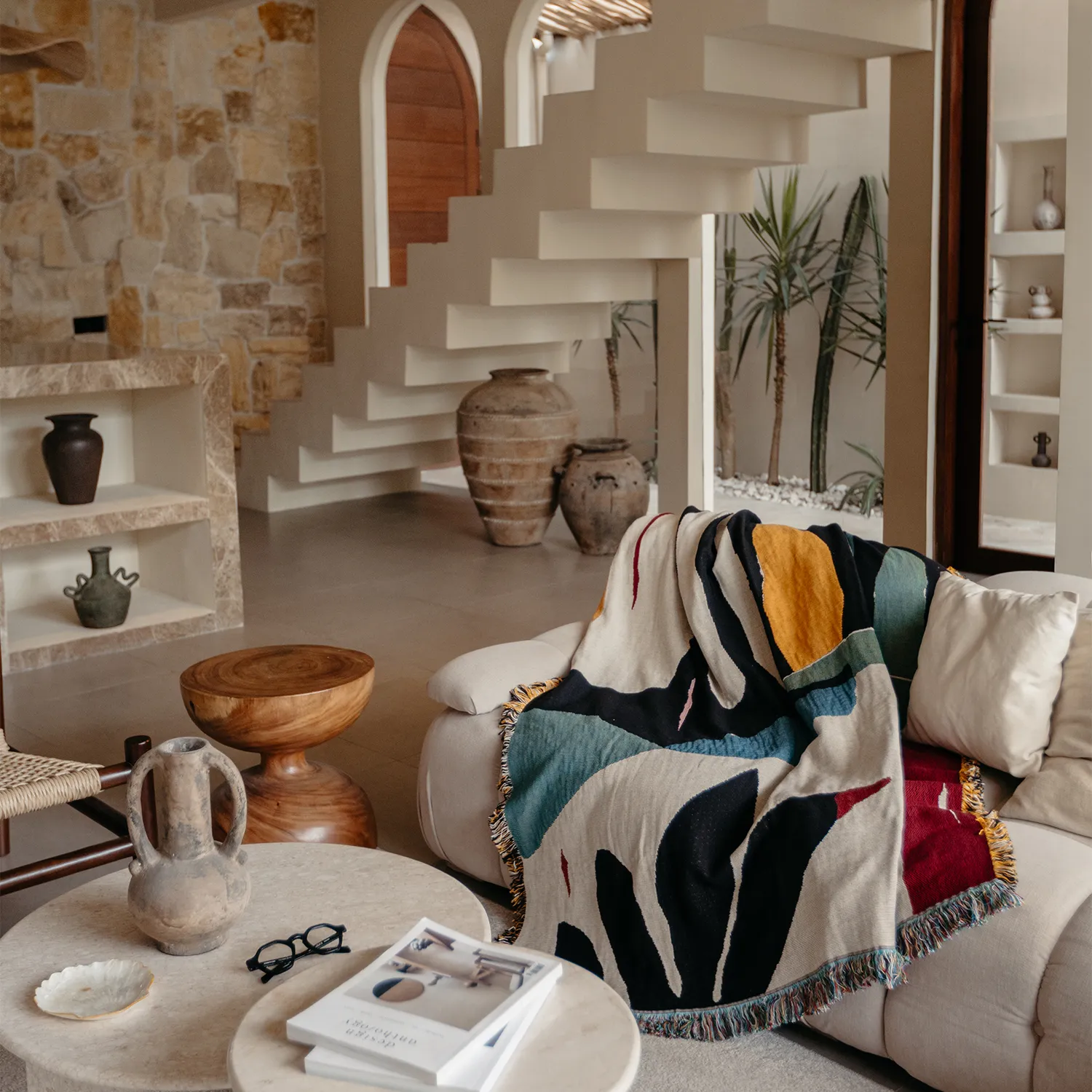
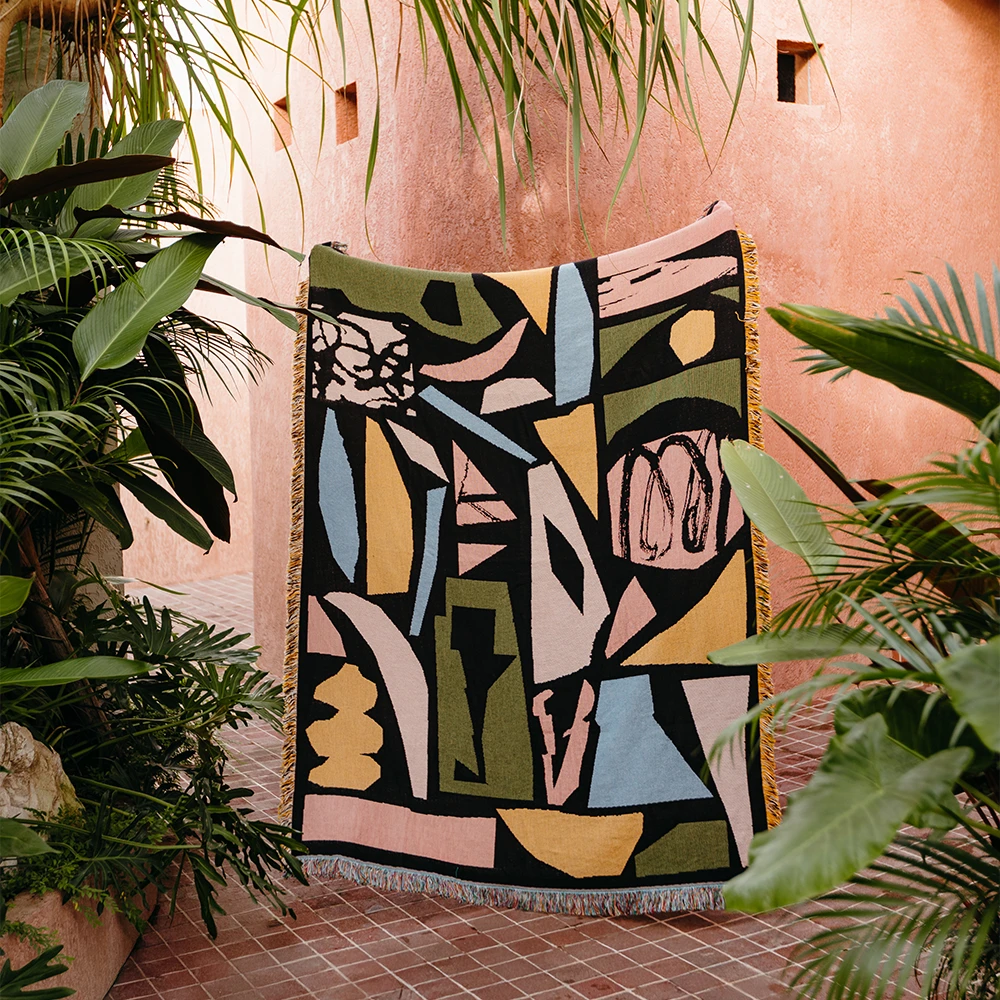
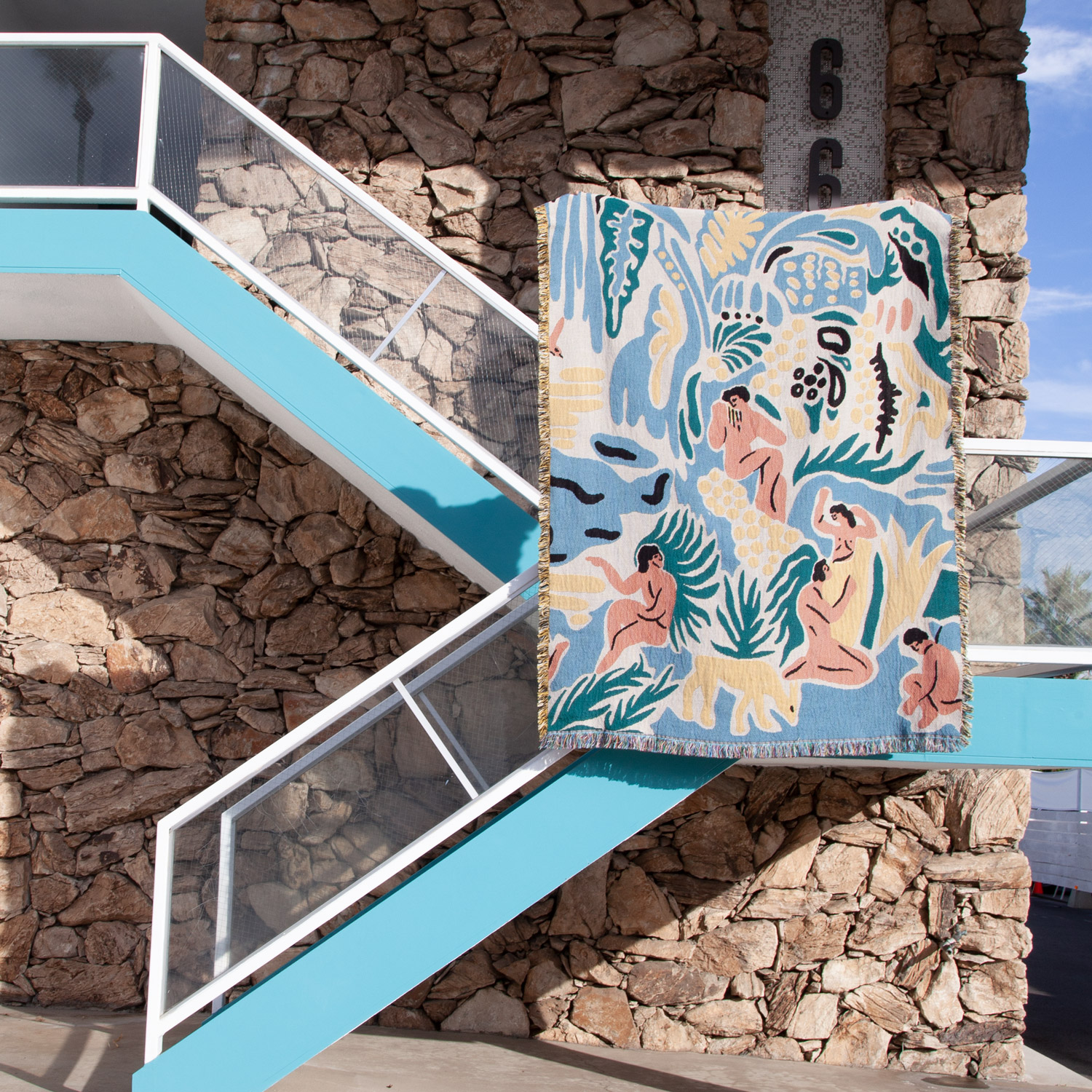
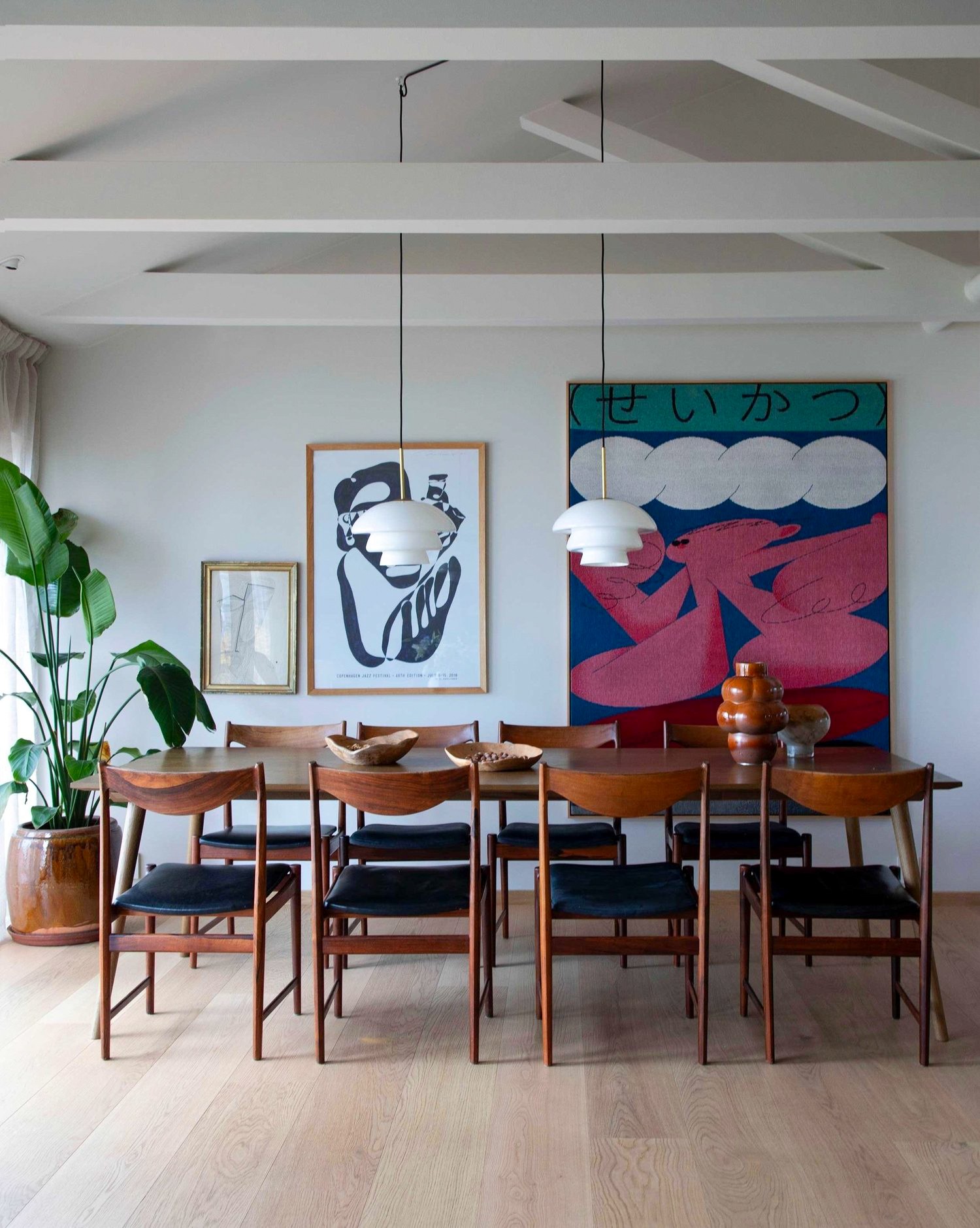
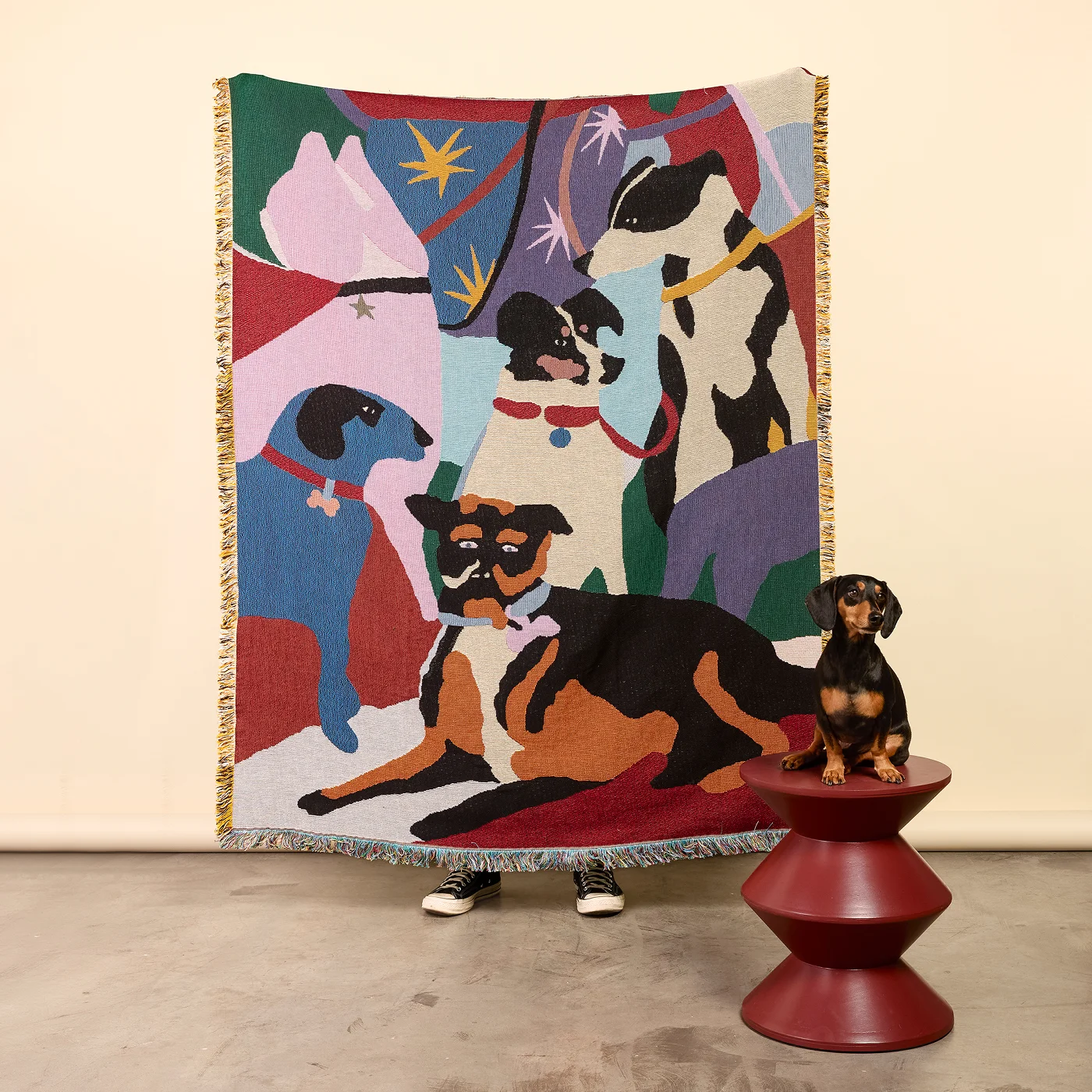
Slowdown Studio makes artist designed blankets, and now a wider range of homewares and objects — designed in collaboration with artists. Each piece is a partnership: we find an artist whose work we love, adapt it into a new medium, usually woven, and put it into production at a level of quality that holds up to being lived with, not just looked at. We’re known for the blankets specifically, but the underlying idea is bigger than any one product. It’s about giving artwork a physical, everyday form.
What sets us apart is that we don’t have a house style. Because every design comes from a different artist, the aesthetic changes from collection to collection. Most home goods brands are selling a mood board. We’re closer to a rotating gallery that happens to make blankets for your couch, bed or wall.
The thing I’m proudest of is on the artist community side more than the product side. We’ve now worked with a huge range of illustrators, painters, designers and artists many of whom had never had their work manufactured before, and for a lot of them it’s become a great way to connect with a larger audience they wouldn’t have reached through galleries alone. Ten years in, we’ve built something close to a community around it, and that was never really the plan. It just came from taking the collaborations seriously instead of treating artists as a licensing line item.
I’d want them to know that when they buy a Slowdown piece, they’re supporting an artist directly, not just buying a nice-looking blanket. That relationship is the actual business model, not just a marketing line. Every collection comes from a real partnership with an artist, and a lot of them are working with us on something they’d never normally get to do. Seeing their work manufactured, distributed, and sold in places like MoMA, Nordstrom or some cool boutique store in a far away country, and then put into people’s homes is just the best!
And practically, if someone falls in love with one artist’s work through us, that’s a door. We’re not precious about pointing people toward more of an artist’s work, whether that’s their originals, prints, or whatever else they make. The blanket is often someone’s introduction to an artist they end up following for years.
Let’s talk about our city – what do you love? What do you not love?
I like how eccentric it is. LA is full of people doing very strange, very specific things extremely well, so there’s always something interesting going on. It allows you to live more spontaneously than other cities. I also like how easily you can leave it. Two hours in any direction and you’re in a different landscape and climate. Even in the middle of the city you’re twenty minutes from a mountain and a walking trail. I love the food: taco trucks in East LA, Korean BBQ in K-Town, plenty of great produce markets downtown. There’s a real mix of architecture throughout the city. Sometimes I just like walking through different areas ogling the houses. And you can’t beat a Friday night at Dodger Stadium.
What I like least really depends on which pocket of LA you’re in. The traffic and the air quality are the daily ones. A lot of the infrastructure is falling apart. The beaches are pretty lacklustre, though I’m from Sydney so take that with a grain of salt. And the inequality is hard to ignore. You can drive ten minutes and the city becomes a completely different place, and the scale of the homelessness is something you never quite get used to.
Pricing:
- Woven blanket $250
Contact Info:
- Website: https://slowdownstudio.com
- Instagram: https://www.instagram.com/slowdownstudio
- Facebook: https://www.facebook.com/slowdownstudio