






Today we’d like to introduce you to Serena Lee.
Hi Serena, please kick things off for us with an introduction to yourself and your story.
I like to think that my journey towards becoming a trauma therapist preceded much earlier than I was even consciously aware of. Just like many others, my lived experience brought me into the field of mental health.
I was raised by Taiwanese immigrant parents who held many traditional, cultural, and conservative religious beliefs that significantly shaped how I understood my identity, role in the family, and perception of the world, for better or for worse. These beliefs perpetuated an environment of fear, chaos, shame, and perfectionism. On the daily, life for me was a juggling act of high academic pressure and achievement, parentification, punishment, and constant confession of all the moments I failed to be perfect. The rare expression of parental approval was the gateway to my addiction to people-pleasing.
Similarly to other forms of addiction, the cost of making “people-pleasing” my life mission during adolescence and young adulthood was that any loose sense of self and self-worth crumbled under the weight of uplifting other people’s wants and needs. It became an endless cycle, chasing the high of pleasing someone, even God himself. However, it was never long before the fear of failure creeped in again to make itself at home in me.
It’s no surprise that I began to experience severe depression, anxiety, obsessive compulsive tendencies, and significant dissociation, among other challenges. For many years, I even struggled with suicidal ideation and other maladaptive coping mechanisms to suppress intense shame and guilt.
It wasn’t until 2014 that I worked with a therapist for the first time. For the next several years, I slowly began to deconstruct my beliefs, learn coping skills, and heal past trauma. All the incredibly compassionate, empowering social workers and therapists I encountered throughout the years offered me life-saving treatment. It was because of these providers that I developed a passion for mental health advocacy and trauma-informed care, leading me to pursue my Masters in Social Work in 2019.
After several years working closely with under-resourced populations in community mental health, I took a leap of faith in 2025 to start my own private practice in Santa Barbara, CA, which I named Soul Tea Therapy. The name was inspired by a collection of memories, experiences, and lessons in my life: my grandfather who served tea at every family gathering before his passing; the first client I began sharing tea with during each session; the warmth and soothing fragrance of tea representing the nourishment found in the therapeutic process; how connecting with someone in our community over a cup of tea bolsters our courage to live in the world authentically. Plus, my favorite toy growing up was tea cups and I am most definitely a tea fanatic. The name practically chose itself!
I wholeheartedly embrace my identity as a “wounded healer”; that is, a mental health professional who deeply understands the struggle and reward of healing. Although clients often tell me about how much they learn in therapy, it has been my privilege to walk alongside each person in their journey. I am constantly humbled by what I learn from my clients and I am committed to continuously growing as a therapist. In the future, I hope to pursue my PhD in social work to expand this work by teaching and empowering new social workers to provide trauma-informed care wherever they are.
We all face challenges, but looking back would you describe it as a relatively smooth road?
Like starting any new business, there were so many unknowns that shed light on how steep the learning curve really was in beginning a private practice. Mental health professionals in private practice generally face challenges in pursuing business endeavors because our graduate programs typically do not offer training in these areas. Hence, clinicians must lean on each other to access necessary resources and information for starting a private practice. For me, connecting with other therapists who have been in the field for much longer became sources of strength and wisdom that guided me in each direction I took. Within a few months of setting up my practice, I welcomed my first handful of clients eager to work with me for trauma therapy.
While there were certainly bumps on the road with the practical and logistical aspects of establishing my business, no barrier compared to the emotional and mental struggle I experienced as a side effect to starting something new. I could handle the business with my organizational skills, research, and resources. I could not, however, simply bid farewell to the nagging imposter syndrome and self-doubt that loomed over me each day.
I would check my email inbox every 30 minutes just to see if an inquiry or request for a consultation had come in. I worried that I wasn’t growing fast enough. I ruminated on whether my skills and offerings were worth what I was charging. I worked well past midnight more times than I can count because I was plagued with the fear that I wasn’t doing enough. I had doubts about whether I deserved to succeed. I often panicked after making small mistakes. I cried…a lot.
Although I was a trauma therapist, my greatest struggle taking this leap into private practice was facing my insecurities stemming from my own trauma. Growing my practice became a parallel process of healing as I helped my own clients heal. Looking back, I am humbled that the journey allowed me to stay connected to my humanity. That is, I was always reminded that I had a lot to learn, which meant I could also learn from my clients and access deeper empathy and compassion for them. As clients learned to befriend their fears and make positive changes to their lives, I too learned to embrace my insecurities as a therapist and give myself permission to focus on showing up as my authentic self rather than striving for perfection. Today, I experience much more confidence in the roles I play as both a therapist and business owner because I am driven by inspiration, hope, and my love for learning.
We’ve been impressed with Soul Tea Therapy, but for folks who might not be as familiar, what can you share with them about what you do and what sets you apart from others?
Soul Tea Therapy is a fully remote private practice focused on providing trauma therapy. While it began in Santa Barbara, CA, Soul Tea Therapy has now expanded to the state of Illinois, as I became dually licensed after relocating to Chicagoland. My specialties include treating complex trauma, all forms of abuse including religious trauma, dissociative identity disorder (DID), borderline personality disorder (BPD), and obsessive compulsive disorder (OCD), among other mental health and trauma-based struggles. I also offer many forms of trauma therapy to reach a wide range of clients with different needs. For example, I am certified in a parts approach called Trauma Informed Stabilization Treatment (TIST), am trained in EMDR and Brainspotting, and am informed by modalities such as internal family systems (IFS), somatic therapy, dialectical behavioral therapy (DBT), and existential therapy. Most of my clients identify as BIPOC, children of immigrants, queer, and/or individuals living with chronic pain or illnesses. In other words, my clients are often part of marginalized groups who are commonly met with obstacles when navigating systems and institutions. It is important to me that Soul Tea Therapy remains committed to upholding values of a decolonized, anti-oppressive, anti-racist, and queer-affirming lens and practice.
In many ways, my private practice is what I really needed as a kid, a teenager, and as a young adult. Though I was able to access many wonderful therapists along the way, I also encountered many harmful aspects of the mental health system in which I was exposed to “therapeutic” processes that were retraumatizing, stigma and lack of knowledge regarding my struggles, and the consequences of systemic problems. Informed by my lived experience as a survivor, I have intentionally built Soul Tea Therapy as my form of resistance against social injustices that intersect with mental health. In the future, I intend to expand my services to include consultations, supervision, and trainings for clinicians who share a similar vision of contributing to the collective healing of our communities.
Do you have any advice for those just starting out?
In many trauma therapist circles, we often say “Slower is faster.” Many new private practice therapists are eager to grow their businesses, as was I. Understandably so, eagerly and anxiously building a caseload is stressful, especially with the pressures of financial constraints in our current reality. Many influencer therapists on social media capitalize on these insecurities that new private practice owners often experience. We constantly receive marketing ads like “Build a full caseload in 3 months” or “5 steps to guarantee a 6-figure income”. These messages reinforce beliefs and assumptions that growing our practices quickly is not only ideal, but in fact a marker for success. But the truth is that growing slowly and steadily creates more space for intentionality and reflection on your true values and priorities for your practice. Taking away the pressure to grow quickly also helps you enjoy the process of discovering your niche, setting a strong foundation and organizational systems that work for you, and connecting with other therapists in your network.
This is why I also advise those just starting out to keep their full time or part time jobs as steady income while building their private practices. Steady income allows for some flexibility and stability in the midst of the transition. I also recommend reaching out to therapists, colleagues in adjacent fields, and schools and non-profits serving potential clients as a way to build a network of support and resources. Finally, practice all the wonderful self-care and coping skills you teach your clients! I’m preaching to the choir, but perhaps that’s the point. It is always a work in progress to take our own advice as therapists. Self-care is a vital part of building the foundation because it primes us for longevity in our profession and protects us from burnout. If self-care is significantly sacrificed or neglected in order to build your practice, that may be a helpful indicator to slow down. The more we are able to care for ourselves, the greater capacity we have for our clients.
Pricing:
- Individual therapy – $190/session
- Group therapy – $60/session
- Consultation – $150/hour
- Trainings – $250/presentation
Contact Info:
- Website: https://www.soulteatherapy.com/
- Instagram: @soulteatherapy
- Youtube: https://www.youtube.com/@soulteatherapy


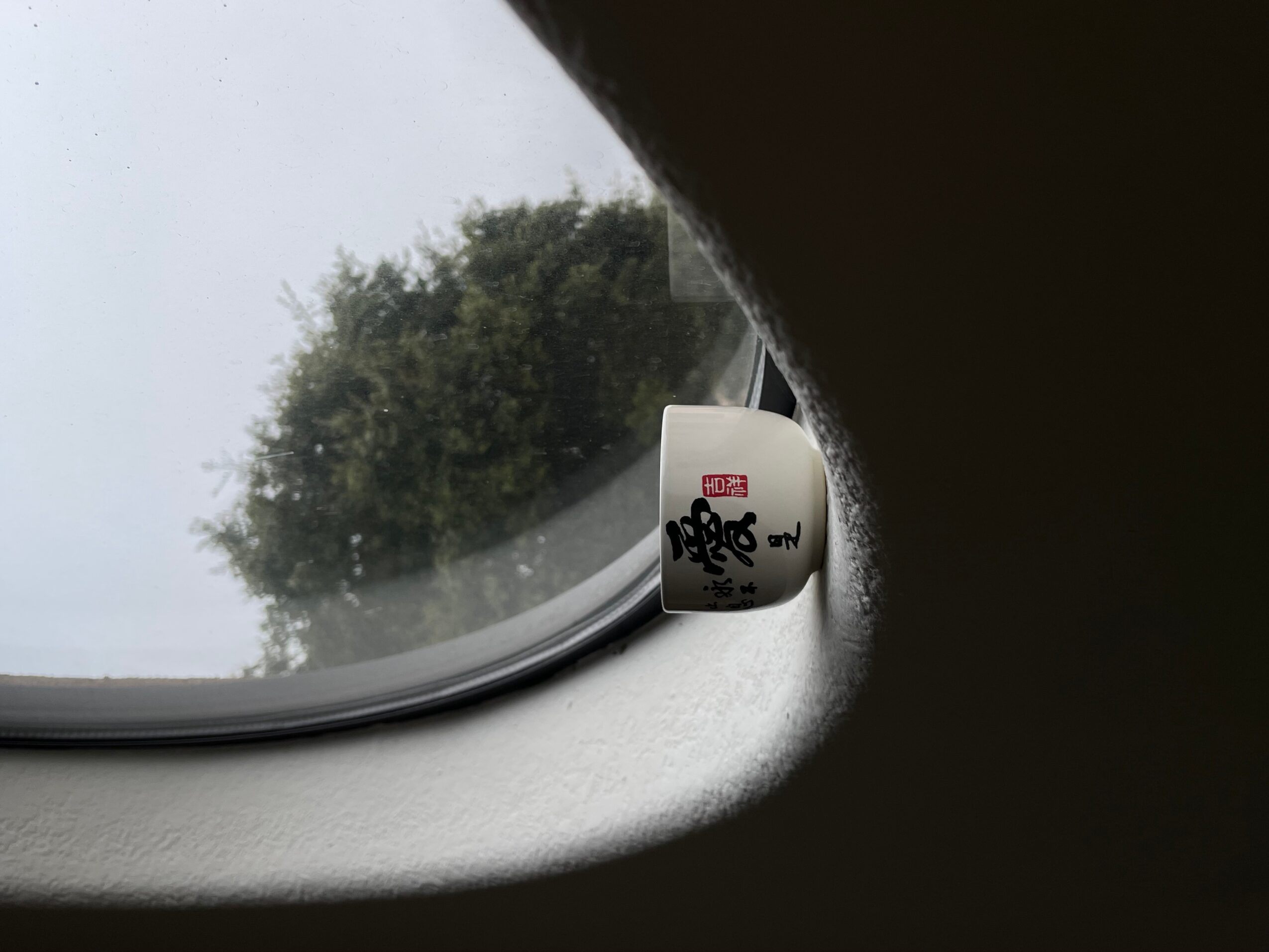
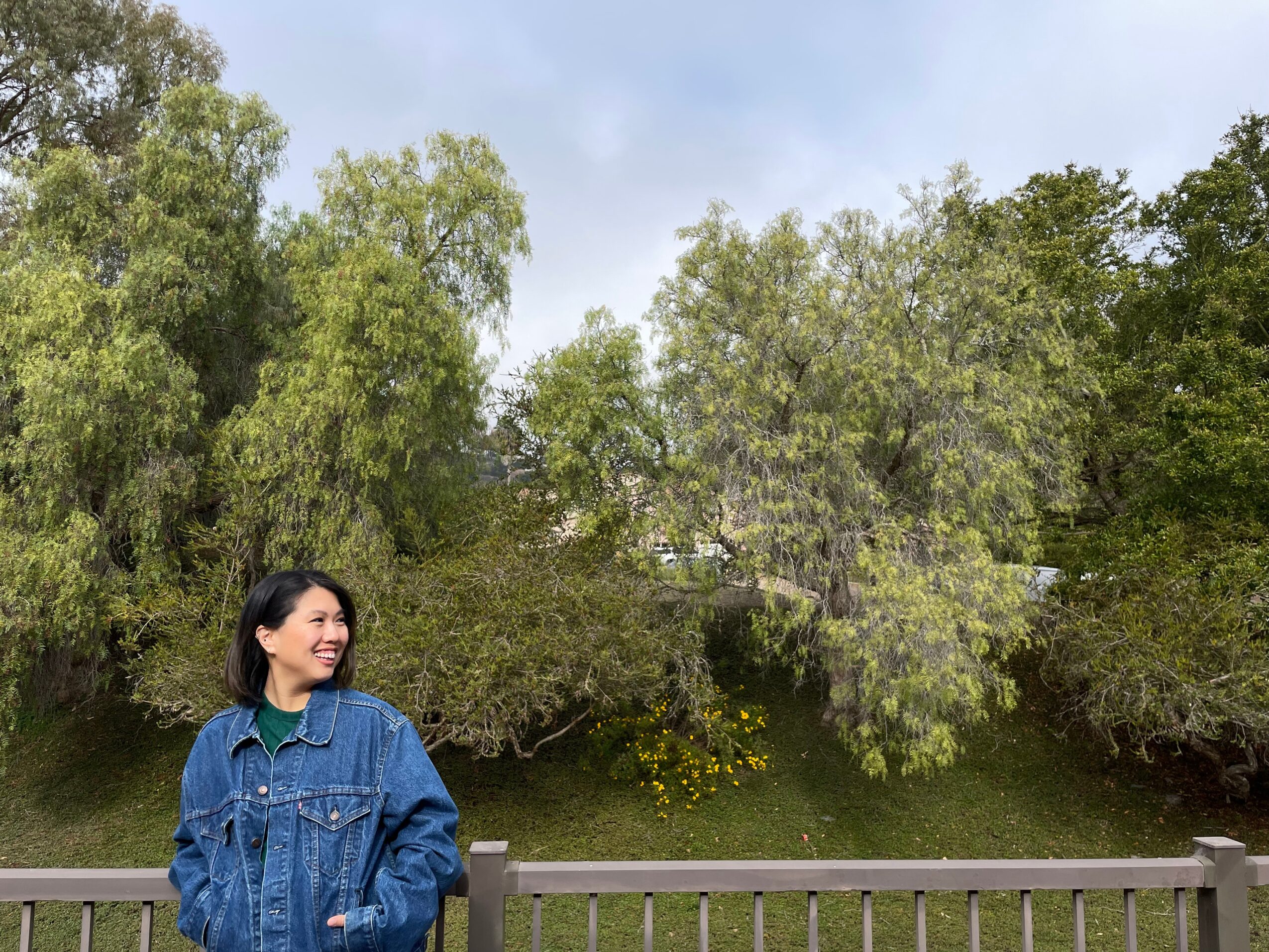


Image Credits
Steven Lee