




Today we’d like to introduce you to Betsy Behan.
Hi Betsy, thanks for sharing your story with us. To start, maybe you can tell our readers some of your backstory.
The Santa Cruz Art League’s story begins in 1919, when a group of local artists decided that Santa Cruz needed a place where artists could come together to learn, exhibit their work, and support one another. The group grew out of an informal plein air painting circle known as the “Jolly Daubers,” led by Santa Cruz painter Frank Heath. Heath had studied art in San Francisco and returned to Santa Cruz, where he taught and took his students out into the landscape to paint. In October 1919, the Jolly Daubers evolved into the Santa Cruz Art League, with Heath as its first president and artist Margaret Rogers as vice president.
One of the things we love most about our early history is the story of the “Santa Cruz Three” – Margaret Rogers, Cornelia “Cor” de Gavere, and Leonora Penniman. These three women were accomplished plein air painters who became central figures in the early Art League and in Santa Cruz’s emerging art community. Rogers was particularly instrumental in establishing a physical home for the organization; she managed the Santa Cruz Arts and Crafts Building and arranged for the Art League to use its gallery space for exhibitions. Cor de Gavere was an Indonesian-born artist who had immigrated from Holland, and Leonora Penniman was a watercolorist who had studied with Danish artist Emma Siboni. They painted together, exhibited together, and helped create the kind of artistic community that was at the heart of SCAL from the very beginning.
That early spirit was very much about artists helping artists. The Art League exhibited in borrowed and shared spaces before eventually establishing a permanent home. It also began bringing artists from throughout California to Santa Cruz. In 1928, SCAL held the first of what became its Annual Statewide Landscape Exhibition, creating a significant regional exhibition opportunity at a time when Santa Cruz was still developing its identity as an arts community. That tradition has continued for nearly a century and is now one of California’s longest-running landscape exhibitions.
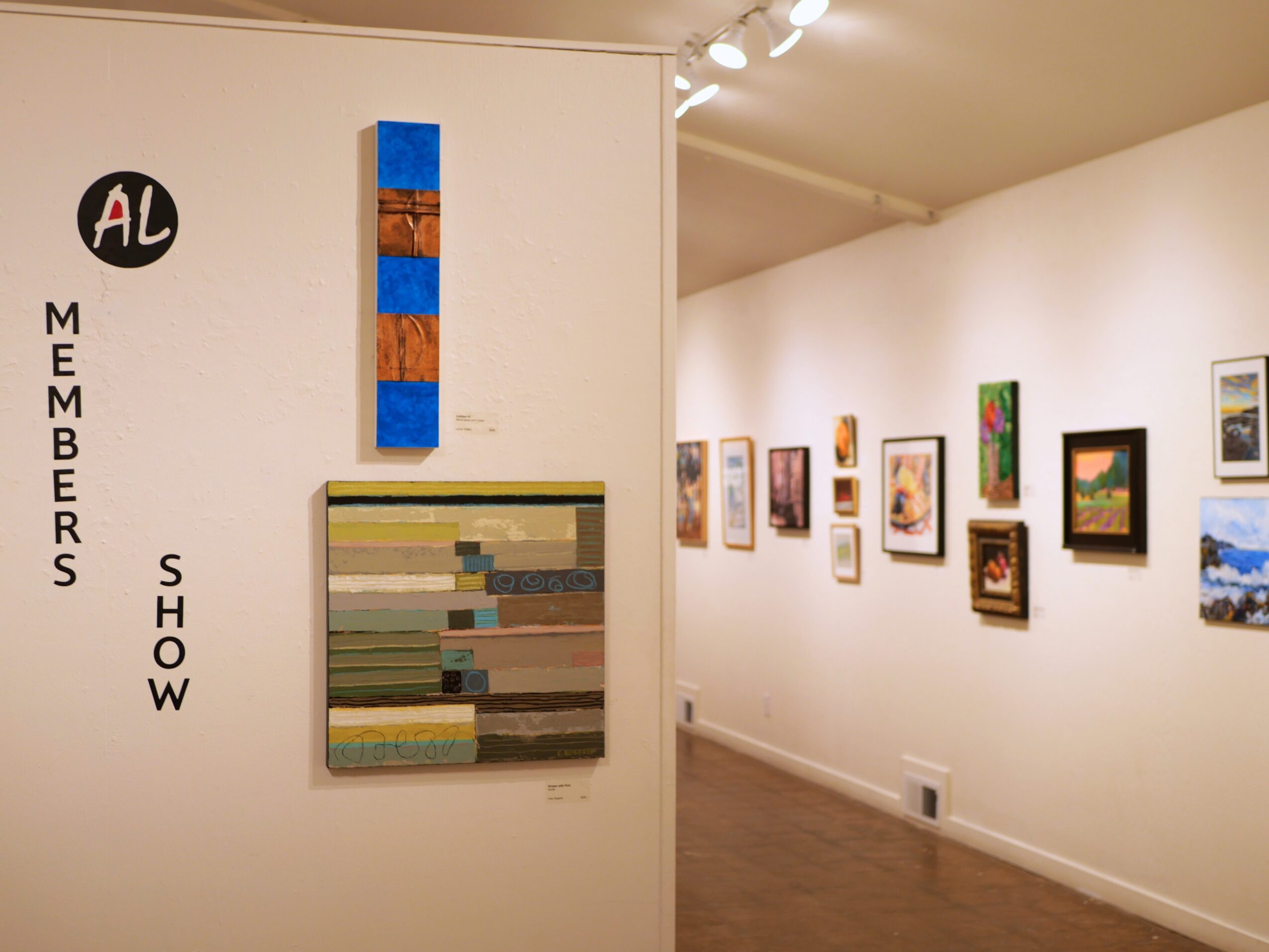
The organization eventually raised enough money through selling its members’ artwork, famously through clothesline art sales, to purchase property and build the cinderblock gallery building we still occupy today at 526 Broadway. The building was completed in 1951, and it remains a wonderful example of the Art League’s grassroots history: the community literally helped create its own home for the arts.
Over the decades, SCAL has continued to evolve with the community. We’ve offered classes and educational programs, provided exhibition opportunities for emerging and established artists, hosted community events and performances, and maintained long-running programs such as our High School Exhibition, which began in the 1950s and has now given thousands of young artists the experience of exhibiting their work professionally.
The organization has also had its share of growing pains. The Santa Cruz Art League archives at the Museum of Art & History contain meeting minutes, membership records, financial reports, photographs, scrapbooks, exhibition materials, and correspondence spanning much of our history. They even document a significant controversy in 1981 over the inclusion of abstract art in SCAL exhibitions: a reminder that an organization that has been around for more than a century has had to continually negotiate what it means to serve artists and reflect a changing art world.
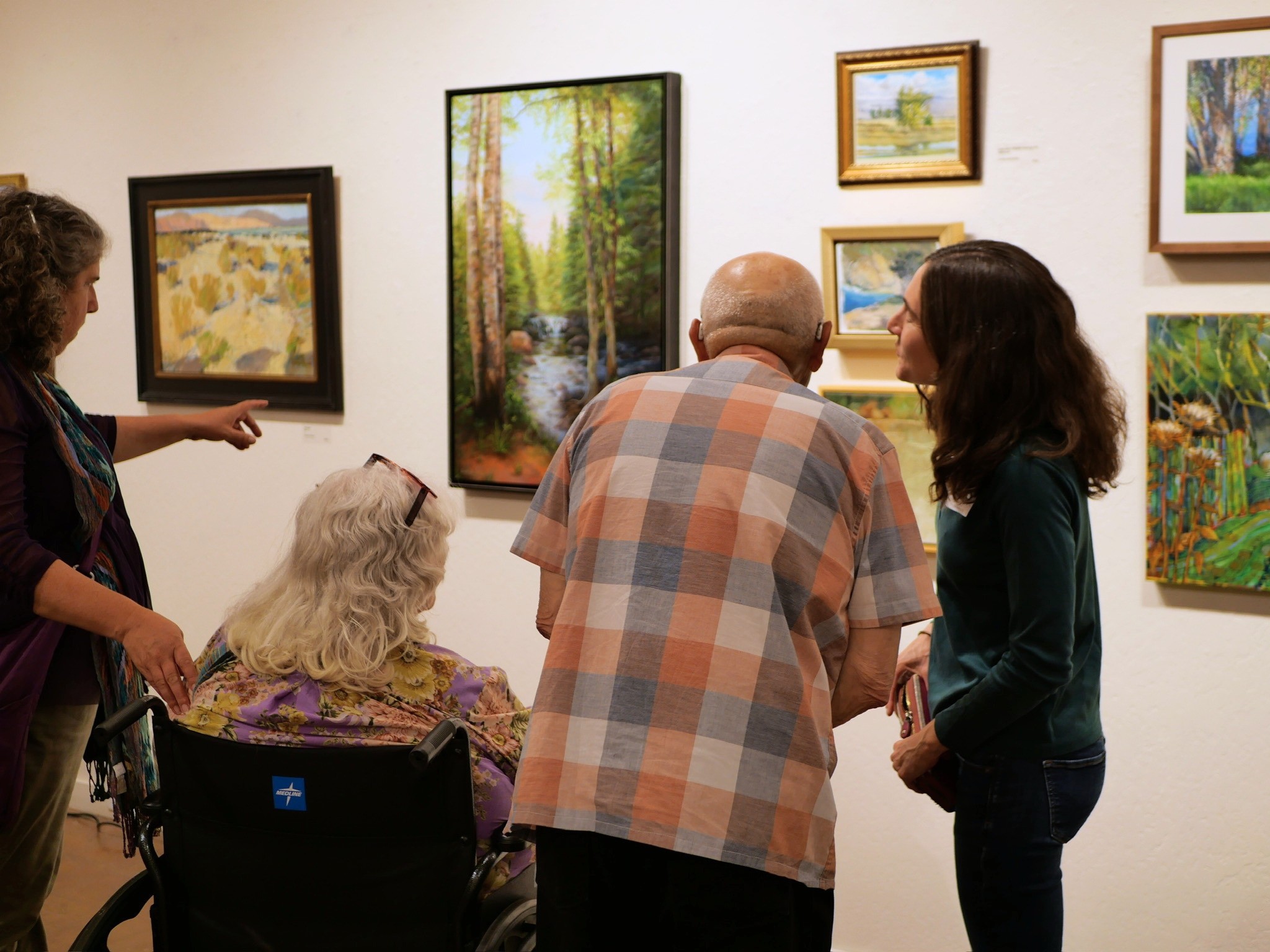
Today, more than a century after those first artists gathered together, the Santa Cruz Art League is still fundamentally doing what Frank Heath, Margaret Rogers, Cor de Gavere, Leonora Penniman, and their fellow artists envisioned: creating a place for artists to show their work, learn from one another, build community, and connect with the public. Our exhibitions remain free and open to everyone, we offer classes and opportunities for artists at many stages of their careers, and we continue to be a community-supported nonprofit.
So, although the building and the programs have changed quite a bit since 1919, the basic idea really hasn’t: artists in Santa Cruz wanted a place of their own, so they built one, and more than 100 years later, we’re still here.
We all face challenges, but looking back would you describe it as a relatively smooth road?
It definitely hasn’t been a smooth road. For more than 100 years, the Santa Cruz Art League has had to navigate the very real challenges of keeping a small, community-supported arts organization financially sustainable.
Even in our early years, SCAL relied heavily on artists and members to sustain the organization. The current building, completed in 1951, was made possible through years of grassroots fundraising, including the famous clothesline art sales. That spirit of resourcefulness has remained essential throughout our history.
There have also been periods of disagreement about the direction of the organization. In the 1950s, like many organizations during the McCarthy era, SCAL experienced political and ideological divisions among its membership. In the 1980s, there was another significant debate about whether abstract art belonged in SCAL exhibitions. These moments reflect a recurring challenge for an organization with such a long history: how do you honor tradition while continuing to evolve with the artists and community you serve?
Financially, that question has never really gone away. SCAL has never had a large endowment or a major institutional funding source to fall back on. We have depended on memberships, class and exhibition fees, donations, fundraising events, and the tremendous generosity of volunteers and supporters.
What is remarkable to me is that, despite those challenges, the organization has continued to adapt and survive for more than a century. SCAL has never been a large institution with abundant resources; it has always been a community of people who believe strongly enough in the arts to keep it going. That is both our greatest challenge and, I think, our greatest strength.
As you know, we’re big fans of you and your work. For our readers who might not be as familiar what can you tell them about what you do?
The Santa Cruz Art League is a nonprofit community art center, and at its heart, our work is about creating opportunities for artists and making art accessible to the community.
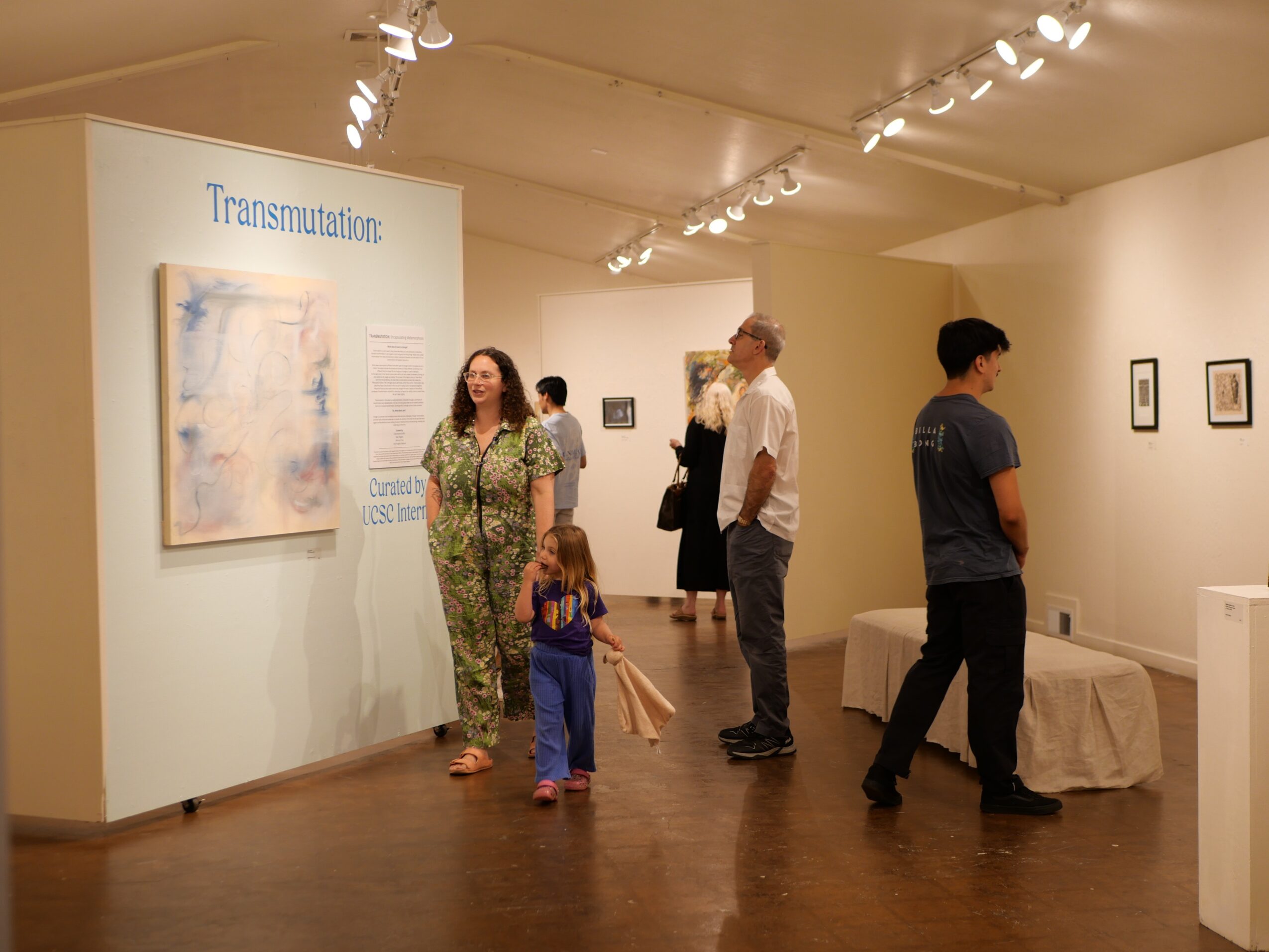
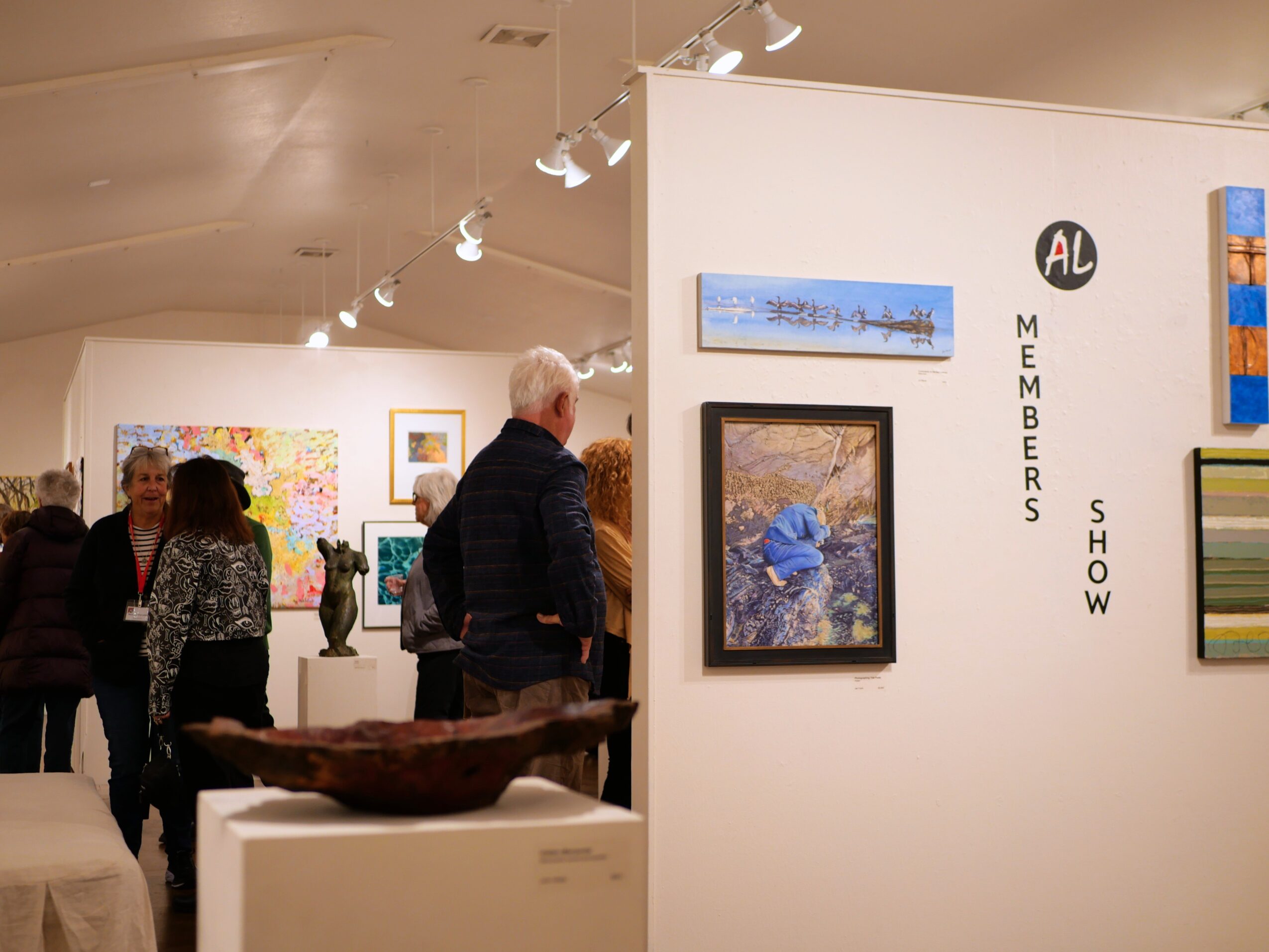
We do three main things: exhibitions, education, and community-building. We present roughly 20–24 exhibitions a year between our main gallery and smaller spotlight gallery spaces, ranging from our historic California Landscape Exhibition (which dates back to 1928) to emerging artist exhibitions, student shows, and contemporary programming. We also offer ongoing art classes and workshops, giving people an opportunity to learn from practicing artists in a welcoming environment.
One of the things we are particularly proud of is our commitment to artists at every stage of their careers. A student exhibiting for the first time can show their work in the same space as an established professional artist. We provide opportunities for emerging artists, high school students, working artists, and artists who have been part of the Santa Cruz community for decades. Our exhibitions are always free and open to the public, which is important to us: we don’t want cost to be a barrier to experiencing art.
We are also proud of our longevity. SCAL has been artist-founded and artist-supported since 1919, and we are still operating in the building that our community helped make possible in 1951. There aren’t many organizations that can trace such a direct line between their founding artists and the work they are doing today.
What sets us apart is that we are not primarily an institution that presents art to the community; we are a community of artists that presents art to the community. That distinction is important. We are small, grassroots, and very hands-on. Artists, volunteers, students, board members, and staff all contribute to making the organization work.
And perhaps what I am most proud of is that, after more than a century, we are still evolving. We have the responsibility of caring for a remarkable history, but we don’t want to become a museum of our own past. We want SCAL to remain a place where artists can experiment, where young people can discover that they are artists, where established artists can find community, and where anyone can walk through the door and feel that art belongs to them, too.
What sort of changes are you expecting over the next 5-10 years?
I think the next five to ten years will bring a lot of change to the arts, and some of it is difficult to predict. Technology, particularly AI, is already changing how artists create, how audiences experience art, and how organizations think about authorship and originality. We are having those conversations ourselves, and we expect they will continue to evolve.
At SCAL, our approach is to stay curious while also being thoughtful about what we are presenting. Because we host many different types of exhibitions, we are very specific in our prospectuses about what media and processes are appropriate for each show. We expect that will become increasingly important as new technologies and hybrid forms of art emerge.
I also think there will be continued changes in how people discover and engage with art. Social media and digital platforms have made it possible for artists to reach audiences in ways that weren’t imaginable a generation ago, while at the same time there is something increasingly valuable about physical, in-person experiences and community.
For a small nonprofit like SCAL, there will also continue to be questions around sustainability – financially, operationally, and in terms of how we attract and retain volunteers, artists, and audiences.
Ultimately, I think the organizations that thrive will be the ones that can adapt without losing sight of why they exist in the first place. For us, that means continuing to provide meaningful opportunities for artists, welcoming the community into the gallery, and creating a place where people can connect with art and with one another. The tools and technologies may change, but that core purpose doesn’t need to.
Contact Info:
- Website: https://scal.org
- Instagram: @santacruzartleague
- Facebook: Santa Cruz Art League