


Today we’d like to introduce you to Eric Saint Georges.
Hi Eric, thanks for joining us today. We’d love for you to start by introducing yourself.
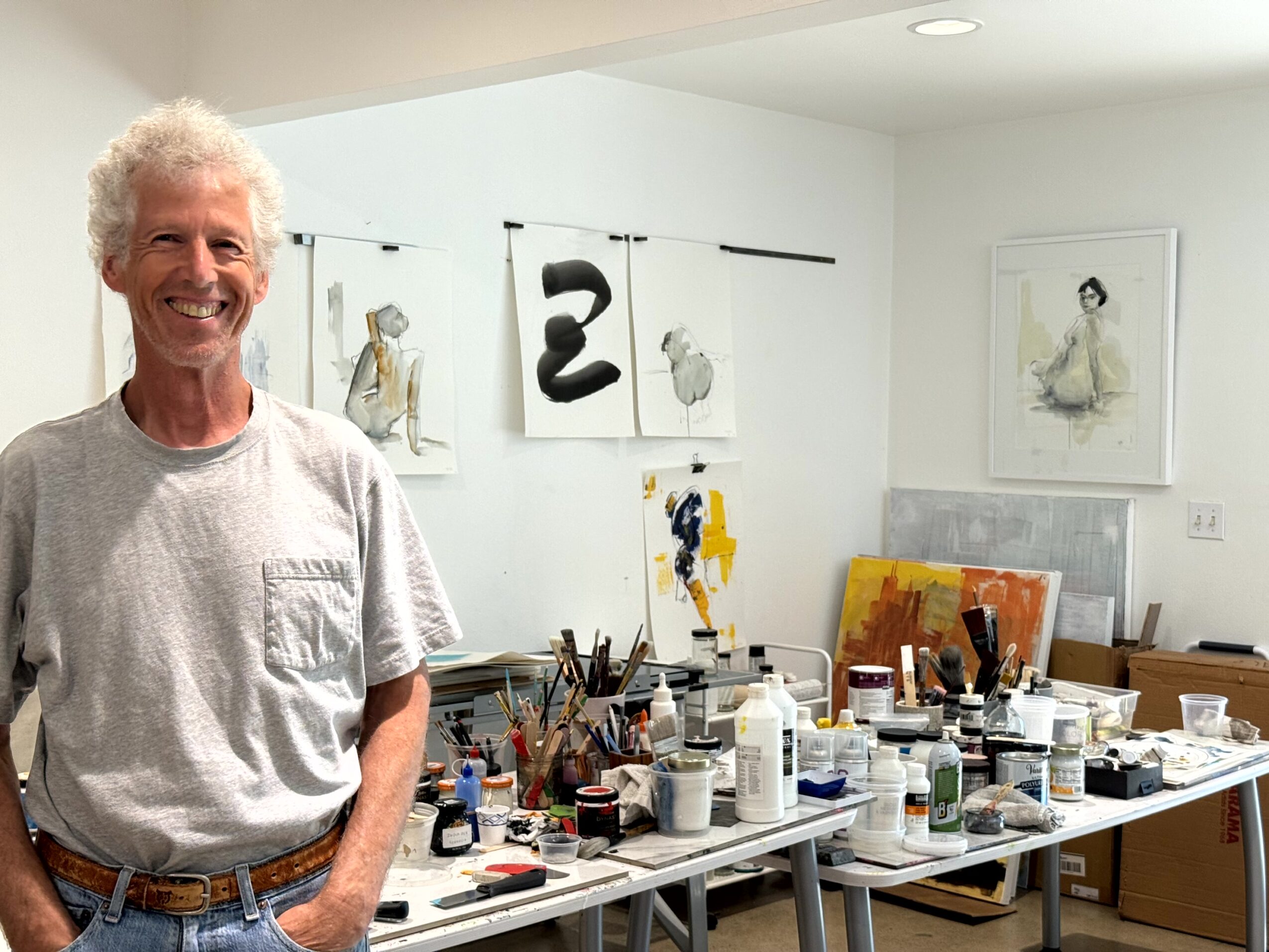
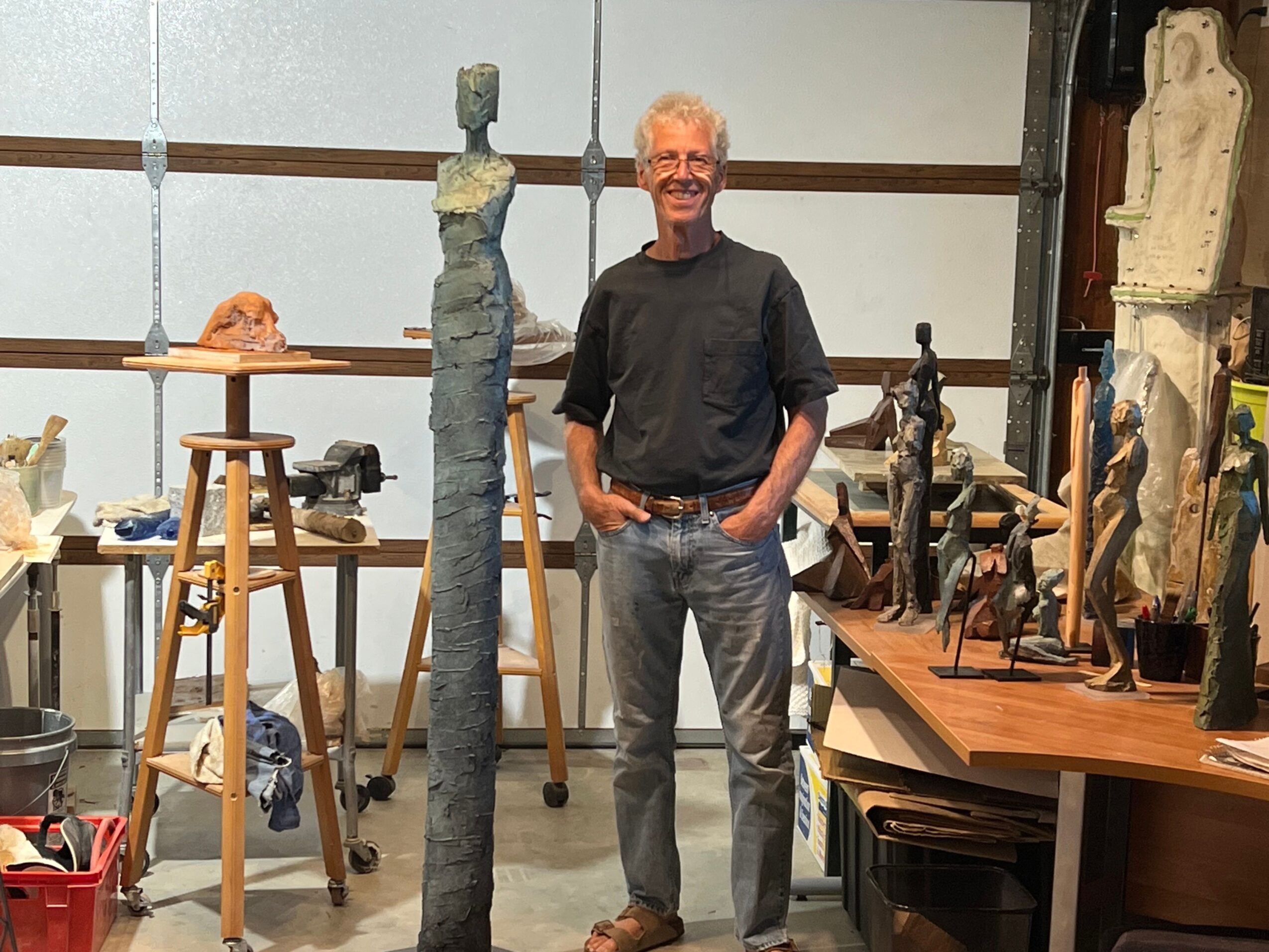
I am a sculptor and painter whose work centers on abstracted human figures, explored through both sculpture and drawing. Born in France, I originally trained in electrical engineering, but in 1978 a workshop with the sculptor Petrus ignited my passion for sculpture. I went on to study drawing and sculpture at the École Nationale Supérieure des Beaux-Arts in Paris, and later spent several months as a live‑in apprentice with Petrus, who taught me the foundations of the clay technique I still use today.
At the time, I did not even think an artistic career was an option, and I went on to work as an engineer. However, in 2015, after a 35‑year career, I finally decided to dedicate myself fully to art. I work frequently from life, both for my sculptures and my drawings, and I cast my own bronze pieces, a demanding process, but one I find deeply rewarding. I also enjoy teaching figure drawing and sculpture.
I moved to the United States in 1994, first living in New York, then Hawaii, and later the Bay Area. I now live and work in Santa Barbara, California. My work is exhibited in galleries throughout the state and has been collected by more than 150 collectors.
We all face challenges, but looking back would you describe it as a relatively smooth road?
In 2015, once I decided to leave my engineering career and dedicate myself fully to sculpture, I enrolled at West Valley Community College (Saratoga, CA) in the sculpture and metal‑casting program, where I learned mold‑making and bronze casting. At the same time, I attended several life‑drawing and figure‑sculpture sessions. What began as a learning practice quickly became the central focus of my work, both in sculpture and in drawing.
I started showing my work in local group exhibitions and participated in Silicon Valley Open Studios. I received encouraging feedback and made several sales. Eventually, I was invited to teach figure drawing and sculpture at the Pacific Art League (Palo Alto, CA), which I greatly enjoyed.
In 2018, I took part in my first art fair: Startup Art Fair. The concept is to rent an entire hotel, with each artist displaying their work in a room. I made strong sales—both bronzes and drawings—which was very encouraging. After that, I began participating in art fairs regularly. My goal was never to make a living from my art, yet my sales covered all my artistic expenses and more. For me, the real reward was seeing how happy people were when they purchased my work.
One of my concerns when I decided to pursue art full‑time was that I might end up isolated in my studio. In reality, I met far more people than I ever did as an engineer, and from a much wider range of backgrounds. What I did not expect was how much time I would spend on my computer: building and maintaining a website, managing social media (Instagram, Facebook), joining online galleries, writing bio, statements and resume, responding to calls for artists, developing my network, following up with people I met, and keeping proper records of my work (sales, exhibitions, inventory, online galleries…) as well as my expenses. It is hard work.
In 2020, Covid hit. I was stuck in my studio, which turned out to be an extremely productive period. I created some of my best sculptures during that time, and I still sell bronze casts of those pieces today.
In 2021, my wife and I left the Bay Area and moved to Santa Barbara. Because I was already deeply involved in art, and quickly joined local artist associations, I met many people right away—artists, galleries, collectors, art students, and more. After a year, I couldn’t walk through the monthly First Thursday Artwalk without running into people I knew. When that happens, you start to feel at home.
Today, my challenge is finding the right balance between the social and business aspects of my practice—including my involvement in local art associations and initiatives—and the time I need to spend in my studio, continuing to push my work forward.
Thanks for sharing that. So, maybe next you can tell us a bit more about your work?
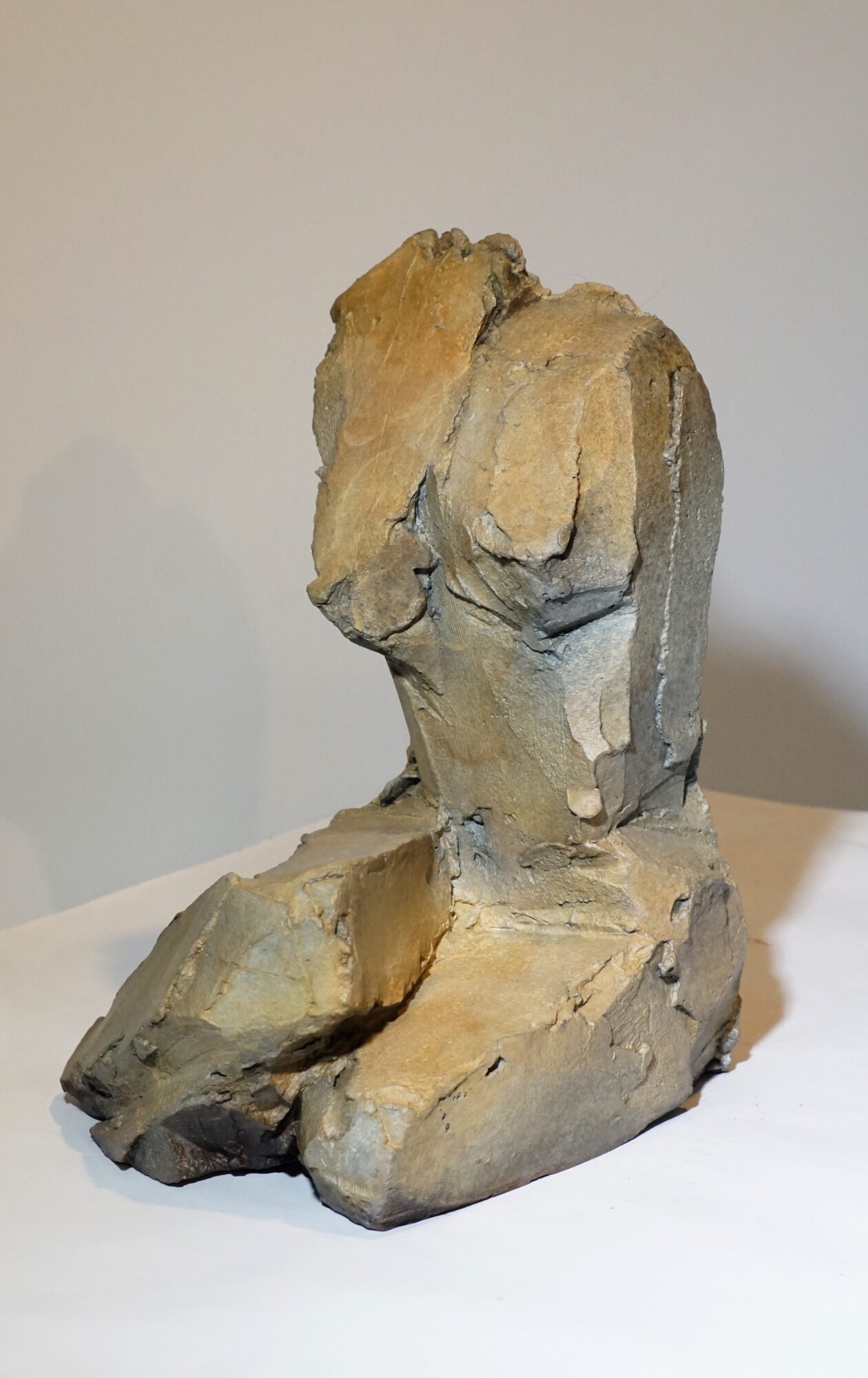
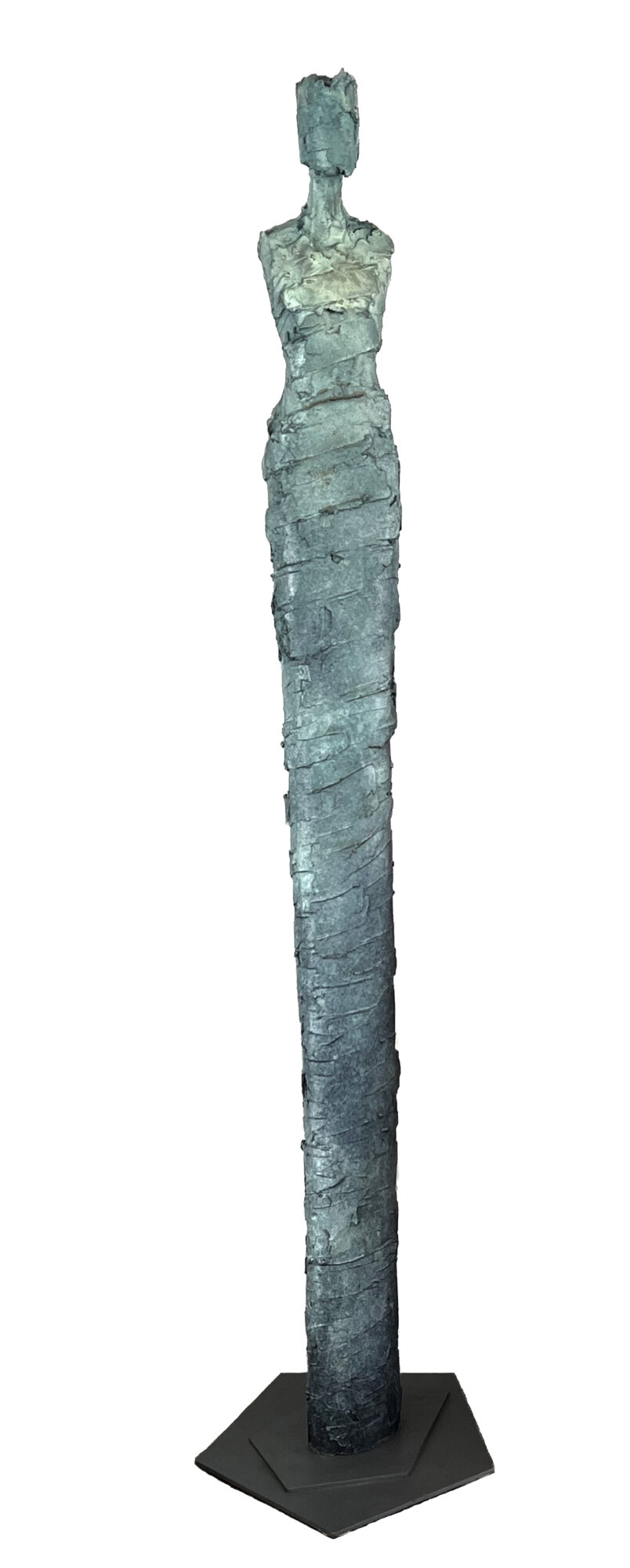
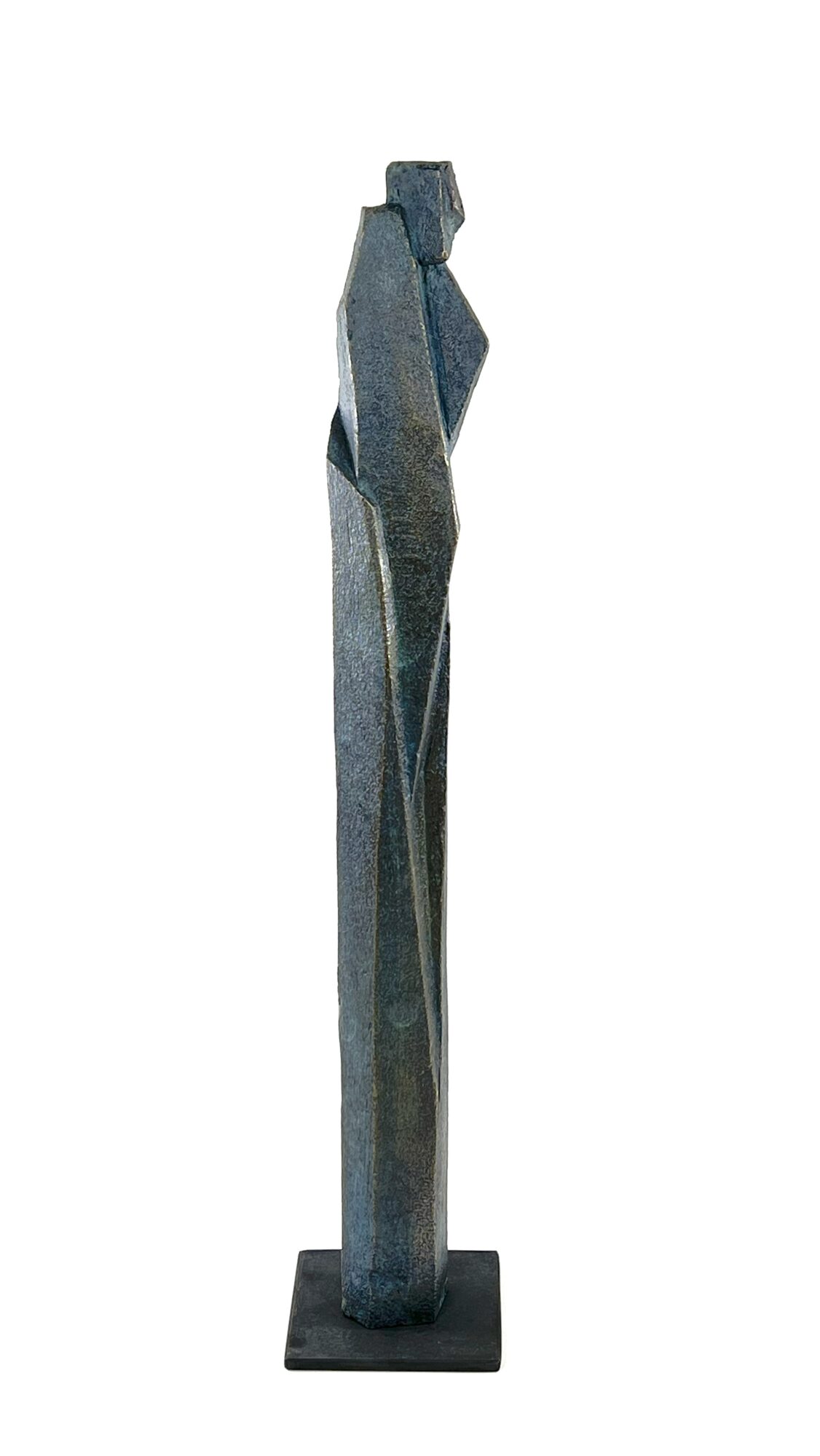
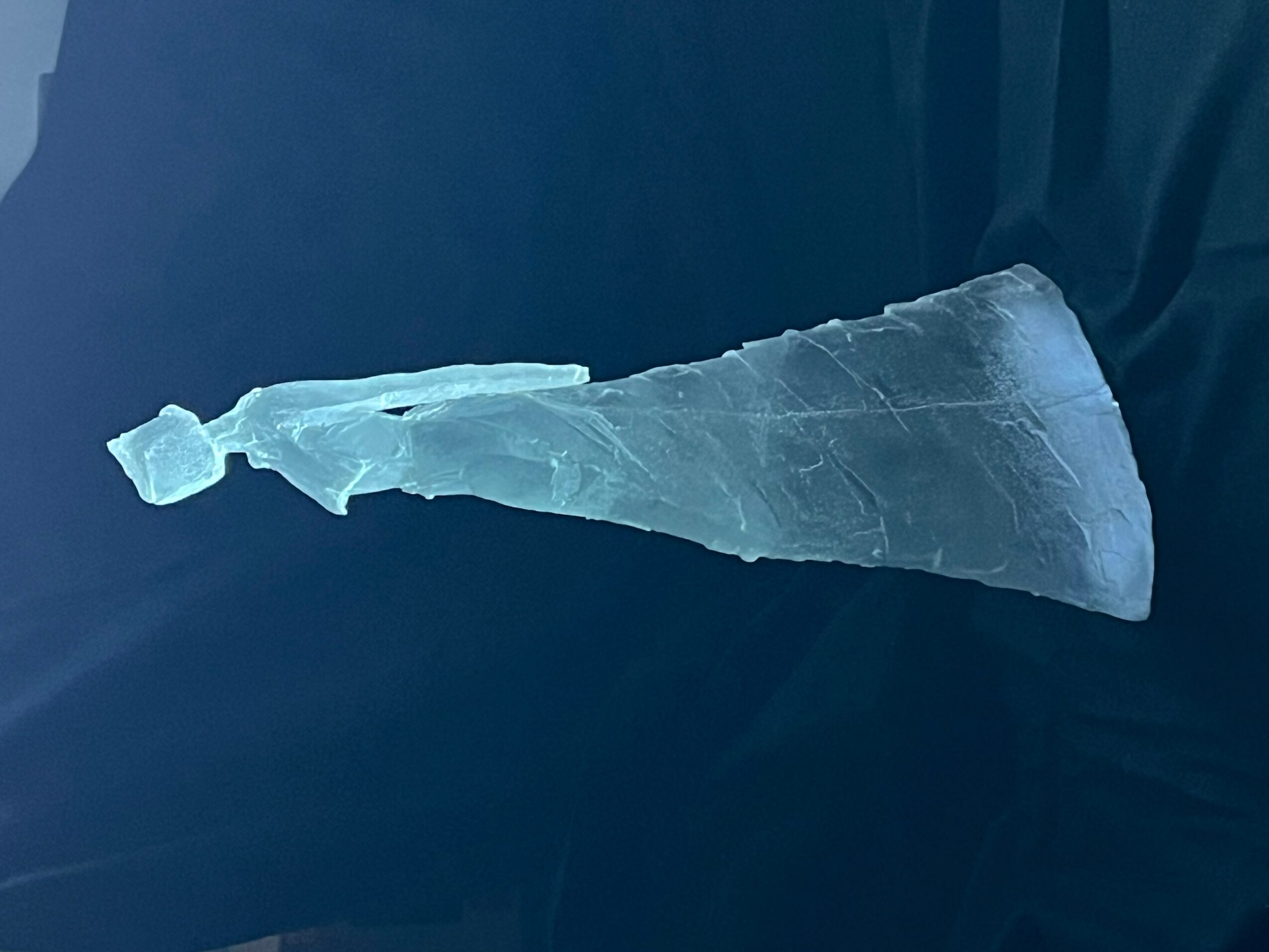
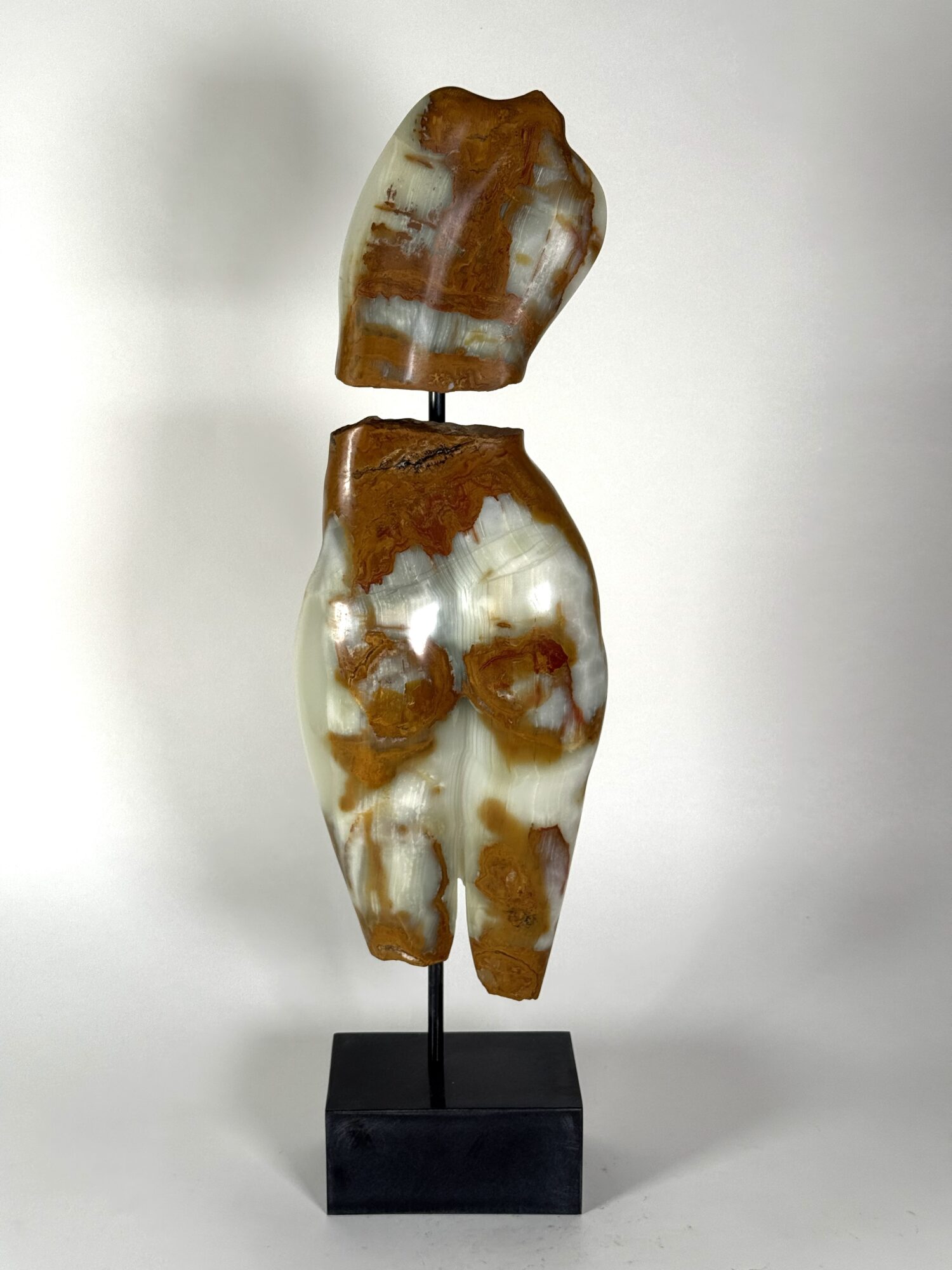
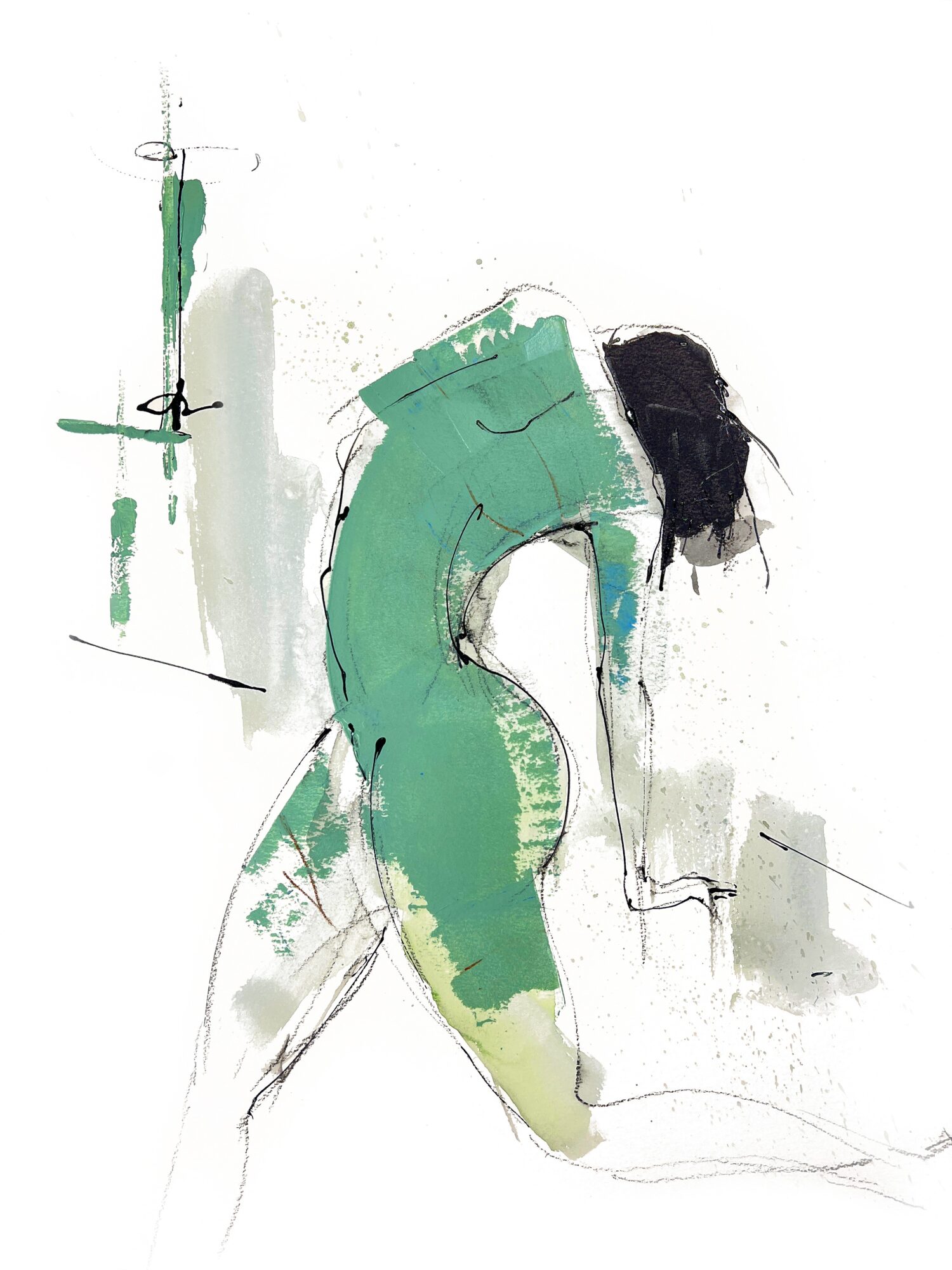
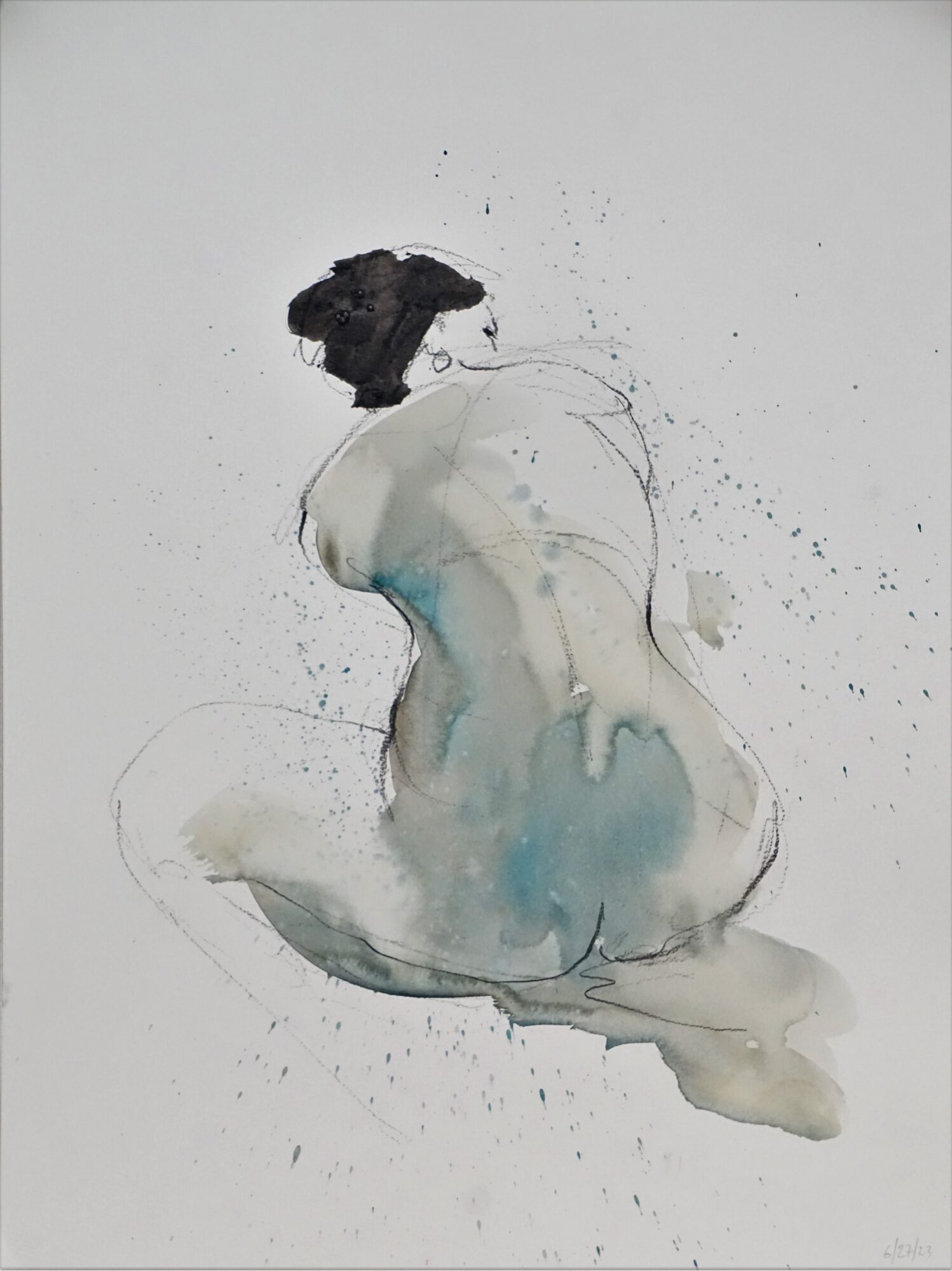
While my sculptures are primarily bronzes (which I cast myself), I also work with steel, resin, and stone. Most of my drawings are created from life, focusing on short poses and the immediacy of gesture.
Although my work is rooted in the human form, it is not realistic. My sculptures are intentionally abstracted: the bodies are reduced to essential gestures, and most of my figures have no arms, hands, or facial features. This absence is deliberate, shifting the viewer’s attention toward movement, balance, tension, and presence rather than anatomy or identity. Collectors often tell me that my pieces feel alive, even though they are incomplete.
Many of my sculptures begin in clay, a material that allows me to work with speed and spontaneity. I then cast them in bronze, a labor‑intensive but deeply rewarding transformation. Other materials lead me toward different intentions: in steel, I pursue reductive, aesthetically pure forms; in stone and wood, I carve polished, curved shapes that honor the inherent beauty and unique qualities of each material.
Years of Aikido practice taught me to relax, sense the moment with my whole body, and trust the process to reveal an authentic response. In my studio, I follow the same principle: the less I interfere mentally, the more alive the work becomes. My goal is not realism, but a distilled and essential form—one that holds only the elements that captivate me and leaves space for the viewer’s imagination. The marks left by my tools in clay and the loose, searching lines in my drawings remain visible as evidence of my process, creating a more immediate connection between the viewer and the work.
Across all mediums, my work is an exploration of presence, energy, and the quiet truth that emerges when intuition leads.
I’m known for bronzes that retain the freshness and immediacy of the clay, and for the looseness and spontaneity of my figure drawings. I believe what sets me apart is the combination of technical rigor and intuition in my work, resulting in a style that is very recognizable.
What I’m most proud of is the connection people have with my work. When someone chooses to live with one of my sculptures or drawings, it is deeply meaningful to me. I’m also proud of having built a full artistic life from scratch—leaving engineering, learning bronze casting, teaching, exhibiting, and integrating into vibrant art communities in both the Bay Area and Santa Barbara.
So, before we go, how can our readers or others connect or collaborate with you? How can they support you?
People can work with me in several ways. I’m always open to collaborations with other artists, galleries, curators, and organizations interested in my work. I enjoy projects that involve teaching, demonstrations, or community engagement, and I’m happy to participate in exhibitions, talks, or workshops.
Collectors and supporters can engage with my work and support me by staying connected: visiting my studio, following my exhibitions, attending shows, sharing my work, introducing me to new communities, or inviting me into collaborative artistic initiatives.
Contact Info:
- Website: https://www.ericsaintgeorges.com/
- Instagram: https://www.instagram.com/ericsaintgeorges/
- Other: https://www.artworkarchive.com/profile/ericsaintgeorges