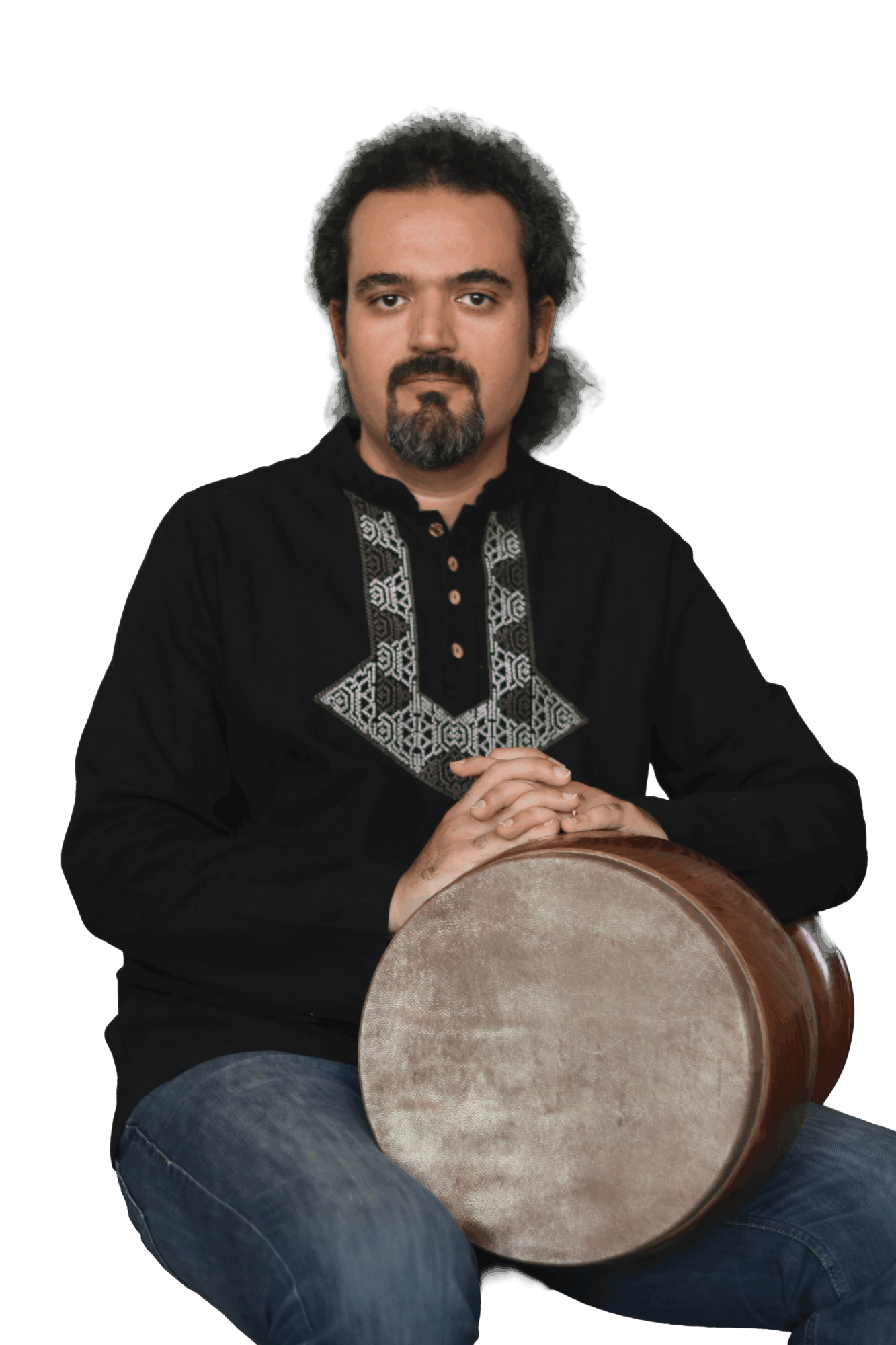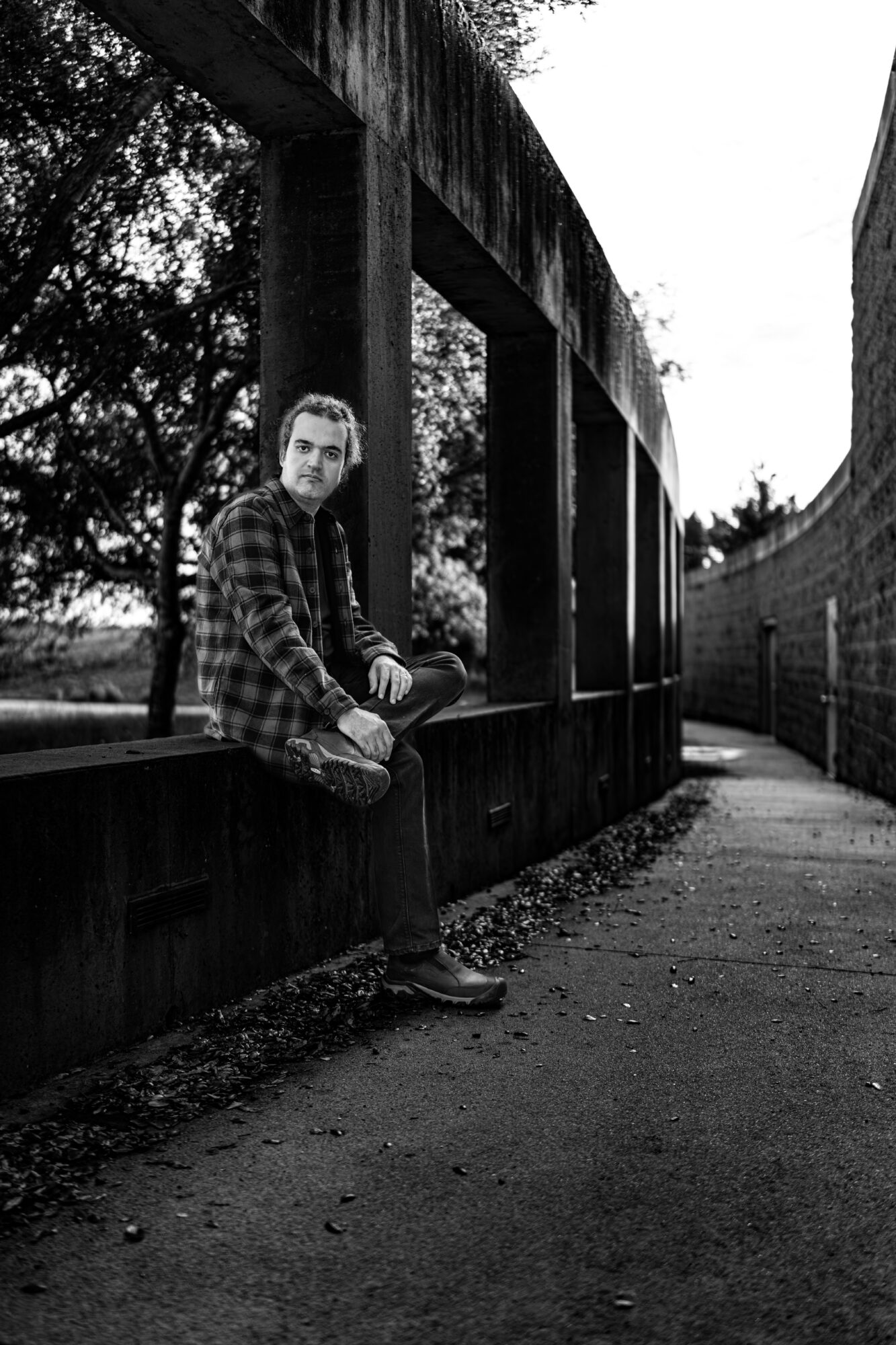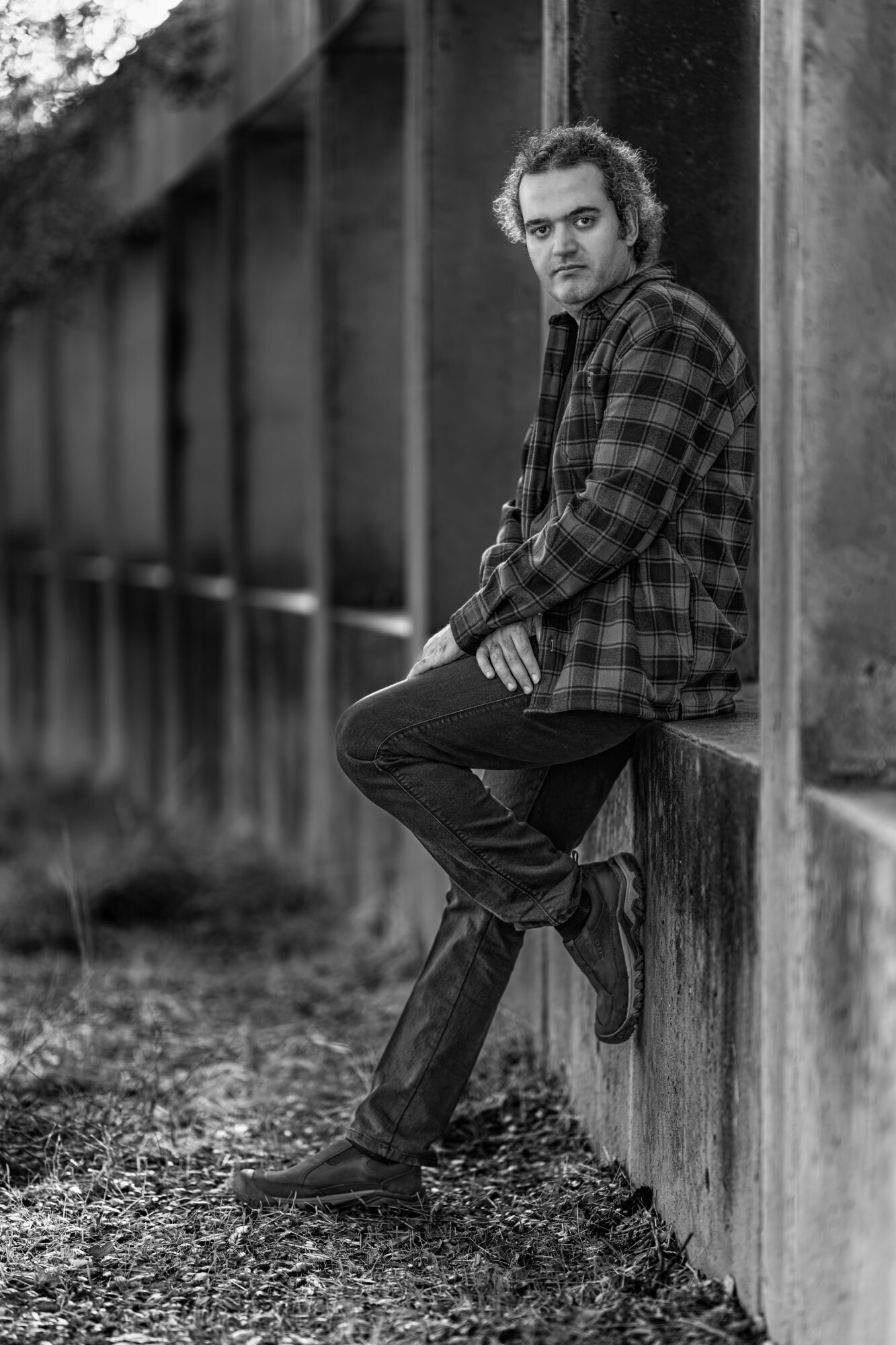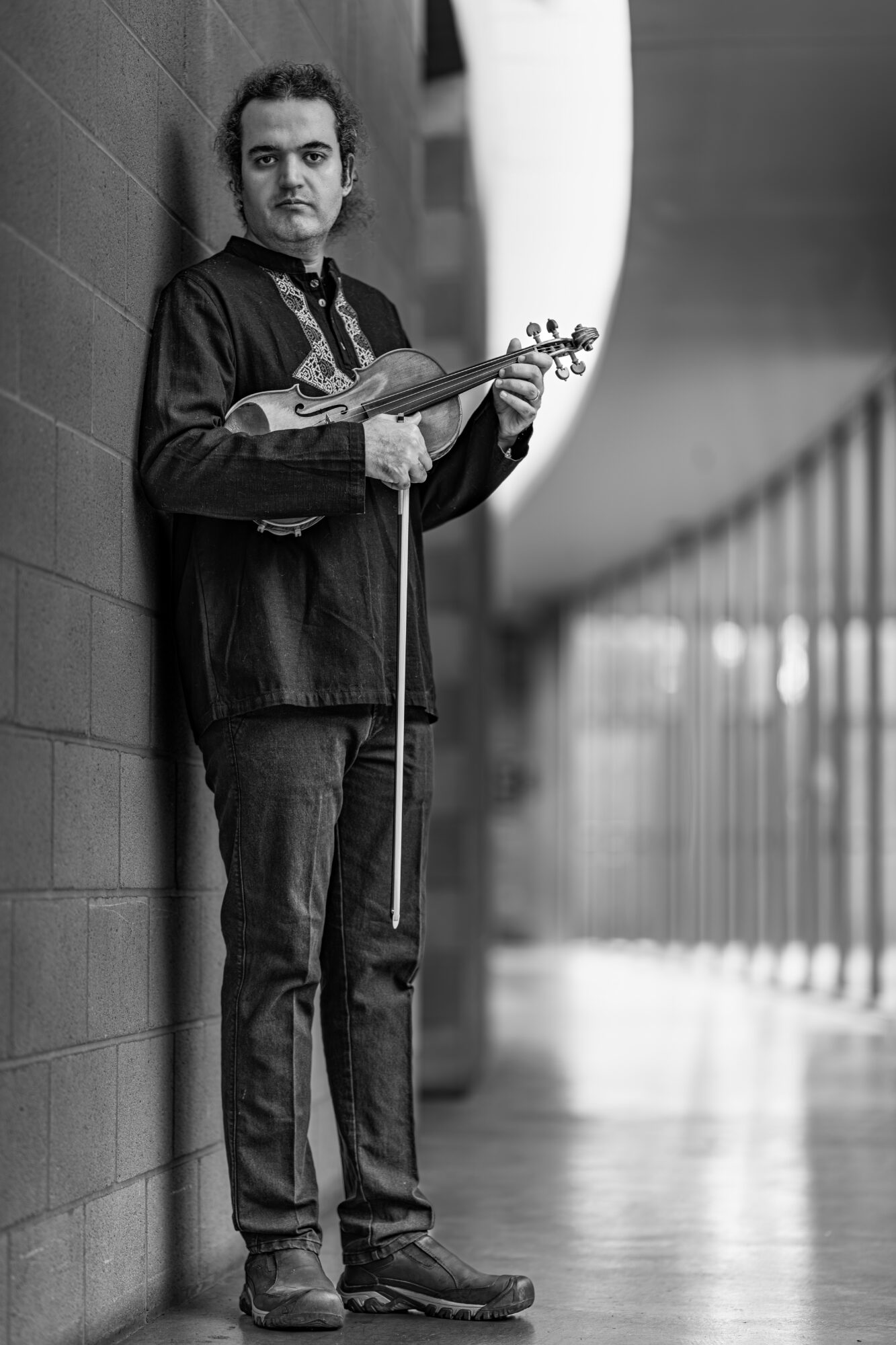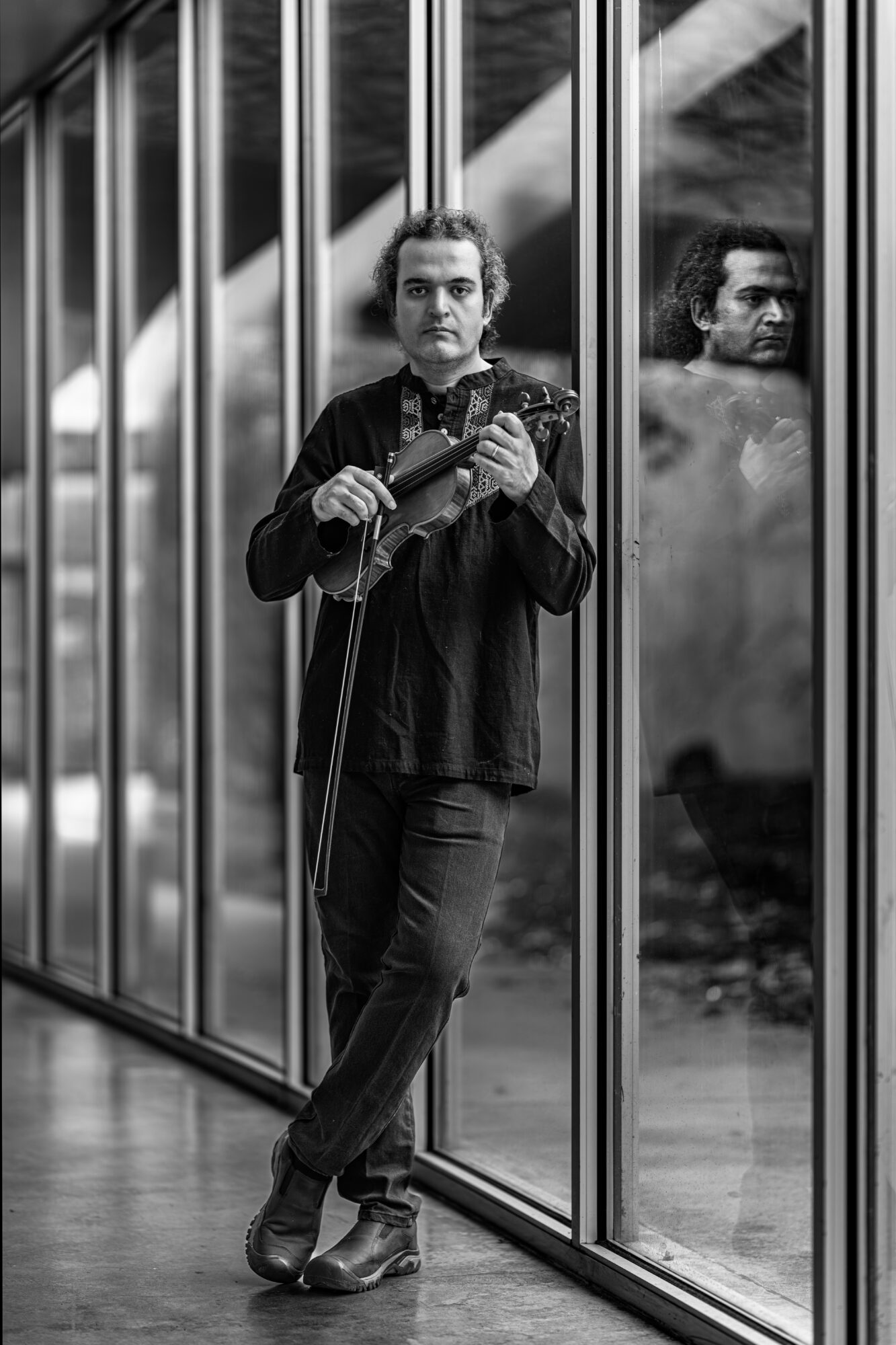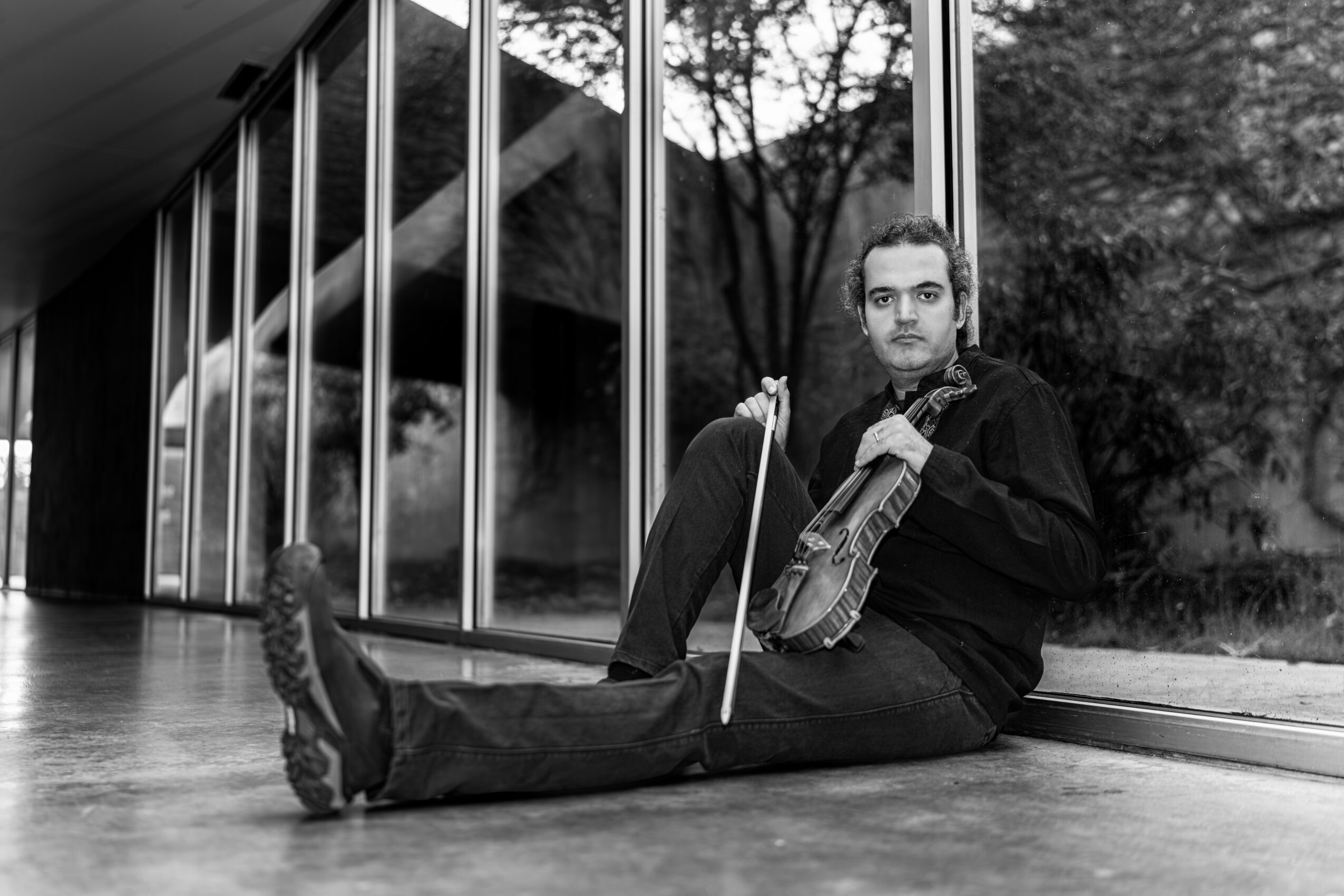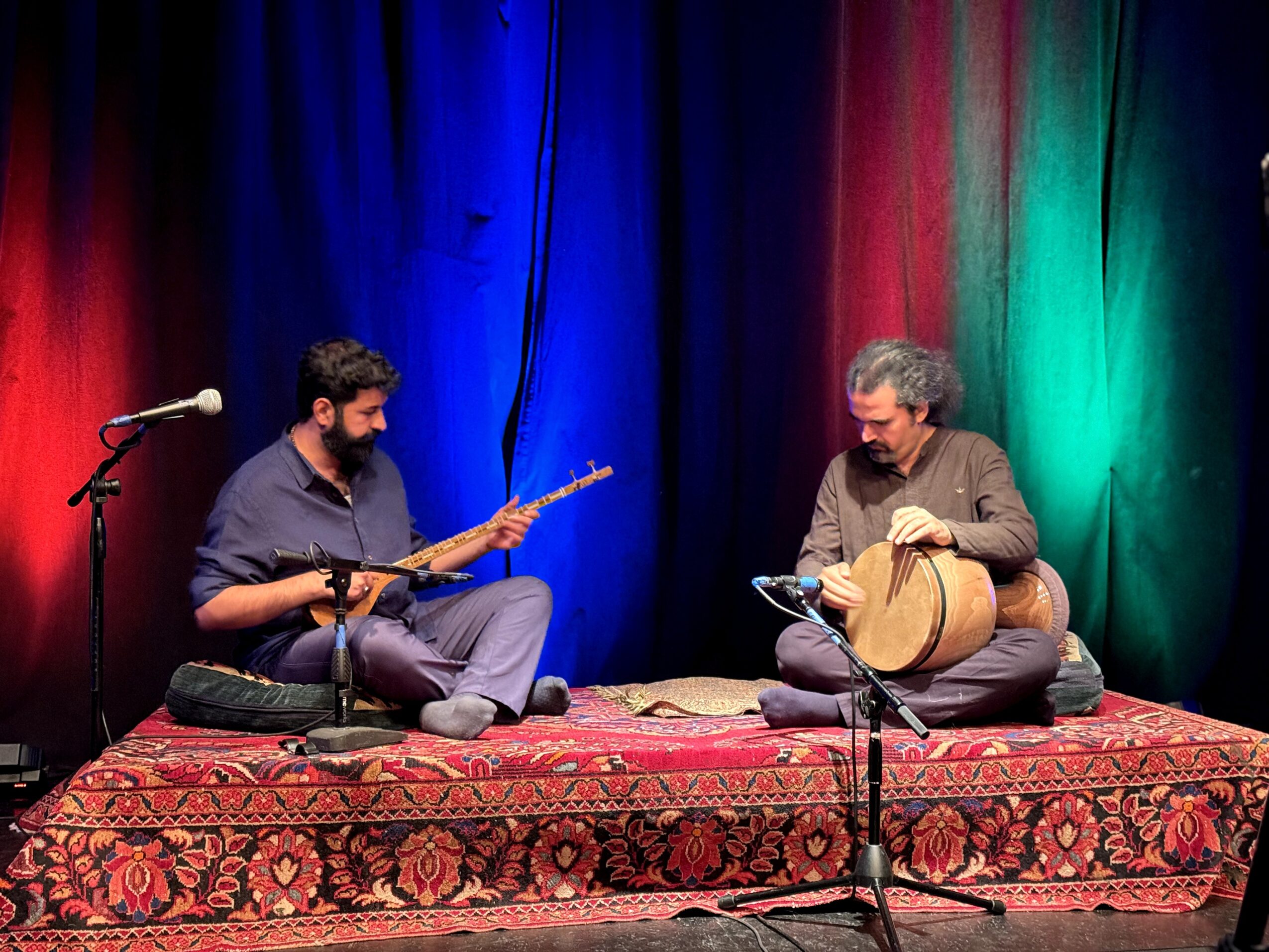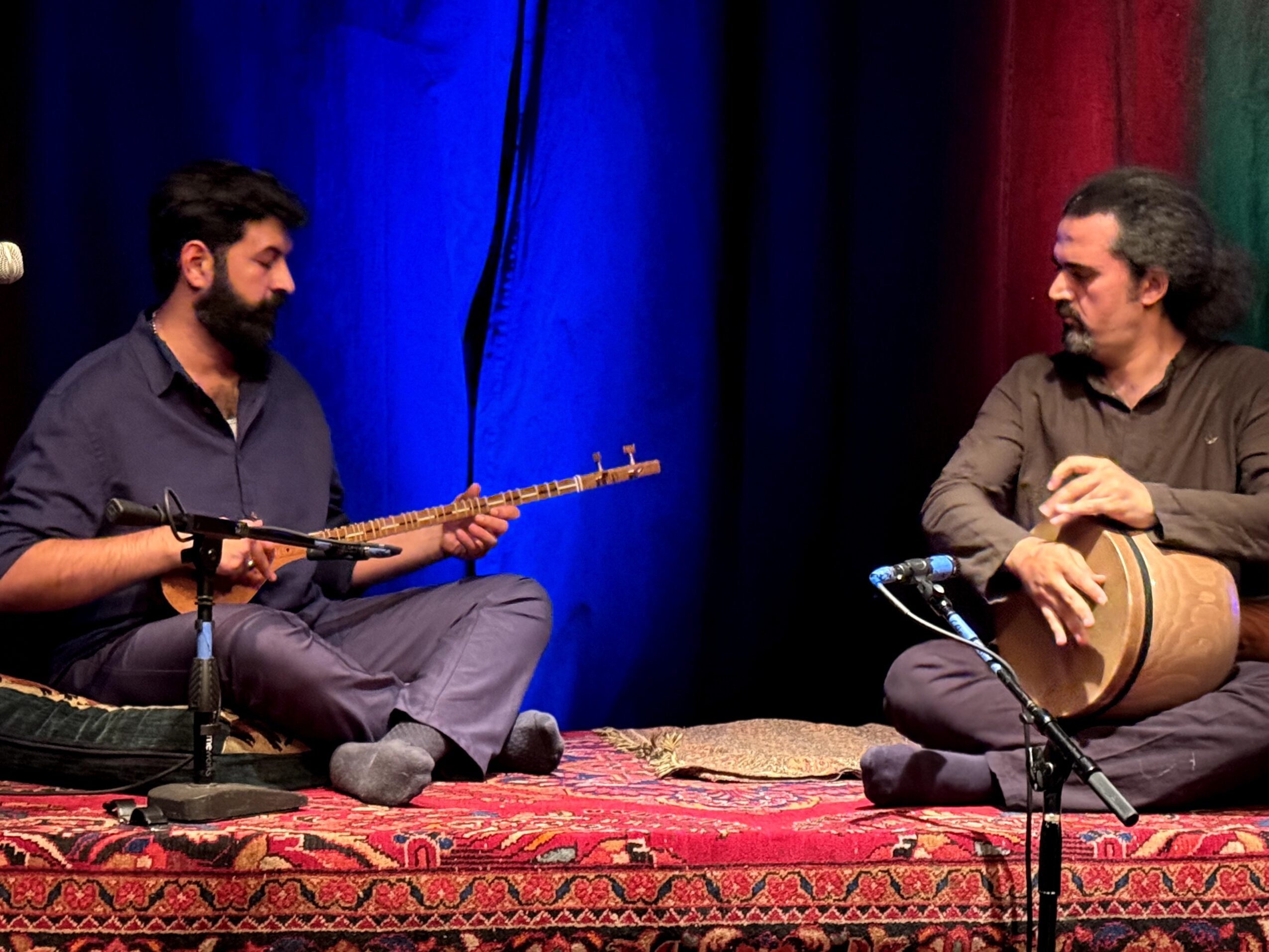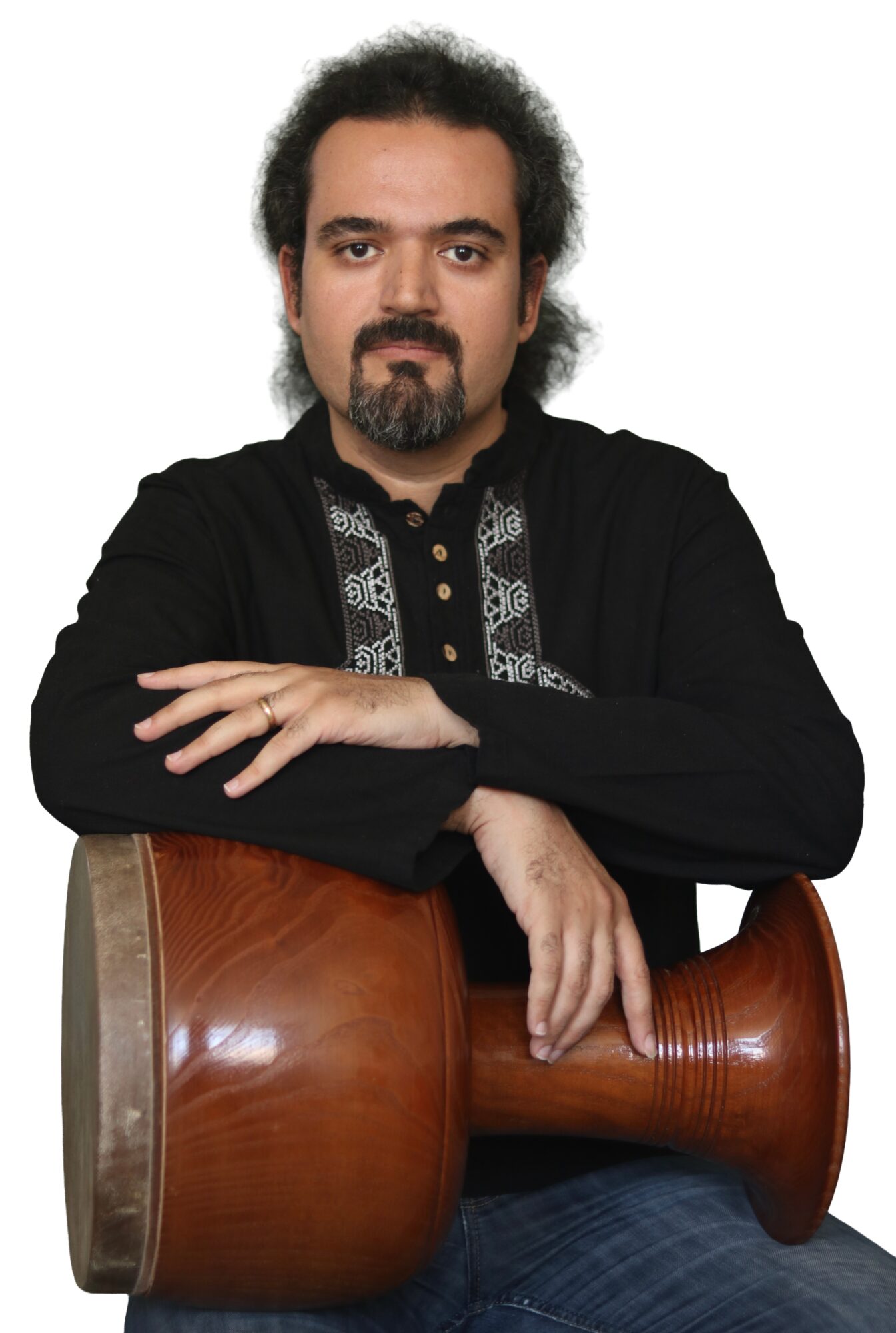




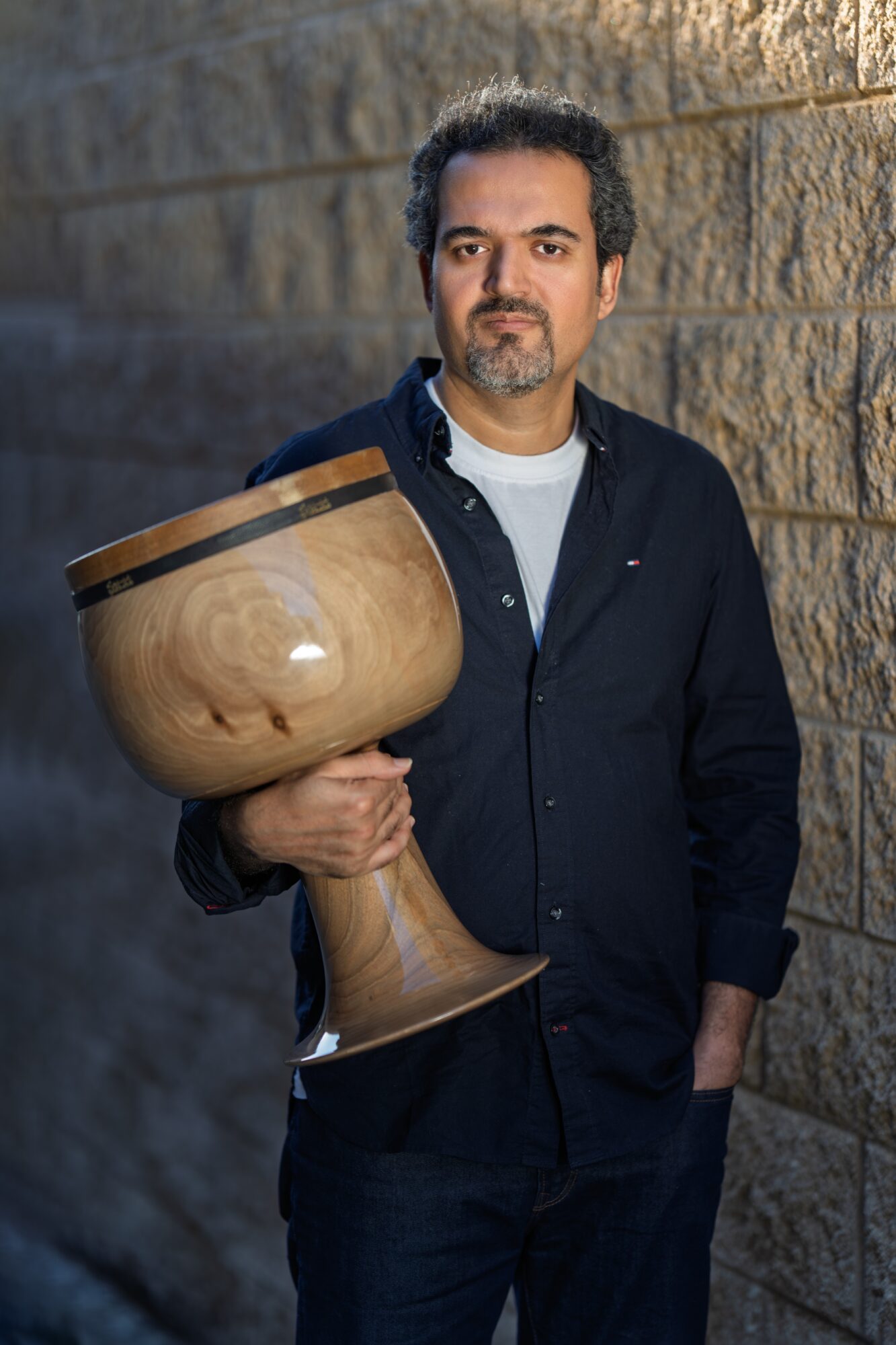
Today we’d like to introduce you to Siamak Barghi.
Hi Siamak, please kick things off for us with an introduction to yourself and your story.
Thank you so much for having me. It’s a pleasure to be here and to have the opportunity to share a little bit about my journey and my music.
Honestly, the reason I traveled almost halfway around the world from Iran to be here is that I came to pursue a PhD in Music Composition.
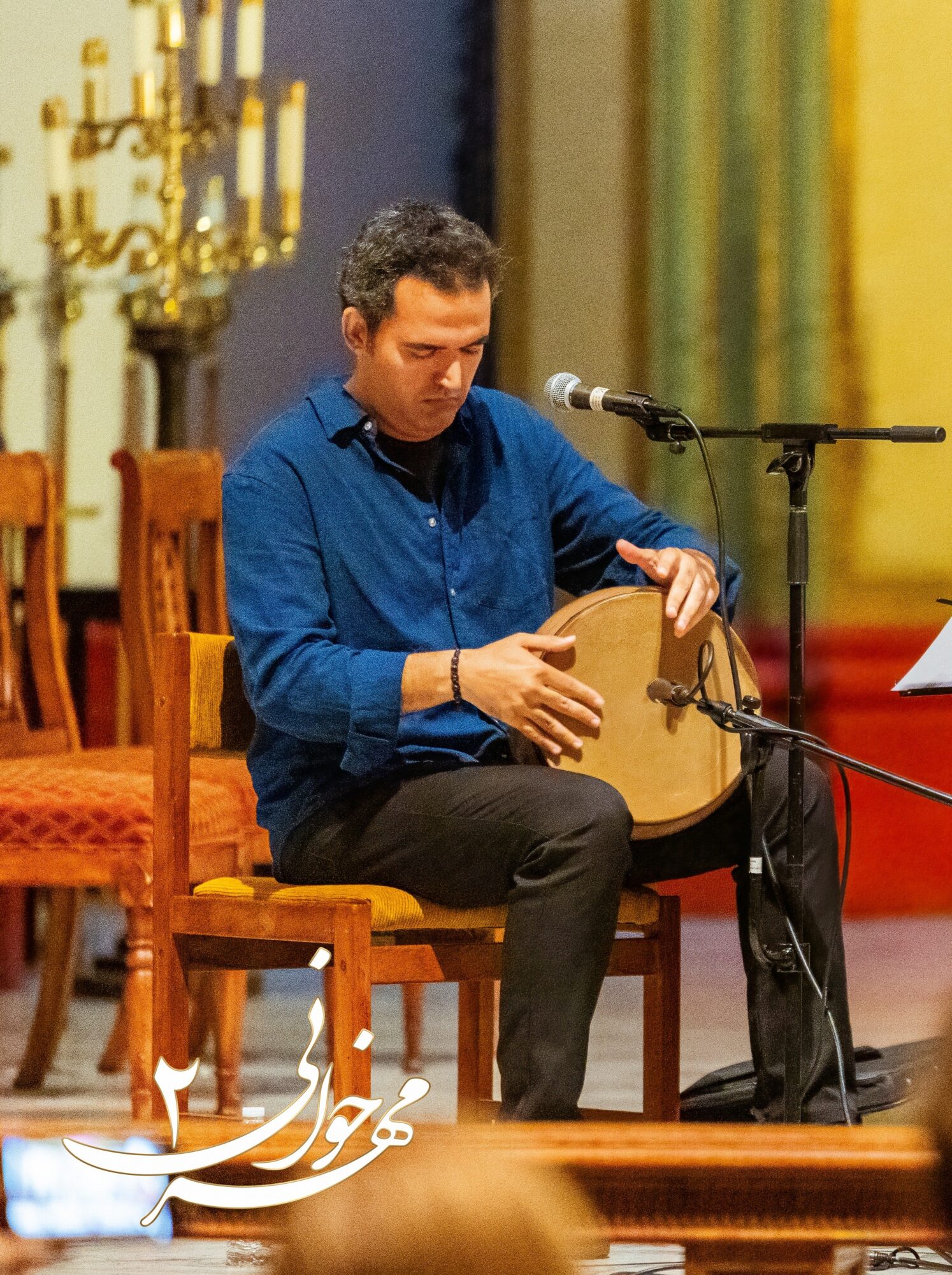
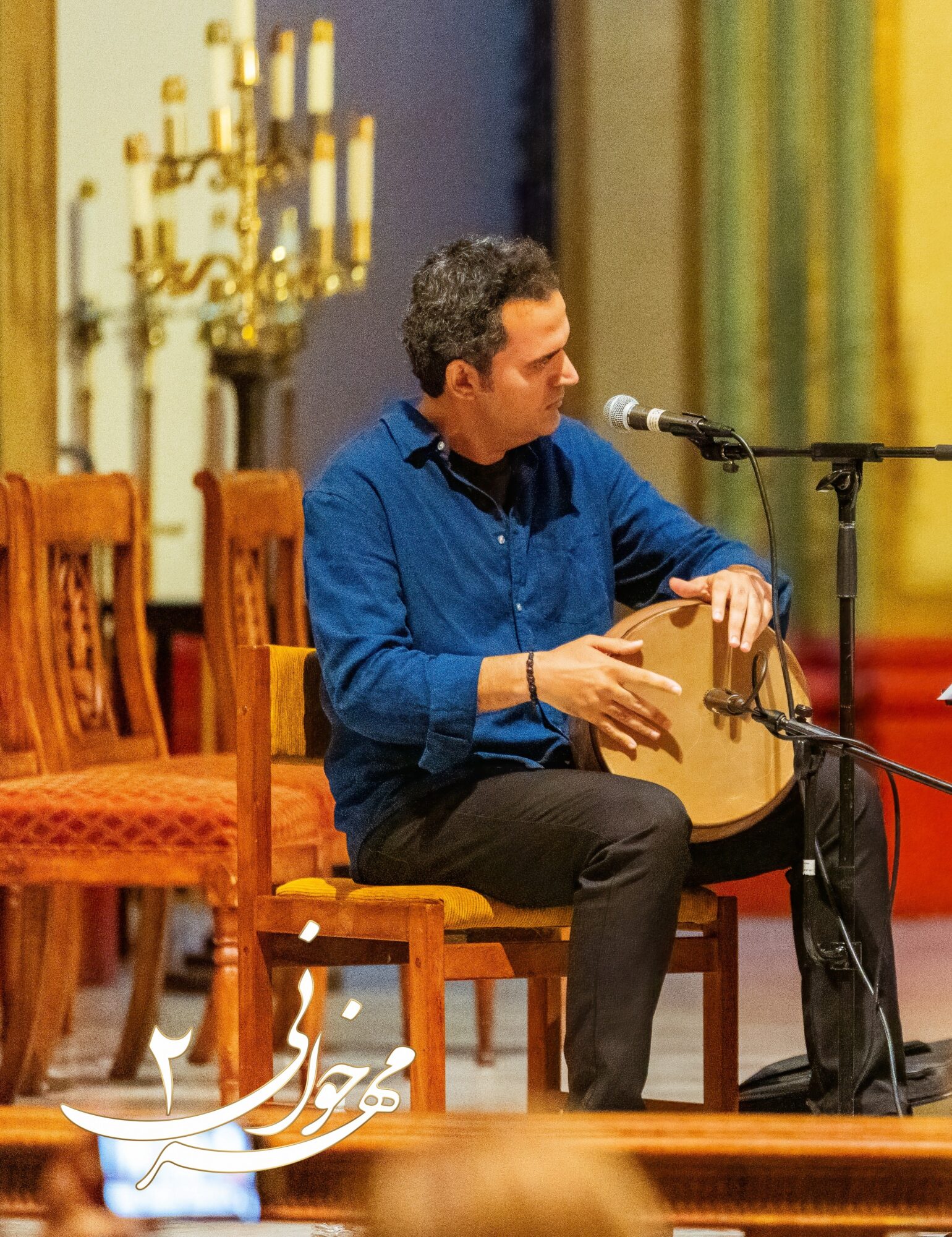
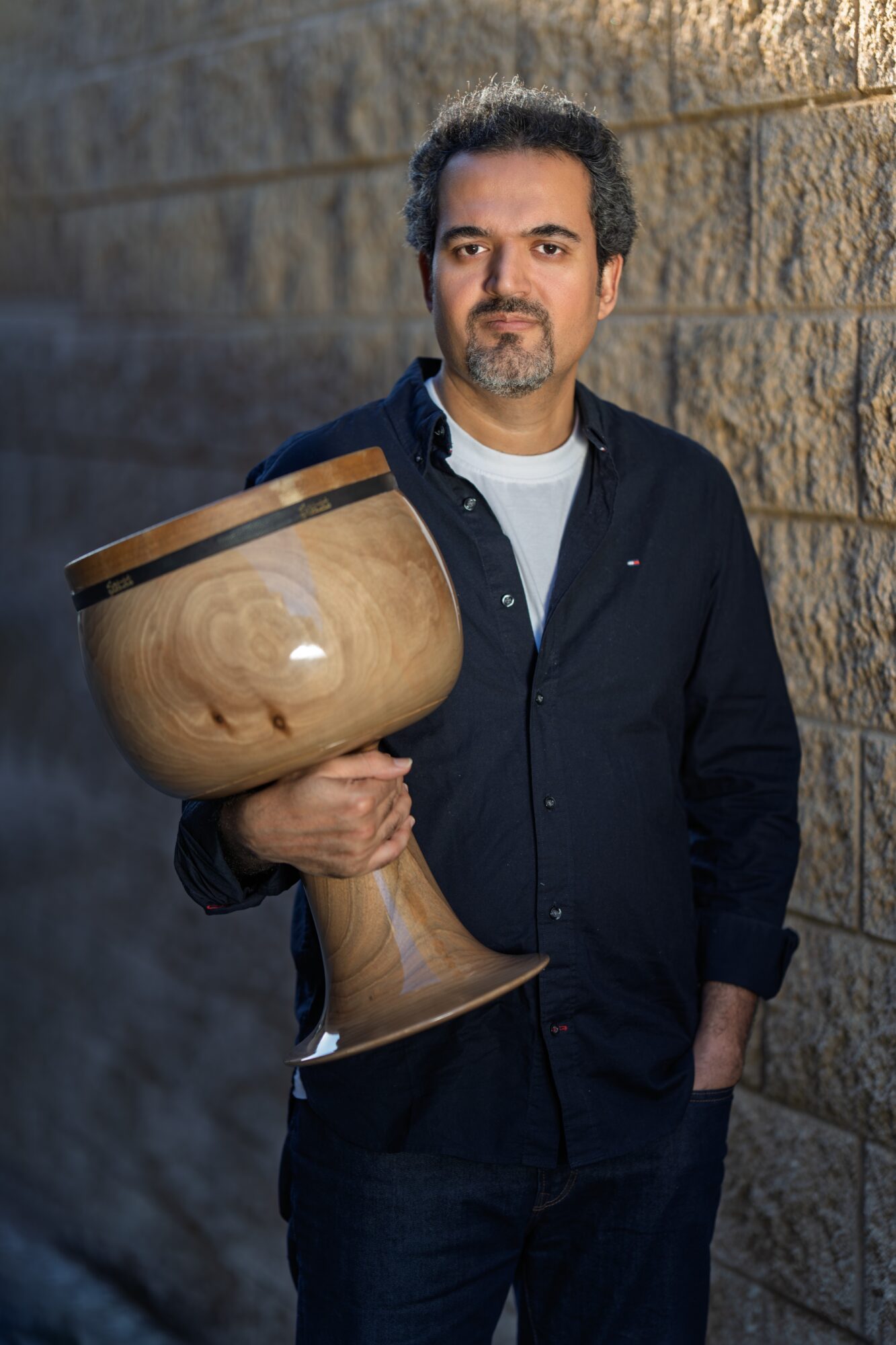
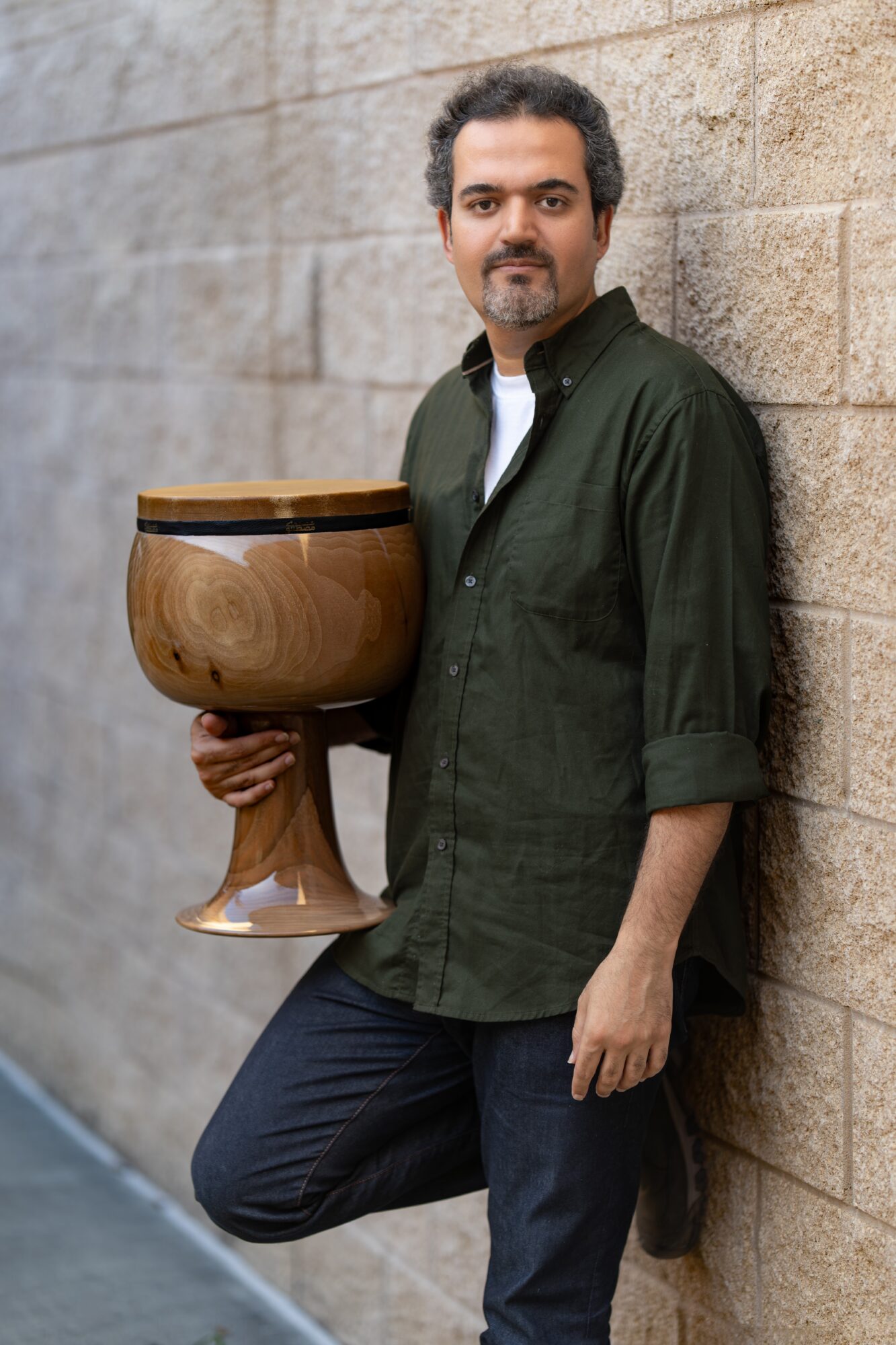
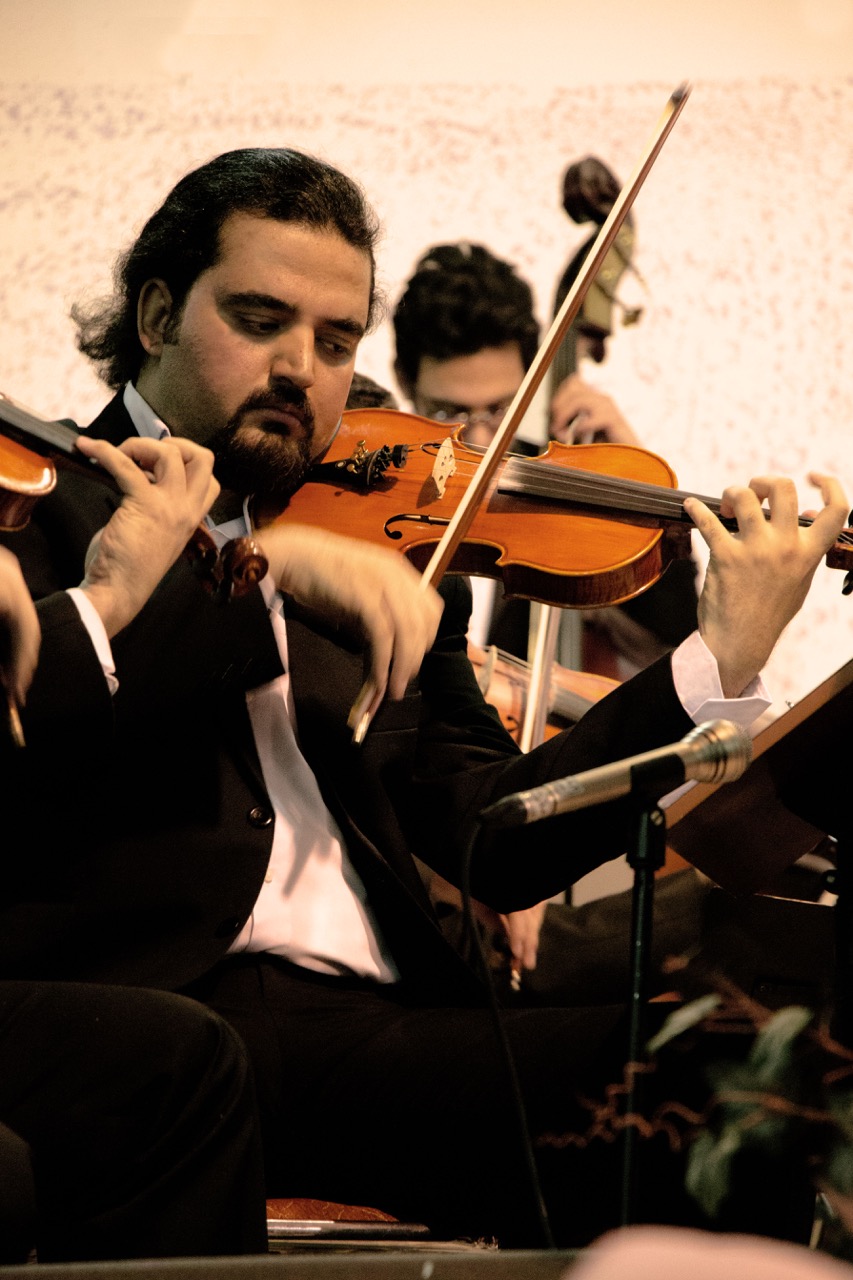
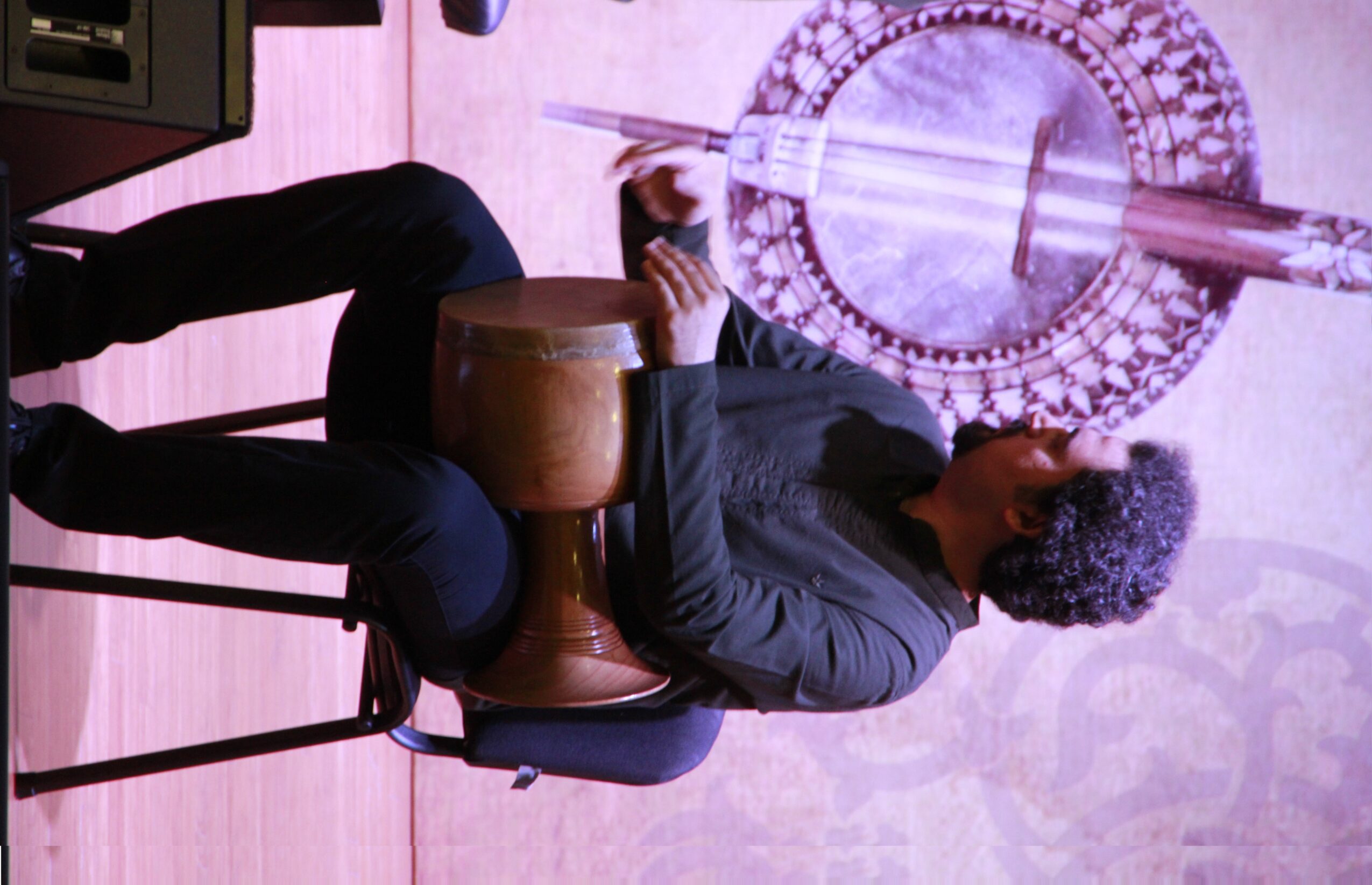
I started studying music when I was five, under the guidance of my father, Assad Barghi. I began with the ney, a traditional Iranian wind instrument. Later, I took up the violin and then the tombak, a goblet-shaped Iranian percussion instrument.
Growing up in a musical family is a little different. Musical instruments become your toys and your main source of entertainment as a child. So, almost without even realizing it—and especially when you have a natural curiosity and interest in music—you end up spending countless hours playing different instruments, experimenting with them, and exploring music on your own.
During my teenage years, my brother Samad and I regularly performed concerts and played music together in a variety of settings. Those experiences were incredibly meaningful for both of us. Making music together encouraged us to take our musical journeys more seriously and helped us grow as musicians.
Throughout that journey, I was also incredibly fortunate to have the unwavering support of my parents. My mother and father have always been incredibly kind and supportive, and I deeply appreciate all the love, encouragement, and effort they have given me throughout my life. Their support has played a very important role in helping me become the person and musician I am today.
In high school, I was particularly strong in mathematics, which eventually led me to study electrical engineering at some of the leading universities in Iran. I earned a master’s degree in electrical engineering, but afterward I decided that if I was going to return to university, I wanted to study music. So I went back to school and earned a second master’s degree, this time in music, in Iran. Eventually, that path brought me to the United States, where I am continuing my education with a PhD in composition.
My professional musical activities span roughly the past twenty years. Throughout this period, I have remained active in a wide range of areas, including teaching and conducting educational workshops at universities and private institutions, carrying out field research, publishing books and scholarly articles, performing concerts, recording and releasing musical works, and forming, directing, and leading musical ensembles and orchestras. At different points, I have focused more heavily on one area or another, but I have always tried to remain active across these different aspects of musical life.
I resumed my professional activities in the United States after moving here in August 2024. I began connecting with fellow artists and musicians with whom I could collaborate, and fortunately, I have had the opportunity to give a number of successful performances during this time.
One of the most valuable opportunities that has come through my connection with the university has been the chance to collaborate with outstanding artists in the United States and to compose new works specifically for them. During this period, I have had the pleasure of working with Del Sol Quartet, Palaver Strings, Korean Gugak Center artists and musicians, as well as many other American and Iranian artists.
I have also had the opportunity to participate in festivals and events including the Korean Experimental Music Festival, the Cabrillo Festival of Contemporary Music in 2026, and the April Festival of New Music in Santa Cruz (AprSC) in 2025 and 2026. These experiences have been particularly meaningful to me, both artistically and personally, as they have allowed me to build new relationships, share my musical background with diverse audiences, and continue developing my work as a composer and musician in the United States.
Would you say it’s been a smooth road, and if not what are some of the biggest challenges you’ve faced along the way?
Pursuing art, and music in particular, has never been a completely smooth or straightforward journey. At every stage of an artistic career, there are unexpected challenges and circumstances that you simply cannot predict.
Of course, unexpected things can happen in any profession. But I think pursuing a career in the arts can be especially unpredictable because so much depends on your ability to work independently, build relationships, find opportunities, and create your own path. You have to constantly shape your career for yourself.
For example, if you study engineering or medicine at a university, you can follow a relatively defined professional path. You complete your degree, take the necessary exams or certifications, and eventually find a position within an organization or institution. Those processes can certainly be demanding, but there is often a structure that guides you toward your profession.
In the arts, the situation is quite different. You have to build your path piece by piece. You have to find your own opportunities, develop your own artistic voice, and constantly challenge yourself to create something that is genuinely your own rather than simply imitating what others are doing.
Some of the biggest challenges I faced came during the years when I was working as an artist in Iran, my home country. It may be difficult to imagine, but I lived and worked in a city where the government office responsible for issuing permits for musical performances would not even allow us to use the word “concert” in our applications. Instead, we had to describe the event as an “educational workshop,” and within that workshop, we could present a musical performance. Pursuing cultural and artistic work, particularly performing music, in Iran under the current government can feel like running a marathon—a long, demanding, and often exhausting journey.
Part of this situation comes from the contradictory and restrictive regulations surrounding music under the current government in Iran. For example, the prohibition on using the word “concert” is connected to the religious ideology of the government and its interpretation of Islamic law. Within this framework, certain forms of music have historically been considered haram, or religiously forbidden, on the grounds that music should not be encouraged or promoted if it is believed to potentially lead people toward sinful behavior.
There were also many occasions when our performances were canceled just ten minutes before they were supposed to begin. You really cannot imagine how difficult and complicated the process of organizing a concert could be. There were so many different steps, permissions, and approvals required before you could finally receive authorization to perform, and even after going through all of those procedures, there was still no absolute guarantee that the performance would actually take place.
Compared with those experiences, things are much more straightforward here in the United States. There is a much more organized and predictable process, and there is also a remarkable degree of cultural diversity and freedom of expression. You don’t have to, for example, submit your lyrics to someone for approval simply to determine whether they are appropriate for a performance. For an artist, that difference can be incredibly meaningful.
At the same time, there is a bittersweet side to this experience for me. Many of the people who listen to my music are still in Iran rather than here in the United States. So, although I am deeply grateful for the opportunities and artistic freedom I have here, I still feel a very strong connection to the audience and the artistic community back home.
And beyond the challenges of being an artist, immigration itself has been a major part of this journey. Moving to another country means changing almost everything that once constituted your everyday life. Suddenly, your surroundings, your language, your social relationships, your routines, and even many of the ways you understand the world are new. Learning how to navigate all of that can be challenging and, at times, overwhelming.
For me, however, this experience has also been an opportunity for growth. Being placed in a completely new environment has forced me to adapt, to become more independent, and to look at both my music and myself from a different perspective. I think those experiences inevitably become part of an artist’s creative identity.
I hope that one day the circumstances for making music and pursuing artistic work in Iran will become more supportive and favorable, so that artists can work more freely and audiences can experience and enjoy a wider range of music and art. And I hope that, wherever I am, I can continue to maintain a connection with the musical community and the people back home.
Can you tell our readers more about what you do and what you think sets you apart from others?
I’m a musician and composer. For many years, I was actively involved in teaching music, both at the university level and at my own music school. These days, however, I’m focusing more on composition and on my work at the university.
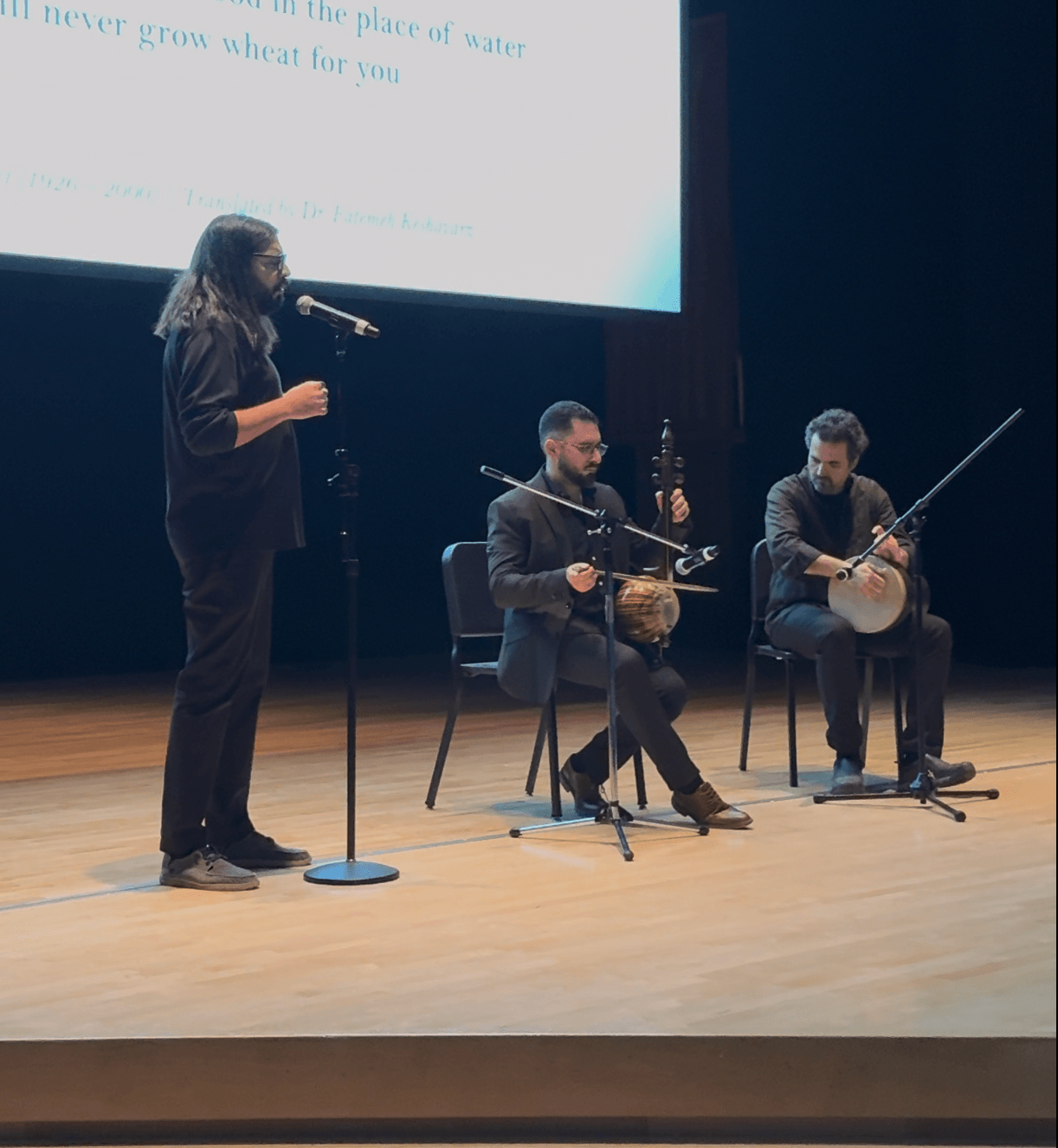
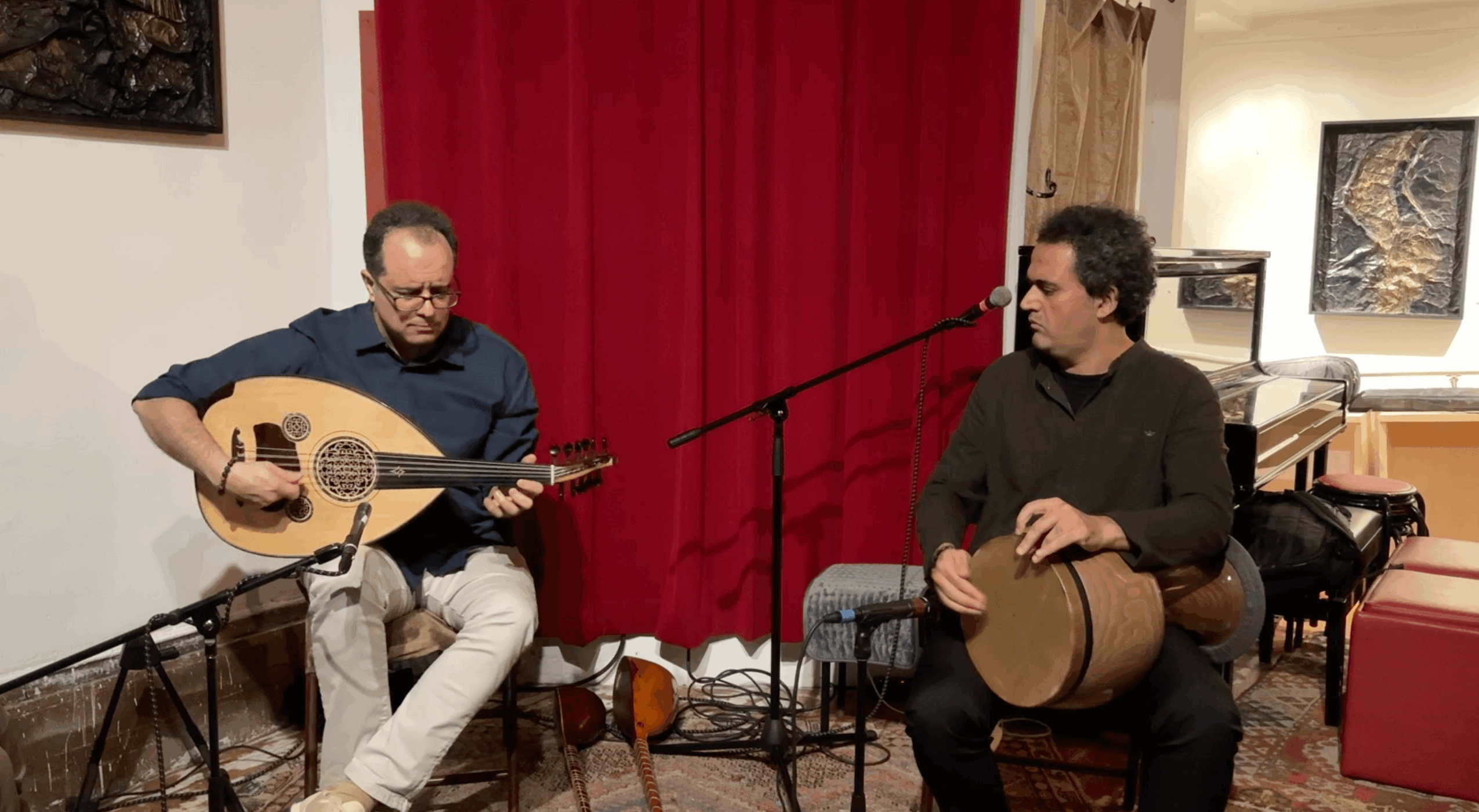
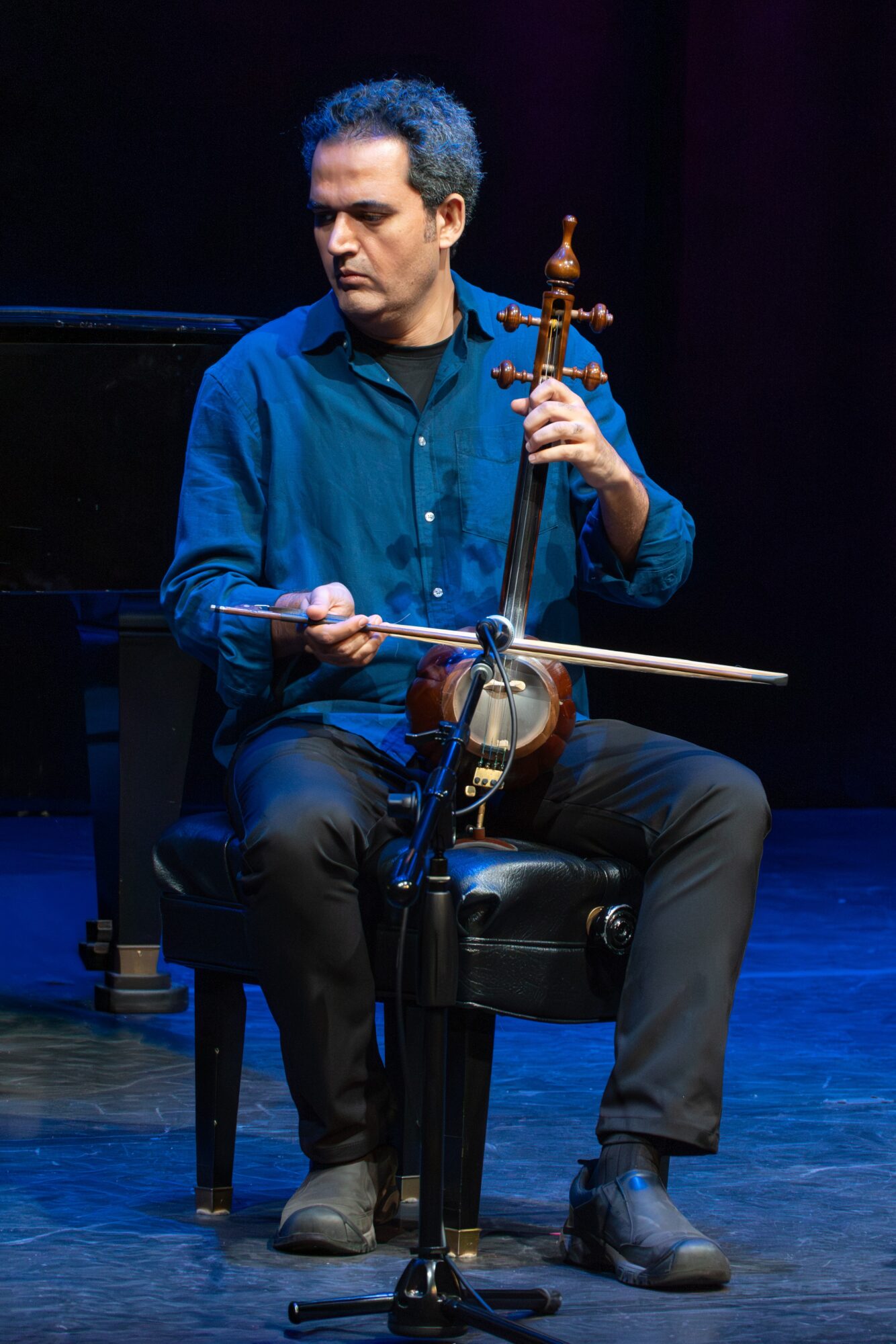
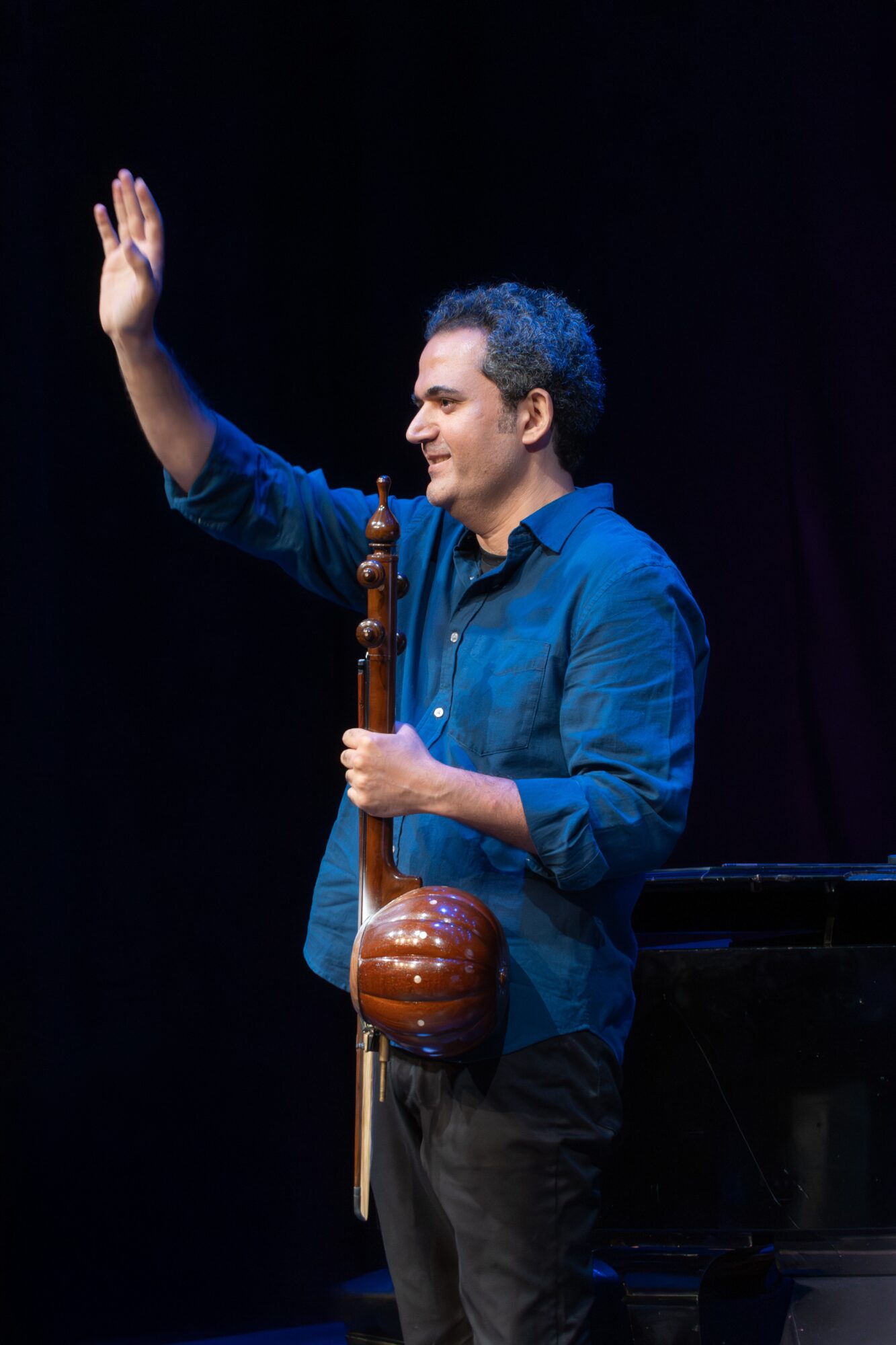
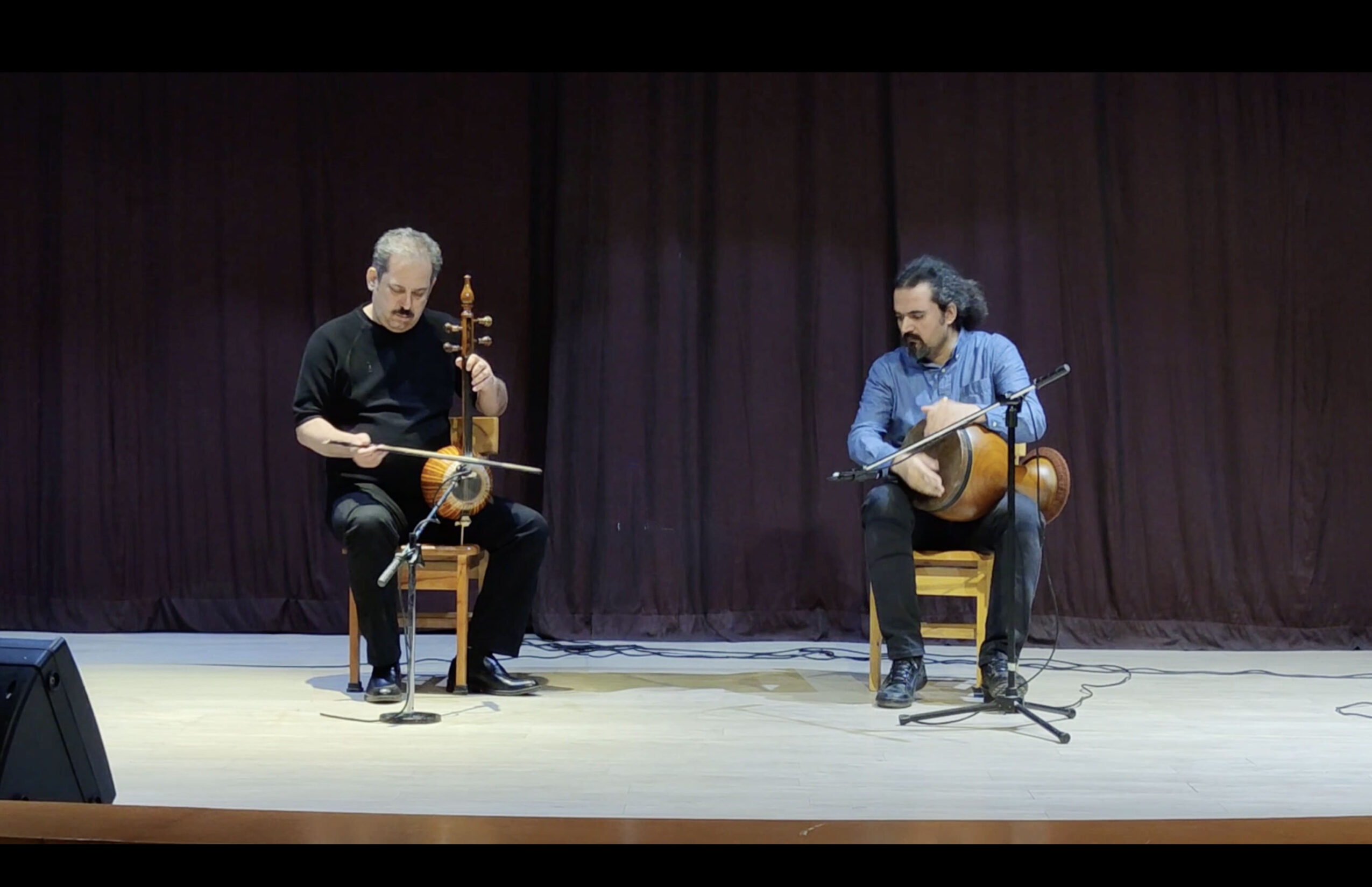
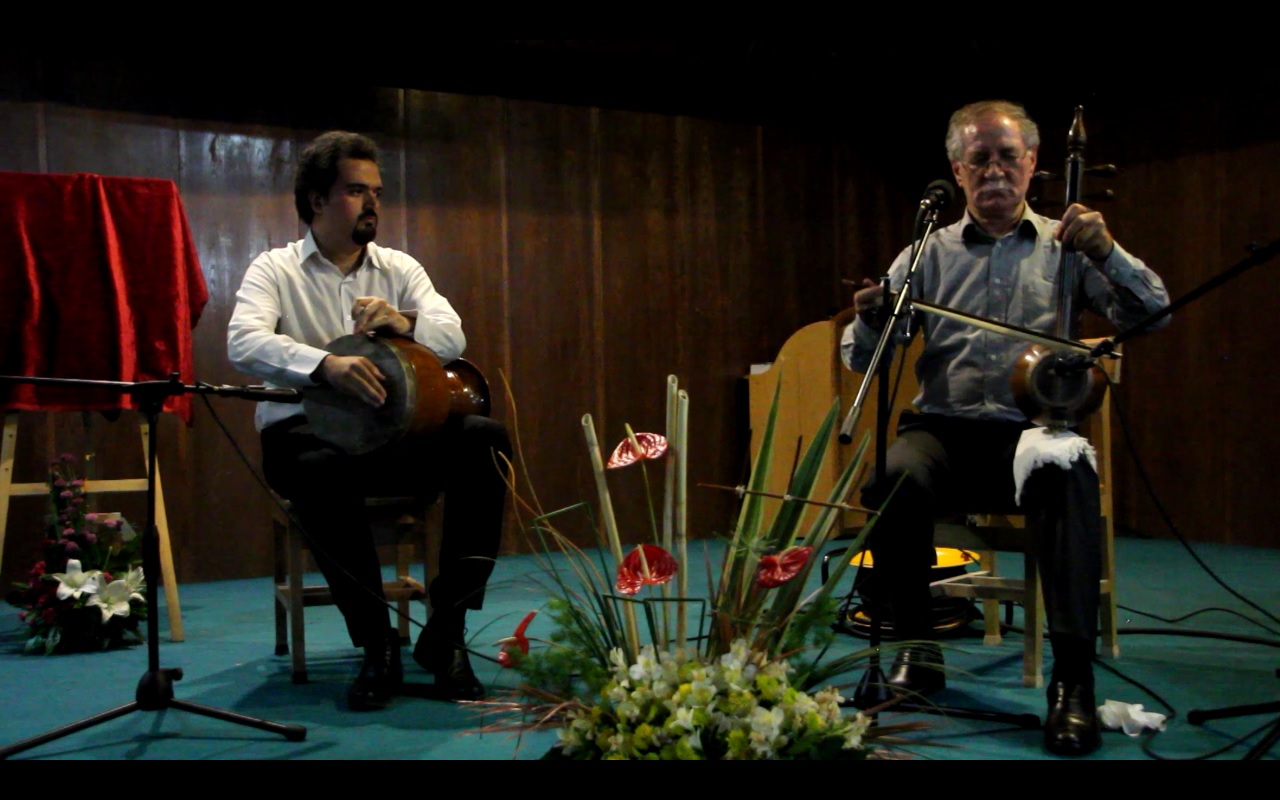
My primary instrument is the tombak, an Iranian percussion instrument, and I’ve had the honor of winning first place in several national music festivals in my home country. I’ve also been actively involved in playing the violin and the kamancheh, a bowed Iranian string instrument with a tuning similar to the violin. Over the years, I’ve had the opportunity to perform with and collaborate with many different ensembles and orchestras.
I’ve also released several albums as both a composer and performer, and my music is available on various streaming platforms.
As a composer, I’ve always tried to incorporate elements of the musical cultures that I feel most connected to. I’m particularly interested in finding ways to bring these influences into my work in a way that feels personal and authentic, rather than simply reproducing traditional musical materials.
For me, Iranian music and Persian literature represent an incredibly rich cultural treasure. They have developed over thousands of years and contain an extraordinary depth of ideas, structures, stories, and artistic expression. Yet I feel that this richness has not reached international audiences to the extent that it deserves to.
One of the things I would really like to do through my work is to draw from this cultural heritage and, as much as I can, introduce aspects of it to audiences who may not be familiar with Iranian culture. And I don’t necessarily want to do this only through traditionally Iranian musical instruments or techniques. I’m interested in using whatever musical tools and languages are appropriate to the piece—whether they come from Iranian music, Western contemporary music, or other musical traditions—to find a way of communicating these ideas to a wider audience.
I think simply being proud of our nationality, or of something that we happen to share with millions of other people, is not necessarily the most important thing. What I genuinely feel proud of, however, is the culture, literature, and art of Iran—the place and cultural tradition to which I feel I belong. That is something I value deeply, and it is also an important part of my identity as an artist.
At the same time, I’m very interested in many different kinds of music, and I actively listen to and explore music from a wide range of cultures, traditions, and styles. I think being open to different musical worlds is essential for a composer. It allows you to discover new possibilities while also helping you understand your own musical identity more deeply.
And even though composition has become a major focus of my work, I would always like to remain active as a performer as well. For me, being a musician is not just about writing music. It’s also about continuing to play, perform, collaborate with other musicians, and experience music from the perspective of a performer. I think that experience continually influences the way I write and helps keep my relationship with music alive.
What matters most to you? Why?
What matters most to me is being able to stay true to myself while continuing to grow, both as an artist and as a person.
For me, music has always been a way of understanding myself, my culture, and the world around me. I care deeply about having the freedom to create, to explore new ideas, and to develop my own voice rather than simply following what has already been done.
At the same time, I believe that connection is very important. Music can communicate across cultural and linguistic boundaries, and I find that incredibly meaningful. Coming from Iran and now living and working in the United States, I’ve experienced very different cultural and musical environments, and I hope that through my work I can bring some of those perspectives together and create a space for people to connect with one another.
More broadly, I believe that art, literature, and culture are among the most valuable tools we have for human growth and for developing a deeper sense of what it means to be human. If art, culture, and literature can help people build a more beautiful, more compassionate, and ultimately better world together, then I think they are doing something truly meaningful.
On a personal level, one of the things that matters most to me is becoming a better human being throughout the course of my life. I also care about being able to reflect the pain, struggles, and social problems that people experience in an honest and meaningful way through my work.
I wouldn’t necessarily describe that as an artistic mission or a responsibility that I have to fulfill. It’s more a personal interest and something that naturally comes from the way I see the world. If I encounter something that affects me deeply—whether it is a social issue, human suffering, or simply something beautiful about human experience—I want to be able to respond to it through my art.
Ultimately, I want to make music that is honest, meaningful, and genuinely my own. And if that music can help me understand myself better, connect with other people, and perhaps contribute in some small way to a more thoughtful and compassionate world, then that is what matters most to me.
Contact Info:
- Website: https://siamakbarghi.com
- Instagram: https://www.instagram.com/siamakbarghi/
- Facebook: https://www.facebook.com/siamakbarghi/
- LinkedIn: https://www.linkedin.com/in/sbarghi/
- Youtube: https://www.youtube.com/user/siamakbarghi
- Soundcloud: https://soundcloud.com/siamakbarghi