





Today we’d like to introduce you to Bada Chun.
Hi Bada, so excited to have you with us today. What can you tell us about your story?
My journey started in a somewhat unconventional place. Before diving fully into the world of design, I studied Accounting and International Trade. While I appreciated the logical systems and structure behind dealing with numbers and data, I always had a deep creative thirst to build things using a visual language. Following that intuition, I went on to study at Otis College of Art and Design, where I majored in Graphic Design and minored in Motion Design. That’s when I truly felt I had found my calling.
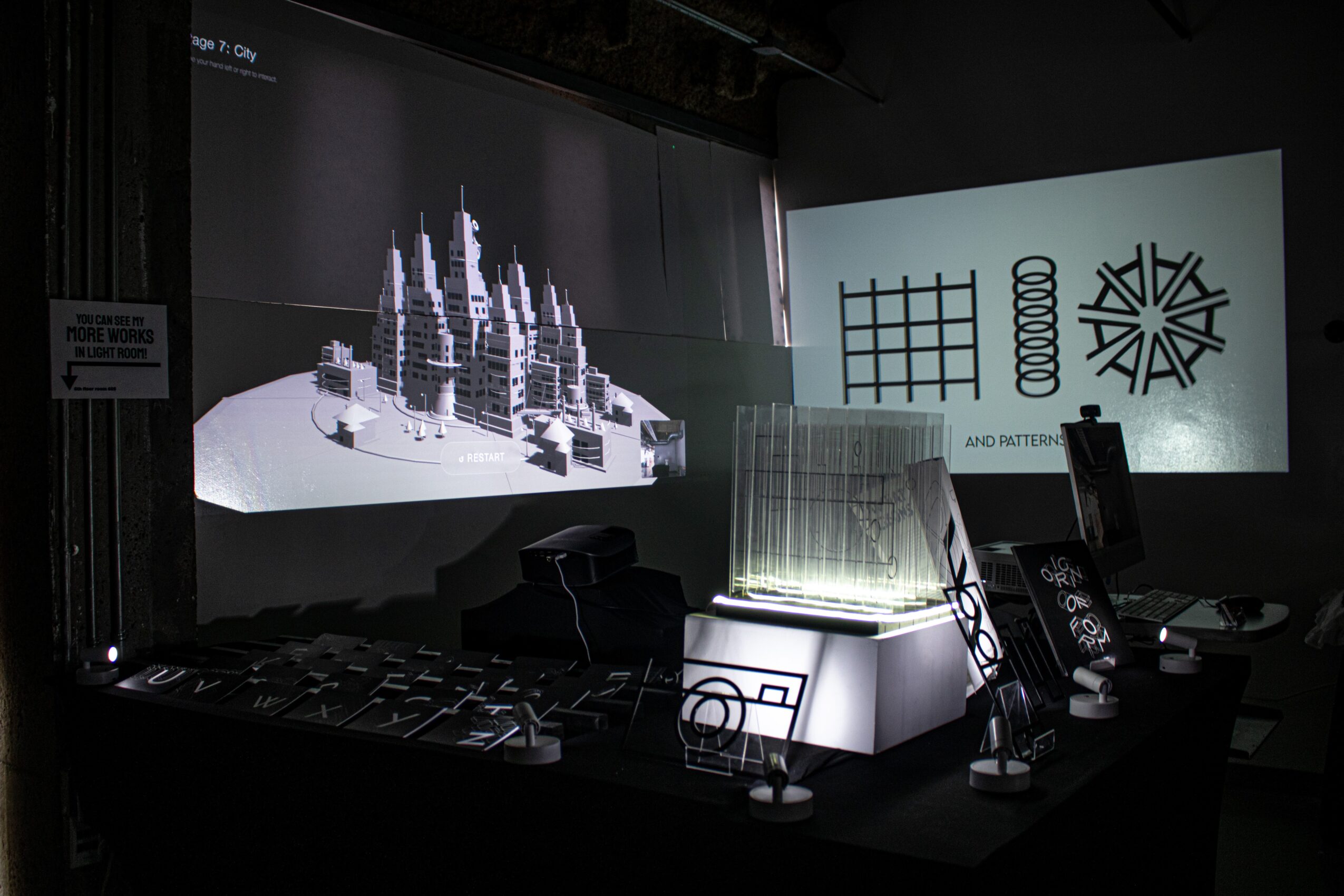
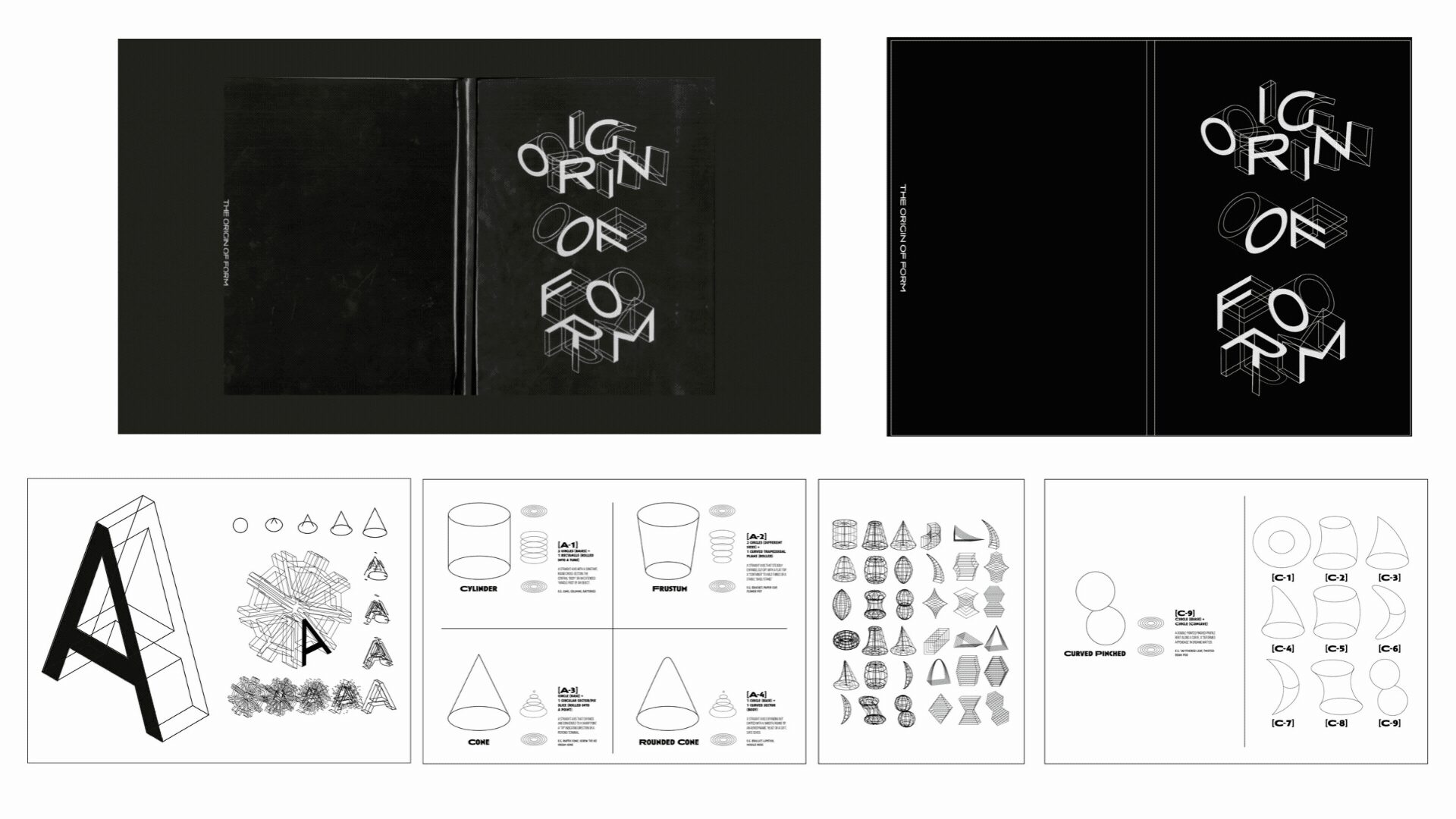
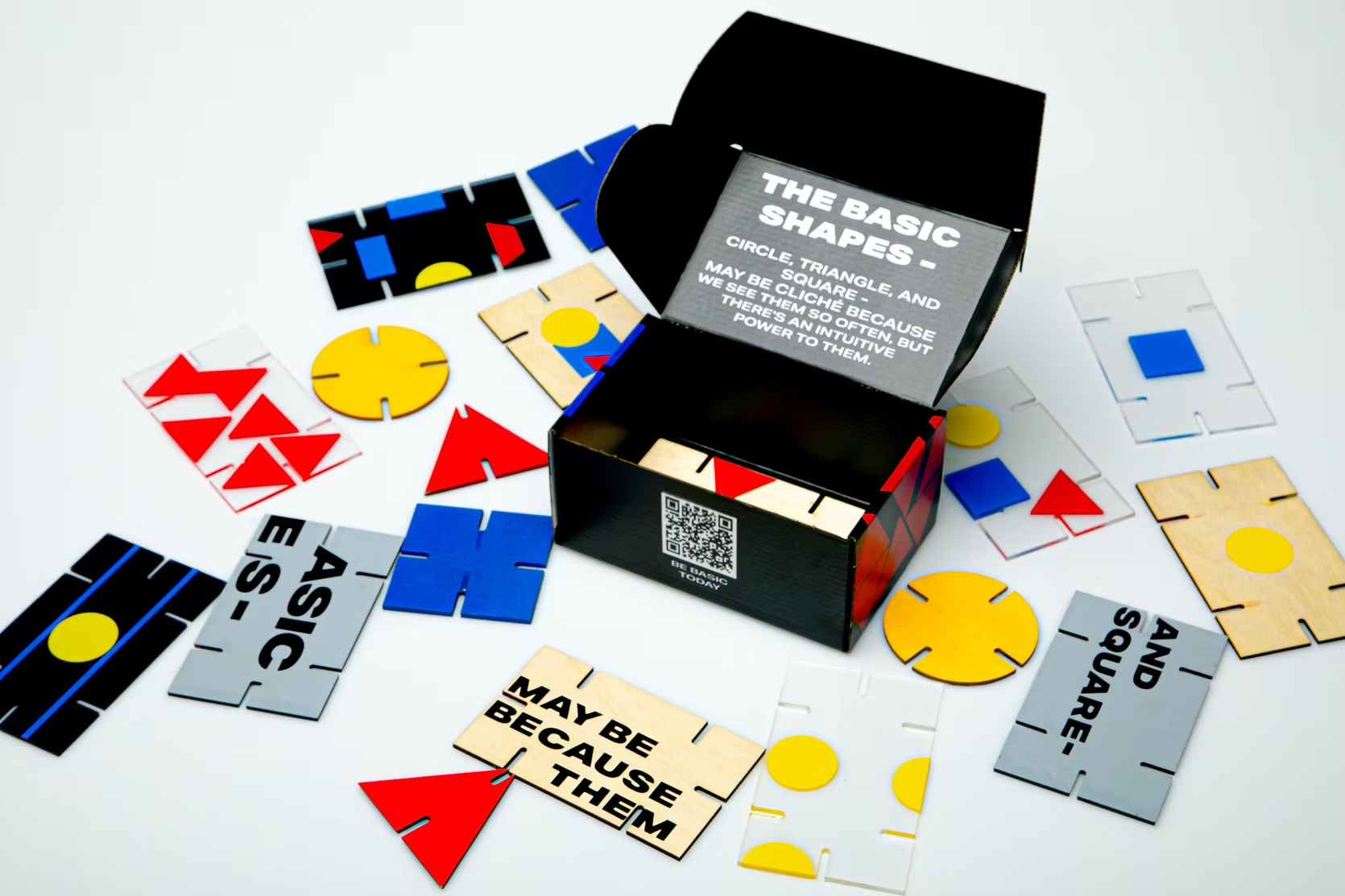
My artistry and design philosophy are deeply rooted in functionalism and minimalism, heavily inspired by the Bauhaus movement. I love stripping away the unnecessary and exploring how the most basic geometric shapes can construct three-dimensional spaces and serve as the foundation of visual form. The phrase “From Basic to Complex,” which you can find on my website, perfectly encapsulates my approach. My project The Origin of Form and the 36-piece Geon Dictionary were direct reflections of this exploration into the essence of geometric structures.
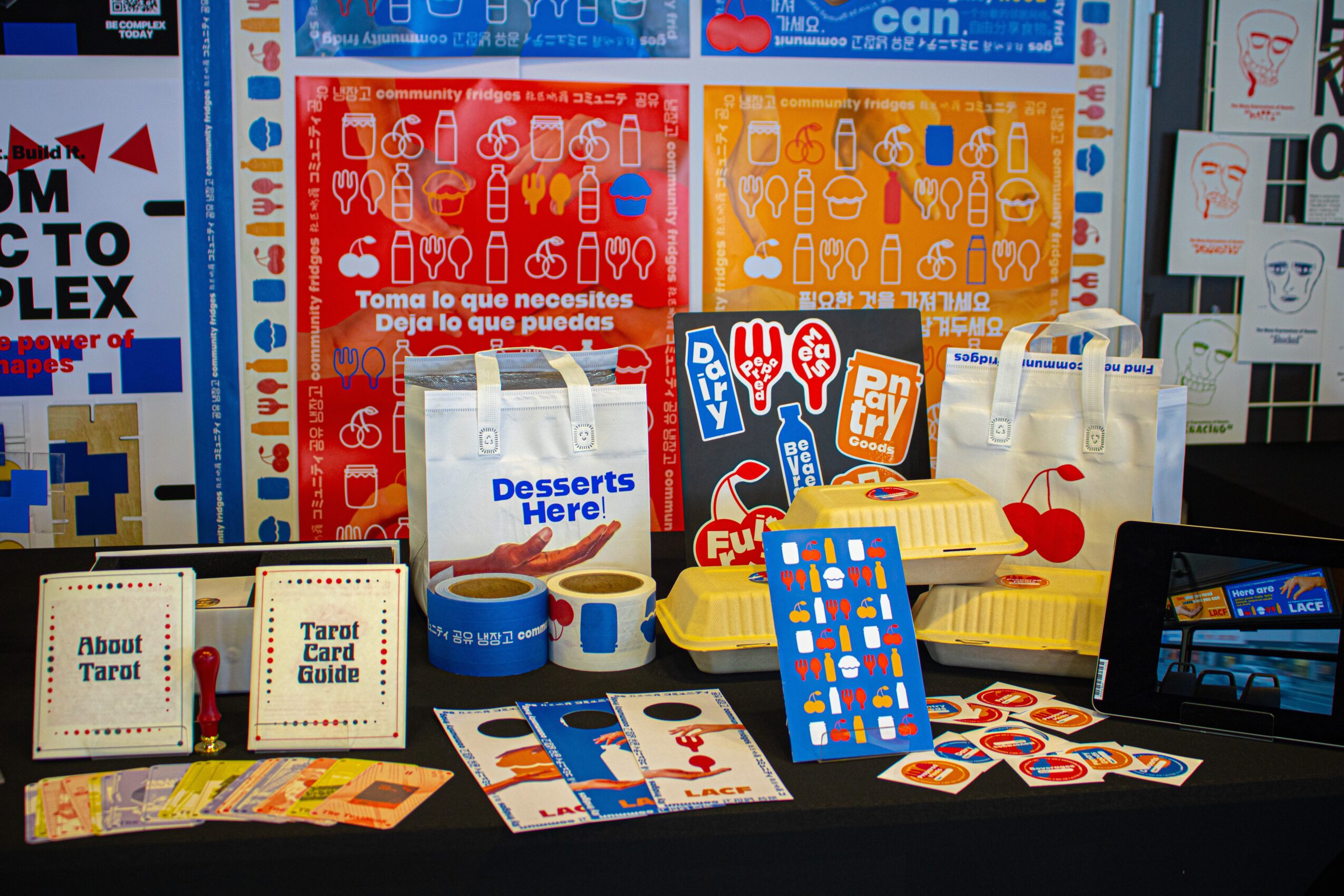
Interestingly, the logical and structural mindset I developed while studying accounting has become one of my greatest assets. It shaped me into a “Visual Problem Solver.” My ultimate goal as a designer is to transform question marks into exclamation points. Today, working as a Brand and Motion Designer, I move across various mediums—from building complete brand identities for projects like Bored N Stone, to packaging, and 2D/3D motion graphics. Whether it’s print or screen, my focus is always on ensuring that a brand’s message is delivered in a way that is as highly functional as it is visually striking.
We all face challenges, but looking back would you describe it as a relatively smooth road?
It definitely hasn’t been a completely smooth road—but I believe the bumps along the way are exactly what shaped my current approach to design.
One of the biggest struggles was simply finding the courage to pivot. Leaving behind a background in Accounting and International Trade to start over in a creative field was a massive leap of faith. When I started at Otis College of Art and Design, I had to battle a lot of initial self-doubt. I had to unlearn rigid, purely quantitative ways of solving problems and teach myself how to trust and structure my visual intuition.
Another significant challenge was the sheer technical learning curve. My design philosophy revolves around taking basic geometric shapes and expanding them into complex, three-dimensional spaces. But executing that vision required mastering demanding software—like Cinema 4D, Three.js, and After Effects. There were countless late nights pushing through technical roadblocks, especially during my project, The Origin of Form, where I had to figure out how to make kinetic acrylic installations and interactive web prototypes communicate seamlessly.
Finally, breaking into the industry and navigating the job market took a lot of persistence. From putting together my portfolio for my graphic design internship at Mattel, working on packaging for Barbie and Hot Wheels, to going through intense interview loops for brand design roles, it took time to learn how to pitch my unconventional background as a unique strength rather than a detour.
Honestly, though, I wouldn’t change any of it. The struggles taught me resilience. And ironically, that logical accounting background I once thought was a detour is exactly what makes me a grounded, highly structural designer today.
Thanks – so what else should our readers know about your work and what you’re currently focused on?
I am a Brand and Motion Designer, and at my core, I am a visual problem solver. I specialize in building comprehensive brand identities and bringing them to life through motion graphics and interactive experiences. Whether I’m creating a cohesive logo system or engineering 3D animations using Cinema 4D and After Effects, my focus is always on turning complex “question marks” into clear, impactful “exclamation points.” I am generally known for a Bauhaus-inspired aesthetic—relying heavily on functionalism, minimalism, and geometric layouts to communicate a brand’s message.
I am immensely proud of my project, The Origin of Form. It was a massive undertaking that successfully bridged the physical and digital worlds. The project featured a 36-piece “Geon Dictionary,” kinetic installations using custom-cut acrylics, and an interactive web prototype. For the website, I meticulously designed the interaction logic so that a simple left-to-right swipe advances the user to the next stage, while a right-to-left swipe reverses it. Seeing tactile, physical elements seamlessly interact with digital web coding like Three.js was a deeply rewarding milestone. I am equally proud of my time as the lead brand designer for Bored N Stone, where I had the opportunity to build an entire visual identity from the ground up, directing everything from physical signage to dynamic motion graphics.
What truly sets me apart from others is my structural approach to creativity and my versatility across mediums. The analytical mindset I gained from my background in accounting means I don’t just design for aesthetics; I build logical, scalable systems. Furthermore, my ability to execute across a wide spectrum of formats is a distinct advantage. From understanding print production and packaging during my time with Mattel’s publishing team working on Barbie and Hot Wheels, to developing 3D spatial renders and coding UI/UX interactions, I think in 2D and 3D simultaneously. I treat every project as a functional puzzle, ensuring that the brand is cohesive and powerful across any touchpoint.
What has been the most important lesson you’ve learned along your journey?
The most important lesson I’ve learned along my journey is that no past experience is ever truly wasted, and that all complexity ultimately stems from the simplest basics.
When I first transitioned from accounting and international trade into the creative field, I felt like I was starting late. I thought I had to completely reinvent myself and leave my past behind. But over time, I realized that my biggest strength as a designer, my logical, structural approach to visual problem solving, came exactly from my time dealing with numbers and systems. I learned that the seemingly unrelated pieces of your life will always connect to form your unique identity if you let them.
My design work follows this exact same principle. As my core philosophy, “From Basic to Complex,” suggests, even the most intricate 3D motion graphics or expansive brand identity systems are built upon the most basic geometric shapes and foundational grids. Whenever I hit a creative wall, I’ve learned to strip away the unnecessary. By focusing on the essential functions and forms, much like the Bauhaus principles I deeply admire. I always find the clearest answer. Ultimately, the biggest takeaway from my journey is that trusting and mastering the fundamentals is what allows you to build the most extraordinary and impactful experiences.
Contact Info:
- Website: https://www.designbybada.com/
- LinkedIn: https://www.linkedin.com/in/badachun/