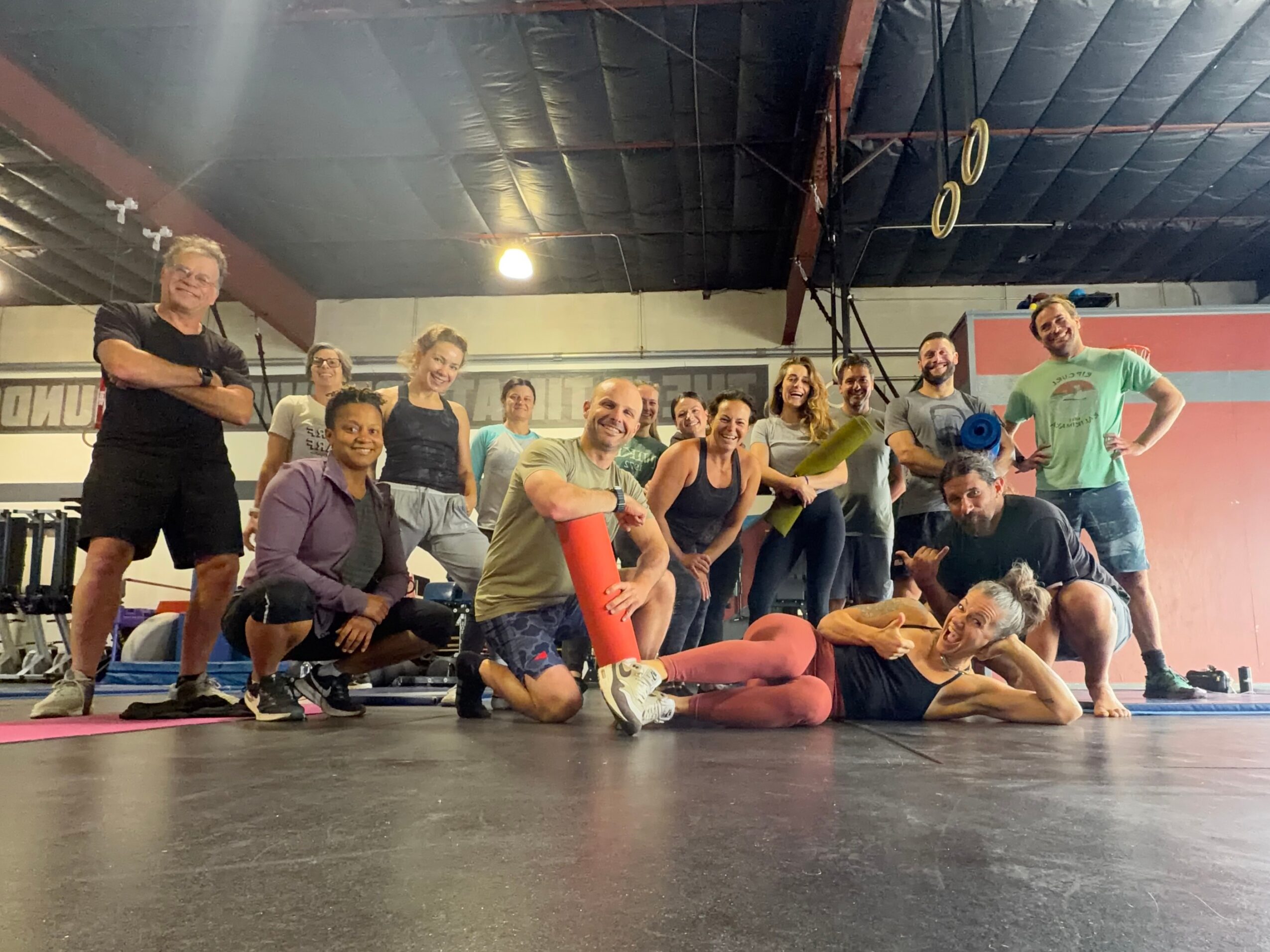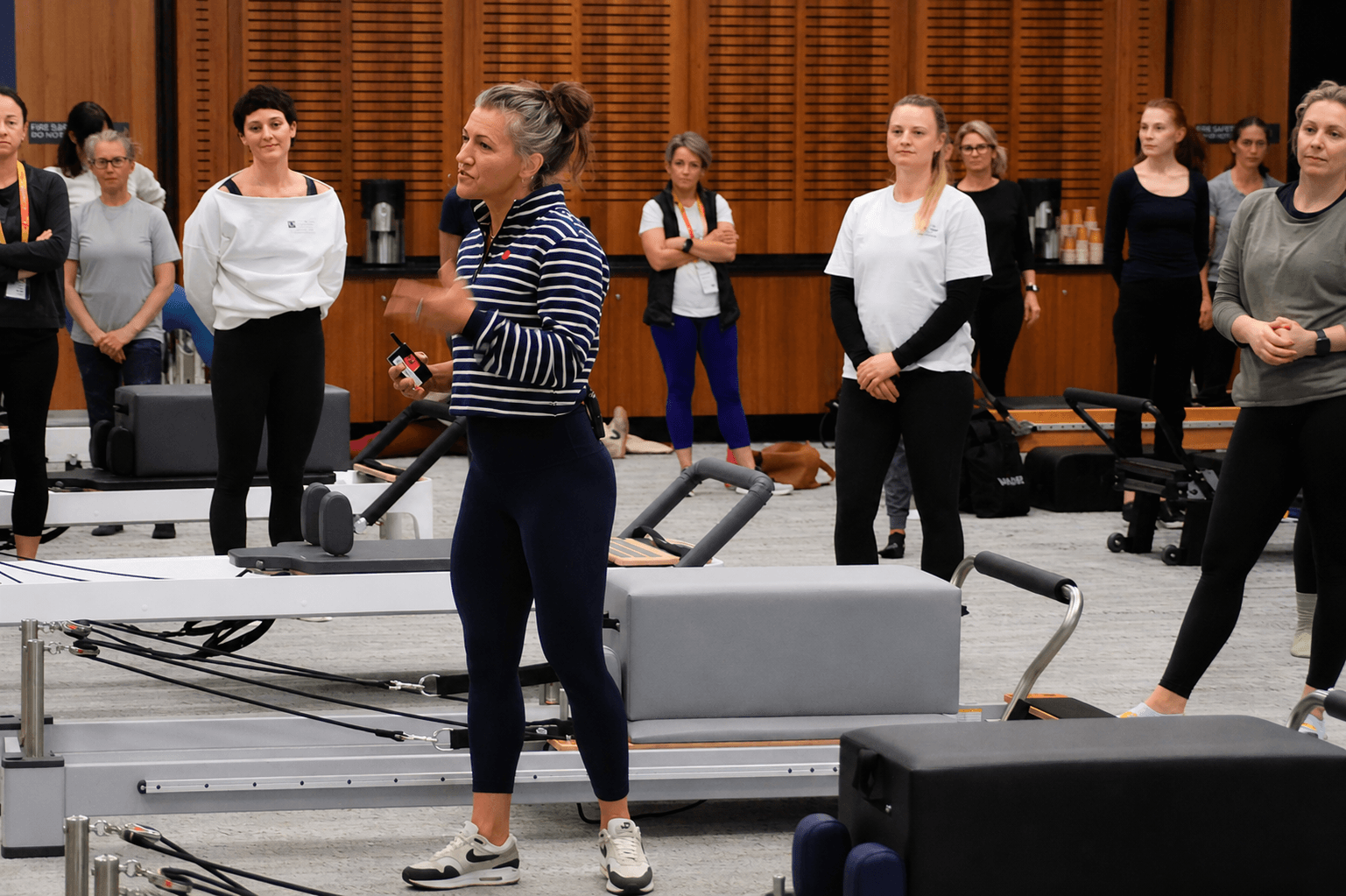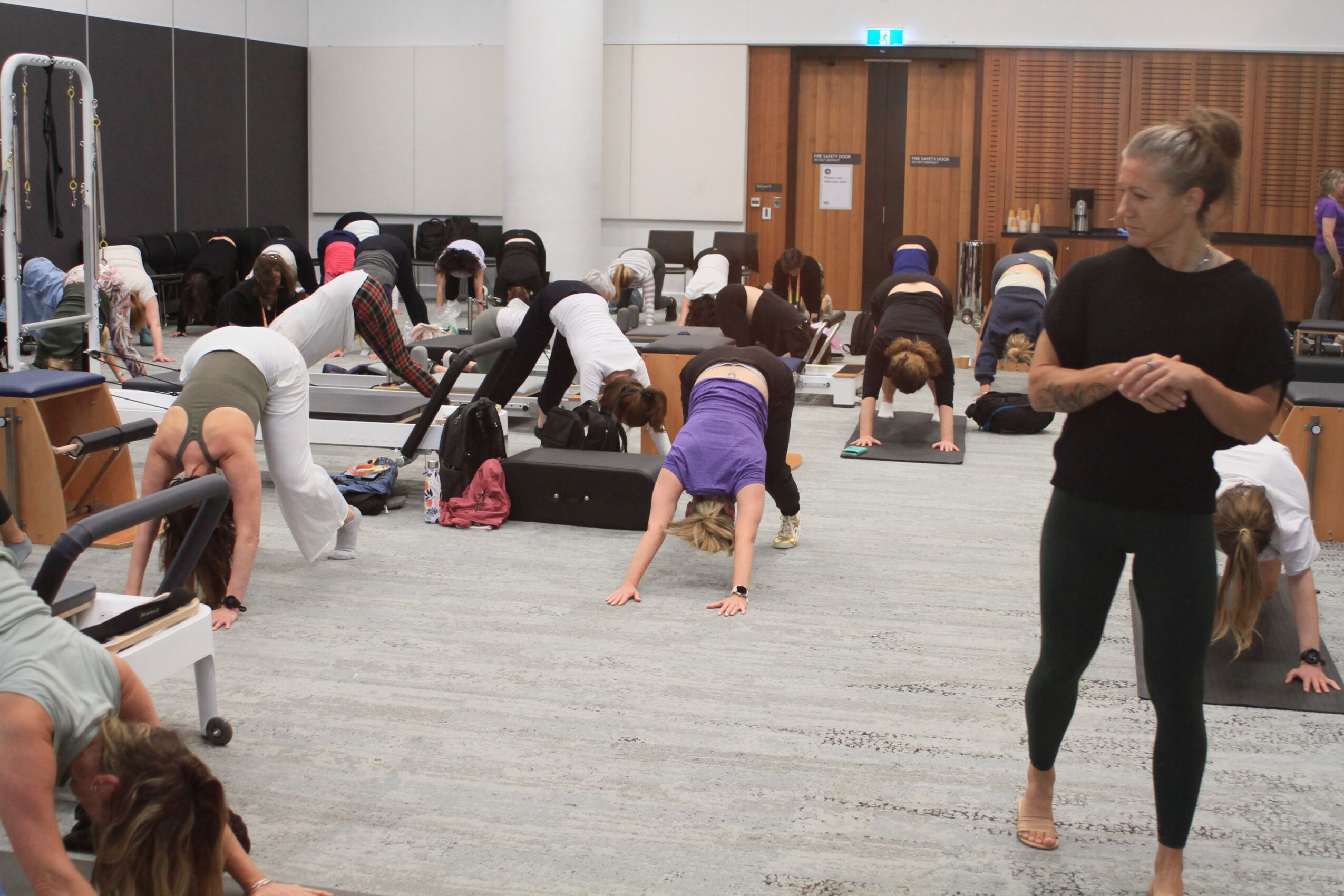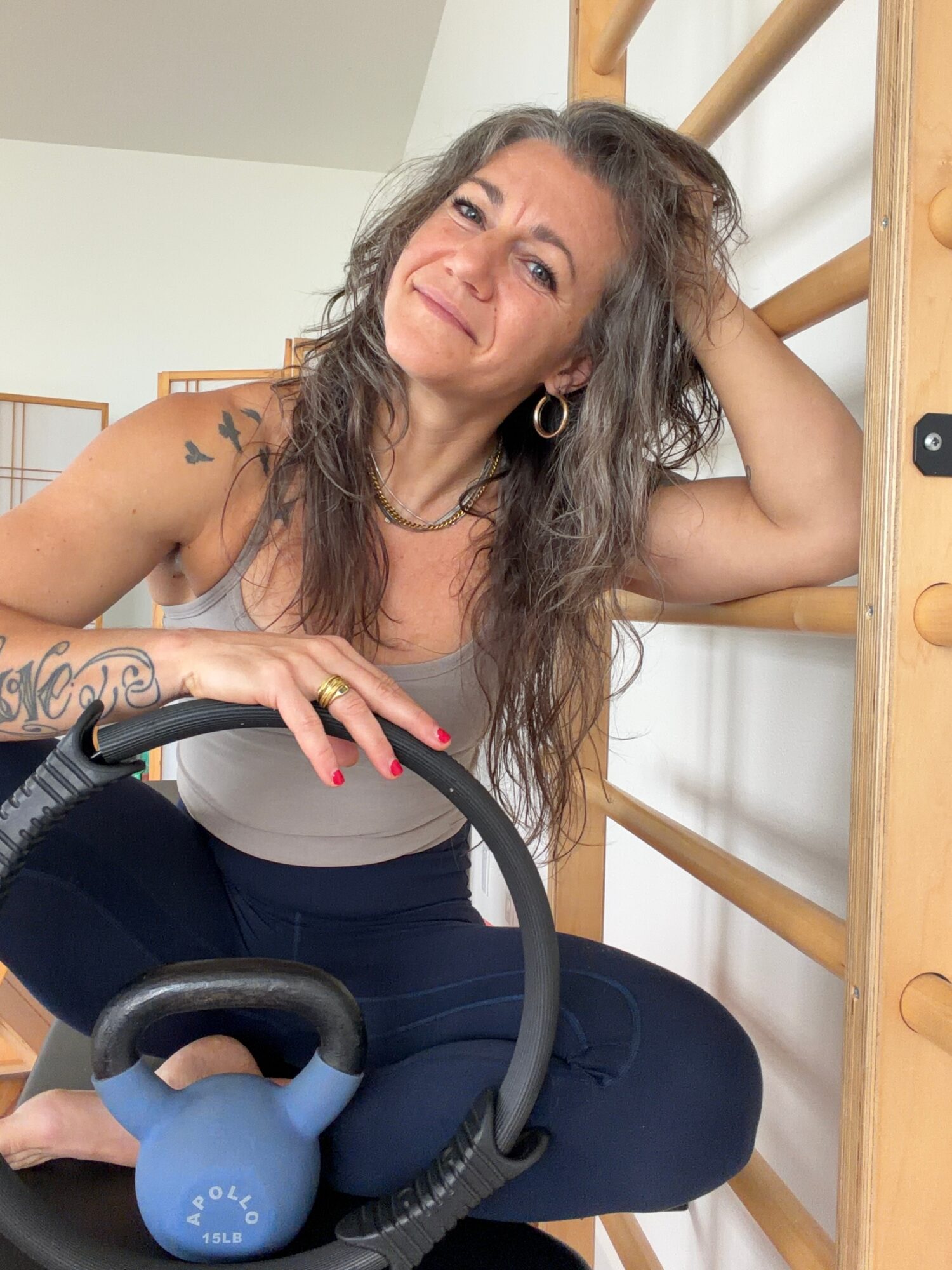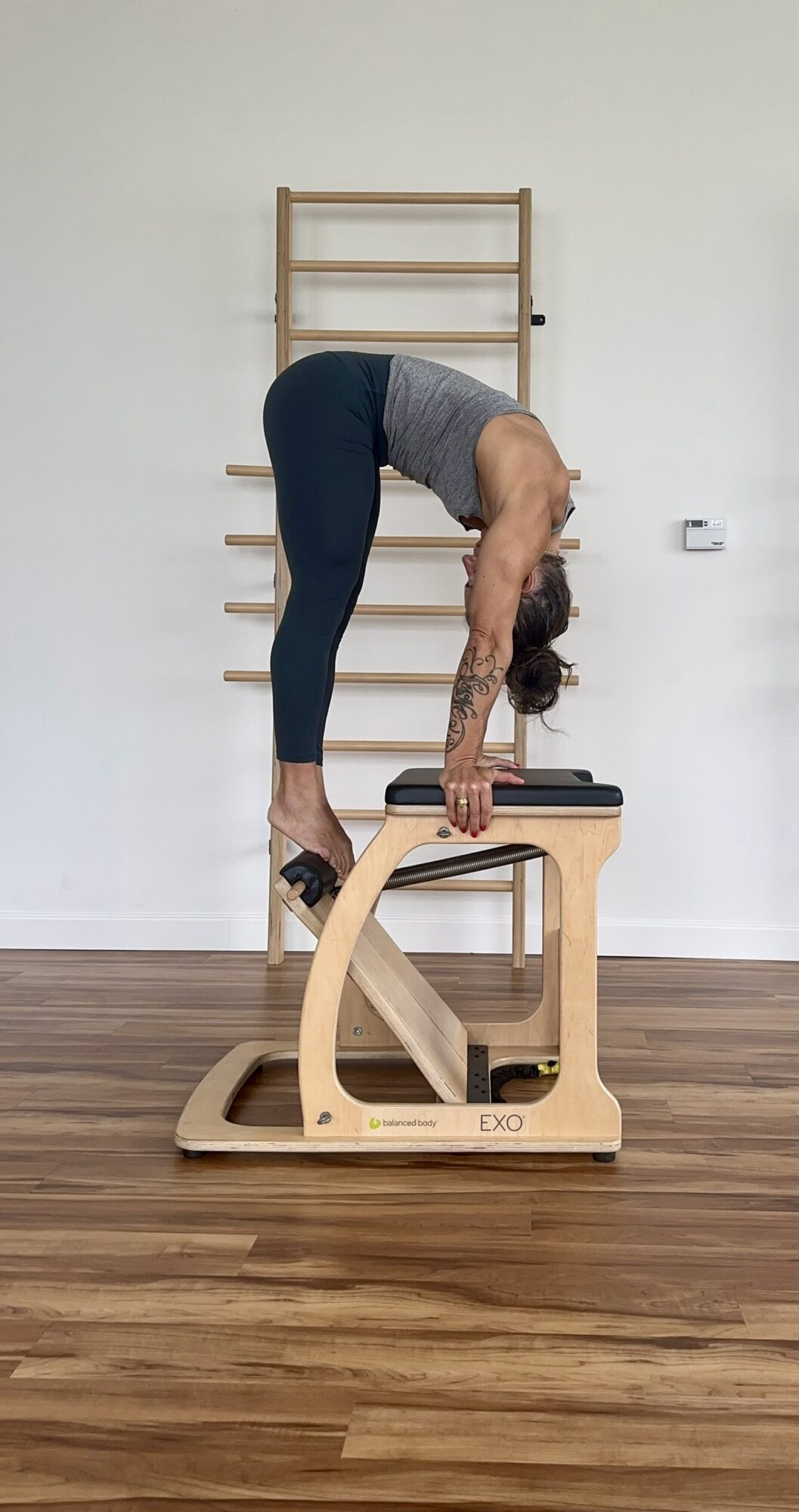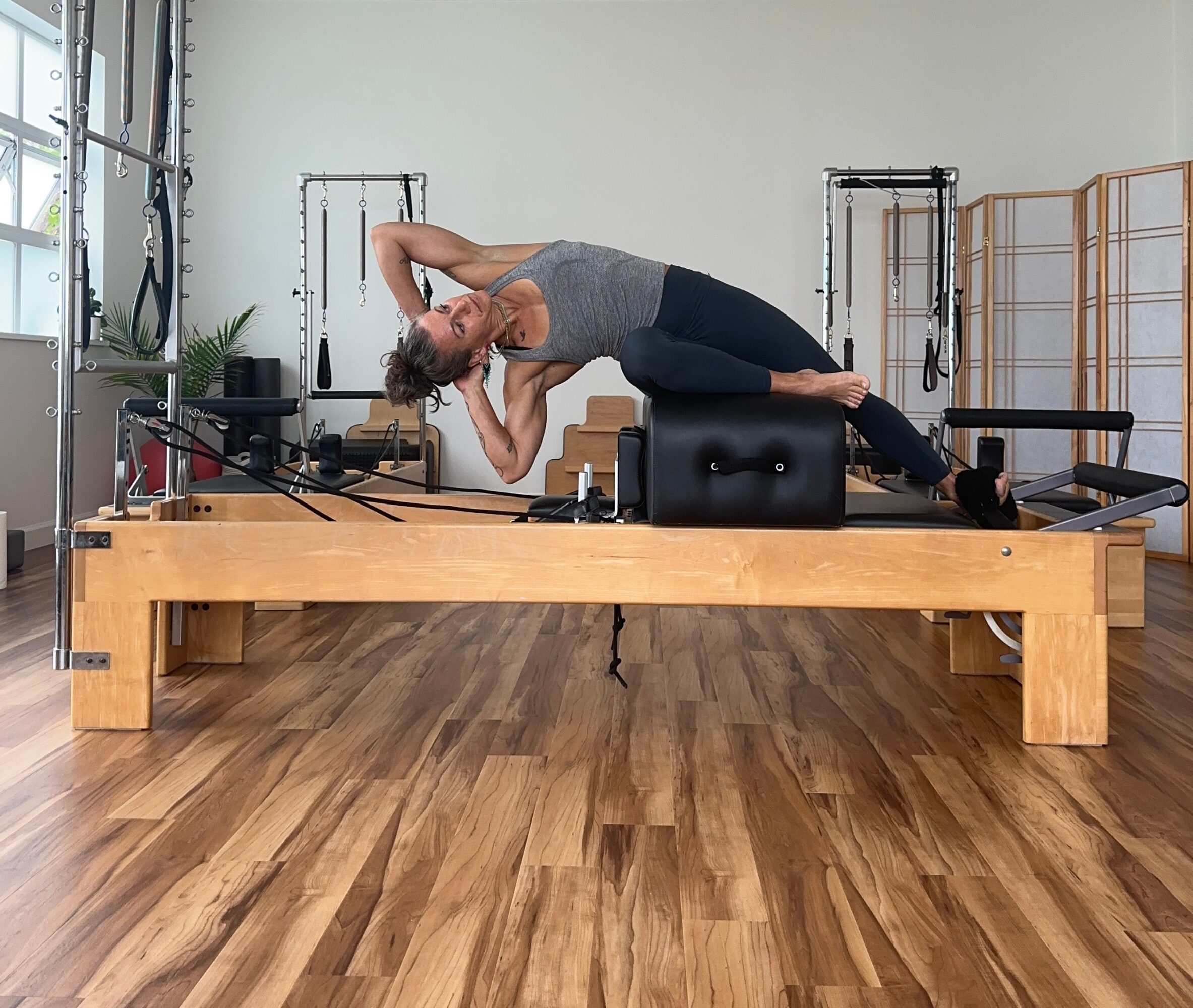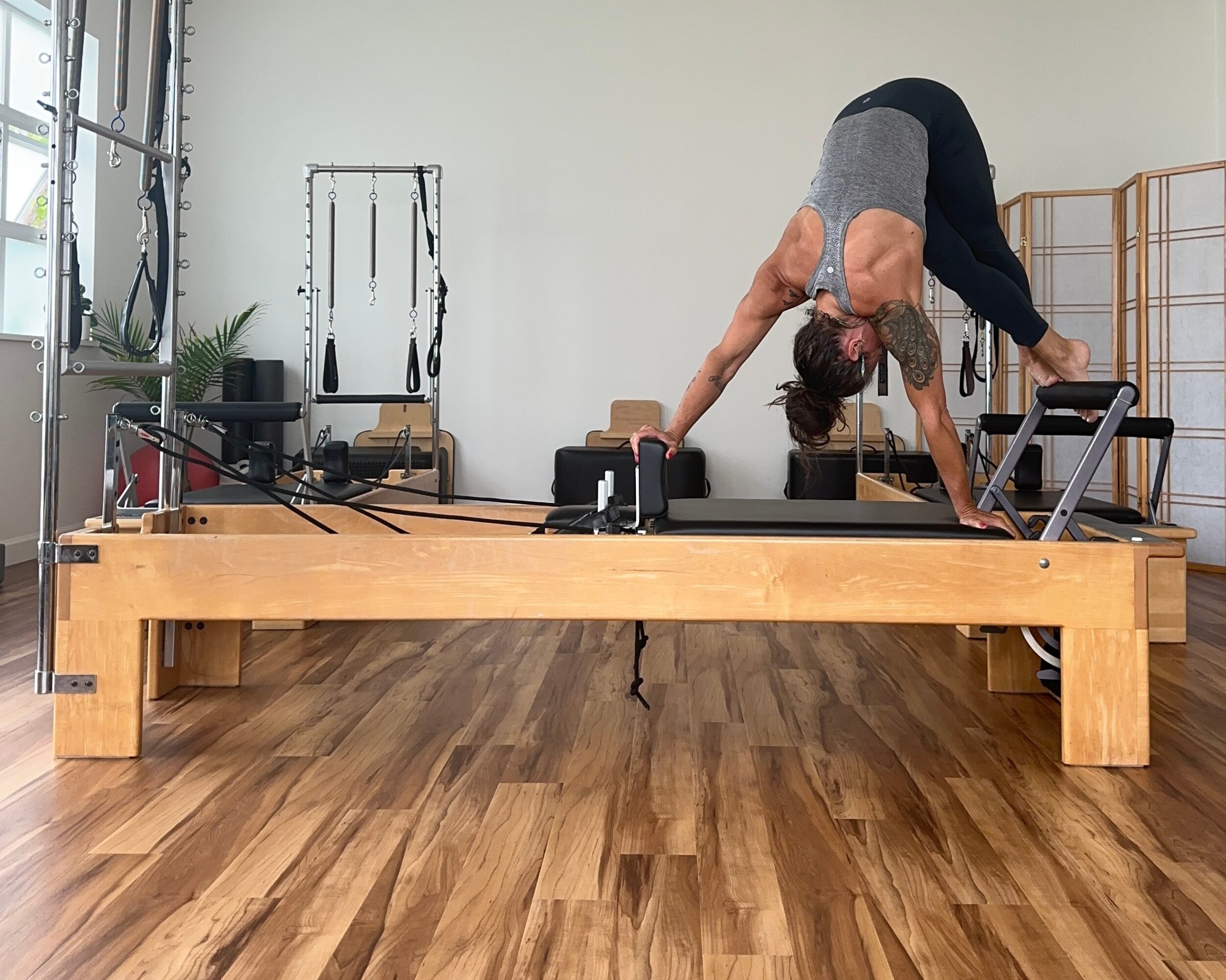



Today we’d like to introduce you to Cody Jussel.
Hi Cody, can you start by introducing yourself? We’d love to learn more about how you got to where you are today?
Anatomy of Pilates really grew out of a problem I kept running into as a Pilates instructor and educator: there is so much anatomy education in Pilates, but a lot of it is about memorizing information rather than learning how to actually use it.
We learn the names of muscles, where they attach, what movements they’re supposed to create, and then we’re expected to somehow turn all of that into good teaching. But the human body doesn’t move in isolated muscles. People move, adapt, compensate, learn, get stronger, and respond to the demands we put on them. I became increasingly interested in that bigger picture.
So this was me as a new instructor. Feeling like I had all this education but still felt lost. That feeling led me down a much deeper rabbit hole into biomechanics, exercise science, motor learning, strength training,.. I wanted to understand not just what we were doing in Pilates, but why it might work. SO I ended up going back to school to get a masters degree in kinesiology. After that I worked for an Australian based Pilates education company teaching their anatomy and biomechanics in their clinical diploma program. That experience really inspired me to venture out on my own and create Anatomy of Pilates.
Anatomy of Pilates really grew from the curiosity to understand movement better and create educational content and programs that I wish I had as a new instructor. My goal is to help instructors feel more confident in what they’re teaching. What started as one course for Pilates instructors has evolved into a broader platform where I teach anatomy, biomechanics, exercise science, and motor learning in a way that I think actually reflects the demands of teaching movement.
These days that includes courses, workshops, mentorships, my Movement Lab, and a lot of writing and educational content. The goal is pretty consistent across all of it: I want Pilates instructors to be able to reason through movement rather than just memorize answers. And above all, stay curious about what they’re doing.
Can you talk to us a bit about the challenges and lessons you’ve learned along the way. Looking back would you say it’s been easy or smooth in retrospect?
Definitely not.
One of the hardest things about building a business around education is that the thing you’re selling isn’t necessarily the thing people initially think they need. It’s much easier to sell someone a list of muscles to memorize than to sell them the idea that they need to develop better reasoning skills.
I’ve also had to learn that building a business is a completely different skill set from being good at the work itself. Teaching, writing, creating courses, marketing, building systems, managing technology, figuring out pricing—those are all separate jobs. I’ve had plenty of moments where I felt like I was learning everything at once. Still do and definitely still am learning on my feet!
And I’ve changed direction. Some of the things I’ve created early on aren’t what I would create today. I actually think that’s a good thing. As I’ve learned more, both from research and from teaching, I’ve become much more comfortable questioning my own assumptions and changing my mind.
That’s probably one of the biggest lessons I’ve learned: you don’t have to protect an idea just because you’ve built something around it. If you learn something better, you should be willing to evolve.
As you know, we’re big fans of you and your work. For our readers who might not be as familiar what can you tell them about what you do?
I teach Pilates instructors how to think about movement through the lens of anatomy, biomechanics, exercise science, and motor learning.
What I specialize in is probably best described as translating complicated science into something that is actually useful in a Pilates studio.
I’m not particularly interested in giving instructors another set of rules about how someone’s body should move. I’m much more interested in teaching them how to ask better questions.
What’s the goal? What movement are we asking for? What are the mechanical demands of the task? Where is the load coming from? What happens when the load increases? What could we change if the exercise isn’t producing the response we’re looking for?
That shift—from memorizing exercises and muscles to understanding principles—is really at the heart of Anatomy of Pilates.
I’m probably most proud of creating a community of instructors who are willing to be curious and question things. Pilates has a very rich history, but I don’t think respecting that history means we have to stop asking questions.
What sets me apart is that I’m pretty comfortable saying, “I don’t know,” when the evidence doesn’t give us a good answer. There is a lot of certainty in the fitness and Pilates world that isn’t really supported by the evidence. I would much rather give someone a framework for thinking than pretend there is one correct answer for every body.
How do you define success?
Success for me is probably less about how big Anatomy of Pilates becomes and more about whether it changes the way people think.
If an instructor leaves one of my workshops and starts looking at an exercise differently, asks a better question, or feels more confident making a decision without needing to memorize a rule, that’s success.
I also think success is having the freedom to follow my curiosity. I’m incredibly lucky that Anatomy of Pilates allows me to spend my time learning about things I’m genuinely fascinated by and then sharing that with other people.
And, honestly, success is building something that feels useful without having to turn it into something it’s not.
I don’t want Anatomy of Pilates to be the place where people come to find the answer. I want it to be the place where they learn how to think better about movement.
Success also looks like my clients achieving their movement goals. When one of my clients tells me they could put their luggage in the overhead bin on their own or get up and down from the floor to play with their grandkids or their dog or do a pull up unassisted, I do a little dance of joy. A huge part of why I do what I do is to help people find a lifelong relationship with movement. And, to me, that means helping them find the privilage and the joy in moving their body to help them live the life they want to live.
Contact Info:
- Website: https://anatomyofpilates.com
- Instagram: https://www.instagram.com/anatomyofpilates/
- Facebook: https://www.facebook.com/cody.jussel
- Other: https://substack.com/@anatomyofpilates