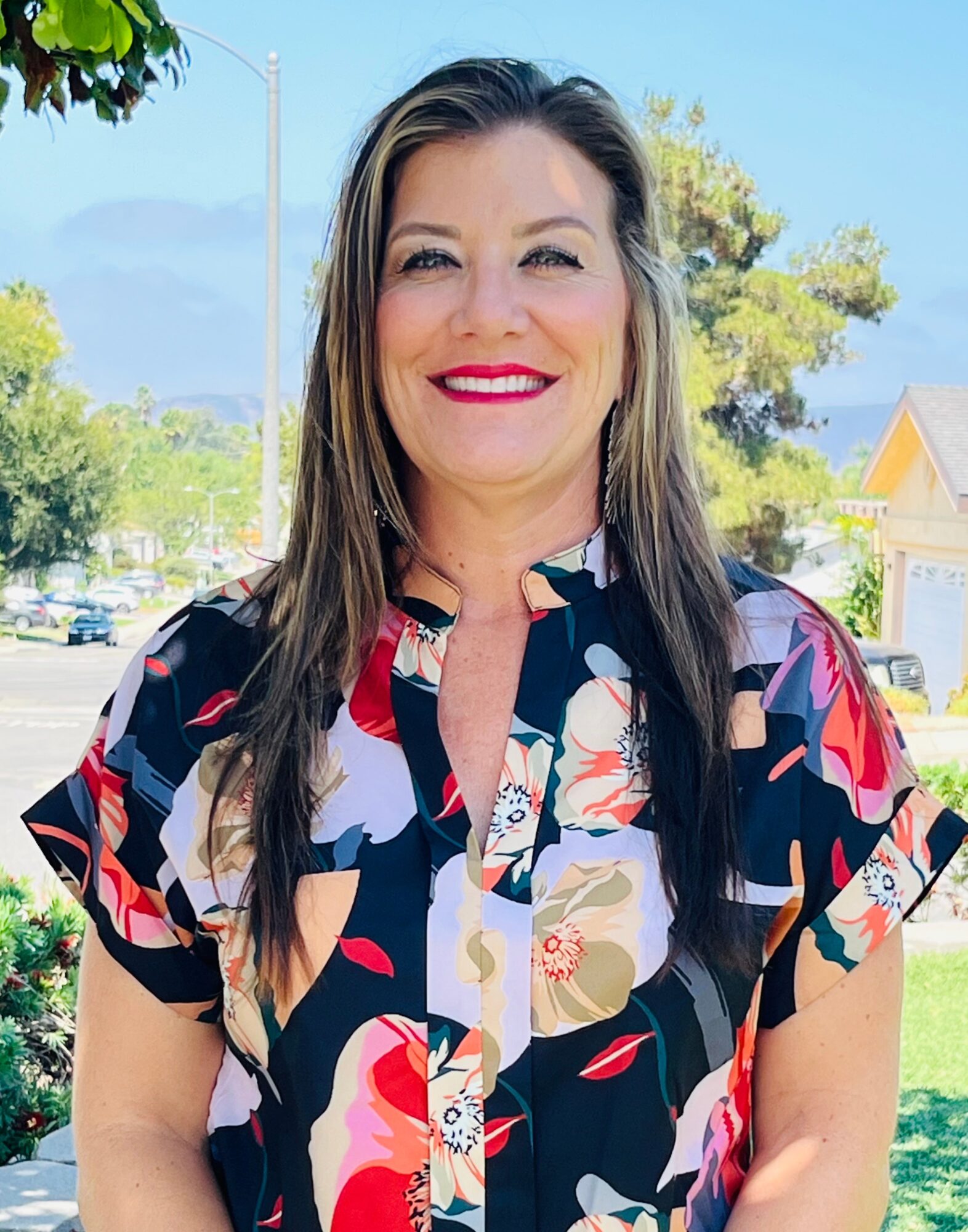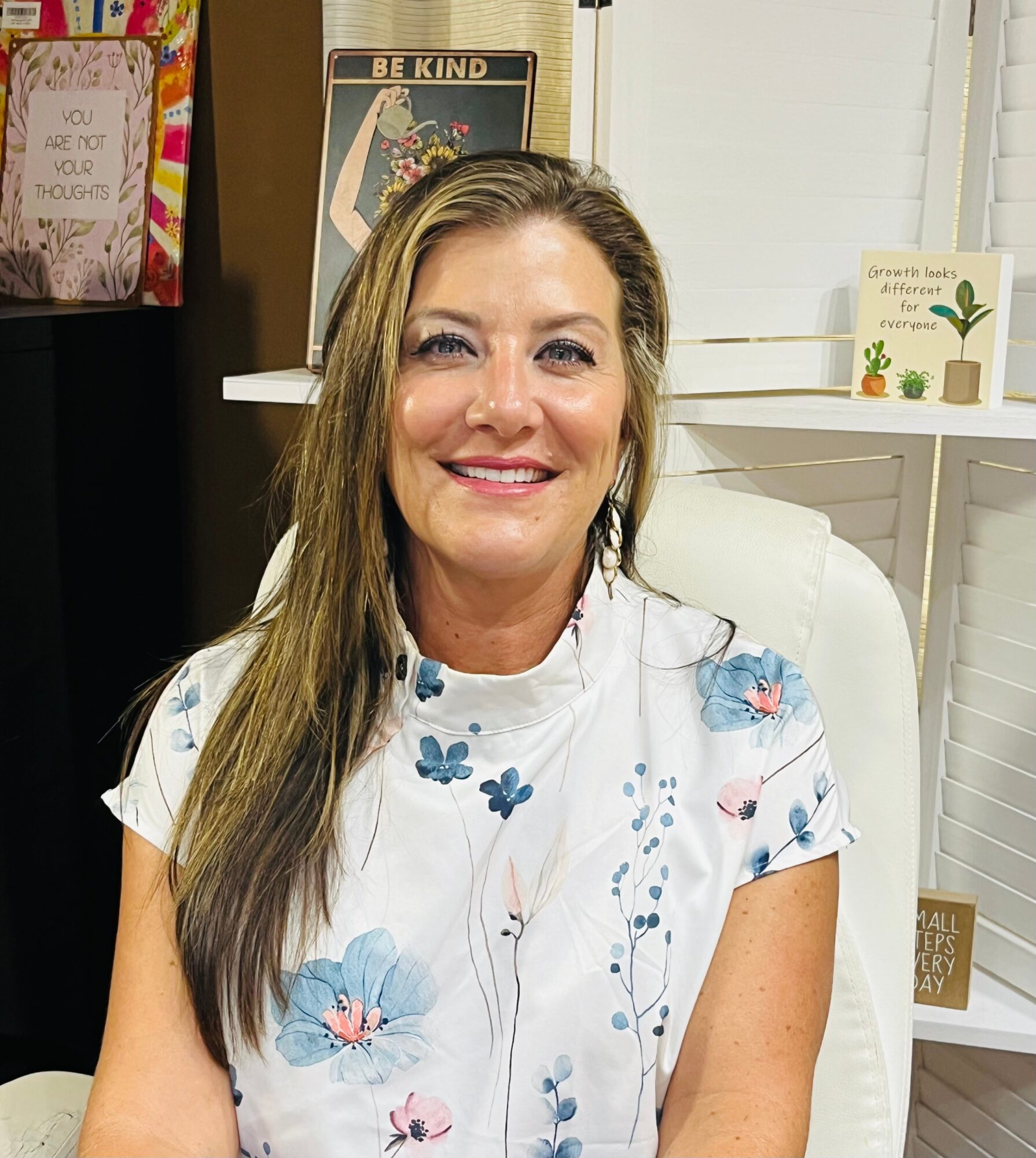




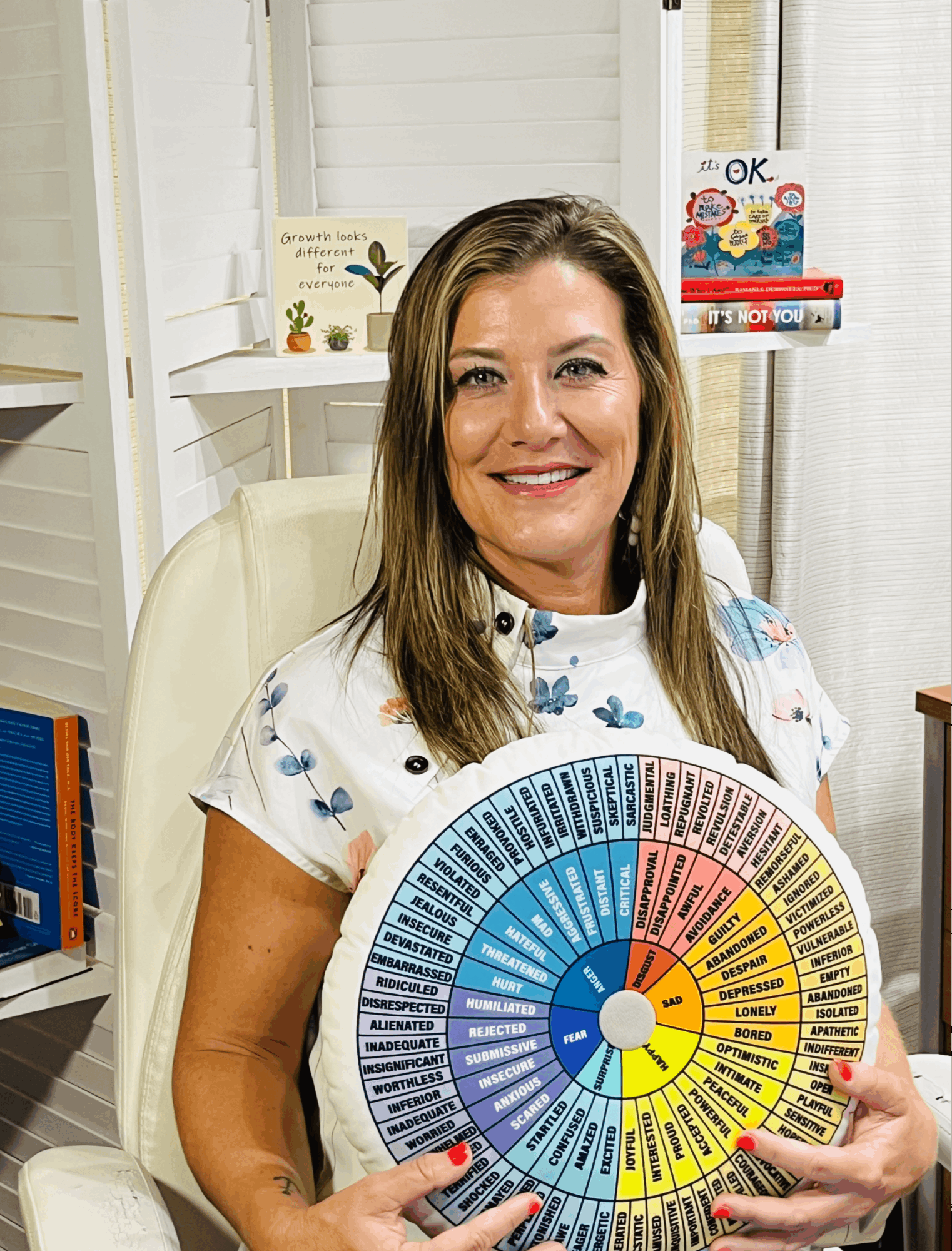
Today we’d like to introduce you to Gina Poltl.
Alright, so thank you so much for sharing your story and insight with our readers. To kick things off, can you tell us a bit about how you got started?
I come from a blended family that consists of four older brothers and me as the youngest and only girl. Our family dynamics presented some challenges at times and one of them being watching my half older brother struggle with unaddressed mental health needs which I didn’t obviously know at the time. Due to this, I grew up wanting to not only understand my experiences and trauma but others as well and how to help people heal to live a life they enjoy and love. One of my coping strategies was playing sports, Soccer specifically and utilizing my talents to obtain a scholarship to play division 1 Soccer @ the University of San Diego. Soccer was my positive outlet that kept me motivated and helped me manage my mental/emotional well being during some of my hardest times.
I graduated from USD in 2002 with a Bachelors degree in Psychology. Like many new graduates entering the work force I felt lost and didn’t know what I wanted to do with my degree, The only thing I new was that I had this desire to help people and make this world a better place but I also needed to make money. After experimenting with different jobs, I finally began working full-time at residential facility with foster youth as a behavioral specialist. This was over 20 years ago! I was with the same company for over ten years and during this time I promoted from a behavioral specialist to a supervisor at the residential facility then to a case manager for the transitional age youth housing program for former foster youth. Due to my experiences working in the behavioral health field I had the urge of wanting to do more for this young high risk population so I decided to go to graduate school in 2013. In 2016, I graduated with a Master’s degree from the University of Phoenix in Counseling, Marriage, family and child therapy. To gain clinical experience, I decided to obtain another job with a company that had a wrap around program that provided in home clinical services for at risk youth and families. Once I got licensed I wanted to broaden my scope of expertise and made the jump to private practice. I currently work for The Trauma Recovery Collaborative (formally known as Stephens Therapy Associate’s) and I absolutely love it.
Would you say it’s been a smooth road, and if not what are some of the biggest challenges you’ve faced along the way?
There were definitely some challenges along the way. As I mentioned previously, it took me some time to figure out my path. When I was in grad school I was older, got pregnant and had to manage full-time school and employment. After having my son, my family and I decided to move further away which created a longer commute for me for work. During this time I did struggle with Post-partum depression but I was determined to obtain my licensure hours so I just did what I had to do. As one could imagine, this was both mentally and emotionally challenging and I often felt in a state of survival.
Thanks – so what else should our readers know about your work and what you’re currently focused on?
I am a LMFT who works for The Trauma Recovery Collaborative based out of San Diego. I have been with this practice for four years and we specialize in Narcissistic abuse and trauma. I am EMDR trained and utilize an integrative approach based on my client’s needs. I work with adults/couples and families who are struggling with a variety of issues such as trauma, depression, anxiety and interpersonal relationships. I have over 20 years experience in the mental health field working with all ages and different populations. I love the this quote by Dr. Suess “To the world you may be one person but to one person you may be the world” because I truly believe that connection and belonging are crucial to our human experience and we don’t need a lot of friendships/relationships to do this, just one person who inspires us to keep going and be the best version of ourselves.
Where do you see things going in the next 5-10 years?
AI is a big trend right now which has created challenges in our field due to people relying on chatgpt for mental health guidance. This takes away from learning how to build healthy relationships and the relational experience therapy can provide. I’m hopeful that people will recognize this and our industry will continue to grow with less stigma around addressing mental health needs.
Contact Info:
- Website: https://traumarecoverycollab.com/