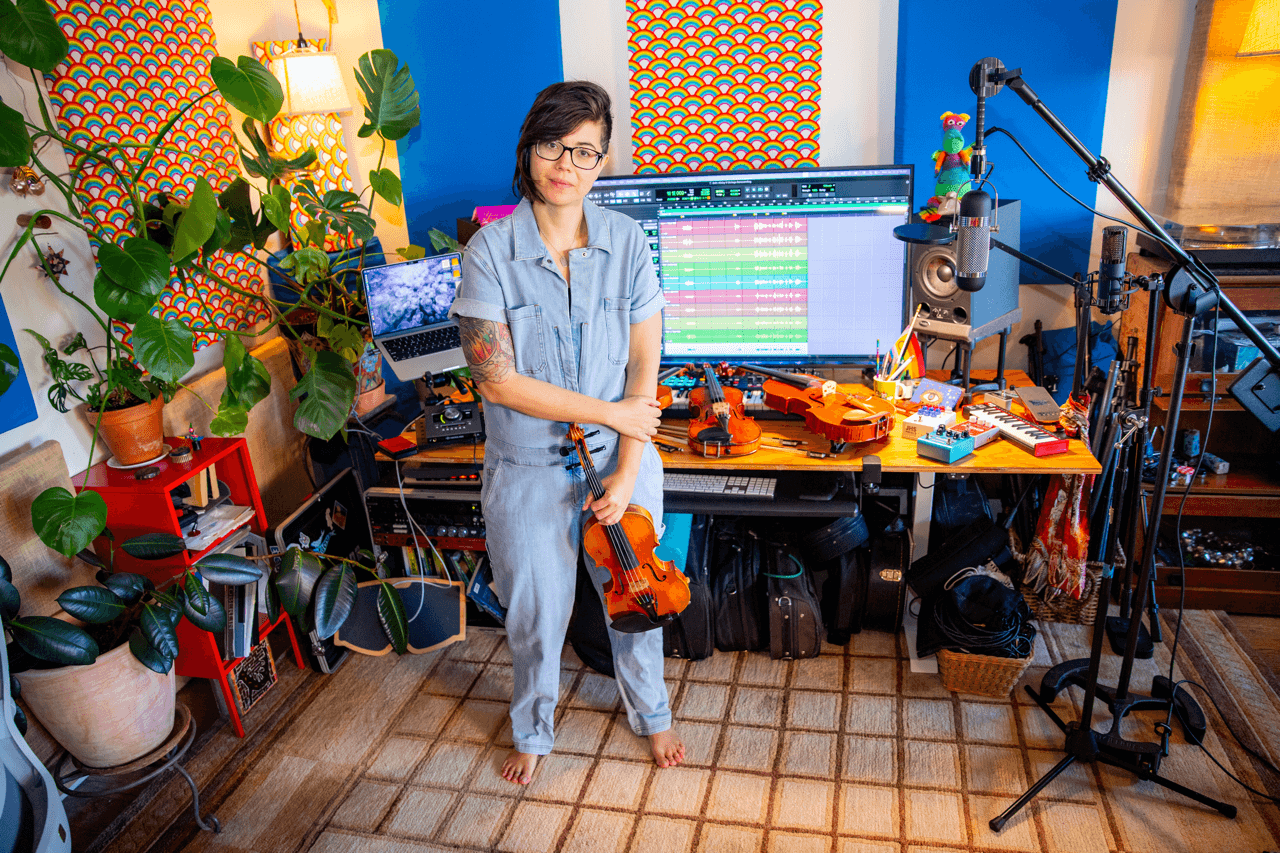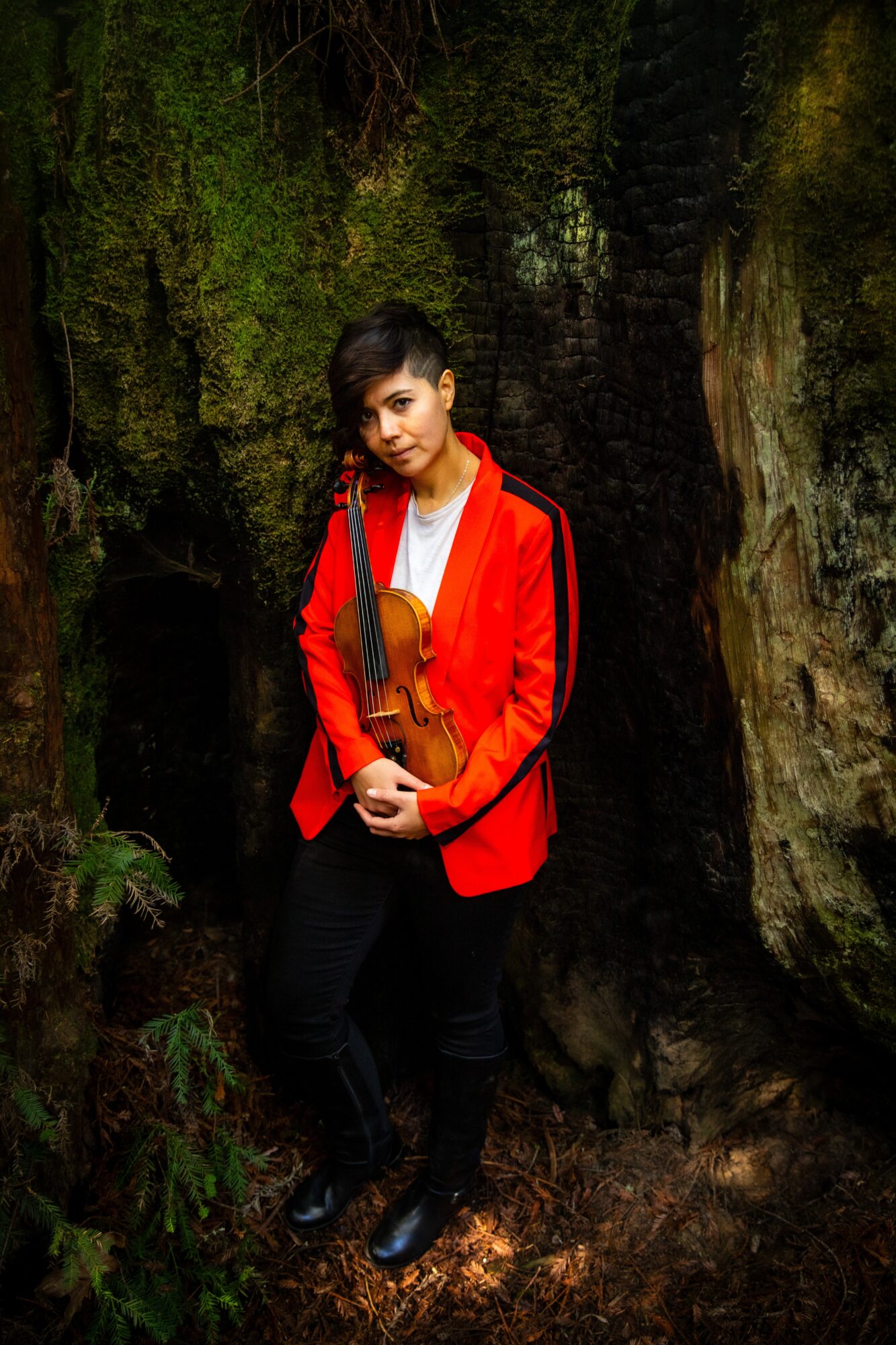




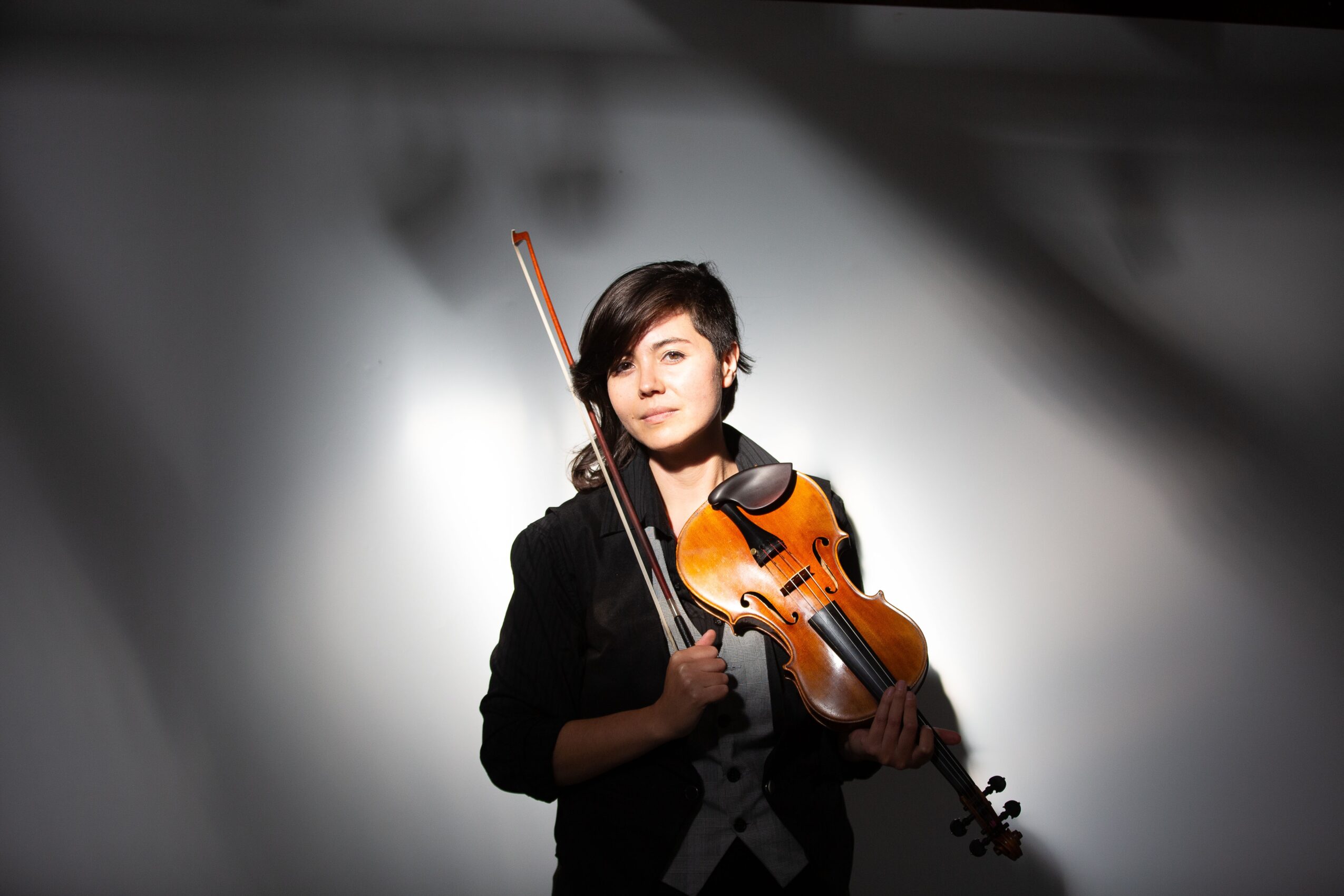
Today we’d like to introduce you to Samantha Bounkeua.
Hi Samantha, thanks for joining us today. We’d love for you to start by introducing yourself.
I often feel “in-between” identities. My father was born in Laos and my mother was a first-generation immigrant from Germany, and both spoke English as a second language. Even now, I sometimes pronounce words or phrases differently—a small, inherited sense of otherness that has always been present in my life. I grew up between cultures, eating food my classmates didn’t recognize and listening to both Chinese classic pop and Haydn chamber music.
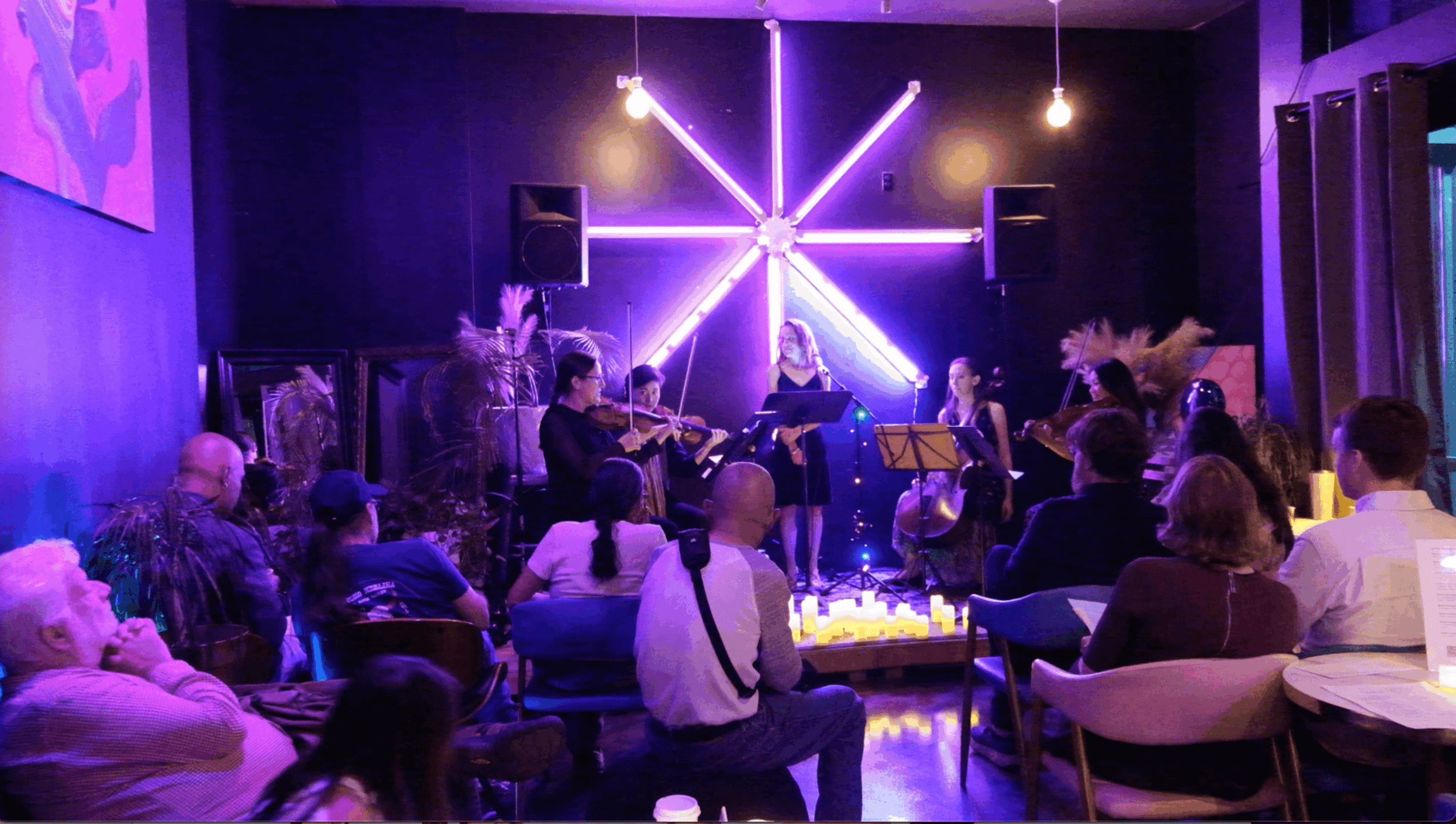
I’m also queer, and my gender presentation has often felt ambiguous. Music became one of the first places where I felt completely at home. I started playing violin at four and learned to read music before I could decipher the alphabet. At seven, I performed my first solo with a youth ensemble; at ten, I played my first concerto with the New Mexico Symphony Orchestra.
I grew up in a low-income household, so I came to understand music as my passport to a wider world—to scholarships, education, travel, and experiences I otherwise might not have had access to. By fifteen, music had become the most grounding and authentic part of my identity.
That feeling of being “in-between” hasn’t disappeared, but I’ve learned to see it as a strength.
Today, I identify as a queer, half-Asian artist/producer, and much of my work exists at the intersection of seemingly opposing worlds: academic and non-academic, classical and non-classical, acoustic and electronic, performance and sound engineering, experimental and traditional. I’ve come to realize that I don’t necessarily have to choose between those identities. I can build bridges between them.
Can you talk to us a bit about the challenges and lessons you’ve learned along the way. Looking back would you say it’s been easy or smooth in retrospect?
It has definitely not been a smooth road. Some of my most frustrating experiences as a performer were recording in studios where I was the only woman in the room, and where I felt dismissed or disregarded when I tried to communicate concerns about the sound of my instrument. Eventually, I realized that, as a classical performer, I already had one of the most important tools I needed to become a string producer: my ears and decades of experience listening deeply to an instrument.
Learning audio engineering and production became an act of reclamation. Instead of feeling like I had to accept someone else’s interpretation of my sound, I could sit behind the desk and learn how to find the sound I was actually hearing. And, unexpectedly, I found enormous joy in that process.
That experience also shaped how I work with other artists. I believe one of the most important responsibilities of a producer is to create a space that feels safe, playful, and open to curiosity. When there is trust between collaborators, people can take creative risks and explore ideas they might otherwise be afraid to express.
That is especially important to me as a queer artist working in an industry where people like me remain underrepresented (according to the Fix the Mix inaugural report, less than 5% of the audio industry identify as non-male.) I want Rogue Violin to be a space where artists from marginalized communities feel heard, respected, and empowered to make ambitious work. I’m deeply grateful to the California Arts Council, Arts Council Santa Cruz, California Center for Culture and Innovation, and We Are Moving the Needle for helping support that vision – as well as to Kristin Garbeff, one of the most sought after cellists in the Bay Area, for helping me bring so many of these projects to life.
Link to Fix the Mix Report: https://www.wearemovingtheneedle.org/fixthemix
As you know, we’re big fans of you and your work. For our readers who might not be as familiar what can you tell them about what you do?
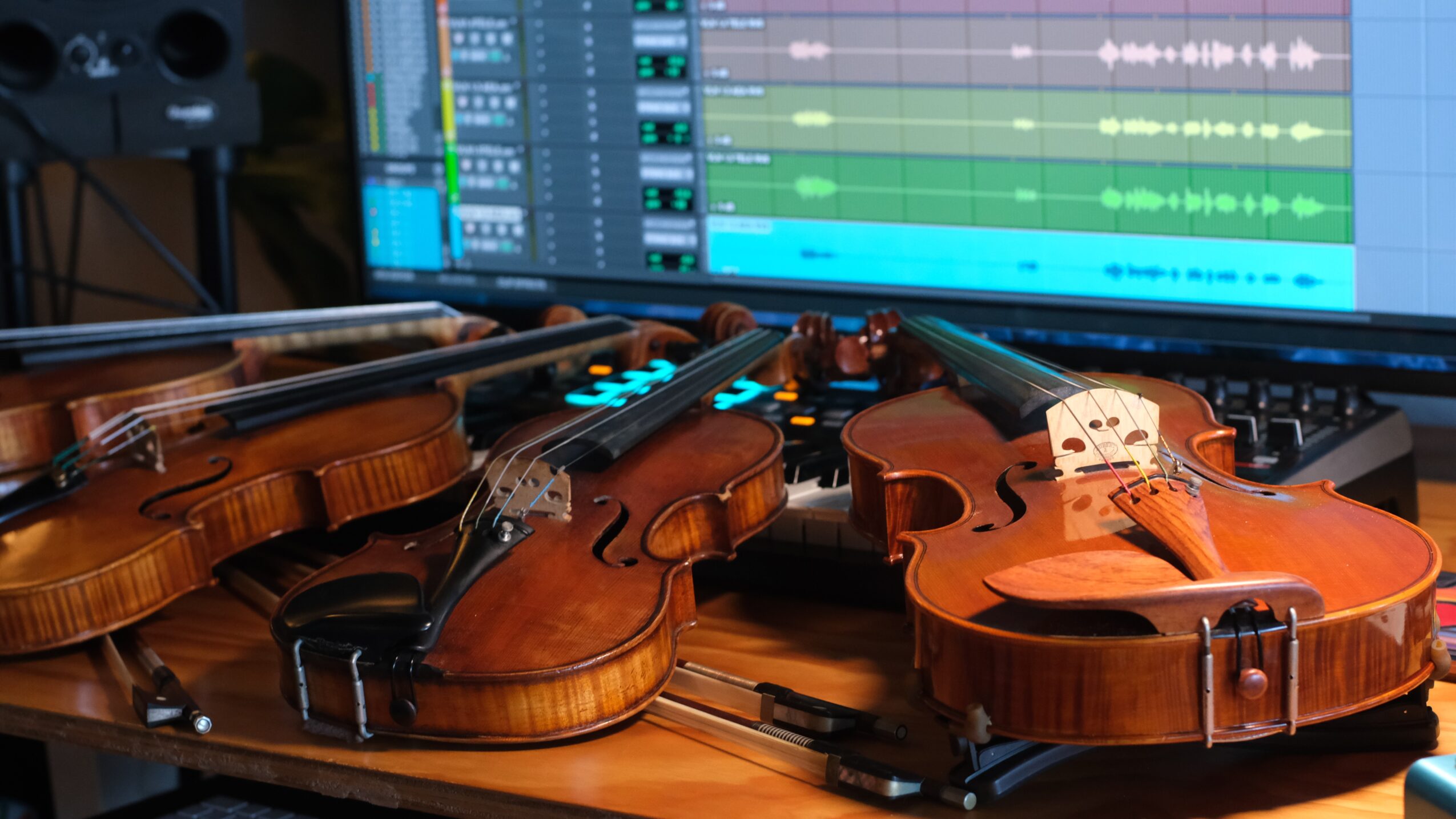
I’m an artist and producer working across live performance, recording, arrangement, and composition. I perform throughout the Bay Area, and through Rogue Violin I collaborate remotely with artists, filmmakers, composers, and other creators around the world to arrange and record string parts for their music and media.
What I’m really interested in is the space between the technical and the emotional. My clients aren’t necessarily looking only for a beautiful violin recording—they’re looking for a collaborator who will understand the story behind their work and help translate that story into sound.
My approach to string production is rooted in decades of classical performance, but I’m equally interested in improvisation, contemporary music, extended techniques, and sounds that don’t necessarily fit neatly into a classical vocabulary. When I record a string section, I intentionally use different instruments, bows, bow speeds, vibrato, articulation, and phrasing to create the subtle variations you hear when multiple human players come together. Those small details make every difference.
Ultimately, I think we make music because we want to move people—to create something that stays with them. Doing that well requires more than technical proficiency. It requires sincerity, connection, and trust. That philosophy extends beyond my own work: I’m currently the founder and General Manager of Marea Ensemble, serve on the board of the Santa Cruz Chamber Players, and regularly volunteer with the Diversity Center. I’m proud that my work as an artist, producer, and community member can all be part of the same larger conversation about whose stories get heard and how we tell them.
Contact Info:
- Website: https://www.rogueviolin.com
- Instagram: https://www.instagram.com/rogueviolin
- LinkedIn: https://www.linkedin.com/in/rogueviolinstudios/
- Youtube: https://www.youtube.com/@rogueviolin