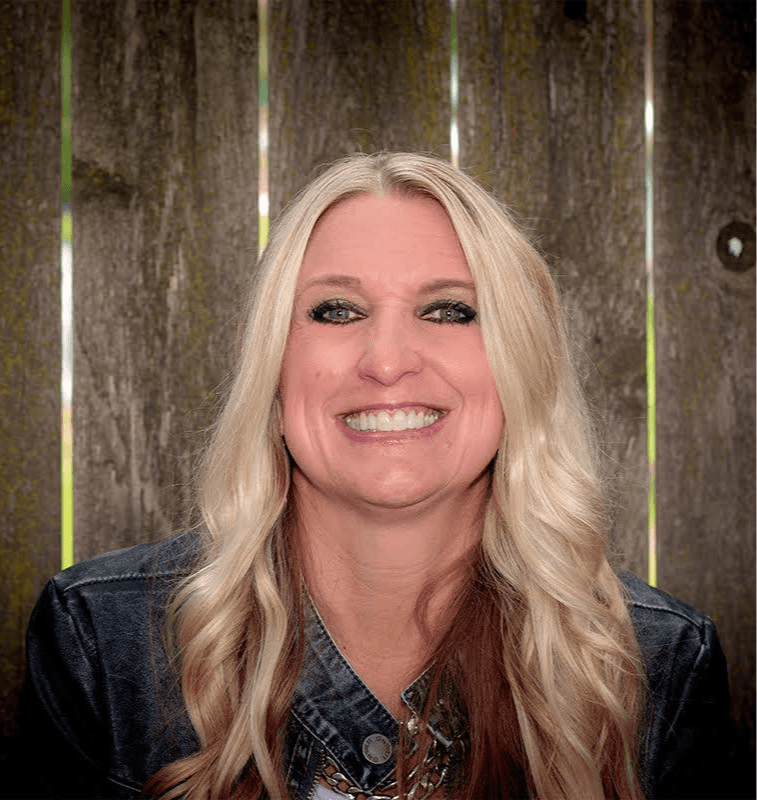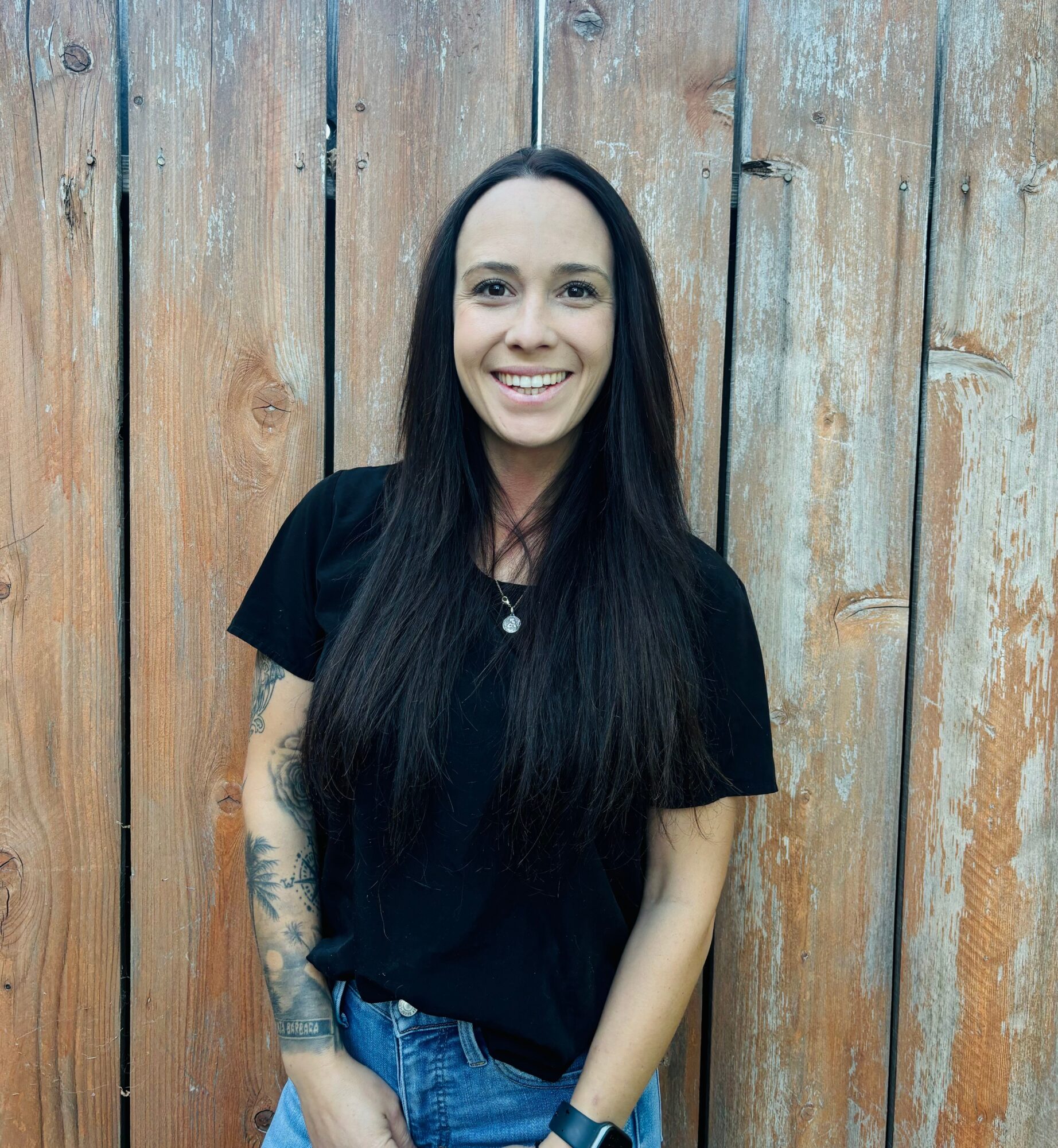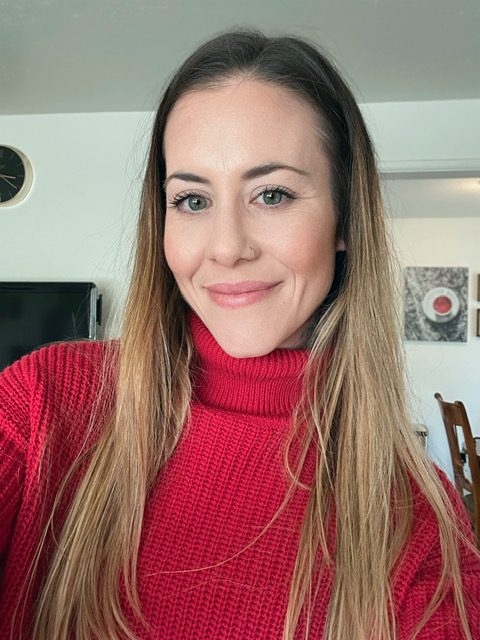





Today we’d like to introduce you to Tisha Aronsen.
Hi Tisha, so excited to have you on the platform. So before we get into questions about your work-life, maybe you can bring our readers up to speed on your story and how you got to where you are today?
I started the way most therapists do: one office, one caseload, and my own cell number on the intake line.
I got licensed as an LMFT in 2018 after grad school in Santa Barbara at Antioch University. What pulled me into the work in the first place was becoming sober in 2007 and attended a perinatal drug and alcohol program for 18 months. . Early on I worked at SLOCOE Sober school helping high schoolers maintain sobriety, Captive Hearts program in Grover Beach, Bryan’s House in Atascadero and ran an OP, IOP, PHP and RTC in Atascadero called Central Coast Freedom Center- , and I kept running into the same thing: people on the Central Coast who needed care and couldn’t get it. Not because the clinicians weren’t good, but because the systems around them were thin. Medi-Cal clients waiting months. Veterans bounced between referrals. Families told the nearest program was over the grade in Bakersfield or down in Santa Barbara.
So in 2018 I opened Aronsen Counseling Services in Atascadero. It was small — just me and a very small office with no windows. I did the billing at my kitchen table.
What happened after that wasn’t a plan so much as a series of answers to “who else isn’t being served?” We added offices in San Luis Obispo and Templeton because clients were driving too far. We built out substance use services because the referrals kept coming and there was nowhere to send them. So we have 3 offices and 14 clinicians serving various clientele. I am honored to help serve the Central Coast with a happy, educated staff who work tirelessly helping people of all walks of life.
Can you talk to us a bit about the challenges and lessons you’ve learned along the way. Looking back would you say it’s been easy or smooth in retrospect?
No. And I’d be doing a disservice to anyone reading this who’s thinking about opening their own practice if I said otherwise.
The first hard thing was the money — specifically, the timing of it. Insurance reimbursement is slow. Payroll is not. There were stretches where I had done the work, my clinicians had done the work, the claims were clean and submitted, and I was still sitting there doing math at eleven at night trying to figure out how to bridge sixty days. Nobody warns you that a growing practice can be busier than ever and still tight, because growth costs cash before it produces any.
The second was credentialing. When I bring on a new clinician, I can’t bill for their work with most payers until that payer has credentialed them — and that can take months. So I’m paying a salary against revenue I’m not allowed to collect yet. That single administrative reality has shaped more of my decisions than any clinical consideration ever has.
The third was becoming something I was never trained to be. I went to school to be a therapist. Nobody taught me employment law, or HR, or contracts, or workers’ comp, or how to read an insurance contract closely enough to know what I was actually agreeing to. I learned all of it the expensive way — by getting it wrong first. For example: not knowing about quarterly taxes and being charged penalties for this.
Staffing has been its own long road. Recruiting licensed clinicians to a rural county is genuinely difficult; we’re competing with metro salaries and telehealth companies. So we grew our own — supervising associates toward licensure — which I believe in completely. We now have 3 supervisors on board to ensure all clinicians have the support they need.
And underneath all of it is a weight I don’t think people outside this field see. When you’re responsible for five hundred active clients, you are carrying clinical risk that doesn’t clock out.
What got me through was — stubbornness, a mentor, my daughter, the clients themselves, all of it.
Thanks for sharing that. So, maybe next you can tell us a bit more about your business?
Aronsen Counseling Services is a behavioral health practice with offices in Atascadero, San Luis Obispo, and Templeton. About fourteen clinicians, roughly five hundred active clients at any given time.
What we’re known for locally is breadth. A lot of practices do one thing well and refer everything else out. We built the opposite: outpatient therapy for individuals, couples, and families.
What sets you apart?
Three things, honestly.
The first is that we take insurance — CenCal, TriWest for VA Community Care, and commercial plans. That sounds unremarkable until you’ve tried to find a therapist on Medi-Cal in this county. Cash-pay is a much easier business to run. It’s also a business that quietly excludes most of the people who need us, so we don’t run one.
The second is that when someone’s needs change, they don’t start over. If a client comes in for anxiety and it becomes clear there’s a substance use issue underneath, or that talk therapy alone isn’t moving them, we have somewhere to go — internally, with a clinician who can actually talk to the next clinician. In a fragmented system, the handoff is where people fall out of care. We removed most of ours.
The third is that we measure. We use standardized outcome measures rather than relying on impressions about whether someone is improving. Therapy shouldn’t be the one part of healthcare where nobody checks.
What are you most proud of?
Not the growth. What I’m proud of is that we grow our own clinicians. Recruiting licensed therapists to a rural county is genuinely hard, so we supervise associates toward licensure instead — which means the person sitting across from you may well be someone who trained here, stayed here, and is building a career in the community they serve.
What do you want readers to know?
That the door is more open than they expect. People assume they can’t afford it, or that there’s a six-month wait, or that their particular situation is too complicated. Sometimes those things are true. Frequently they aren’t, and the only way to find out is to call.
805-550-0594 we have Sally available to coordinate and choose the perfect fit for a therapist.
Any big plans?
For a long stretch, every year brought something new — another office, another program, another population we weren’t reaching yet. That was the right instinct at the time, and I’d make most of those decisions again. But there’s a point where the most valuable thing you can do is stop adding and start strengthening what’s already there. That’s where we are. Better systems, better support for clinicians, shorter waits, tighter follow-up on the clients who fall out of care after a session or two. None of it is glamorous and all of it matters more to the person calling us than a fourth location would.
The one place I do want to keep growing is our clinical workforce. This county has a real shortage of licensed therapists, and it isn’t going to fix itself — the pipeline is the whole problem. So we’ll keep bringing on associates and supervising them toward licensure, and I’d like to do more of it, more deliberately: better training structure, better mentorship, a clearer path from graduate school to a sustainable career here. If ACS is still doing one thing well in ten years, I’d want it to be that. Every clinician we license is someone who can serve this community long after any particular practice exists.
Contact Info:
- Website: https://www.tishaaronsenlmft.com