




Today we’d like to introduce you to Matt Trevisan.
Hi Matt, we’d love for you to start by introducing yourself.
I originally came to San Luis Obispo in 1990 to attend Cal Poly. I started out studying aeronautical engineering, but after two years, switched to biochemistry. I loved organic chemistry, biochemistry, and physical chemistry, and I wasn’t sure if I would go on to get a PhD or go to medical school.
While working in the chemistry department stockrooms, my supervisor suggested I look at the wine industry. I had already worked a harvest on a vineyard in 1992 and found it fascinating. After graduating in 1995, I started at James Berry Vineyard, where I learned weed and pest control and how to thin shoots and fruit.
From there, I went to Justin Winery, which at the time was a 5,000-case winery looking to grow. I sent my résumé on a Friday, got called Saturday, and interviewed Monday. Their biggest question was, “Can you drive a forklift?” I said, “I don’t know how to drive a forklift, but I know how to fly a plane and I can learn.”
For $2,000 a month, I started as an apprentice. I always joke that I was too cheap to fire. I worked 80 hours a week, slept in my car, and learned winemaking from the ground up. I worked in the vineyard, worked in the winery, drove a lot of forklift, and managed barrels throughout the county. We grew from 5,000 to 25,000 cases, and it was exciting, but eventually, the growth slowed down and I got bored.
I left Justin, eventually came back and got fired, and on that same day, went to Wild Horse Winery to work in their warehouse and asked if they needed any help. They were producing around 70,000 cases and planning to grow to 200,000. That’s where my nickname DOF came from: “Dork on Fork.” I managed about 12,000 barrels and moved them all over the county into a 48,000-square-foot cellar.
I met my wife, Maureen, in 1997, and we started talking about starting a business on a shoestring. Wild Horse had some extra space, and Ken Volk let us use it after hours, from about 10 PM to 7 AM. That’s how Linne Calodo started in 1998. We would work all day and then spend the night processing the fruit we had picked that morning.
We had very little money and zero credit. I took the $4,000 I had saved while living in my car and invested it in AOL and Yahoo stock. By 2000, it had grown to about $14,000, which I used to pay cash for our bottles, corks, labels, and bottling line. Then the tech market crashed, and I had inadvertently converted my stock portfolio into wine. So now we had to figure out how to sell it.
I was 28 years old and peddling wine around San Luis Obispo County. From the beginning, Linne Calodo was about making regionally specific wines rather than variety-specific wines. We blended to achieve the flavor composition we wanted, and that philosophy still holds true today.
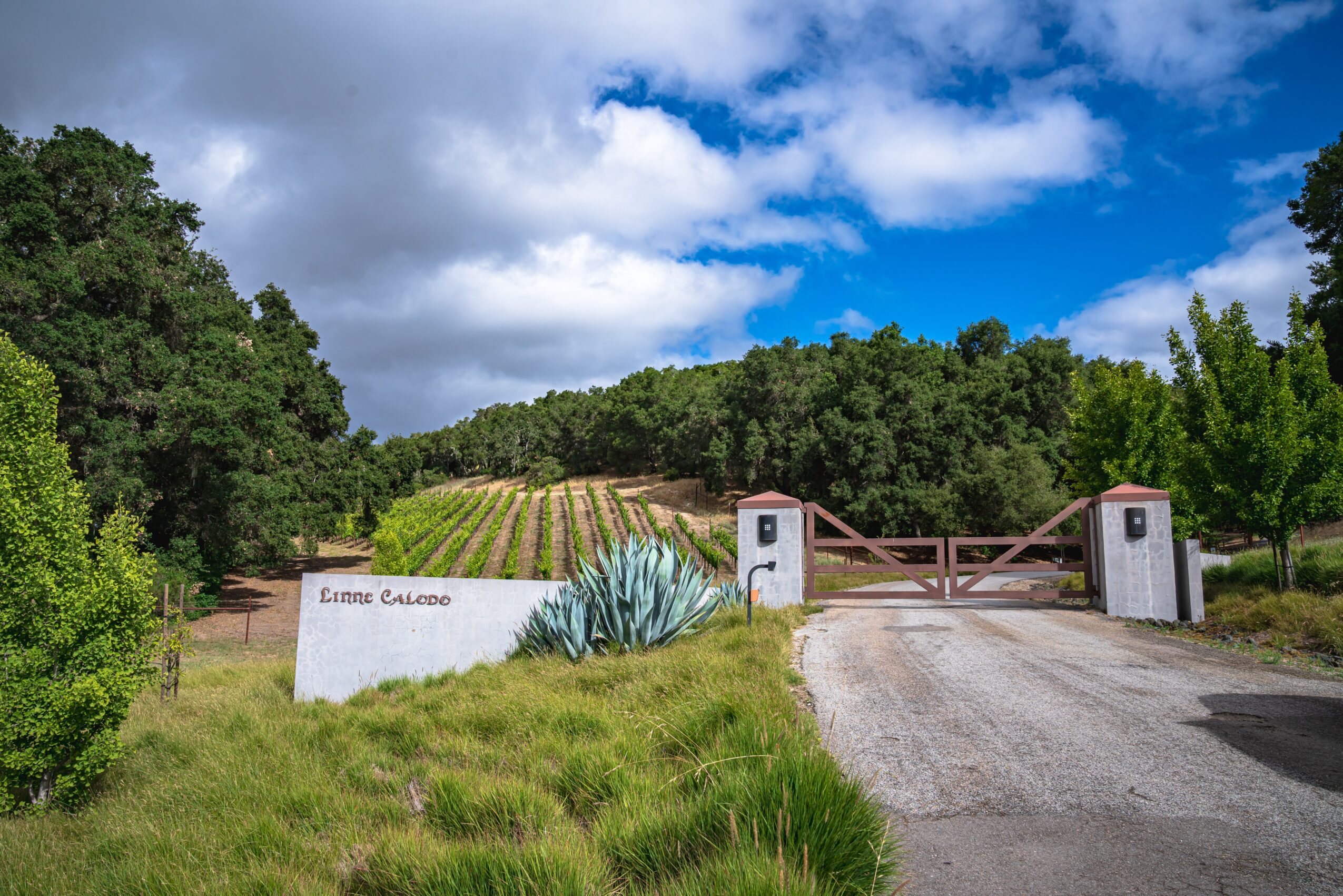
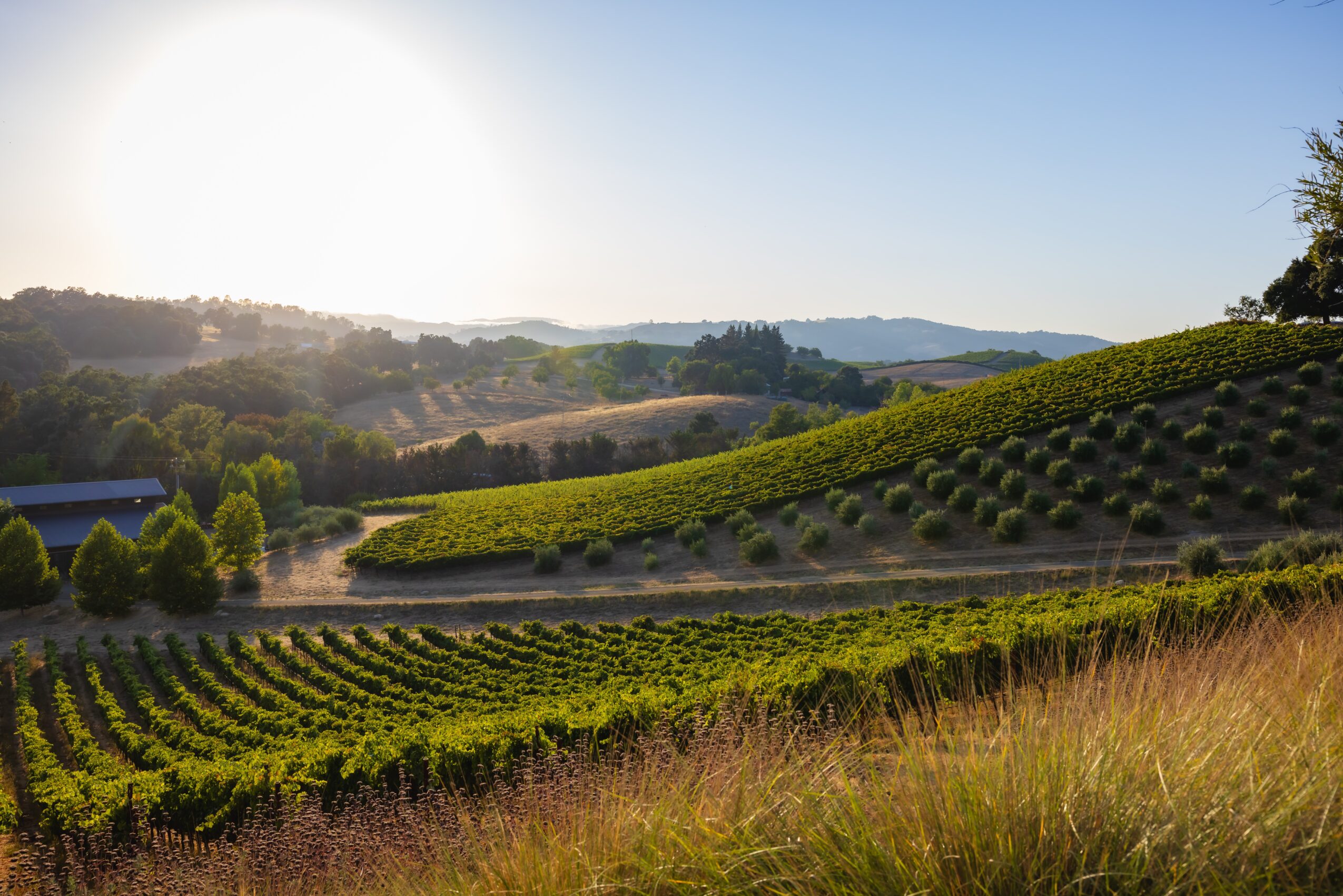
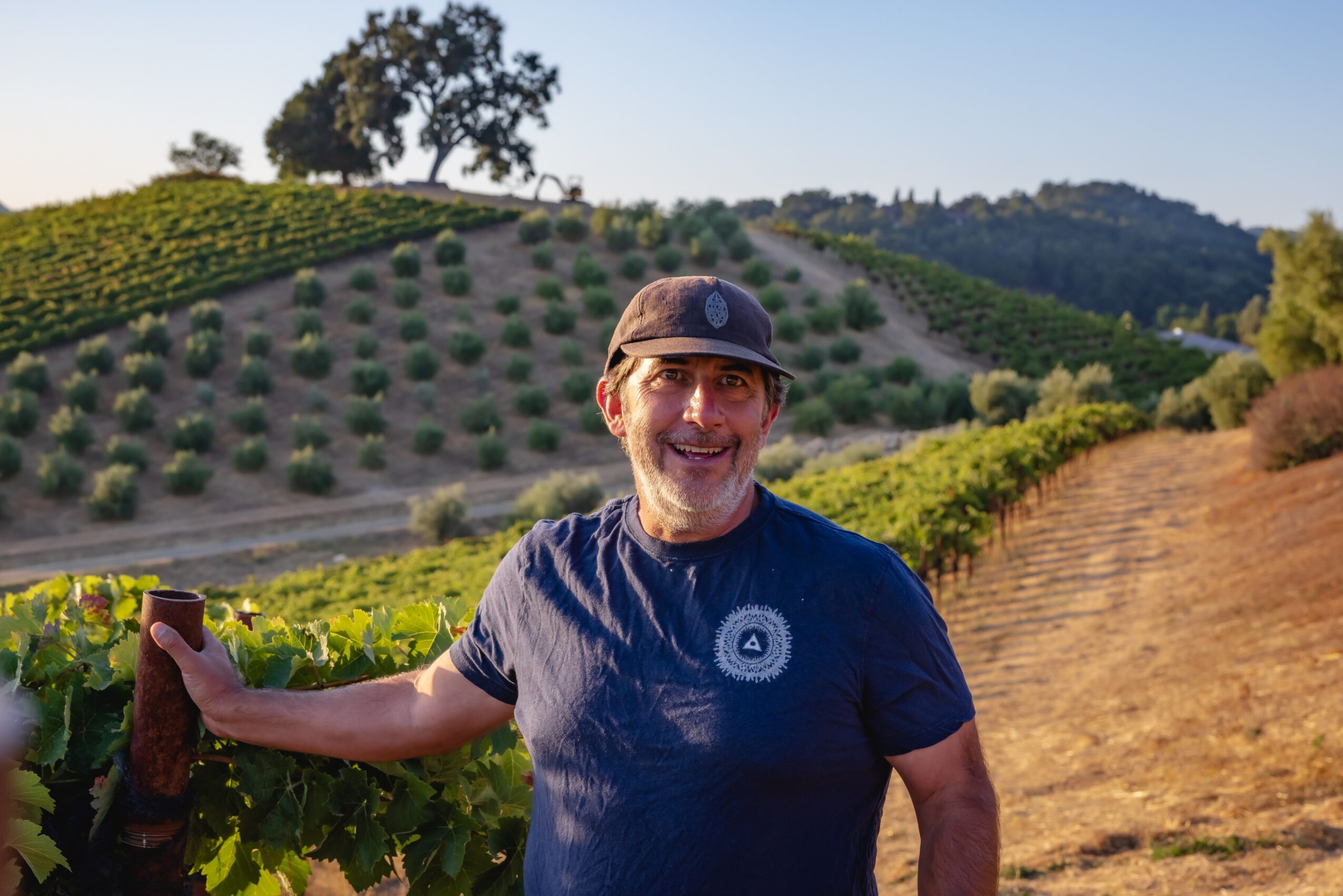
In 2000, Maureen and I purchased our property on 3030 Vineyard Drive. It was originally used for hay production and cattle grazing, and over the last 26 years, we’ve developed it into the mothership of Linne Calodo. We built our first production barn in 2002 and planted our first Syrah, Grenache, and Mourvèdre in 2005. Those first plantings were really an experiment in learning how to farm.
What I’ve learned along the way is that wines are made in the vineyard. I plant with intention, thinking about the wine I want to make — do I need more acidity, more earth, more fruit? I plant vineyards like a salsa garden, choosing each component for what I want in the finished wine.
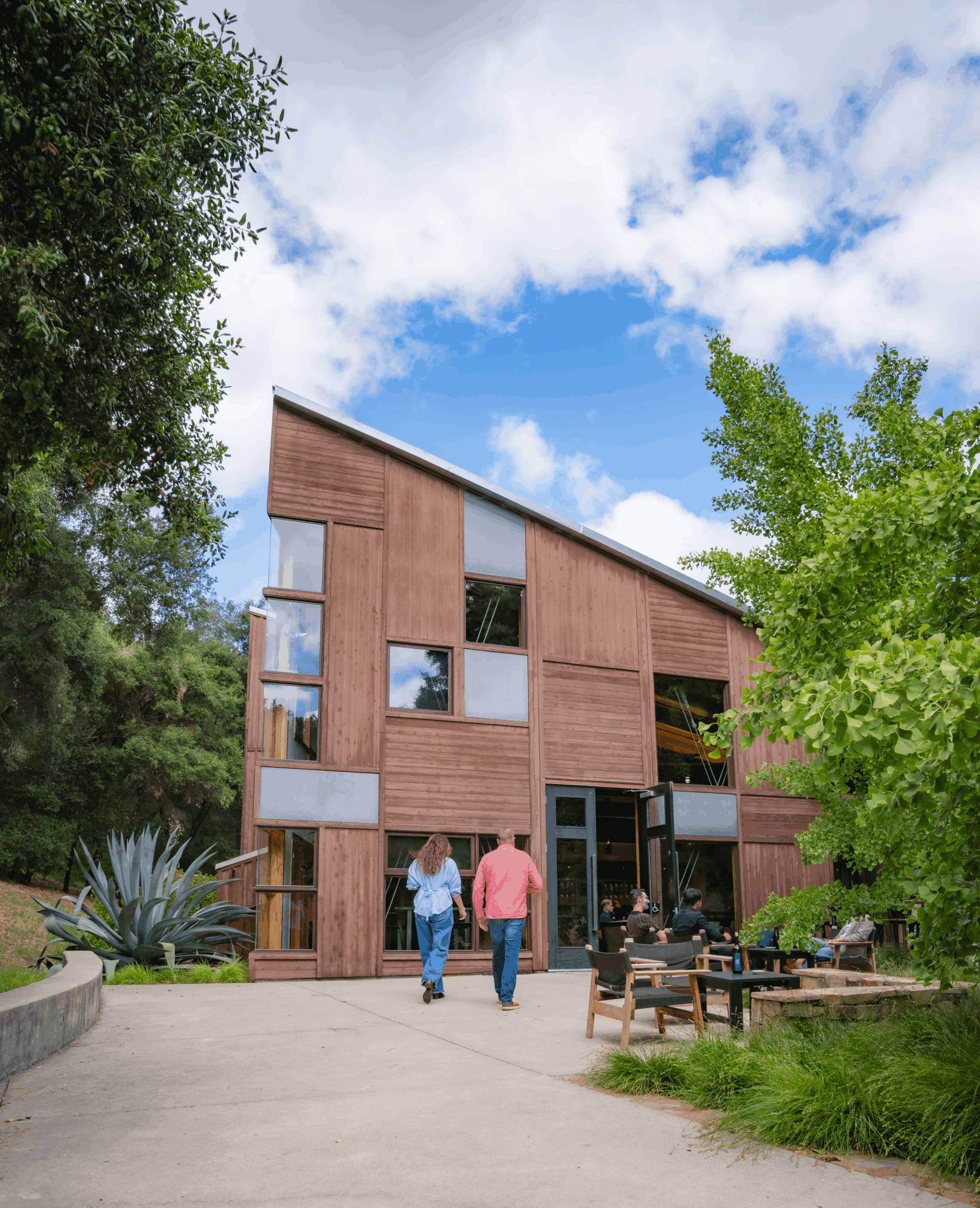
As we expanded our production facility in 2008 and 2009, we became a truly vertically integrated winery. We can take a bare piece of land, plant a vineyard with a vision for what we want to put in the bottle, nurture those vines and clusters, and bring that fruit into the winery we designed. That’s where the wine is made.
Today, we’re a 5,000-case-a-year winery and completely vertically integrated. We can take a bare piece of land, plant a vineyard with a vision for the wine we want to produce, nurture those vines, bring the fruit into the winery we designed, and make the wine from the ground up.
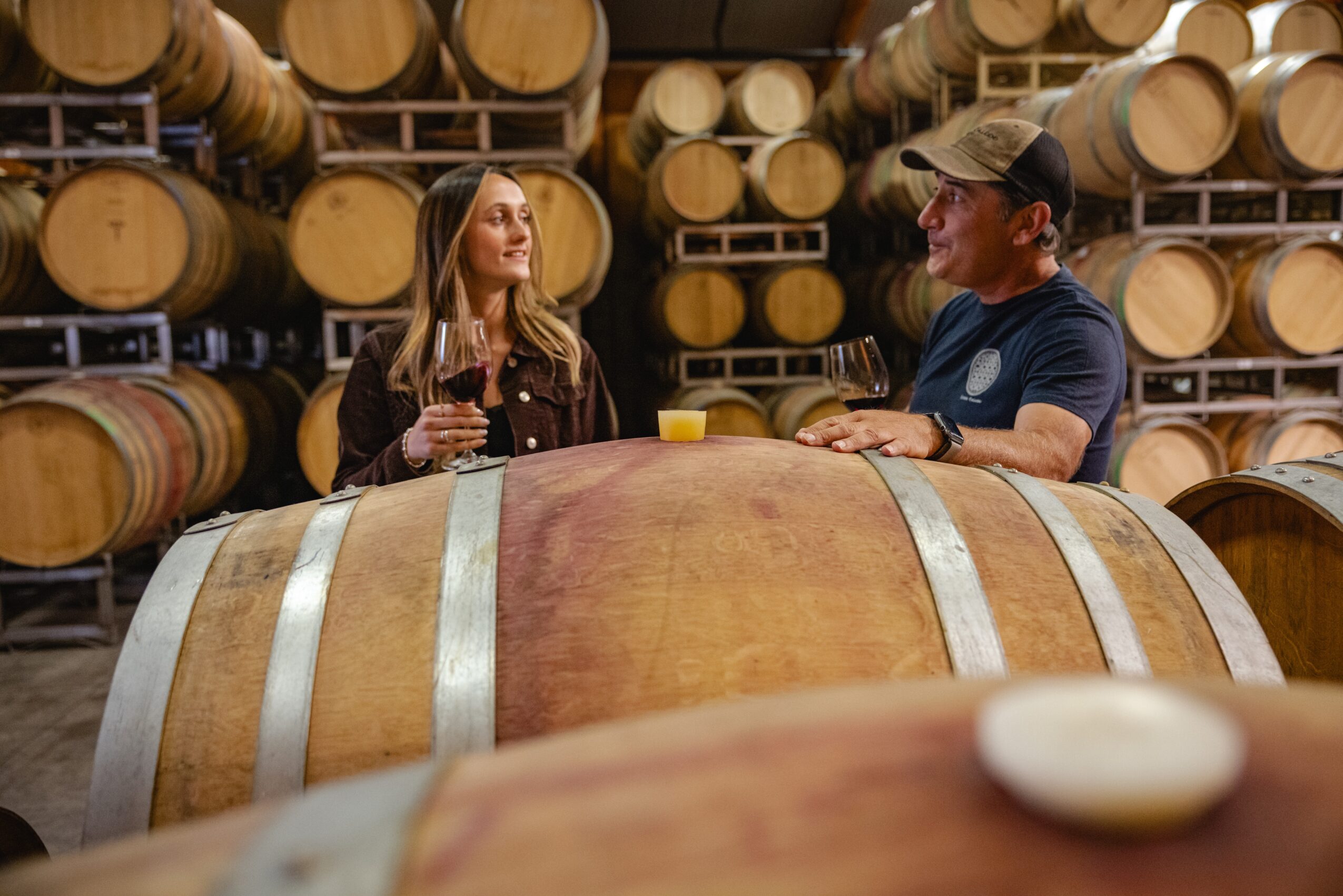
I fell in love with small, boutique, artisanal winemaking. I didn’t like making 200,000 cases at those other wineries. It was dynamic and exciting, but at that scale, the wine became more about production than personality. I much prefer working with grapes that have personalities, knowing exactly where they came from, fermenting in small batches, aging in small barrels, and blending a year before bottling. That’s what makes Linne Calodo what it is today.
We all face challenges, but looking back would you describe it as a relatively smooth road?
The wine industry is farming, and farming is never easy (laughing). Every struggle eventually teaches you something and gives you an opportunity to figure out how to do it better. I never give up. Sometimes I just take a break, step back, and think about how to solve the problem.
At my core, I’m an entrepreneur making wine, but I don’t want to be big. I want to have my finger on the pulse of the entire operation. I want to feel connected to our vines, our wine, and the people who make it. I don’t feel that same connection when you’re producing wine on a massive scale. To me, wine is art, and I love wearing all the hats.
As you know, we’re big fans of Linne Calodo Cellars . For our readers who might not be as familiar what can you tell them about the brand?
I’m most proud of my family. They all work in the vineyard and winery, and I’m proud that we’re building this together. I’m also proud of working with my hands, being connected to nature, always pushing to do better, and teaching people how to make wine and watching them grow.
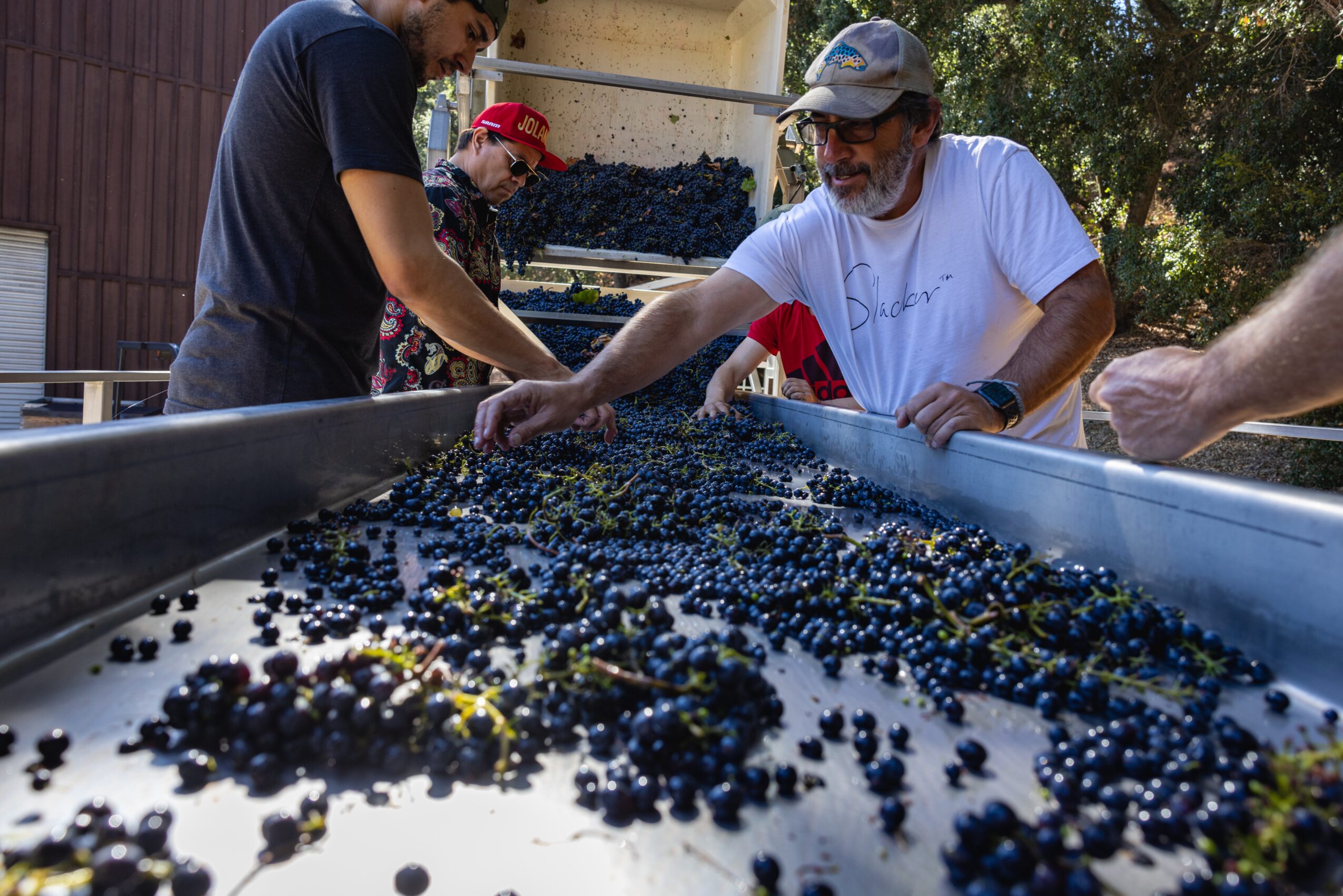
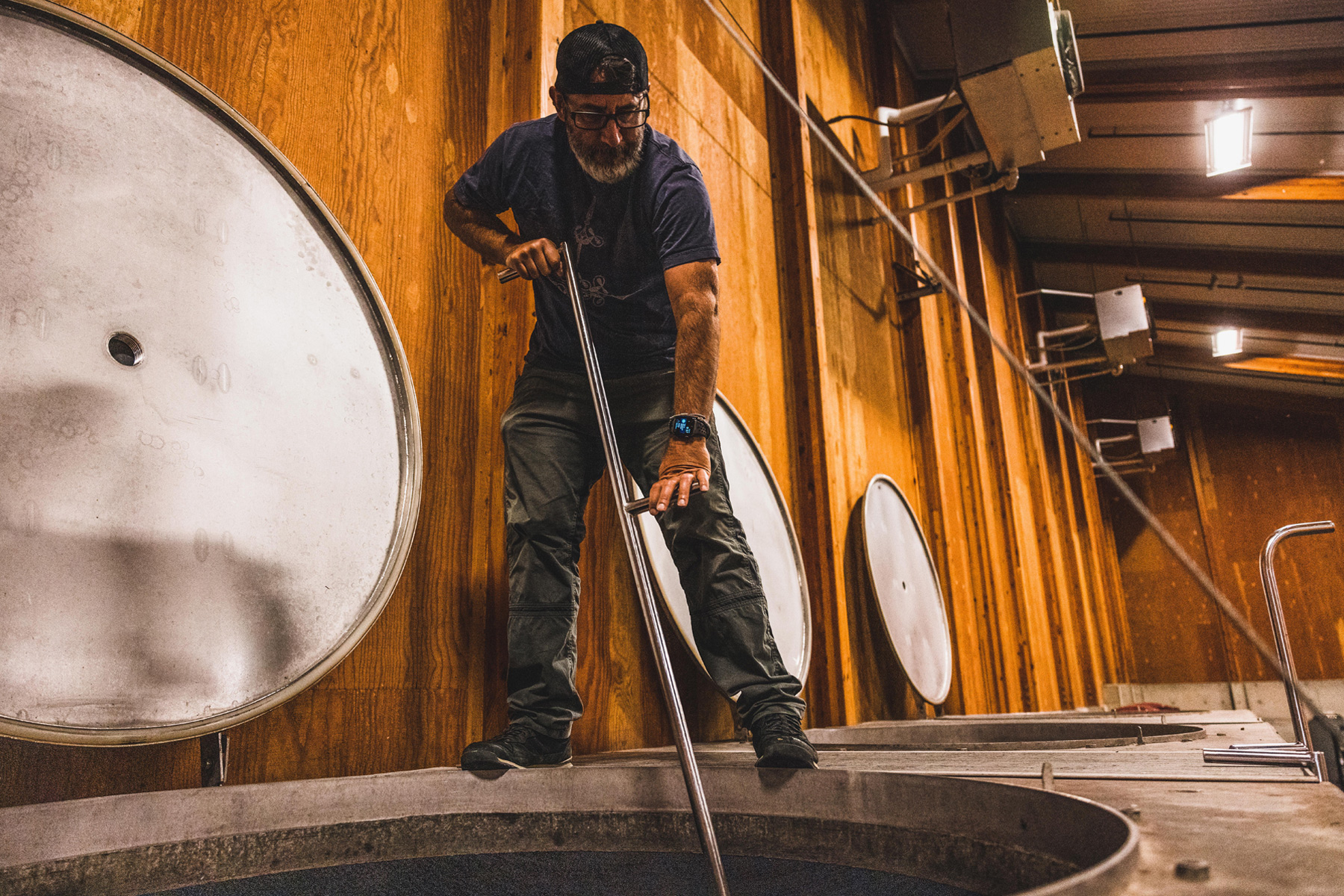
What sets us apart is that we’re a ground-up winery. There are a lot of different business models in the wine industry, but we chose to do the whole thing ourselves. We plant and tend our own vines, bring the fruit into our cellar, ferment it, age it, bottle it, and eventually ship it. We don’t use outside consultants for farming, winemaking, or packaging. It’s the full cycle.
To me, that’s the artisan craftsmanship of winemaking — learning and practicing all the trades, not necessarily to make more money or gain prestige, but to produce an honest, blood-sweat-and-tears product that reveals itself in every sip.
I’m also thinking beyond just my generation. I’m the first generation of my family in winemaking, so I need to learn how to farm, make wine, and care for the earth, and then teach those things to the next generation. I want to build a culture of agronomy that is wise and sustainable, something my children and grandchildren can carry forward.
It’s an old-fashioned idea, I suppose — work hard, farm well, make great wine, and enjoy it with your family, friends, and guests. It’s easy to talk about that lifestyle, but it’s hard to truly do it. That’s really what Linne Calodo is about.
Alright so before we go can you talk to us a bit about how people can work with you, collaborate with you or support you?
People who want to work with me often come to learn — winemaking, farming, or both. I have my own style, but I enjoy sharing what I’ve learned. I also do collaborative winemaker dinners, which are a lot of fun. You get to hear different perspectives, taste wines from different producers, and see how the same region can produce very different wines depending on who’s making them.
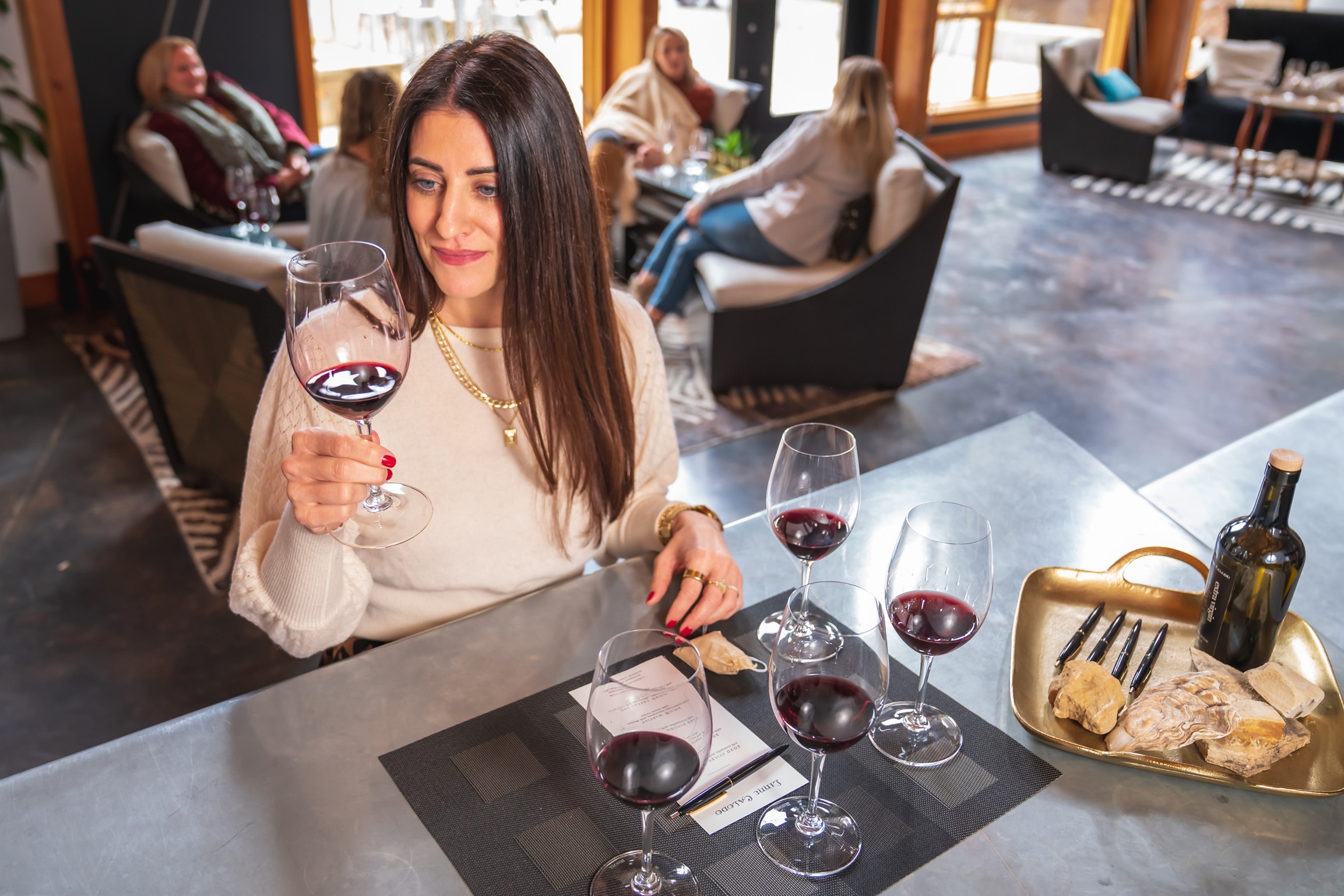
The easiest way to support us is to drink our wine. Come visit us here at the winery in Paso Robles, look for Linne Calodo at your favorite wine shop or restaurant and enjoy it with your friends and family. We also make a second brand called Slacker, which is my alter ego. They’re all wines that are passionately farmed, fermented, and blended to perfection — a dream fulfilled. Another way to support us is to support your local farmers who are pushing the boundaries and trying to make the world better through sustainable, organic, biodynamic, regenerative, permaculture, polyculture, and nature-positive agriculture. Supporting those people and the land they’re working to protect is important.
Another way to support us is to support your local farmers who are pushing the boundaries and trying to make the world better through sustainable, organic, biodynamic, regenerative, permaculture, polyculture, and nature-positive agriculture. Supporting those people and the land they’re working to protect is important.
Pricing:
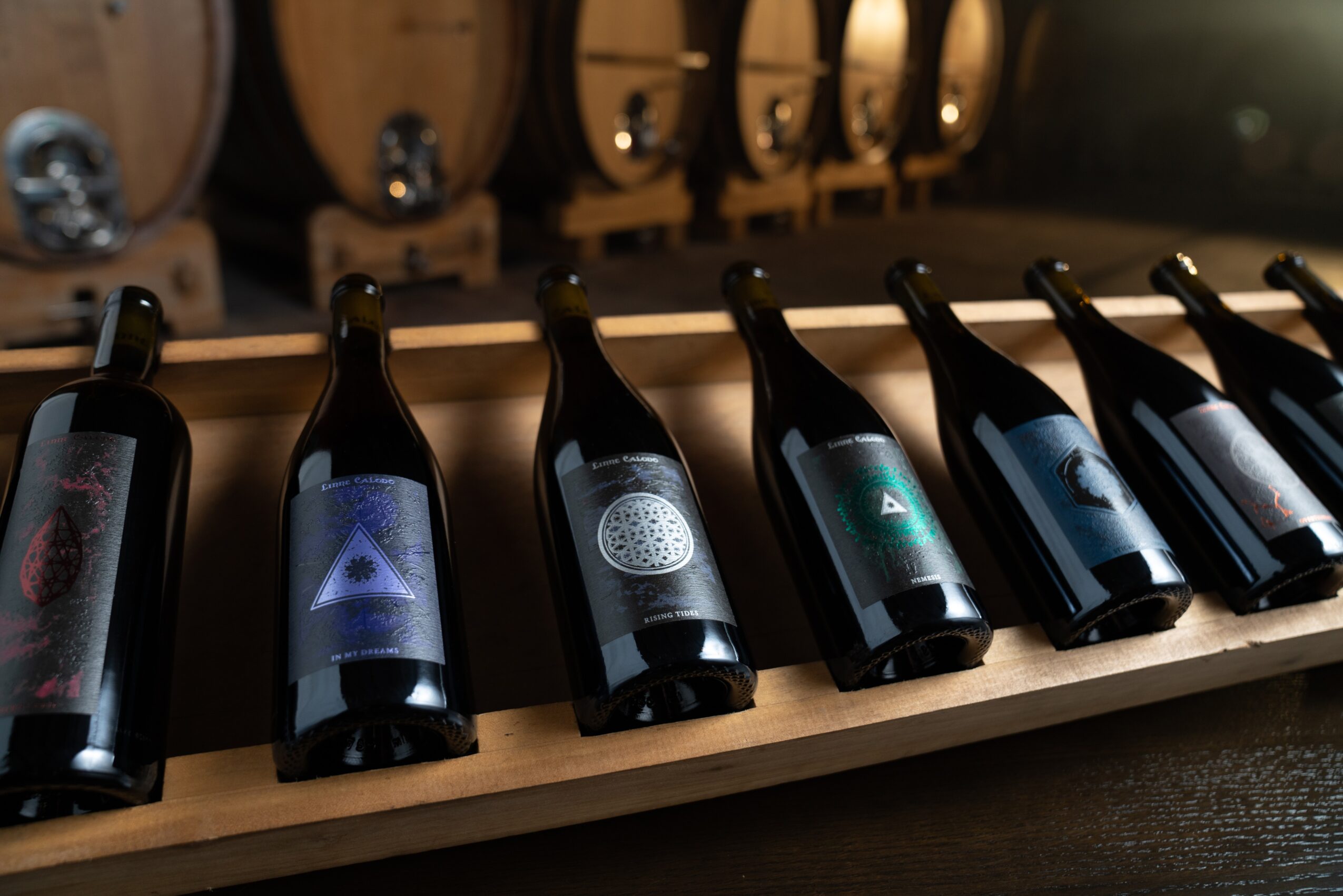
- Linne Calodo Red Wine Blends – $98/bottle
- Linne Calodo White Wine Blend – $68/bottle
- Slacker Wines – $38 to $48/bottle
Contact Info:
- Website: https://www.linnecalodo.com/
- Instagram: https://instagram.com/linnecalodo
- Facebook: https://www.facebook.com/linnecalodo/
- Youtube: https://www.youtube.com/@linnecalodo