




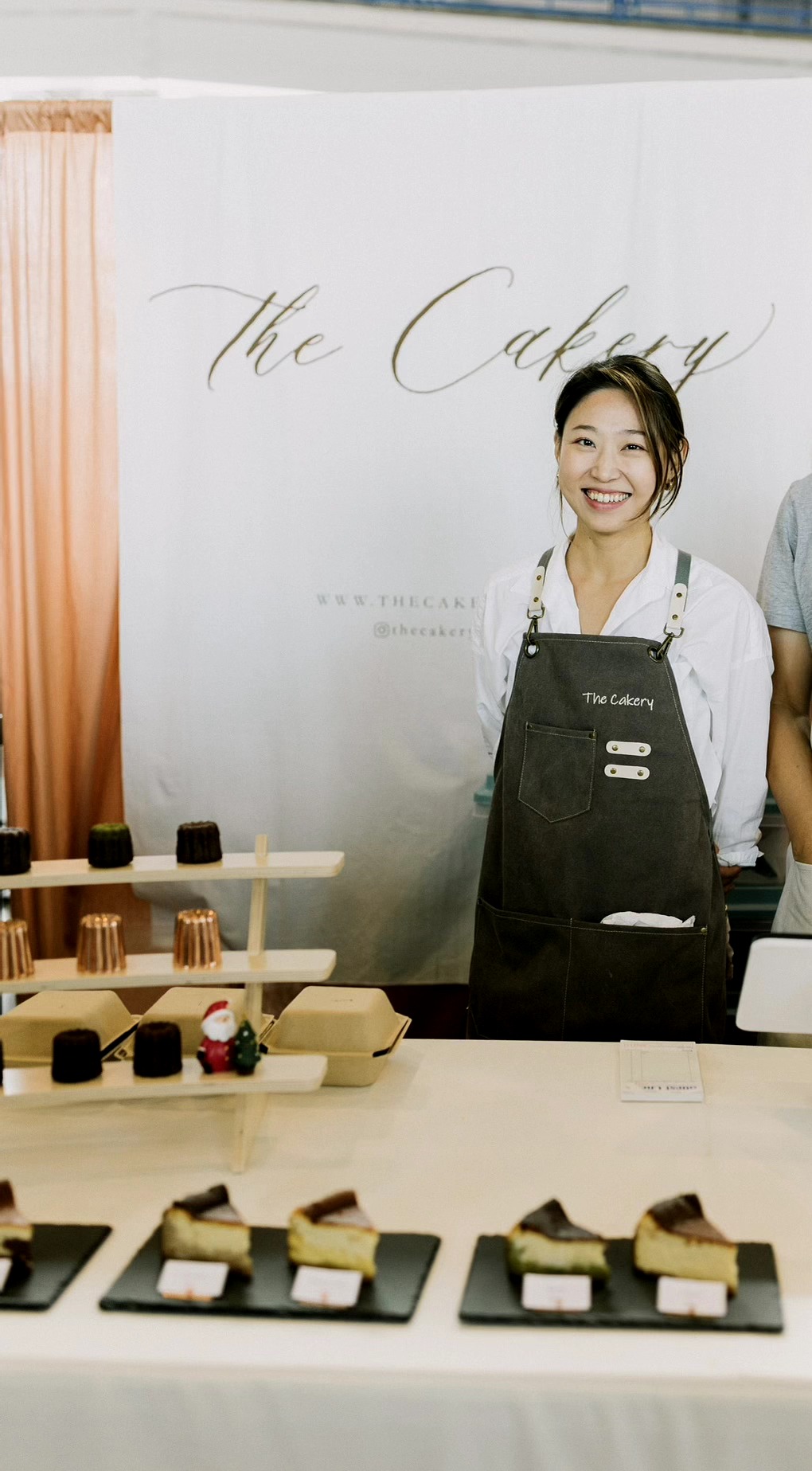
Today we’d like to introduce you to EJ Kim.
Hi EJ, thanks for sharing your story with us. To start, maybe you can tell our readers some of your backstory.
Before any of this, I was a classical musician. People think that’s a strange jump, but it isn’t. You spend years on one phrase, chasing something only you can hear. Pastry asked the exact same thing of me — and it let me feed people.
I started as a self-taught baker, and later had the chance to train in pastry in Korea, where the standard is unforgiving. But the real beginning was COVID. I started baking at home to share something with friends and neighbors, and by the end of it I was selling cheesecake to strangers. Once I decided this was actually the path, I rented space in a shared kitchen and went for it.
The idea was never fusion for its own sake. It was: use the best ingredients I can defend — Valrhona, organic, AA-grade vanilla, butter from France — and let the flavors come from where I’m from. I couldn’t compromise on any of it, because I knew I was feeding the same thing to my three-year-old daughter and my husband. I hadn’t worked in the industry yet, so I didn’t know what those ingredients would cost me. If I had, I’d probably have talked myself out of it. I’m glad I didn’t — that decision is the whole brand now.
What I wanted was to bring Asian-inspired flavors to our community — black sesame, yuzu, matcha, ube, hojicha — made with French technique.
We opened our first brick-and-mortar in Carmel Valley in February 2025, more of a boutique dessert shop. Then we opened our café in Miramar, serving sandwiches, coffee, and desserts. That second opening clarified something I’m glad we committed to: Carmel Valley became our gift and pickup home, and Miramar became the café — espresso bar, sandwiches, and the central kitchen that feeds both. Two rooms, one kitchen, different jobs.
Now we also supply restaurants across San Diego and do corporate gifting during the holidays.
I still run most of it myself — hiring, marketing, the books, the ordering. What I’m building toward is a business that doesn’t need me in every room. That’s the next chapter.
Alright, so let’s dig a little deeper into the story – has it been an easy path overall and if not, what were the challenges you’ve had to overcome?
No. And I’d be suspicious of anyone in this business who said yes.
The hardest stretch was opening our second location. I assumed a second store meant more customers. What actually happened was that a good portion of our Carmel Valley regulars simply migrated to Miramar. Same customers, new address. Our first store’s numbers dropped, and for a while I had two locations quietly competing with each other.
The fix wasn’t marketing. It was admitting the two rooms shouldn’t do the same job. Carmel Valley became our gift, pre-order, and pickup home. Miramar became the café — coffee, sandwiches, a place to sit — and the central kitchen that produces for both. Once each location had a reason to exist, the pressure came off both of them.
The other struggle is the one nobody warns you about: your standards only exist if they exist when you’re not in the room. Every system we have now — recipes, prep guides, checklists, training — came from a moment where something didn’t go the way I would have done it myself. That’s not a complaint about my team. That’s me learning that “I’ll just handle it” is not a system.
Cost is a constant tension too. I decided early I wouldn’t compromise on ingredients, and I’ve held that. But premium chocolate and real vanilla don’t care what a dessert is “supposed” to cost in San Diego. Every year I have to earn that decision again. Some customers do think our desserts are expensive — but the ones who’ve actually tried them tell us they’re worth it. That’s the whole bet, and so far it’s held.
And honestly, the hardest part isn’t the business at all. It’s being a mother while running it. There is no version of this where the hours are convenient. I owe an enormous amount to my husband, who has carried so much of caring for our daughter so that I could keep building this. This bakery is not something I did alone, even on the days it looked that way.
I still do most of the functions myself — hiring, marketing, the books, the ordering. Some days that’s fine. Some days it’s the whole problem. Building a business that runs without me in every room is the work I’m doing right now.
Great, so let’s talk business. Can you tell our readers more about what you do and what you think sets you apart from others?
We’re a modern Korean-French bakery and café in San Diego, running two locations that do two different jobs.
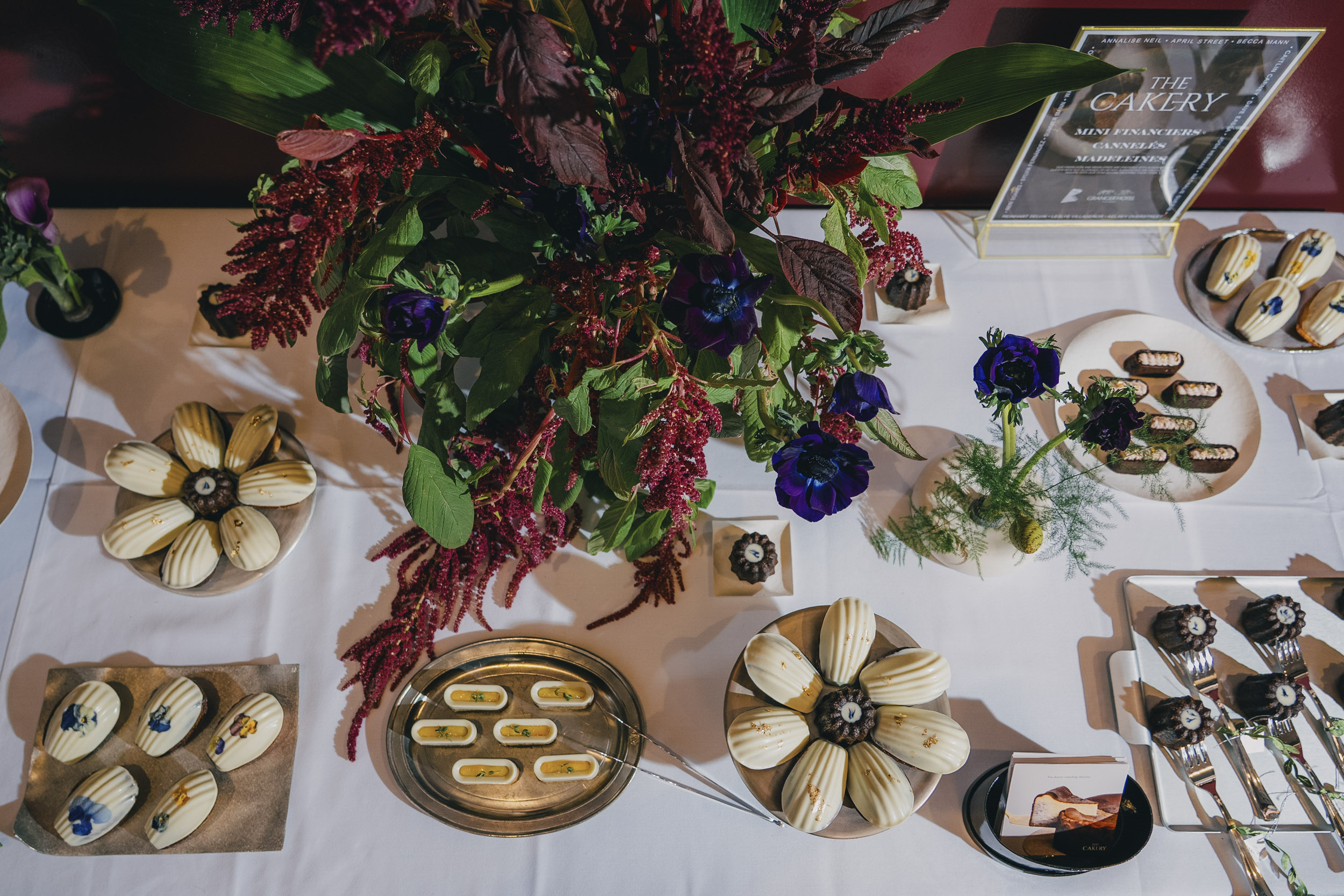
The Cakery in Carmel Valley is our boutique side — cakes, gift sets, pre-orders, and pickup. The Cakery Café in Miramar is where you sit down: espresso bar, sandwiches, and desserts, and it also holds the central kitchen that produces for both stores.
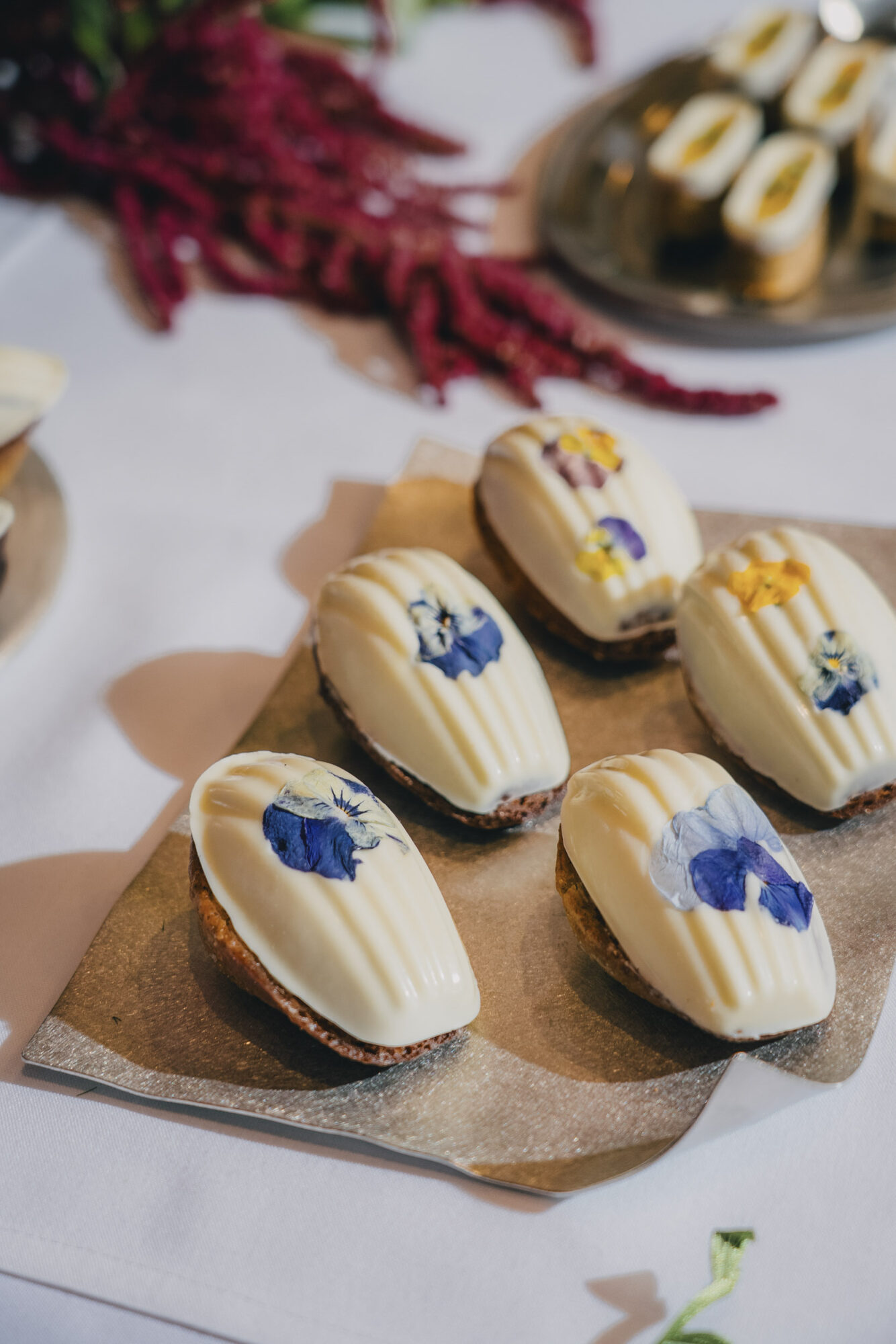
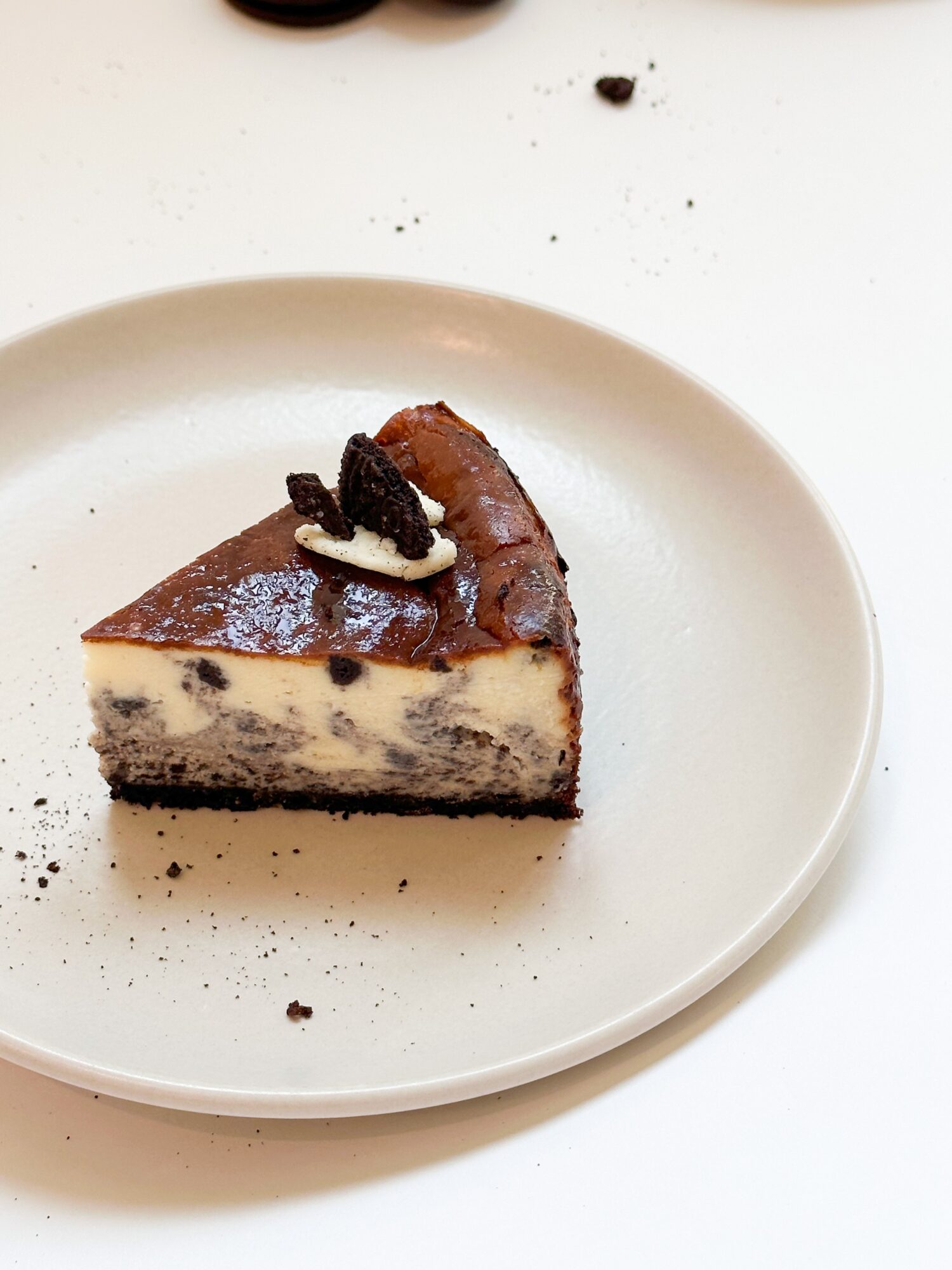
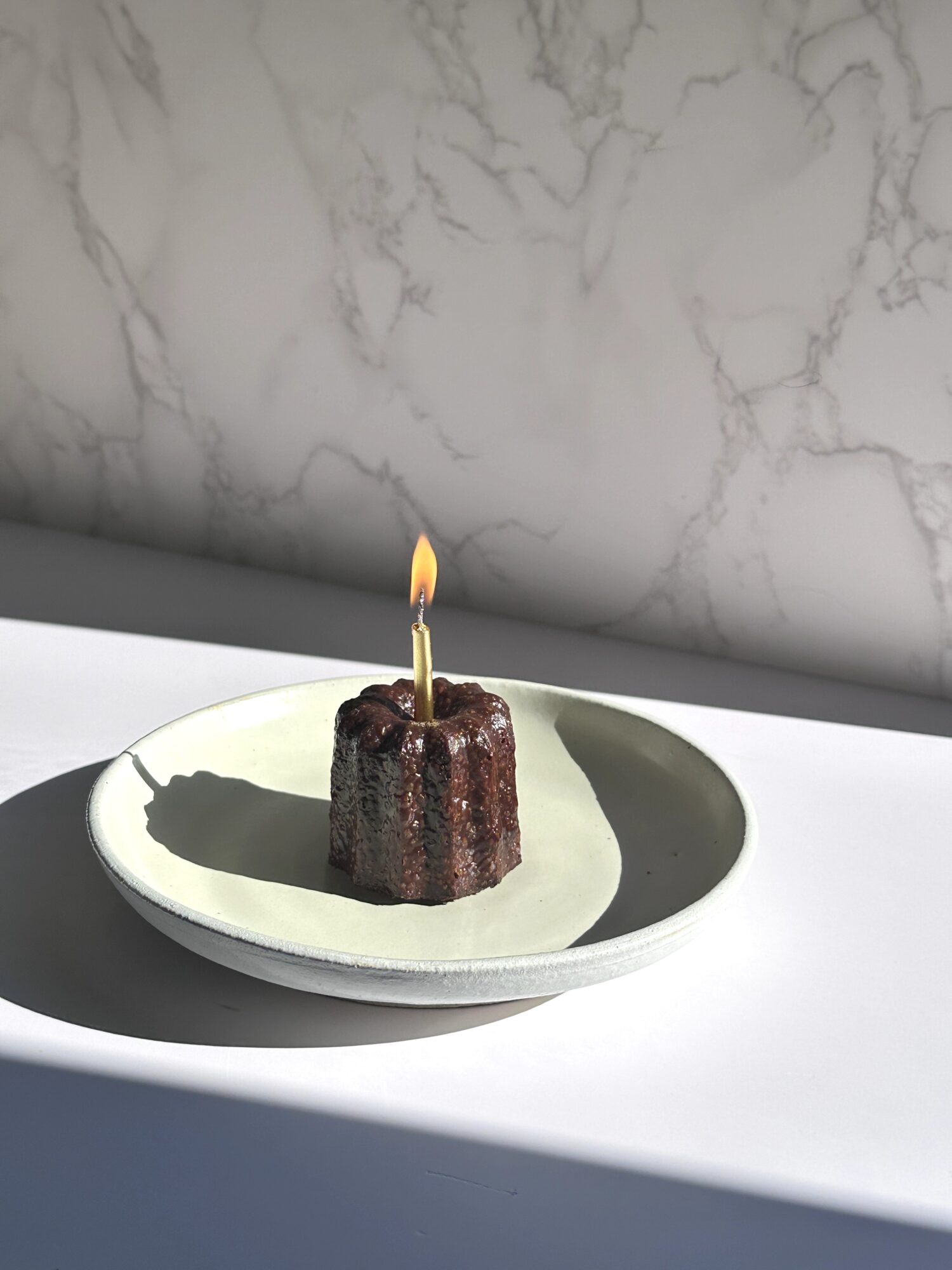
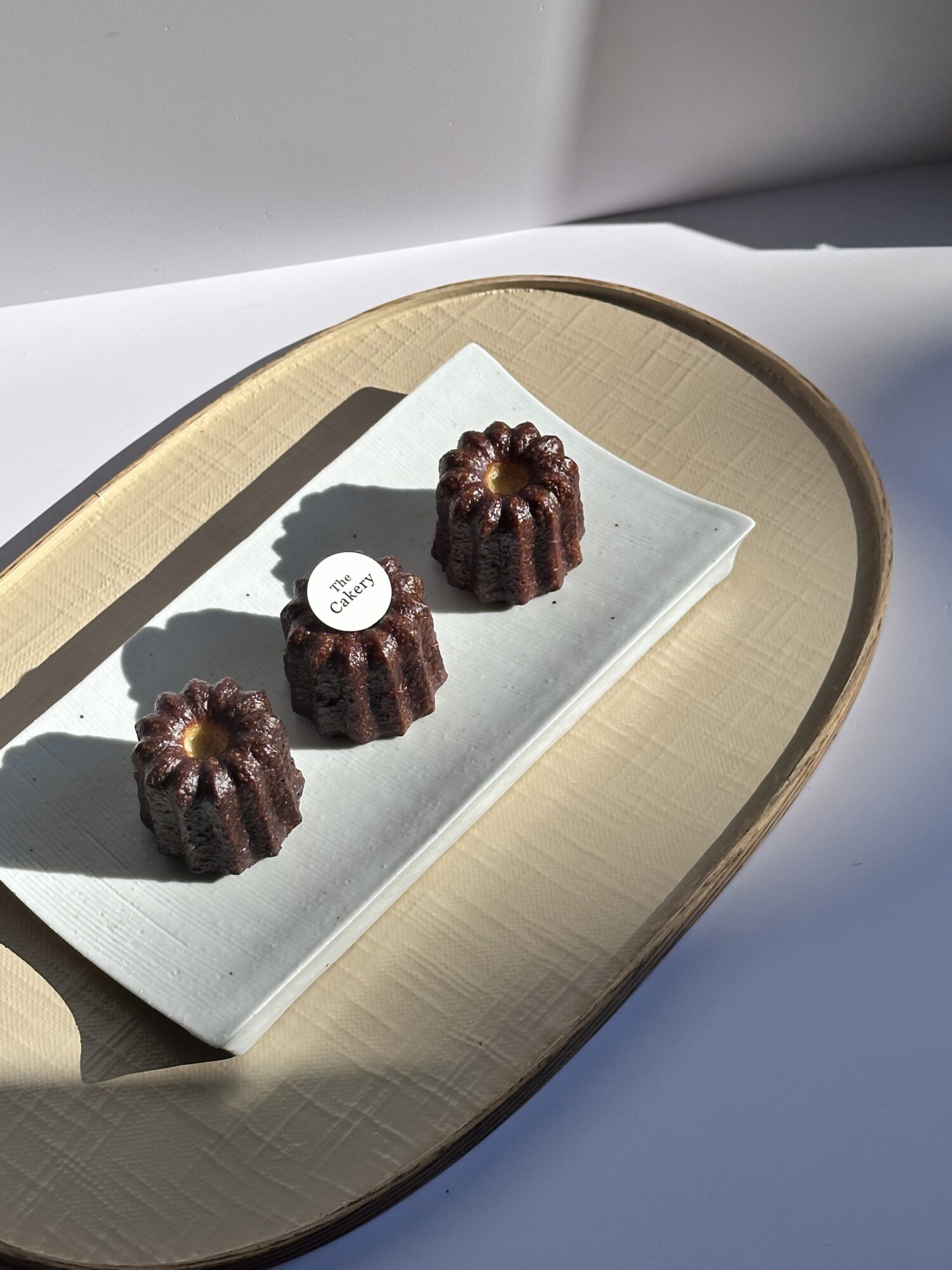
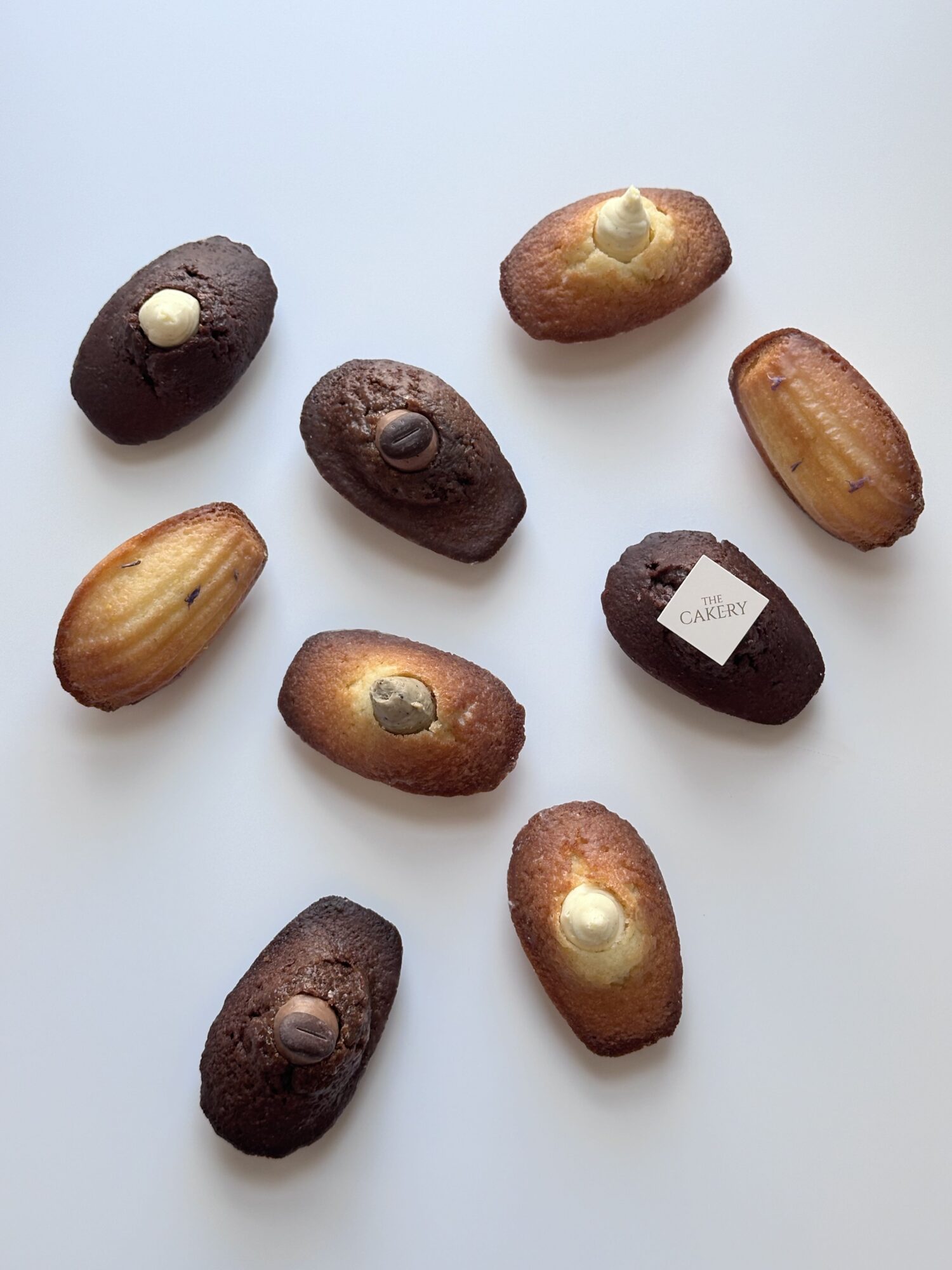
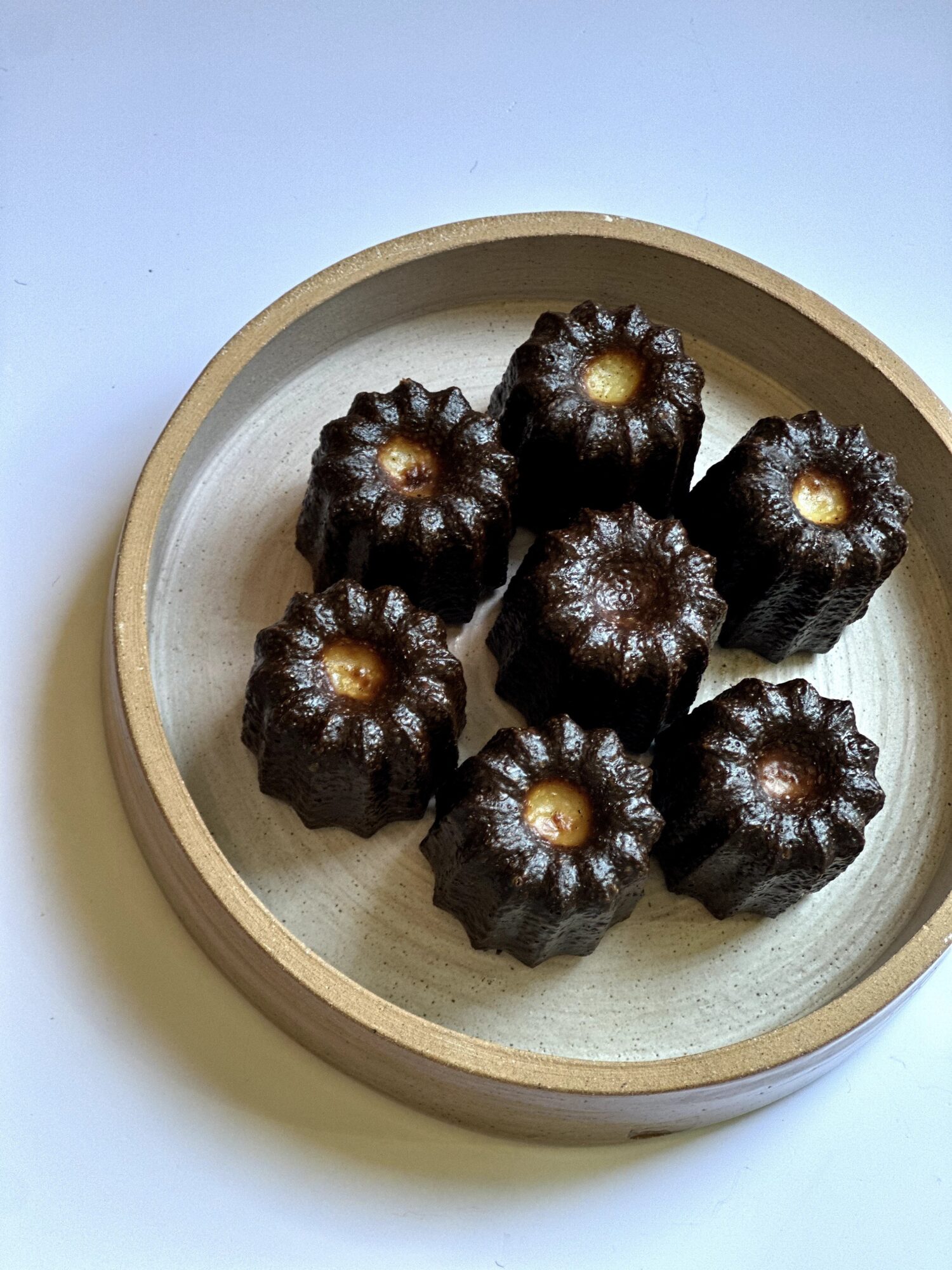
What we’re known for is cheesecake. Beyond that, madeleines and canelés — French classics done properly — and a rotating set of flavors that come from where I’m from: black sesame, yuzu, matcha, ube, hojicha. On the café side, drinks like our iced injeolmi(a Korean rice cake coated in roasted soybean powder; toasty, nutty, lightly sweet) matcha with a cream top.
What sets us apart is less about a signature item and more about a set of rules we don’t break. Valrhona chocolate. Real AA-grade vanilla. Organic ingredients where it matters. Canelés are sold the day they’re baked and never carried over. Our madeleines use almond marzipan we make in house. None of that is the cheap way to do it, and that’s precisely the point — I decided at the very beginning that I would only serve what I’d feed my own family, and every year since, that decision has had to survive a cost conversation. It always has.
The thing I’m proudest of brand-wise is that we didn’t treat Asian flavors as a gimmick. A lot of places use them as a novelty line. For us it’s the actual identity of the menu, executed with real French technique. Black sesame isn’t our fun item — it’s who we are.
That standard is also why we’ve been trusted outside our own four walls. We supply desserts to restaurants around San Diego, including Sushi Ota and Moment Sushi — kitchens that are exacting about what goes out under their name. We also do corporate gifting through the holidays, and pre-orders for seasonal items open ahead of every major holiday.
What I’d want your readers to know: this is a small business run by one person who is still in it every day. If something isn’t right, tell us — it comes straight to me. You can find us at both locations, or on Instagram at @thecakerysandiego.
We all have a different way of looking at and defining success. How do you define success?
I’ve changed my answer to this a few times.
In the beginning, success was someone I’d never met paying money for something I made at home. That was it. That felt enormous, and honestly it still does.
Then it became the store. Then two stores. But I’ve learned that opening things is not the same as building something — anyone can open. Staying open, at your own standard, for years, is the actual work.
So now I define it three ways.
The first is a test I can measure: can I be gone for a week and have everything still be right? Not “fine” — right. The same canelé, the same espresso, the same greeting at the counter. If that’s true, then what I built is a business. If it’s only true when I’m standing there, then I don’t have a business, I have a very demanding job. That’s the line I’m working toward.
The second is people, and it’s the one I didn’t expect to care about this much. Money you can earn back. People you can’t. Success to me looks like a team that grows here instead of just passing through — someone who started on register and now runs a station, someone who leaves for something else and still comes back to visit. And on the other side of the counter, a customer who doesn’t just return, but brings their own people. You can’t buy either of those with marketing. They only come from being consistent with people over a long time.
The third one isn’t measurable at all. My daughter is still young. Someday she’ll decide what she thinks about all of this — the hours, the early mornings, what her mom chose to do. I want her to look at it and see that you can hold a standard, treat people well, and still make it work. If she takes that away from it, that’s success, whether or not we ever open a third location.
The revenue matters. It just isn’t the scoreboard I check first.
Pricing:
- Slice of Cheesecakes $8.5-$9.75
- Whole Cheesecakes $55-$75
- Madeleines $4-$4.75
- Canelé $4
Contact Info:
- Website: https://www.thecakerysd.com
- Instagram: https://www.instagram.com/thecakerysandiego?igsh=NTc4MTIwNjQ2YQ%3D%3D&utm_source=qr
- Yelp: https://yelp.to/kyKPGoIDuV