



Today we’d like to introduce you to Melinda Trembly.
Hi Melinda, please kick things off for us with an introduction to yourself and your story.
I studied interior design in school and started my career as an interior designer at a well respected architectural firm here in Santa Barbara. So the design training was always there. What I didn’t expect was the sideways path Rincon Road would take to get built.
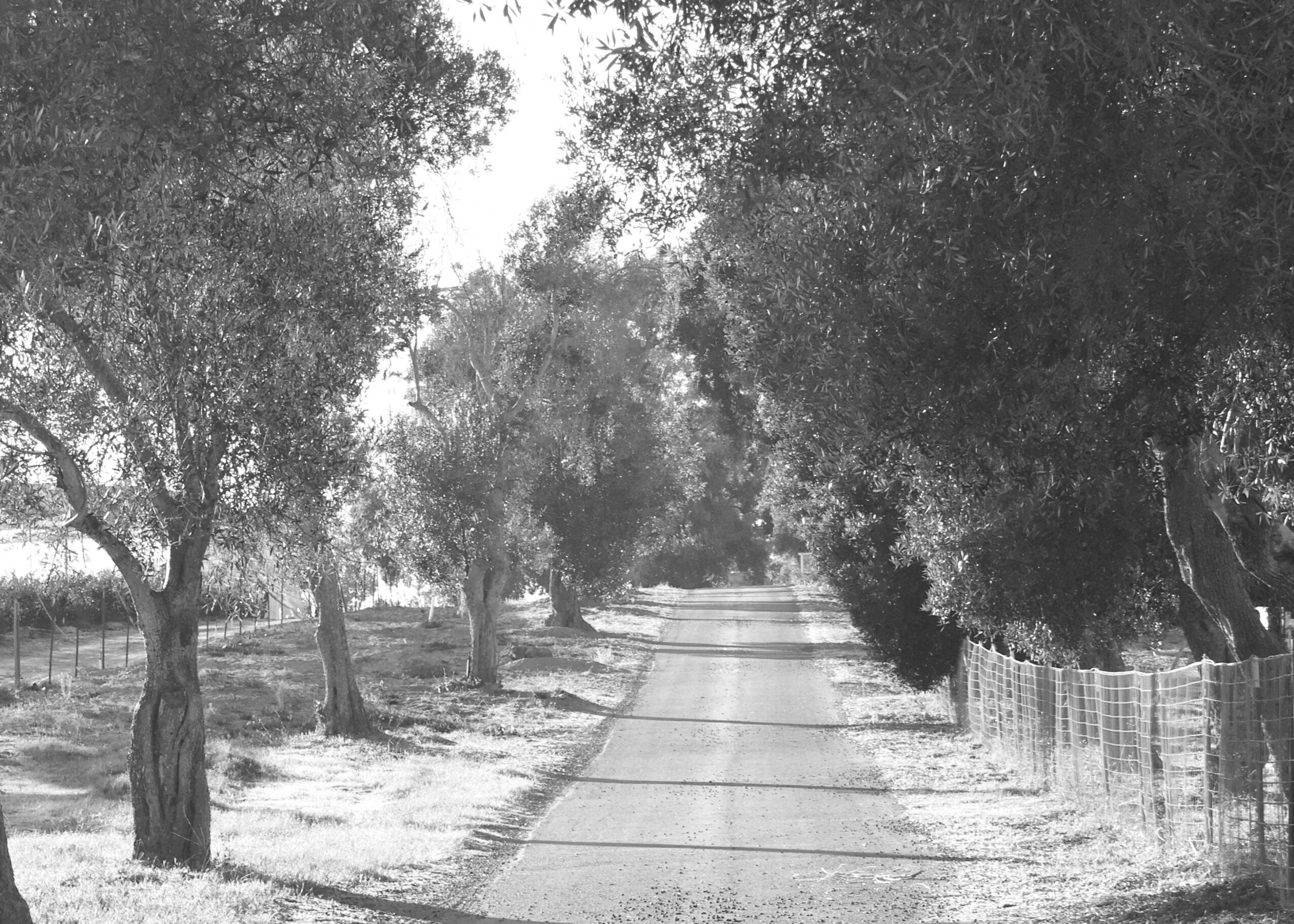
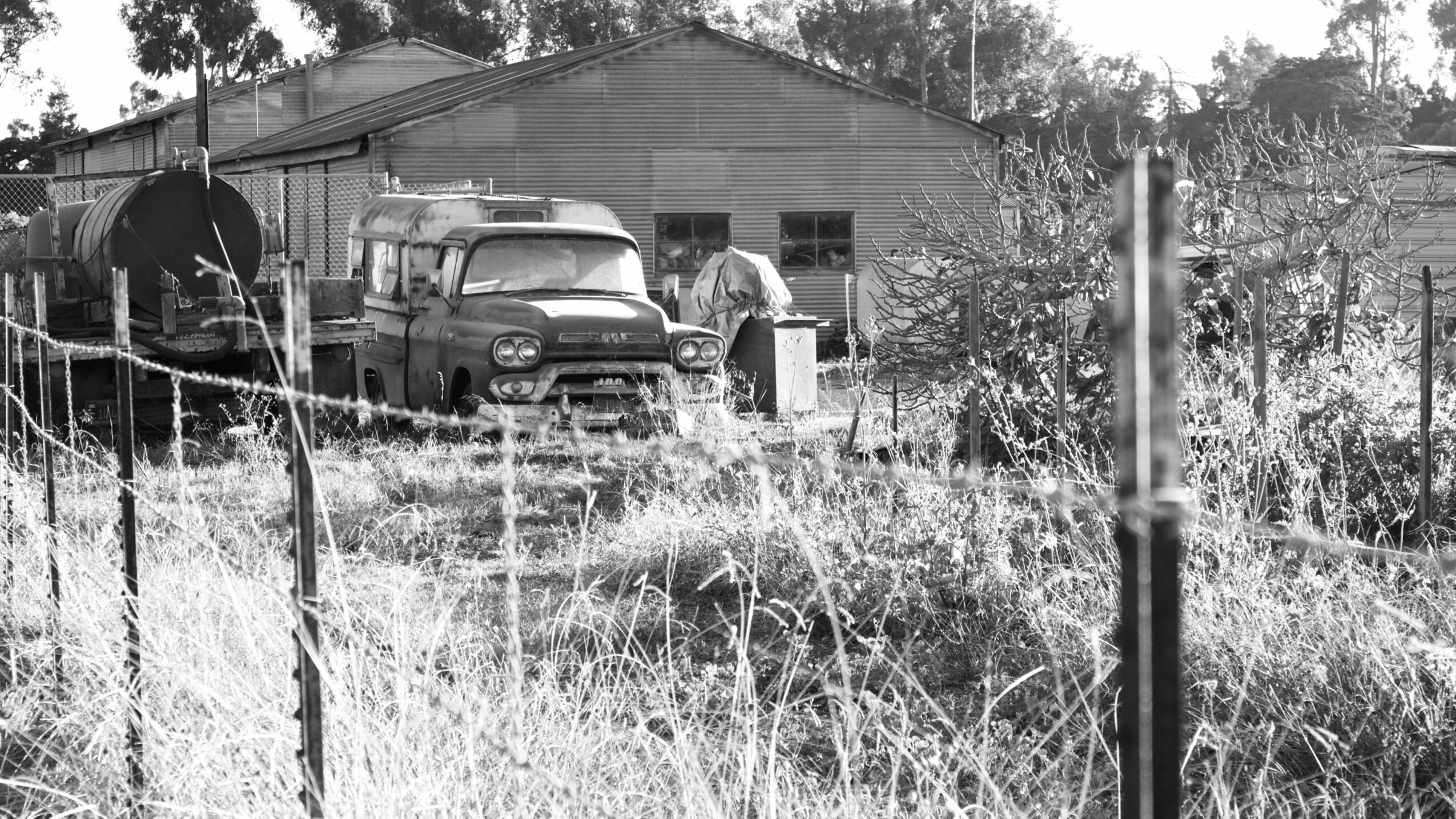
I left the firm on maternity leave after my daughter was born, and I never quite went back. While I was home with her, I started block printing. It began small, a line of note cards called “My Way Home,” each one a piece of the drive between our house and everywhere else. Our row of mailboxes. An old truck parked in the same spot on a neighboring farm every single day. An olive tree at the turn we called Olive Tree Road, because there are no street signs out here, only landmarks you learn by heart. A tractor. An anise flower growing wild on the shoulder. All the things I passed on my way home, printed by hand and sold on Etsy and in a few local boutiques.
It grew into tea towels, children’s shirts, more designs, always rooted in the same idea. Real places. Real memory. Nothing invented.
As my kids got older, I slowly began taking on interior projects again, this time on my own. The first was a heritage beach house for a family friend, and my training came right back to me, translating a client’s scattered thoughts and feelings about a space into something a contractor could actually build. That work became the majority of my time, and the block printing quieted.
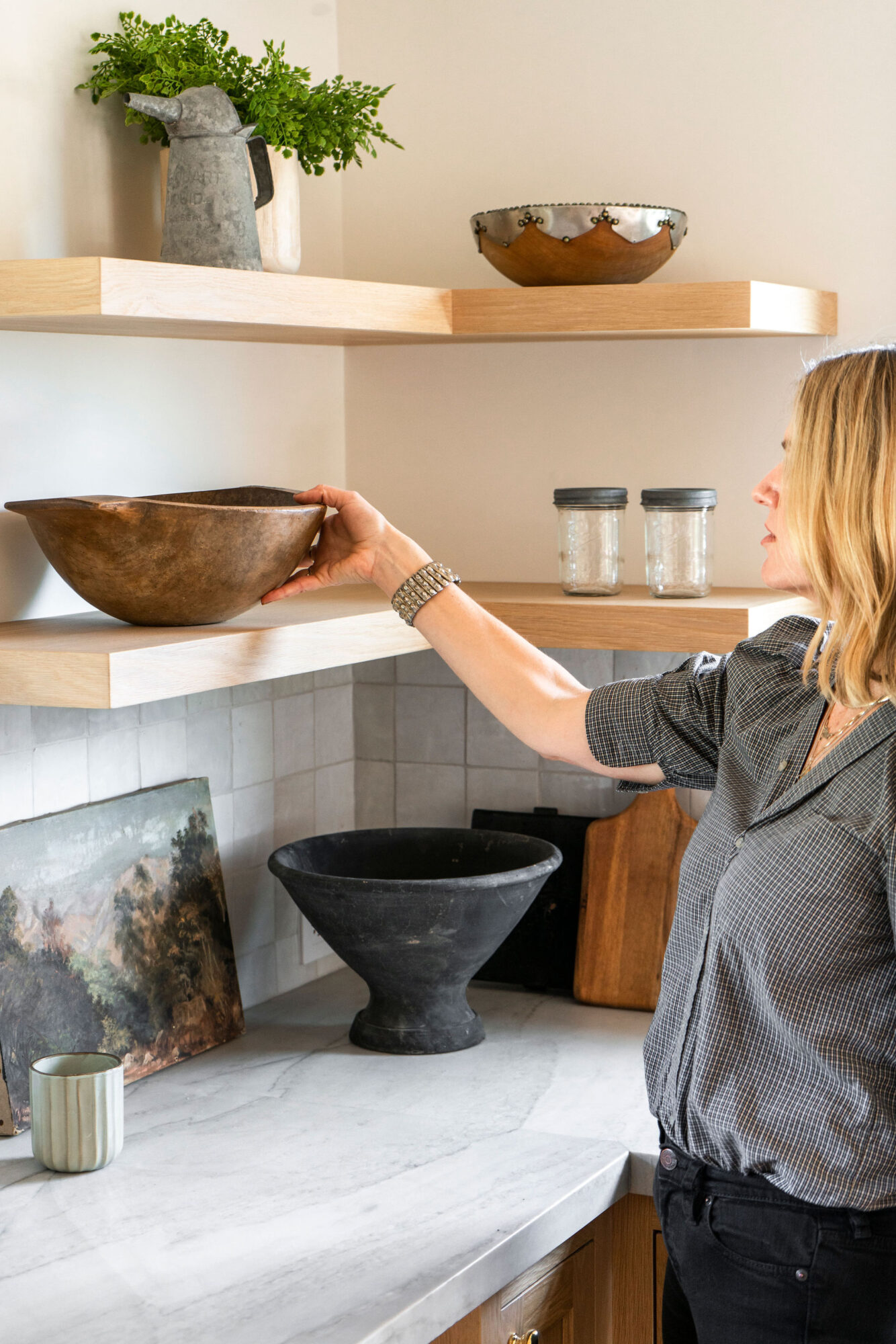
Now, with the addition of RR Collection, I’ve found my way back to that early creative instinct, sourcing and gathering objects with their own history and story. It’s filled a void I didn’t fully realize was there. Rincon Road, as it exists today, is really just this same throughline. Paying attention to what’s already meaningful, and helping it come forward.
Alright, so let’s dig a little deeper into the story – has it been an easy path overall and if not, what were the challenges you’ve had to overcome?
Smooth isn’t the word I’d use. Honest is closer.
The early years were built on naptime. I was a naptime warrior, running the whole operation on little sleep and a lot of creative obsession. Not much has changed there, except now there’s no naptime to warrior through.
The harder shift wasn’t the business, it was the role. Leaving a firm where the workflow is handed to you, and stepping into a life where you’re the creative director, the marketing officer, the operations person, the finance person, the CEO, all before you’re mom, wife, daughter. I won’t sugarcoat it. That’s a lot to hold, and self doubt as a creative never fully goes away. I’m still learning to trust my gut when I make something, every time.
Building a client base here has been the slowest part, and I think that’s true for anyone doing this work in Santa Barbara. Most people only build or remodel a home once in their life. It’s not a repeat purchase, it’s a once in a lifetime decision, so referral and trust are still the biggest force in this market, more than any campaign or clever marketing ever will be. People don’t want to be sold to, they want to know you, and that’s something I don’t think you understand unless you grew up here. But people also need to know you exist. Finding that balance, being visible without ever selling, is still a fine line I walk every day.
As for balance, there isn’t any. There’s just priorities, and staying true to what matters, and trusting that everything gets its turn. Something always gets more attention and something always gets less. That’s the reality of doing this alone.
The feast or famine pattern is real too, but I’ve learned it has less to do with workload and more to do with where you spend your energy. You can’t be an island. You have to stay in the conversation, stay connected, stay part of the community, even when you’re busy. Especially when you’re busy. The famine usually shows up when I’ve buried myself in the work and forgotten to be out in the world, connecting with people. That’s a lesson I keep having to relearn.
And pricing has always been something I sit with honestly. Interior design at the level I hold myself to isn’t fast and it isn’t easy, and that has a cost. But I don’t want this world to only be for the people who can afford a full remodel. I’m working on different tiers, different entry points, so that someone earlier in their journey, someone who maybe doesn’t have the budget yet, the way I didn’t, can still bring home one piece that sparks something. That’s the goal for RR Collection too. A way into this world at any level. Explaining the real value of what a designer does, that’s the ongoing struggle. But I think it’s worth fighting for.
Appreciate you sharing that. What should we know about Rincon Road Design Studio?
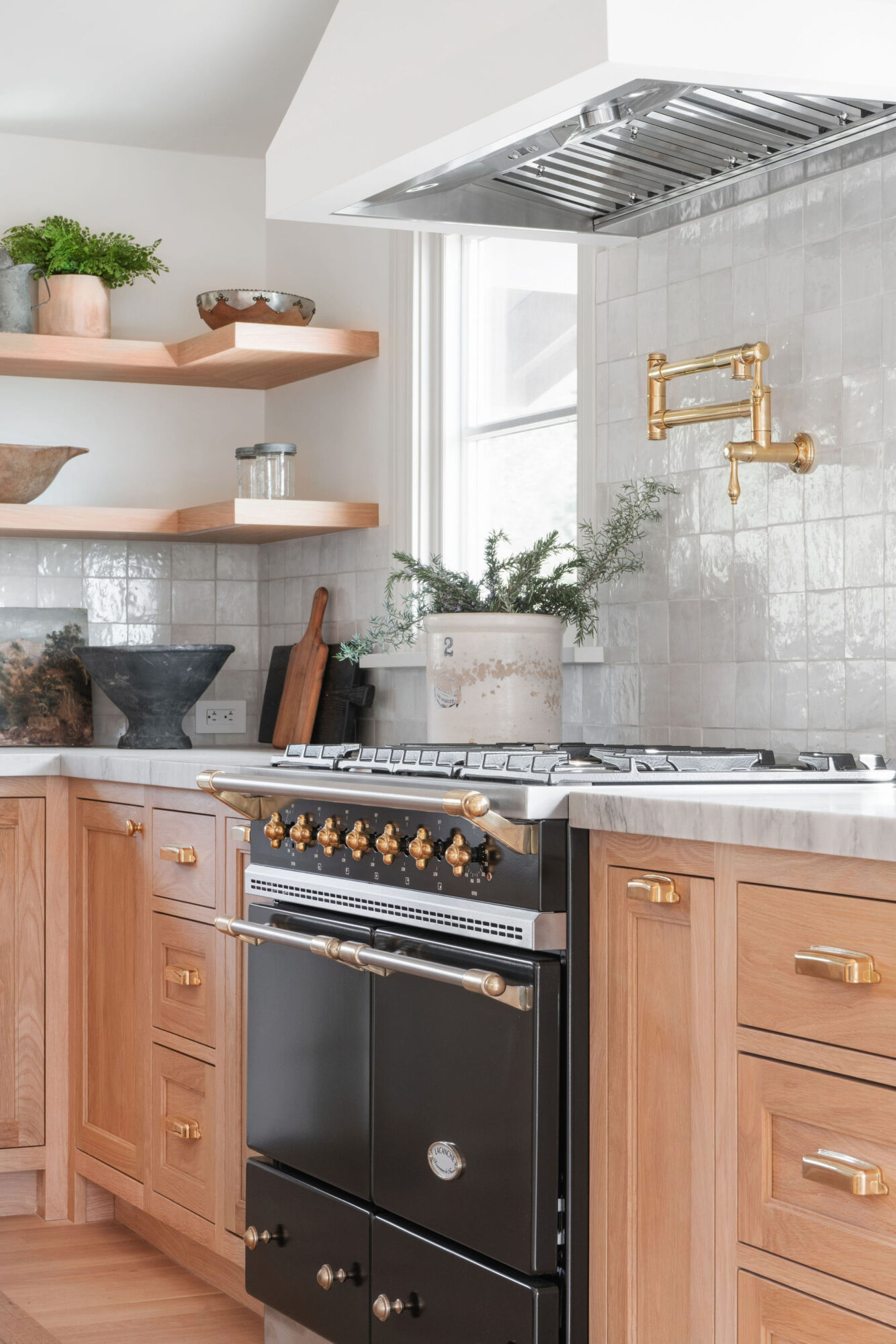
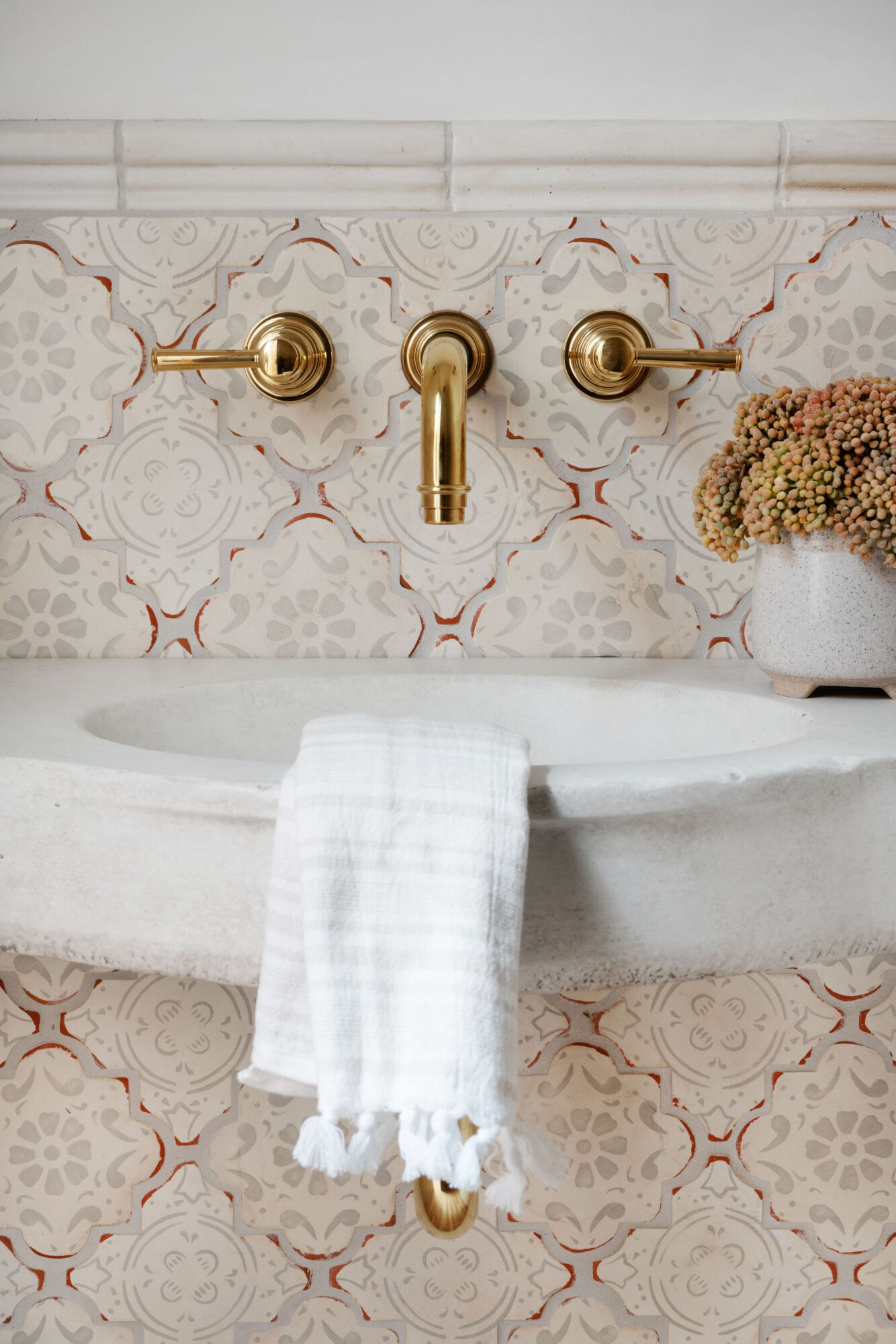
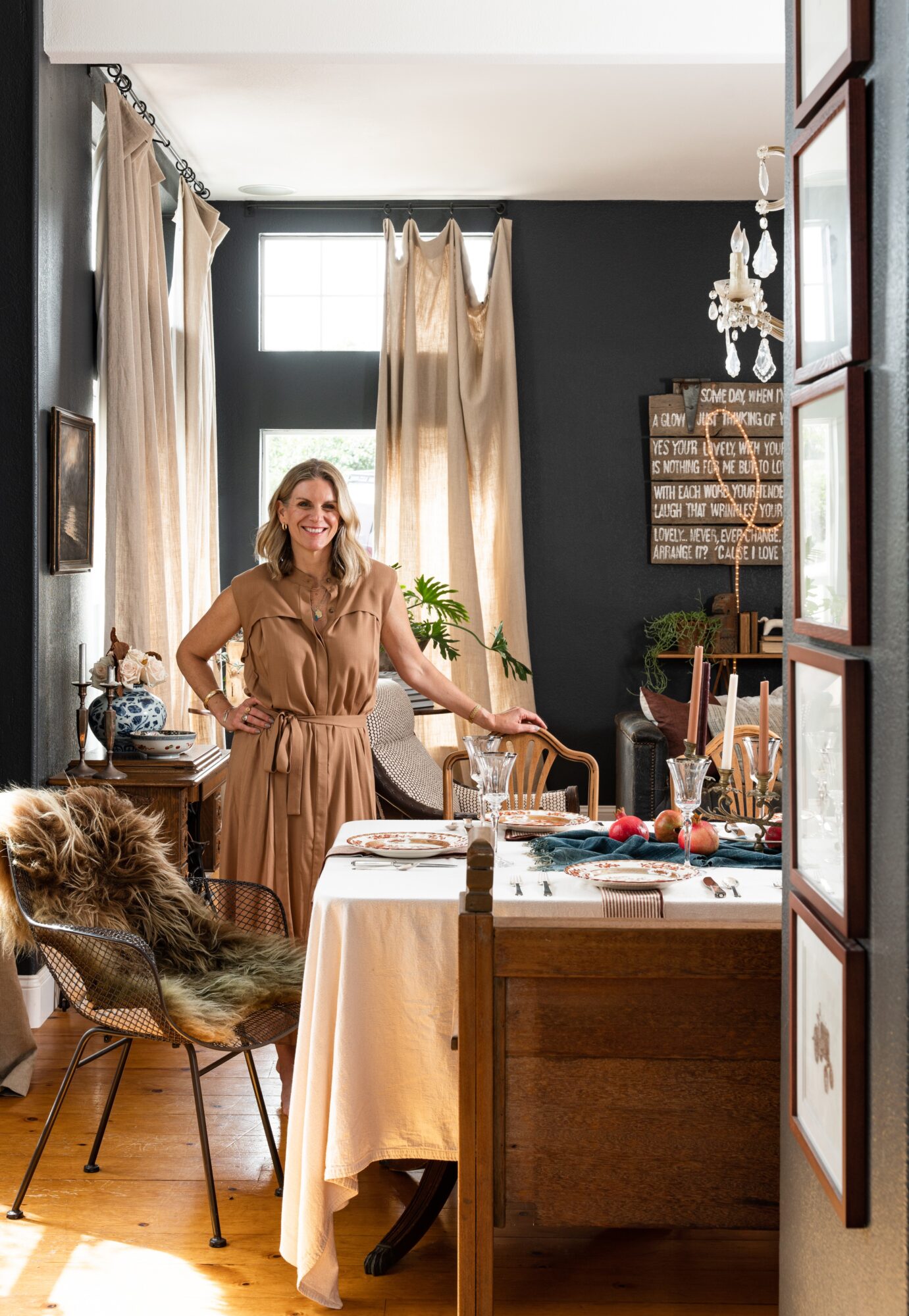
Rincon Road is a full-service interior design studio, but the way I describe it to myself is a little different. We design homes that feel like they already remember you.
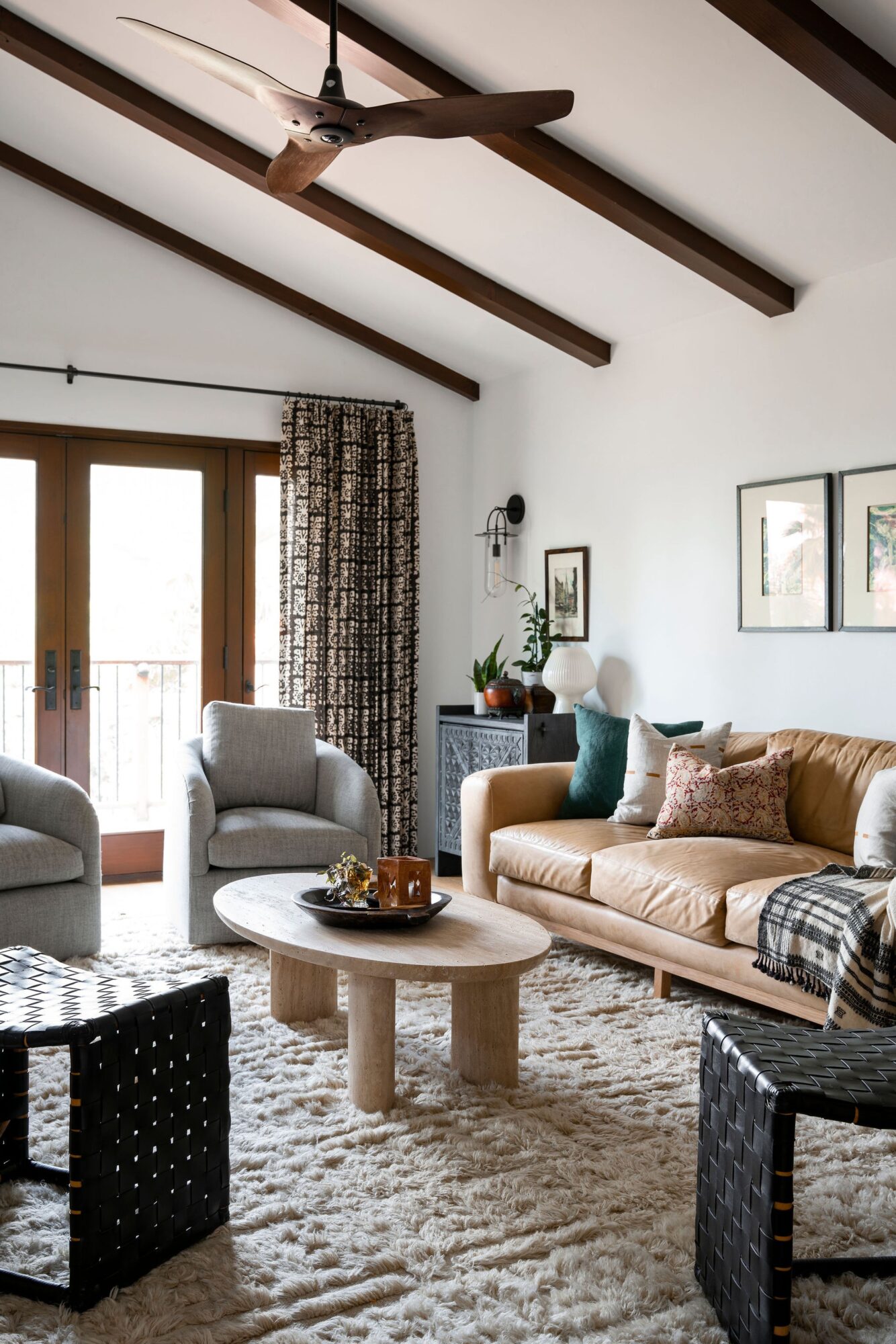
What that means in practice is that I don’t start with a look or a style. I start with a life. Before I ever talk finishes or furniture, I want to know the objects a family has carried with them, the places that shaped them, the way they actually live day to day, not the way a magazine says they should live. The design comes after that, built from someone’s real history rather than handed to them from a mood board.
I think what sets us apart is that restraint. Santa Barbara and Montecito have no shortage of beautiful homes, but beautiful and deeply personal are not the same thing, and I’ve built this studio entirely around that difference. My clients are usually done with beautiful but empty. They want a home that feels lived in, lasting, and unmistakably their own, something that could belong to no one else.
What I’m proudest of, brand wise, is that Rincon Road has never chased a trend to stay relevant. Every room we’ve made still feels true years later, because it was never built around a moment, it was built around a family.
The thing I most want readers to understand is that this isn’t decorating for appearances. It’s the careful work of shaping a place that holds memory, reflects who someone really is, and carries their story forward, for them and for whoever comes after them.
And the studio is really just one part of a larger world I’m building. RR Collection, our vintage and antique line, is an extension of that same philosophy, told through objects instead of rooms. It’s all the same instinct. Finding what already has meaning, and helping it come forward.
Can you tell us more about what you were like growing up?
I was an only child, which meant I spent a lot of time at the adult table, listening more than talking. Quiet until I felt comfortable, and then not quiet at all, I was known to break into a full tap dance routine at dinner parties without much warning. Mostly, though, I had my head in the clouds. Always dreaming, always building something.
We traveled constantly for horse shows, my parents bred and showed American Quarter Horses, and I grew up right alongside them, showing my own horses, and raising animals through 4H and FFA. When I wasn’t on a horse, I was rearranging my room or building a fort or starting some new project. I was never without one.
Home base was my family’s avocado farm in Carpinteria, where my dad ranched and farmed. My parents ran a hardware store for a while too, and I loved helping my mom set the displays in the housewares section, arranging things so they told a small story on the shelf. When I wasn’t with my parents, I was with my Noni on her ranch in Ojai, or with her two sisters in Montecito. The name Rincon Road actually comes from that, the backroads between Ojai and Montecito, right in the middle, which is exactly where I grew up.
I rode my horse to friends’ houses, up into the foothills of Carpinteria and Ojai, caught polliwogs in the creeks with my best friend Melissa. It was a real childhood, the kind that felt endless.
But the deepest influence was my Noni and her sisters. They were first generation Americans, daughters of Italian immigrants who lived through the Depression. Their father died in the Great Flu, and my great-grandmother was left to raise five children on her own. She opened her home to boarders, other immigrant workers, while two of the brothers started a trash hauling company and the sisters ran the household and the garden. They passed down a love for handmade things, for perfecting a craft, for the traditions of food that eventually reached my father and then me.
Sunday dinners were sacred. First in Ojai at my grandmother’s, later in Carpinteria at my parents’, but every single week, always the aunties, sometimes a special guest, always a real meal and real stories and a lot of laughing. When I think about what home actually feels like, that’s it. That’s what I’ve been building toward this whole time.
Contact Info:
- Website: https://www.rinconrd.com
- Instagram: @rinconroad