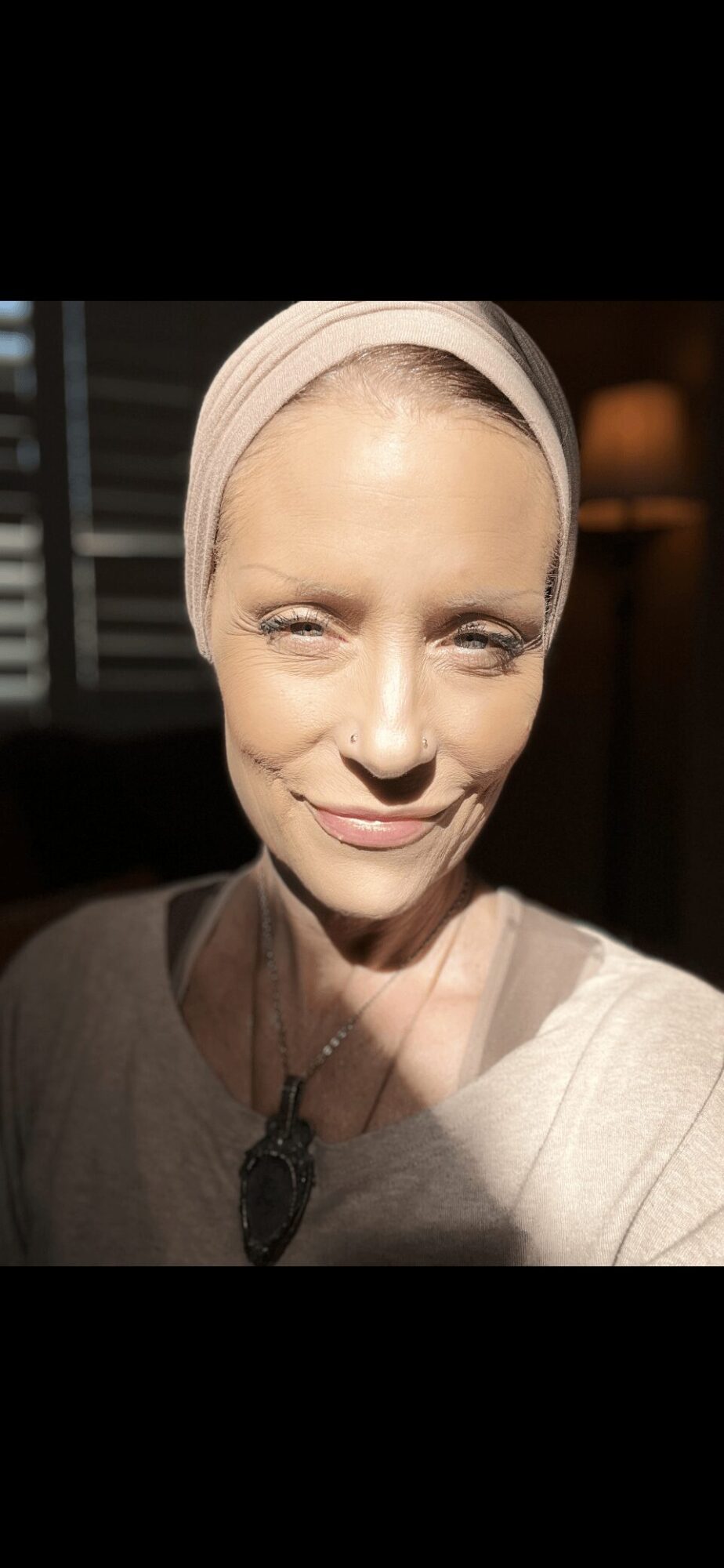




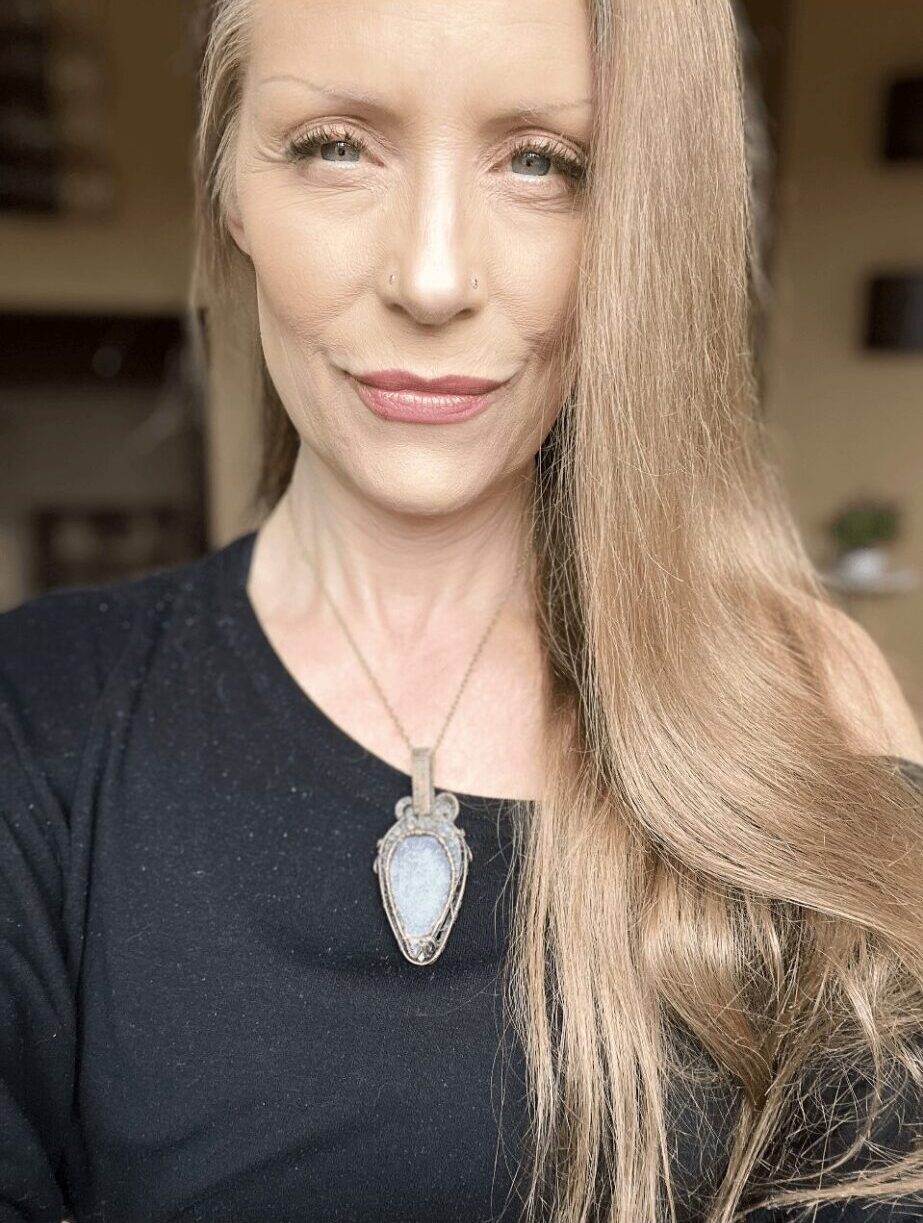
Today we’d like to introduce you to Michelle Giguère.
Alright, so thank you so much for sharing your story and insight with our readers. To kick things off, can you tell us a bit about how you got started?
I’ve been fascinated by consciousness and human perception for as long as I can remember. As a child, I had experiences that I couldn’t explain and didn’t have a framework for understanding. Looking back, I would describe some of those experiences as forms of heightened perception, including what I now understand as remote viewing. At the time, however, I simply knew that I was experiencing the world differently, and those experiences sparked a lifelong curiosity about the nature of healing, consciousness, and reality.
Rather than pulling me away from science, those questions deepened my desire to understand them through a scientific and clinical lens. I became a licensed psychotherapist specializing in trauma because I wanted to better understand the mind, the nervous system, and the remarkable capacity human beings have to heal. My clinical training taught me the importance of careful observation, humility, critical thinking, and allowing evidence to guide understanding rather than rushing to conclusions.
Music has also been a lifelong part of my journey. My background as a musician deepened my appreciation for the ways sound influences emotion, physiology, and human experience. Over time, that naturally evolved into exploring the therapeutic application of sound and frequency as part of an integrative approach to healing.
Along the way, I also spent years investigating reports of unusual phenomena—not to prove or disprove them, but because I wanted to understand them more deeply. Those experiences reinforced my belief that curiosity, careful documentation, and thoughtful inquiry are often more valuable than certainty.
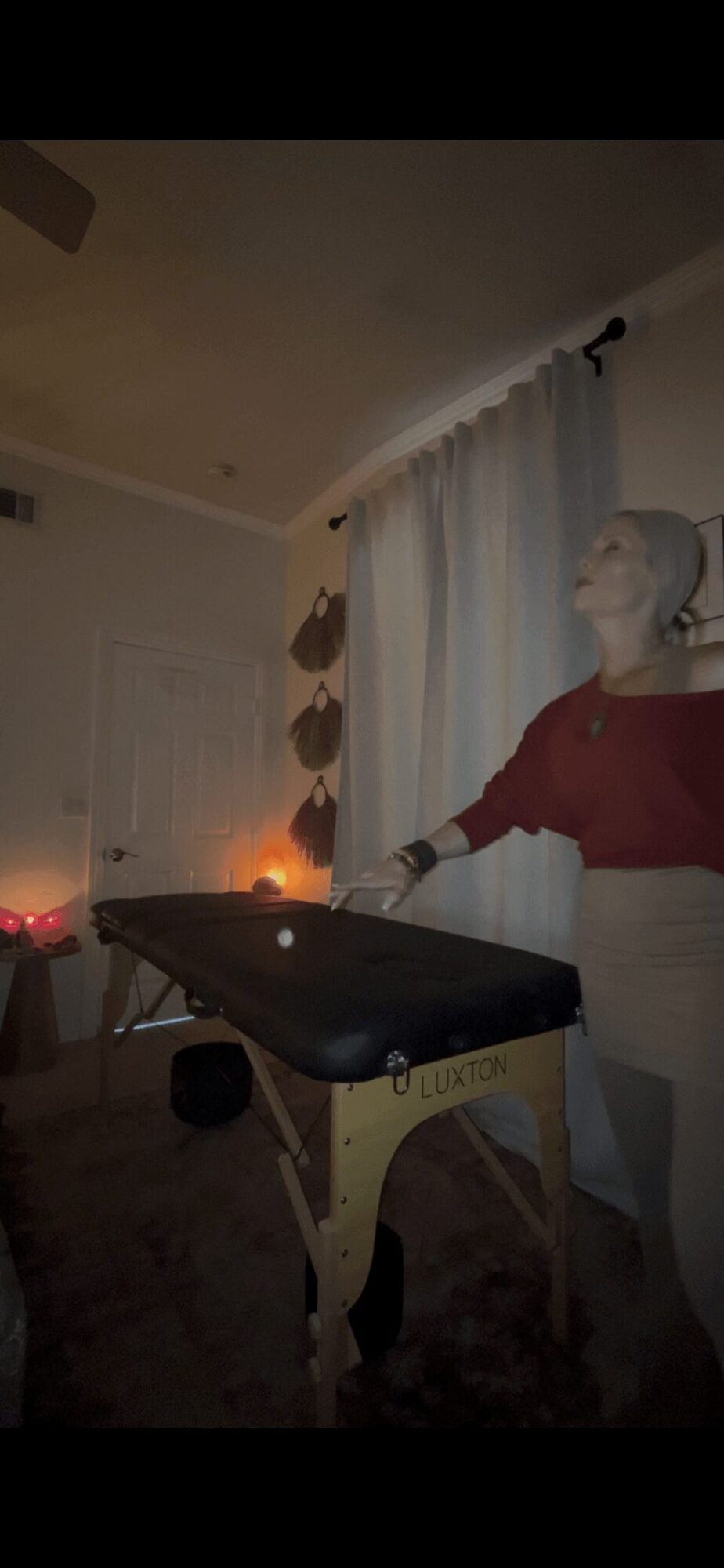
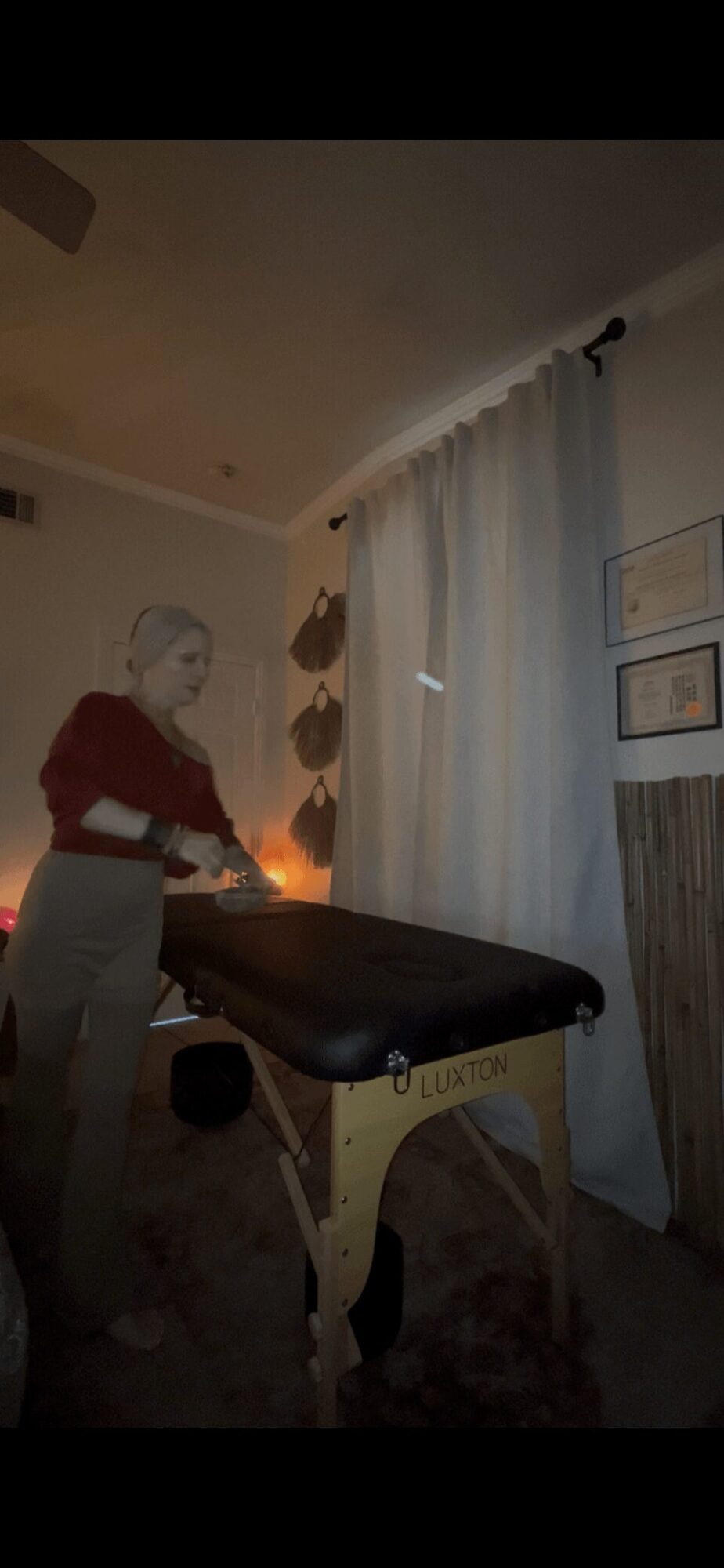
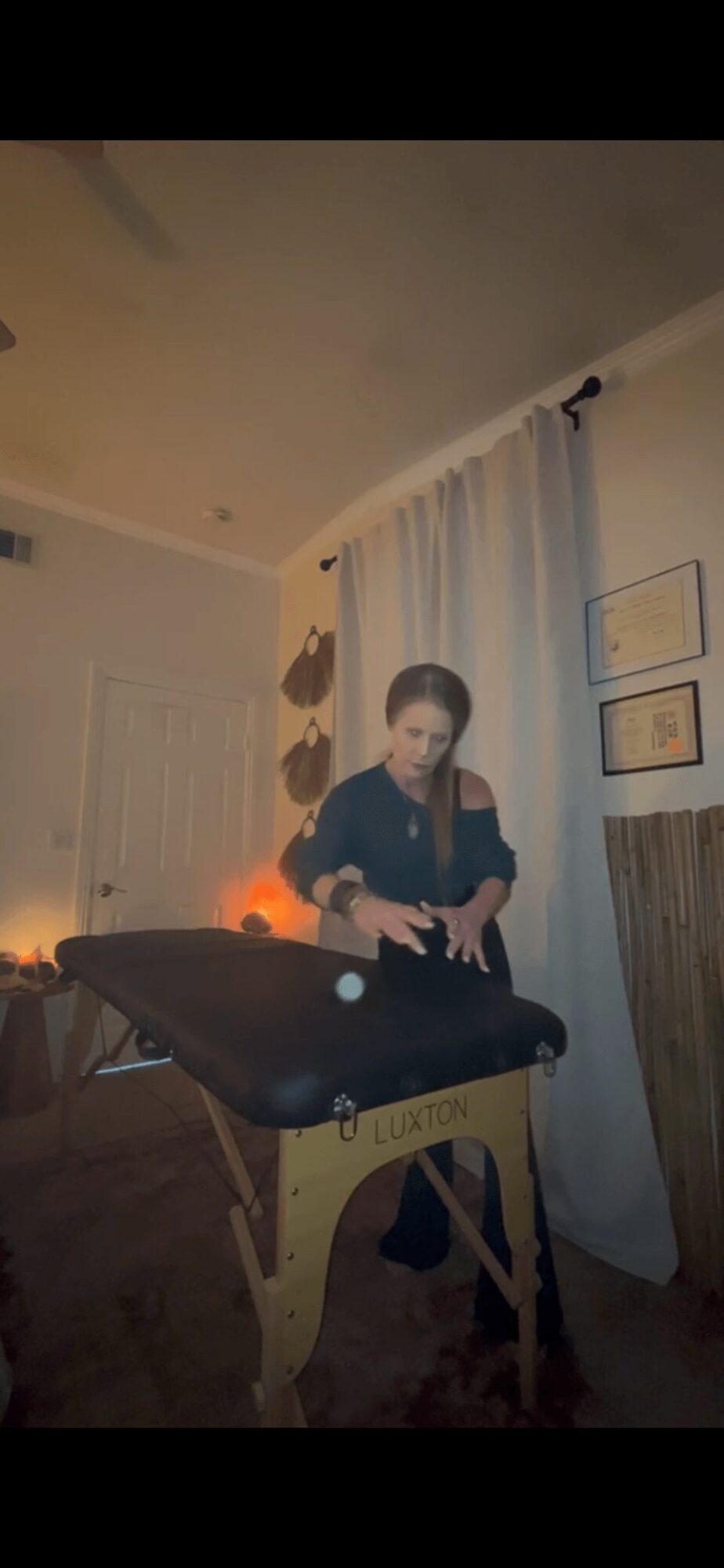
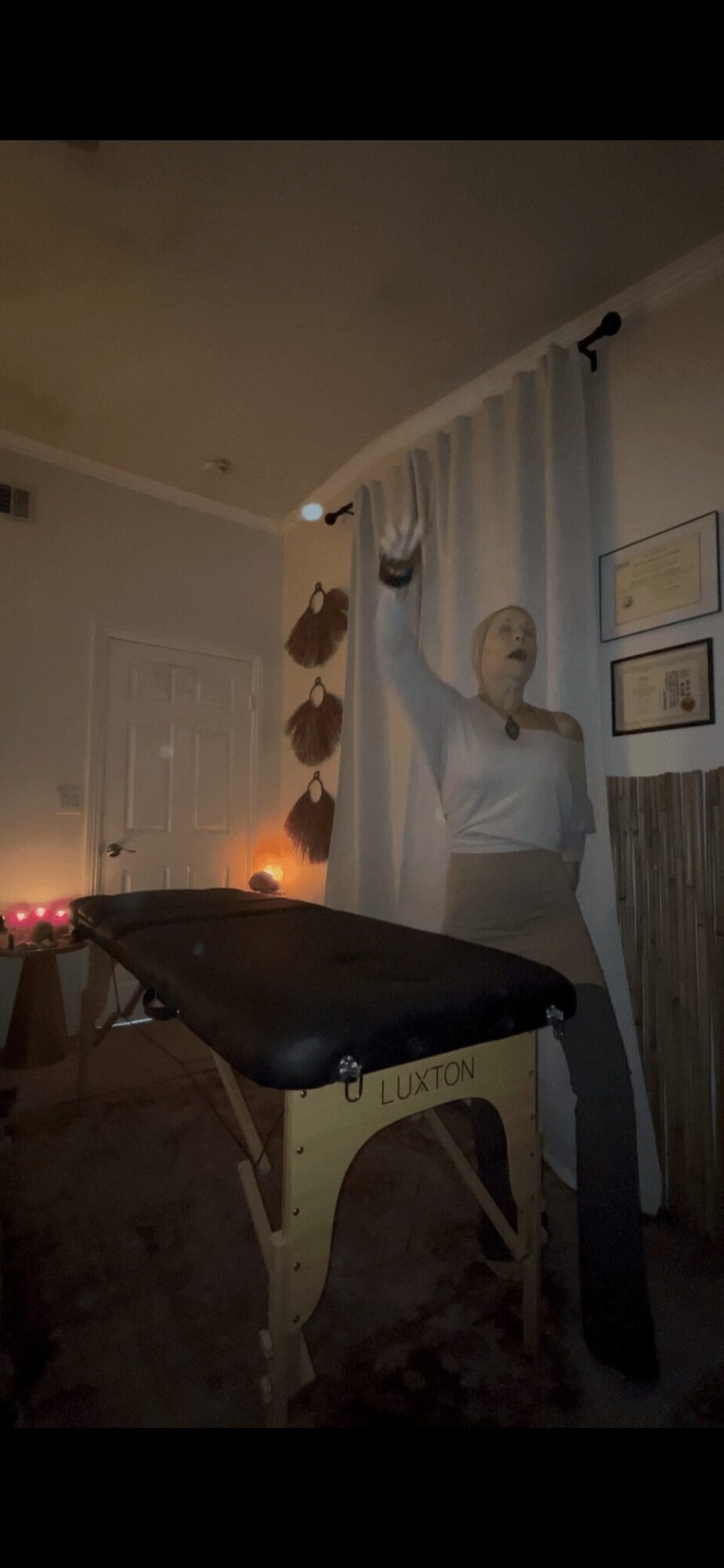
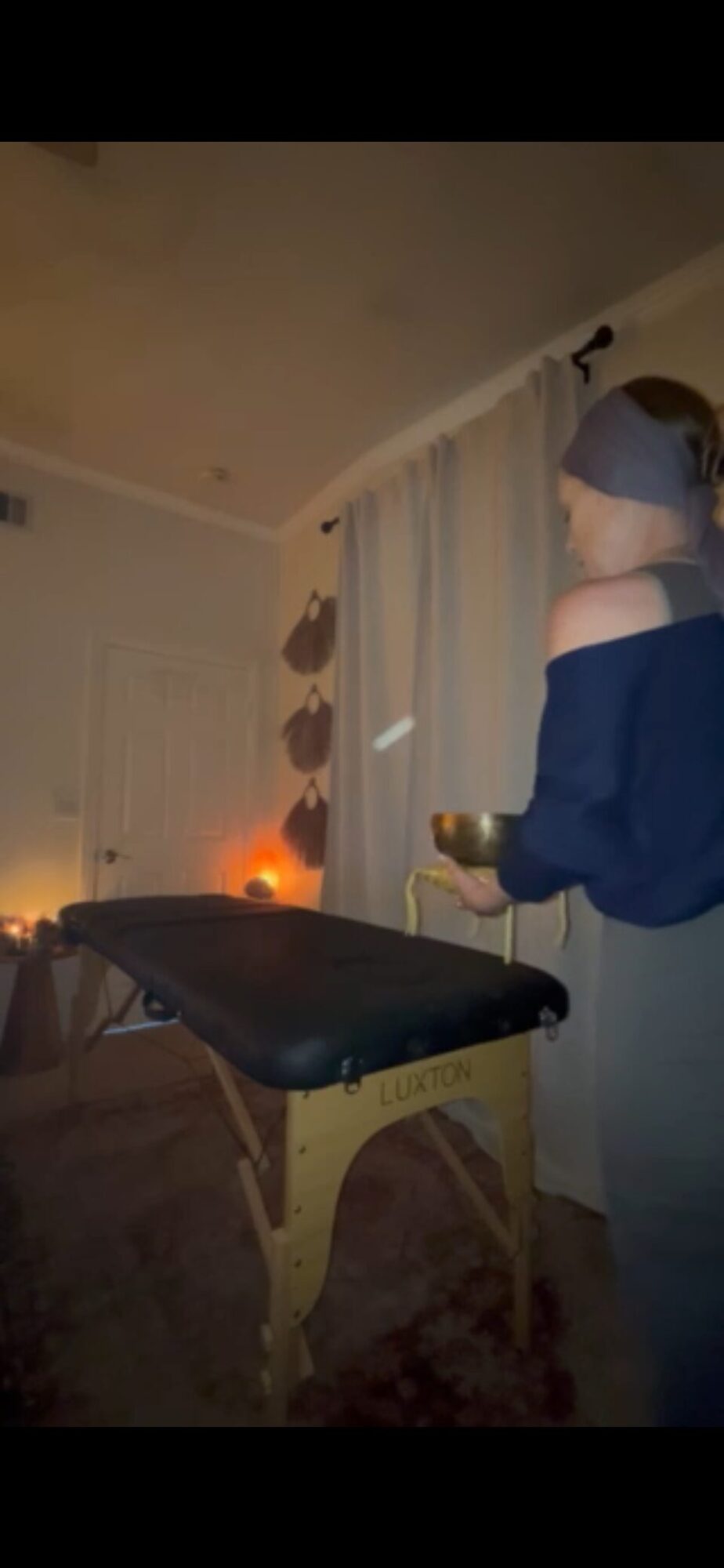
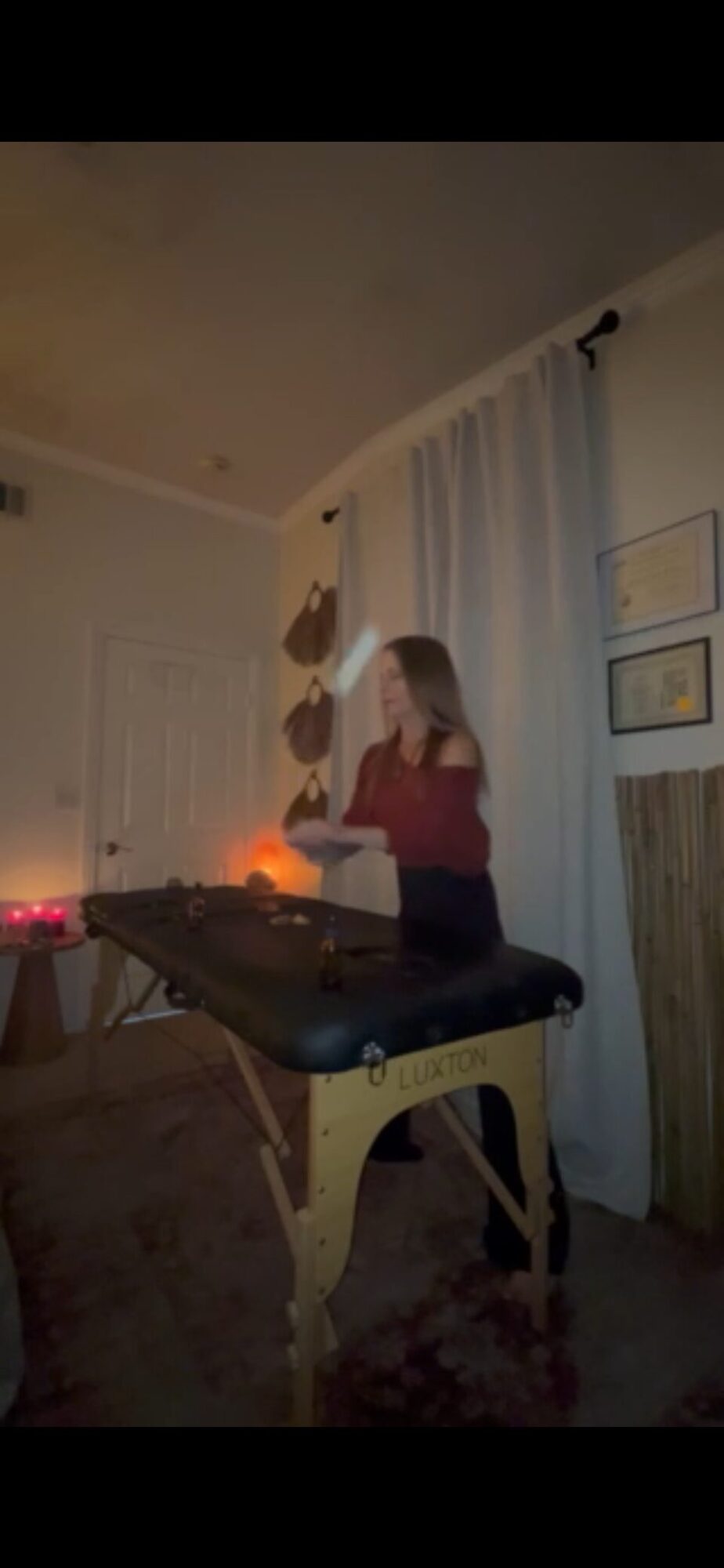
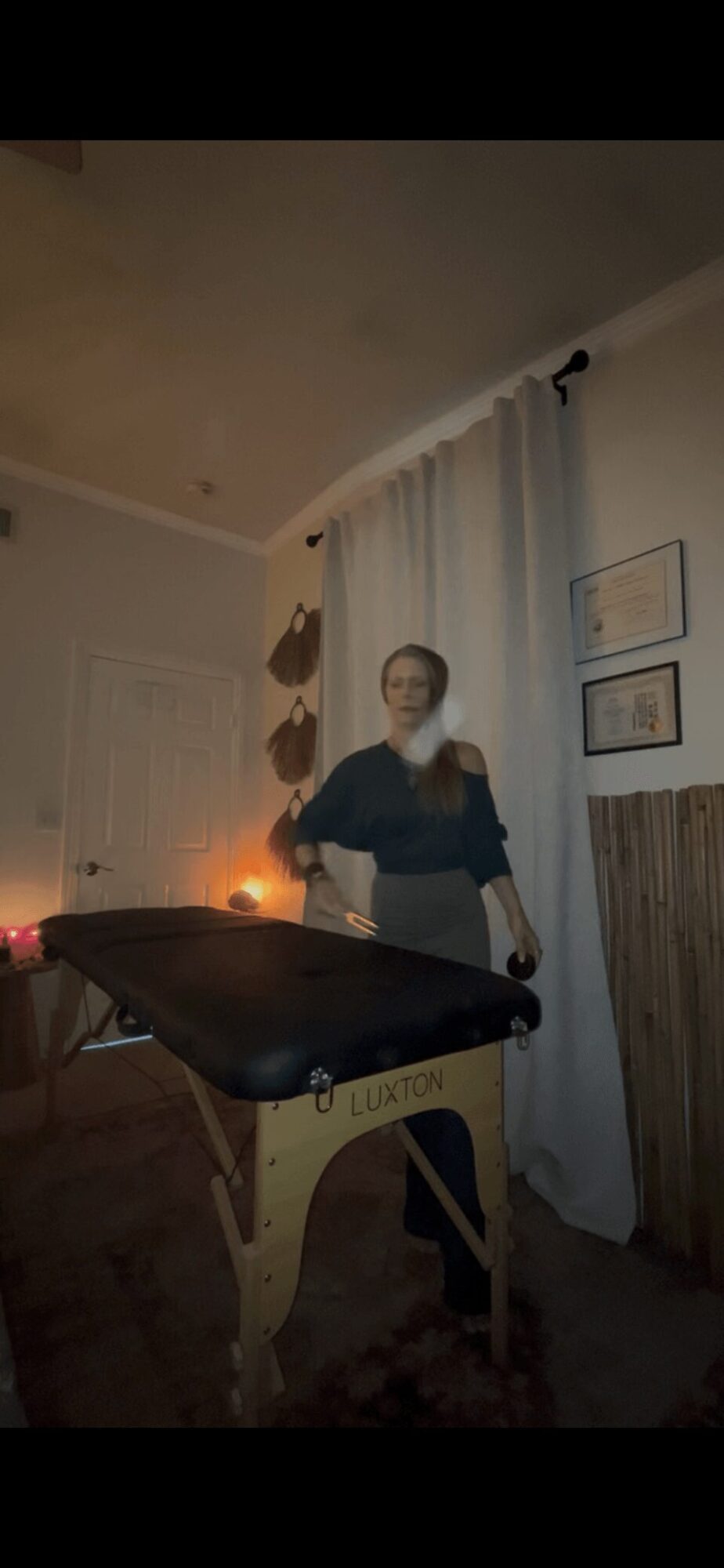
As my work evolved, I developed the RaQuotient Method, an integrative approach that brings together psychotherapy, somatic work, EMDR, sound, and Master level Reiki practices. Through this process I began observing recurring patterns that I couldn’t easily dismiss, including consistent light phenomena appearing during particular phases of healing sessions. Rather than making definitive claims about what these observations represent, I chose to document them. I record full sessions, preserve context, track recurring patterns, and openly share both the healing work and the questions that continue to emerge from it.
An unexpected and meaningful part of this journey has been the people drawn to my practice. While many clients seek support for trauma and healing, others come because they’ve had perceptual experiences they don’t fully understand. Some identify as highly sensitive or naturally gifted in ways that don’t fit neatly within conventional frameworks. My role isn’t to define those experiences for them, but to provide a grounded, psychologically informed space where they can explore them safely, integrate them into their lives, develop discernment, and cultivate their own unique capacities.
Part of my mission is to contribute to a broader conversation about the range of normal human perceptual abilities, healing, consciousness, and the nature of reality. I don’t approach these questions through a religious lens, nor do I believe they belong exclusively within spiritual traditions. My hope is that they continue to become subjects of thoughtful, interdisciplinary exploration—bringing together psychology, neuroscience, consciousness research, and careful observation to better understand the breadth of human experience.
If someone reads my work and leaves feeling more curious than certain, inspired to explore thoughtful questions about the nature of healing, consciousness, reality, and the extraordinary capacities of human perception, then I feel I’ve contributed something meaningful.
Alright, so let’s dig a little deeper into the story – has it been an easy path overall and if not, what were the challenges you’ve had to overcome?
Like many people building something new, there were practical challenges; starting a business, developing a brand, creating educational content, and balancing that work with a full-time career as a psychotherapist. Those experiences taught me patience, resilience, and the importance of trusting that meaningful work unfolds over time.
The deeper challenge, however, was learning to trust my own path.
For many years, my professional life and my personal experiences existed in separate worlds. As a clinician, I was grounded in psychology, trauma treatment, and evidence-based practice. At the same time, I was having experiences and exploring questions that didn’t fit neatly within conventional frameworks. Learning how to honor both without feeling that I had to choose one over the other has been one of the most meaningful parts of my journey.
Perhaps the greatest challenge has been finding language that honors both my clinical training and my lived experience without diminishing either one. I’ve come to realize that they were never in conflict—they were different perspectives informing the same lifelong exploration of healing, consciousness, human perception, and the nature of reality.
Sharing my work publicly has also required vulnerability. Once I began documenting healing sessions, discussing consciousness, and openly exploring questions about human perception, I knew not everyone would interpret the work in the same way. Rather than seeing differing perspectives as obstacles, I’ve come to view them as opportunities for thoughtful dialogue. My goal has never been to persuade people to adopt my perspective, but to invite curiosity, careful observation, and meaningful conversation.
Building RaQuotient has been a gradual process of integration. Through clinical practice, continued learning, writing, documenting, creating educational content, and listening to the experiences of those I work with, my philosophy has continued to evolve. I’m grateful that it didn’t happen overnight because each stage has helped clarify not only what I do, but why I do it.
Looking back, I see every challenge as an invitation to grow. They strengthened my commitment to integrity, deepened my trust in my own voice, and reinforced the importance of remaining curious, humble, and willing to continue learning. If my work encourages others to approach healing, consciousness, and the extraordinary capacities of human perception with greater curiosity and openness, then I believe those challenges have been well worth the journey.
Alright, so let’s switch gears a bit and talk business. What should we know?
RaQuotient was created from a simple but profound question: What if healing is more expansive than our current models allow us to understand?
At its core, RaQuotient is an integrative healing methodology that brings together psychotherapy, trauma informed care, EMDR, somatic approaches, sound, and consciousness informed healing practices. As a licensed psychotherapist, I have spent years specializing in the treatment of PTSD, complex trauma, and nervous system regulation. That clinical foundation informs everything I do. My goal has never been to replace conventional psychology. Instead, it is to build upon it by exploring additional dimensions of healing and human perception through careful observation, documentation, and thoughtful inquiry.
One of the qualities that sets RaQuotient apart is my commitment to transparency. Rather than simply describing my work, I document it. Through full length healing sessions, educational content, written articles, and ongoing observations shared on my website and YouTube channel, I invite people to witness the process for themselves. Whether someone interprets what they observe through psychology, consciousness studies, neuroscience, spirituality, or another perspective, my hope is that they engage with the work thoughtfully and draw their own conclusions.
Over time, RaQuotient has become more than a healing practice. It has evolved into an educational platform and an expanding body of work exploring the nature of healing, consciousness, human perception, and reality. Through individual psychotherapy, integrative healing sessions, Zero Point group experiences, and educational resources, I work primarily with adults navigating trauma, PTSD, nervous system dysregulation, and personal transformation. Many people are also drawn to my work because they identify as highly sensitive or have perceptual experiences they do not fully understand. I strive to provide a grounded, psychologically informed environment where those experiences can be explored safely with discernment, compassion, curiosity, and appropriate clinical support when needed. In addition to healing, many clients seek guidance in understanding and developing their own intuitive and perceptual abilities within a framework that emphasizes integration, self awareness, and psychological well being.
What I am most proud of is not a single offering. It is the philosophy that guides all of them. Whether someone attends a healing session, reads a blog article, watches a documented case study, participates in a Zero Point event, or engages in psychotherapy, they will encounter the same commitment to integrity, careful observation, and open inquiry. Every aspect of RaQuotient reflects my belief that healing is deeply individual and that curiosity, compassion, and critical thinking can coexist.
Ultimately, I want people to know that RaQuotient is not asking anyone to suspend critical thinking. In fact, I hope it encourages the opposite. I believe curiosity and discernment can exist together. If my work contributes to a broader conversation about healing, consciousness, the extraordinary capacities inherent in human perception, and the nature of reality, then I believe RaQuotient is fulfilling its purpose.
How do you define success?
Success, to me, is living in alignment with my deepest values and making a meaningful contribution to the lives of others. It is knowing that I have shown up with integrity, remained curious, and stayed true to my purpose, even when the path has been uncertain.
As a psychotherapist, success has always been measured by healing. Watching someone move beyond trauma, reconnect with themselves, regulate their nervous system, and rediscover hope is one of the greatest privileges of my work. Those moments remind me that meaningful change often happens quietly, one person at a time.
As RaQuotient has evolved, my definition of success has expanded. Today, it also includes contributing to a broader conversation about healing, consciousness, human perception, and the nature of reality. If my work encourages thoughtful inquiry, inspires curiosity, or helps someone feel seen in an experience they have never been able to put into words, I consider that deeply meaningful.
I do not measure success solely by numbers, recognition, or growth, although I am grateful when those things create opportunities to reach more people. To me, those are outcomes, not the purpose.
Ultimately, success is creating something that continues to contribute long after I am gone. If RaQuotient helps expand the conversation about healing, supports individuals on their own path, and encourages future generations to approach human consciousness with both curiosity and discernment, then I will feel that I have lived a life of purpose.
Contact Info: