


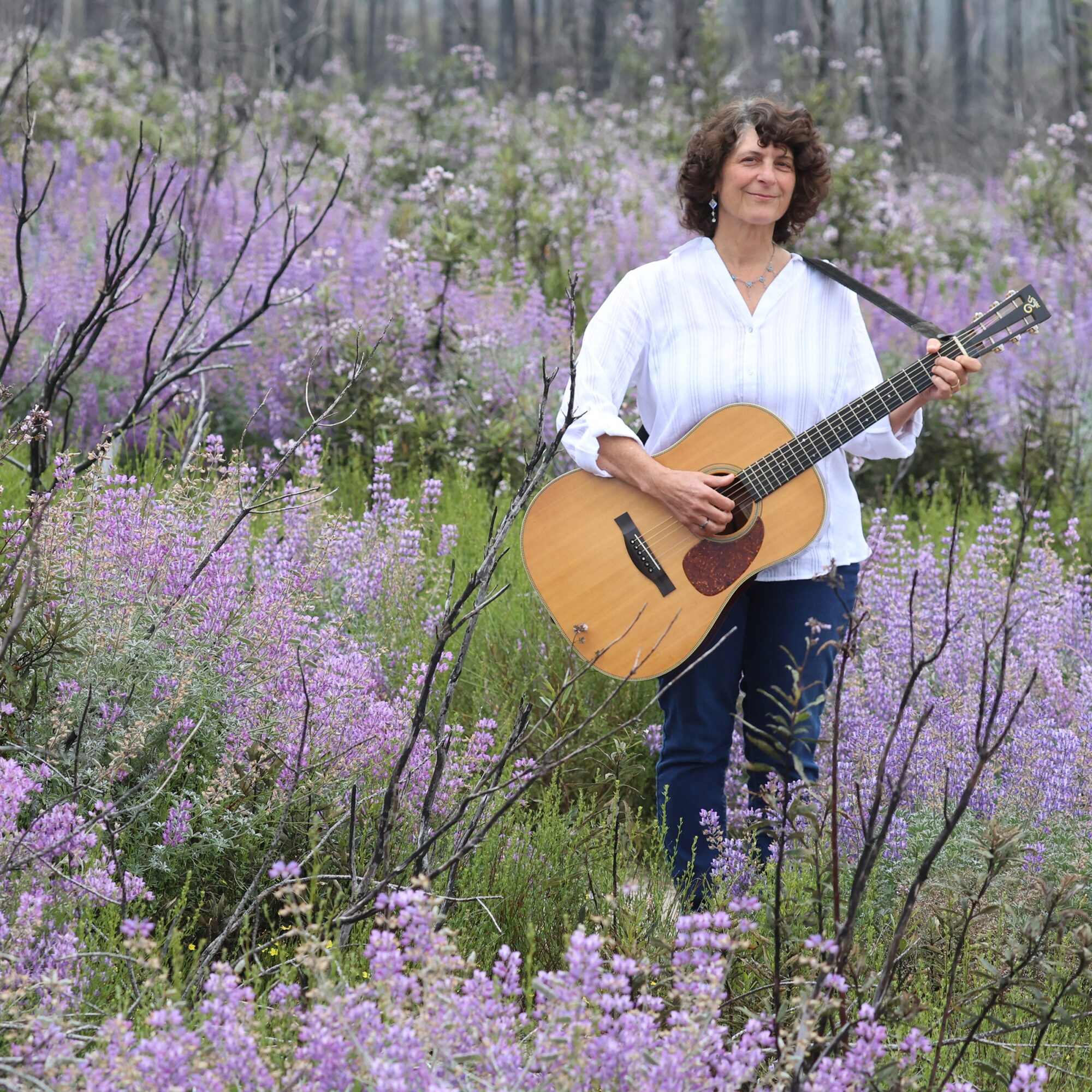
Today we’d like to introduce you to Rachel Goodman.
Alright, so thank you so much for sharing your story and insight with our readers. To kick things off, can you tell us a bit about how you got started?
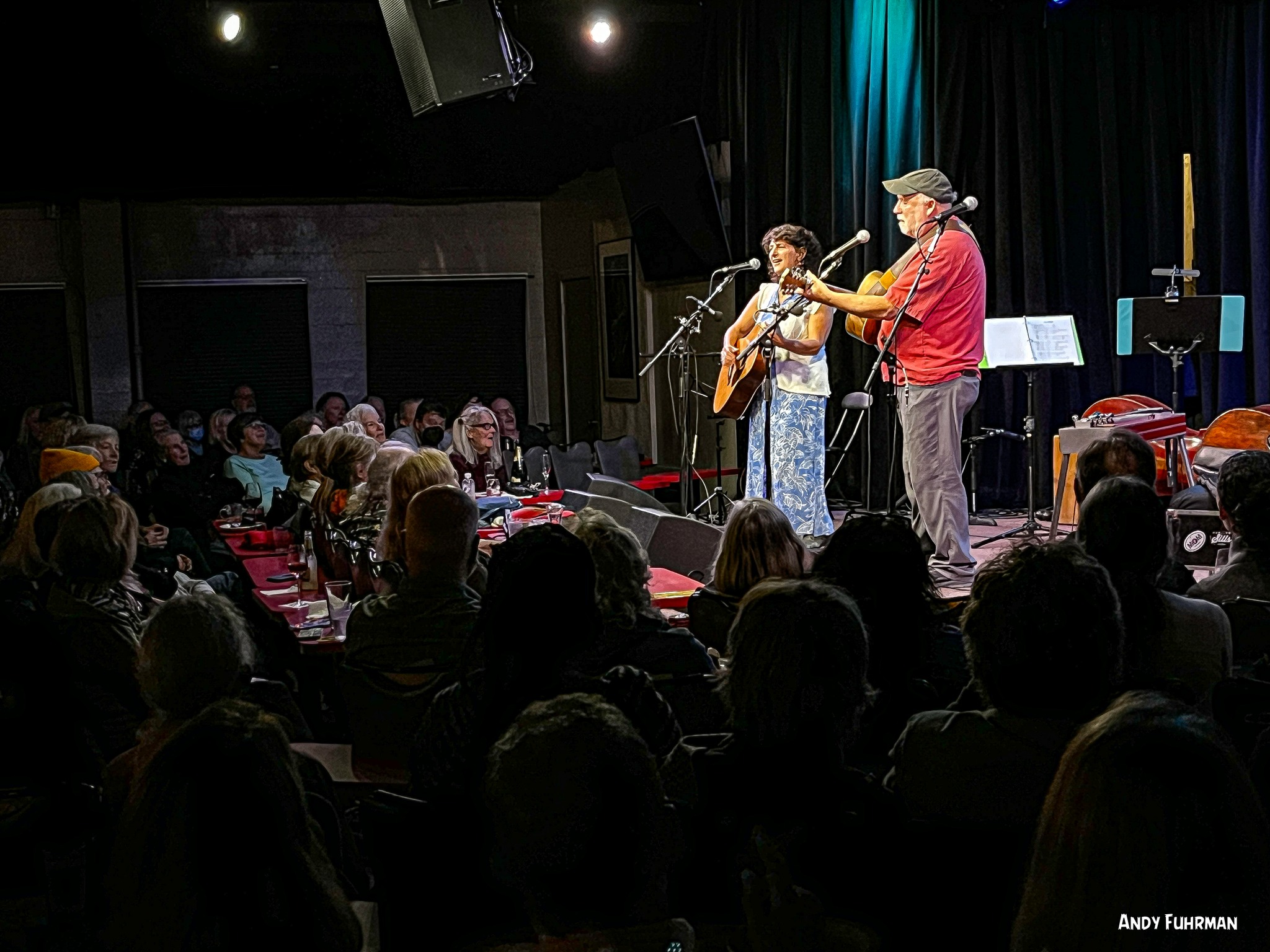
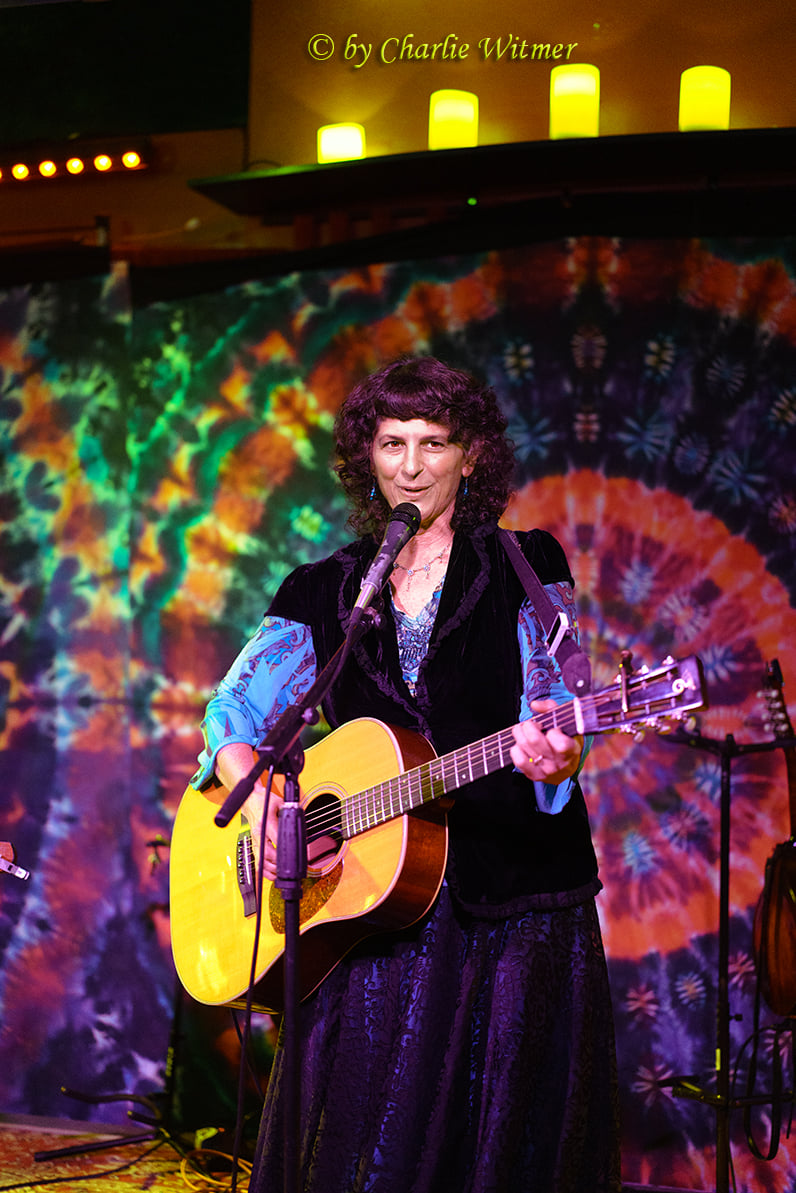
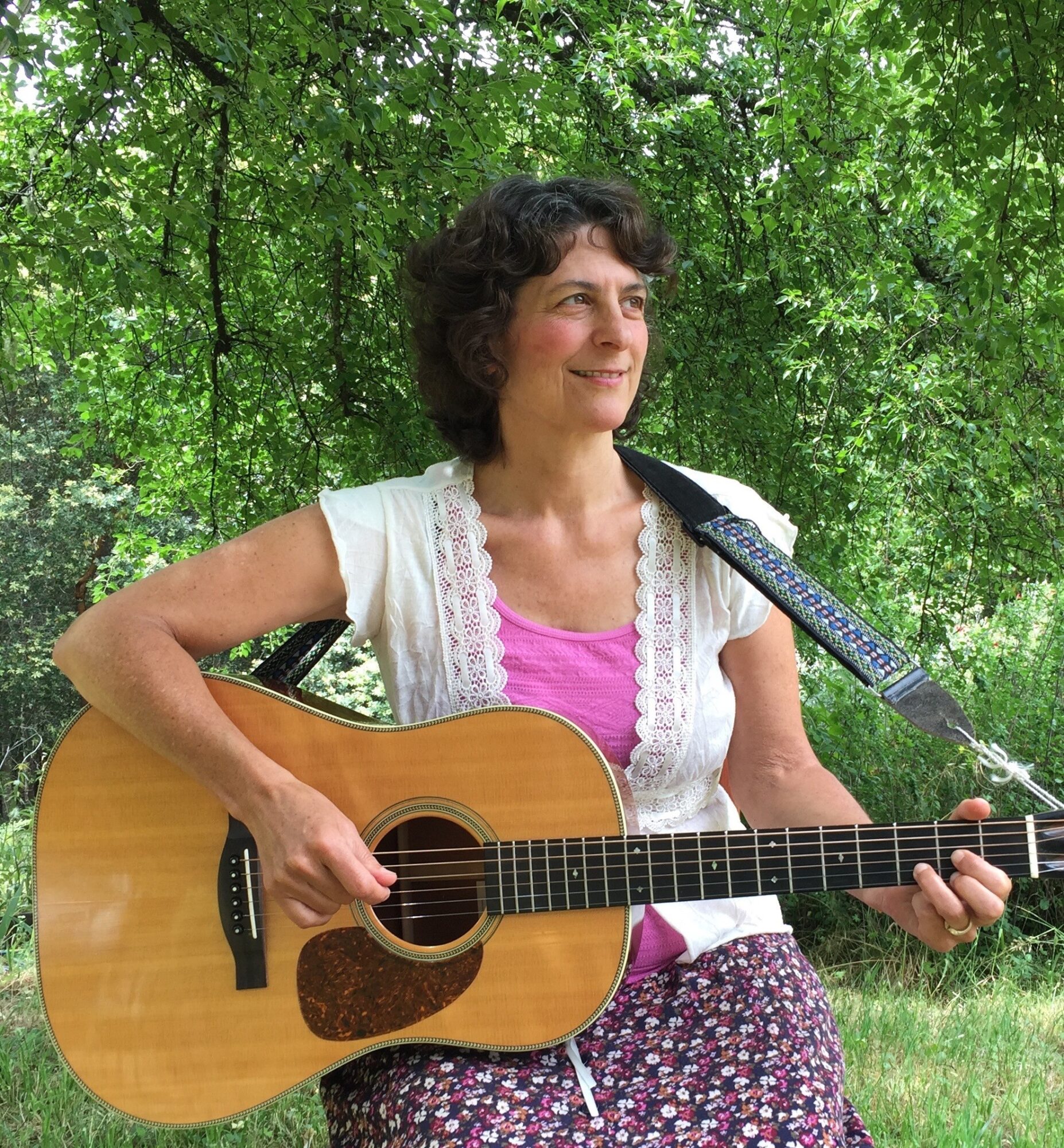
These days, I wear at least three hats, and they were all made in the same place: the SF Bay Area. The hat that fits the most comfortably is my musician hat. I grew up during the sixties and seventies, when the rock and folk music scene was just exploding. Underage though we were, my friends and I managed to sneak into stadium festival shows like Days on the Green, featuring The Who, The Grateful Dead, Led Zeppelin, and the Stones, to little blues dives in Oakland. At age eleven, I told my parents I wanted to be a rock star. We still laugh about that. Most precious were the campfire sing-alongs in the neighbors’ yards and jam sessions at the SF Folk Club on Clayton Street. These days, you’ll likely find me with a guitar or a mandolin slung across my shoulder. I write folk and country songs and play in a local Americana band, the Coast Ridge Ramblers, performing at Santa Cruz farmers markets and the Davenport Roadhouse.
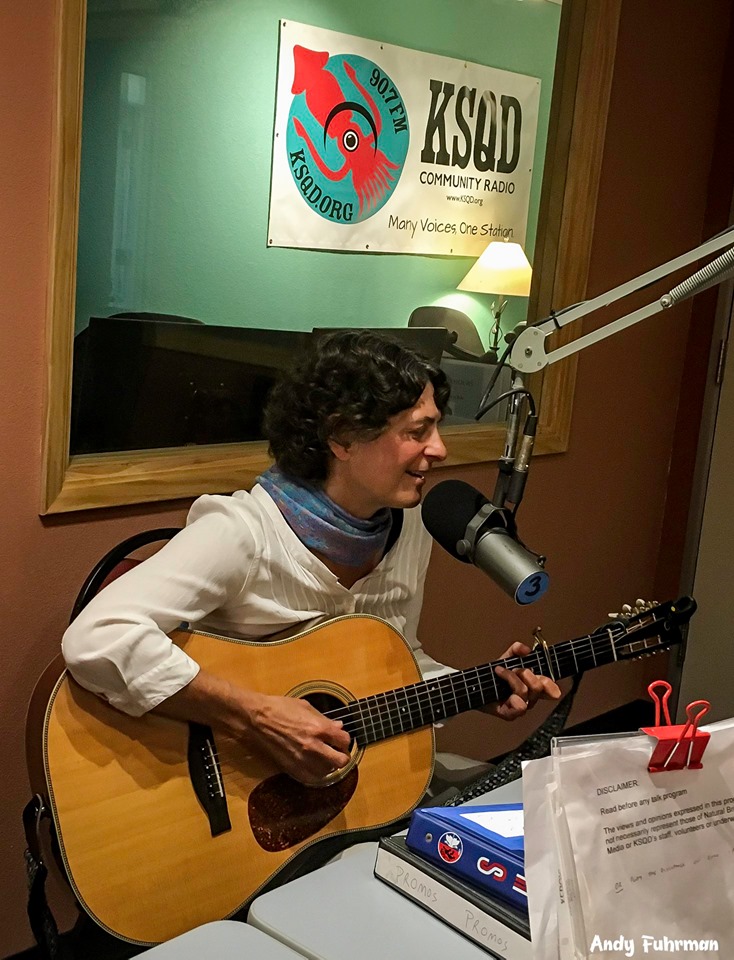
I started wearing my radio hat in Berkeley, at KPFA, where I interned as a teen. The local recording studios would not take a teenage girl intern; “for your own safety,” I was told. There I caught the radio bug, a fascination with instant communication and free-form ad-libbed sharing of music and ideas. I loved that community radio welcomed all kinds of people, from Mama O’Shea to Larry Bensky to Alan Watts. At UC Santa Cruz, I found a massive vinyl collection at KZSC and haunted the stacks to create strange mixes on my first live radio show, “The Front Porch Swing.” I spent seven years in Kentucky at Appalshop’s WMMT where I produced “Southern Songbirds,” a documentary series about the women of early country and old-time music. The series aired on National Public Radio and is still available on PRX. Later, I created “Pastures of Plenty,” a series about how farmworkers have shaped California over the decades.
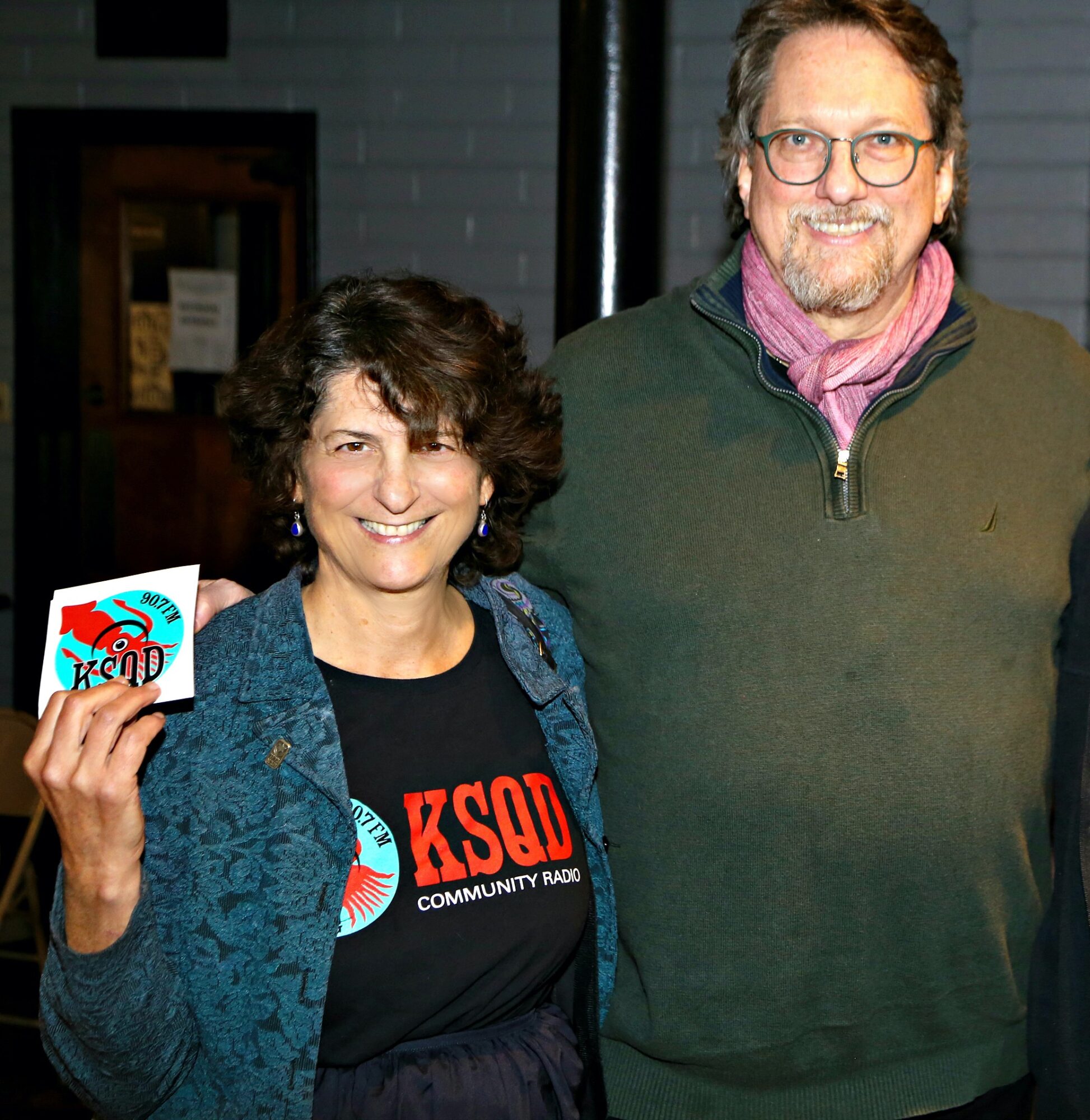
My most recent project is the founding of KSQD, a community radio station in Santa Cruz. K-Squid, named in homage to our Monterey Bay giant squid, is a local, nonprofit, noncommercial radio station that broadcasts an eclectic blend of jazz, blues, reggae, salsa, rock, folk and “you name it, we play it.” We air alternative talk shows and local arts programs reflecting the free-spirited character of the Central Coast, from Davenport to Carmel, and east to Salinas and Steinbeck country. 150 volunteers trade off two-hour air shifts round the clock, and a group of 10 board members and 1.5 staff keep the transmitters humming on three broadcast towers. We flipped the on-air switch in 2019 after raising over $350,000 from donors large and small. You can find us broadcasting to the Monterey Bay area at 90.7, 89.7, 89.5 FM, and streaming at KSQD.org. The station is a group effort by the whole community and shows what can be done when everyone rows in the same direction.
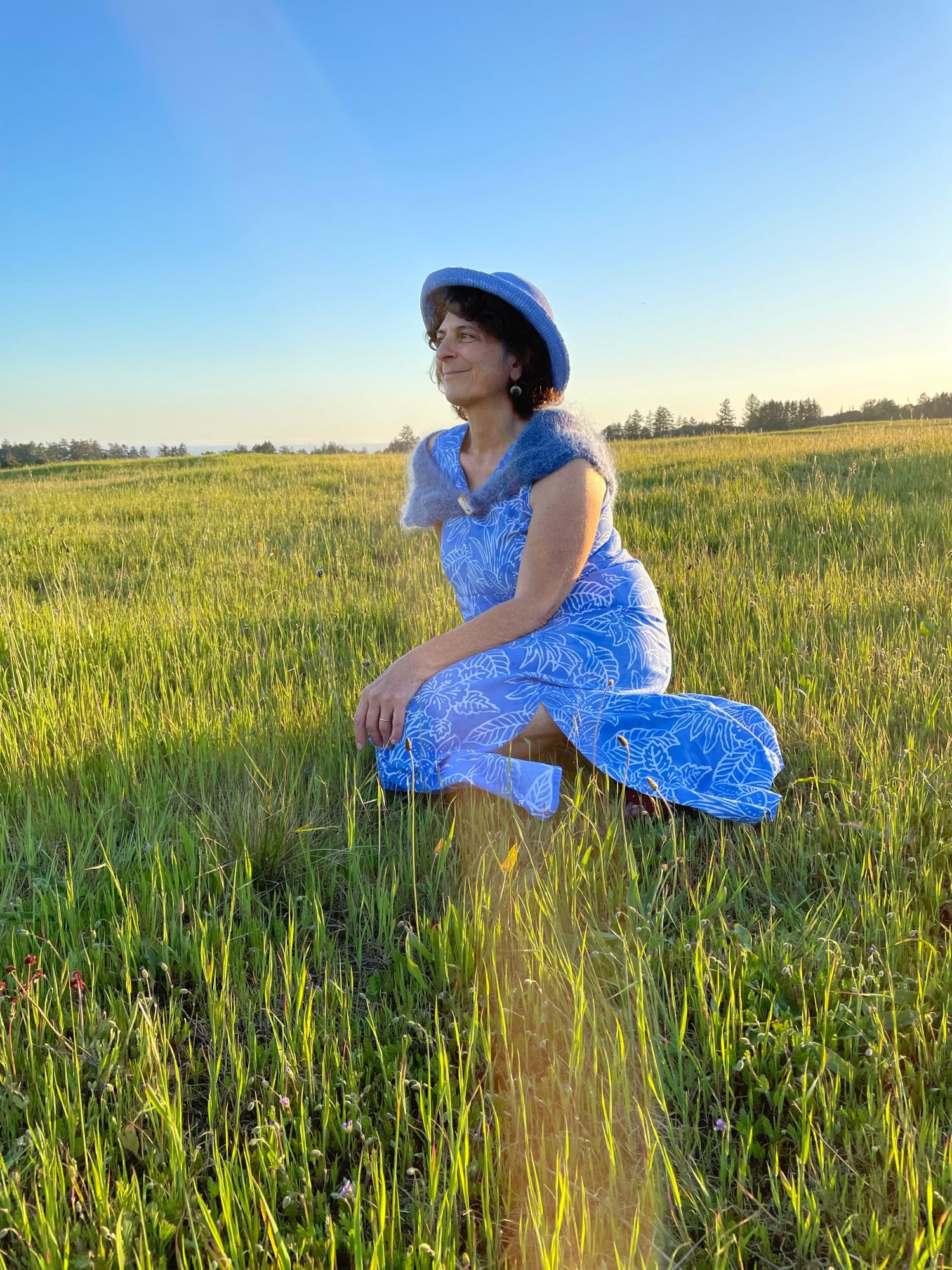
Finally, I wear my professor hat in a UCSC classroom where I teach first-year students a class called “Social Justice and Community.” Every summer, I take about 30 university students to the west coast of Ireland for a storytelling and podcasting course, passing along the joy of communicating to a future generation of producers. I live in a big old shingled house with my professor/musician/recording engineer husband, Steve, who plays the harp. I love the mountains and wildlife in our backyard in the Santa Cruz Mountains. I feel lucky to be alive, despite the challenges facing our world.
We all face challenges, but looking back would you describe it as a relatively smooth road?
Many of my experiences have had obstacles and challenges. Probably the biggest is navigating the world of nonprofit fundraising and continuing to be creative about asking people for funds to support projects I strongly believe in. However, I also see it as a fun challenge that spurs new ideas. Community radio has the audacious model of giving away its “product”, live radio, for free, then asking people to pay for it in donations. While that may sound crazy (imagine eating at a restaurant that had a “pay if you like the food” model!), it has worked for us for decades because people truly want to feel connected to a place and community that has a “there there”, not just anytown U.S.A. When they hear their friends and neighbors on the air talking about real things that impact their lives, it makes living there feel more grounded as a collective proposition, not a bunch of individuals living side by side without knowing each others’ struggles and triumphs.
I think anyone who has led a large group of volunteers to accomplish a large goal can understand the challenge of bringing a diverse group together to accomplish something, with wildly different ideas about how to go about doing so. Personalities and agendas can diverge, but if the common goal is clear enough, and the passion for the project strong enough, those conflicts can be overcome with empathy and compassion.
Appreciate you sharing that. What else should we know about what you do?
(Feel free to grab some text from my earlier writing about my music)
“If it weren’t for the audience, we’d just be singing to the four walls.” That’s a quote from singer/songwriter, Hazel Dickens, one of the 13 women musicians I interviewed for “Southern Songbirds”, a radio series about the women of old-time and early country music. I learned so much in hearing the talk about their struggles and the art of being a female musician. Since then, I have had the pleasure as a radio producer to meet so many great singers and songwriters. I never saw myself as one of them, until I realized I’d been singing my whole life, and writing songs, but I didn’t take myself seriously until other songwriters began to encourage me to write more. I produced my first album of originals in 2023, titled, California Morning, and recording it was the culmination of years of working on songs, and finally feeling done enough to commit them to a final form. I’ve always loved the way words and melody work together to form something wholly new.
I’m also really proud that I was able to help birth our local community radio station, KSQD, as its leader. and board chair. Any time of day, I can turn on the station and know it’s there, in large part, because I was able to assemble a team of people who saw the vision I saw and worked together to make it a reality.
Are there any books, apps, podcasts or blogs that help you do your best?
I love Song Exploder, the podcast. I also love Radio Lab, This American Life, and The Moth Radio Hour. I teach a storytelling course and it’s modeled after The Moth, which is a series of short stories told live derived from people’s personal experiences.
Contact Info:
- Website: https://rachelannegoodman.bandcamp.com/album/california-morning
- Facebook: https://www.facebook.com/rachel.goodman.771
- Youtube: https://www.youtube.com/@rachelannegoodman
- Soundcloud: https://soundcloud.com/rachel-anne-goodman
- Other: https://legacy.reverbnation.com/rachelannegoodman