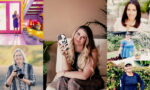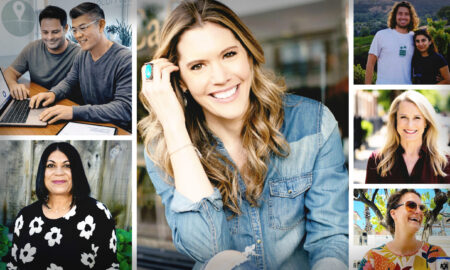



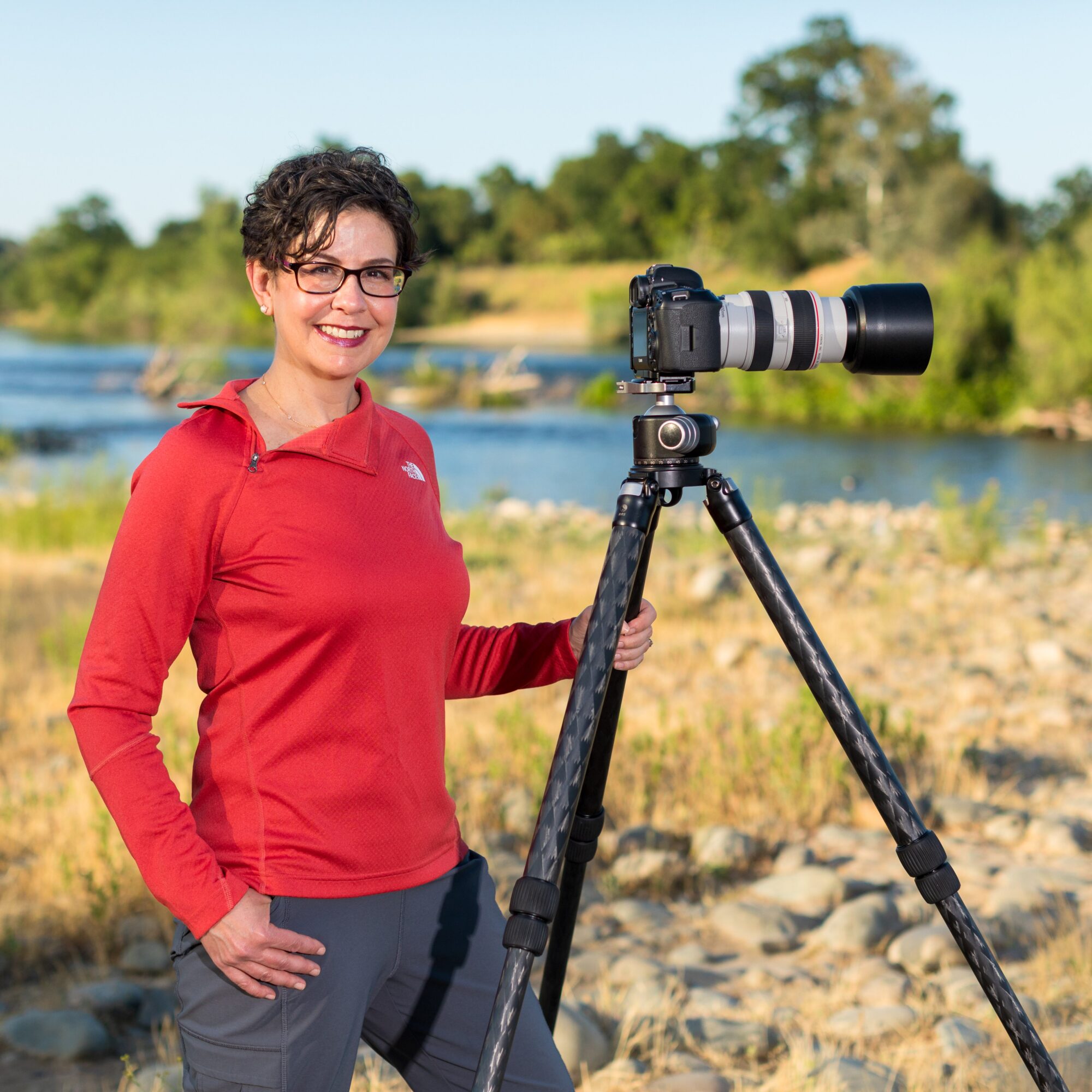
Today we’d like to introduce you to Beth Young.
Alright, so thank you so much for sharing your story and insight with our readers. To kick things off, can you tell us a bit about how you got started?
I spent two decades as a licensed architect specializing in healthcare facility design: hospitals, cancer centers, medical office buildings, etc.. Evidence-based design became my professional home: the science of how the built environment affects patient outcomes, stress levels, and recovery. I led teams designing spaces where people face some of the hardest moments of their lives.
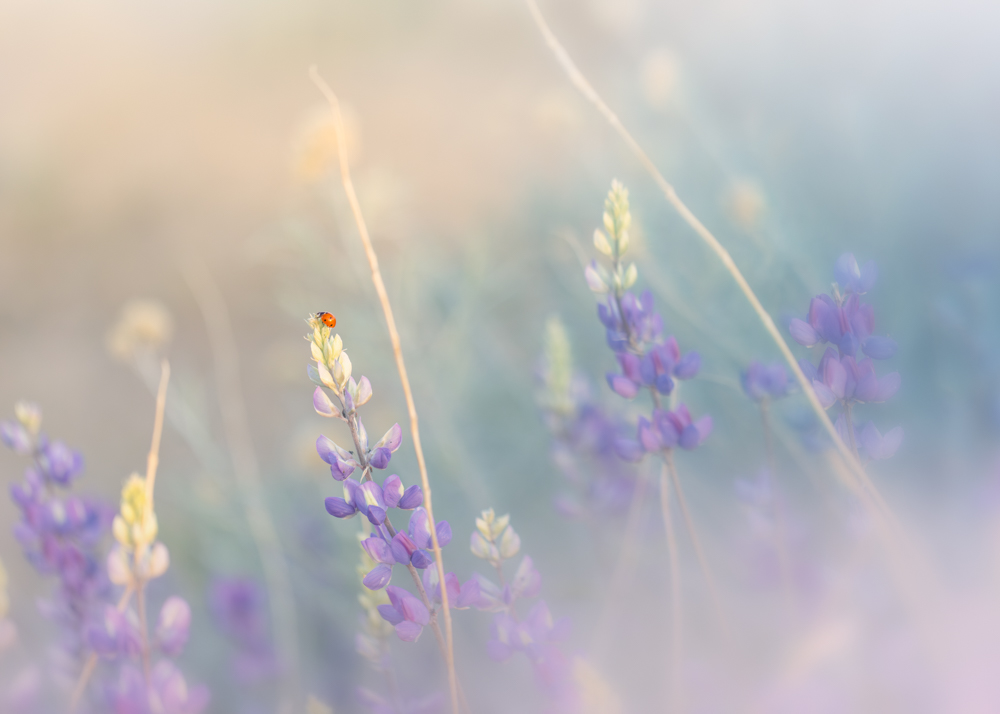
But the whole time I was designing those spaces, I was also out before sunrise in Yosemite. Photographing wildflowers on the Eastern Sierra. Sitting at the edge of old-growth redwood groves with a camera and a kind of stillness I couldn’t find anywhere else. Nature photography wasn’t a hobby I squeezed in around the edges, it was where I went to feel grounded.
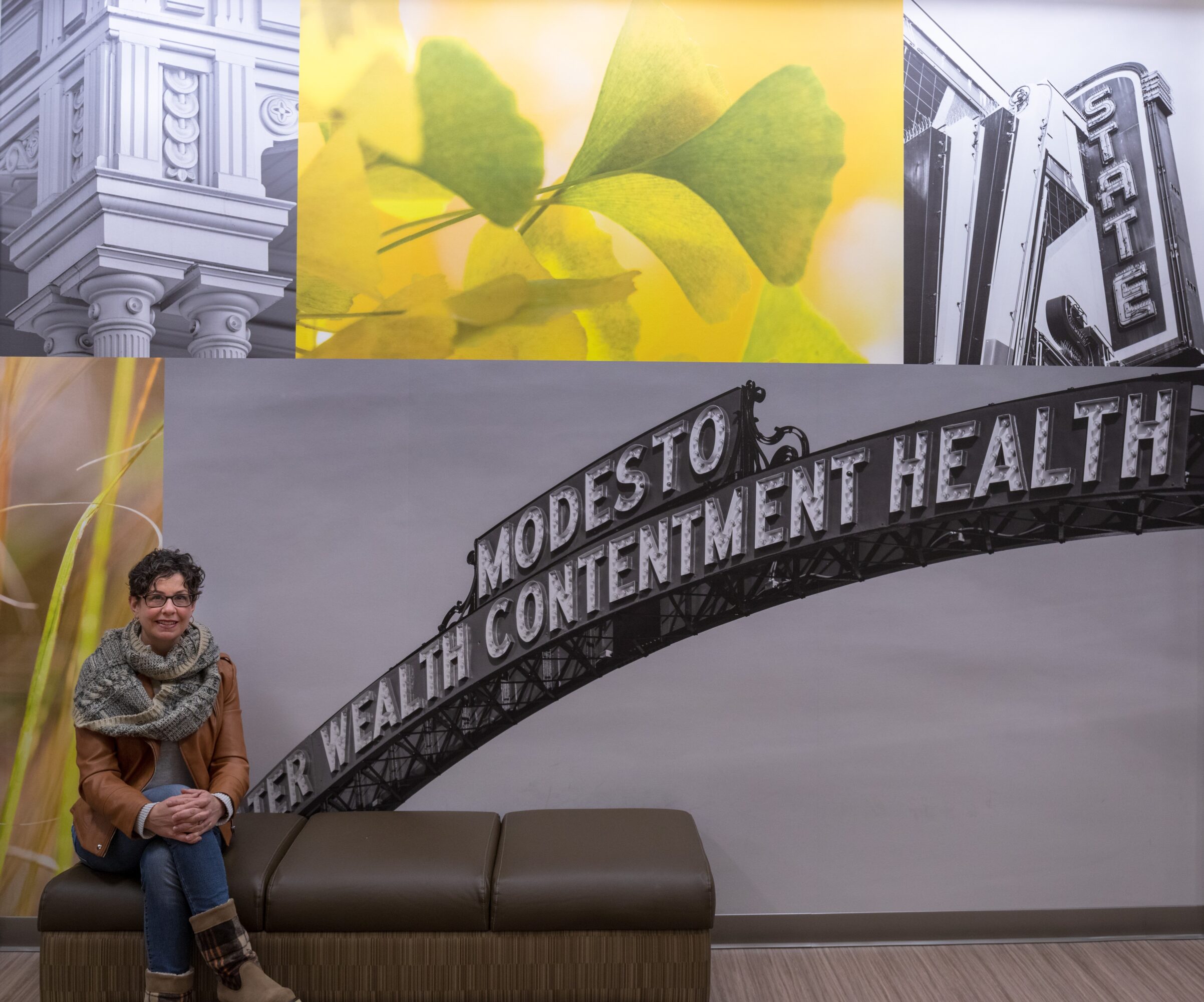
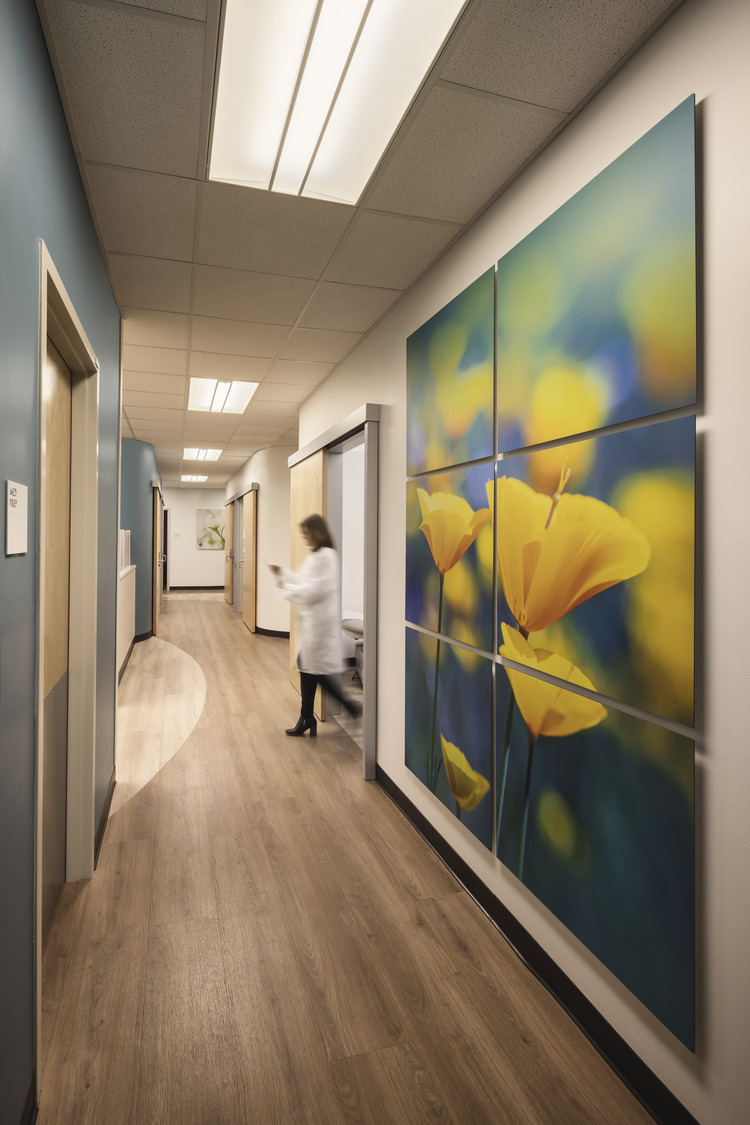
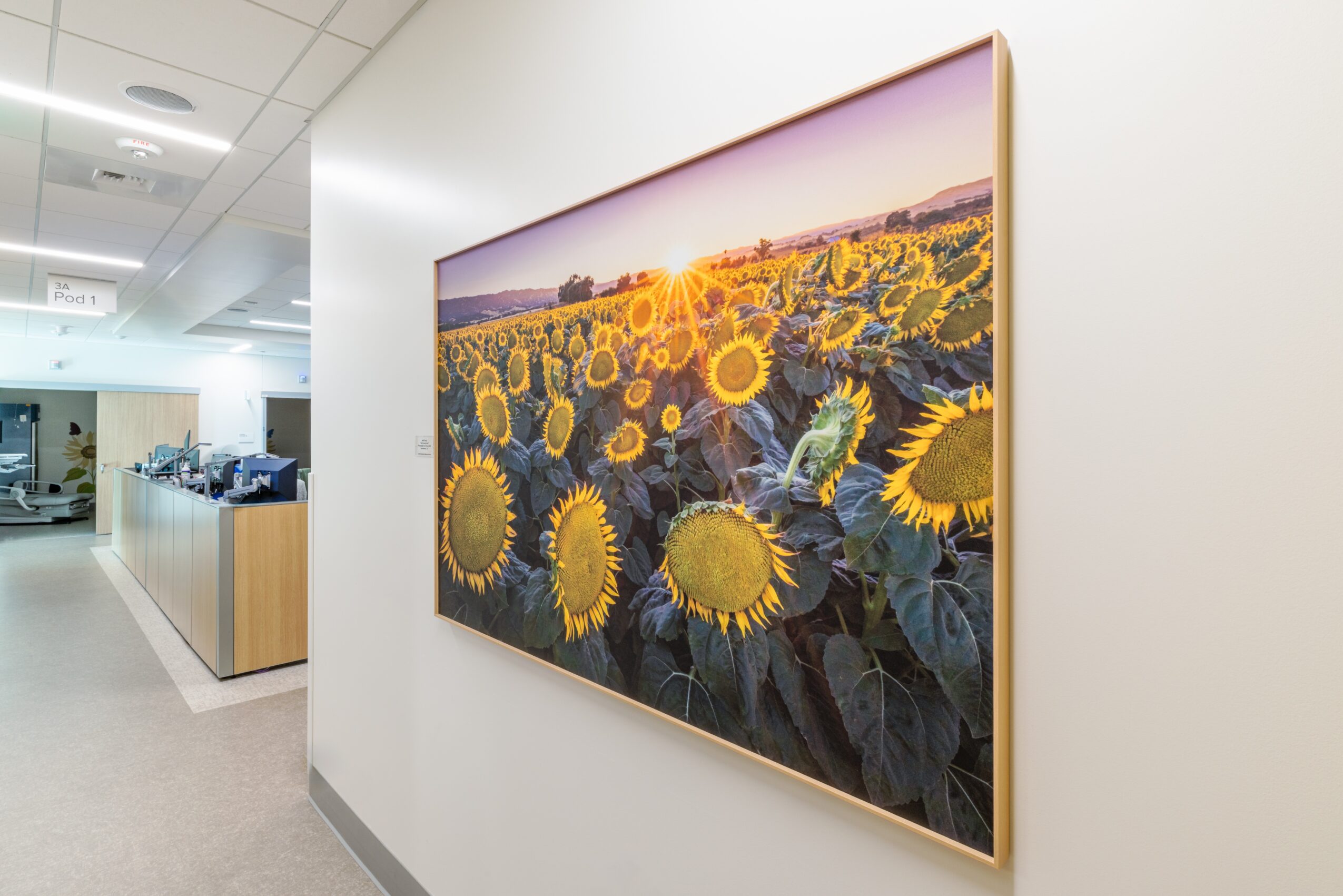
Eventually the two paths converged in a way that felt inevitable. Through my architecture work, I understood exactly what patients and caregivers need in a healing environment; and one of those needs, well-documented in the research, is access to nature imagery. Views of natural landscapes measurably reduce pain perception, lower anxiety, and support recovery. I founded Optimal Focus Photography in Sacramento to bring that research to life as art, placing my nature prints in the healthcare facilities I know so well.
Today I work placing large-format nature prints in hospitals and cancer centers throughout the west coast. A percentage of every print sale goes back to support local cancer patients. I also lead photography retreats and teach at photography conferences, because I’ve come to believe deeply that time in nature, and the act of really seeing, is its own form of medicine.
Alright, so let’s dig a little deeper into the story – has it been an easy path overall and if not, what were the challenges you’ve had to overcome?
The hardest thing hasn’t been any single obstacle, it’s been the persistent tension of living in two professional worlds that don’t naturally speak to each other. Architecture is a technical, structured field with demanding deadlines and deliverables. Photography, especially nature photography positioned as healing art, asks you to operate more like an artist and entrepreneur simultaneously. For a long time I kept those identities in separate compartments.
Building a photography business that serves healthcare facilities meant learning an entirely different language of selling. Architects don’t typically cold-pitch art programs to hospital administrators, and photographers don’t typically walk into a room fluent in evidence-based design research. I had the unusual position of knowing both sides deeply, but translating that into a coherent business model took real time and iteration.
There was also the confidence question that I think many women in creative fields will recognize. I have nearly thirty years of professional experience, a wall full of credentials, and I still found myself hesitating before calling myself a photographer in certain rooms. Claiming artistic identity alongside a technical one felt presumptuous for longer than I’d like to admit. That internal negotiation: am I allowed to be both of these things? was its own kind of struggle.
And then there’s the nature of the work itself. Wildflowers don’t wait. The light at Yosemite doesn’t reschedule. Building a photography practice while leading an architecture team means constantly making judgment calls about time, energy, and what I’m willing to let go of. It’s still a negotiation I’m in every week.
Then, my commitment to healing imagery became deeply personal when I underwent cancer treatment, spending nearly two years in healthcare facilities through surgery, chemotherapy, and daily radiation. That experience transformed my understanding of how nature photography can restore a sense of hope, presence, and renewal for those in stressful surroundings, and it became the reason this work is no longer just a career intersection for me. It’s a calling.
Alright, so let’s switch gears a bit and talk business. What should we know about your work?
My work lives at a very specific intersection: I’m a licensed architect with healthcare facility design experience, and I’m a nature photographer whose images hang in the hospitals and cancer centers I helped design. Those two practices inform each other constantly.
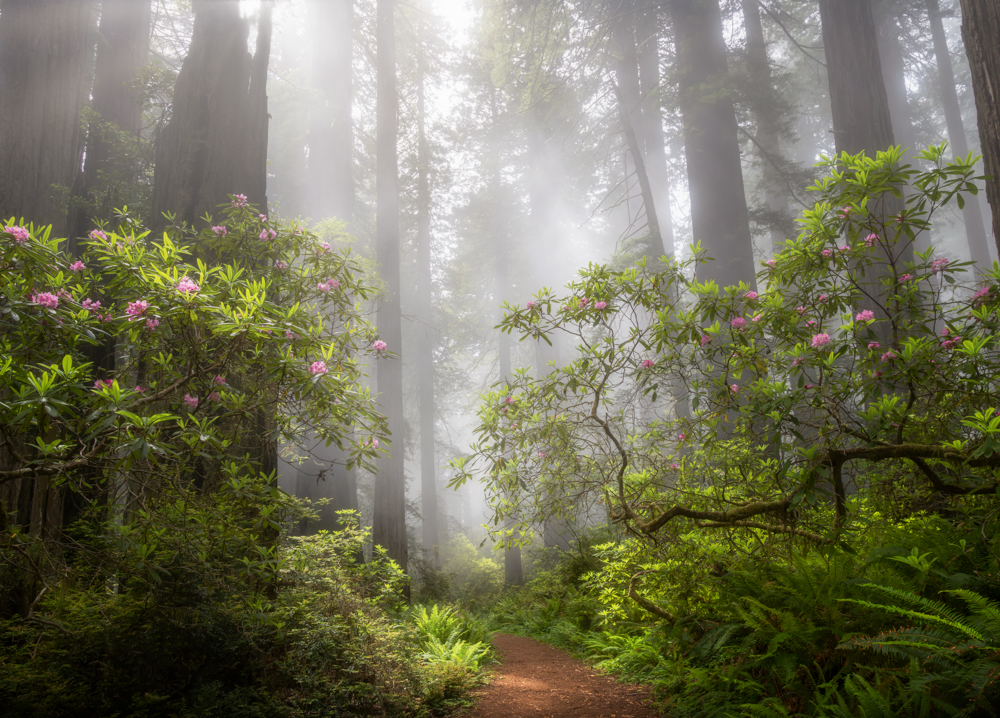
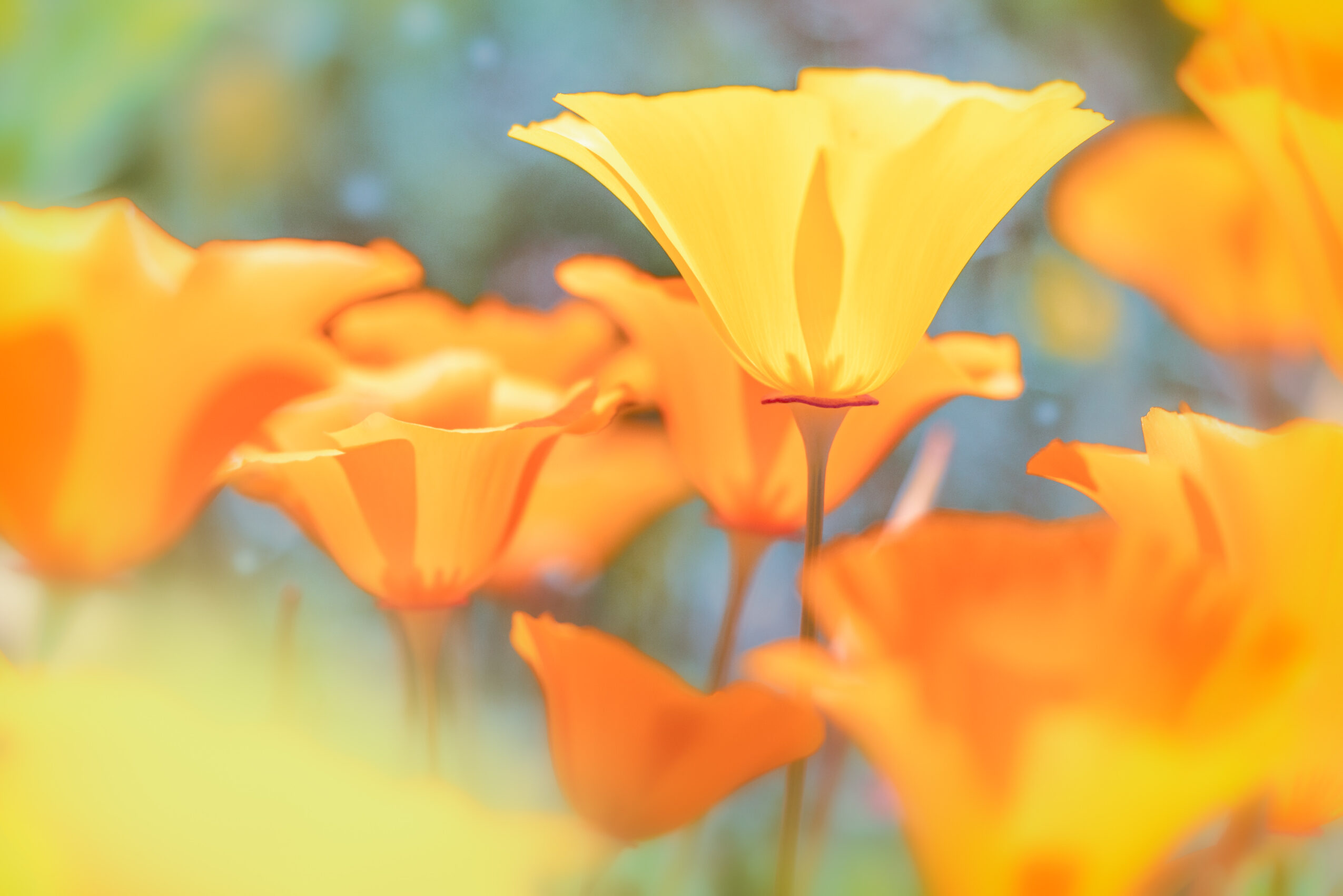
Through Optimal Focus Photography, I specialize in large-format healing nature imagery for clinical environments. California wildflowers, Yosemite light, old-growth redwoods, the wide open silence of the Eastern Sierra, these are the landscapes I return to because the research is clear and my own experience confirms it: access to nature imagery measurably reduces patient anxiety, lowers pain perception, and supports recovery. I bring both the scientific framework and the artistic eye to that work, which is an unusual combination in this space.
What sets me apart, I think, is the depth of context I bring to a single image. I’m not a photographer who learned about healthcare, or a designer who picked up a camera. I’ve spent decades on both sides: designing the spaces, living the patient experience, and standing in the field at first light trying to make something worthy of the wall where someone will need it most. That layered perspective shapes every creative and placement decision I make.
Can you talk to us a bit about happiness and what makes you happy?
Being outside before the rest of the world wakes up, with a camera and good light! There’s a particular kind of stillness in the Eastern Sierra at dawn, or in a redwood grove when the fog is still low, that resets something in me completely. Nature has always been where I go to remember what matters, and what grounds me.
Beyond that, knowing that an image I made is hanging somewhere in a hospital or cancer center, and that someone sitting in a hard moment might find a breath of relief in it. That combination of wild places and quiet purpose is what happiness looks like for me.
Contact Info:
- Website: https://www.optimalfocusphotography.com/
- Instagram: https://www.instagram.com/optimal_focus/
- Facebook: https://www.facebook.com/optimalfocusphotography
- LinkedIn: https://www.linkedin.com/in/beth-young-aa614811/
- Other: https://substack.com/@optimalfocus