





Today we’d like to introduce you to Cynthia.
Hi Cynthia, thanks for joining us today. We’d love for you to start by introducing yourself.
Though I received my Developmental Psychology, PhD (5/2025), I’ve managed the Child Wellness Laboratory (CWL) for three decades. The CWL has been affiliated for the most recent ten years with the Maternal Child Health Research Institute, Department of Pediatrics, Stanford School of Medicine. Previously, I founded (mid-1980’s) and served as Executive Director of a non-for-profit emergency placement facility for children in crisis via endorsements of key city, county, and state officials; concerned citizens; and the Department of Human Services. I spear-headed a needs assessment and convened The Lonoke County [Arkansas] Task Force on Child Abuse and Neglect, Inc. These efforts were born because children’s basic needs for a secure nurturing, environment were going unmet even after intervention was legally deemed warranted. Many young children were placed in the Lonoke County Jail while waiting for court dates, provision of healthcare (physical and mental), and finding suitable placements. I returned to research (1990) to advance my technical and leadership abilities providing greater child advocacy, objectively identifying children experiencing toxic stress, and securing and evaluating effective therapeutic and educational plans. I remain driven to understand why children rescued from harsh, neglectful, and abusive situations when below the age of 2-3 years, but not those above this age, frequently recovered to match outcomes of their healthy peers.
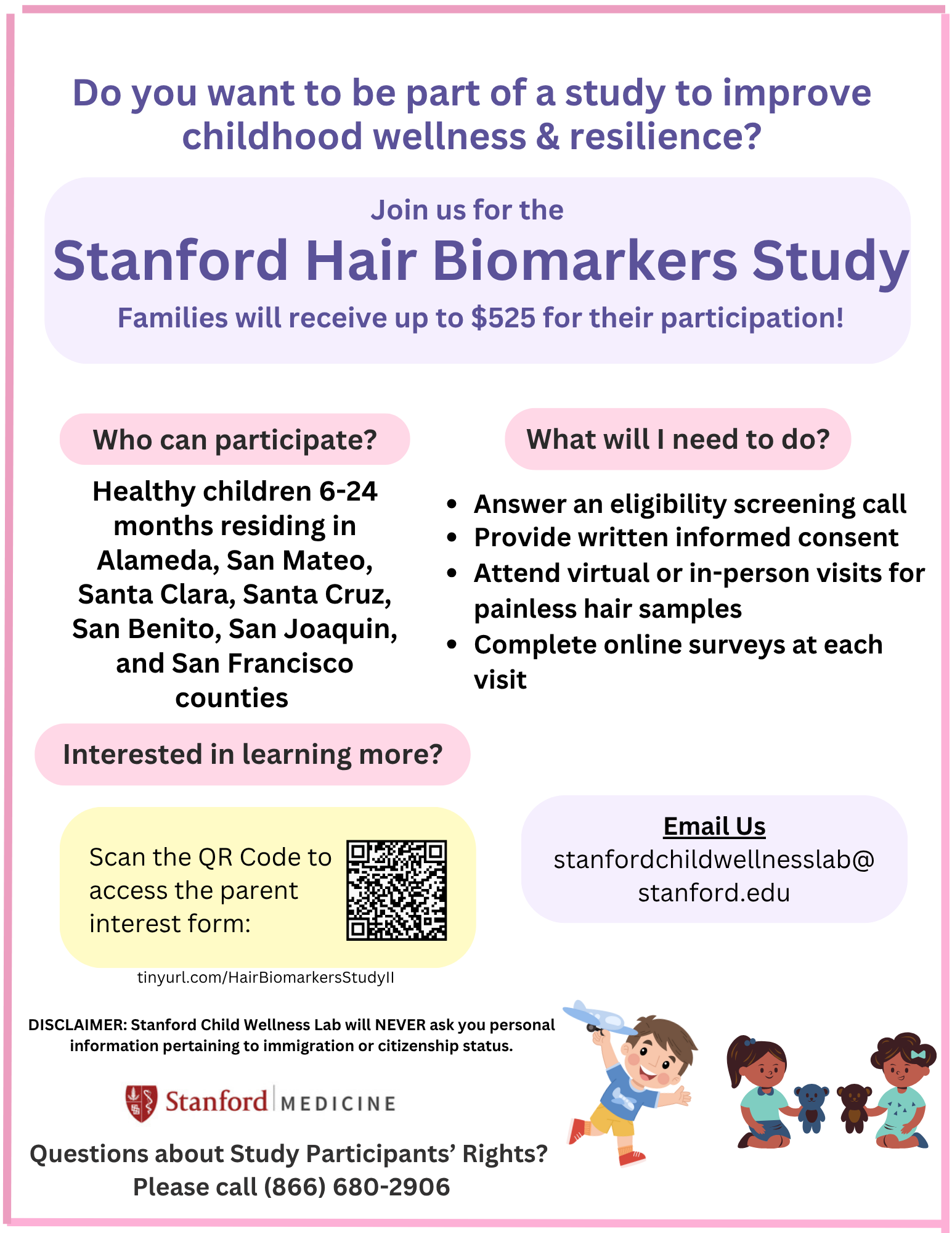
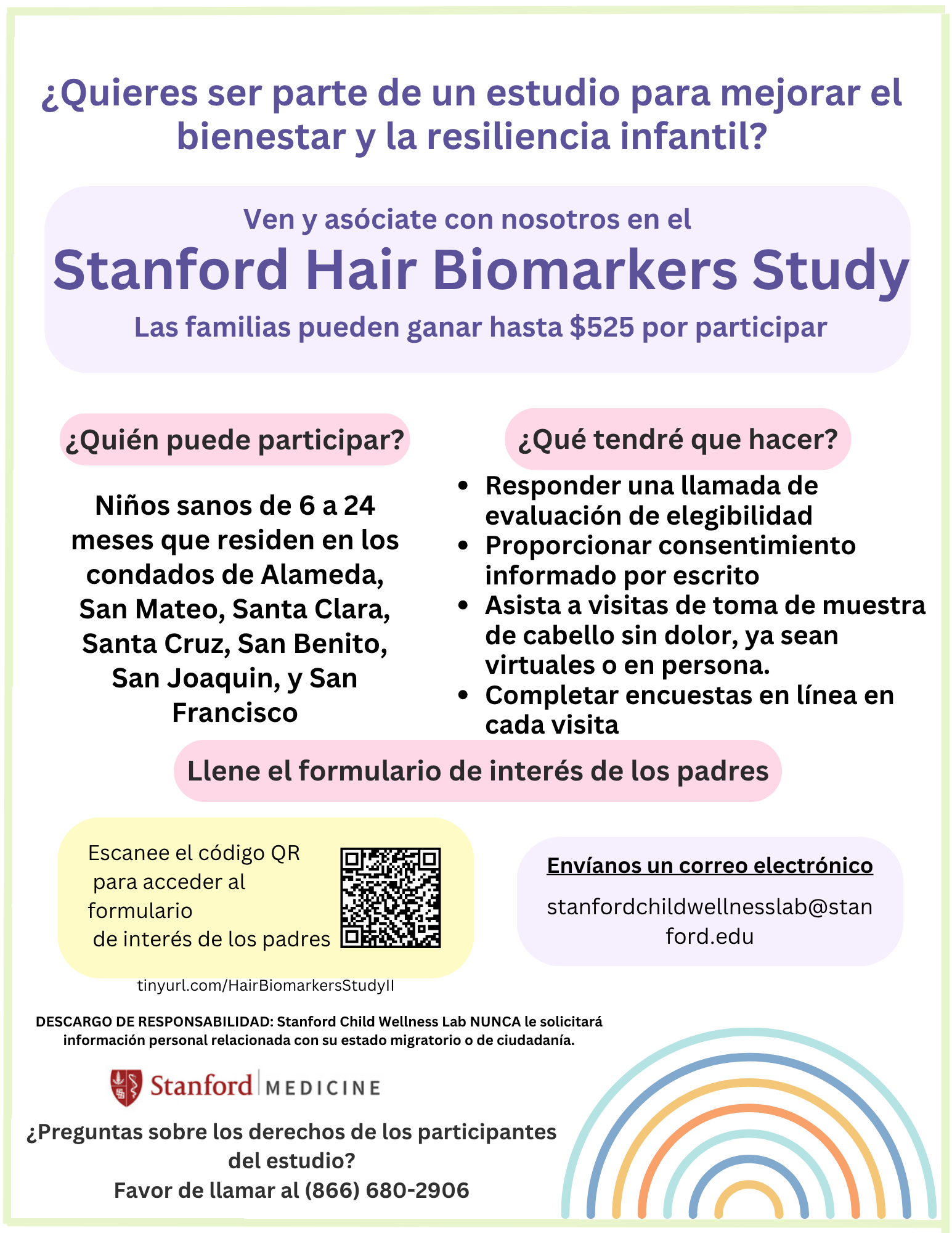
I’ve expertise in evaluating psychosocial, socioeconomic, biological, and physiological factors and macromolecular biomarkers through the lifespan. For the last three decades I’ve specialized in discovery of biomarkers indicative of child brain development, behaviors, and outcomes (emotionality, cognition, health). I received classical training in neurobiology in a geriatric laboratory between 1990 and 1996 and helped establish the first Geriatric Center, University of Arkansas for Medical Sciences. My success with family interventions and treating children exposed to maltreatment and neglect garnered support of key county, city, and school officials, state grantees, spiritual leaders, and concerned citizens of Lonoke County Arkansas, that endorsed my position as Executive Director of a non-for-profit emergency placement facility established for youth in crisis (1985 – 1991). These efforts occasioned advisory appointments to the Transitional Employment Assistance (TEA) Region Area III representative to the State Steering/Advisory Committee; the Arkansas Department of Health for establishment of the Tobacco Prevention and Cessation Program; the Arkansas Attorney General’s Office for development of a research consortium, Arkansas Biosciences Institute. Foreknowledge of early childhood psychosocial ecology and the propensity of phenotypic behaviors (internalizing-anxiety, externalizing-disruptive, or post-traumatic stress) associated with children in crisis enabled my development of non-invasive, painless, hair sampling methodologies to preemptively, prospectively, and systematically identify toxic stress: 1) hair cortisol concentration (HCC) measuring the influence of early life stress/trauma and its intergenerational transmission within families; 2) hair oxytocin concentrations (HOC) measuring social, supportive relationships or deficits; 3) hair multiomic libraries examining mother-child/ren (0-5 years-of-age) age associated and gender differences.
My rigorous scientific methods (prospective, objective) test stress exposures using trimmed scalp hair to track trauma and health status. My publication for measuring hair cortisol concentration (HCC) rapidly became the global standard for assessing chronic stress and associated poor physical and mental health outcomes. Recently, I’ve developed a method for accessing childhood attachment/bonding and prosocial affiliation, measured as hair oxytocin concentration (HOC), which provides assessment for a child’s resilience with capacity to flourish in the face of adversity. The CWL is the only laboratory worldwide that can measure hair oxytocin. Additionally, I’ve identified greater than 3000 non-structural proteins present in hair that inform of a child’s and its mother’s lifetime developmental and health status. Amazingly, 300/3000 hair proteins have been identified by the National Institute of Health and the Center for Disease Control as pharmaceutical/therapeutic targets. My proteomic methods have been patented by Stanford to protect and prioritize preemptive, prospective measures of health opposed to developing drugs to treat disease onset in high-risk groups.
Why is this important and what does it mean for families and children in Child Protective Services or foster care? Peer reviewed publications (see CV, ORCID# 0000-0002-3335-2825; Scopus ID: 6506906922) demonstrate my capabilities. I’ve supplied evidence through two large cohort studies (one from Shelby County, Tennessee and one from North Bay, California) of the ability to measure risk (cortisol) and resilience (oxytocin) in preverbal children, to do good and to prevent harm, and to secure efficacy testing of health, healing, and interventions promoting child flourishing. I hope to advance three clinical objectives: building a strong evidence-based child advocacy evaluative tool for objectively identifying children, especially preverbal children, exposed to toxic stress; establish routine hair sampling as a pediatric noninvasive painless biomarker screening tool for prospectively measuring health/adversity during annual wellness exams; guide personalized medicine with referrals to resilience building resources, early health intervention, and testing of therapeutic effectiveness.
I’m sure it wasn’t obstacle-free, but would you say the journey has been fairly smooth so far?
I’m a survivor of domestic violence. I was heart broken that I had so much success with families in crisis to aid in building family resilience while living the experience of a failed marriage. I would ask my self, “How is it that I can help others, yet cannot help my own family?” The answer was that it takes all family members to willingly participate in family restoration. More than my hurt over rejection, being unloved, and being lied to, my motherly instinct was to protect my two young daughters, age 6 and 2 years. The physical and emotional abuse from my husband towards me began to threaten my children. My decision came when my children’s father’s behavior escalated to the point of violence in our children’s presence. The oldest of my daughters ran to protect me as my husband wave about a knife acting as if he were going to stab me. I took my children, left the home, and went to my parents. This was in spring of 1989. I refused to reunite with him.
He knew of my love of Easter. So, in an act of spit he ensured I would be served with divorce papers on Good Friday, 1990. My children and I remained in counseling during the separation, through and after the divorce proceedings. My children’s court appointed child attorney secured that my girls would never be alone with their father and that he could only see them in public places. The court date for the divorce came in October 1990; yet, the judge held off on signing the divorce decree until Veteran’s Day, November 11, 1990. At the time, the significance of the dates for being served and the signing of the decree didn’t register.
A few years later I happened to meet my divorce attorney, Ginger, at a social event. She pulled me to the side to ask how my daughters and I were doing. She also encouraged me by explaining the significance of those dates around my divorce. It is not the routine practice in Arkansas for anyone to be served on a major holiday or any known significant day in a person’s life. The judge overseeing my divorce intended to send a clear message to my ex-husband, “Cynthia and her children, those that are biological and those that she protects, are valuable and well loved in this state. Cynthia is the clear victor and a veteran survivor of domestic violence.” My willingness to be vulnerable, to advocate for children and families in crisis while sharing my lived experience of domestic violence propelled me toward leadership invitations to serve on several state advisory boards. Ginger knew this and she pressed on to gift me with another opportunity toward a huge emotional release in setting aside my grief for good. She asked if I had read the book or watched the movie, “Not Without My Daughter.” When I said, “No.” she insisted and made me promise that read it or watch it. And I did. Though we never lived in Iran, my children’s father was Iranian. There were many similarities between portions of my life with him and the characters of the book.
But my story doesn’t end here. The grief of my own divorce pales when compared to that with the suicide of my oldest daughter, Leah, in 2018. Leah did not survive her eight year battle from the rejection of her husband of five years and their divorce while she was pregnant and in her final year of law school in 2010. Her ex-husband did not want to be a father at the time and left her to live with his mistress. Leah fell into and could not overcome her major depressive disorder and post traumatic stress disorder. She had been rejected by two men that she loved dearly, first her father and then her husband. She shot herself in the head with a shot gun the evening of May 11, was pronounced dead just after midnight May 12 just days before her thirty-fifth birthday on May 14. My granddaughter’s father’s parental rights earned him custody in 2018. My granddaughter, at the age of 6, left for France to reside with her father from May 2019 till present. I’ve visited with my granddaughter three times in eight years, twice going to France and once when her father and fiancée brought her to Miami. Now that she is 16-years-old, she will be flying for the first time by herself for a visit before the end of this year. Her father refused to place her in counseling when she arrived in France. She has many questions about her mother, her relationship with her father is fractured, and she has longed for the family that raised her the first six years of her life. Her emotional scars are showing.
So is intergenerational transmission of toxic stress (ITTS) a real thing? Definitely yes! This research is my life long journey to benefit children and families. Why do we need research to prove that ITTS is real? First, too many children (0-17 years) suffer from adverse childhood experiences (ACEs): emotional, physical, and or sexual abuse; having a parent with a mental health and/or substance use disorder; food insecurity; domestic violence; divorce and/or separation from a parent; death of a loved one. The National Survey of Children’s Health (NSCH) and the CDC confirm that approximately 40% of children in the U.S. experience at least one ACE and 14-18% experience two or more. These ACEs may occur in the presence or abscond of positive childhood experiences (PCEs): a supportive family member and/or community/friend mentor; regular routines; opportunities for play and social engagement; secure environment. Second, accepting that ITTS opens opportunities for early intervention.
Thanks – so what else should our readers know about your work and what you’re currently focused on?
I am most proud of my role in the mentorship of students and fellows within the Child Wellness Laboratory (CWL) that are preparing for or have entered professional careers as physicians, pediatricians, lawyers, scientists, public health agents, public health policy reform advocates for health equity reform measures. I can rest assured that the important work toward child and family flourishing will not stall out because my list of mentees is extensive and in their own rights, each are highly accomplished. A few are named here: Jordan K. H. Vedelli; Akul Shrivastava; Audrey Huynh; Aaron Kala; Anisha Chitkara; Ashley M. Lee; Donovan Castilla-Liu; Monica O. Ruiz; Harpreet K. Nijjer: Leilani M. Ivery; Angeli Gupta; Jennifer Esmeralda Torres-Bocanegra; Umasri Rajya Lakshi Pujyam; Elizabeth Guevara Vasquez,
What sets you apart from others?
Oddly, I do not like talking about myself or my accomplishments. I do not seek accolades, fame, or fortune. I have no difficulties with public speaking, presenting my research, or participating in advocacy. That being said, I know what it is like to be a female in a professional role and to not receive the same acknowledgements or salary as my male counterparts. I chose to be a caregiver first to my children, then to my elderly parents, and to then to my granddaughters through the age of 3, all while working full-time as a Research Scientist and engaging in child-family statewide advisory/advocacy capacities. To add credence to my scientific contributions, I obtained my PhD in Developmental Psychology in May 2025 at the age of 65 and aspire to receive a faculty position in my department and division at Stanford – Pediatrics, Critical Care Medicine. This comes after having spent 36 years as manager and chief technologist in two research laboratories, greater than 50 peer reviewed publications with approximately 3,400 citations,
I find my strength – at the expense of little sleep – by placing family first with God as the head of my household. I believe very much in practicing: “Ask and you shall receive; seek and you shall find.” Though I have know soul-searing pain, I’ve never felt alone and routinely walk in a peace that surpasses understanding. The hardships that I’ve flourished through have given me a unique perspective on my live mission. I’m gifted with scientific observation, skepticism, and a keen ability for technical development of non-invasive means (scalp hair sampling) to evaluate health in real time, prior to disease onset.
What matters most to you?
Wow, I already answered this in the previous block. I’ll recap and rephrase here.
Family and home matter most to me. Home never meant where I resided during my life span. I’ve lived in Washington, D.C., Arkansas, Tennessee, Mississippi, and California and had a residence in each. Home to me is wherever I am with family. Home is more of a sense of being than a physical abode.
Contact Info:
- Website: https://childwellness.stanford.edu
- Instagram: ORCID# 0000-0002-3335-2825
- Facebook: Scopus ID: 6506906922
- Twitter: https://www.scopus.com/pages/search/authors?firstName=Cynthia&lastName=Rovnaghi