




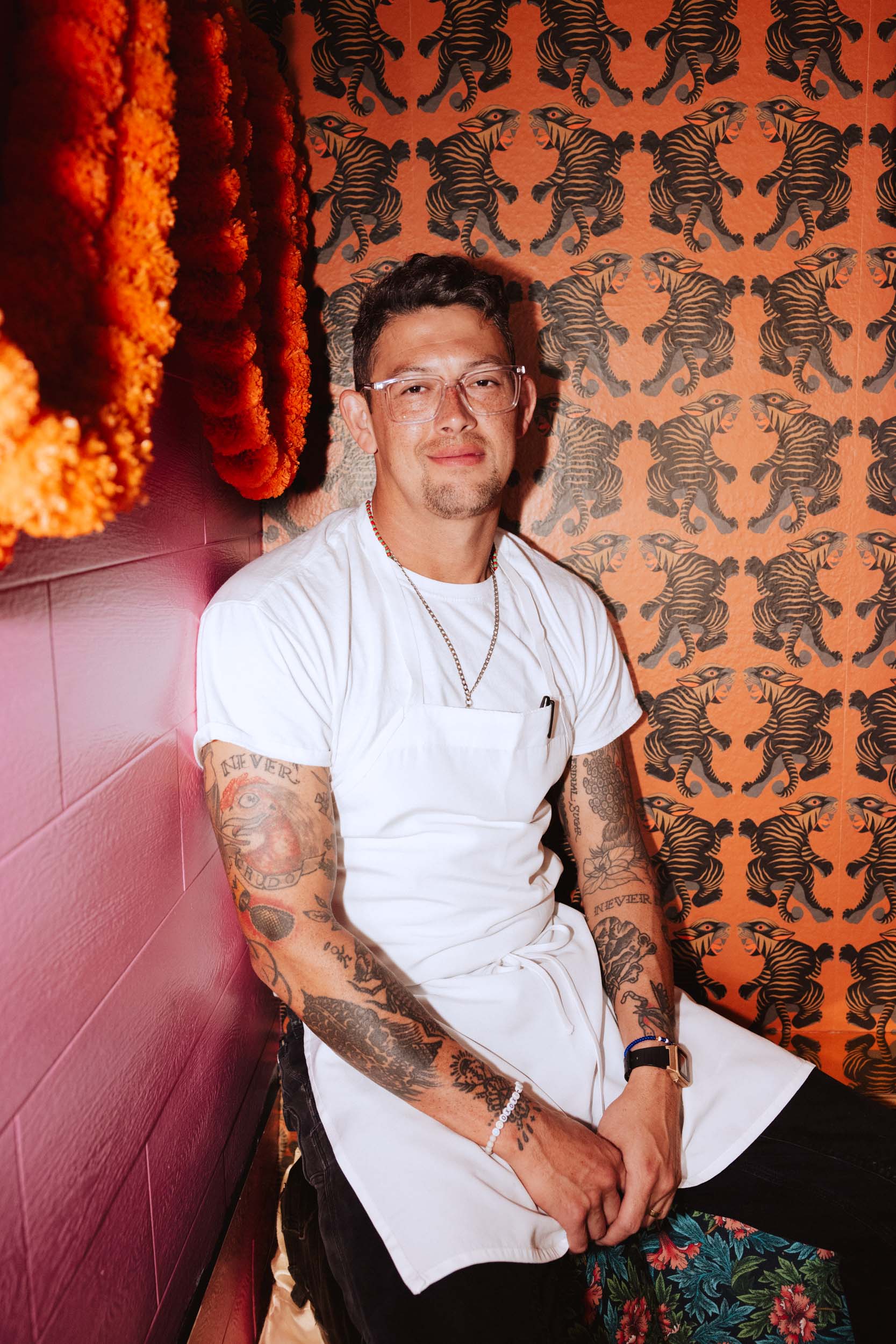
Today we’d like to introduce you to Nikolas Ramirez.
Alright, so thank you so much for sharing your story and insight with our readers. To kick things off, can you tell us a bit about how you got started?
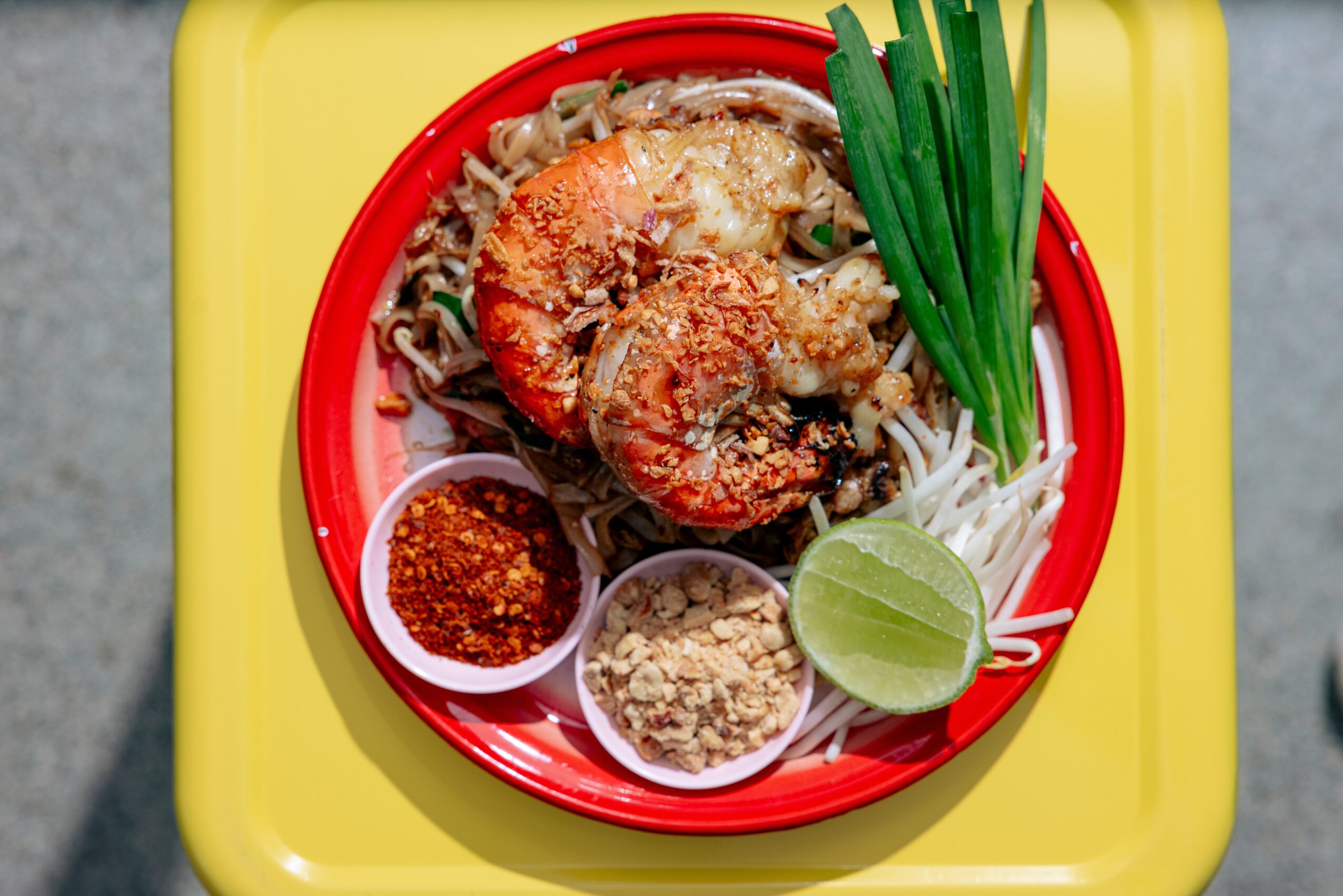
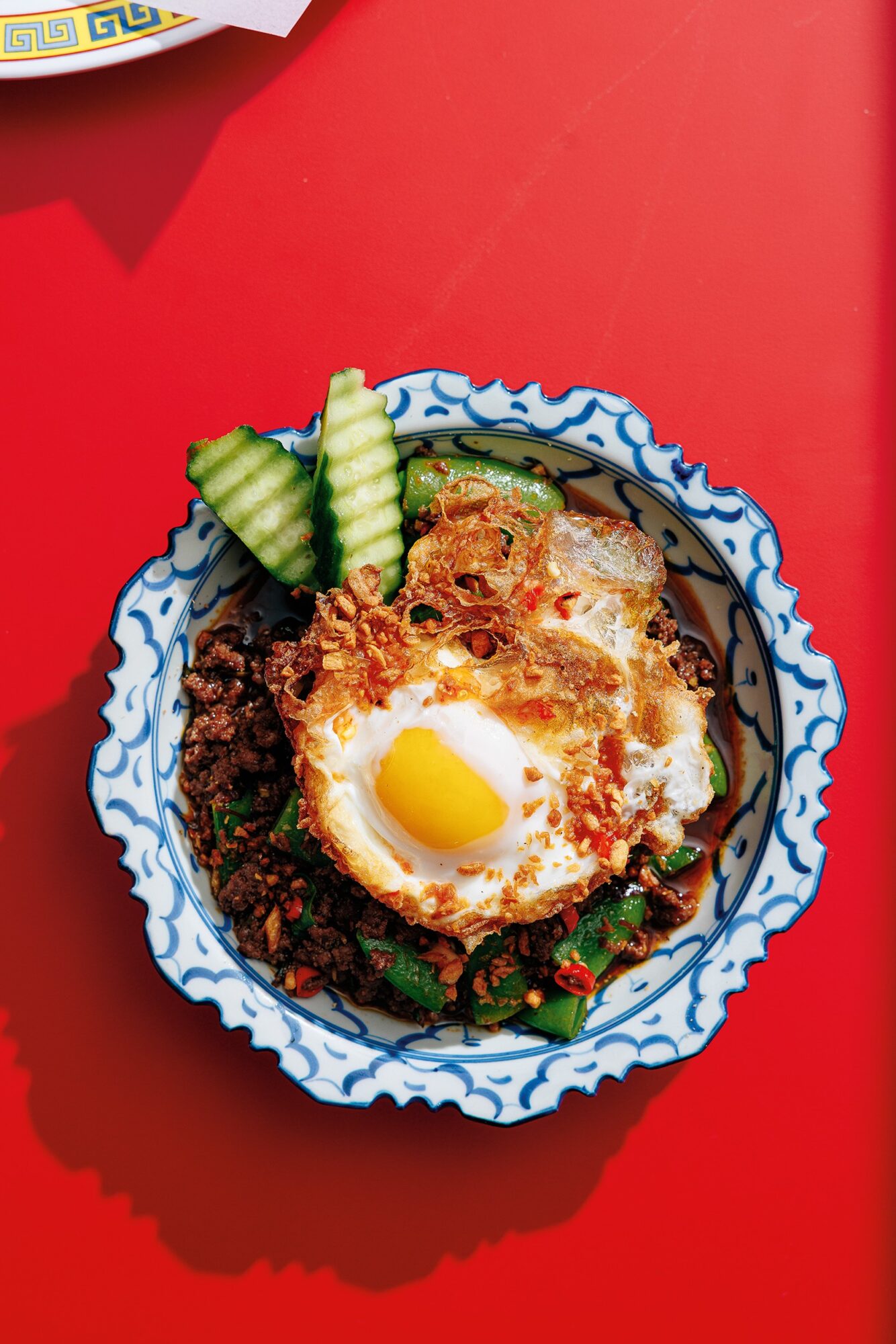
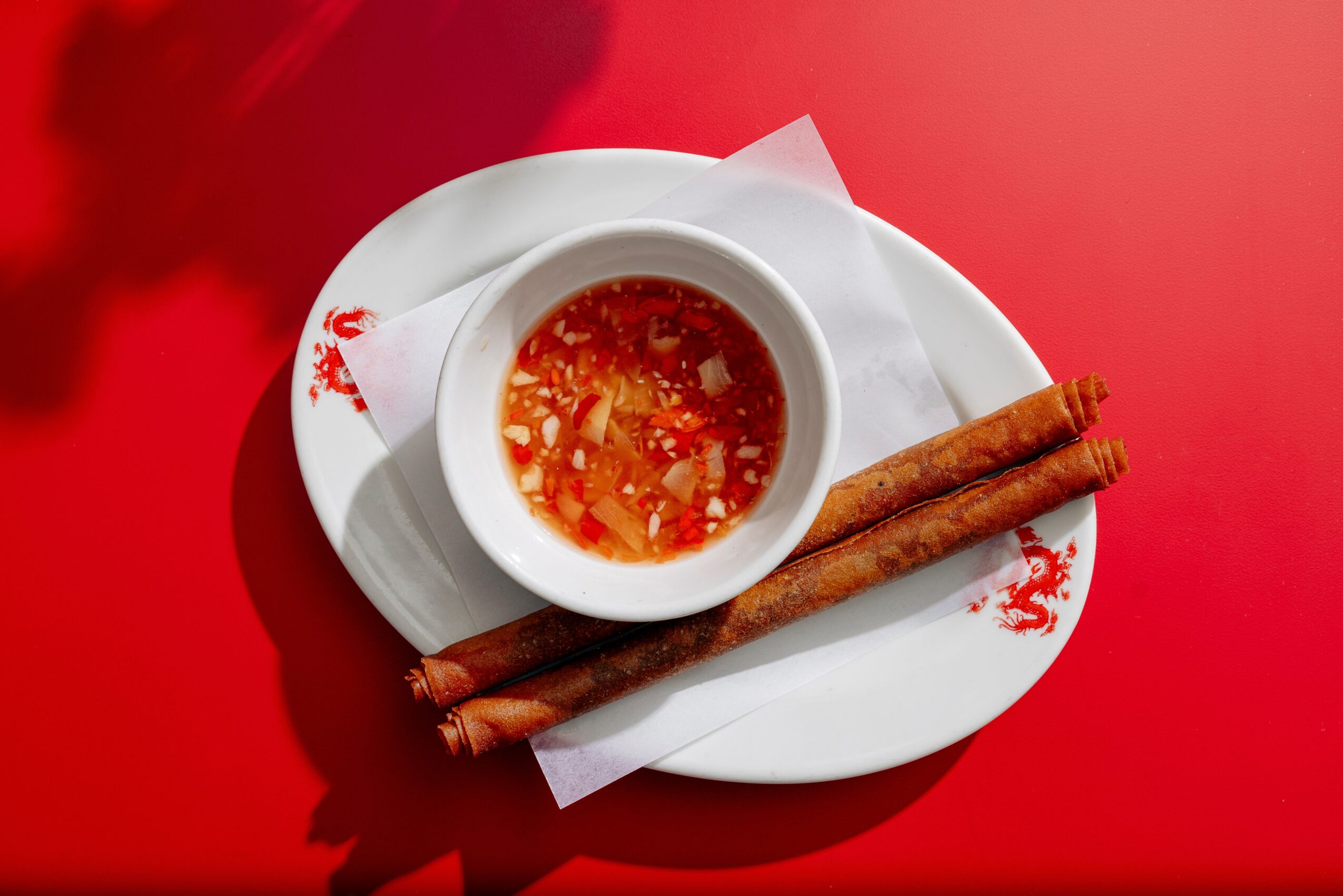
Our restaurant is rooted in Bangkok street food, but the story goes far deeper than that. My wife and I lived in Thailand for a little over four years, and during that time Bangkok became home in every sense of the word. Both of our children were born there. The food, the people, the rhythm of daily life, all of it shaped who we are. So when we came back to California, Thai food in the U.S. simply didn’t taste the same to us anymore. We didn’t know what we didn’t know until we lived there… and once we did, it became impossible to un-taste the difference.
When we started cooking at home, it wasn’t with the intention of opening a restaurant. Honestly, I only knew how to cook five Thai dishes that our team in Thailand had taught us. That’s where we started, not with a business plan, but with nostalgia, curiosity, and a desire to recreate the flavors that had become meaningful to us.
Thai cuisine is deceptively difficult. A stall on the street might serve one main dish and a couple side dishes, so from a Western perspective you think, “How hard can it be?” But once I actually tried to recreate these dishes properly, I got humbled fast. Those ancient techniques, the layering of flavor, the balance of spice, sour, sweet, fat, it takes years, if not decades, to even scratch the surface of mastering it. That challenge is what pulled me in.
I’m sure it wasn’t obstacle-free, but would you say the journey has been fairly smooth so far?
Not at all, and no road ever really is.
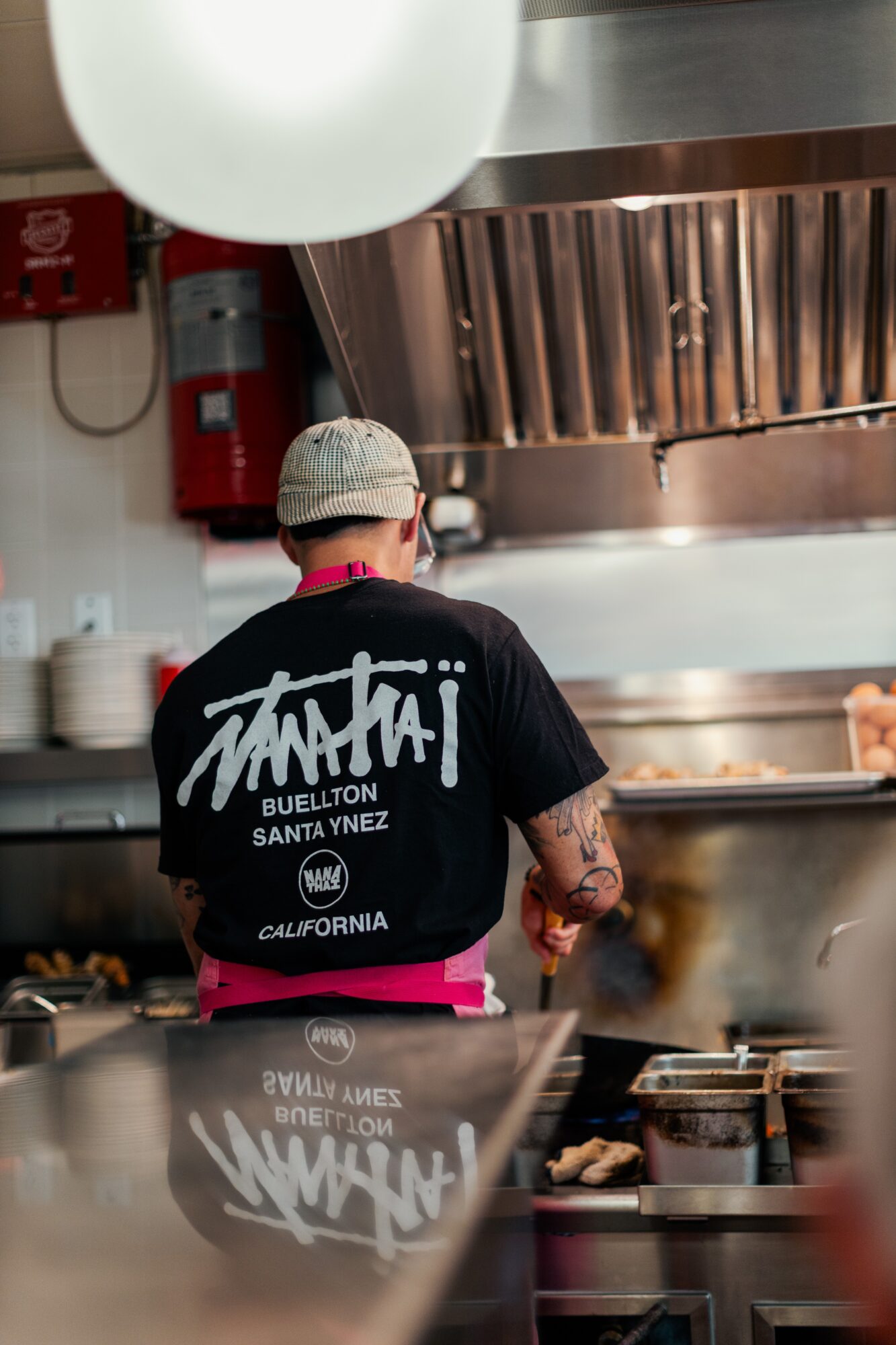
We started with a pop-up. One day a week, one prep day, while still working a normal job. We did that for nine months. I highly recommend starting that way because by the time you open your doors, you’ve already done the hard work. You’ve built a clientele. You know what works and what doesn’t. You’ve answered a lot of questions.
Every pop-up night was basically opening night. Over and over. So when we finally opened our brick-and-mortar, it didn’t feel new, it felt practiced.
When we opened the restaurant, we ran a similar menu, just expanded. The biggest challenge since then has been the human side: hiring, culture, and retention.
We’re in a small town. The really talented cooks often leave for bigger cities, as they should. On top of that, we have a housing shortage. There’s nowhere for people to rent. So even when you find a great candidate who wants to relocate, there’s no place for them to live unless they’re ready to buy a house, which adds another layer of difficulty.
In small towns, retention is everything. Training is everything. Culture is everything.
Thanks for sharing that. So, maybe next you can tell us a bit more about your work?
Preserve the old-world Thai cooking techniques that are slowly disappearing.
We’re not Thai, which gives us an even greater responsibility to honor the culture, not reinterpret it for convenience. So we follow the traditional methods as closely as possible while sourcing from the best California has to offer, world-class farms, fishermen, ranchers, and producers.
We don’t allow modifications or substitutions. Not to be rigid or inhospitable, but because Thai food isn’t modular. If you remove the spice, you have to remove the acidity. Remove the acidity, you lose the sweetness balance. Before you know it, the dish becomes a bland version of what it was meant to be, and that’s simply not Thai food. We want every guest to taste the dish the way it was intended.
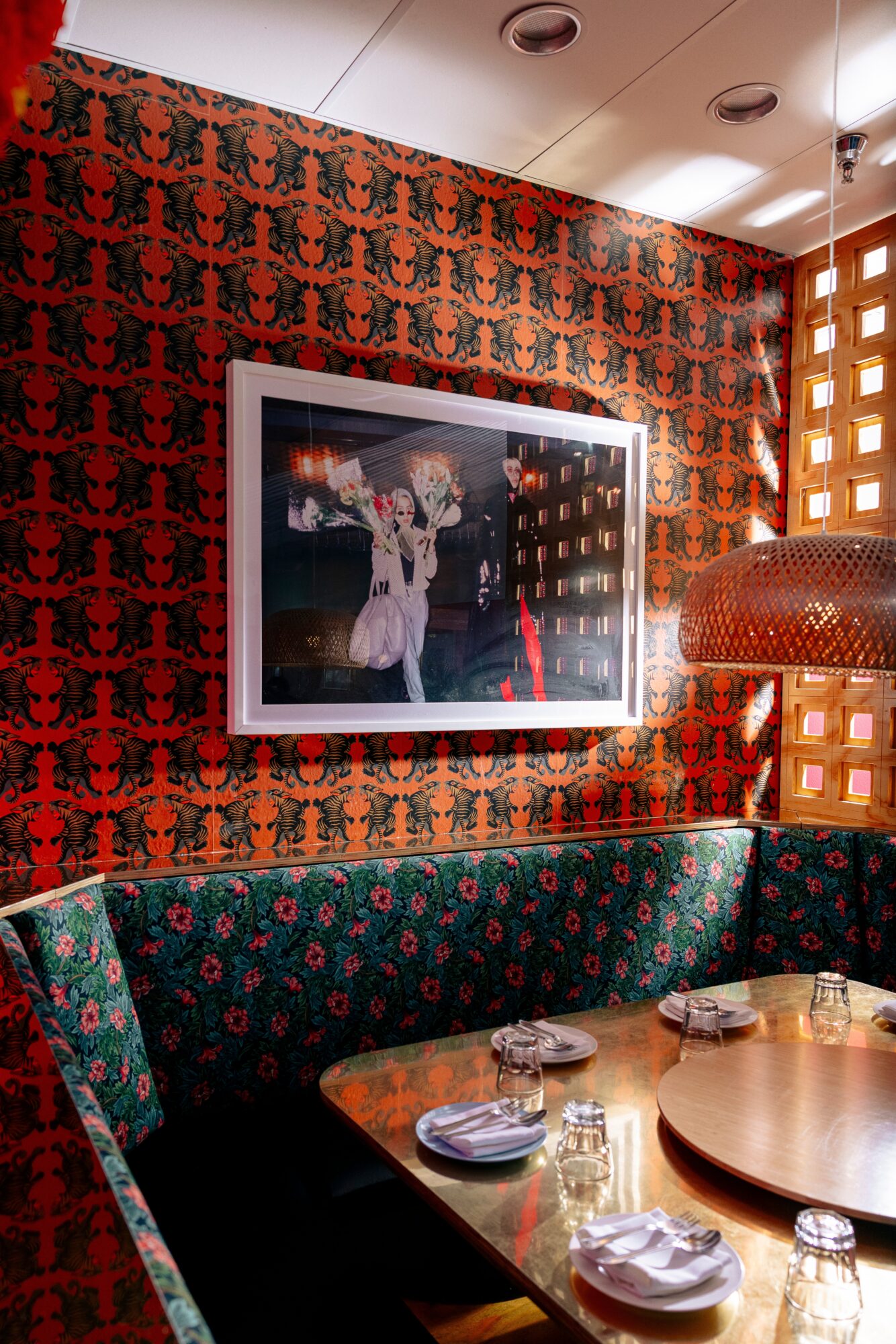
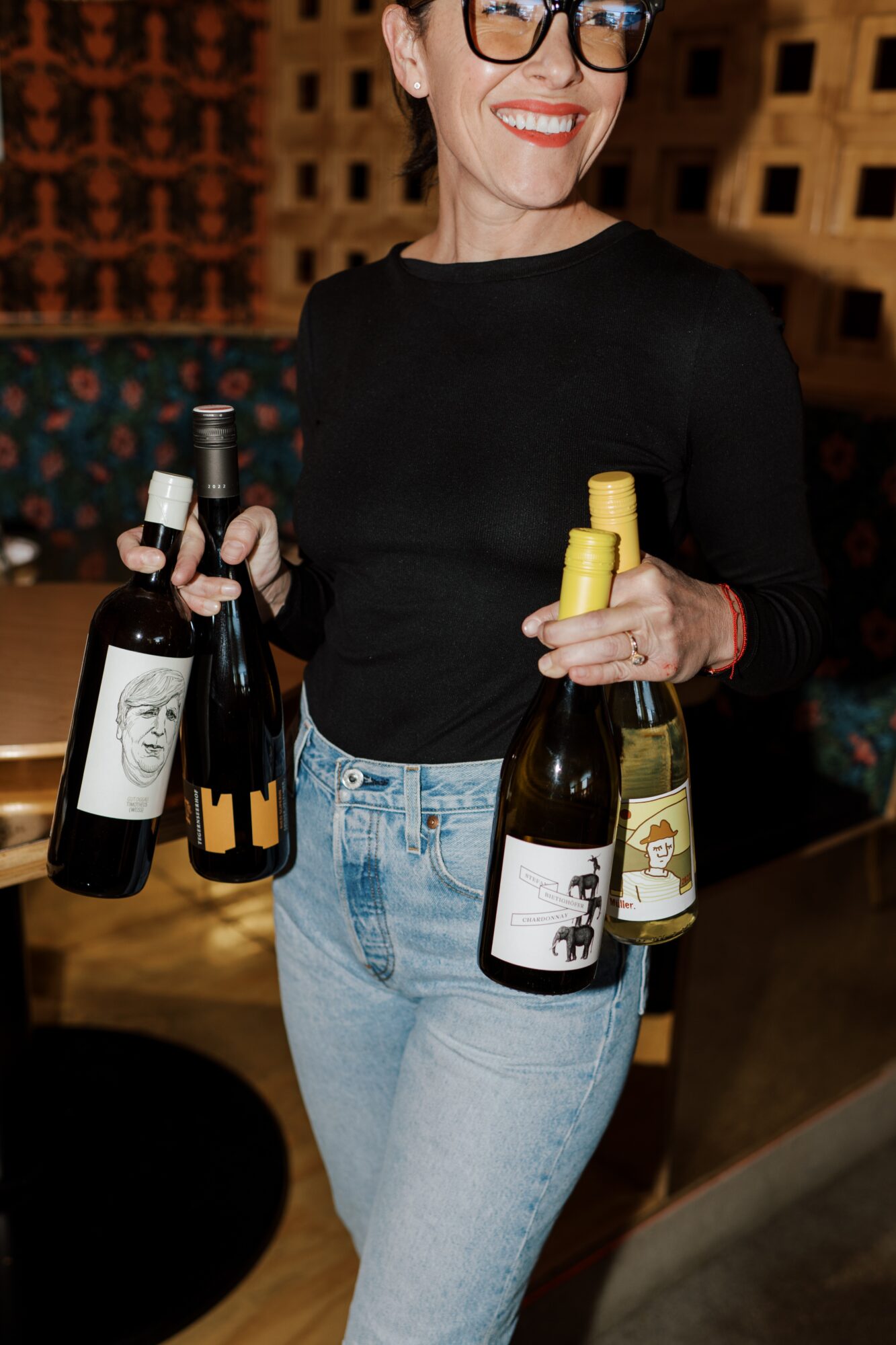
Everything we do; from the food to the beverage program, is designed to work together as a cohesive experience. Not trendy. Not fusion. Just honest Thai food made with deep respect, technique, and intention.
At the end of the day, our goal is simple: To preserve a dying art form, honor a culture that gave us so much, and offer something truly unique, something that tastes like the real Thailand.
Networking and finding a mentor can have such a positive impact on one’s life and career. Any advice?
For me, the most important thing is finding someone you trust, someone you can be yourself around and who genuinely wants to see you succeed.
A great mentor isn’t just someone who tells you what you’re doing well; they’re someone who isn’t afraid to tell you where you can improve. The best mentors challenge you, offer honest feedback, and help you see opportunities and blind spots you might miss on your own.
When it comes to networking, I’ve found that building authentic relationships works far better than trying to collect contacts. Focus on connecting with people you respect, staying curious, asking thoughtful questions, and finding ways to add value. Over time, those genuine relationships often turn into mentorships, partnerships, and friendships.
Ultimately, look for people who push you to become the best version of yourself—and be willing to do the same for others.
Contact Info:
- Website: https://www.nanathaisyv.com
- Instagram: https://www.instagram.com/na_na_thai/?hl=en