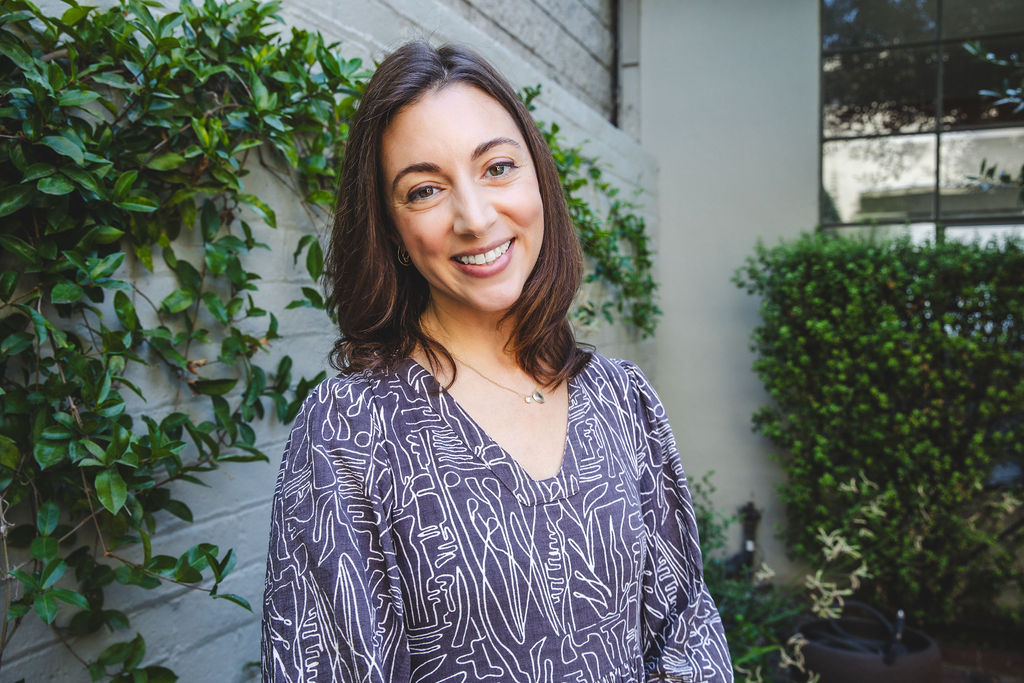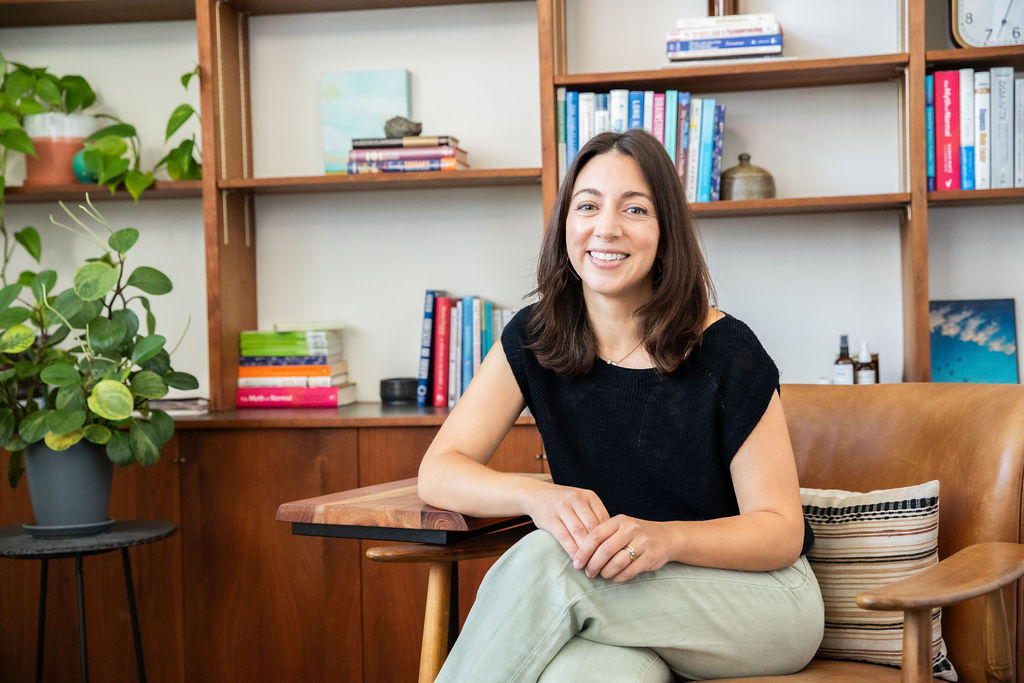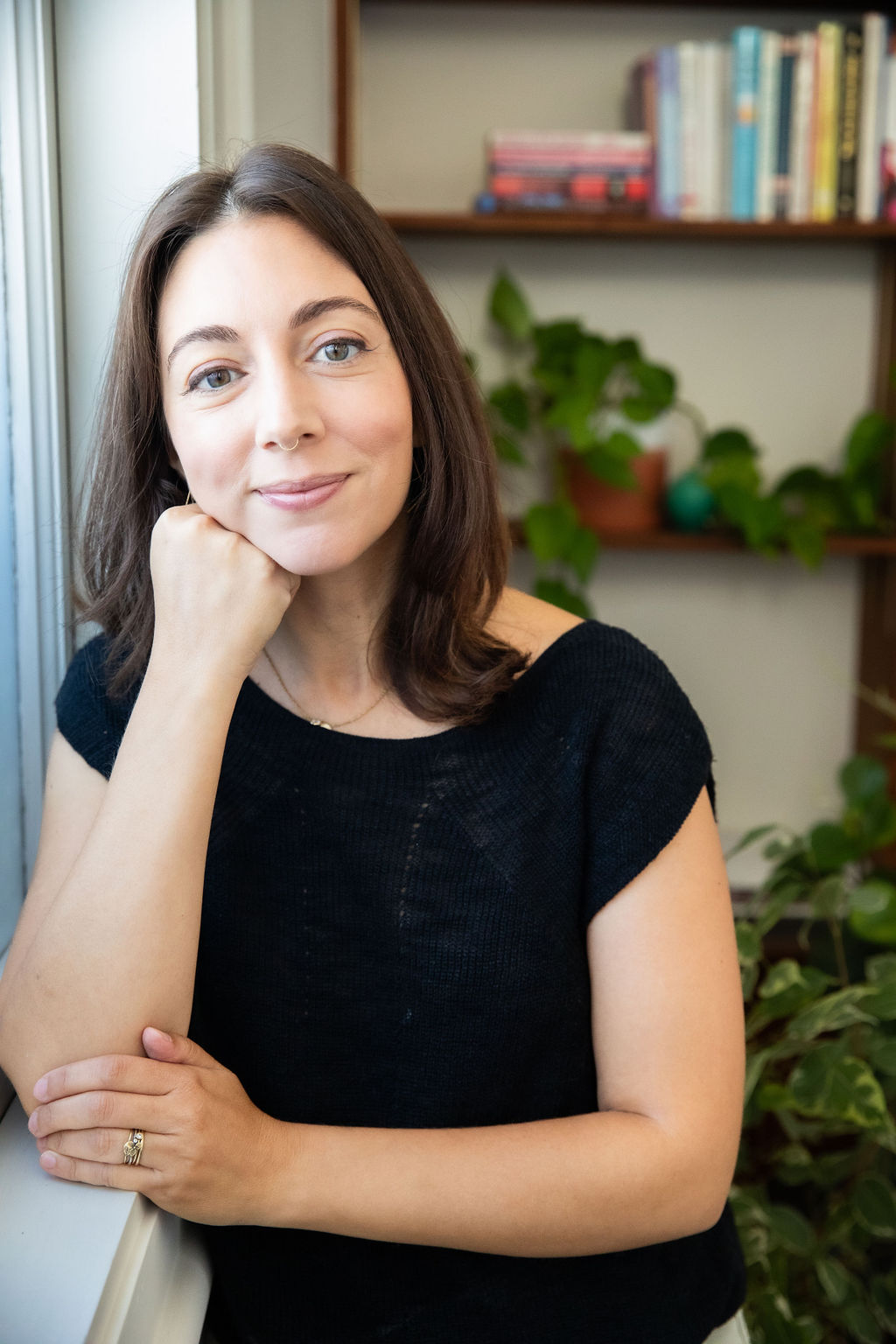





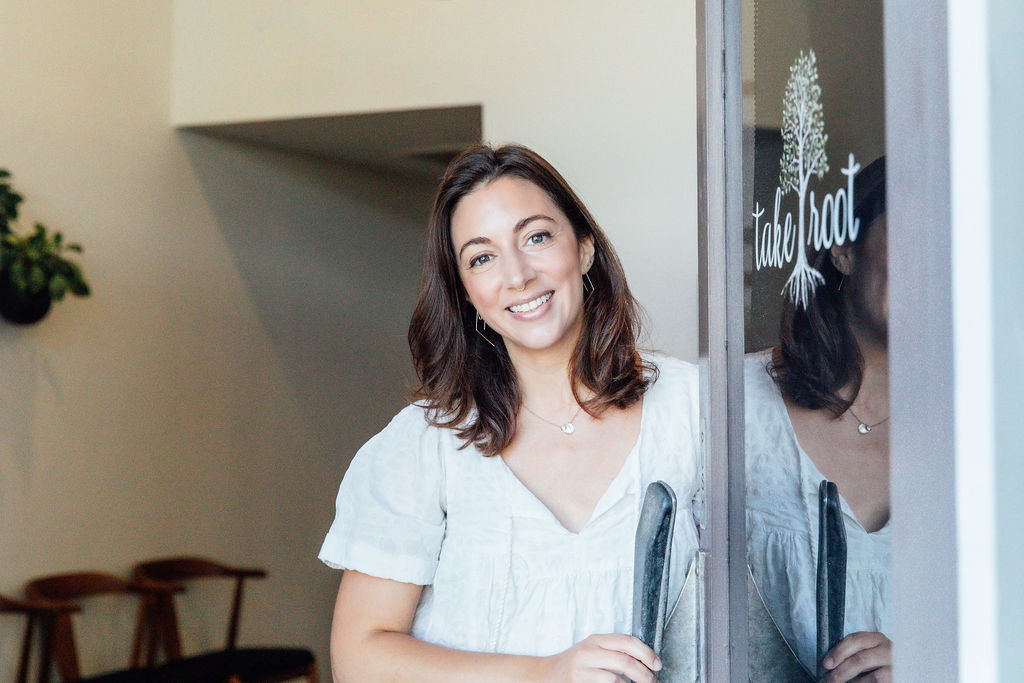
Today we’d like to introduce you to Saba Lurie.
Hi Saba, it’s an honor to have you on the platform. Thanks for taking the time to share your story with us – to start maybe you can share some of your backstory with our readers?
I’ve always cared about building community and connection, and about the ongoing work of becoming a better version of myself. I’ve also wanted to be of service to others. These threads runs through pretty much everything I do, but this started long before I had language for it.
Growing up, I was in and out of therapy, and adolescence was especially hard for me. Some of that time in therapy was genuinely helpful, but some of it wasn’t. I had therapists who saw me and helped me hold on through periods when things felt unbearable, and I also had experiences that left me more guarded than before I walked in. The moments that helped are what eventually pointed me toward this work.
When I first opened my private practice, I was working one-on-one with clients, and it didn’t take long to realize I couldn’t be the right fit for everyone who reached out. People would call needing support I couldn’t provide, whether that was a different specialty, a different approach, or just a different person to sit across from. I didn’t want to just hand them a list of names and hope for the best. I wanted to know the therapists I was referring to, trust their work, and feel confident that someone reaching out to me would land somewhere good even if that somewhere wasn’t with me.
That’s part of how Take Root Therapy came to be. But it wasn’t only about the clients. This work can be lonely, and it can be hard in ways that are difficult to explain to people outside the field. I wanted to build a space where therapists could show up and do their best clinical work, and also feel like they were part of a team, one where we celebrate our wins together and figure out, together, how to best show up for the people we work with.
What started as an individual practice grew into a group of clinicians I trust, doing work I believe in, so that both the people we serve and the people doing the serving have somewhere solid to stand.
Would you say it’s been a smooth road, and if not what are some of the biggest challenges you’ve faced along the way?
No. Not at all. My education prepared me to become a clinician, but it didn’t prepare me to run a business, and honestly, being a therapist comes with its own set of challenges too.
The work we do is nonlinear. I’m someone who wants to know that what I’m doing is actually working, that I’m providing real support and that clients are creating the change they came in seeking. That’s difficult in itself, because this kind of work asks us to be patient with the process, to have hard conversations, and to accept that progress isn’t always forward. Sometimes it moves backwards or sideways before it moves ahead again.
As for running a business, I’ve learned a lot along the way. How to run payroll. How to support and manage a team. How to build systems that actually hold up. How to make sure nothing falls through the cracks. None of that was taught in grad school, so most of it came from figuring it out as I went.
Thanks – so what else should our readers know about Take Root Therapy?
We specialize in providing quality mental health psychotherapy to individuals, adolescents, and couples. We’re a boutique practice, and we know that starting therapy can be a hard thing to do. The first step matters just as much as the last one.
Our therapists all bring their own personalities and specializations to the work, but everyone at Take Root is trauma-informed, LGBTQIA+ affirming, trained in cultural humility, and dedicated to providing quality, compassionate care. That’s the foundation everything else is built on.
We curate the process so people feel supported every step of the way. We respond to every call and every email. If we’re not the right fit for someone, we take the time to help them find resources so they can still get the support they’re looking for, even if it’s not with us.
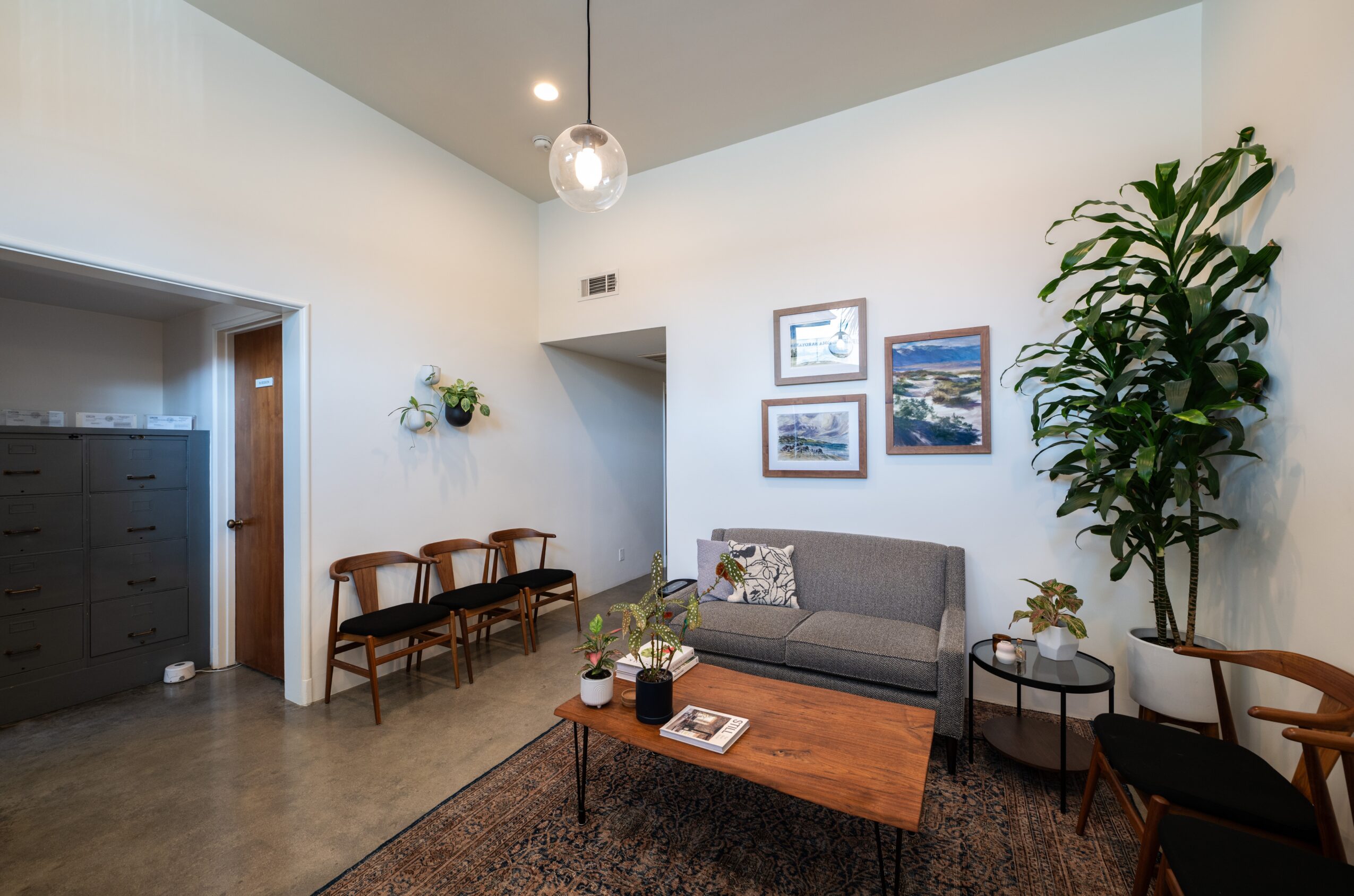
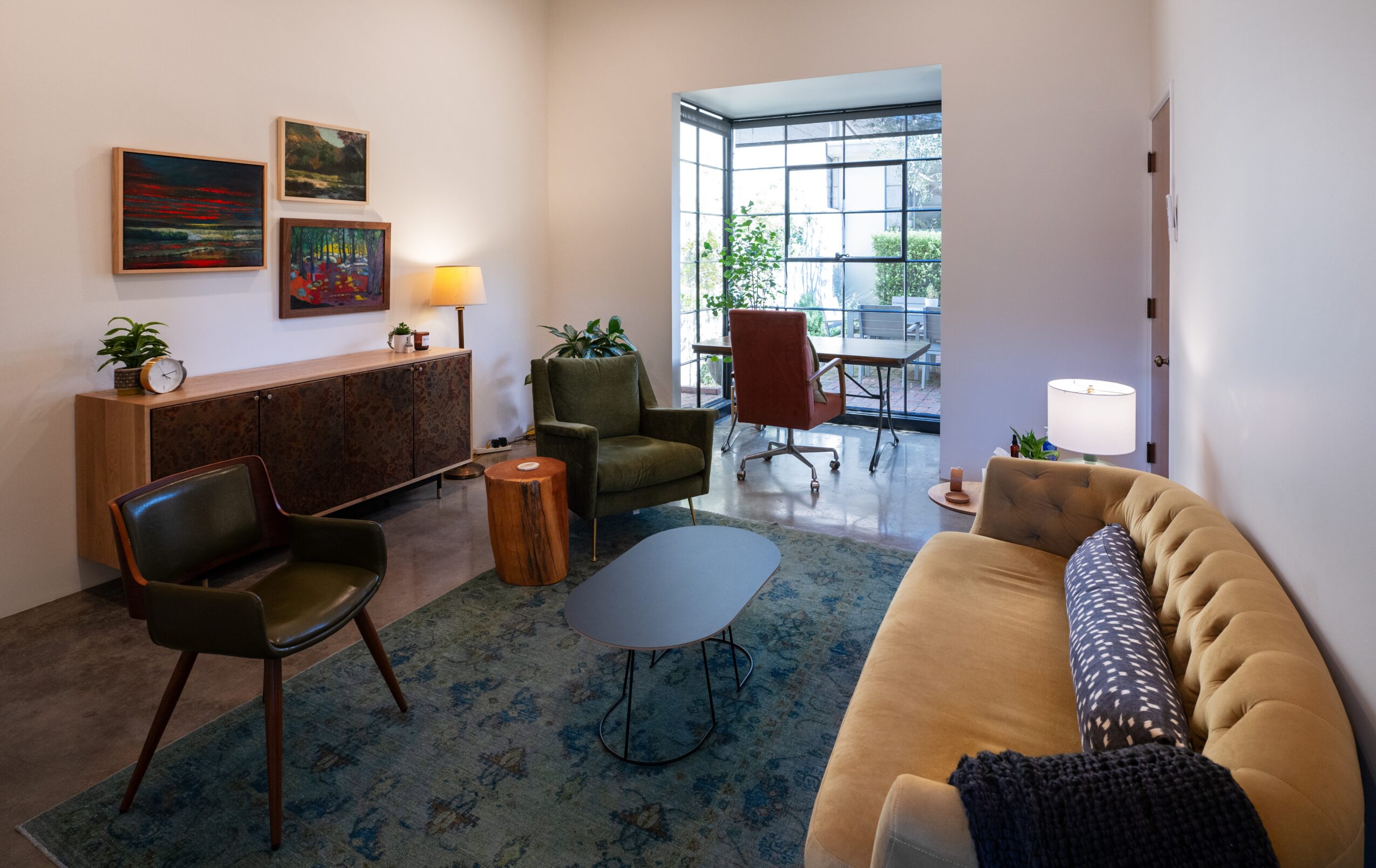
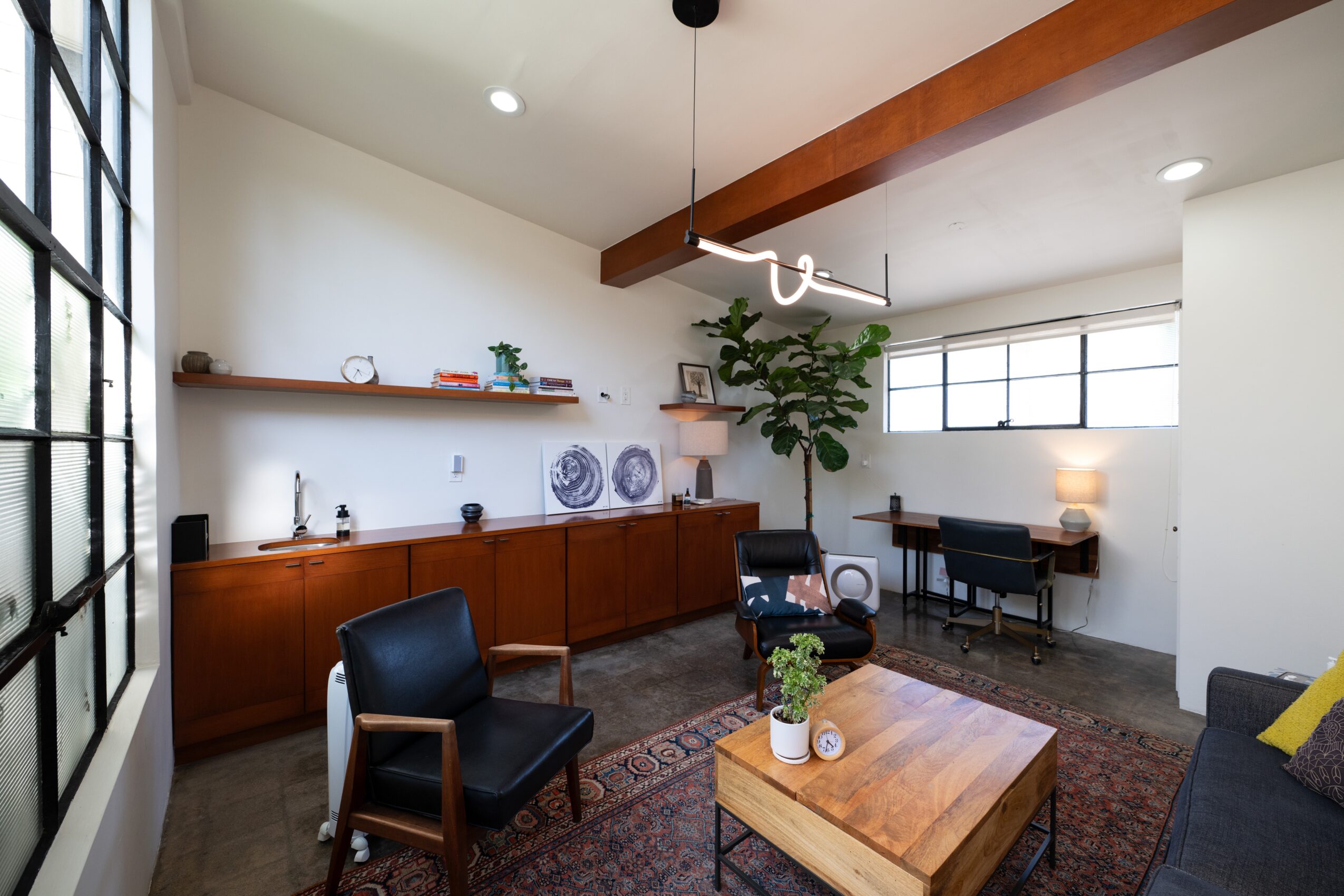
We’ve built a space that offers a soft place to land, somewhere clients can feel cared for, seen, held. And we extend that same care to our therapists, because we know they can’t pour from an empty cup. We invest in trainings, we read clinically sound books together and talk through them as a team, and we make time to celebrate together too.
What sort of changes are you expecting over the next 5-10 years?
As a society, we need connection now more than ever. There’s been a real shift toward people reaching out to AI for support, and toward going online to find connection in general. But what we’re seeing is that those interactions aren’t necessarily fulfilling. People are still lonely, sometimes even more so.
I suspect the need for in-person therapy is going to continue, and honestly, I think people may end up valuing it even more, given everything else that’s competing for their attention and their sense of connection. There’s something about being in a room with another person, being truly seen by them, that I don’t think can be replicated. If anything, I think the next several years will make that clearer, not less clear.
Contact Info:
- Website: https://www.losangelesmftherapist.com
- Instagram: @takeroottherapy
- LinkedIn: https://www.linkedin.com/in/saba-harouni-lurie/