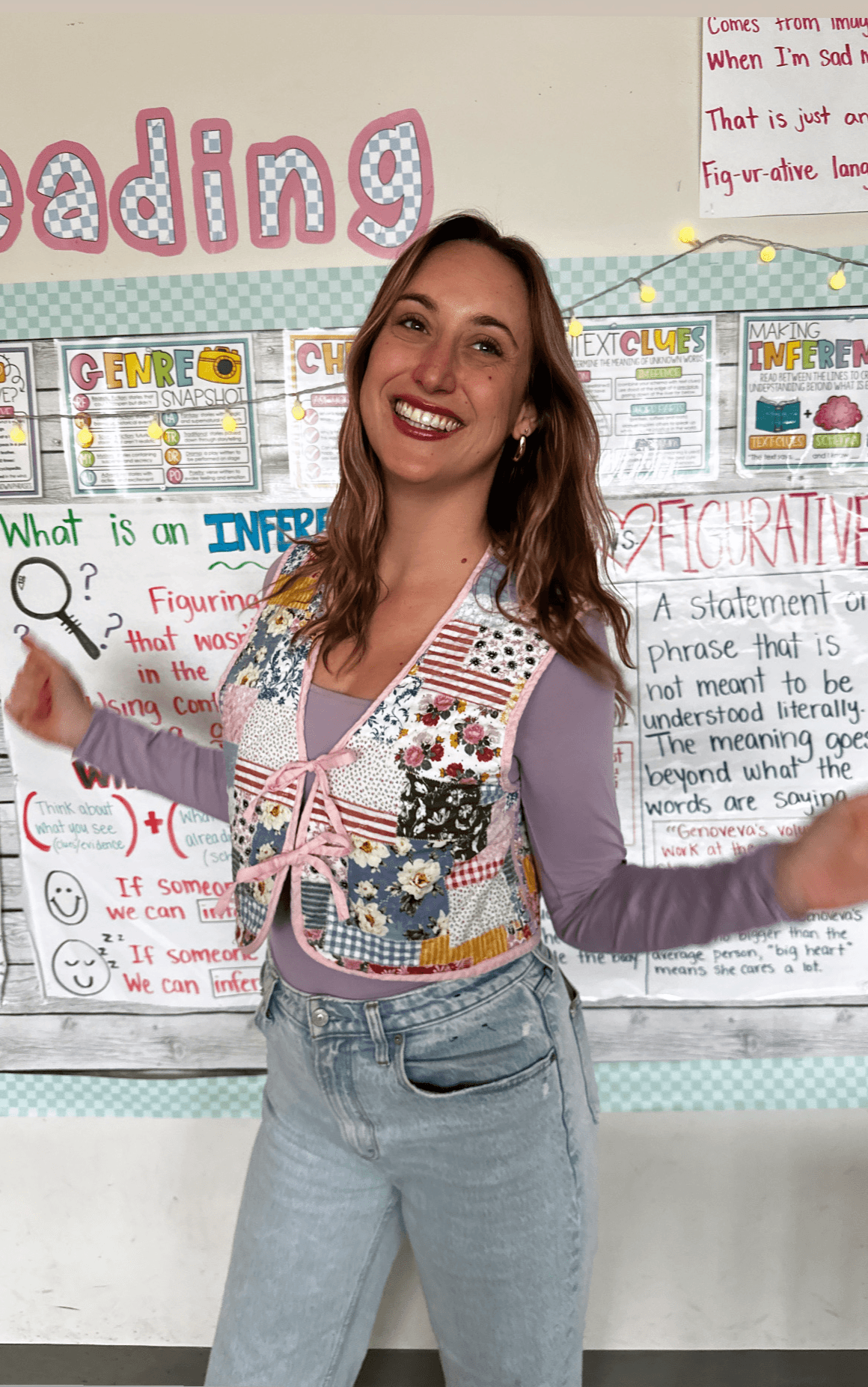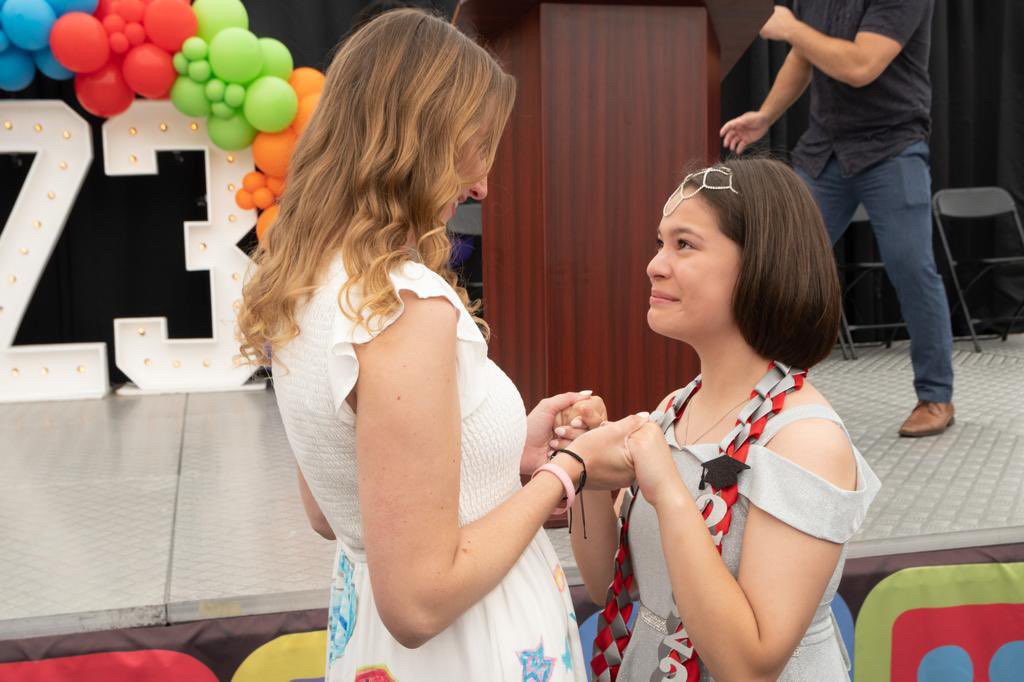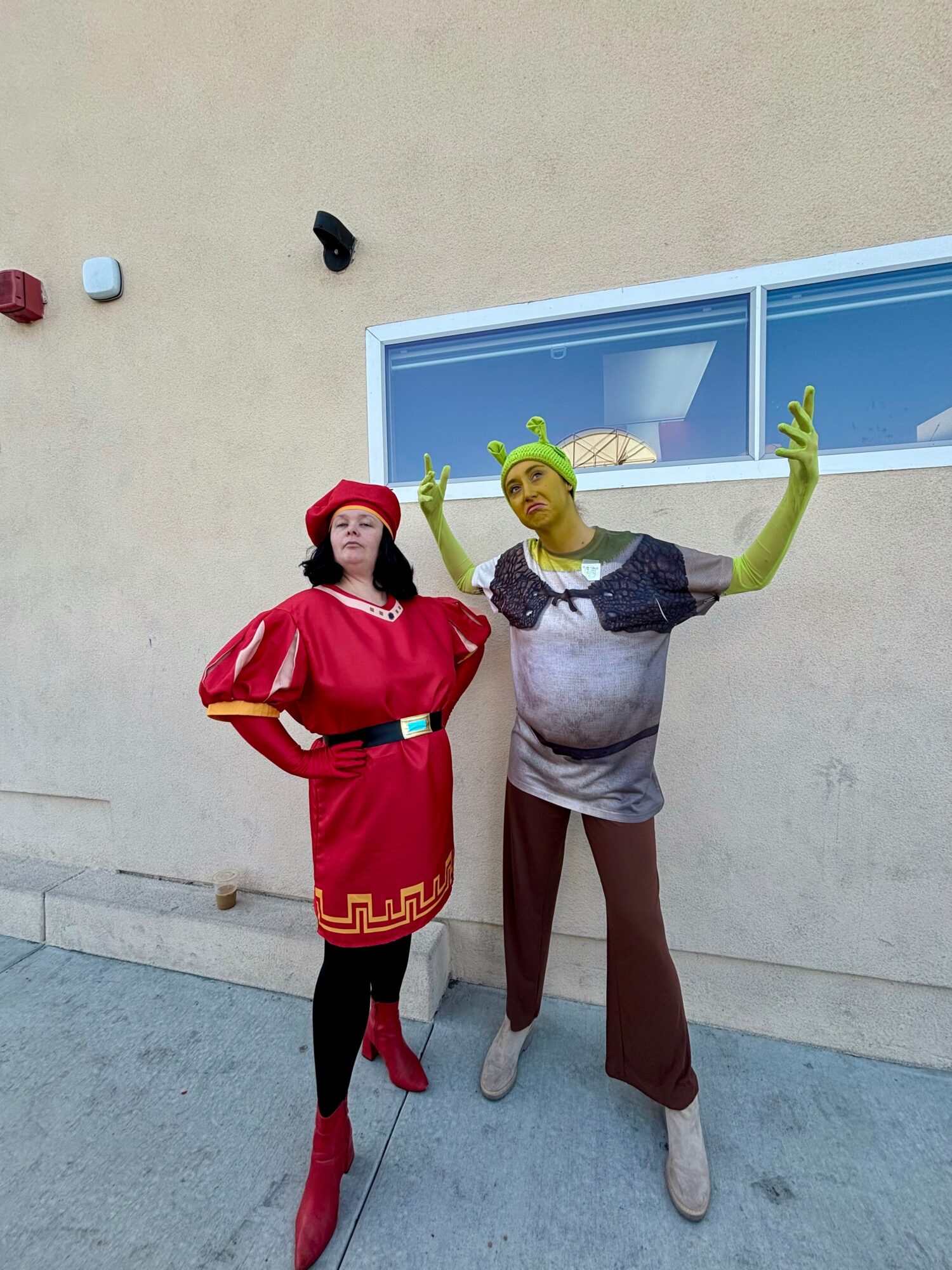




Today we’d like to introduce you to Kelli Brennecke.
Hi Kelli, so excited to have you on the platform. So before we get into questions about your work-life, maybe you can bring our readers up to speed on your story and how you got to where you are today?
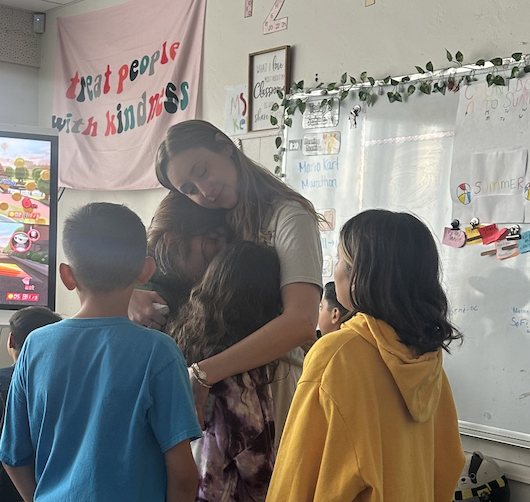
I have been working in education for a decade! I really found my way into education while I was still in college, working in a local preschool. I loved the energy of being around kids, the tiny breakthroughs, the funny moments, and the fact that no two days ever felt the same. From there, I earned my teaching credential and Master’s in Education and went on to teach across several grade levels, including kindergarten, first grade, sixth grade, and fourth grade.
Each experience shaped the way I saw teaching a little differently, but over time I kept coming back to the same thing: kids do their best when they feel safe, understood, and genuinely known.
That became a huge part of my teaching philosophy, and eventually led me into special education. That transition also became much more personal for me. As I got older, I started understanding my own experience in school through the lens of being neurodivergent. I was a student who could appear capable and successful on the outside while struggling in ways that weren’t always obvious to the adults around me. In a lot of ways, I slipped through the cracks because I didn’t necessarily look like a student who needed support.
Looking back at that experience completely changed the way I see kids now. I became especially interested in the students whose behavior, anxiety, executive functioning, learning differences, or communication might be telling us something deeper. I never want a child to believe they’re lazy, difficult, or “bad at school” when what they may actually need is for someone to understand how their brain works.
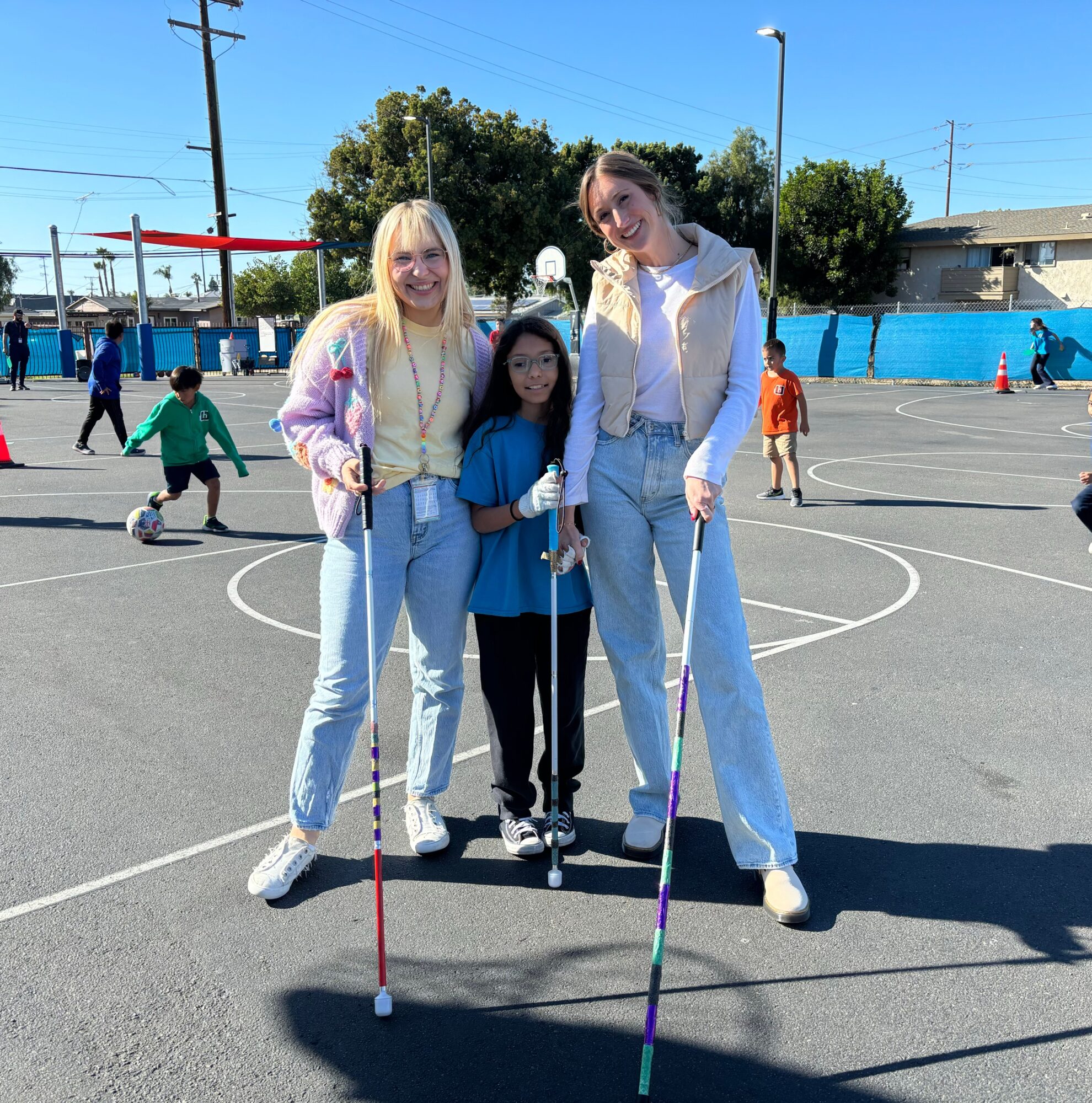
Today, I work as an Education Specialist in an inclusion setting, supporting students with disabilities while helping make the general education classroom more accessible and responsive to different learners. I’ve become especially passionate about looking at the whole child, not just academic growth, but confidence, belonging, emotional safety, communication, and independence.
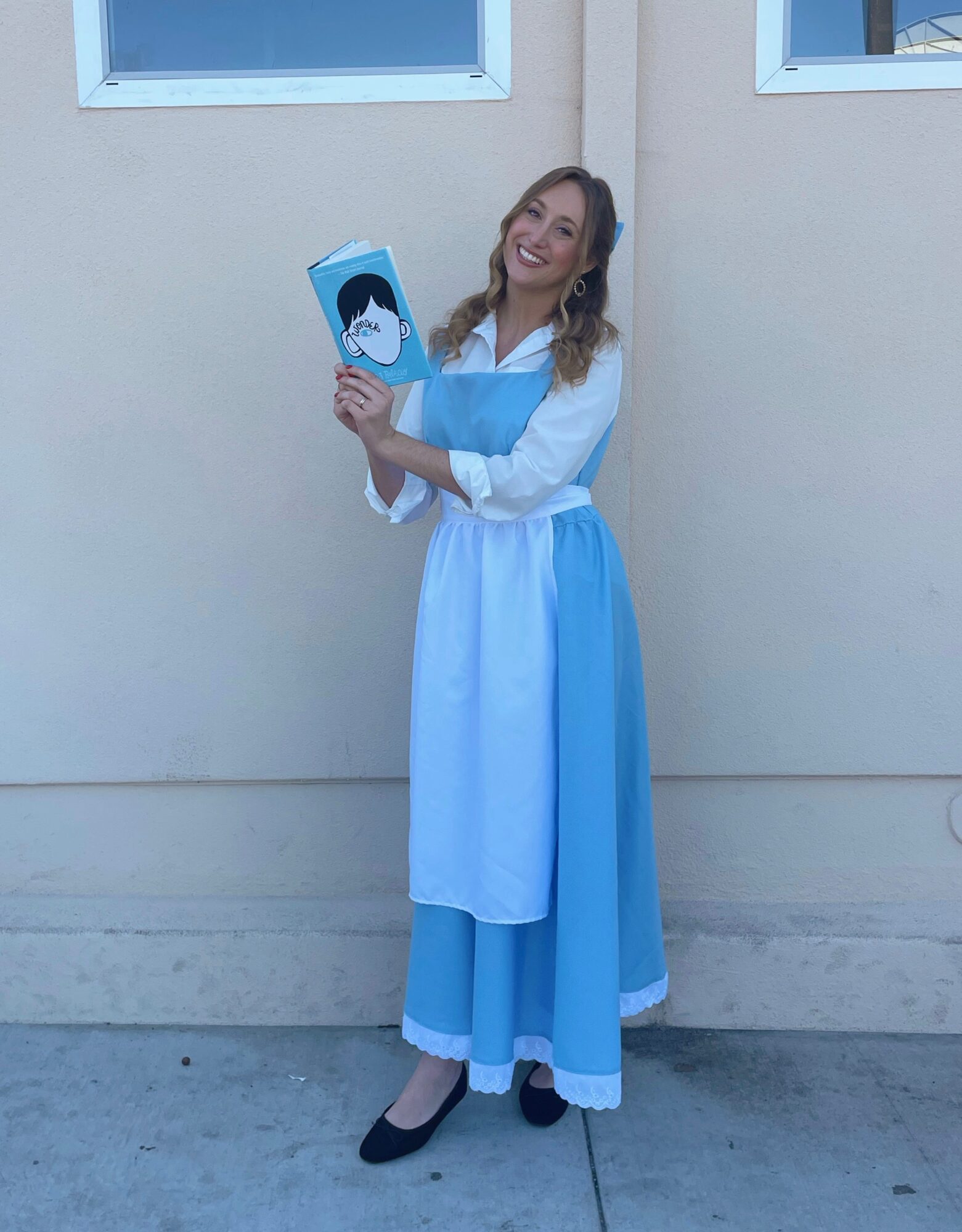
My social media grew alongside all of that. I started posting as a creative outlet and a way to share the funny, chaotic, meaningful side of teaching. Over time, I found myself sharing more about classroom culture, social-emotional learning, inclusion, behavior, neurodiversity, and the everyday things adults can do to help kids feel more supported. I think that’s when it started resonating with people beyond just other teachers.
I never really set out to become a teacher creator. It started pretty organically, with a little encouragement from my students to make that first post, and grew from there, one classroom story and conversation at a time. Now, it feels like a natural extension of the work I already care so deeply about in the classroom: helping kids feel seen, helping adults understand them better, and creating spaces where learning feels a little more human.
We all face challenges, but looking back would you describe it as a relatively smooth road?
Education is incredibly rewarding, but it can also be exhausting, emotionally heavy, and full of moments where you question whether you’re doing enough. I’ve had to learn how to balance caring deeply about my students with not carrying every struggle home with me.
One of the biggest turning points for me came after COVID, when I ended up taking about six months away from teaching to focus on my mental health. I had been pushing through for a long time, and stepping away forced me to slow down and really look at what I needed, both personally and professionally. At the time, it felt scary to step away from something that had become such a big part of my identity, but it ended up changing the way I approached education when I returned.
A lot of that growth has also come from understanding my own neurodivergence and realizing how much of school, and even early adulthood, I spent pushing through things that were harder for me than they appeared from the outside. That has been both challenging and clarifying. It’s made me more aware of how easily students can be misunderstood when their needs don’t fit the most obvious picture.
Coming back to teaching after that break, I had a much stronger understanding that mental health, emotional regulation, and feeling safe are not separate from learning. They’re often what make learning possible in the first place. That experience made me more compassionate, more reflective, and much more intentional about the kind of educator I wanted to be.
Alright, so let’s switch gears a bit and talk business. What should we know about your work?
My work sits at the intersection of special education, inclusion, social-emotional learning, and helping adults better understand kids. In my current role as an Education Specialist, I support students with disabilities in an inclusion setting, which means I’m constantly thinking about how to make grade-level learning more accessible without lowering expectations. A lot of my focus is on figuring out what a student needs in order to participate, communicate, build confidence, and become more independent.
I think what I’m most known for, both in the classroom and through my content, is looking beyond behavior. I’m really interested in the “why” underneath what we’re seeing. A student who seems unmotivated may be overwhelmed. A student who avoids work may not know how to start. A child who shuts down may not feel safe enough to make a mistake. I try to help teachers and parents shift from “How do I get this child to comply?” to “What is this child communicating, and what support might actually help?”
On social media, I share a mix of practical strategies, classroom experiences, special education and inclusion content, and conversations around emotional safety, regulation, neurodiversity, and the whole child. I try to make those ideas approachable and usable, not overly clinical or buried in education jargon.
What I’m most proud of is probably the trust I’ve been able to build, both with students/families and with the people who follow my work. Some of the most meaningful moments are when a student who typically shuts down starts advocating for themselves, or when a parent or teacher tells me that something I shared helped them see a child differently. Those moments feel bigger to me than numbers or views ever could.
What sets me apart is that a lot of this work is personal for me. I’m not only looking at these topics as an educator, but also through the lens of someone who was neurodivergent and didn’t always receive the support I needed in school. I know what it feels like to look capable on the outside while struggling internally, and that perspective shapes the way I teach. I care deeply about helping create classrooms where kids don’t have to struggle loudly before someone notices they need support.
What do you like best about our city? What do you like least?
What I love most about San Diego is how easy it is to build a life around being outside. There’s something about being able to go from work to the beach, walk through different neighborhoods, grab food somewhere casual, or spend a weekend exploring without needing a huge plan. I also love how many different communities and cultures exist within the city. Every neighborhood has its own personality, which keeps it from ever feeling one-note.
What I like least is probably the cost of living. San Diego is an amazing place to call home, but it can be really difficult for teachers, families, and other working professionals to afford to stay here long-term. There’s a strange tension between loving the lifestyle and knowing how financially challenging it can be to maintain it.
Contact Info:
- Website: https://linktr.ee/mskellibelli
- Instagram: https://www.instagram.com/mskellibelli/
- Other: https://www.tiktok.com/@mskellibelli