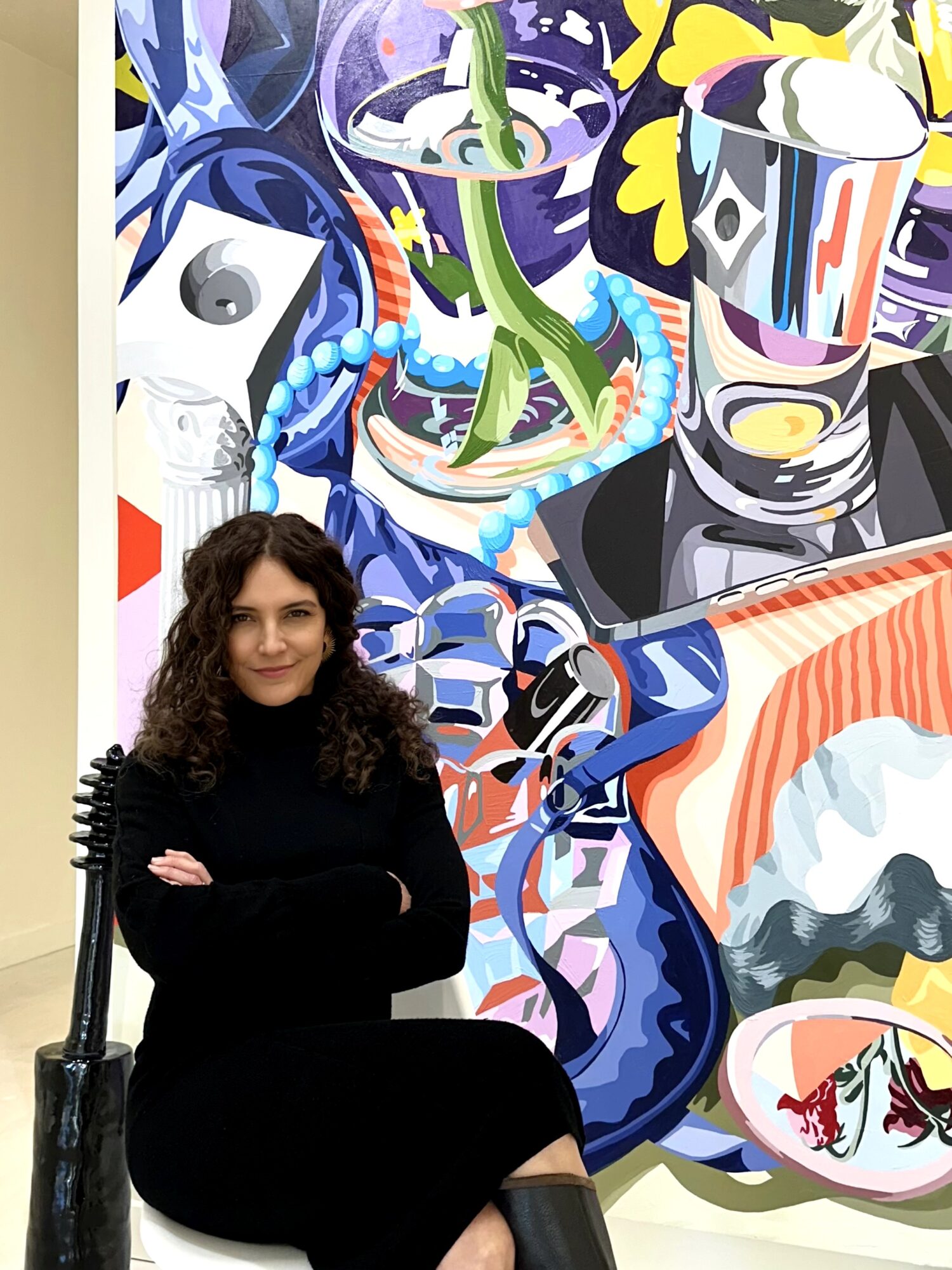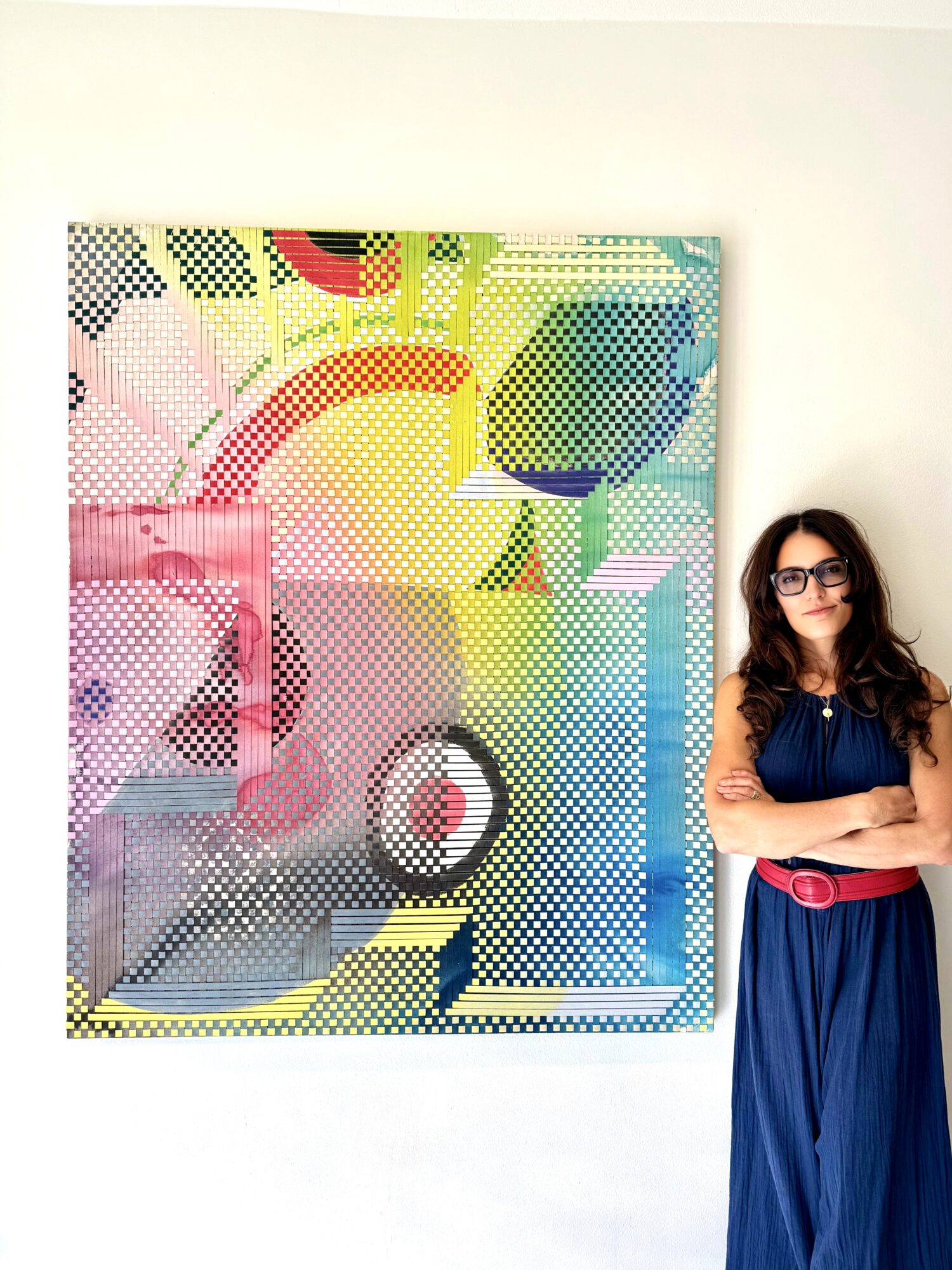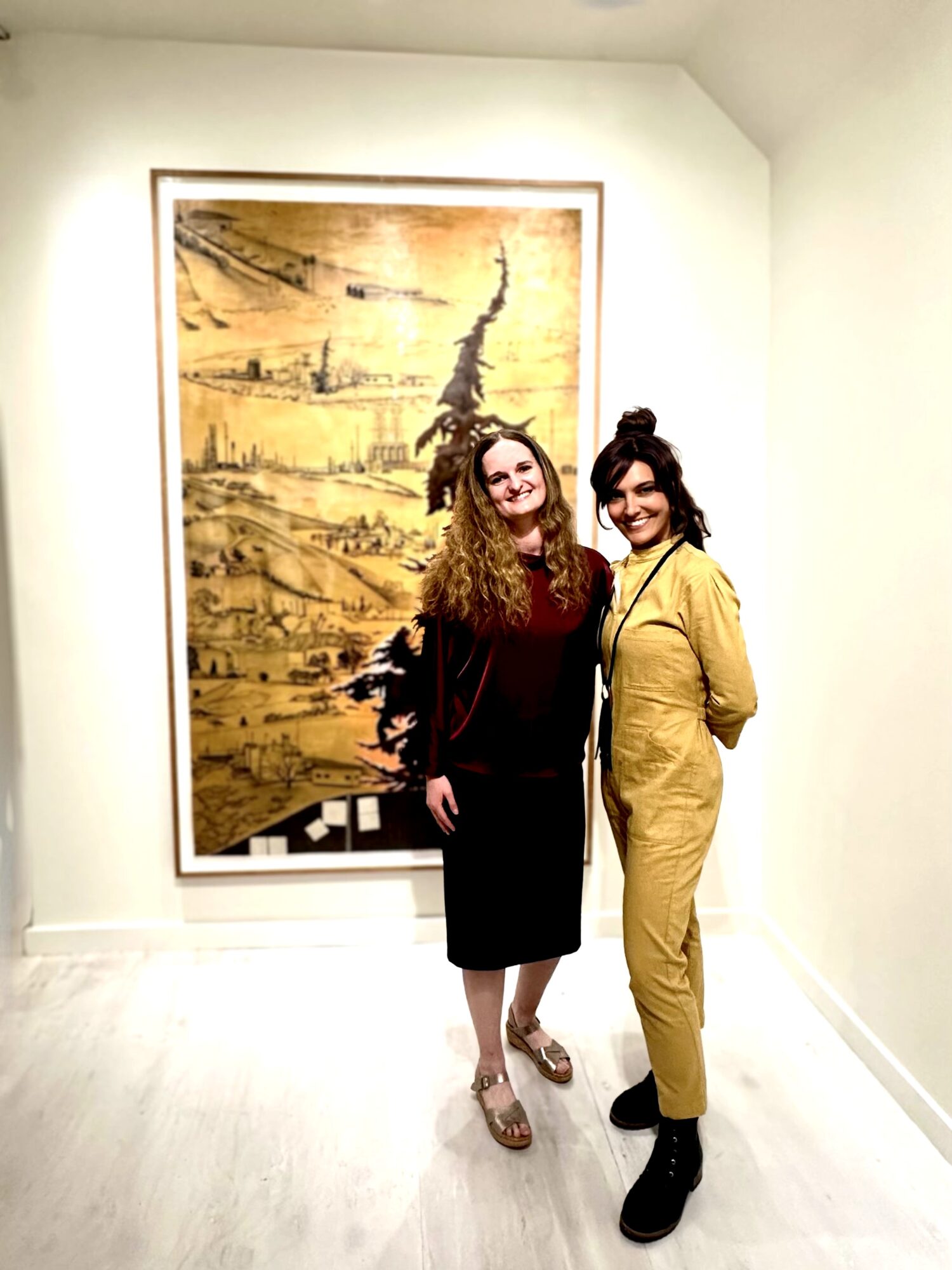





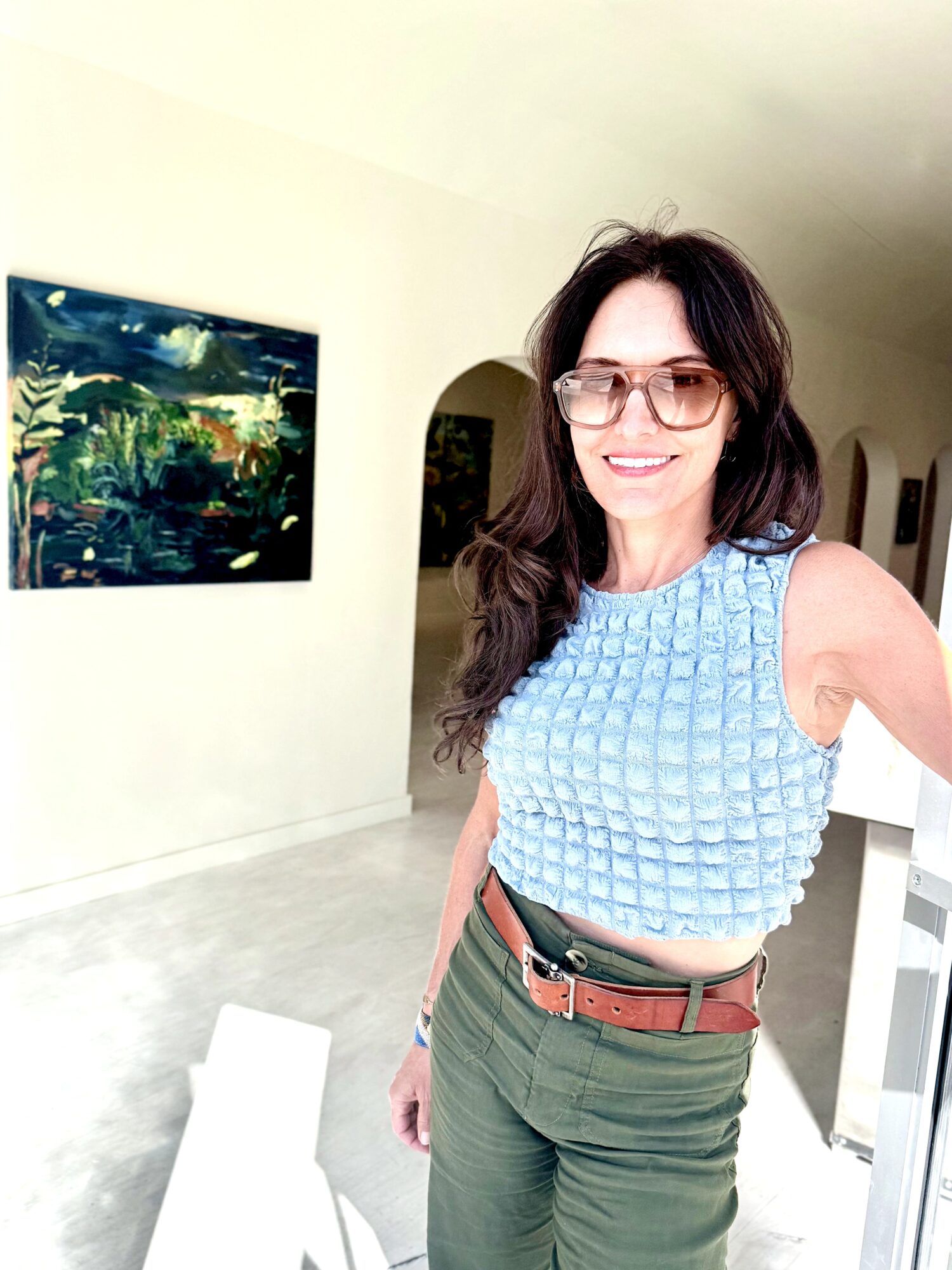
Today we’d like to introduce you to Kimberly Johansson.
Alright, so thank you so much for sharing your story and insight with our readers. To kick things off, can you tell us a bit about how you got started?
My journey as a gallerist began in the secondary art market, where I worked for other galleries and learned the business side of the art world. At the same time, I started curating shows in more experimental spaces, collaborating with young, living artists simply for the love of it. Those early experiences were exhilarating. I’d never felt so alive as when I helped new artists realize their visions. Eventually, I made the leap and quit my day job, thinking I could always go back if things didn’t work out. Nearly twenty years later, I’m still here, dedicated to the work and the artists who inspire me every day.
Can you talk to us a bit about the challenges and lessons you’ve learned along the way. Looking back would you say it’s been easy or smooth in retrospect?
The art market can be dramatic and unpredictable, so I’ve learned to be especially careful with my budget and avoid overspending in good years. Survival in this field requires discipline and a willingness to make tough choices, even when it means passing up exciting opportunities. Another challenge is the delicacy required when working closely with artists. You’re not just dealing with objects, but with the identities and personal stories that artists pour into their work. Navigating these relationships takes empathy, clear communication, and deep respect for the vulnerability involved on both sides. These challenges have taught me a lot about resilience and the importance of trust, both with artists and within the broader art community.
As you know, we’re big fans of you and your work. For our readers who might not be as familiar what can you tell them about what you do?
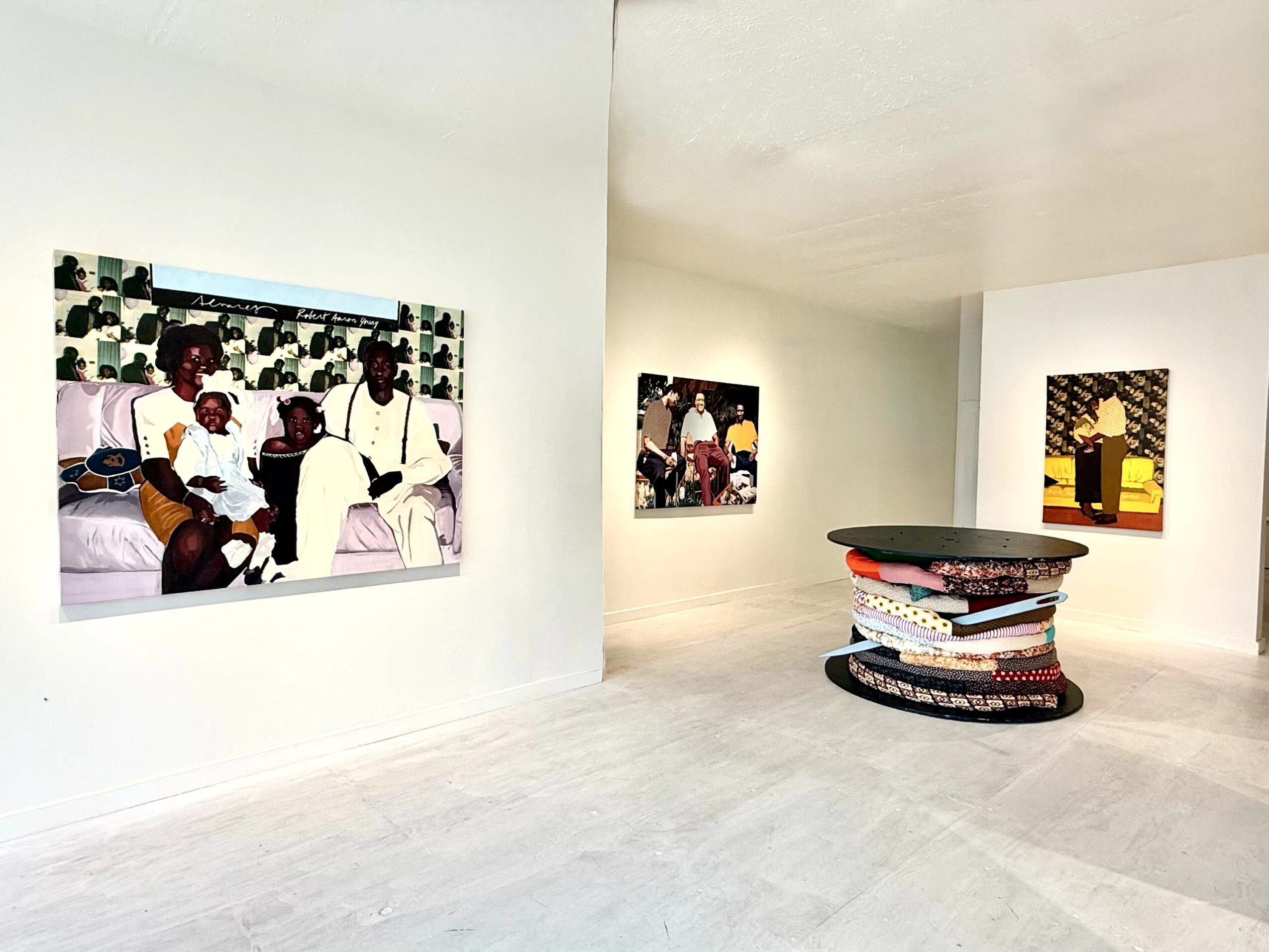
As a gallerist, I focus on discovering and nurturing emerging artists, especially those whose perspectives reflect Oakland’s diversity and creative spirit. I specialize in presenting first solo exhibitions for artists who are just beginning to gain recognition, as well as curating group shows that bring together fresh voices and unconventional practices. My gallery is known for its commitment to supporting artists not only through exhibitions, but also by facilitating connections with collectors, curators, and institutions nationally and internationally. I’m especially proud of the role the gallery has played in helping several artists achieve significant milestones—such as museum placements, residencies, and first major sales—that have propelled their careers forward.
What sets my gallery apart is a focus on risk-taking and experimentation, both in the artists I represent and in how I approach programming. I strive to create a welcoming, accessible environment that invites dialogue and challenges traditional notions of what a gallery can be. By actively engaging with the local community while also participating in global art fairs, I aim to bridge Oakland’s vibrant art scene and the wider contemporary art world. This dual commitment to local roots and international reach is something I’m deeply proud of, and I believe it sets my work apart
Risk taking is a topic that people have widely differing views on – we’d love to hear your thoughts.
As a gallerist in Oakland who promotes new artists and often goes to art fairs throughout the country and abroad, risk is central to my work. Supporting artists at the start of their careers involves uncertainty, since you can’t be sure they will achieve commercial success or receive critical recognition. Nevertheless, I think that taking such risks is essential both for the vitality of the gallery and for the development of the art world as a whole.
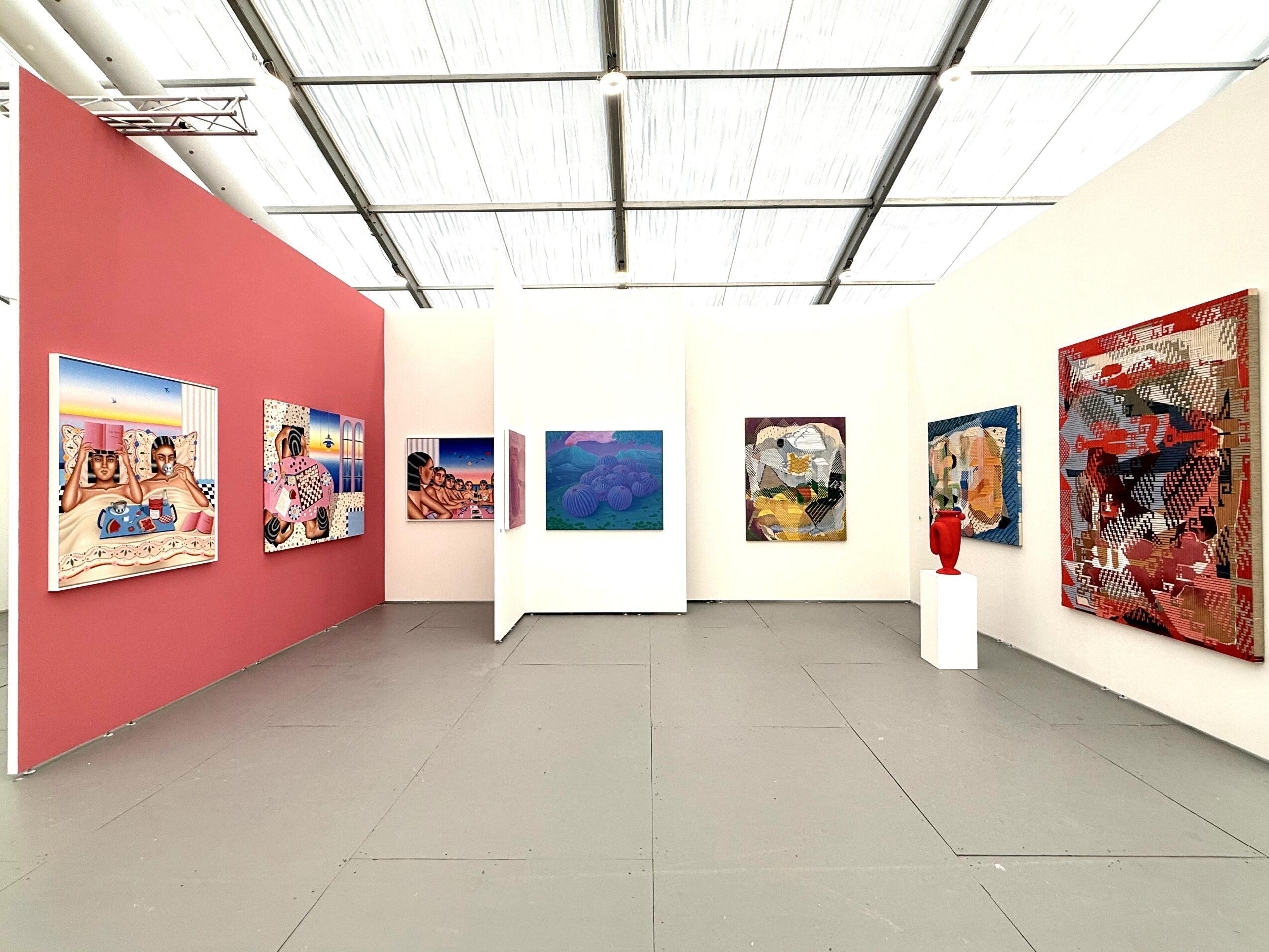
Traveling to art fairs is a calculated risk. There’s significant upfront investment, and outcomes are never guaranteed. Sometimes a fair can be a breakthrough, other times it’s more of a learning experience. But I view these risks as necessary steps to build visibility for artists on a bigger stage, and to cultivate relationships that can create opportunities for them and the gallery.
Ultimately, I see risk not as a reckless leap, but as a form of commitment: to my values, to my artists, and to the idea that new voices and fresh perspectives deserve space and support. For me, risk-taking is about being willing to move forward without absolute certainty, trusting your vision, and embracing the possibility of failure as much as the possibility of success. That’s where real growth, personally, artistically, and professionally, happens.
Contact Info:
- Website: https://www.johanssonprojects.com
- Instagram: https://www.instagram.com/johansson_projects/
- Facebook: https://www.facebook.com/johanssonproject/