



Today we’d like to introduce you to Taylor Reinhold.
Hi Taylor, thanks for joining us today. We’d love for you to start by introducing yourself.
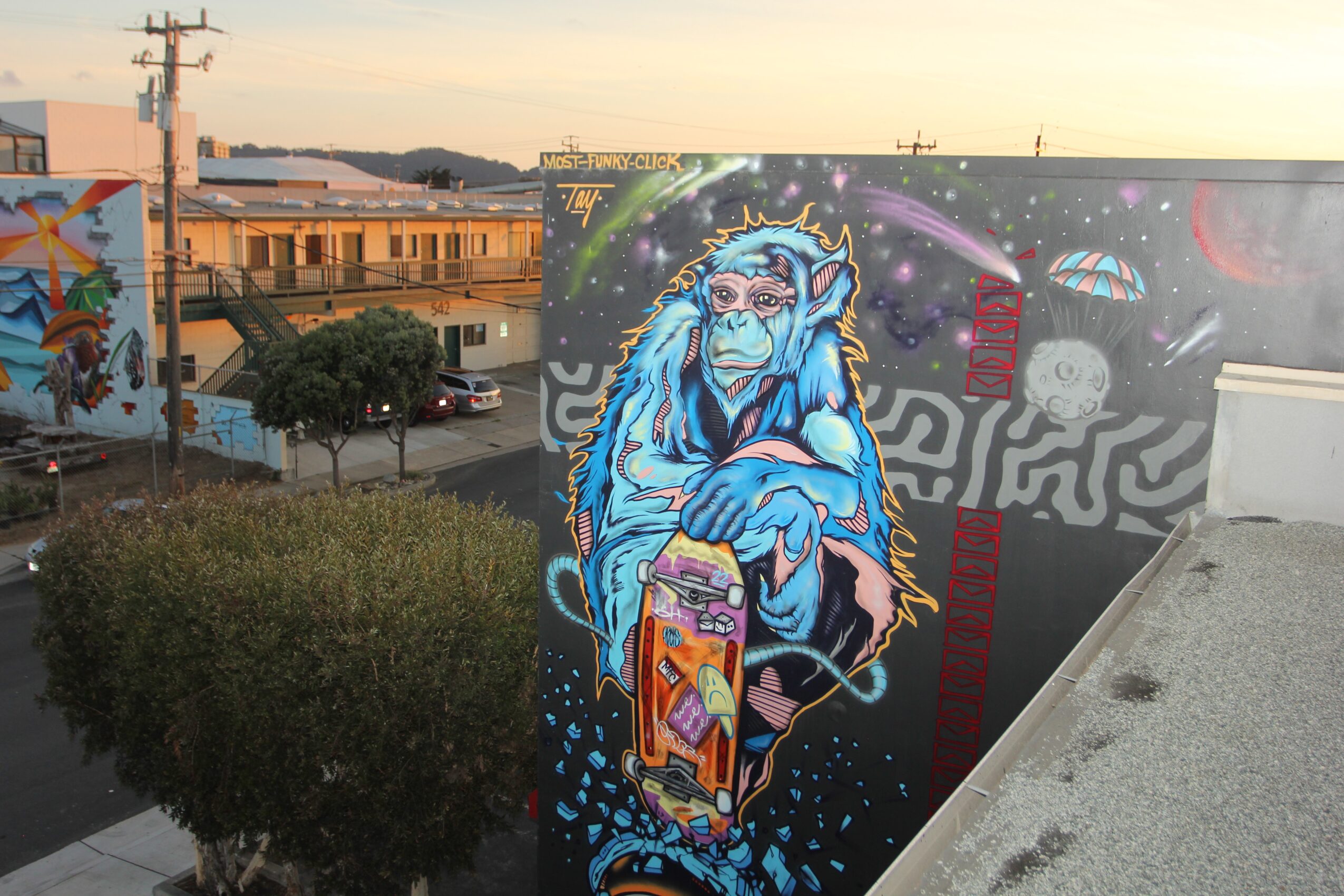
I grew up in Santa Cruz, where skateboarding, graffiti, music, and the culture around this town were a huge influence on me from an early age. I was always drawing, painting, and looking for ways to make things. A lot of my early education came from being out in the Bay Area, writing graffiti, making graphics, collaborating with friends, and learning through trial and error.
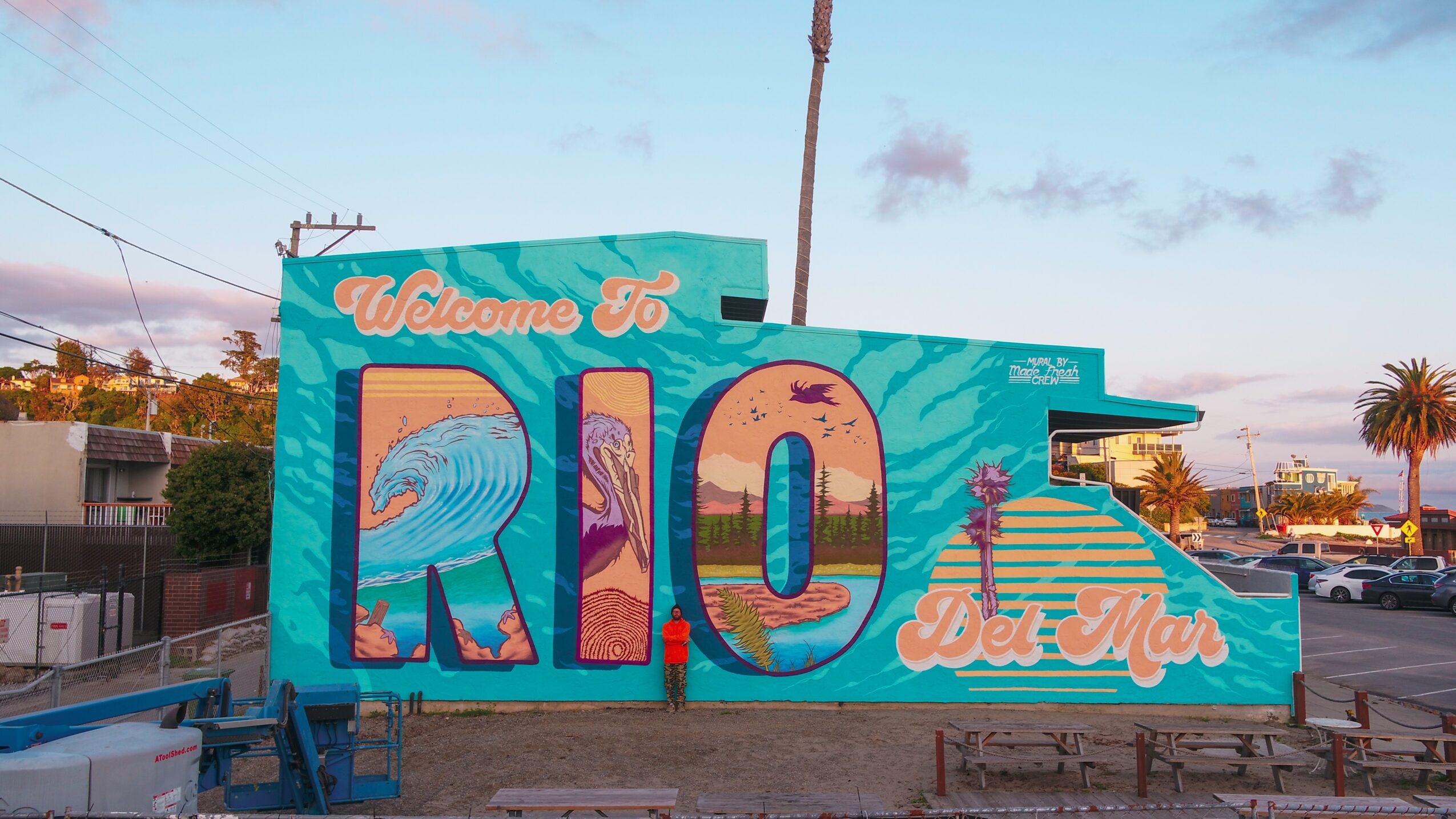
Over time, what started as graffiti and creating art with friends grew into something much bigger. I founded Made Fresh Crew as a way to bring artists together, collaborate, and create opportunities for each other. That community has remained a big part of what I do. I’ve always believed that art becomes more powerful when it’s connected to people and to the place where it lives.
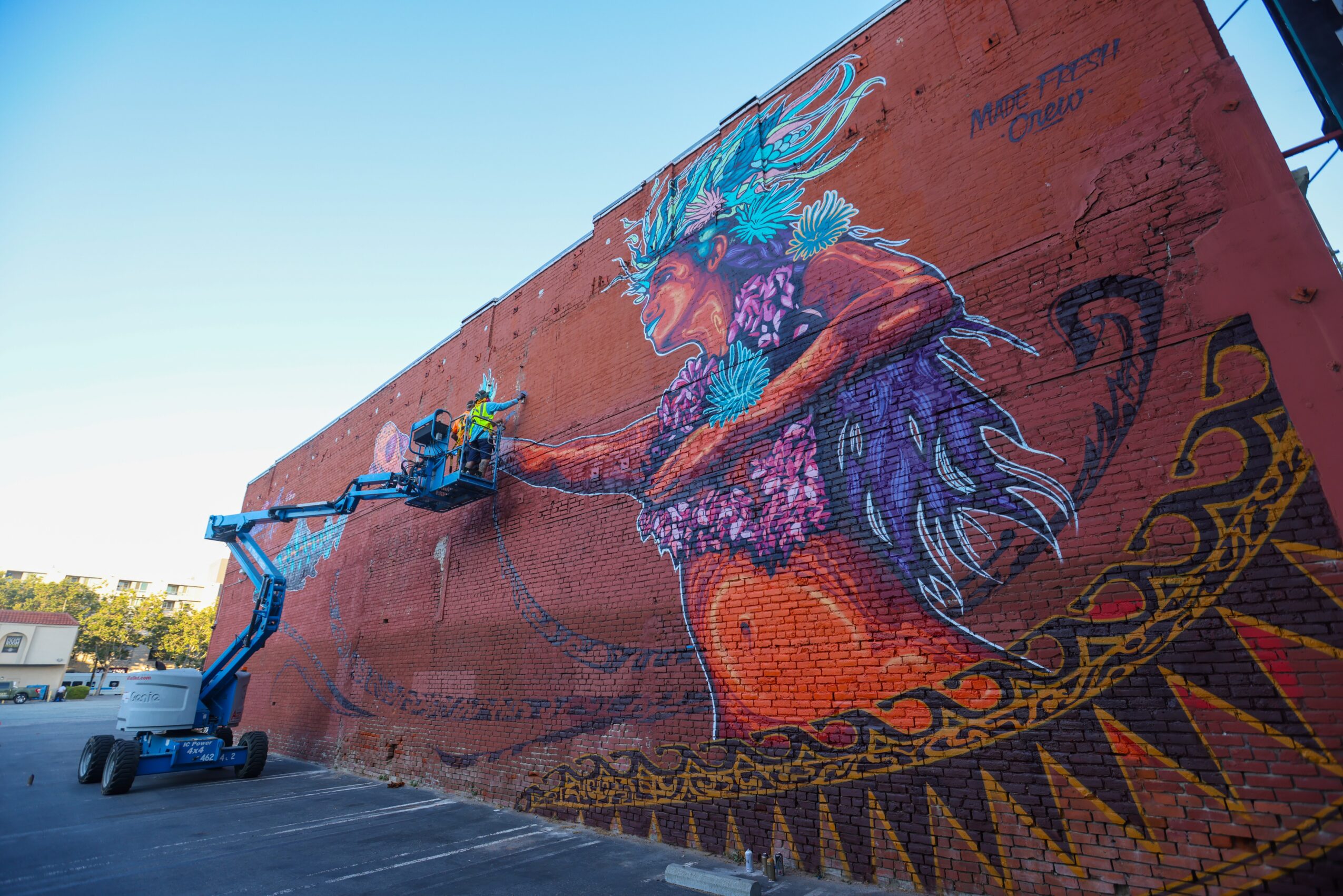
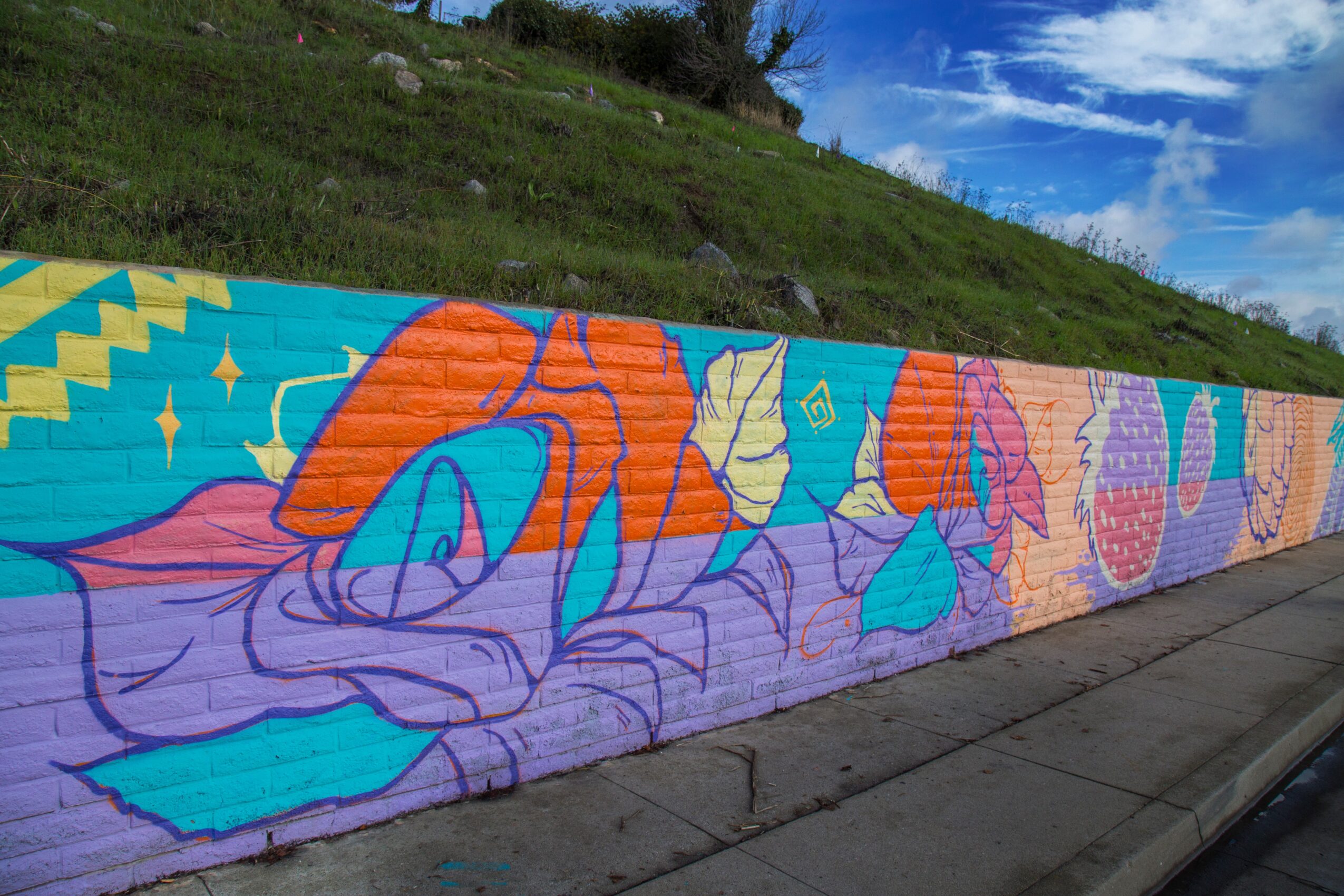
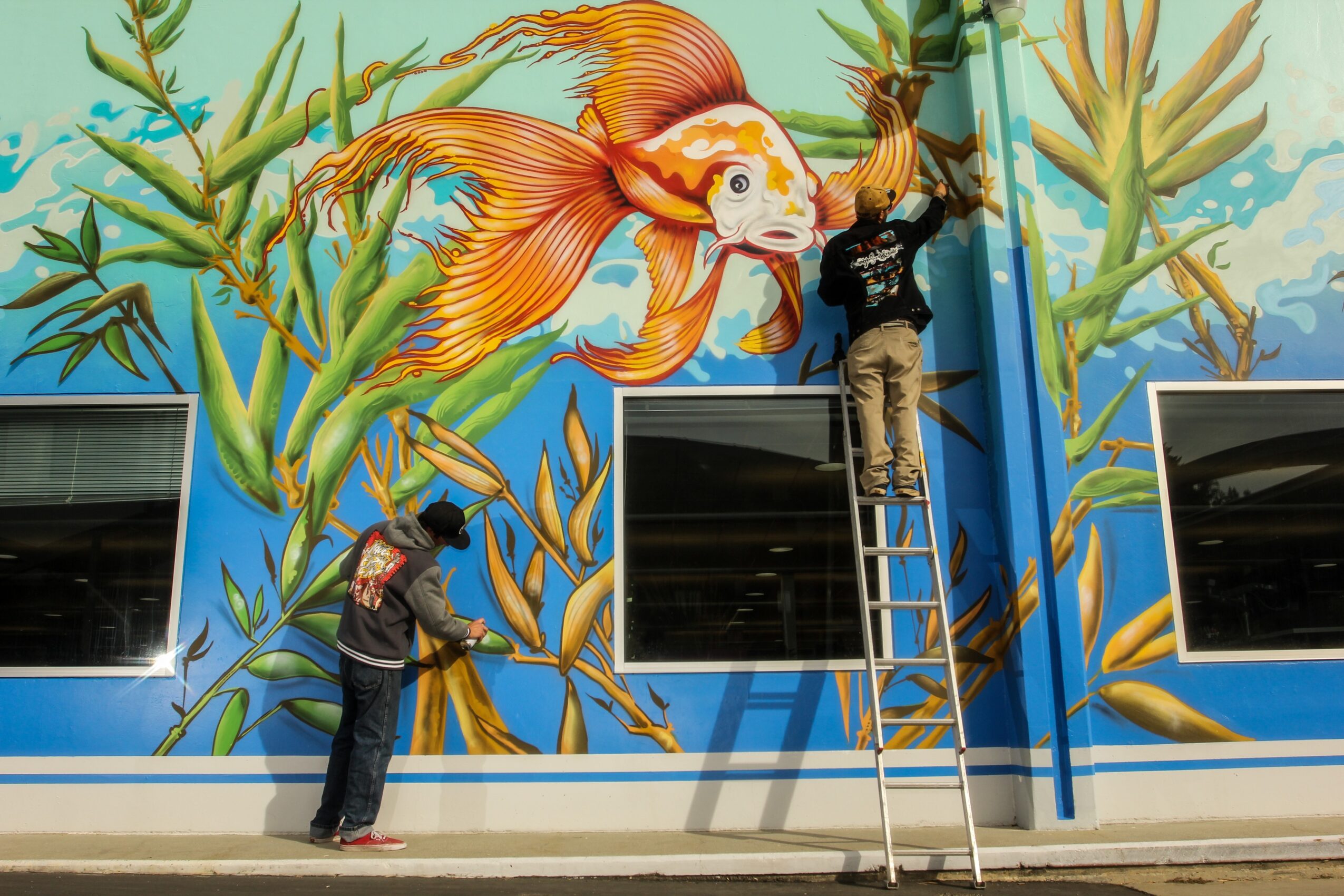
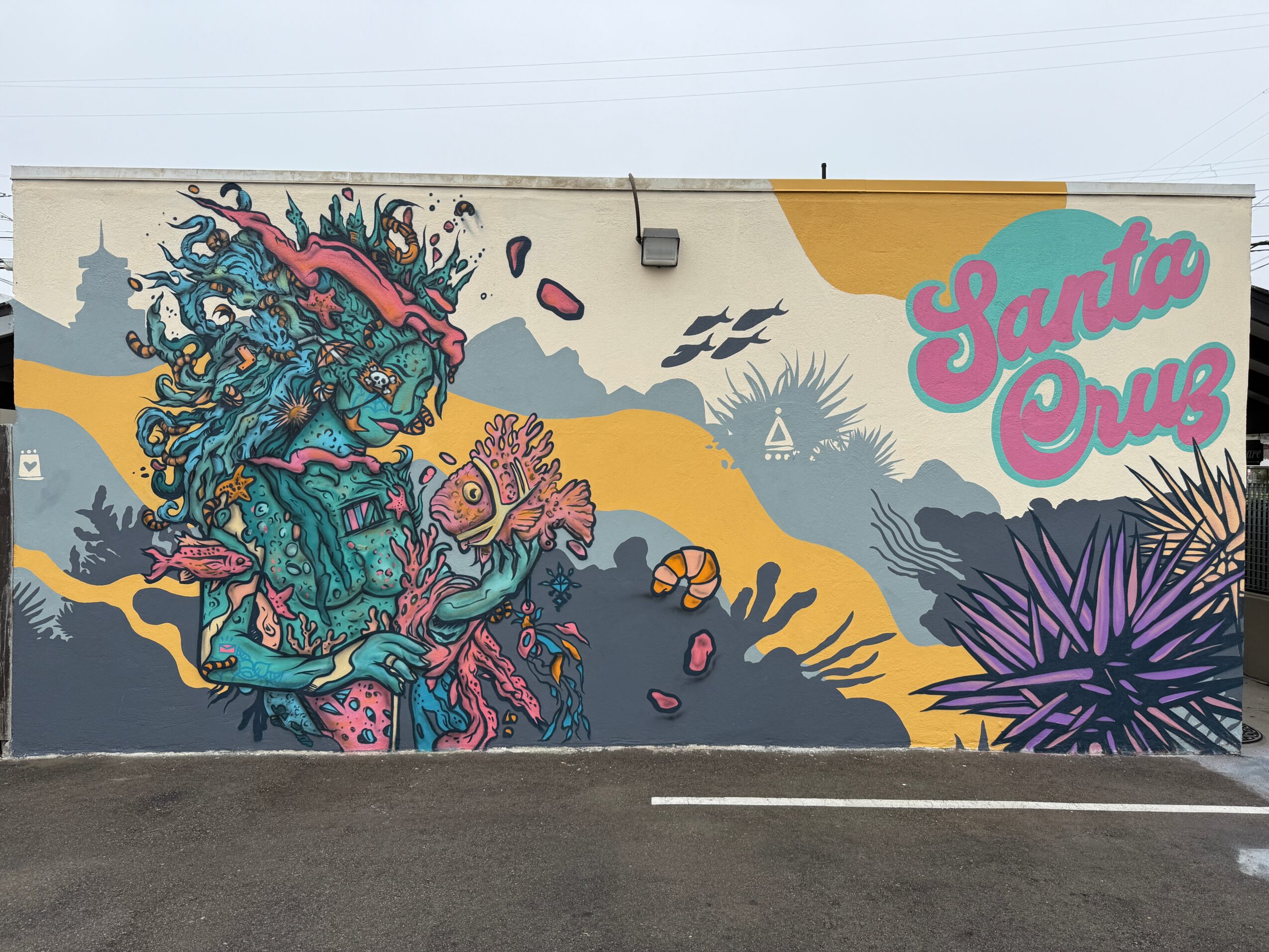
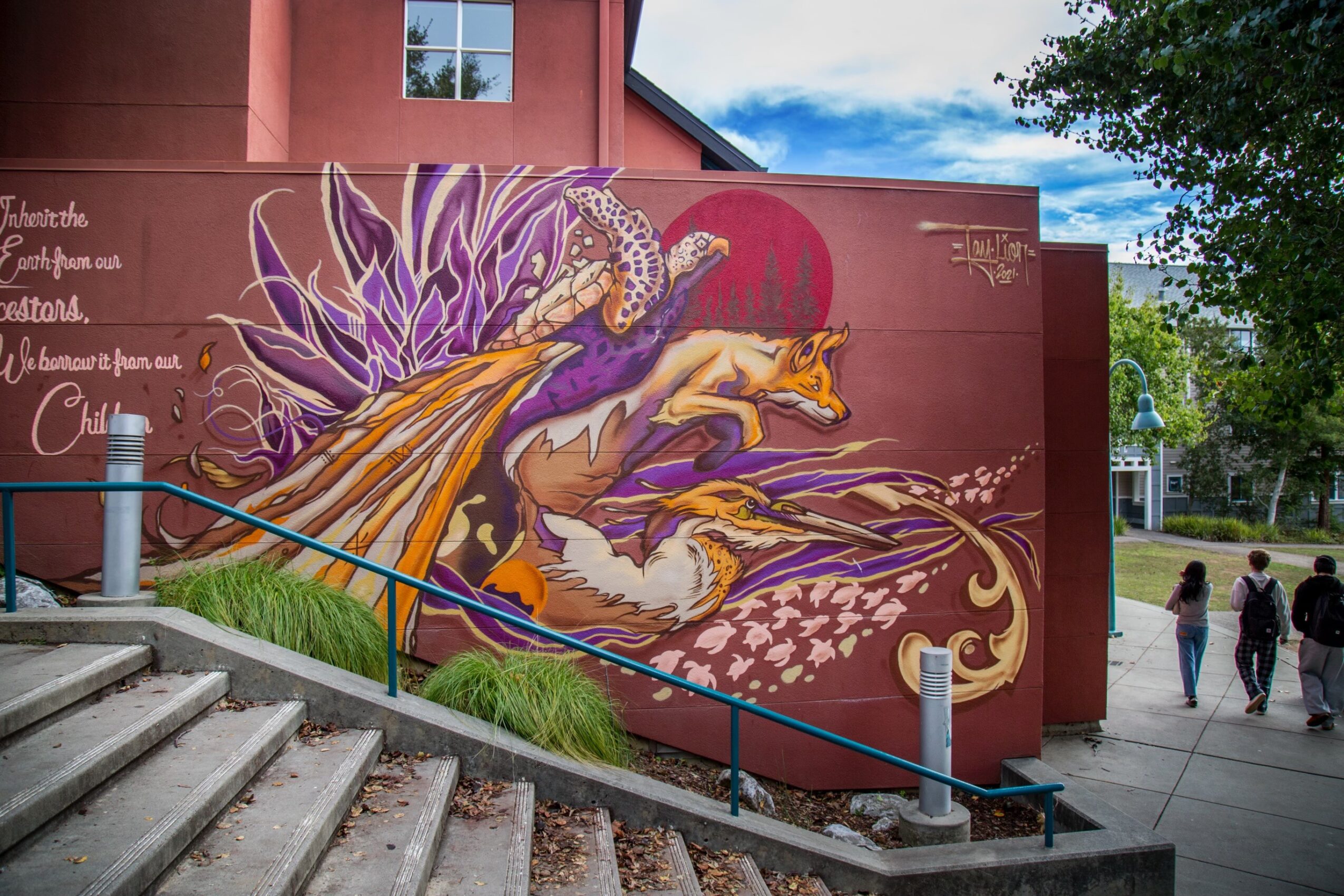
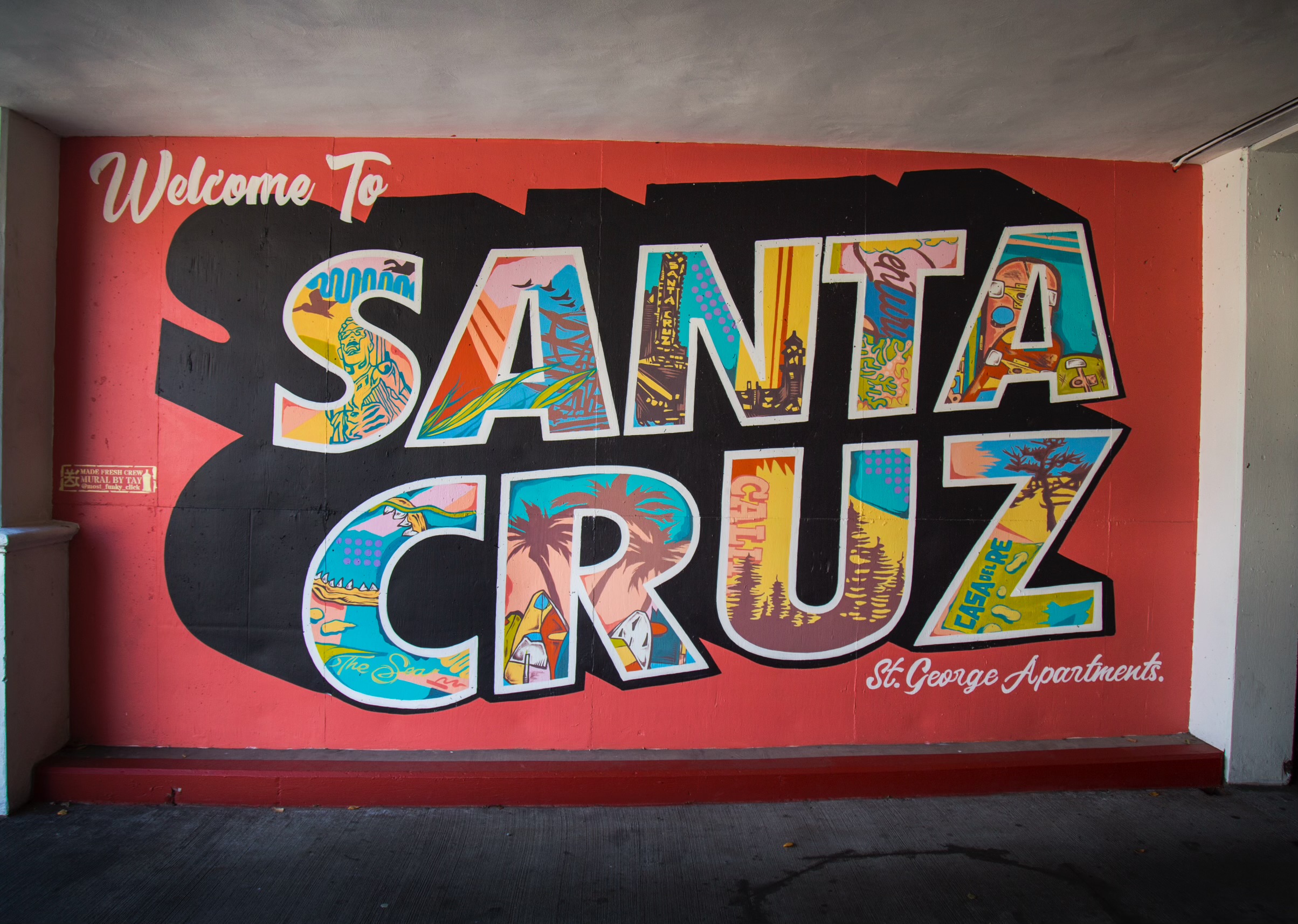
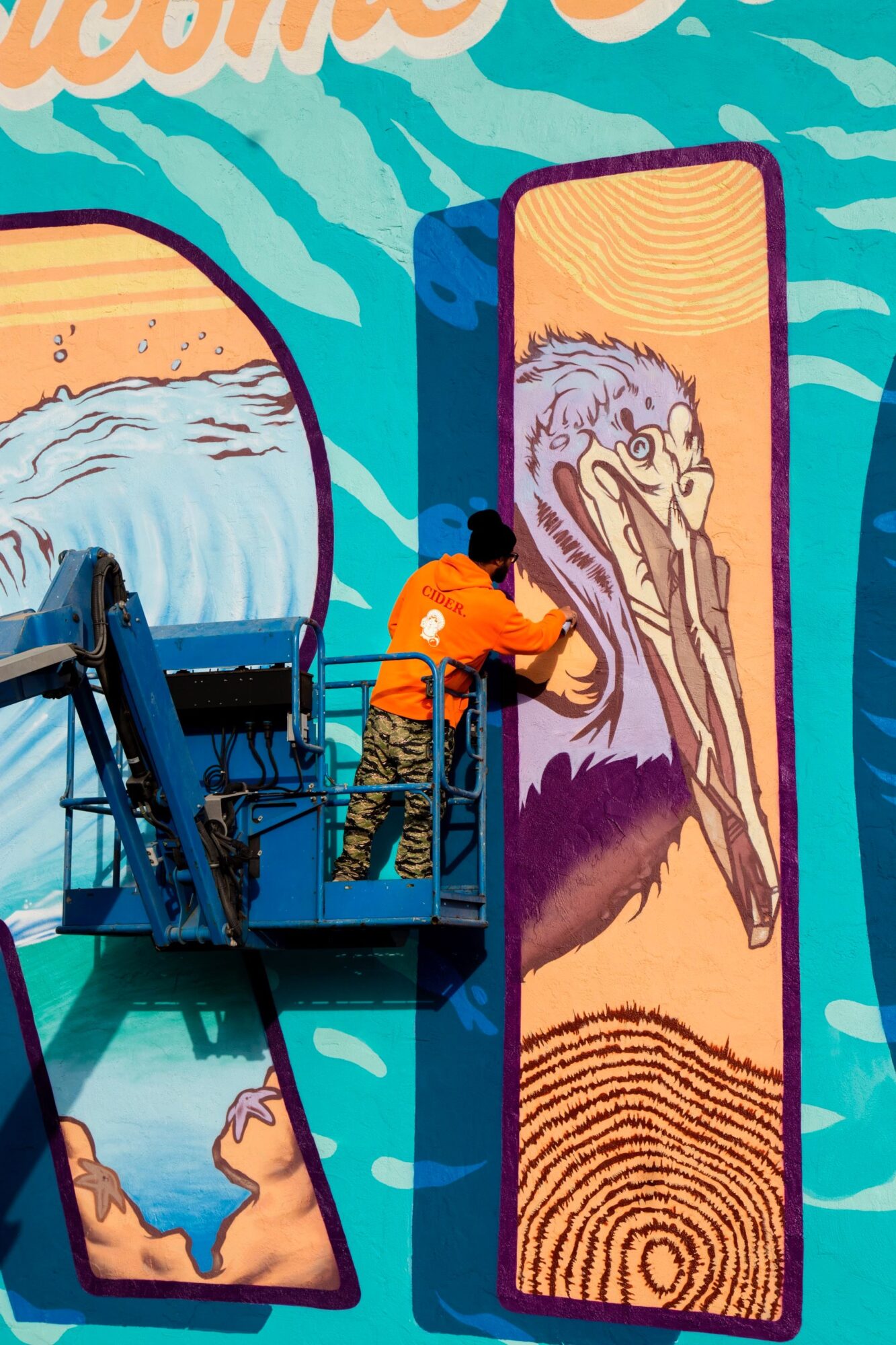
Murals eventually became a major focus of my work. I love the scale, the physical process, and the fact that public art becomes part of people’s everyday lives. I’ve been fortunate to paint throughout Santa Cruz and work with local businesses, organizations, schools, and the city, while also having opportunities to create murals in places like Hawaii, Brazil, Costa Rica, Tanzania, and Thailand.
Along the way, my work has expanded into illustration, design, branding, installations, curation, and larger public-art projects. I’ve also had the opportunity to work with organizations like PangeaSeed and Sea Walls, where art, community, and environmental awareness all come together. Those projects have reinforced something that has become increasingly important to me: I want the work to have a reason for being there beyond simply looking good.
Today, I feel like I’m still doing a version of what I started out doing. Drawing, painting walls, collaborating with people, and trying new things. The scale and opportunities have changed, but the motivation hasn’t changed much. I want to make work that feels authentic, represents where I come from, brings people together, and hopefully leaves a positive mark on the places where it lives.
Santa Cruz continues to be a huge part of that story. I’ve been able to travel and paint around the world, but there’s something especially meaningful about contributing artwork to the community that helped shape me as an artist.
We all face challenges, but looking back would you describe it as a relatively smooth road?
One of the biggest challenges of working in public art is finding the balance between staying true to your own creative voice and creating something that belongs to the community. A mural isn’t made in a studio and then tucked away in a gallery. It becomes part of a neighborhood, a building, and people’s everyday lives. That comes with a responsibility that I’ve learned to really value throughout my career.
There are also a lot of challenges behind the scenes that people don’t always see. Public art involves much more than painting. There are budgets, permits, approvals, changing timelines, weather, wall conditions, equipment, materials, accessibility, and sometimes many different people who need to sign off on a project. As an artist, you have to learn how to navigate all of that without allowing the process to take the life out of the artwork.
Another challenge is creating work that can speak to a broad audience while still feeling authentic. I’ve worked on murals in Santa Cruz and communities around the world, and every place has its own history, environment, and identity. I try to listen first, do the research, and understand what makes that particular place meaningful. I don’t want to simply put my artwork on a wall—I want the artwork to have a relationship with where it lives.
Thanks – so what else should our readers know about your work and what you’re currently focused on?
I came into art through a world where creativity wasn’t necessarily separated into categories. Graffiti, skateboarding, surfing, music, illustration, design, and painting were all connected. They were ways of communicating identity and creating culture outside of traditional institutions. That background still exists underneath everything I make today. Even when I am working on a large commissioned public project, there is something in the work that comes from that original impulse: making a mark, occupying space, communicating visually, and contributing something to the culture around you.
That idea feels increasingly important in contemporary life. We spend more of our time looking at screens and experiencing culture digitally, while becoming further removed from the physical environments around us. Public art does the opposite. It asks you to physically encounter something. You have to walk past it, stand underneath it, see how sunlight changes it, watch it age, and experience it within an actual landscape.
I think that physical relationship gives murals a particular relevance right now.
My work is also about memory. Cities are constantly changing. Buildings disappear, neighborhoods change, businesses close, people move away, ecosystems change, and cultures evolve. Public artwork can become a marker of a particular moment. Years later, someone may remember a mural not simply because of the image itself, but because of what their life looked like when that image was part of their everyday surroundings.
In that way, murals can become a kind of contemporary archaeology. They record what a community cared about, what it celebrated, what it was struggling with, and how it saw itself at a particular point in time.
I am also interested in the tension between permanence and impermanence. When you paint something at a monumental scale, it feels permanent. But it isn’t. The sun fades it. Buildings change hands. Walls get demolished or painted over. That temporary nature is actually closely connected to graffiti and street culture, where you understand from the beginning that the work may disappear.
That has taught me that the value of art doesn’t necessarily come from how long the object survives. Sometimes its value comes from the experience it creates while it is here.
How can people work with you, collaborate with you or support you?
Community is another major part of what the work represents for me. I don’t think culture is created by individuals working in isolation. My experience with Made Fresh Crew and with artists from different generations has reinforced the idea that creativity is something we pass between people. Someone teaches you, challenges you, gives you a wall, introduces you to a new technique, or simply shows you that another path is possible. Eventually, you have a responsibility to do that for someone else.
As I get further into my career, that exchange between generations has become increasingly important.
Success isn’t only about making bigger murals or getting larger commissions. It is also about creating opportunities, sharing knowledge, bringing younger artists onto projects, and helping maintain a creative culture that can continue after you.
Ultimately, I think my work represents connection: between street culture and established institutions, between generations, between humans and the natural world, and between the history of a place and what that place is becoming.
Contact Info:
- Website: https://www.taylorreinhold.com
- Instagram: @most_funky_click
- Facebook: Tay lion