




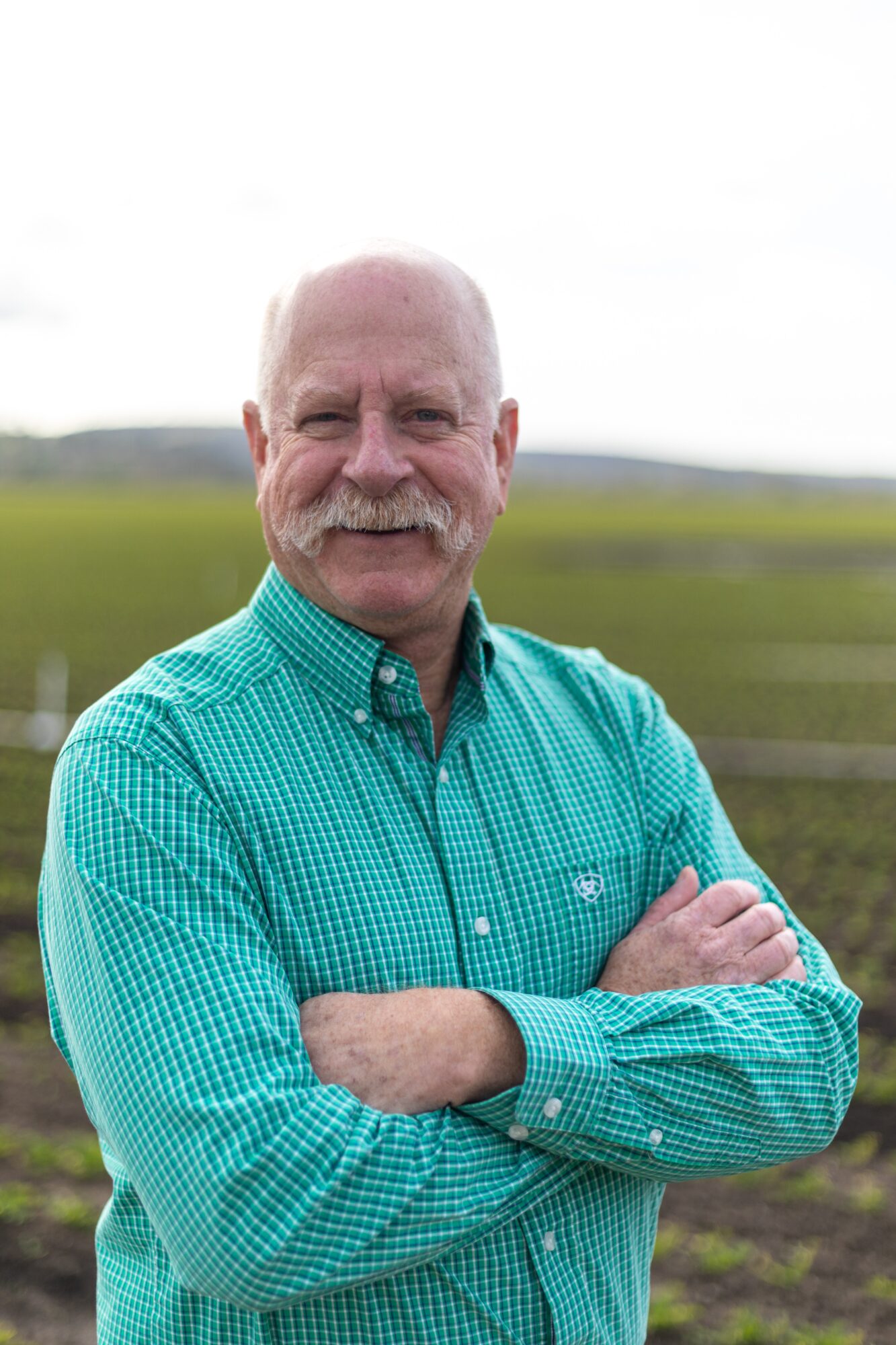
Today we’d like to introduce you to Norm Groot.
Hi Norm, thanks for sharing your story with us. To start, maybe you can tell our readers some of your backstory.
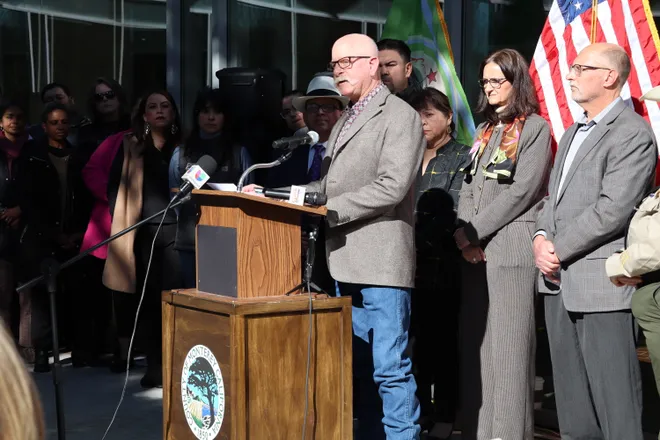
My college degree is in Accounting and Finance from the University of Southern California. During my senior year I determined that being a CPA was not the career path I desired. At that time, my Dad’s horticulture business was transitioning from entrepreneurial to systems-based and I agreed to spend two years computerizing the operations. Working with IBM, our wholesale horticulture nursery was the first to use field data collection for production tasks. Because of the challenges and successful business returns, two years turned into fourteen. At that point, I had an opportunity to join a national horticulture nursery operation and expand my career into new areas such as transportation logistics, information technology, and production planning, in addition to financial management. I was also designated the representative from the company to several industry and commodity organizations that helped shape public policy for agriculture across the state and nation. One of those organizations was California Farm Bureau; I was selected to serve on the State Farm Bureau Board for 13 years. As the 2010 year came to a close, the recession had impacted the lawn and garden sector to the point were layoffs were necessary, and I was offered the opportunity to join Monterey County Farm Bureau as the Executive Director. This enabled my further participation in public policy formation and advocacy for the farming and ranching sector of our County and the Central Coast region.
We all face challenges, but looking back would you describe it as a relatively smooth road?
Moving to a new community is always a challenge … but leaving Southern California for Monterey County was not difficult. Our agricultural community is very close and often very related as many of the families have been on their land for multiple generations. Breaking into this close-nit community was difficult at first, as I was told that I would not be considered ‘native’ until I had been in Monterey County for 25 years. Eventually, I was able to learn the inter-relations of the land and the families and make my pathway into the community. Coming from the Orange County area, filled with planned communities, to a County that is reliant on agriculture as the economic driver allowed me to use my skills as a public policy advocate. This helped to engage those in the community with Farm Bureau and provided a career path that has lasted over 15 years.
Alright, so let’s switch gears a bit and talk business. What should we know?
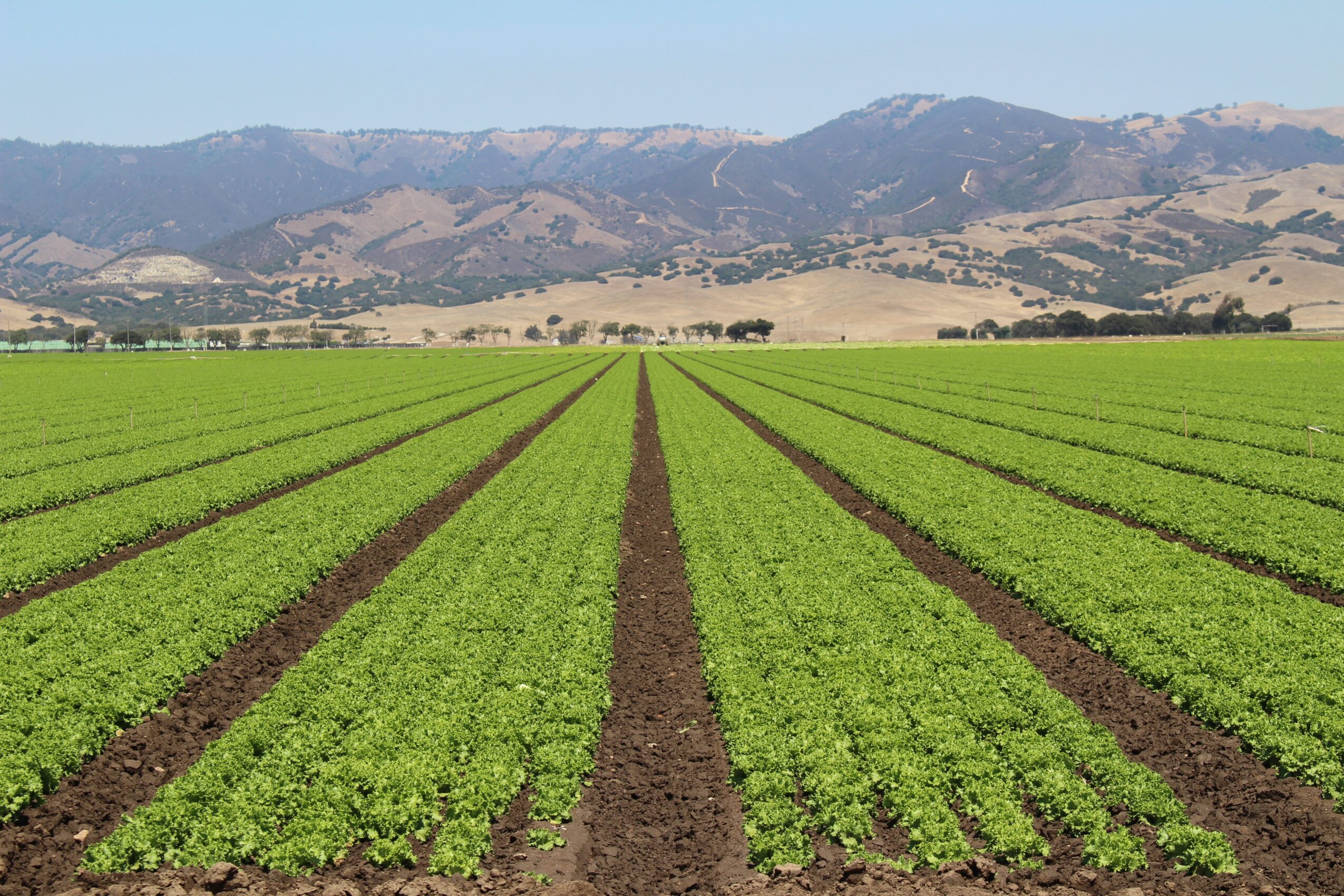
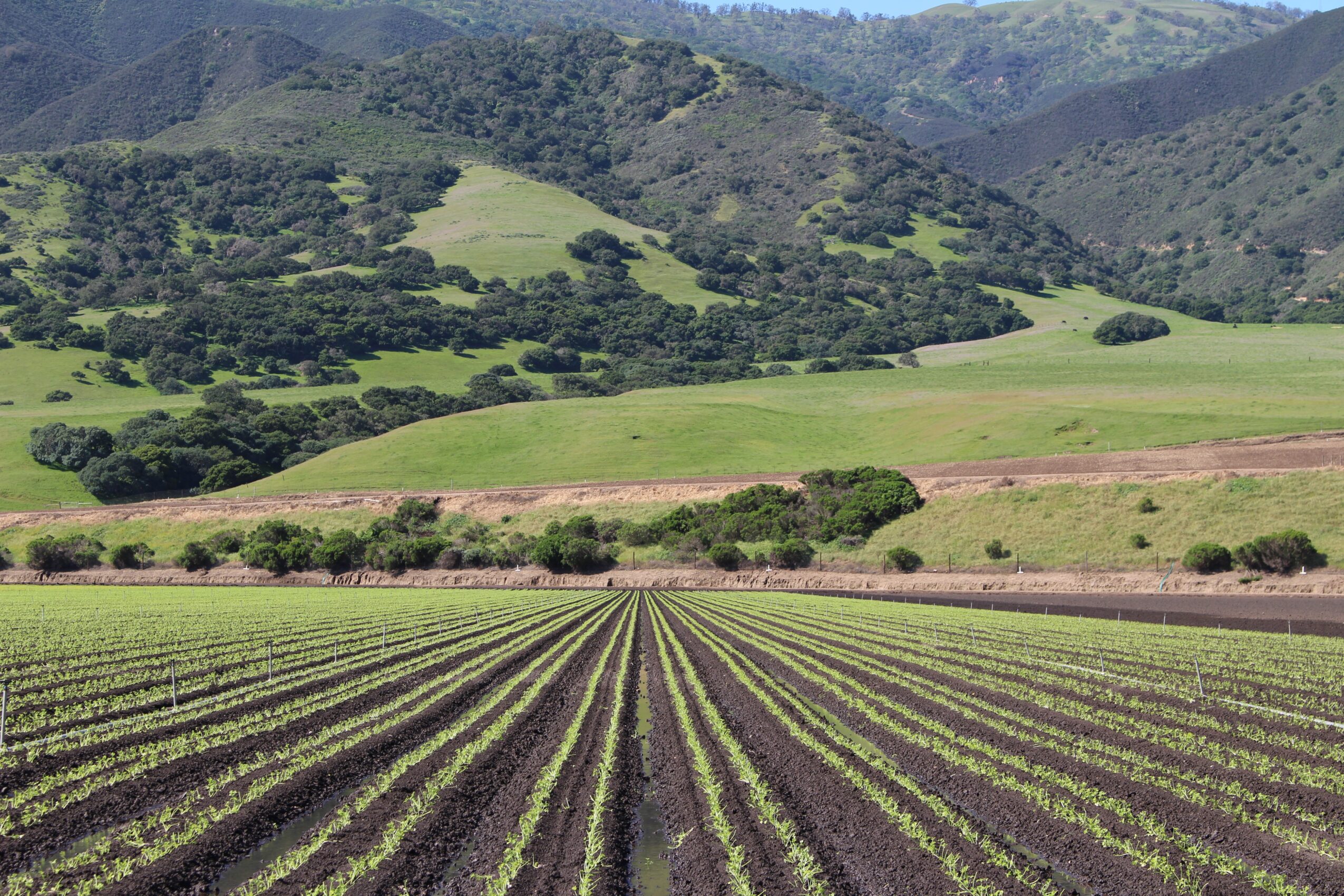
Monterey County Farm Bureau is the private, nonprofit association of farmers and ranchers throughout Monterey County, located on the California Central Coast. Founded in 1917, Farm Bureau serves as a collective voice for farmers and ranchers and provides information, advocacy, benefits, and services. Farm Bureau collaborates with other agricultural organizations to fulfill its purpose of working for the solutions to the problems of the farm and ranch, the farm home, water resources, the environment, and the rural community.
Our organization began with the University of California Cooperative Extension program for farm advisors, as the statute (1915) creating the Extension service required that the farm agents be housed in Farm Bureau offices. Over the early years of Monterey County Farm Bureau, 13 offices were established where farmers and ranchers could meet with farm advisors on irrigation development, new seed and crop practices, as well as social events. As transportation improved, there was diminishing need for so many ‘local’ offices; eventually, farm advisors were consolidated into their own offices and Farm Bureau reduced their offices to just one in the Salinas area. Farm Bureau continues to have a connected relationship with Cooperative Extension and the research projects that farm advisors conduct for the benefit of local farms and ranches.
What matters most to you?
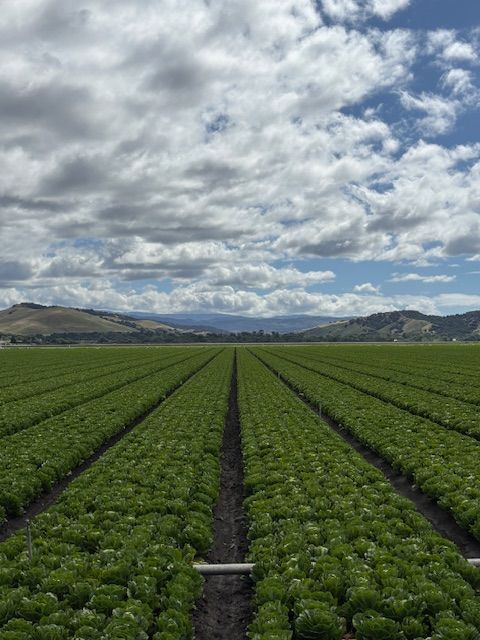
Simply, farmers and ranchers play an important role in our food production and the supply chain. Our domestic food supply is the most efficient, safest, and cost effective of any in the world. Yet, farmers and ranchers are underappreciated for the risks they take in producing food for our nation (and the world). Legislators and regulators continue to lay on new requirements and rules that make it much more expensive to farm and ranch, particularly in California. This makes our agricultural products less competitive with other states (and other nations where labor and environmental rules are much less costly). If we want a secure and safe food supply for our nation it must be domestically produced. We are seeing too much of our food production moving off-shore due to increasing production costs related to inputs and regulatory structures.
Pricing:
- Regulatory costs have increased in CA 1300% since 2007.
- Regualtory costs are now 13% of food produced in CA.
- The average acre of food productions in CA incurs $1600 in regualtory costs.
- Input pricing, such as fertilzers, have incresed dramatically due to geopolitical events.
- Farmers are price takers, with no guarantee that a crop will provide a financial return.
Contact Info:
- Website: https://www.montereycfb.com
- Instagram: montereycfb
- Facebook: montereycfb
- Twitter: montereycfb