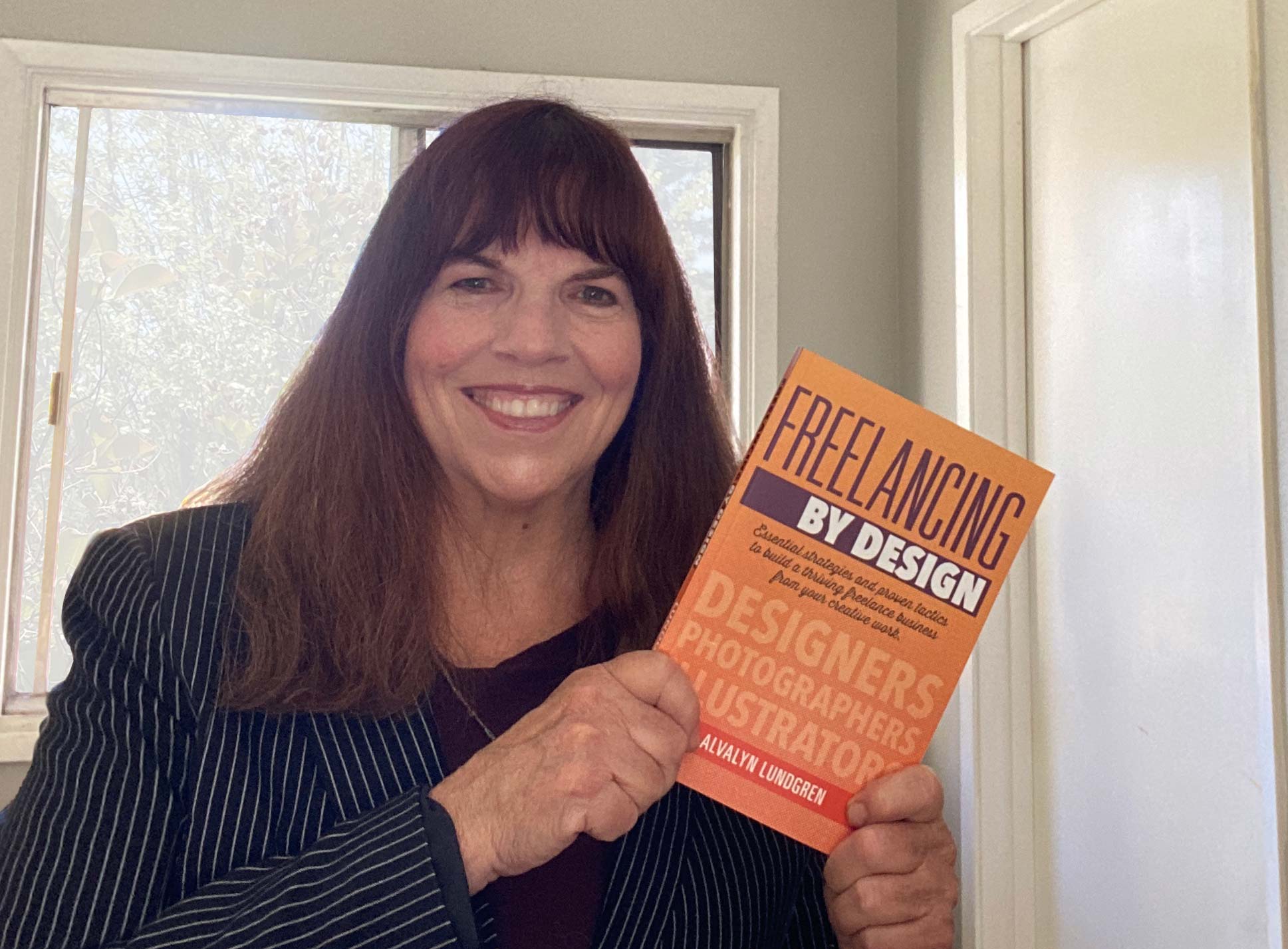





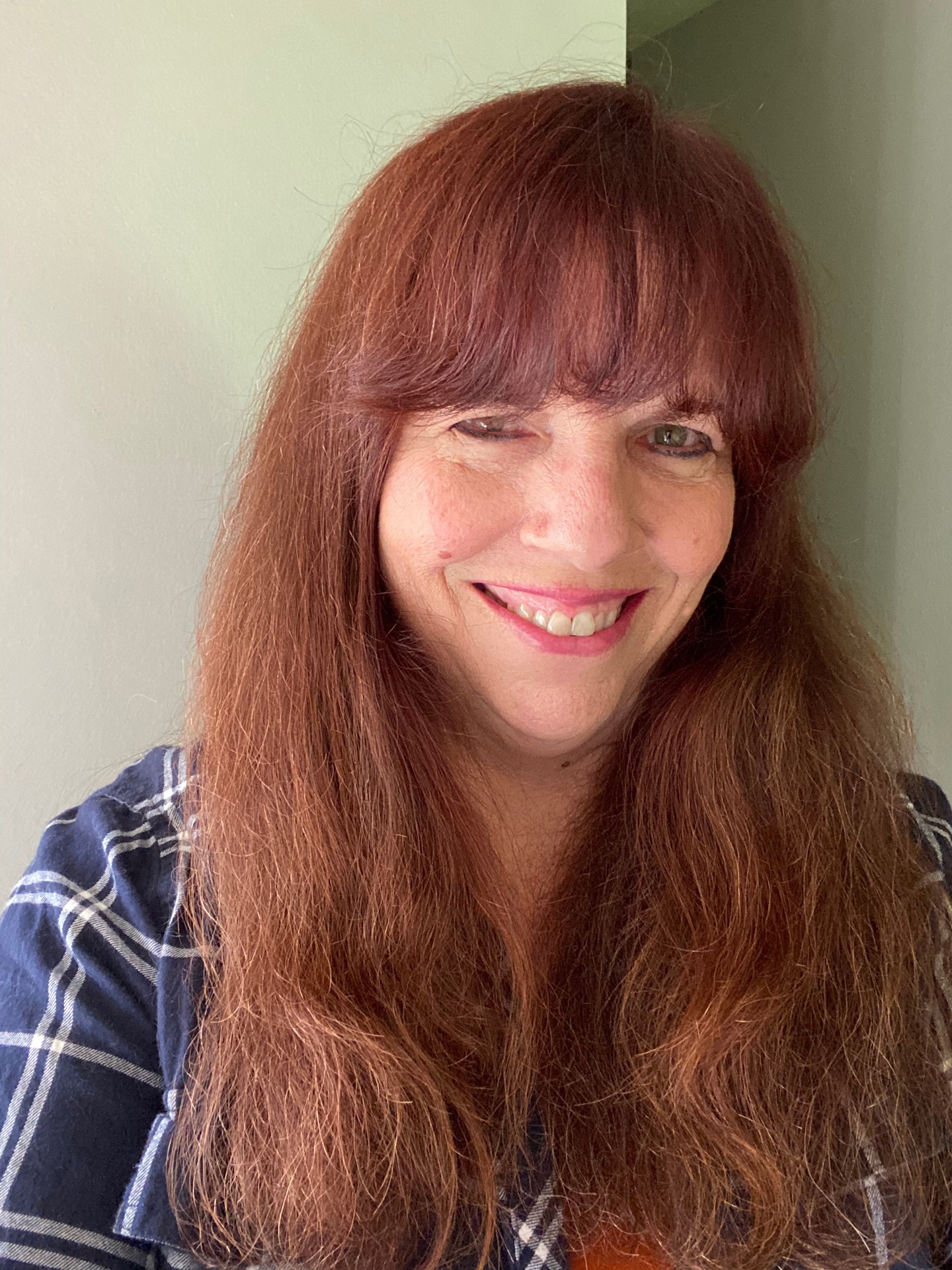
Today we’d like to introduce you to Alvalyn Lundgren.
Hi Alvalyn, thanks for joining us today. We’d love for you to start by introducing yourself.
More than 40 years ago I walked out of a prestigious design school with a portfolio, career goals, and no idea how to merge them. What I did have was faith, well-honed illustration and design skills, and determination. My goal then was to freelance rather than work for someone else. I had to discover how to do that and actually implement it, because that’s not taught in design schools.
Because my goal was to illustrate books and magazines I figured out who to contact at publishers and booked my first client, a niche magazine, a few weeks after graduation. That small success encouraged me to keep going, and I did gain more clients, but not enough to earn a supportable living. I resorted to freelancing part time while working day jobs. Eventually I was laid off from a “secure” day job at a prestigious fine art school and made the decision to be a full-time self-employed designer/illustrator.
The decision to go into it full time was the impetus to change my thinking from “creative” to “owner of a creative business.” That meant I needed to know how to run a business. I learned mostly from what I experienced working with clients — what to do, what not to do, and how to prevent most freelancer–client problems from occurring. That’s called the trial-and-error method of learning, but it’s effective and sticks. It also takes a lot of time.
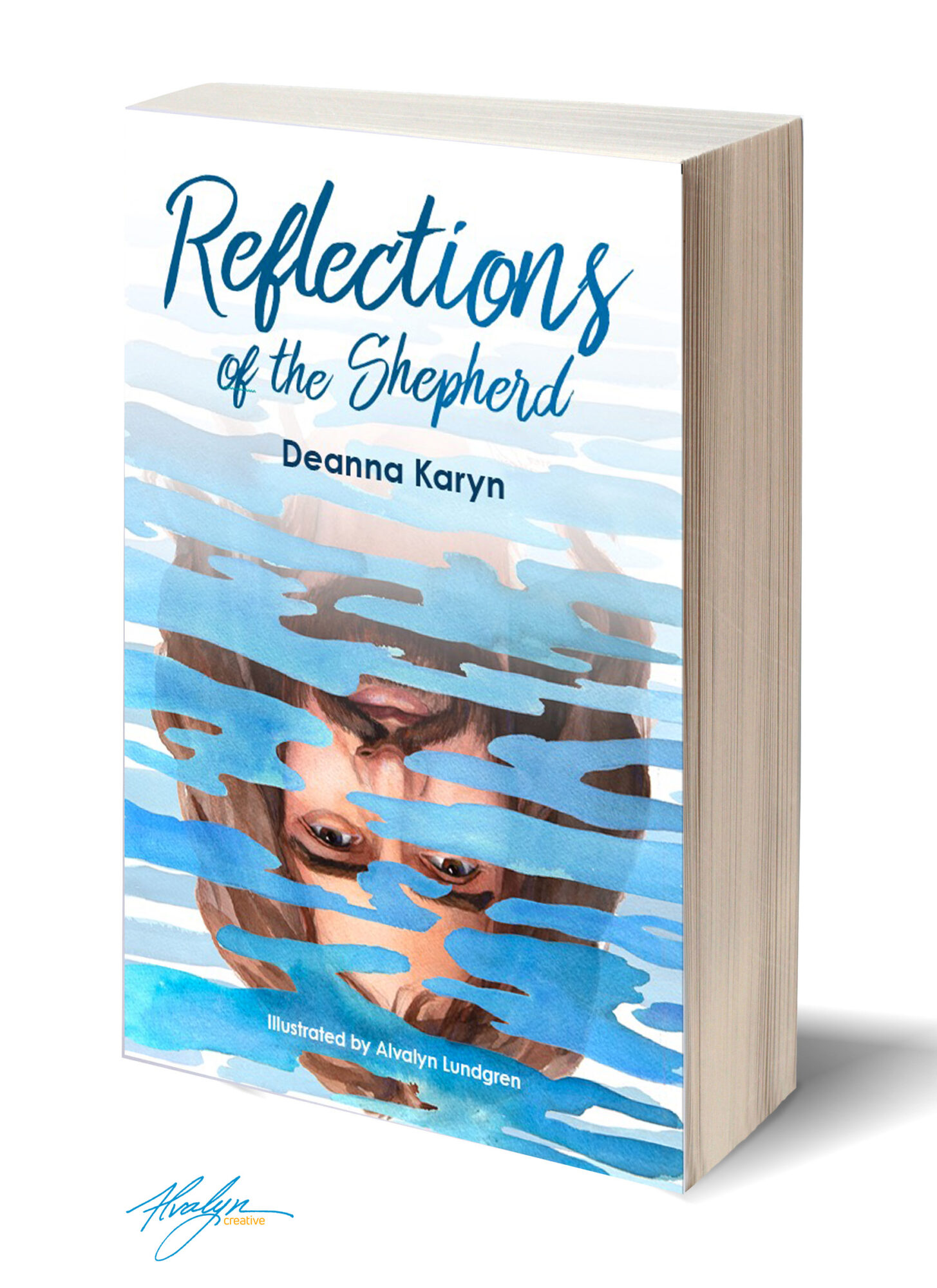
Looking back, I’m not exactly doing what I started out doing. I’m much more diverse in scope. I now primarily provide brand strategy and visual design for missional businesses and non-profits in a variety of industry sectors, and publication and book design for self-published authors. I’ve received awards for my work and served myriad clients. I teach part-time with two college design programs, I have a podcast with a growing listener base, and I’m releasing my first book which teaches my fellow creatives how to build a freelance business using my exclusive four-part framework. I’m working on a series of children’s books which involves both writing and illustrating.
So although I’m not doing exactly what I set out to do, the primary objective is intact: I’m purpose-driven, I work for myself, I have flexibility of time, location, and activities. I’m constantly learning. And my faith has matured.
We all face challenges, but looking back would you describe it as a relatively smooth road?
Serving clients isn’t without its struggles. Businesses and organizations are basically people, and people don’t always agree with each other. We come into relationship with different assumptions, perceptions and information. Most of my clients have been wonderful to work with, but there’ve been a few who stand out for the opposite reason. They’re actually the ones I learned the most from.
When issues came up that were common with several clients, I realized I just might be the problem. One of those problems was non-payment. So I explored ways to avoid non-payment and changed how I did business. Implementing specific policies — such as working with written contracts — served to filter out those who weren’t intending to pay, and gave me the flexibility to negotiate with clients and come to agreement on project budgets and payment schedules.
Other types of challenges were tech-based. I began my professional career prior to the computer, and had to learn that tool. Related to that, I needed to learn more about photography so I could photograph my work and digitize it. In pivoting into design I had to learn typography, layout, copy fitting. I’m old enough to have cut rubylith, proofed type galleys, used a proportion scale, ordered stats, used rub-down Letraset® sheets and process cameras. I added WordPress web design to my menu of services, and now I’m implementing agentic AI and learning how to use generative AI within software tools.
Intellectual property and copyright were also challenges I needed to deal with. My work’s been stolen and used by others to generate income for themselves. My work’s been altered by paying clients. So how can one protect their work in their online portfolios and on social platforms? I believe I figured out (and now teach) some best practices. A creative should be able to profit from their own work and control how it’s used.
As a true introvert, marketing and promotion are my least enjoyable aspects of business, making them in and of themselves challenging for me. I had to blend what I’m comfortable with with what’s effective, determine which markets to focus on, and how to attract attention.
Thanks for sharing that. So, maybe next you can tell us a bit more about your work?
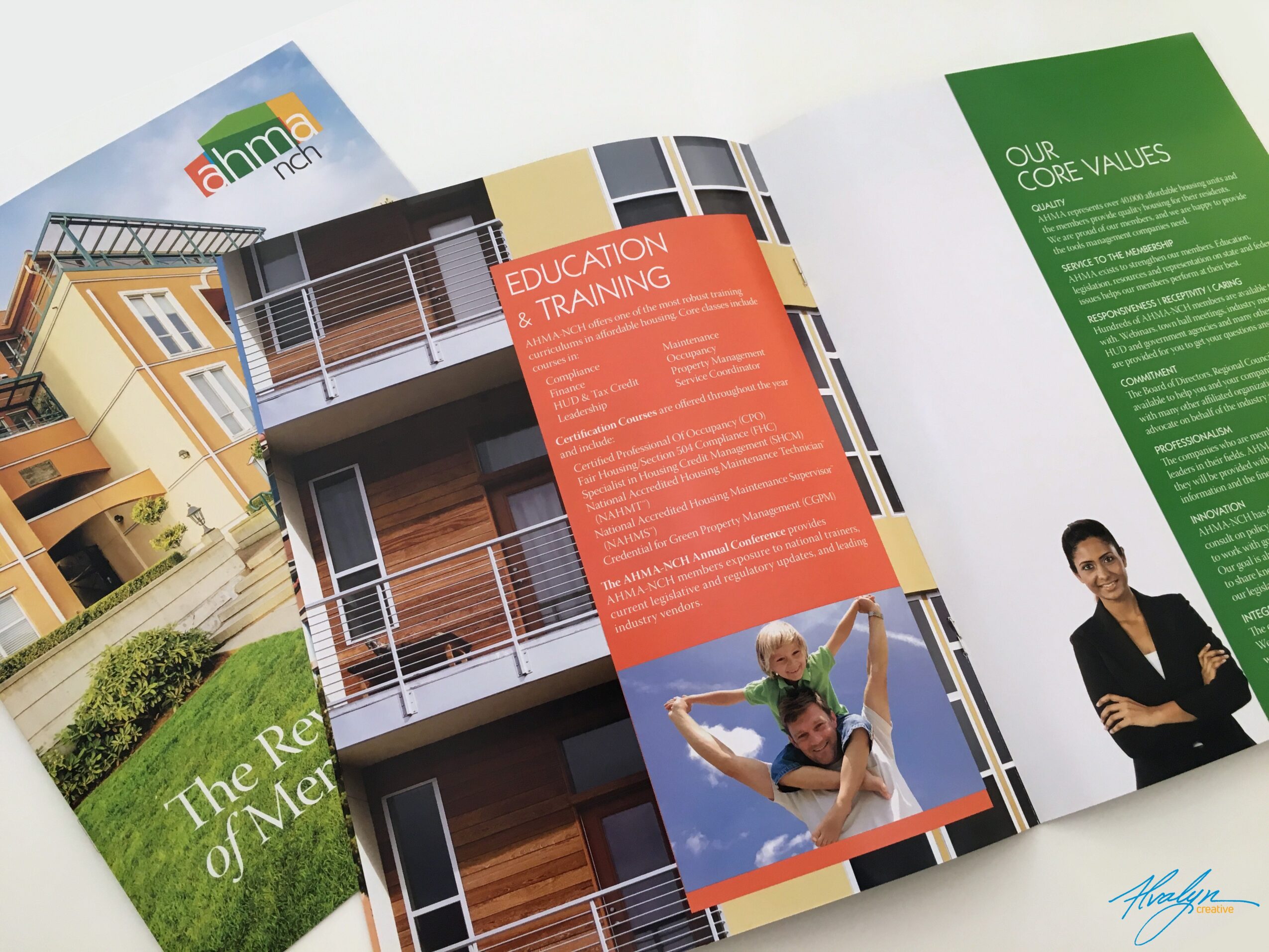
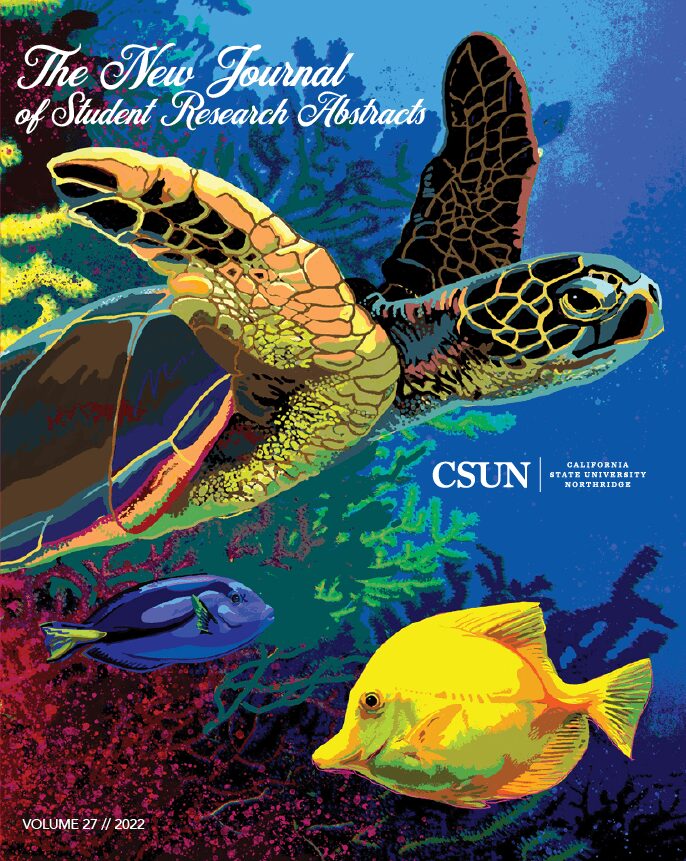
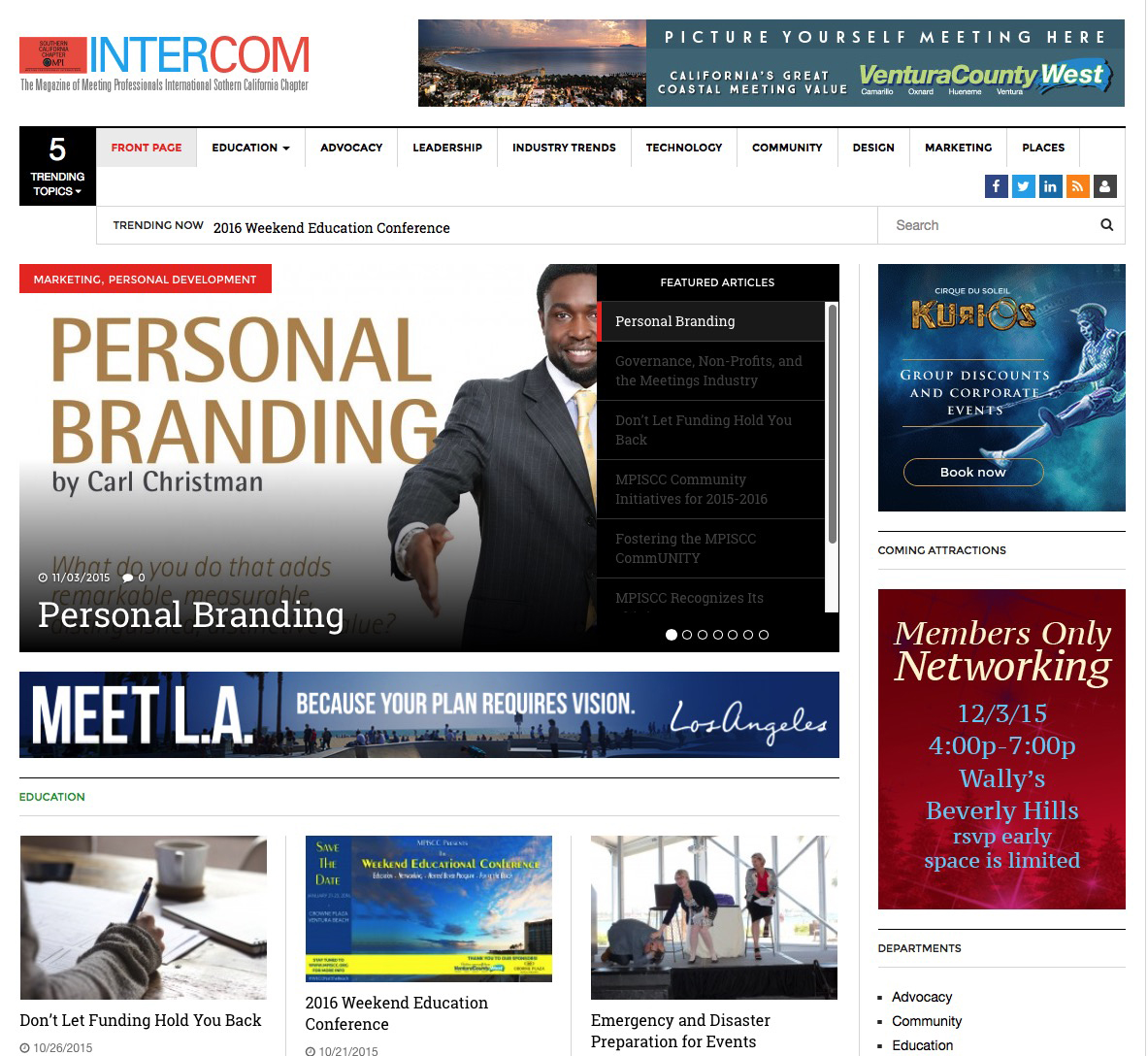
I focus on critical thinking — creative problem-solving — rather than tech skills. I specialize in helping missional businesses and organizations reach their objectives. This allows me to have the significant conversations, develop strategy, design graphic assets, and craft brand reputations. This also allows me to have a diverse arrays of service offerings, including: strategy workshops, brand audits, print design, web design, digital design, publication design, book design, and illustration.
I’m questioned (criticized) at times for not having a niche, and am often reminded that “The riches are in the niches.” But by positioning as a consultancy (a one-person agency) rather than a web designer or an illustrator, or on a specific industry, I’m able to provide a range of skills and solutions for the right clients in a range of industries. I’m solution-based, not skill based.
What sets me apart from others I believe is that I deep-dive with clients. I don’t focus on creating things, but on the results those things achieve. The things are a means to an end result, not an end themselves. I don’t design logos, for example. If a client comes to me requesting a logo, we’ll start with why they need a logo. What do they want to accomplish? Why does it matter? What if they do nothing?
Recently a client referred their colleague to me who was looking to revise their website. My process with prospective client inquiries is to have a brief informational conversation to determine if we’re a good fit. When I informed the colleague that the first step was to schedule a conversation, the responded asking what I charge for a website design. In my process, the information call is necessary to know what the client needs, to decide on deliverables, creative fee, and schedules, and to agree initially on these things and then follow up with a written proposal. I replied to the colleague that money is part of the first conversation. I didn’t hear back from them. I hope they find the freelancer they’re looking for. I’m not it.
My approach to my work is that design is service. While I have personal projects and sell my images online, my focus is on serving others. I’m not a fine artist. I solve business and marketing problems with targeted strategy and visual solutions. I don’t work with enterprises that are transactional only. They need to be transformational for their customers or clients. It’s centered in why they’re in business in the first place.
I’m known for creating effective and bespoke solutions, for thinking things through, and for wisdom, knowledge, and skill. More than 90% of my work comes from existing clients or referrals.
Do you have any advice for those looking to network or find a mentor?
The mentors I’ve valued most don’t have the same strengths I do.
One of my most valued advisers excelled at sales. She was a true extrovert (opposite and complementary to me) with a heart for people and socializing. She was also a person of faith and we focused on that foundation in our friendship. We advised each other. She was my “iron-sharpens-iron” friend. IYKYK. Unfortunately, she went home a few years ago. Yet her counsel remains invaluable.
It’s written that there’s wisdom in a multitude of counselors. You can pay a business coach (I have a few coaching clients of my own), rely on colleagues and acquaintances, or engage in networking. Networking and mentoring aren’t the same thing. We need both for success.
My advice for choosing mentors is to look for people who will challenge you to do the uncomfortable things in order to grow — to mature. Mentors and coaches should hold you accountable and be honest in their feedback. They should be unafraid to tell you the truth. Above all, they should keep your highest good in mind. In that way their critique is beneficial. Select mentors who are for you, not against you.
For designers, artists, photographers, illustrators, the purpose of professional networking should be relationship-building, not selling. People work with people they know, like, and trust. This is a truth. Networking builds relationships. Relationships lead to sales.
A key for service-based creatives is to participate in networking opportunities with their prospective client pools, not just with fellow creatives. Join a chamber of commerce or service club. Be part of professional groups made up of your target audience. Get to know people. Get involved. Become know for who you are, not just what you do.
I wrote an article about how to network as an introvert, but it’s helpful for extroverts as well. My main point in it was to set a goal for each event or activity you attend. For example, you could have a goal of meeting three people, learning what they do and might need that you can help with, and getting their contact information so you can add them to your email list and stay in touch. That’s a very easy thing to do, especially in a space full of people who enjoy talking about themselves. And we all do enjoy that, in various ways.
Pricing:
- I price based on the value of the project, which is based on your business goals. What are you trying to accomplish?
- Every project is different. The only thing I have a set price for is my minimum fee for a strategy workshop.
- If your decision to work with a creative is based on how much it costs, I’m not the right creative partner for you.
- I don’t pitch, and I rarely participate in RFP processes.
- When we agree on a project amount, there are no surprises.
Contact Info:
- Website: https://alvalyncreative.com
- Instagram: https://instagram.com/alvalyncreative , https://instagram.com/alvalyn
- Facebook: https://www.facebook.com/AlvalynCreative
- LinkedIn: https://www.linkedin.com/in/alvalynlundgren
- Twitter: https://x.com/alvalyn
- Youtube: https://www.youtube.com/@AlvalynCreative
- Other: https://alvalyncreative.com/bookshop