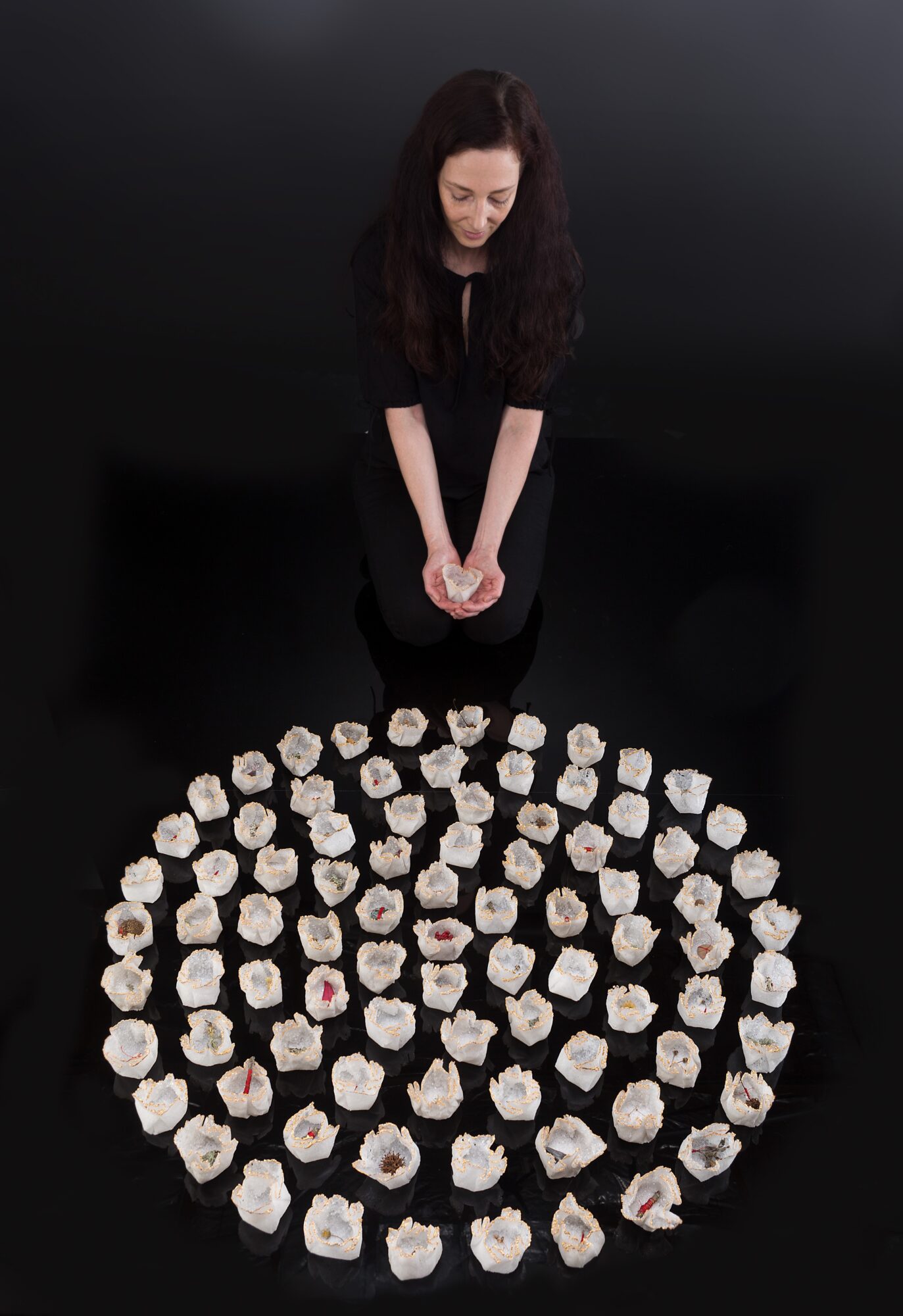




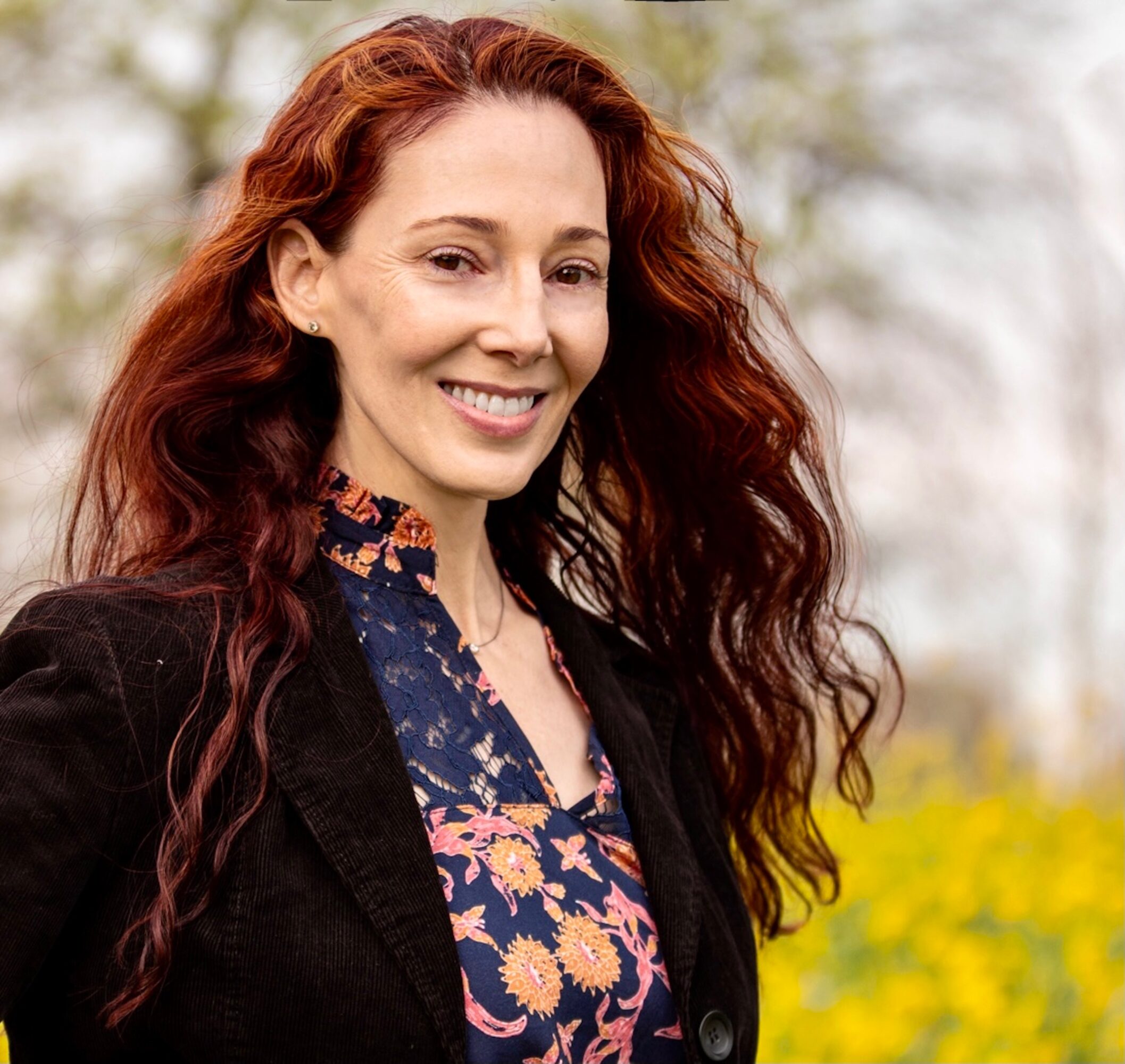
Today we’d like to introduce you to Tali Grinshpan.
Hi Tali, thanks for sharing your story with us. To start, maybe you can tell our readers some of your backstory.
I grew up in Tel Aviv, surrounded by art and culture from a very young age. Travel was a big part of my childhood—my family took me around the world, and those early experiences of moving through different places and cultures shaped the way I see and think. Art was always present, but it took many forms before I found glass.
I moved to the United States in 2004, and that experience of immigration—of leaving one home and building another—became the lens through which I began to understand my work more deeply. Settling in Walnut Creek, in Northern California, I found myself drawn to the landscape: the hills, the wildflowers, the cycles of nature. That relationship between place, memory, and identity began to surface in everything I made.
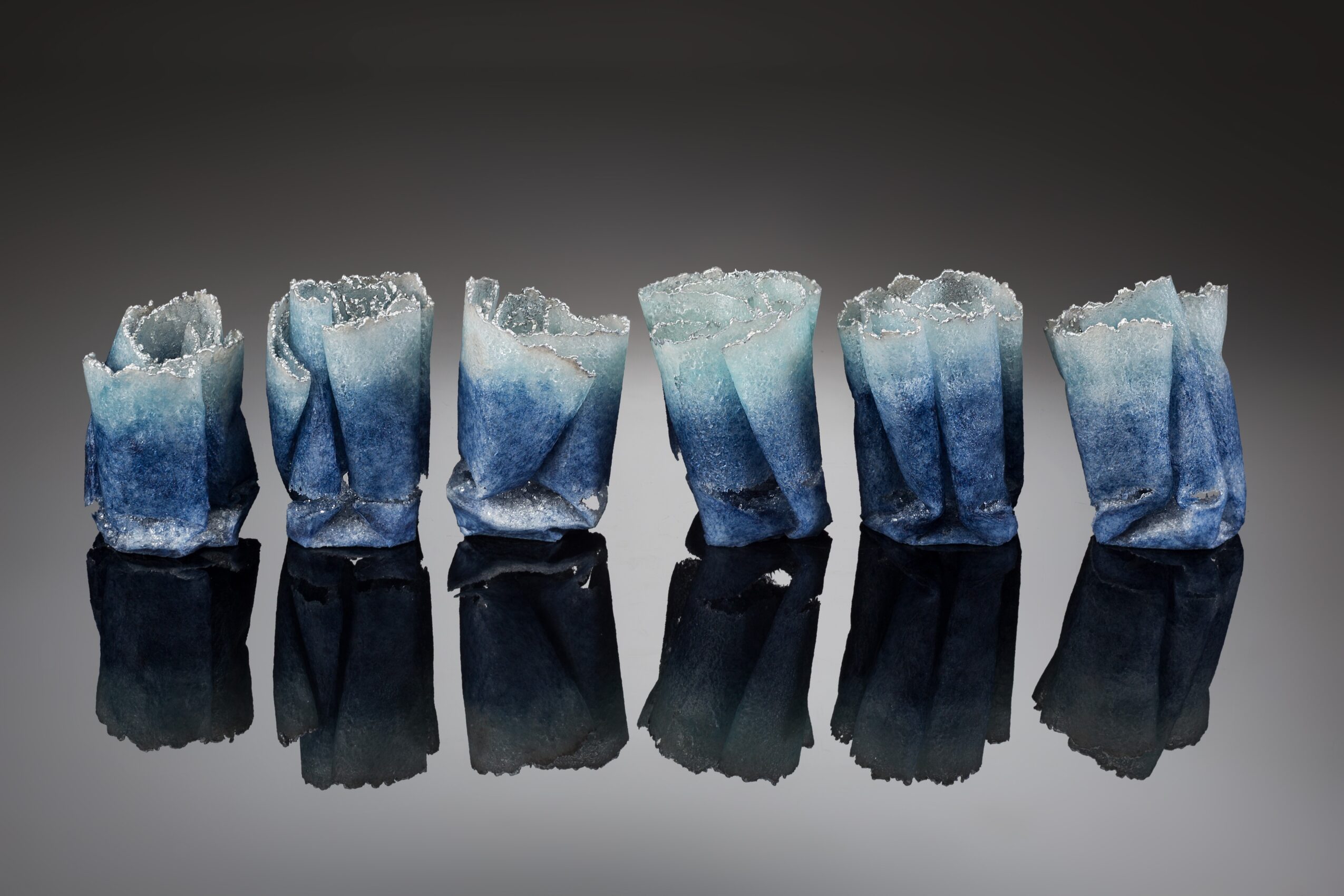
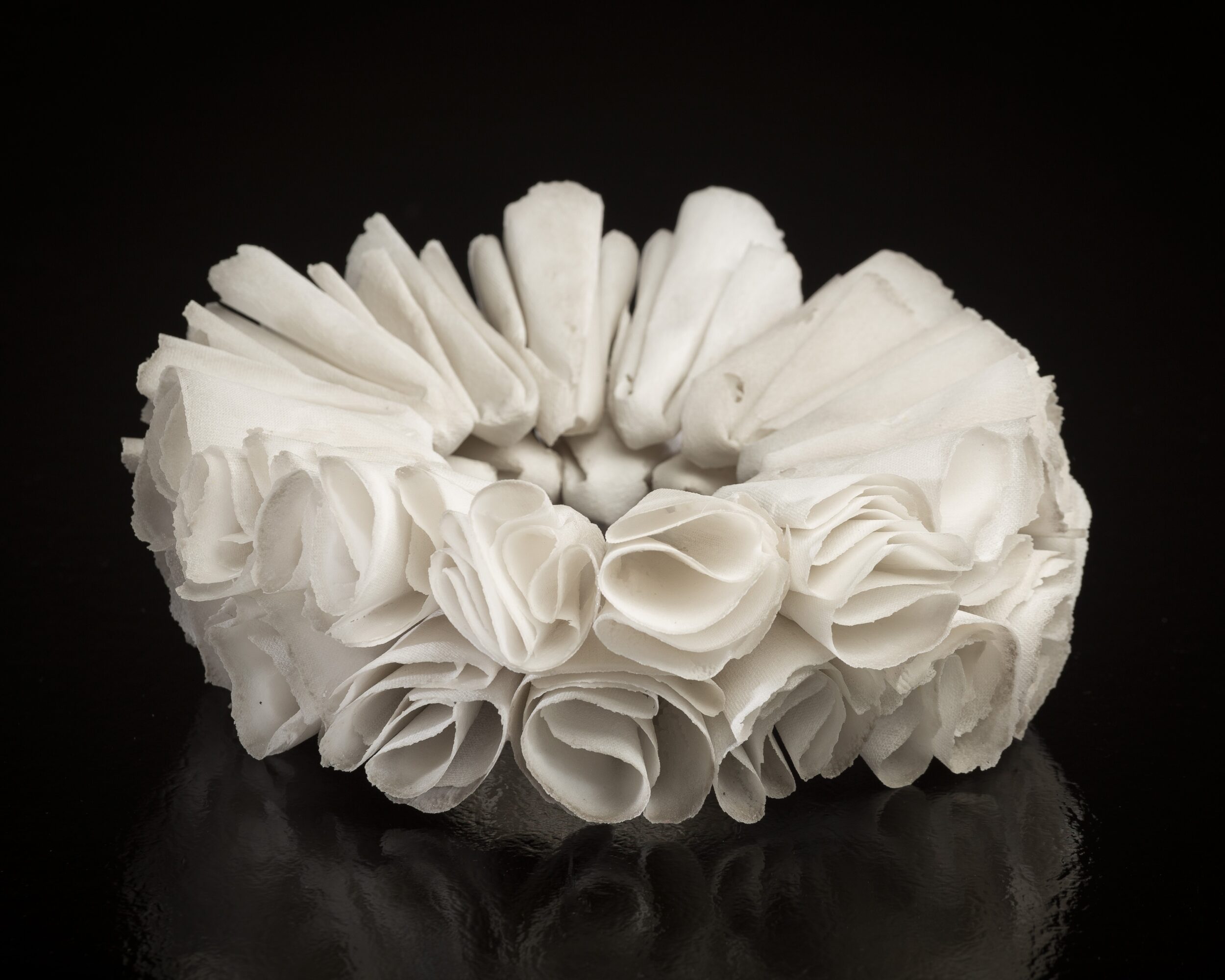
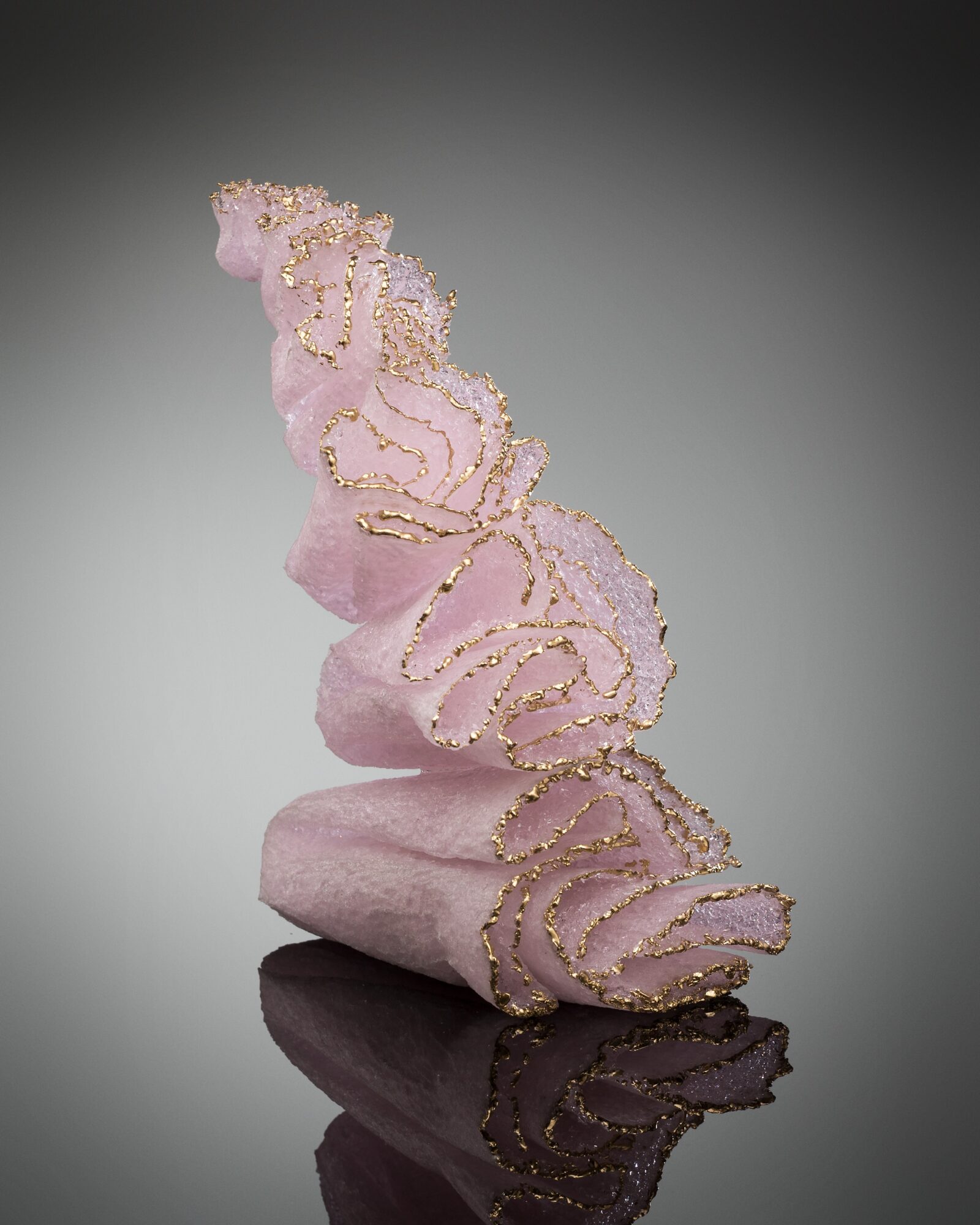
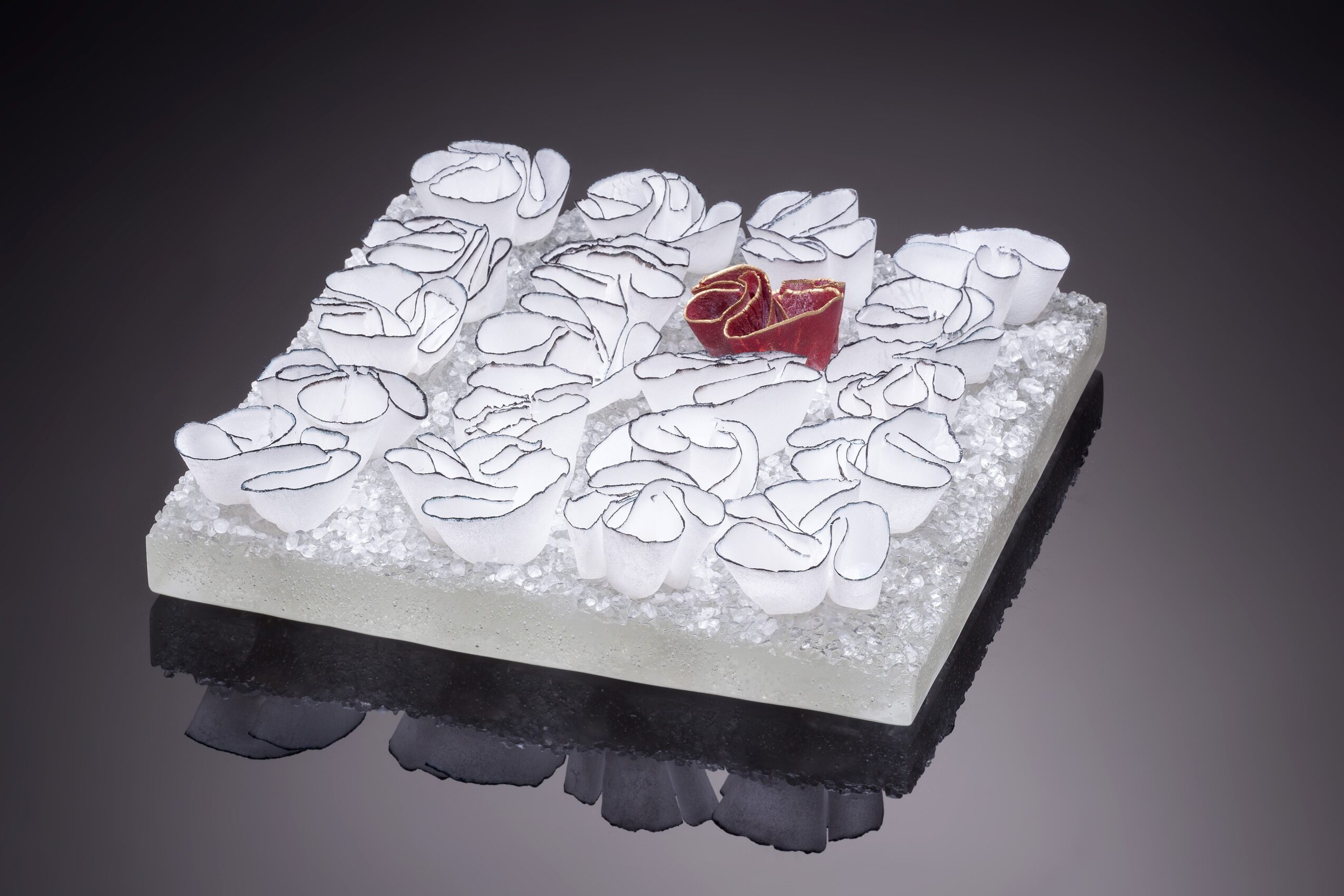
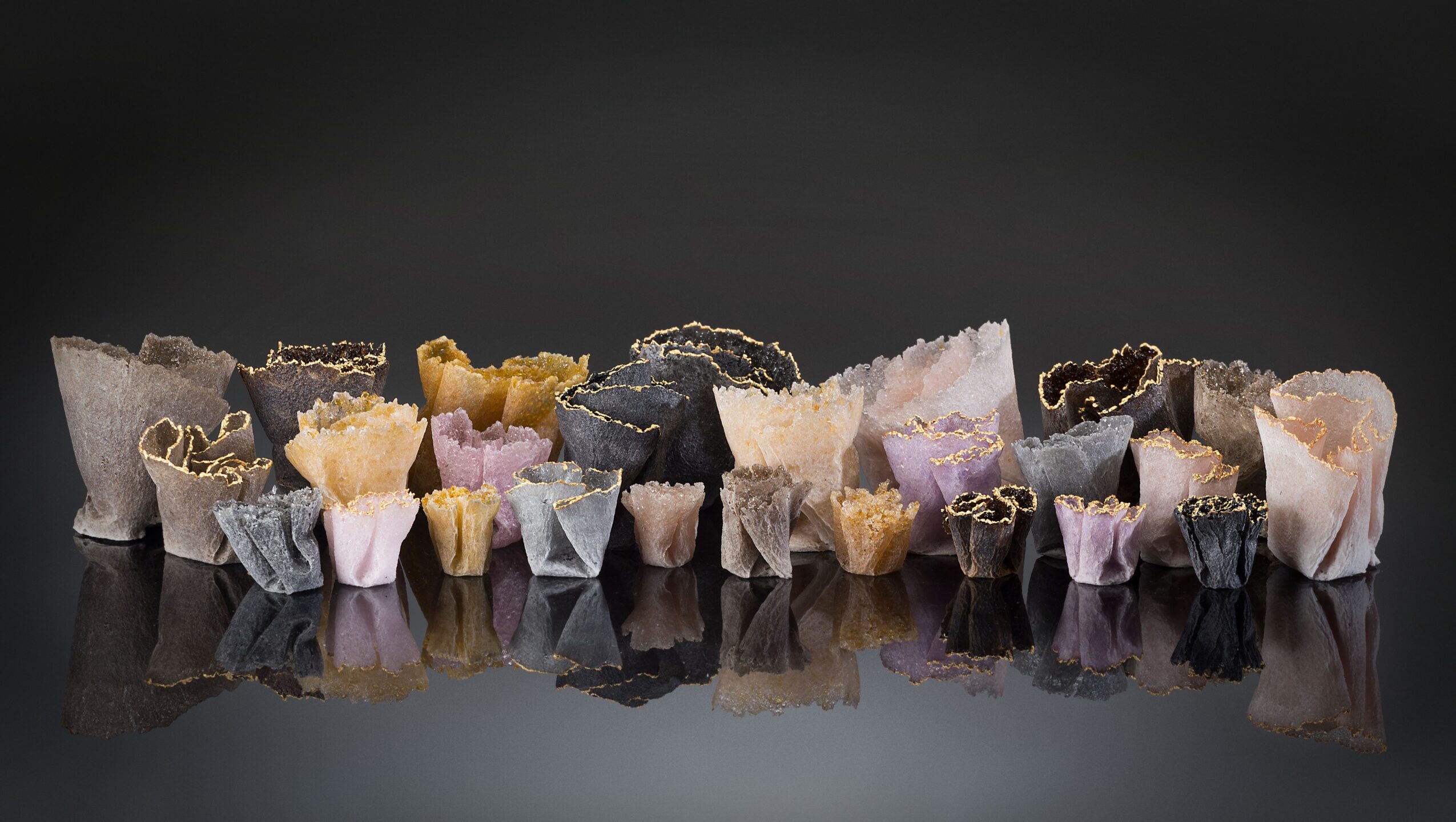
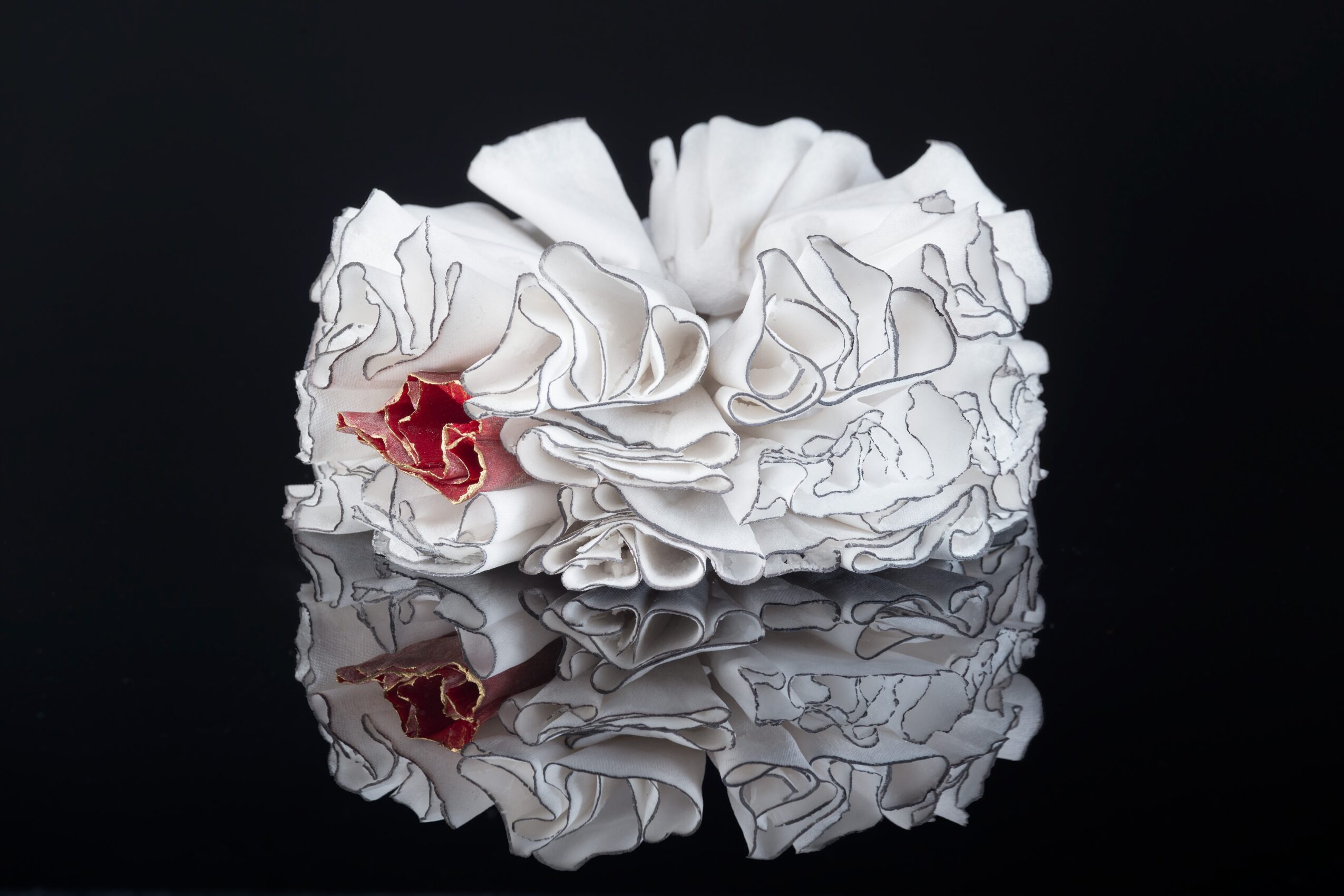
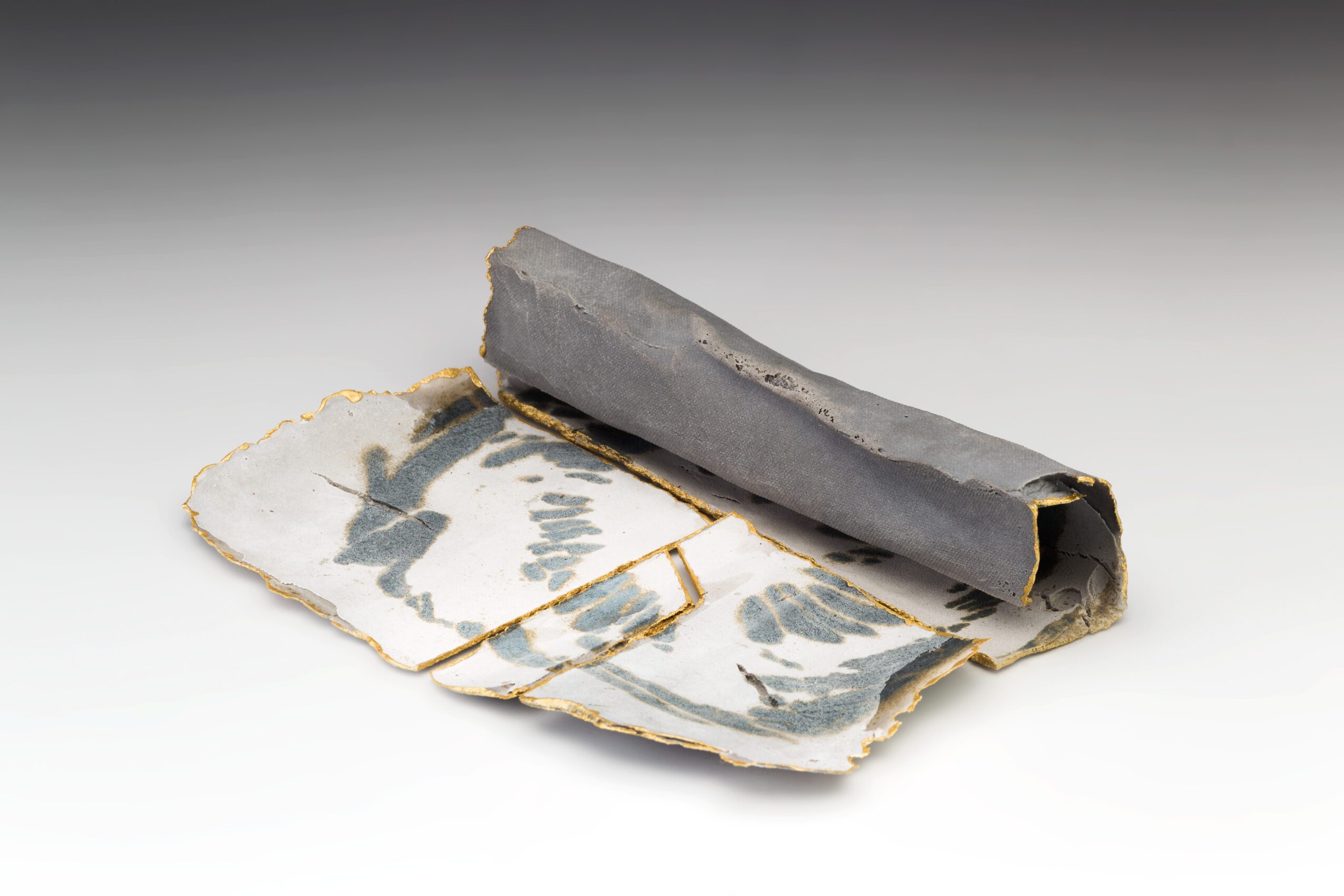
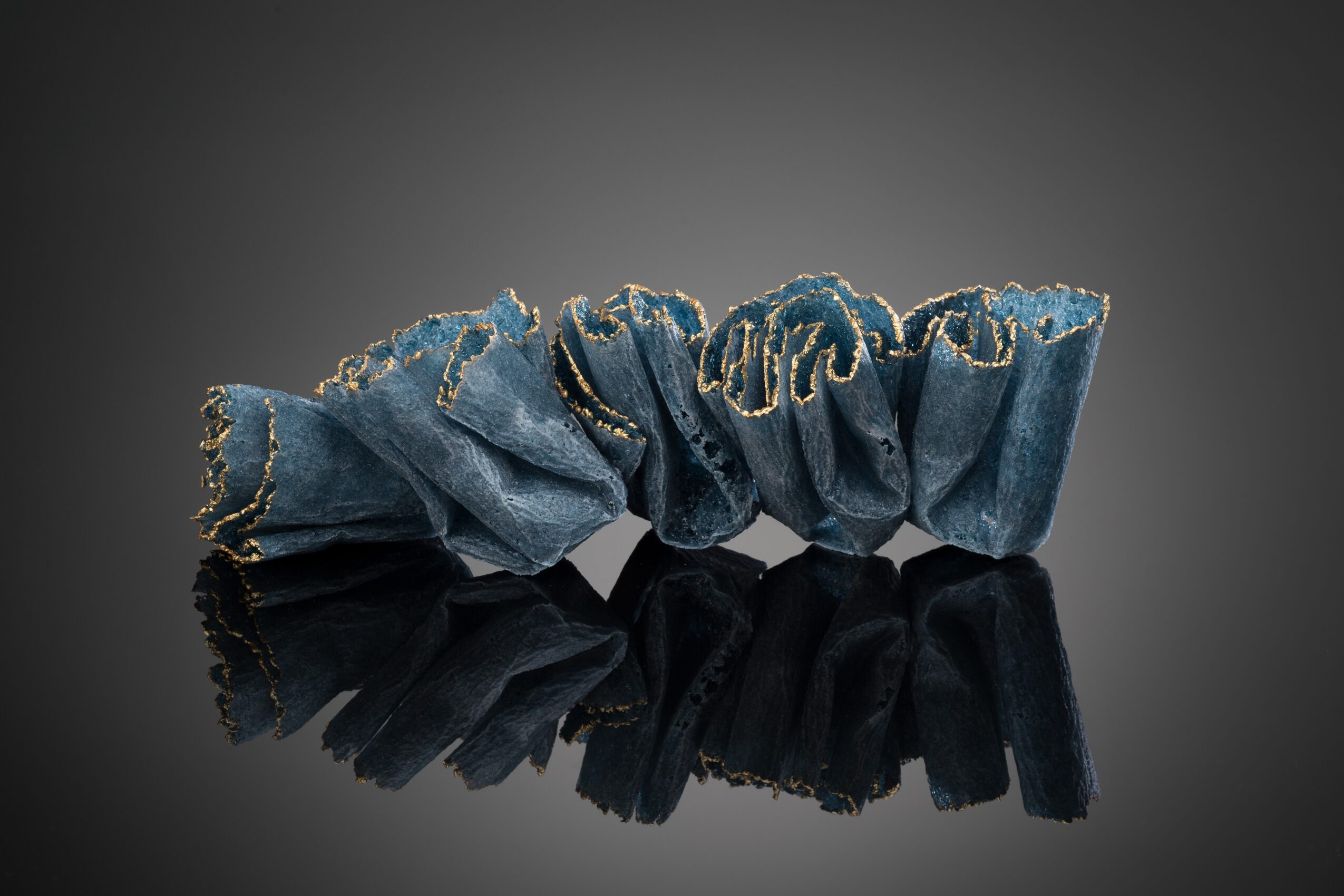
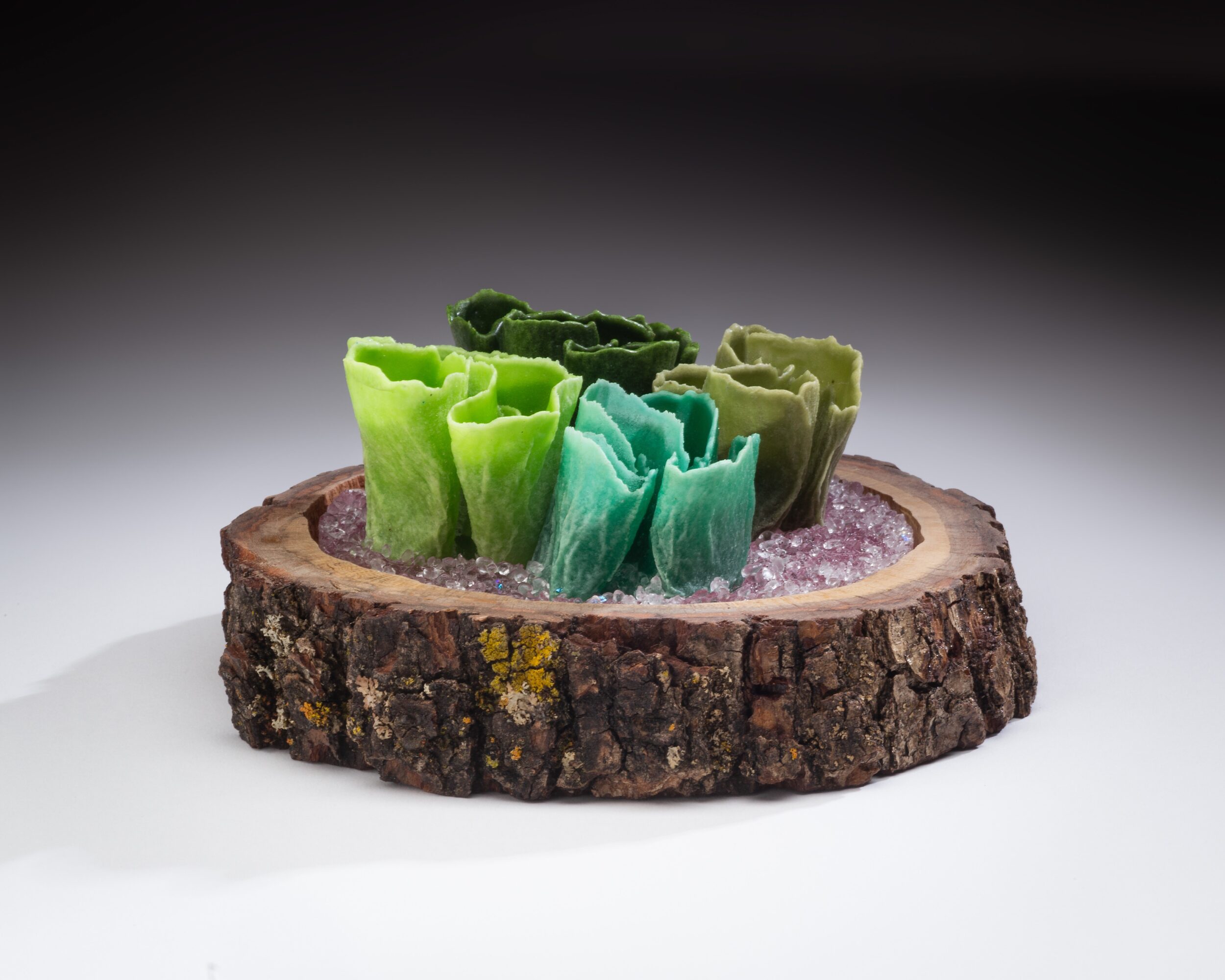
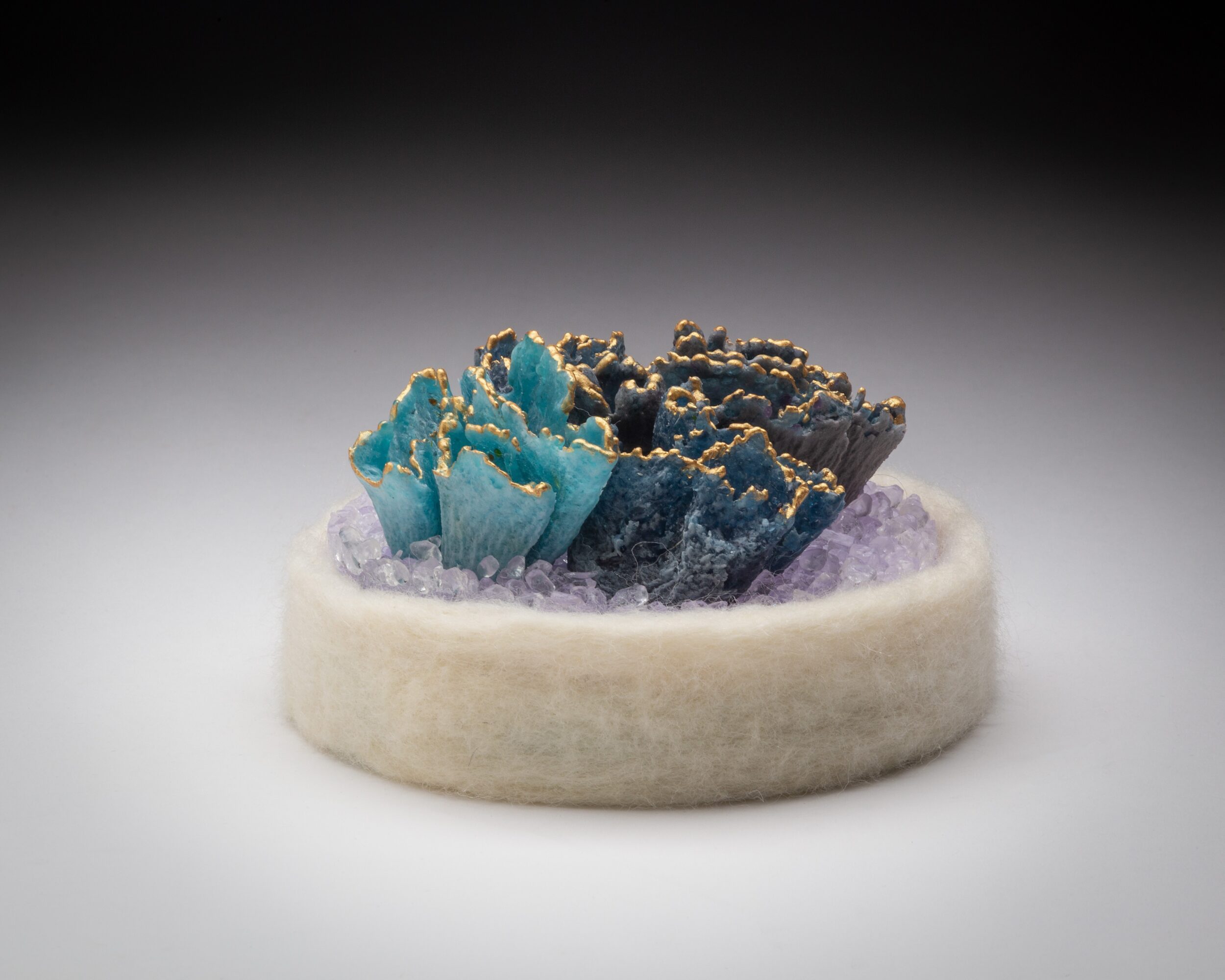
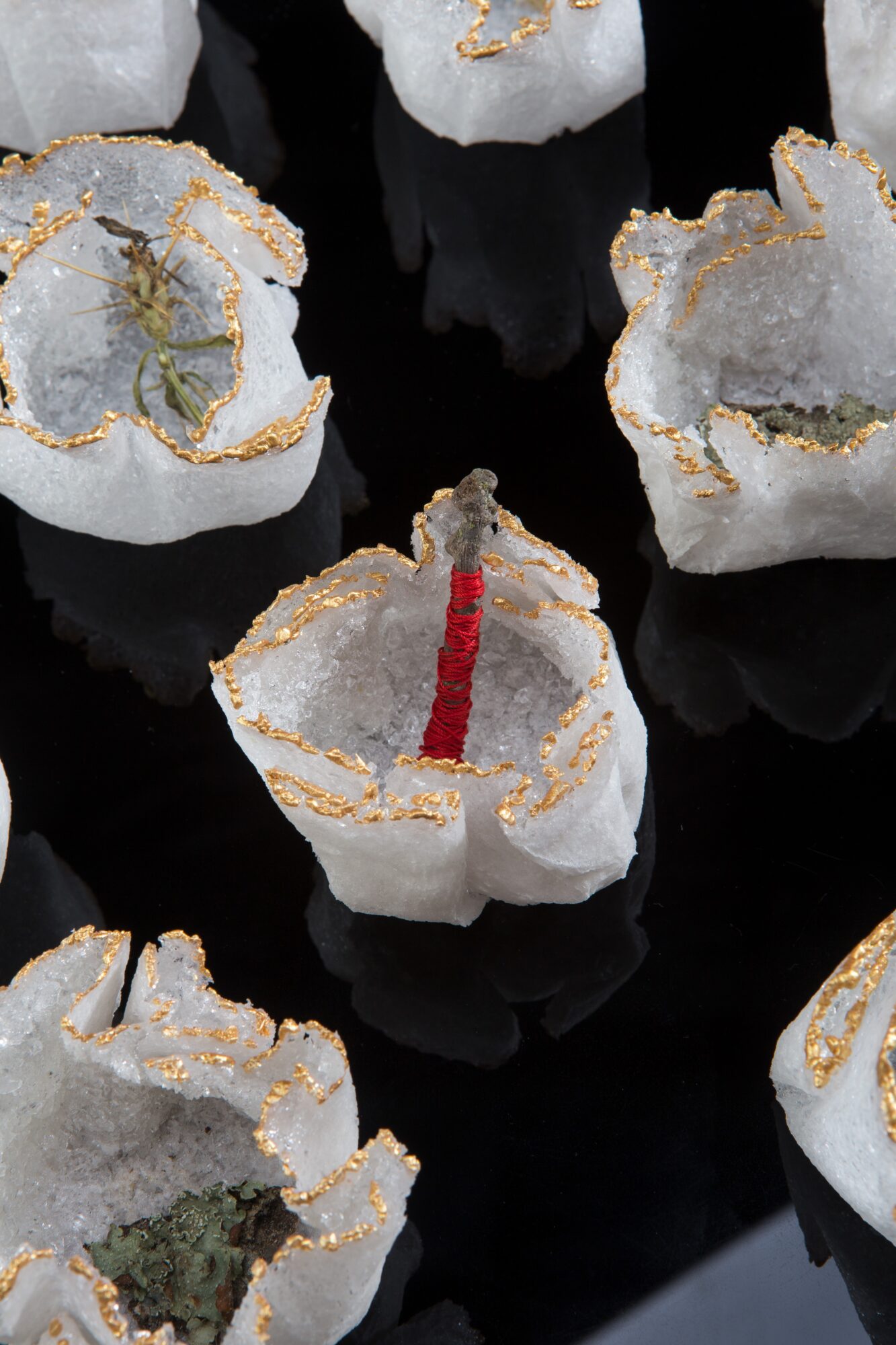
I discovered glass in 2012, and it immediately felt like the right material—transparent yet solid, fragile yet enduring, capable of holding light and time in a way nothing else can. In 2014 I began working with Pâte de Verre, eventually developing my own original casting method. The work grew from there: solo exhibitions, international competitions, collections in museums across the US, Europe, Asia, and Israel.
Today my practice continues to explore the same questions that have always driven me—who we are, where we belong, and what connects us to each other and to the natural world. Glass remains my language for asking these questions.
I’m sure it wasn’t obstacle-free, but would you say the journey has been fairly smooth so far?
Smooth is not the word I would use. Building an artistic practice from scratch, in a country that was not my own, while raising a family—that comes with real challenges. Immigration itself is a kind of constant negotiation: you are always translating yourself, always finding your footing in a place that does not yet fully know you. That experience of displacement and belonging has never left me, and honestly, it fuels much of my work.
Finding glass was a turning point, but mastering it took years of persistence. Pâte de Verre keeps its secrets until the very last firing—the kiln opens on success or failure, and the process demands precision and patience at every step. Developing my own casting method meant working outside established techniques, which meant learning largely through trial and error. There were many failures before there were breakthroughs.
There is also the quieter struggle that most artists know: the self-doubt, the financial uncertainty, the question of whether what you are making matters. Carving out studio time while managing the practical demands of life is never simple. And entering the international art world as an unknown, without connections or institutional backing, requires a particular kind of stubbornness.
But I think those struggles are woven into the work itself. The themes I explore—identity, migration, resilience, belonging—are not abstract to me. They come from lived experience. In that sense, the difficult road has given the work its meaning.
Appreciate you sharing that. What else should we know about what you do?
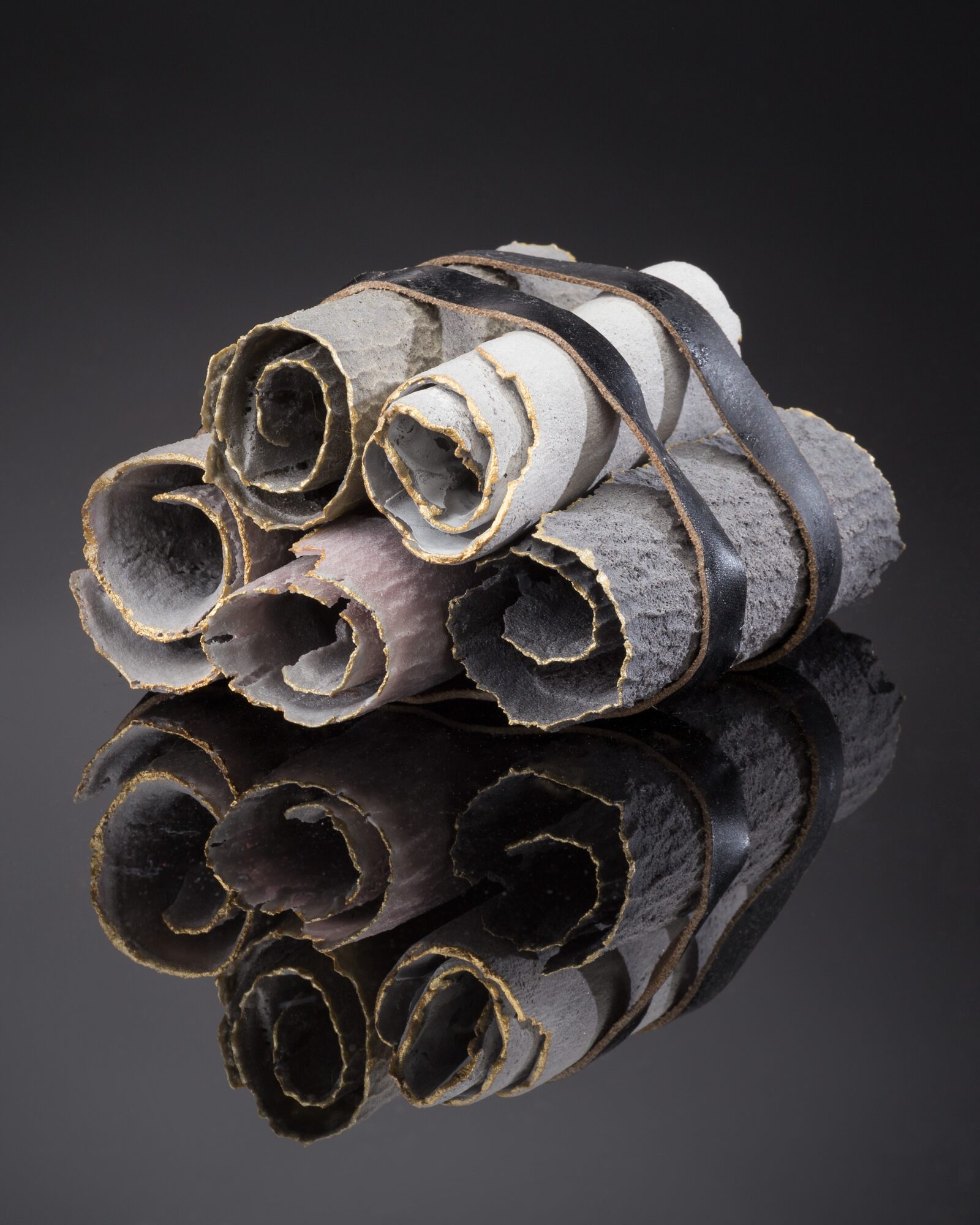
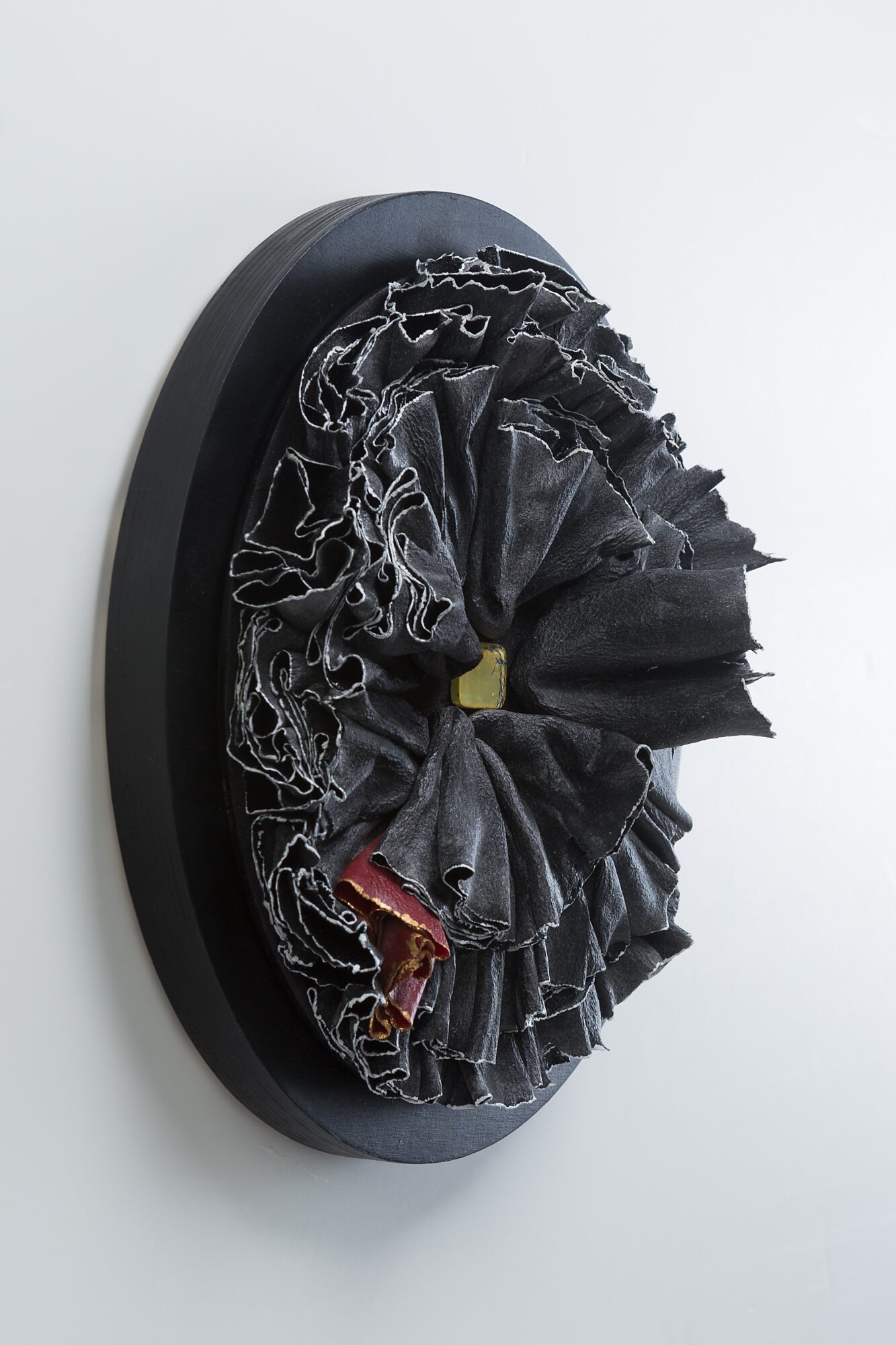
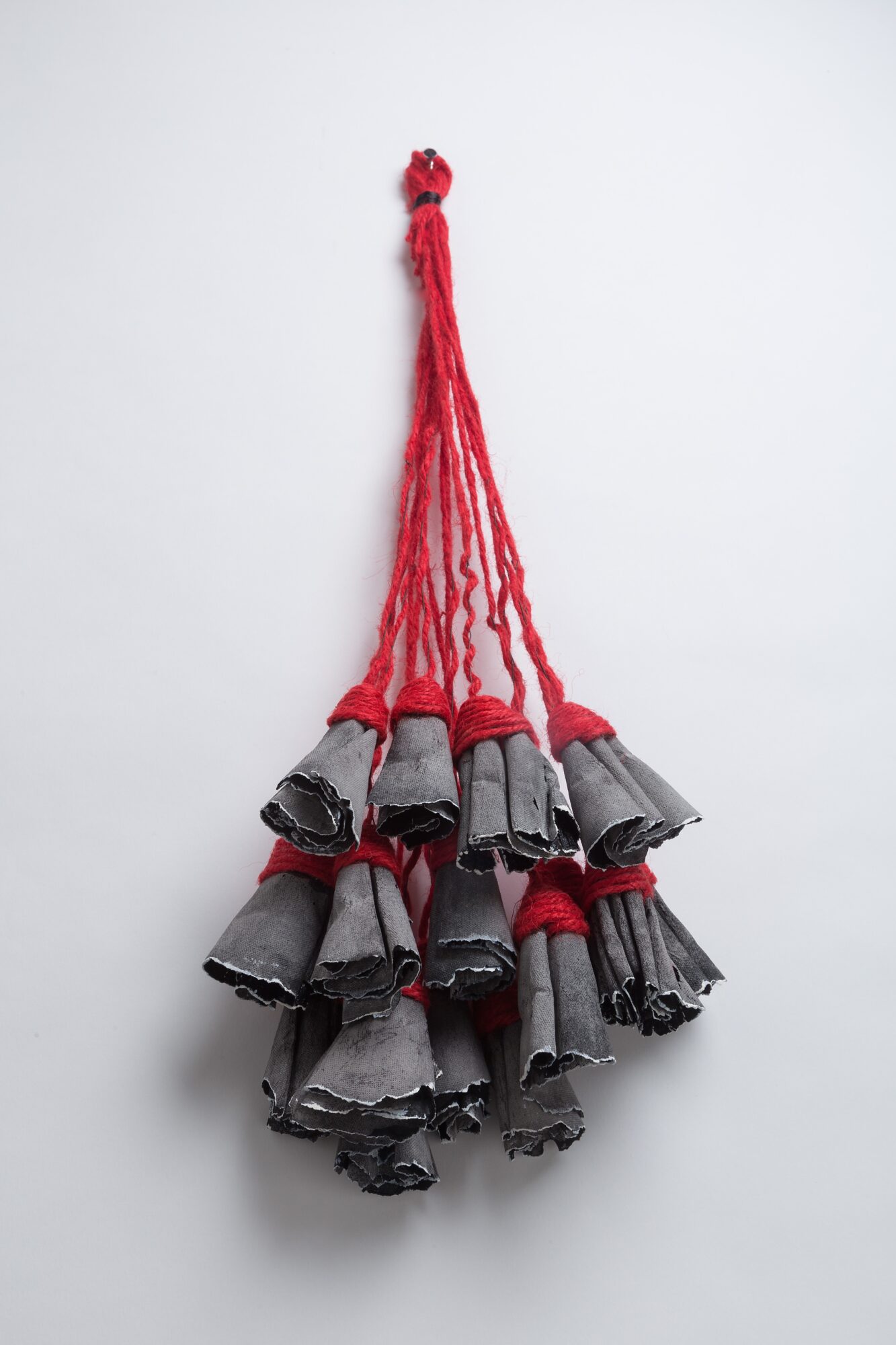
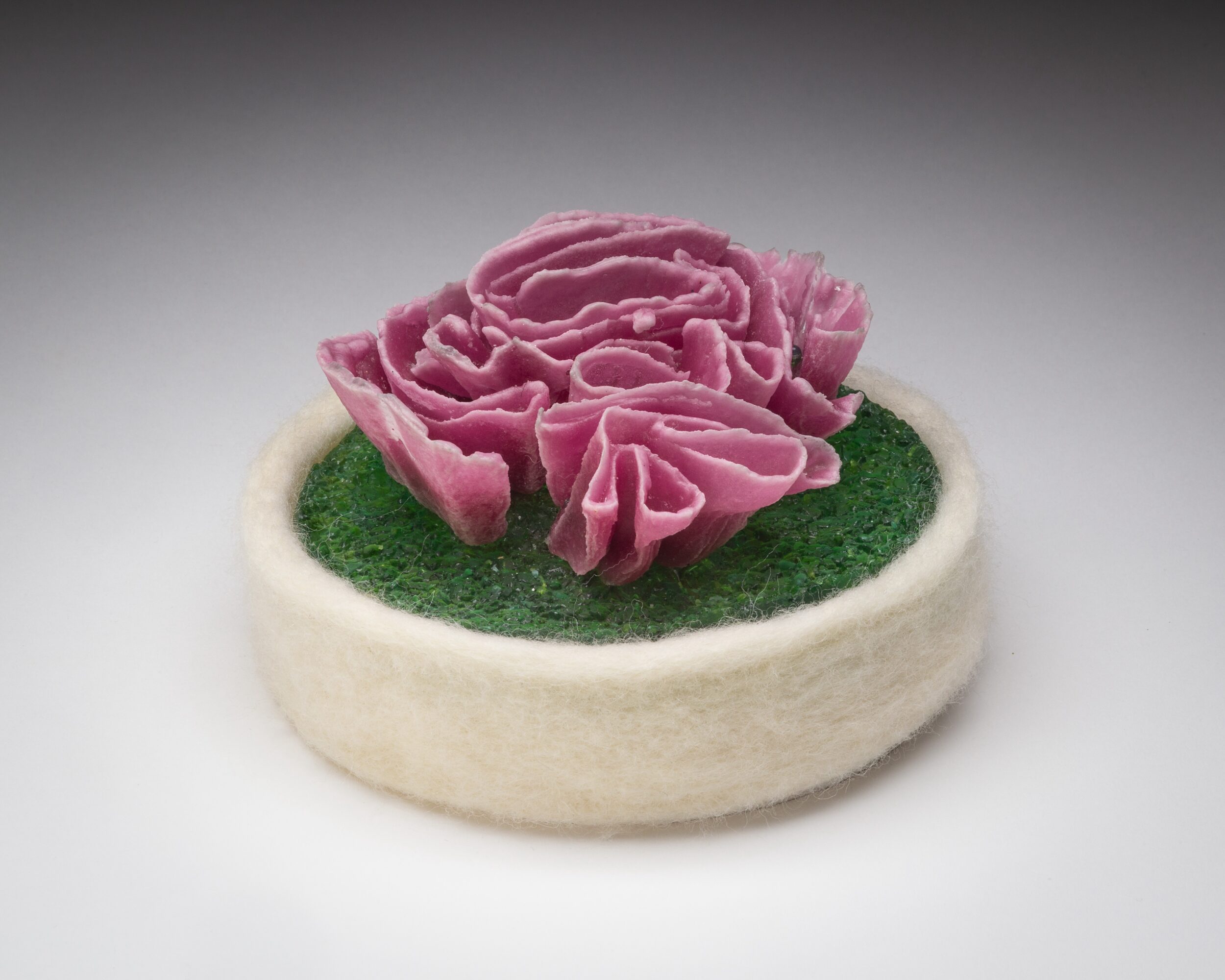
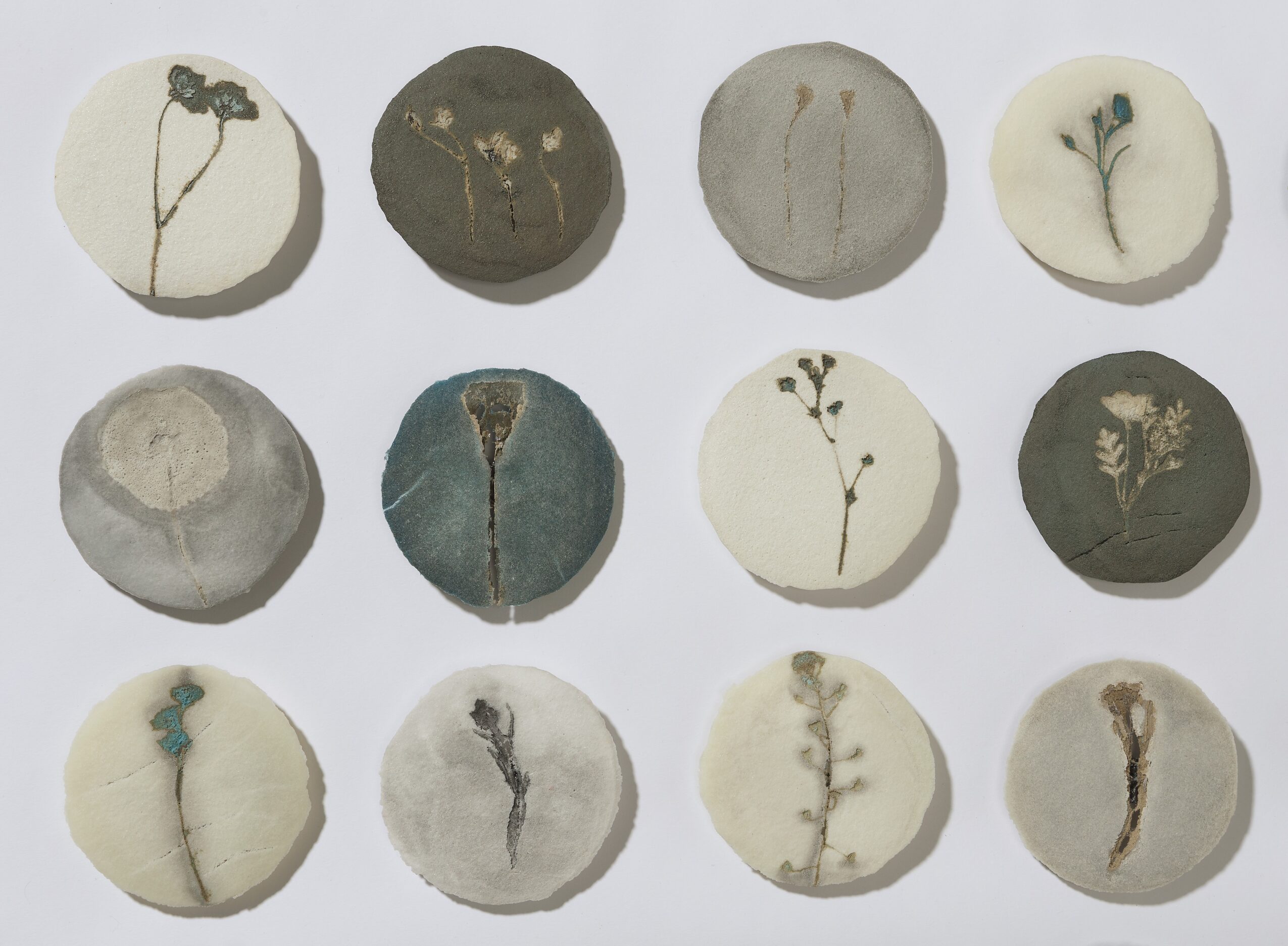
I work primarily in glass, specializing in Pâte de Verre—an ancient and demanding casting method that I have developed in my own direction, working without traditional plaster silica molds. This innovation has become something I am known for in the glass community, and I now teach this method at glass schools across the United States and abroad. I often incorporate mixed media as well, weaving together materials that carry their own histories and textures.
But beneath the technique, everything I make is driven by the same essential question: what connects us to each other and to the natural world? I am drawn to the traces that living things leave behind—in skin, in wood, in the land itself. Whether embedding dried native wildflowers into glass to preserve a fleeting moment against geological time, or transforming fingerprints into three-dimensional glass landscapes, I am always asking the same things: who are we, where do we belong, and what marks do we leave on the world as we move through it?
What I am most proud of is that the work is genuinely my own. The materials, the methods, the questions—they all come from my lived experience as an immigrant, a woman, a mother, an artist navigating between cultures and landscapes. I am not working from a trend or a tradition handed to me. I built this practice slowly and intentionally, one discovery at a time.
What sets me apart, I think, is that combination: technical innovation in an ancient medium, rooted in deeply personal and universal human themes. The work may be visually striking, but more importantly, it asks something of the viewer. It invites them in and then asks them to reflect—on identity, on nature, on what it means to belong.
Who else deserves credit in your story?
No artist builds a practice alone, and I am deeply grateful for the people and institutions that have shaped mine.
Judy Tuwaletstiwa has been both a mentor and a dear friend. She is an extraordinary artist and a deeply wise human being, and her guidance has influenced not only my work but the way I think about art-making itself—what it means to have a genuine practice, to work with intention, and to trust your own vision.
Ted Sawyer at Bullseye Glass Co. has been a tremendous supporter. Bullseye Glass Company has been important to my development as an artist, both as a material resource and an artistic community, and Ted’s belief in my work has meant a great deal. Having my second solo exhibition, Longing for the (Home)Land, at Bullseye Gallery was a significant milestone in my career.
Institutionally, Pilchuck Glass School, the Studio at Corning, and Pittsburgh Glass Center have each played a major role in shaping my practice. These are places where serious technical and artistic growth happens, where you are surrounded by the best in the field and pushed to go further. The time I spent at these institutions was transformative—they expanded what I believed was possible in glass and connected me to a community of artists I continue to learn from.
Contact Info:
- Website: https://www.taligrinshpan.com
- Instagram: https://www.instagram.com/taligrinshpan/
- Facebook: https://www.facebook.com/TaliGrinshpanArt/
- LinkedIn: https://www.linkedin.com/jobs/