




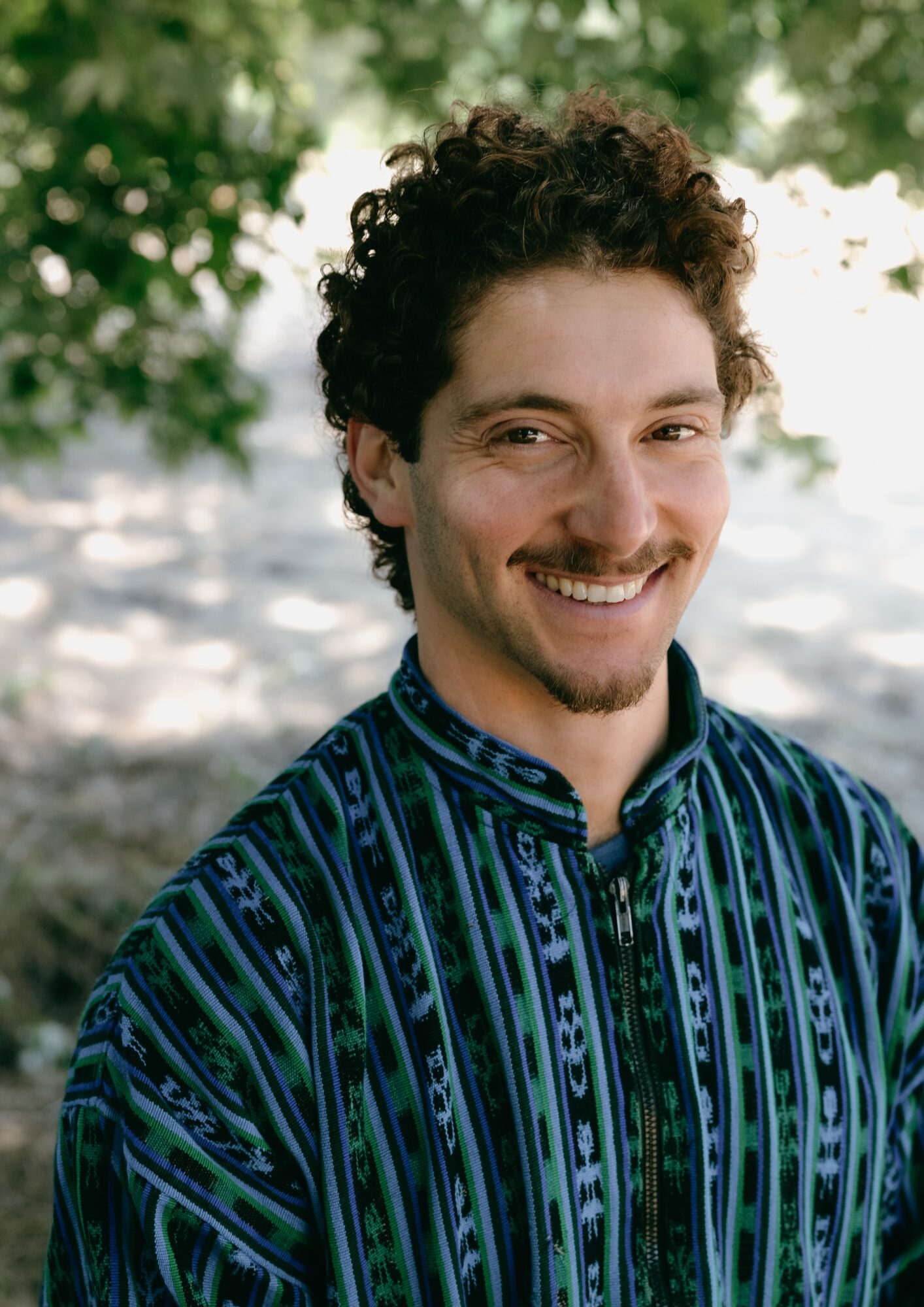
Today we’d like to introduce you to Benny Drescher.
Hi Benny, so excited to have you with us today. What can you tell us about your story?
I went to school for environmental science. I thought that I was going to become a restoration ecologist, and I did my darndest to set myself up for a super successful lift off out of college into that career. Around the time I made that commitment, I got a knee injury while surfing that changed my life forever. The chronic knee pain that began after that wipeout brought me back home to Santa Cruz, even though I had planned to stay in Santa Barbara to pursue ecology. Pretty soon, I developed chronic wrist pain as well, and what I thought would take six months to heal after graduating ended up taking three years.
During that time, I tried many different modalities, including acupuncture and the Egoscue method, in addition to well over a year of typical physical therapy plus an orthopedic surgery. The surgery recovery brought out pain all around my spine and back, likely from fearing my weakness and loss, as well as the compensations my body had to make as I recovered. I was going to a great PT clinic that clearly cared about their clients on a personal level, but they had to discharge me once I reached a particular benchmark. I left feeling like there was still so much more work to do to get back to surfing at the level I was surfing at before all this.
Eventually, I found my way to using free weights following Ben Patrick’s “Knees Over Toes” method. His system made me feel so much more empowered and strong in my knees—and my body overall—than the approach I encountered in the physical therapy clinic. Most importantly, I felt inspired by his unwavering passion and the passion of his colleagues and students at ATG.
I became obsessed, perhaps to an unhealthy degree, with ATG training. I was going to the gym more or less every day. It was too much, and I ended up severely injuring my back.
I woke up one day with extreme sciatica and what felt like a complete discontinuity between each vertebra in my spinal column. I essentially crawled around on the floor for two weeks, unable to walk, while waiting to see if chiropractic care would help me. Although I found relief from DNFT chiropractic care, I became addicted to it, just as I had with the Egoscue method and with working out.
At this point, I was almost done with my training to become an ATG coach, so injuring myself in the gym inflicted a deep emotional and identity wound. After consulting with a couple people in the ATG community, we identified that the biggest issue may have been how I was bracing my core during lifts.
This realization introduced me to a modality known as Dynamic Neuromuscular Stabilization (DNS). I believe it was a turning point for me because, for the first time since exploring earlier methods of movement therapy, I experienced a holistic approach to healing chronic pain. It felt like real athletic training and was based on clear science.
I found a DNS practitioner in Santa Cruz. While he helped me understand how to perform the DNS exercises and brace properly, what I am most grateful for is that he directed me to a Lorimer Moseley video about pain psychology. As I explored the multitude of Lorimer’s talks I realized that all this time, I had been telling myself that I wasn’t good enough and that I was doing everything wrong. There is no better way to set oneself up for pain than to create such a strong reason to be afraid of what you do.
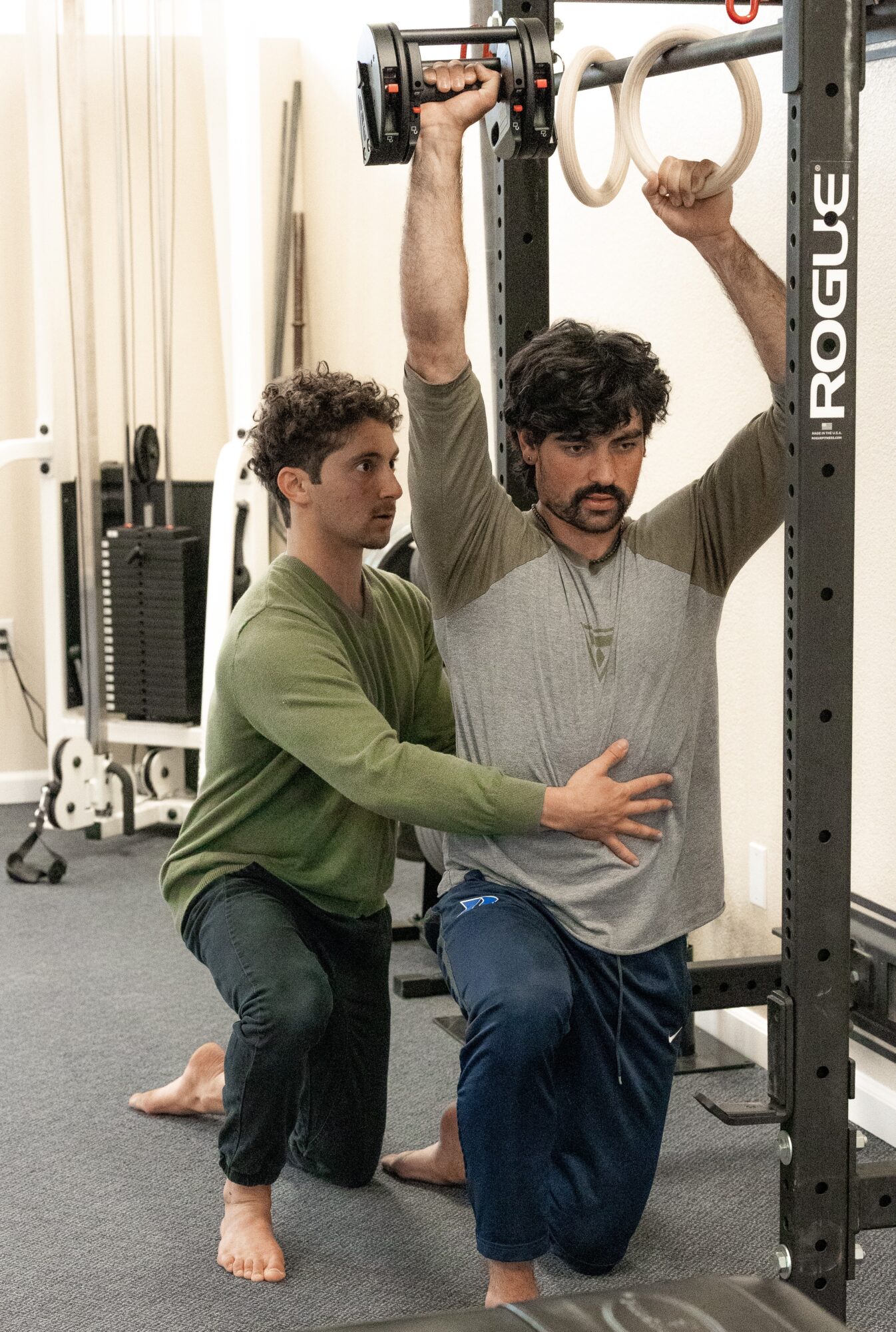
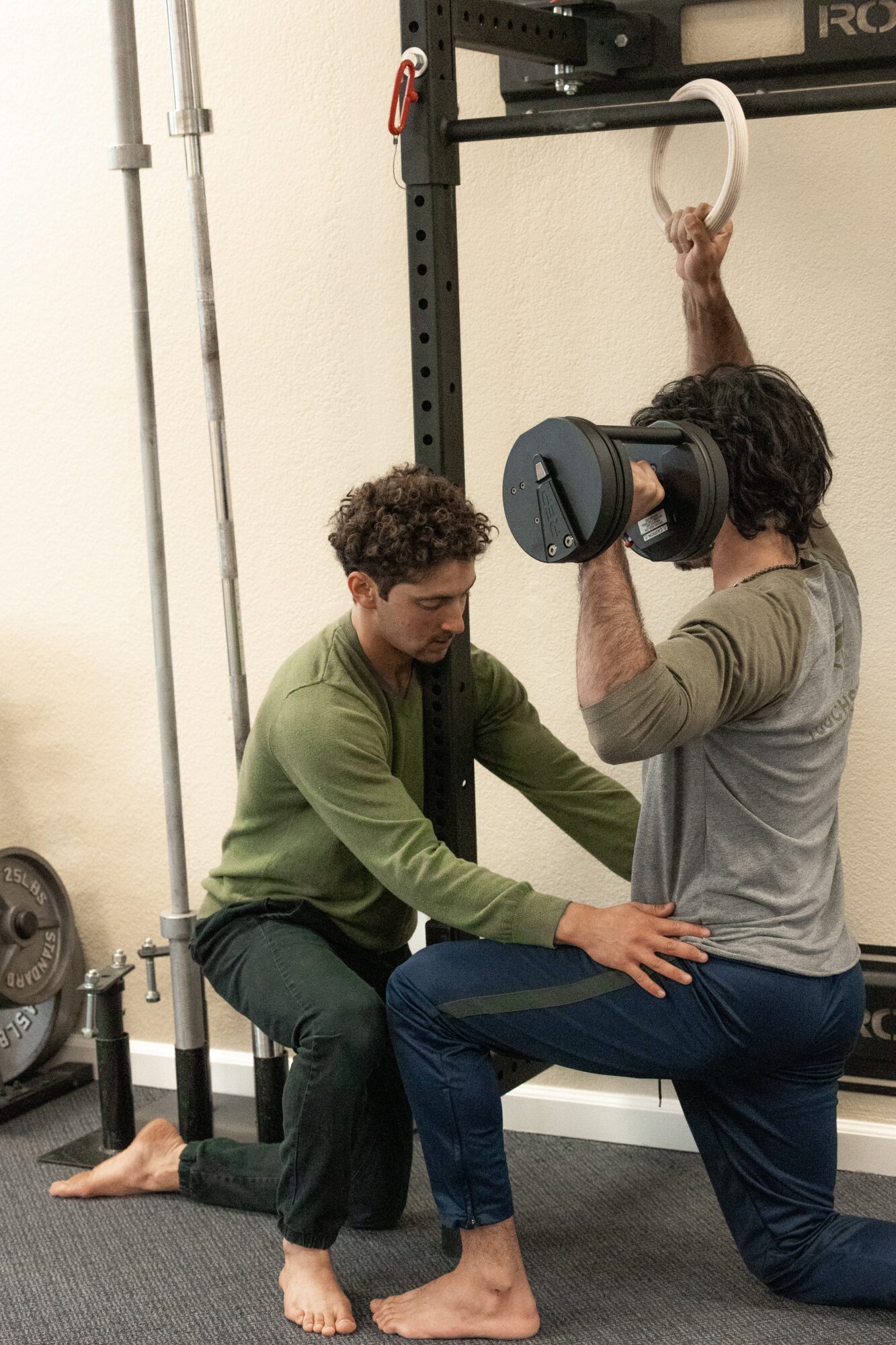
Driven by this, I became certified in Dynamic Neuromuscular Stabilization and studied pain science and pain education as if I were a clinician myself. By the time I finished both areas of study, I knew I had something special to share with my community. I knew that this particular combination of approaches—ATG, DNS, and pain psychology—didn’t exist in any other clinic in Santa Cruz. Even if it did and I just wasn’t seeing it, we need more practitioners in every community offering effective alternatives to the typical cookie-cutter physical therapy.
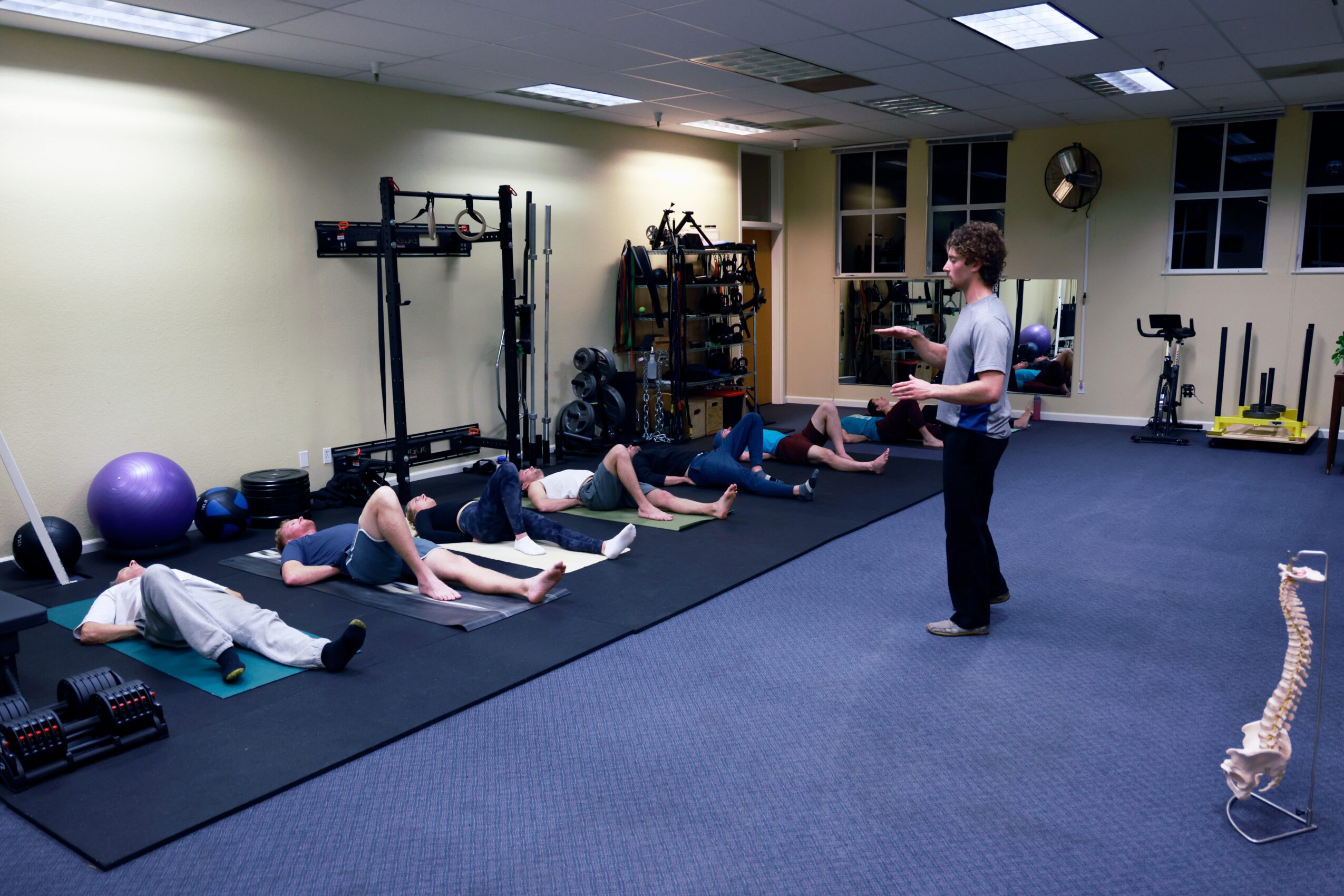
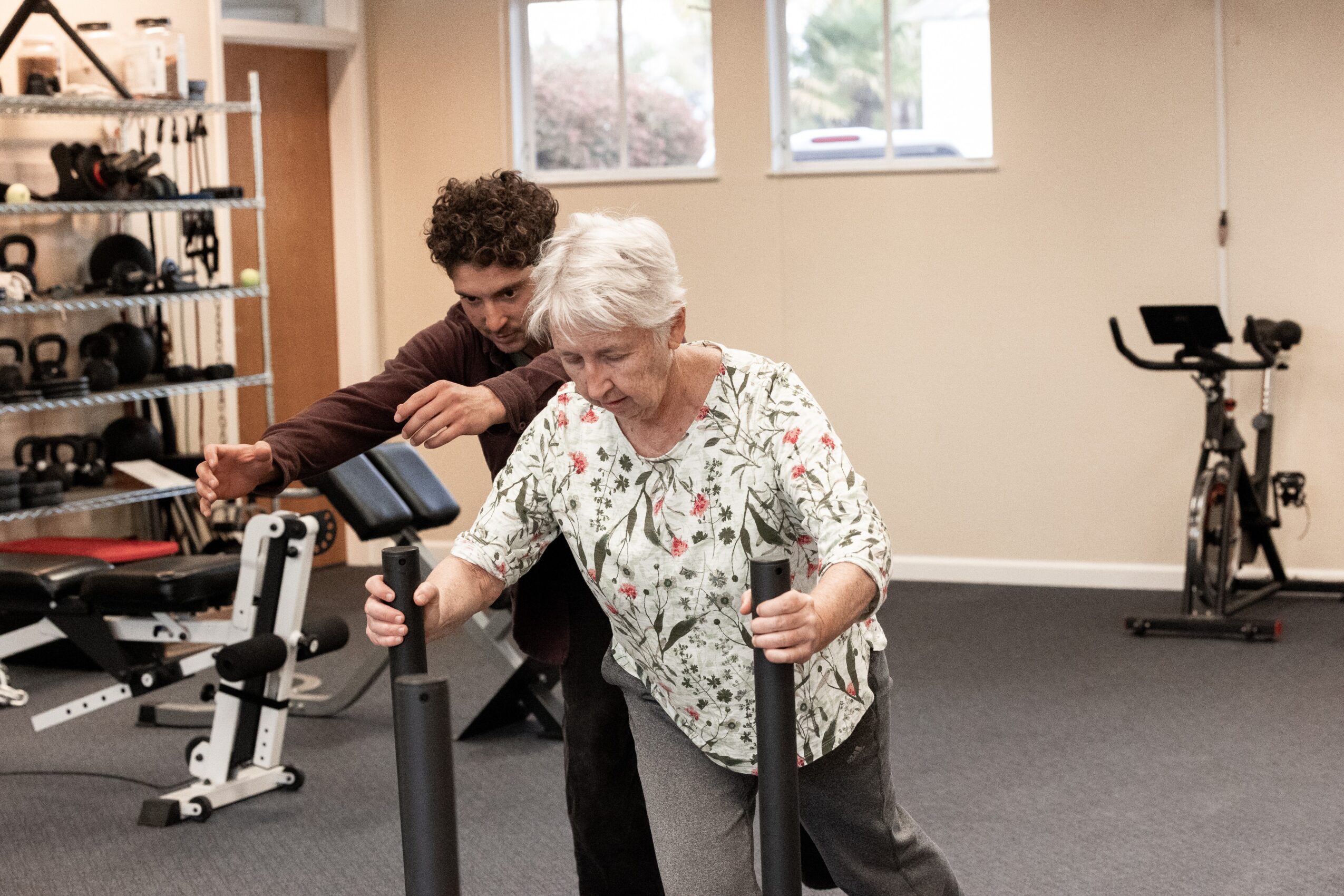
Today, I rent a studio where I built out a simple weight room with plenty of space to help people who may be going through exactly what I experienced when I was in my mid-to-late twenties. Although I don’t take insurance since I am a CSCS and not a doctor, I offer my services at a donation rate to people who cannot afford my market-rate prices. My only condition is that they give some of their time to supporting the community as well. Any form of activism counts.
Can you talk to us a bit about the challenges and lessons you’ve learned along the way. Looking back would you say it’s been easy or smooth in retrospect?
No. It is never smooth to start a business (please correct me if I’m wrong). I have made many mistakes—pinching pennies to paint the studio myself when it would have been so much faster and hence cheaper to hire a professional, and over-focusing on workflow and amenities before I have a strong client base. Then I encountering unexpected plateaus failing to make my offering known to the community beyond my immediate network, and invested far too much time into poorly designed marketing campaigns. Throughout all of this, though, practicing self-care and prioritizing my needs has been and continues to be a great challenge. You may be surprised to hear that many healing arts practitioners say the same thing.
Great, so let’s talk business. Can you tell our readers more about what you do and what you think sets you apart from others?
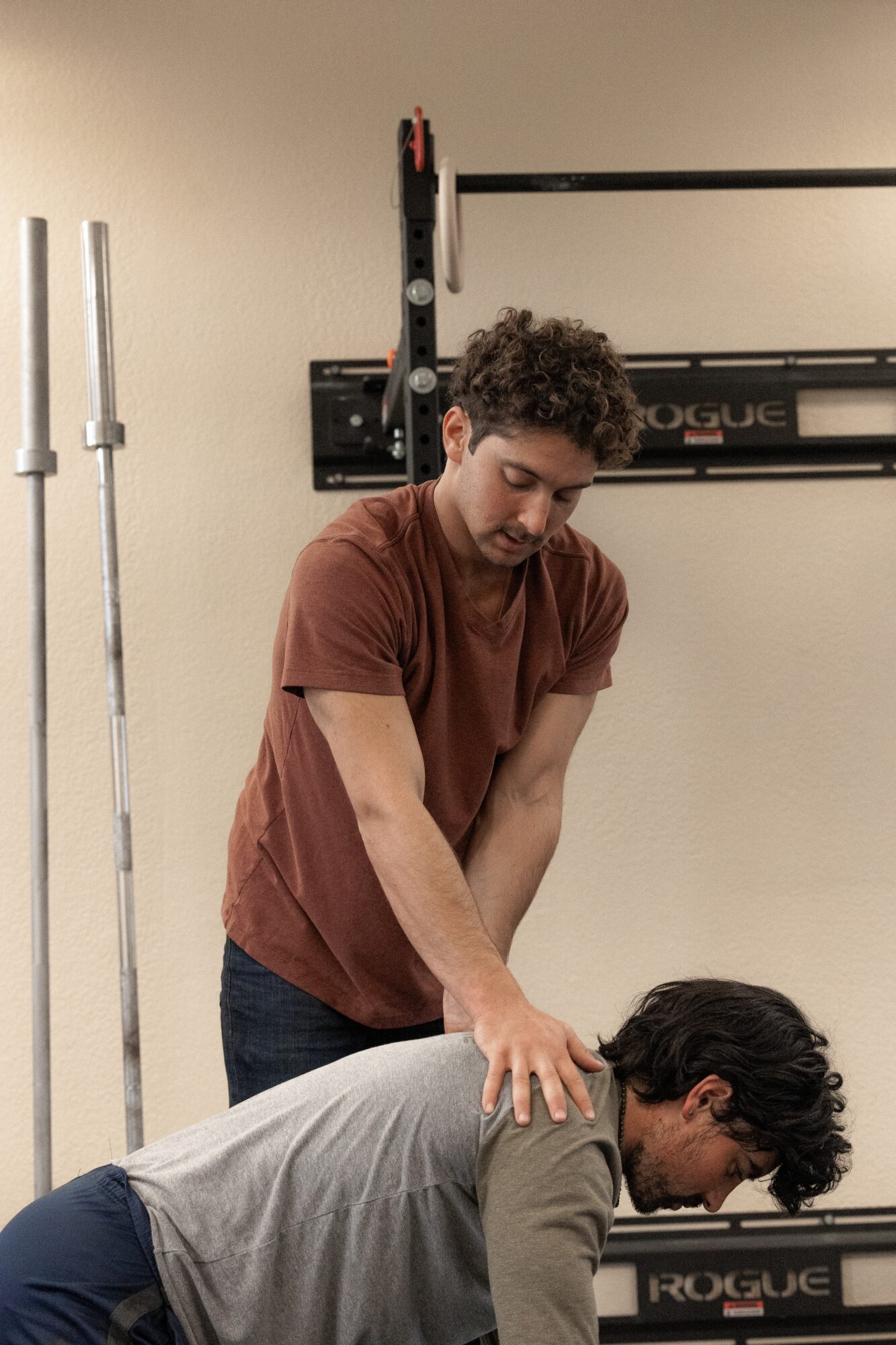
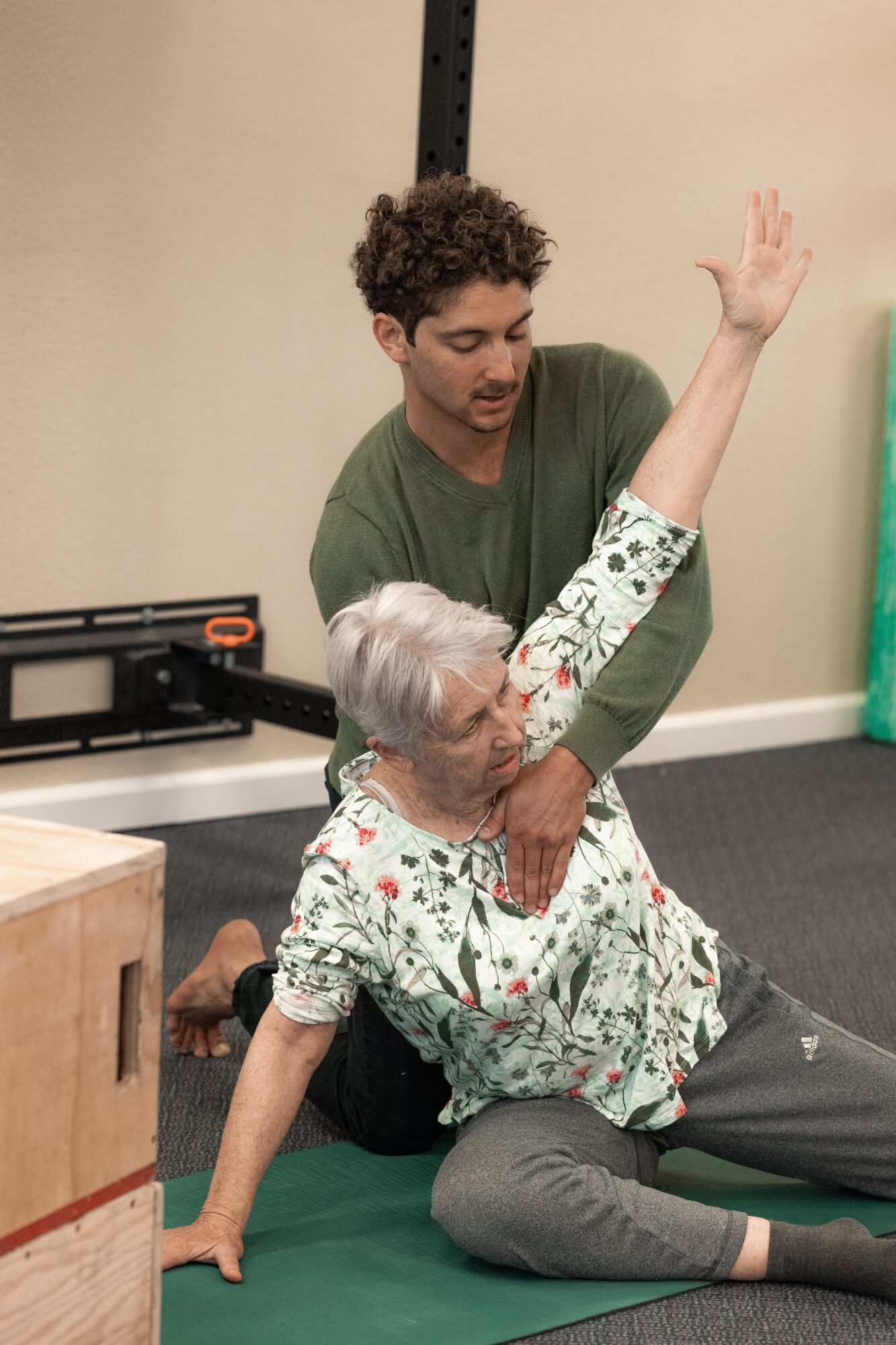
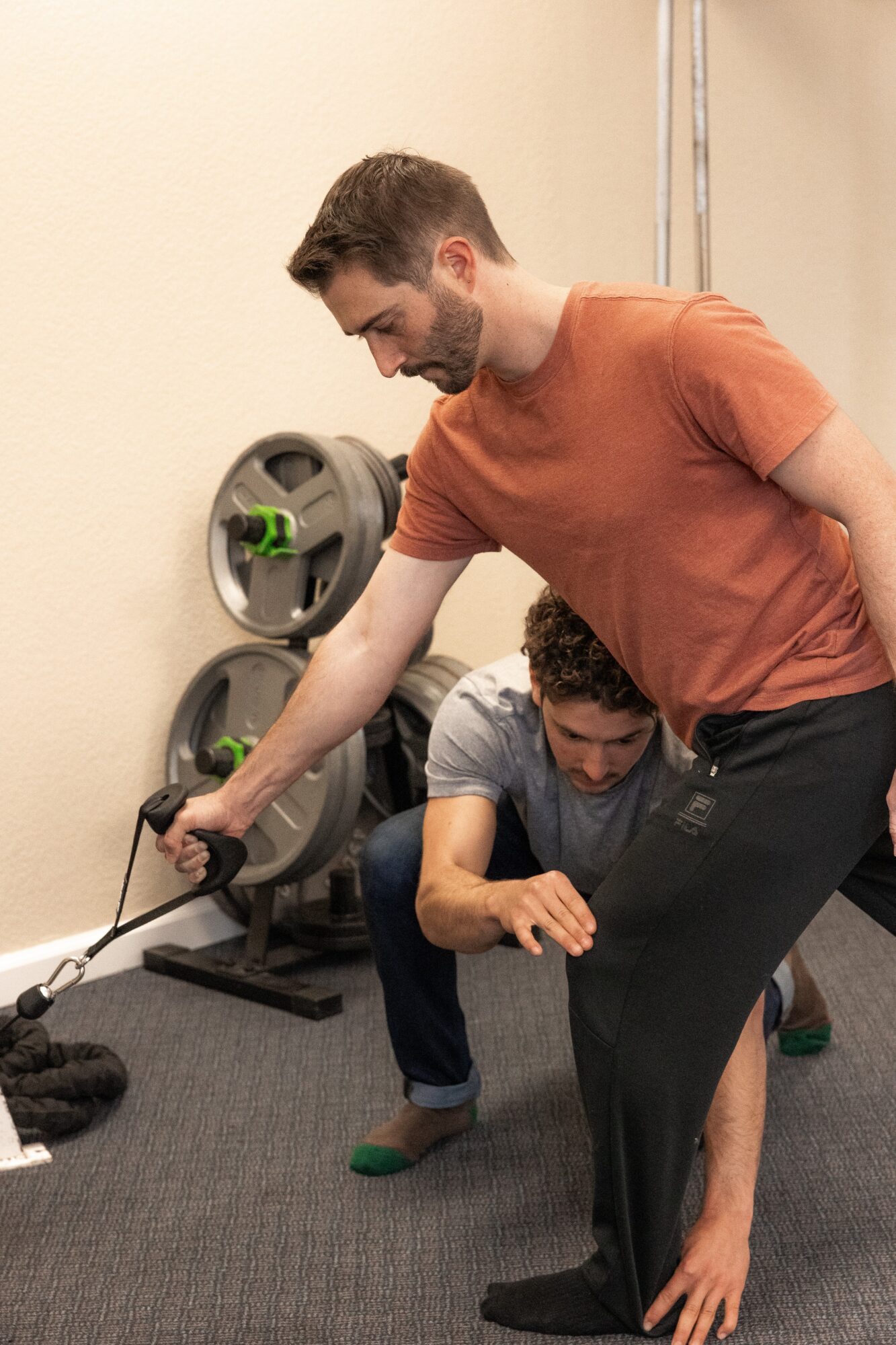
We offer a holistic, personalized approach to healing and performance. Our specialty is chronic pain recovery.
Unlike traditional insurance-bound clinics, we treat the whole body and the body–mind system together to support a full recovery — helping you rebuild strength, improve movement, and resolve pain at its root so you can feel confident in your body again.
Our goal is to build a personalized toolkit for strength development and injury recovery that will serve our clients for the rest of their lives.
We are known for being extremely adaptive, intuitive, caring, and taking the time to get to know our client’s needs and concerns in long-form one-on-one appointments together. This is what sets us apart.
We want your readers to know that pain is not just in the tissues, and it’s not just in the mind, it’s probably both. We want to help. We’re here to guide the way to growing strength at the pace of trust and to finding home in your body again.
What are your plans for the future?
Personally I am looking forward to feeling steady and secure in the pace of work at the clinic, and taking plenty of time for myself throughout the week.
Pricing:
- $120/hour, with discounts available for low-income clients.
Contact Info:
- Website: https://www.beyondptsantacruz.com
- Instagram: @beyondptsantacruz