



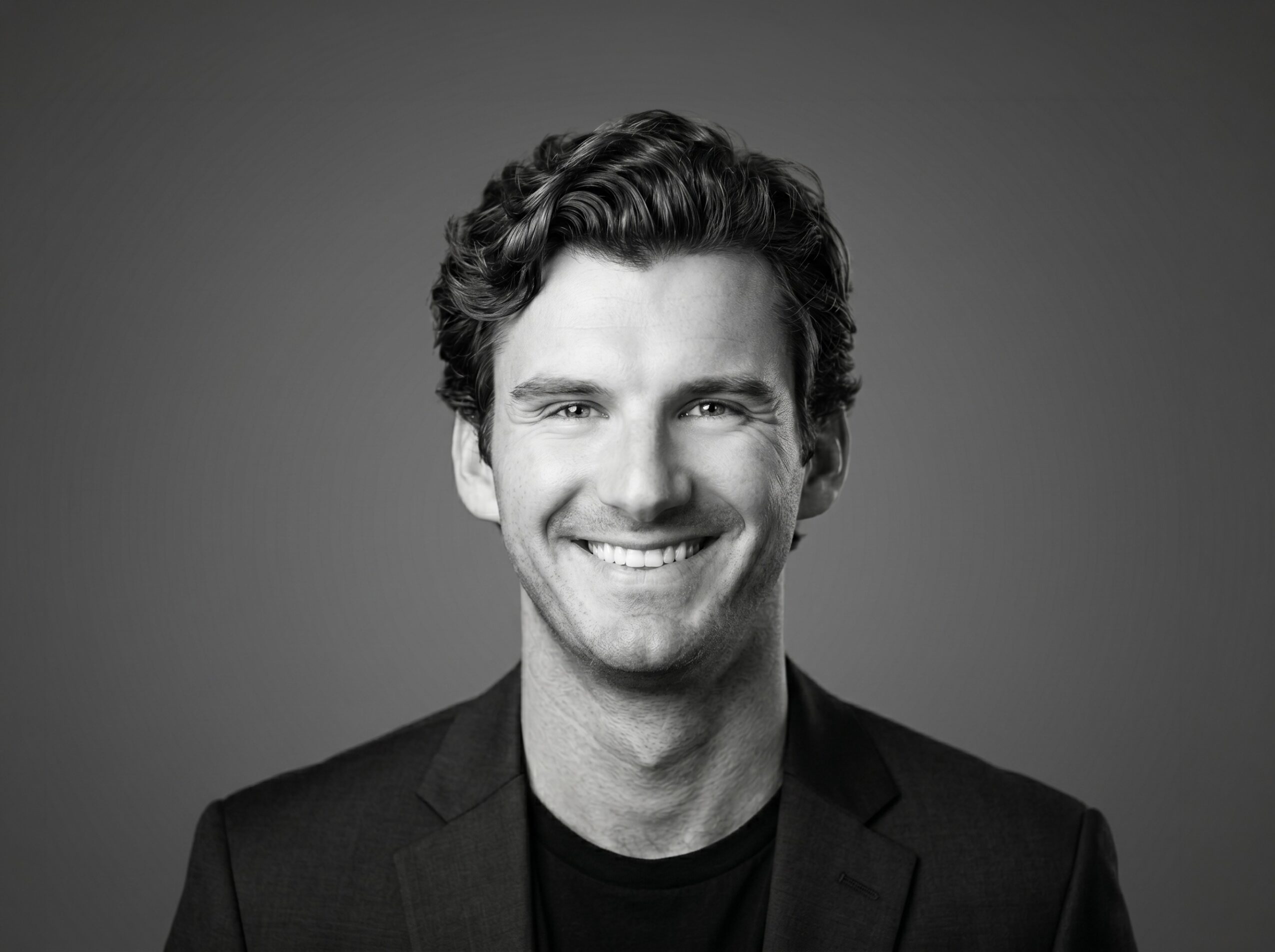
Today we’d like to introduce you to Nick Kvistad.
Alright, so thank you so much for sharing your story and insight with our readers. To kick things off, can you tell us a bit about how you got started?
I grew up in Santa Barbara, surrounded by a lot of natural beauty, and that is where my eye for imagery and storytelling really started. I got into multimedia around 2008, studying design, photo, and video all through high school, and over the years what started as a hobby turned into a genuine obsession with visual storytelling and how brands show up in the world.
I initially went to college for engineering, which gave me a strong technical and systems thinking foundation, but I realized pretty quickly that a traditional engineering path was not where my energy was. That realization pushed me toward creative and marketing roles, including ecommerce and architecture, where I saw firsthand how much businesses lose when branding, web, and marketing are fragmented and handled by disconnected vendors. At the same time, I was freelancing, testing ideas, and learning how strategy, design, and data actually work together to drive results.
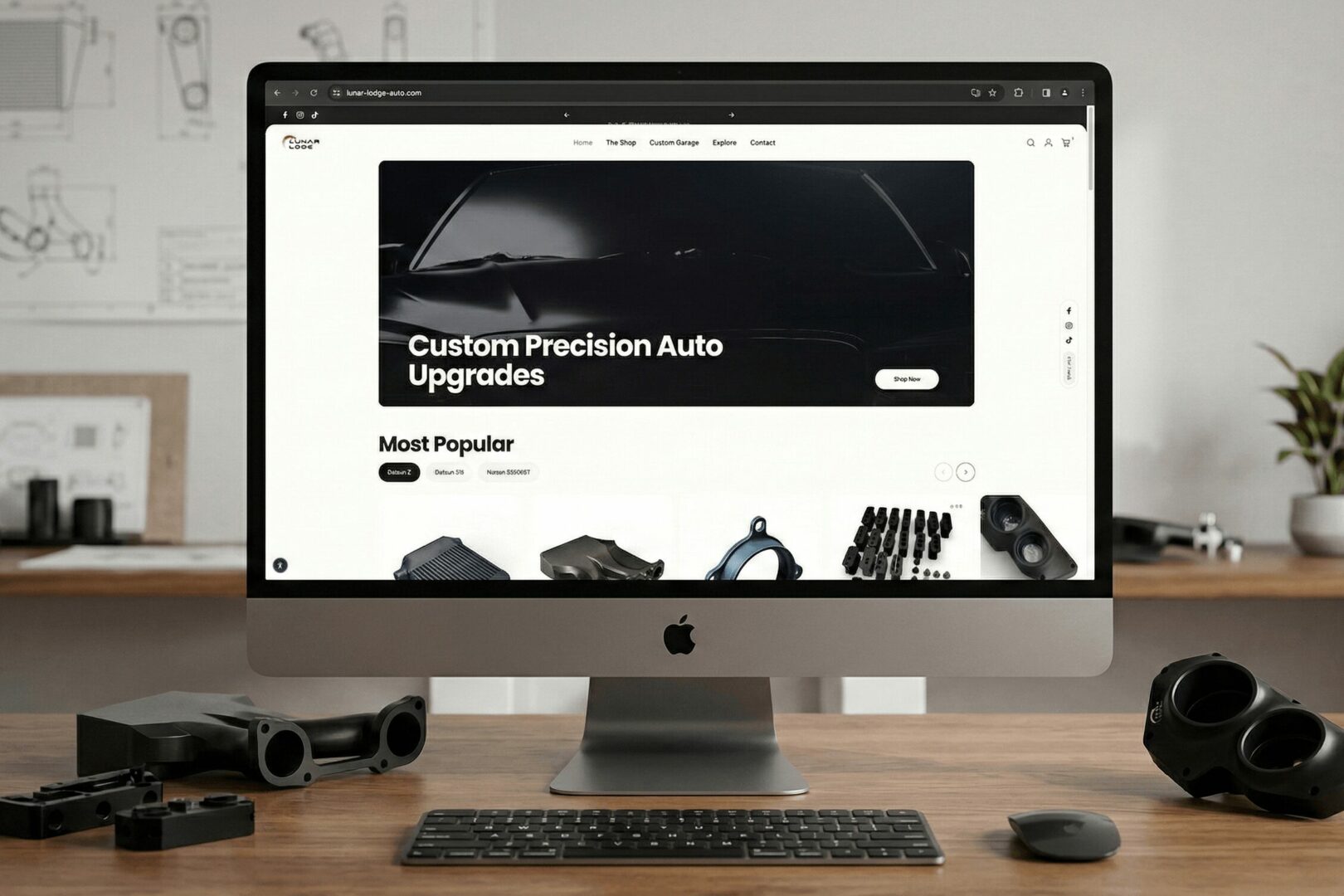
In 2023, I decided to fully bet on myself and founded SYNRGY, a full-service marketing agency designed to support clients at any stage of their journey, whether that is ground-up branding, rebranding, a new website, SEO, ad management, marketing strategy, or content creation. My role is founder and principal designer and strategist, and I intentionally position SYNRGY as a boutique agency that only takes on a select number of large-scale projects at a time, so clients get deep focus and attention to detail. Our model is relationship-driven. We build trust by delivering and then stay on as an integrated partner, which is why the vast majority of our work now comes from repeat clients and referrals. One example is PRISM Places, a corporate client whose web portfolio I have managed for several years, overseeing new builds and advanced updates as their needs evolve.
Today, my work sits at the intersection of creative direction, systems thinking, and performance. I still love being hands-on with brand and visual work, but I am equally focused on building end-to-end marketing systems that help clients grow and give them the confidence that someone is truly owning their brand and digital presence.
Would you say it’s been a smooth road, and if not what are some of the biggest challenges you’ve faced along the way?
No, it has definitely not been a smooth road, and I think that is a big part of why I operate the way I do now.
Early on, one of the biggest challenges was identity and direction. I had this mix of photography, design, and technical interests, and it took time to stop treating that as a “lack of focus” and instead turn it into an advantage. Leaving the safer, more linear path of engineering and traditional roles to bet on myself came with a lot of doubt, both internal and external. There were seasons where I felt overextended, underpaid, and unsure if building my own studio was actually the right move.
Another major struggle was moving from “creative for hire” to “strategic partner.” At first, I was taking on almost any project that came my way. That meant inconsistent scopes, misaligned expectations, and clients who wanted just a logo or just a shoot without caring about the bigger picture. It took a lot of painful lessons, awkward conversations, and some projects that did not go the way I wanted to realize I needed to be more intentional about who I worked with and how I framed the relationship.
On the business side, I had to learn systems the hard way. Things like pricing correctly, setting boundaries, building processes, and managing capacity did not come naturally at first. There were periods where I was saying yes to too much, doing everything myself, and living in constant context switching. That is part of what pushed me to position SYNRGY as a boutique agency that takes on only a select number of large-scale projects at a time. I realized that trying to do everything for everyone was not just bad for me; it diluted the quality of the work and the outcomes for clients.
Even with the struggles, those phases forced me to get very clear on my values: data over ego, momentum over perfection, and long-term relationships over one-off transactions. The friction refined my process and ultimately led to a mostly referral-based, repeat-client base and the confidence to pursue larger corporate work instead of staying in a constant freelance hustle cycle.
Great, so let’s talk business. Can you tell our readers more about what you do and what you think sets you apart from others?
SYNRGY Creative is a full-service marketing agency that supports clients at any stage of their business journey. We work with brands that are just getting started and need ground-up branding and a first website, as well as established companies that are ready for a rebrand, an updated site, stronger SEO, ad management, or a more cohesive marketing strategy and content engine.
What we are really known for is taking all of those moving parts and turning them into one clear, data-informed system instead of a collection of disconnected vendors. We specialize in brand strategy, visual identity, web design and development, SEO, performance marketing, and content creation, but the value is in how those pieces work together. Clients come to us for a logo or a website and stay because we become a long-term strategic partner who understands their business and can grow with them.
I am the founder and principal designer and strategist, and I intentionally position SYNRGY as a boutique agency that takes on a select number of large-scale projects at a time so each client gets deep focus and attention to detail. I am proud that roughly 95 percent of our work now comes from repeat clients and referrals, including long-term relationships with corporate partners such as PRISM Places, whose web portfolio I manage across new builds and advanced updates. More than anything, I want readers to know that SYNRGY is built on relationships, results, and craft. We care about how a brand looks and feels, but we judge our success by the growth, clarity, and confidence our clients gain from working with us.
Can you talk to us about how you think about risk?
I think the biggest and most meaningful risk you can take is deciding to trust yourself and acting on that, especially when there is no guarantee it will work and other people do not fully see what you see yet. For me, risk is less about adrenaline and more about responsibility. When you choose to back your own judgment, you are accepting that there is no one else to blame and no safety net beyond your ability to adapt and figure things out.
I would not necessarily label myself as a reckless risk taker, but I am very comfortable taking decisive, calculated risks when the upside aligns with my values and long term vision. Before I started my agency, I was on a more traditional path with clear next steps. Walking away from that to build my own studio was a major risk. There was no guarantee of clients, no steady paycheck, and plenty of people who thought it would be smarter to stay on a safer track. What tipped the scales for me was asking a simple question: will I regret trying and failing, or will I regret never really trying at all? Once I answered that honestly, the decision became clearer.
Starting SYNRGY and positioning it as a boutique, full service agency was another big leap. Instead of chasing volume and saying yes to everything, I chose to focus on fewer, larger engagements, invest deeply in client relationships, and rely heavily on referrals. That meant turning down work that did not fit and accepting slower, more intentional growth in the short term in order to build something more durable in the long term. It felt risky at the time, but it is also what led to a business where most clients return and recommend us to others.
When I think about risk now, I try to separate fear from facts. I look at the data I have, the worst realistic outcome, and the potential upside. If the downside is survivable and the upside moves me closer to the kind of work and life I actually want, I will usually take the shot. To me, the bigger risk is staying in situations where you are underutilized, uninspired, or constantly waiting for someone else to make the call for you. Trusting yourself, even when others do not fully get it yet, is uncomfortable, but it is also where most of the meaningful growth in my career has come from.
Contact Info:
- Website: https://www.synrgycreative.com/
- LinkedIn: https://www.linkedin.com/in/nick-kvistad/