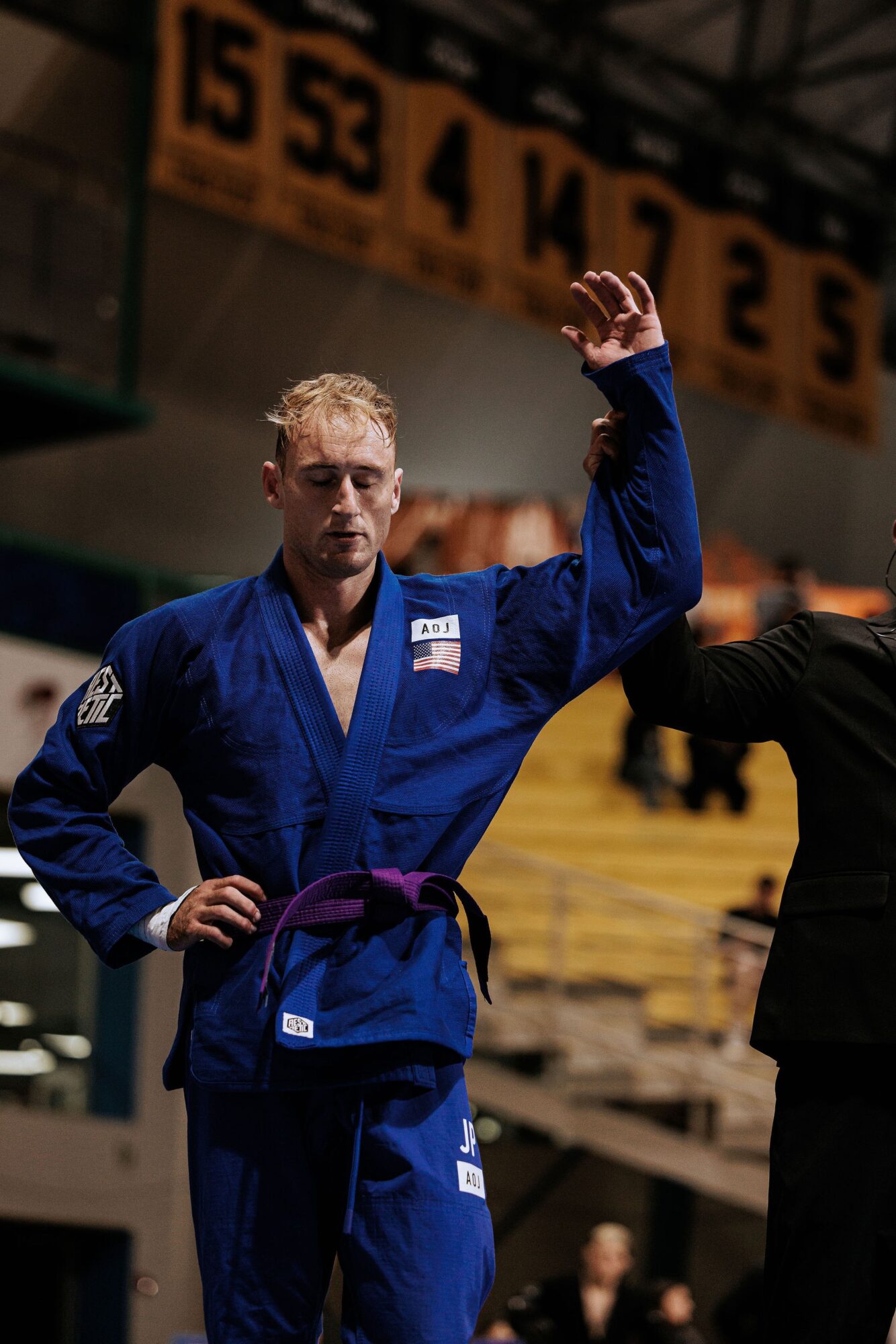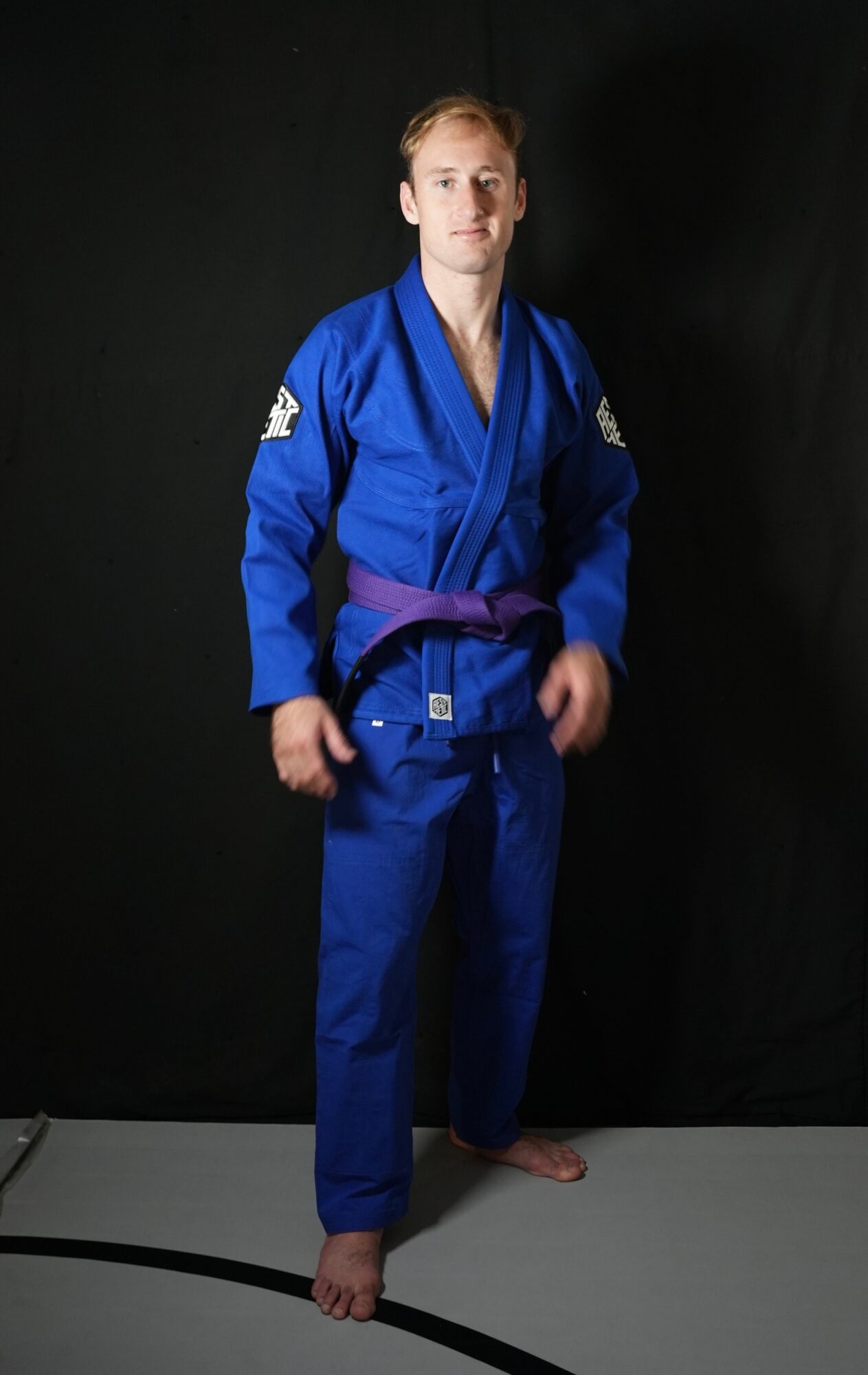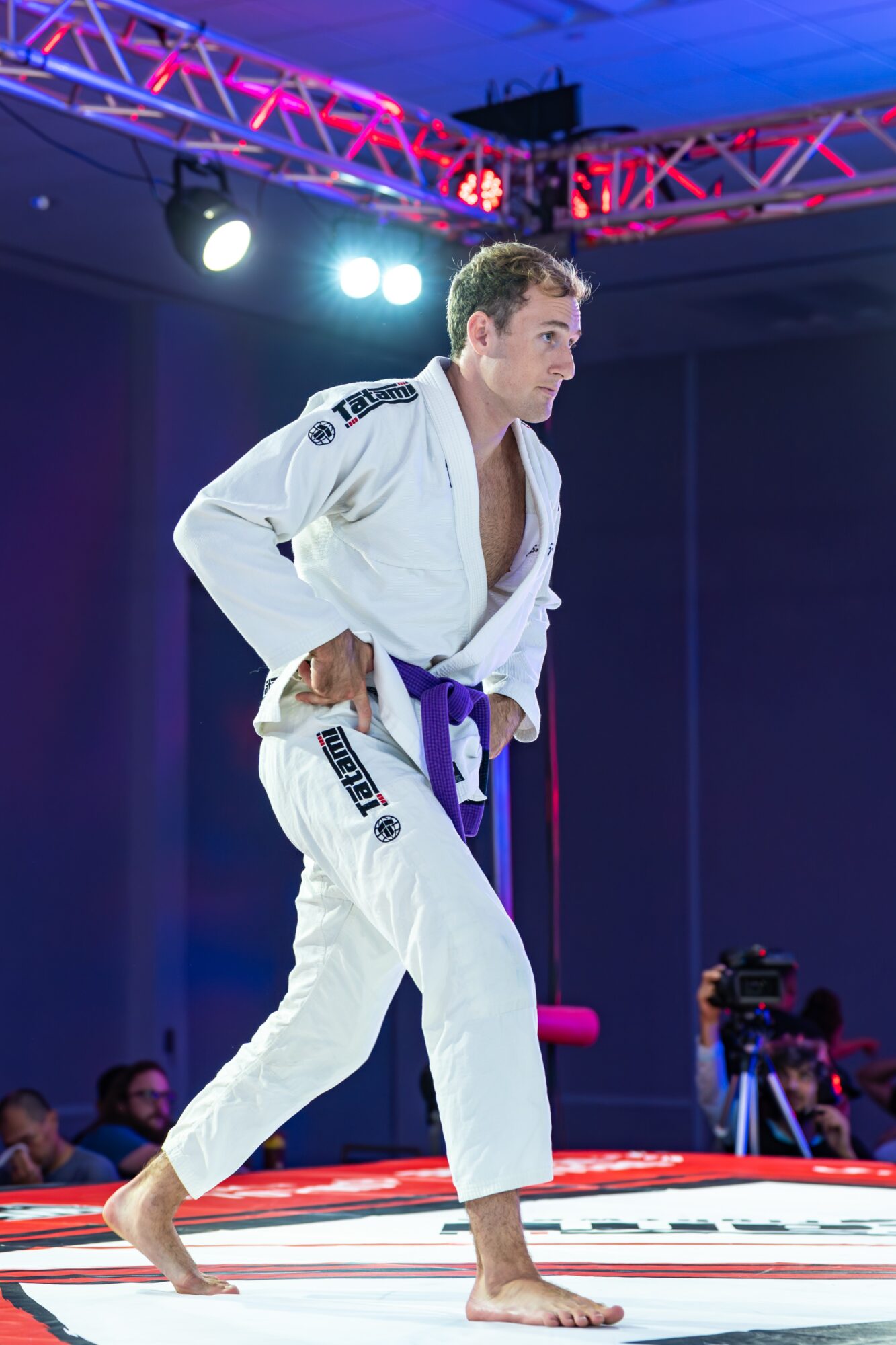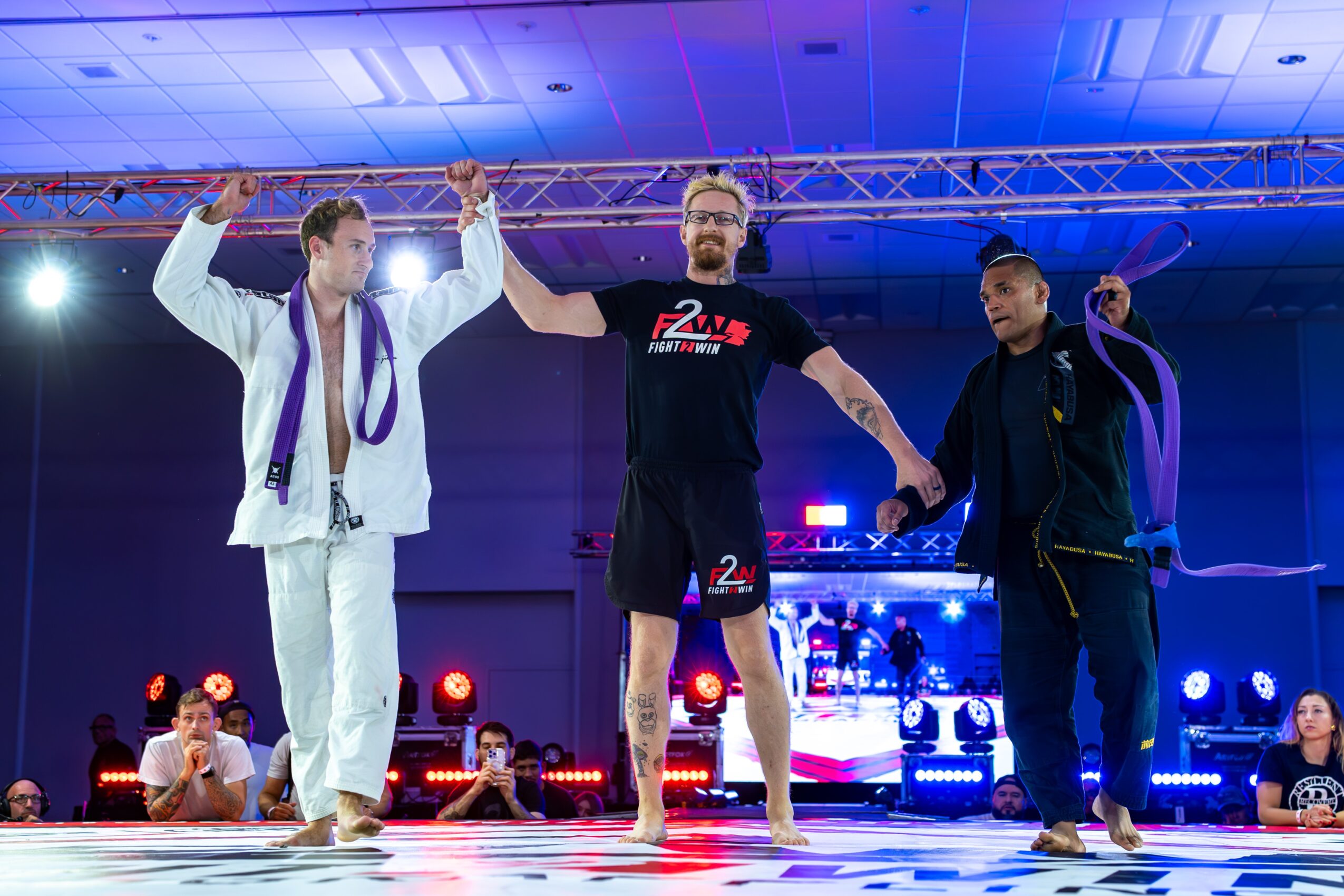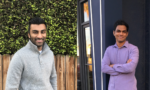




Today we’d like to introduce you to Jared Wade.
Jared , we appreciate you taking the time to share your story with us today. Where does your story begin?
My path to becoming a professional jiu-jitsu athlete was anything but traditional.
Growing up, I always dreamed of being a professional athlete. The problem was that I never found a sport I truly connected with. As I got older, I followed a more conventional path instead. I attended Northeastern University, studied finance, and eventually found myself working in New York City on Wall Street.
On paper, everything was going well. I was building a career and heading down a path that seemed stable and predictable. From society’s perspective, I was doing everything right. But deep down, I felt lost. I was building a life that looked successful on paper, yet I couldn’t shake the feeling that I was pursuing someone else’s version of success instead of my own.
Around that same time, I discovered Brazilian Jiu-Jitsu.
I started training at 21 years old, which is considered very late for someone who wants to compete at an elite level. Most of the athletes I looked up to had been training since childhood. I knew I was already years behind, but something about the sport immediately captured me.
What started as a hobby quickly became an obsession.
For years, I structured my entire life around getting better. While balancing school, internships, and work, every spare hour went into training, studying technique, recovery, and competition. I wasn’t interested in the typical college experience. I wasn’t going out, partying, or spending weekends at bars. I was consumed by the goal of seeing how far I could take this.
A lot of people thought it was unrealistic. Some questioned why I would spend so much time pursuing a sport I had started so late. Others couldn’t understand why I would eventually walk away from a traditional career path to chase something so uncertain.
The truth is, I couldn’t ignore how much I loved it.
At some point, I realized I would rather give everything I had to a dream that excited me than spend the rest of my life wondering what might have happened if I never tried. So I went all in.
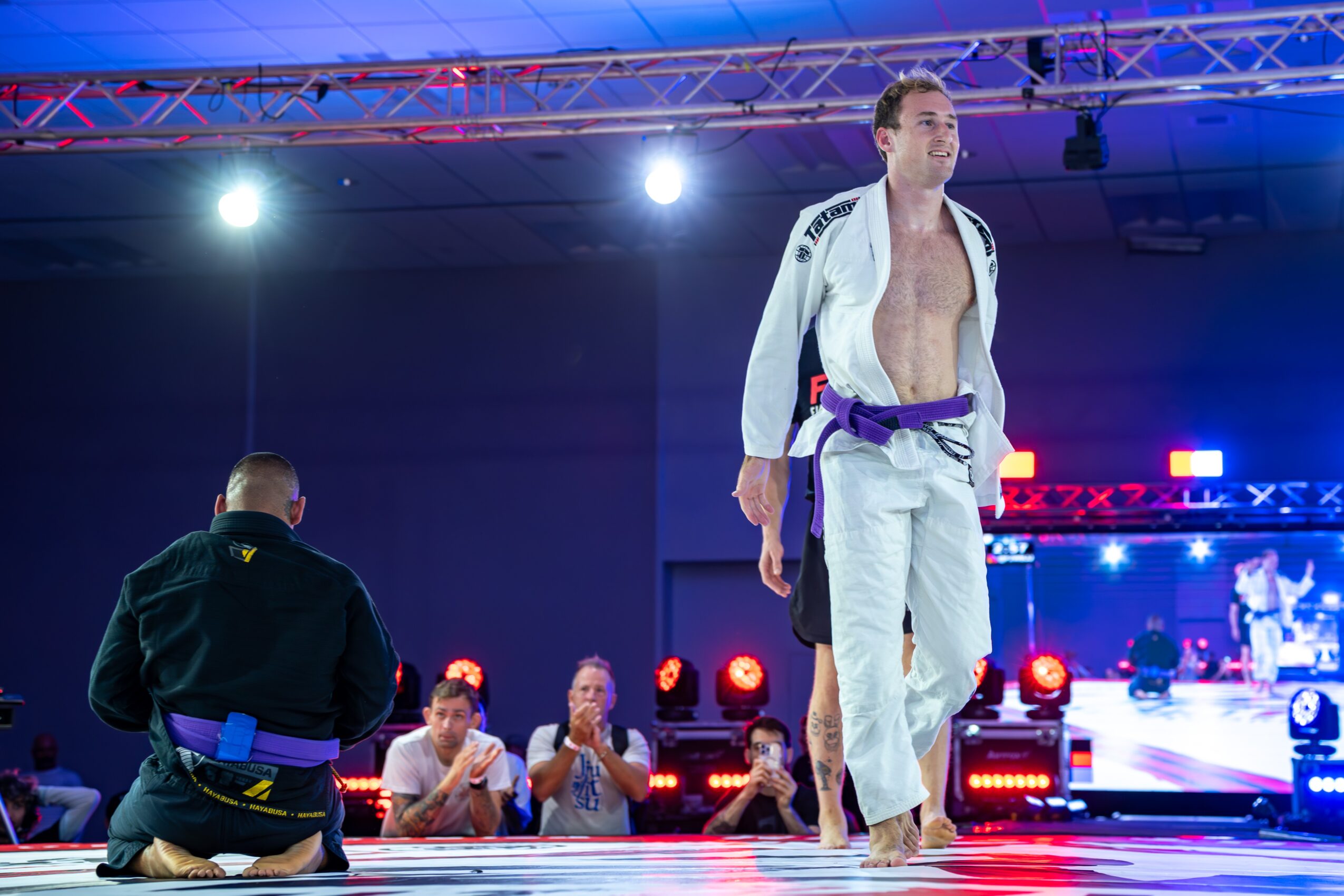
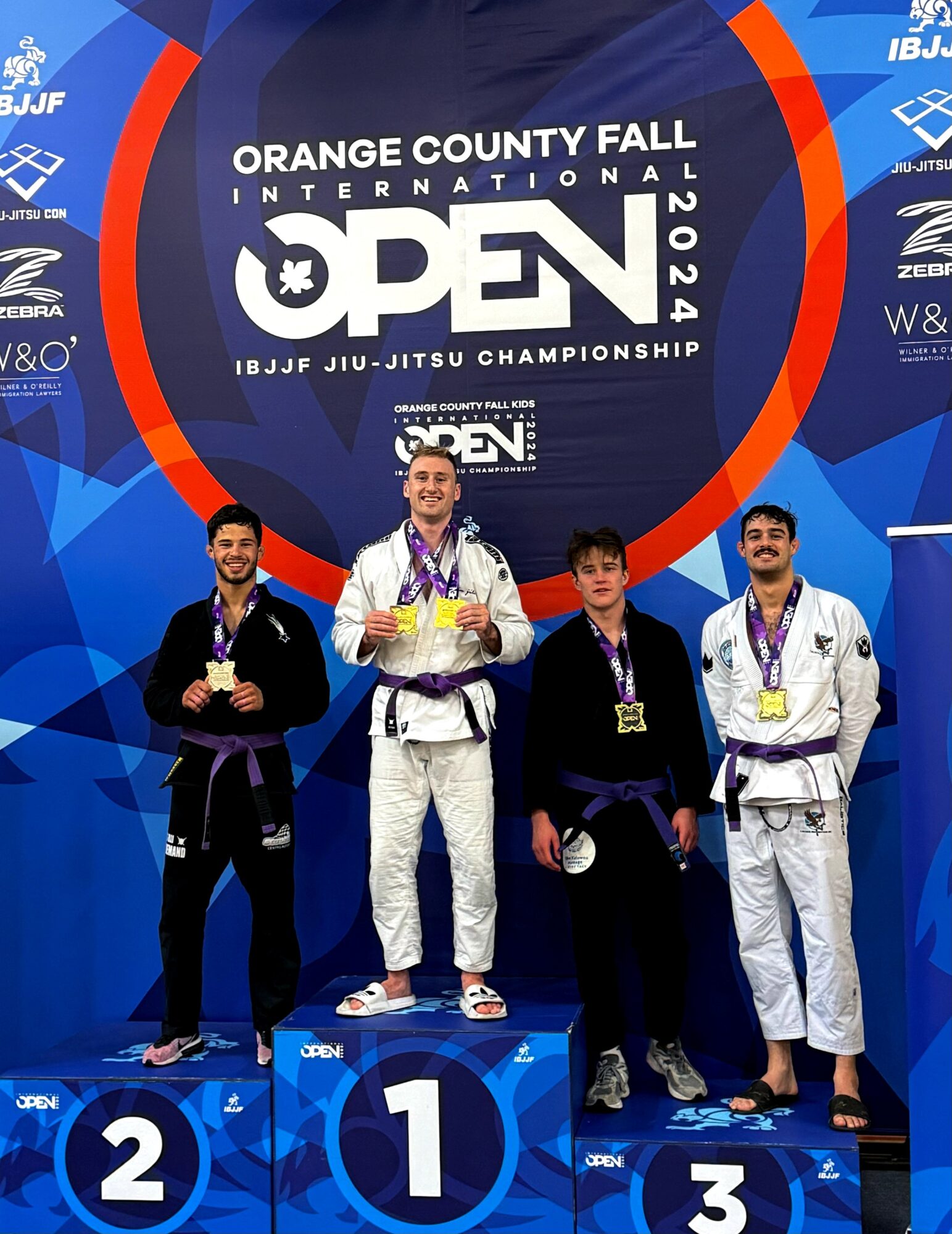
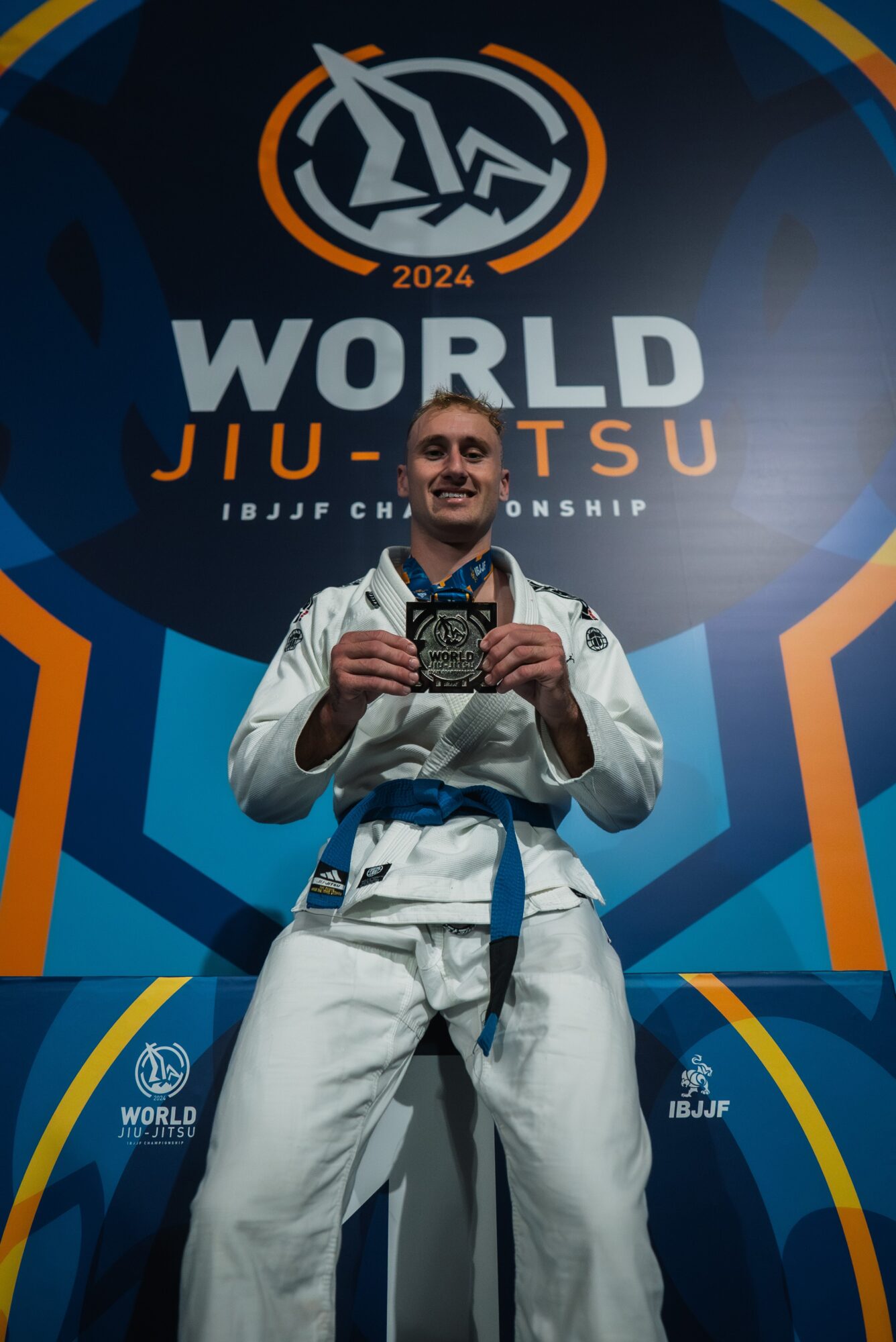
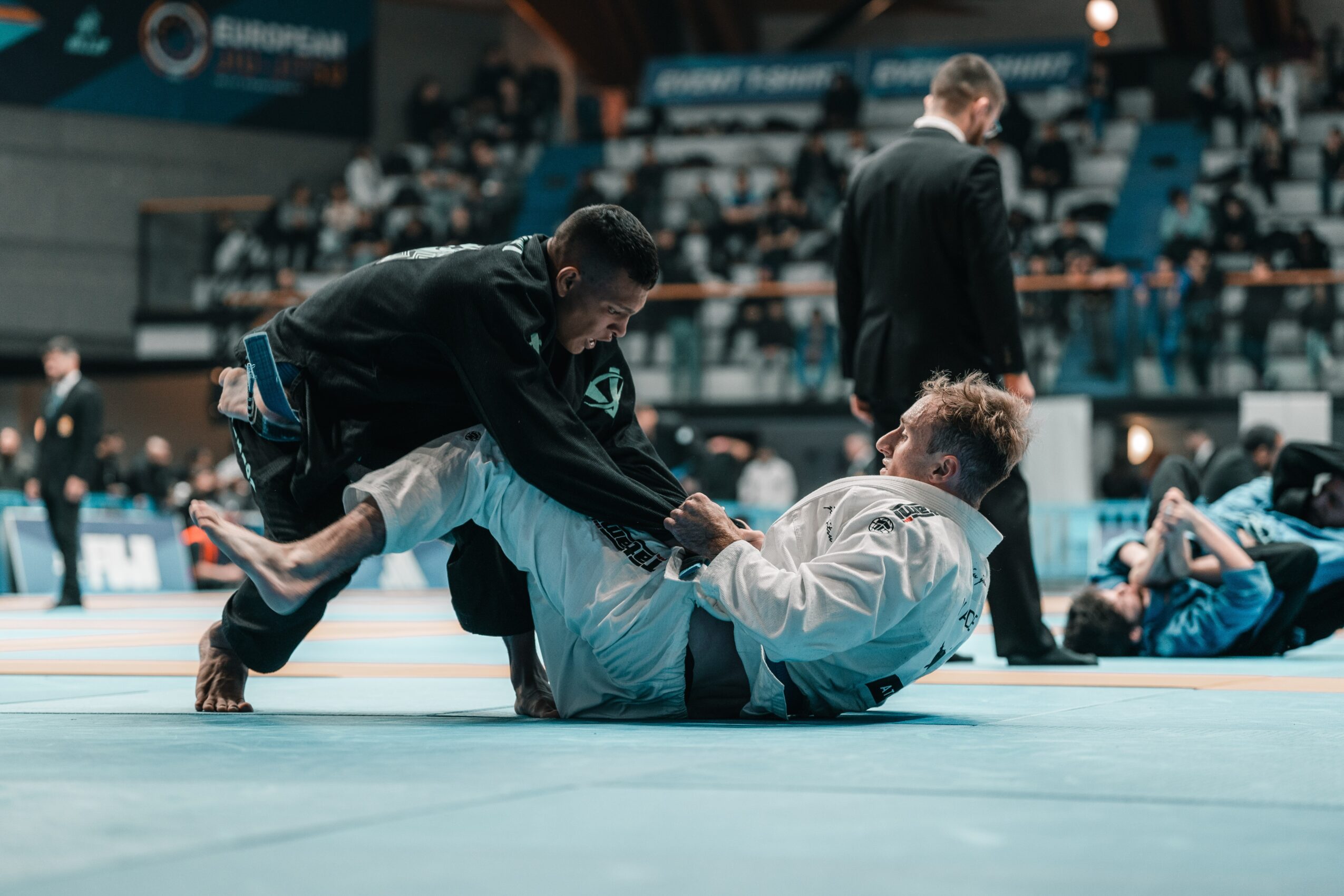
That decision has led me on an incredible journey. I’ve had the opportunity to compete against some of the best athletes in the world, earn medals at major international tournaments, and build a community online by sharing both the victories and setbacks that come with pursuing a difficult goal.
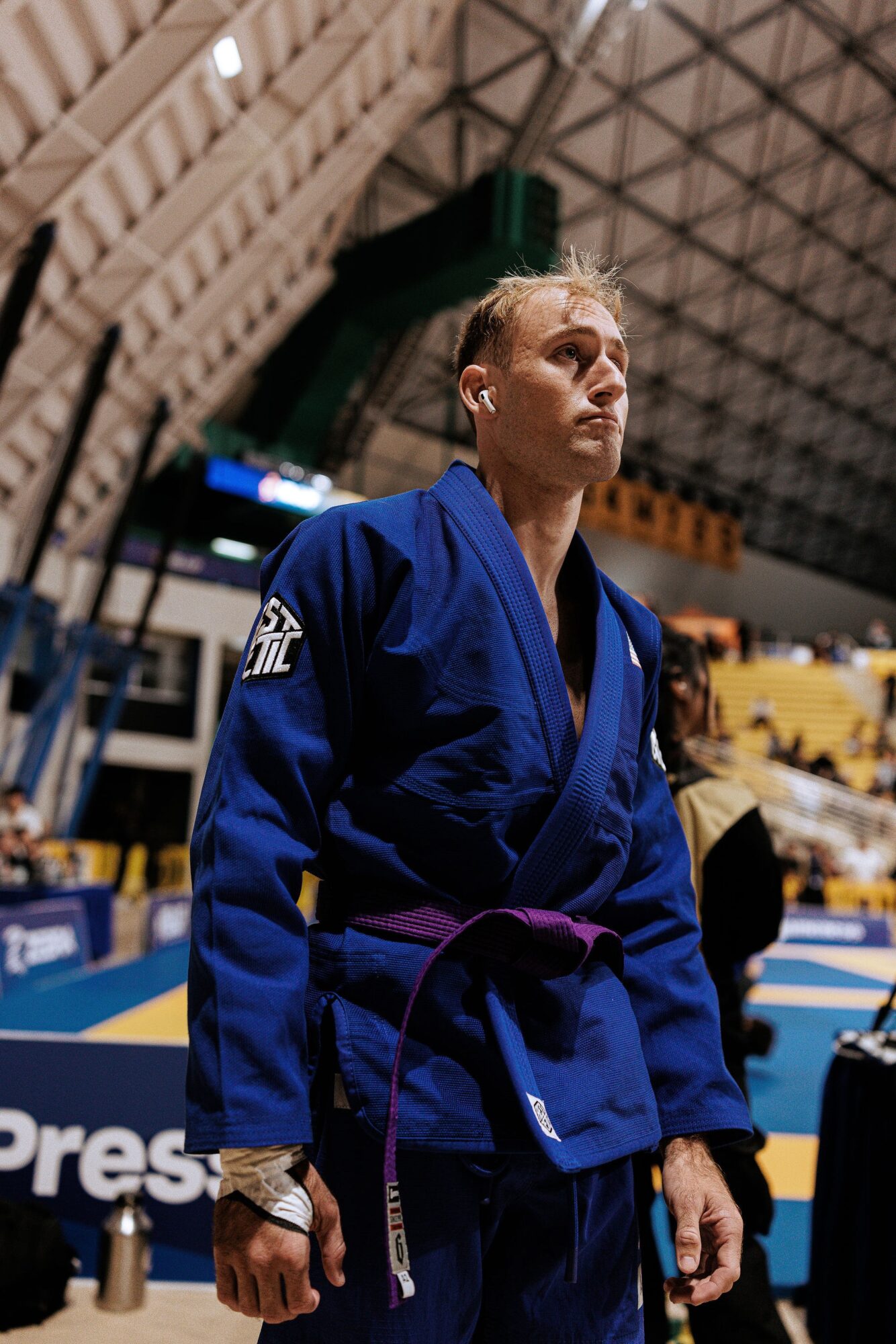
Today, I train full-time at Art of Jiu-Jitsu in Costa Mesa and continue chasing my goal of becoming a world champion. More importantly, I hope my story can show people that there isn’t one timeline for success. You don’t have to start at the perfect age, follow the expected path, or have everyone believe in you from the beginning.
Sometimes the biggest changes in life happen when you trust your intuition, bet on yourself, and have the courage to pursue something you genuinely love.
We all face challenges, but looking back would you describe it as a relatively smooth road?
It definitely hasn’t been a smooth road.
The biggest challenge was probably starting so late.
I began training jiu-jitsu at 21 years old, which is considered very late for someone with aspirations of competing at the highest levels of the sport. When I first started talking about my goals, I was a white belt who had never won a tournament. Most of the athletes I looked up to had been training since they were kids, so there were plenty of moments where I questioned whether what I was chasing was even realistic.
In many ways, the doubt was the hardest part.
I was surrounded by people pursuing more traditional careers, and from the outside my decision probably didn’t make much sense. I had a finance degree, opportunities in the corporate world, and a path that looked much more predictable. Choosing to pursue professional jiu-jitsu instead came with a lot of uncertainty, and there were times when I felt like I was betting on something that might never work out.
At the same time, starting late created a sense of urgency that ultimately became one of my greatest advantages. I knew I didn’t have time to waste. Instead of letting the doubt stop me, I used it as fuel. I became obsessed with improving and focused on making every day count.
There were also plenty of physical challenges along the way. During my early years of training, I pushed myself so hard that I was constantly battling injuries, illness, and recurring skin infections. There was a period where I felt like I was in and out of doctors’ offices and hospitals more than I was off the mats. Some doctors even suggested that I reconsider whether the sport was worth the toll it was taking on my body.
What I’ve come to realize is that many of the things that seemed like disadvantages at the time ended up becoming some of my greatest strengths. Starting late forced me to become obsessed with learning. I knew I couldn’t make up for lost time through effort alone, so I became a student of the sport. I studied training methods, analyzed my mistakes, took notes, reflected constantly, and searched for ways to improve more efficiently.
The same was true for many of the setbacks I faced along the way. The periods where I couldn’t train, the injuries, the illnesses, and the doubt all forced me to develop resilience, self-awareness, and a deeper understanding of myself. Looking back, many of the moments that felt like reasons to quit were actually opportunities to grow. One of the biggest lessons I’ve learned is that challenges often carry hidden gifts. The setbacks that seem to be holding you back today can end up becoming the very things that move you forward.
As you know, we’re big fans of you and your work. For our readers who might not be as familiar what can you tell them about what you do?
What I’m most proud of is my ability to compete only against myself rather than constantly comparing myself to others. I’ve learned to view training and improvement as an opportunity to grow, not just as an athlete, but as a person. I believe comparison takes away the joy of the sport because everyone is on a completely different path, so I try to appreciate wins for what they are and view losses as valuable feedback rather than devastating outcomes. Cultivating this mindset has allowed me to genuinely enjoy the entire process, avoid burnout, and fall in love with the journey itself, which I believe is one of the most important aspects of pursuing any passion in life.
Are there any apps, books, podcasts, blogs or other resources you think our readers should check out?
Atomic Habits
Can’t Hurt Me: Master Your Mind and Defy the Odds
The Inner Game of Tennis
The Power Of Now
Contact Info: