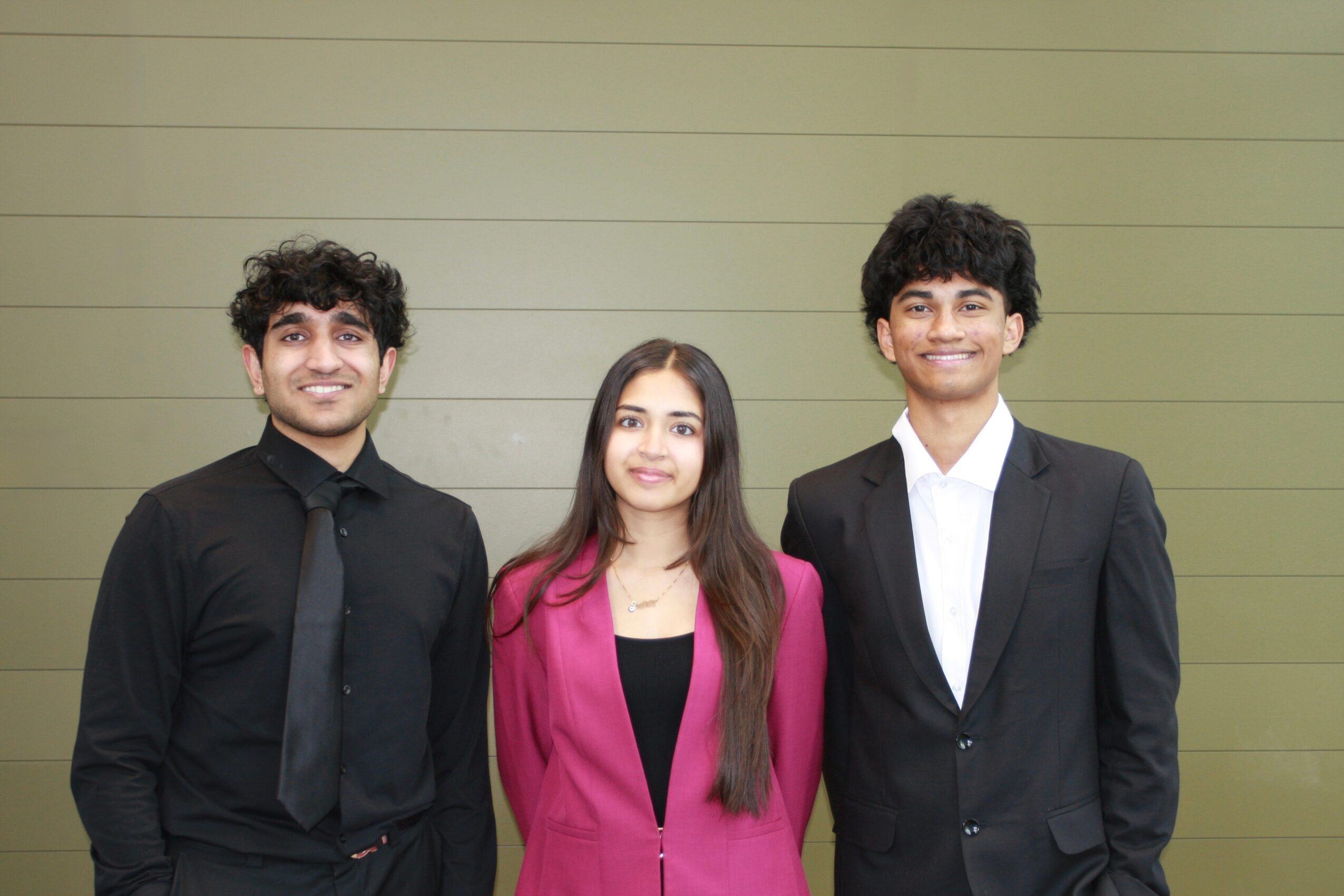





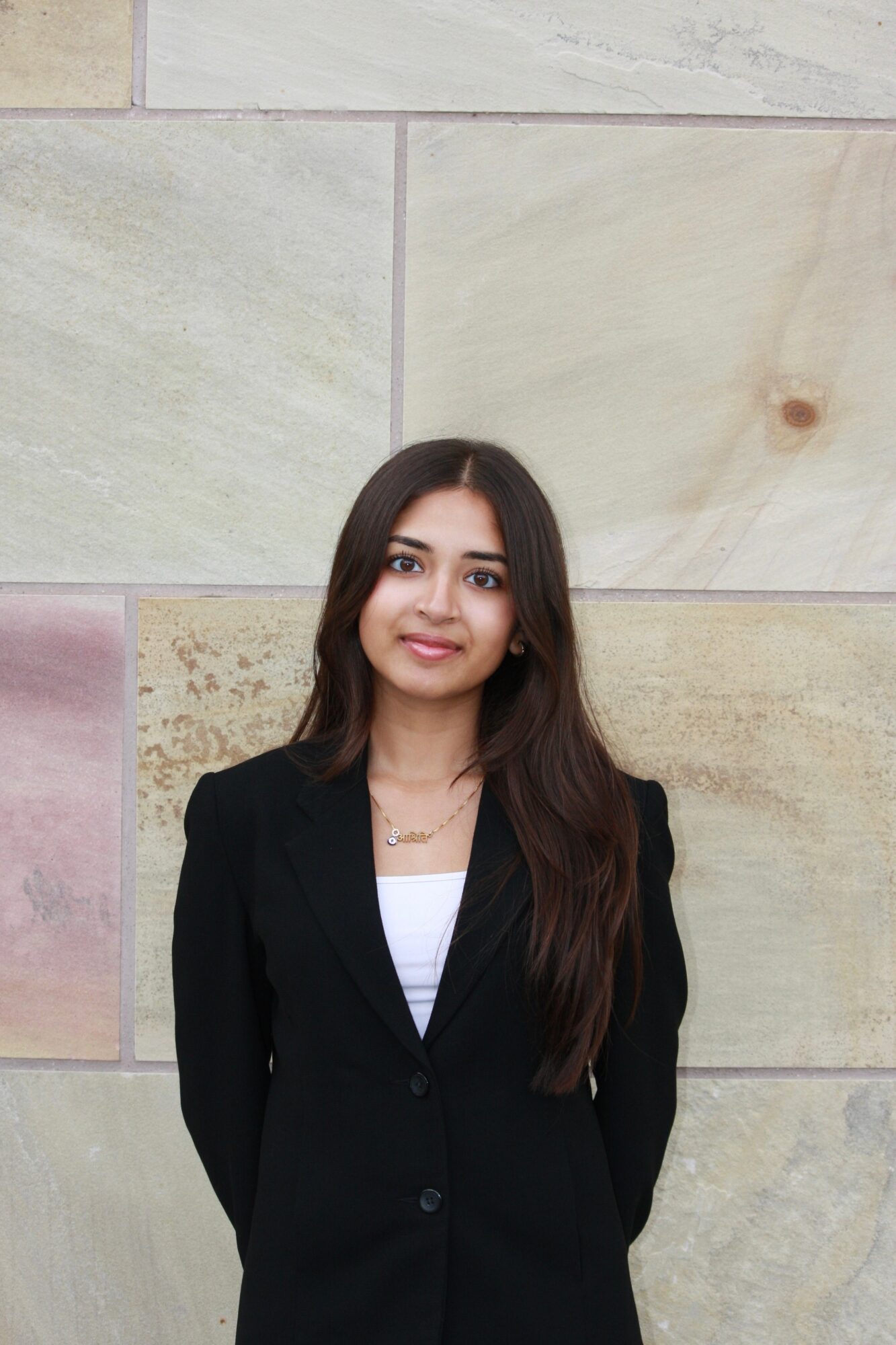
Today we’d like to introduce you to Aashreeti Deo.
Alright, so thank you so much for sharing your story and insight with our readers. To kick things off, can you tell us a bit about how you got started?
I’m an immigrant and international student, and this past summer, my family had to get revaccinated because we couldn’t pull together our vaccine records. We’d moved around, records were in different places, different formats, different languages. At first I wrote it off as our situation being unusually complicated. Then I started talking to people and realized it wasn’t us — it was everyone.
Even transferring records between two systems in the same country is a mess. Take that across borders, and you’re dealing with different languages, different naming conventions, entirely different standards for what a vaccine record even looks like. Revaccination becomes the default solution, and it’s not a great one. In some cases it’s genuinely harmful, and the post-vaccine symptoms are worse the second time around. People aren’t choosing it because it’s safe or convenient — they’re choosing it because there’s no better option.
People are moving, studying abroad, immigrating, traveling for work more than ever. And we can pull up a boarding pass, a bank statement, a college transcript on our phones in seconds — but our own medical records? Still a nightmare. That gap is what DOZEY is closing. We standardize vaccine records across formats, languages, and systems so they’re actually usable wherever you need them — immigration, school, work, anywhere.
I’m sure it wasn’t obstacle-free, but would you say the journey has been fairly smooth so far?
Not even close to smooth.
The biggest early obstacle was finding a technical co-founder. I have no technical background myself, and building a product that handles medical records across global systems isn’t exactly a “figure it out with YouTube tutorials” kind of problem. Finding someone who was both skilled enough and actually cared about the problem took time. Once we found Raghav, that piece clicked — he’s as bought into this as I am, which makes a real difference.
The harder struggle is more internal. There have been moments, usually right after hitting a wall, where I’d wonder if this is actually a problem people need solved badly enough to use a product for. Those moments are uncomfortable. But then I’d go back to the interviews — we’ve talked to hundreds of people about this — and it’s hard to stay doubtful after that. The demand is real. The frustration is real. That’s what keeps things moving.
We’ve been impressed with DOZEY, but for folks who might not be as familiar, what can you share with them about what you do and what sets you apart from others?
DOZEY is a digital vaccine records platform built for people who move — immigrants, international students, anyone navigating a world where your medical history rarely follows you cleanly across borders.
The problem is straightforward but underserved: vaccine records globally exist in different formats, different languages, sometimes under different names entirely. When you need to prove your immunization history for a visa, a university, or a new job, the system mostly fails you. The current workaround is revaccination, which is inconvenient at best and genuinely harmful at worst. DOZEY exists because that’s not good enough.
Right now, users upload their existing records and DOZEY standardizes them into a single, shareable format — ready to go wherever they need it. But the bigger picture is something far more ambitious. The goal is to become the global vaccine database: the infrastructure that governments, immigration systems, and health institutions actually rely on for cross-border record standardization. A single place where your medical records are yours, portable, and understood everywhere — that’s what we’re building.
Before we let you go, we’ve got to ask if you have any advice for those who are just starting out?
The biggest piece of advice is simple: work on it every day, even if it’s just five to ten minutes. It sounds small, but that daily touchpoint keeps the vision alive in your head. You stay in it. You keep seeing where it’s going. And if you can visualize what you want the project to become, you’re already most of the way there — the execution follows the clarity.
The other thing I’d tell someone starting out is to not underestimate how much talking to people matters, especially early on. Not pitching — actually talking. We interviewed hundreds of people before we had a real product, and those conversations were what kept me going through the hard moments. When you hit a wall and start wondering if this is even something people need, you need something to come back to. Real stories from real people are a lot more grounding than any business plan.
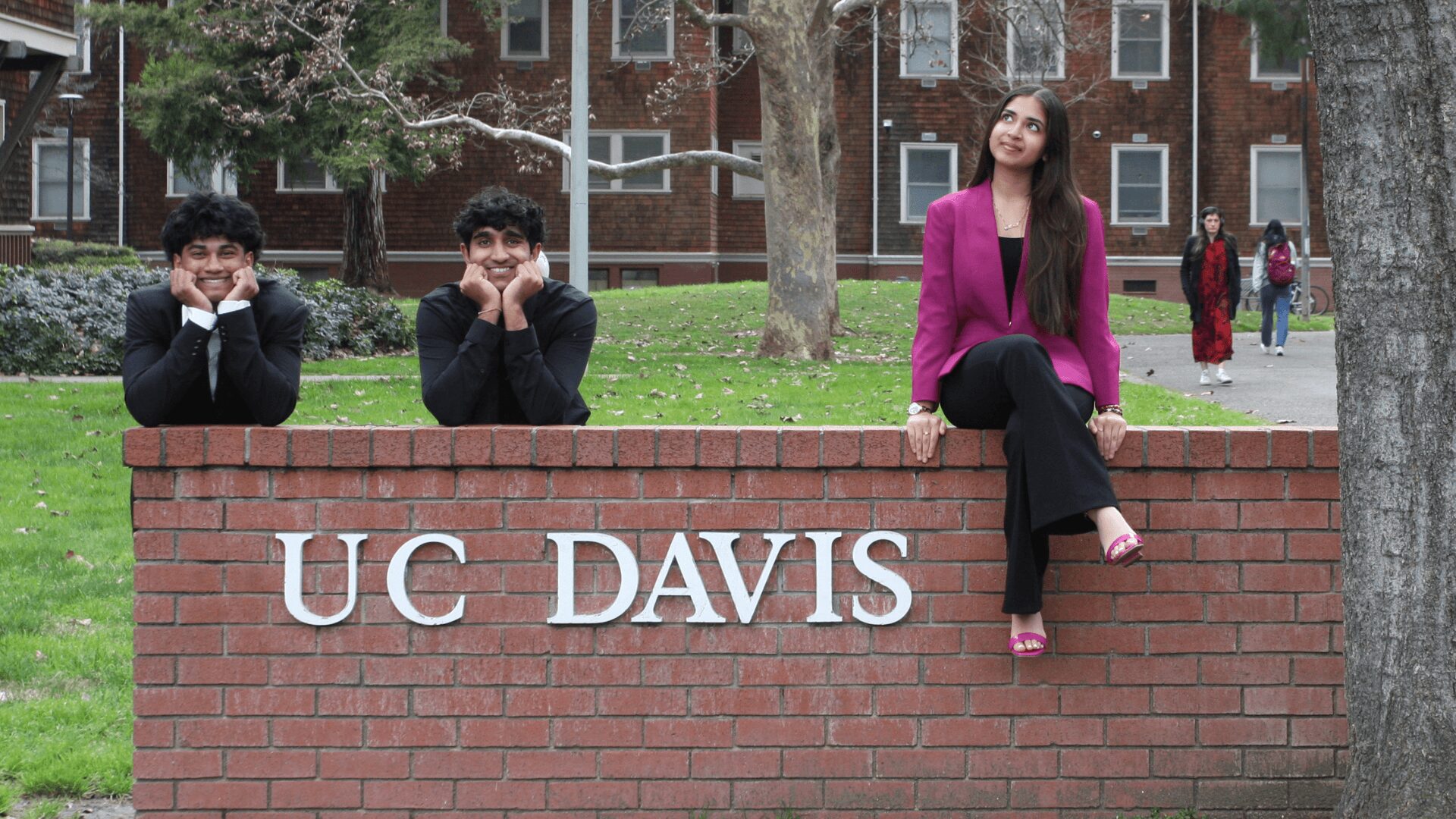
Find a community too. I didn’t know where to start when I got to UC Davis, but once I got plugged into the entrepreneurship ecosystem there, everything moved faster. Other founders, mentors, competitions — it compounds. You don’t have to build in isolation, and honestly you probably shouldn’t.
Motivation comes in waves. Showing up every day is what actually moves things forward.
Contact Info:
- Website: https://dozeyrecords.com/
- Instagram: https://www.instagram.com/dozeyrecords/
- LinkedIn: https://www.linkedin.com/company/dozey-vaccines
- Youtube: https://youtu.be/uvSSrl9Dqao?si=nxaoEbSK0Vk8cWb6
- Other: https://lettersandsciencemag.ucdavis.edu/digital-vaccine-record-platform-uc-davis-startup