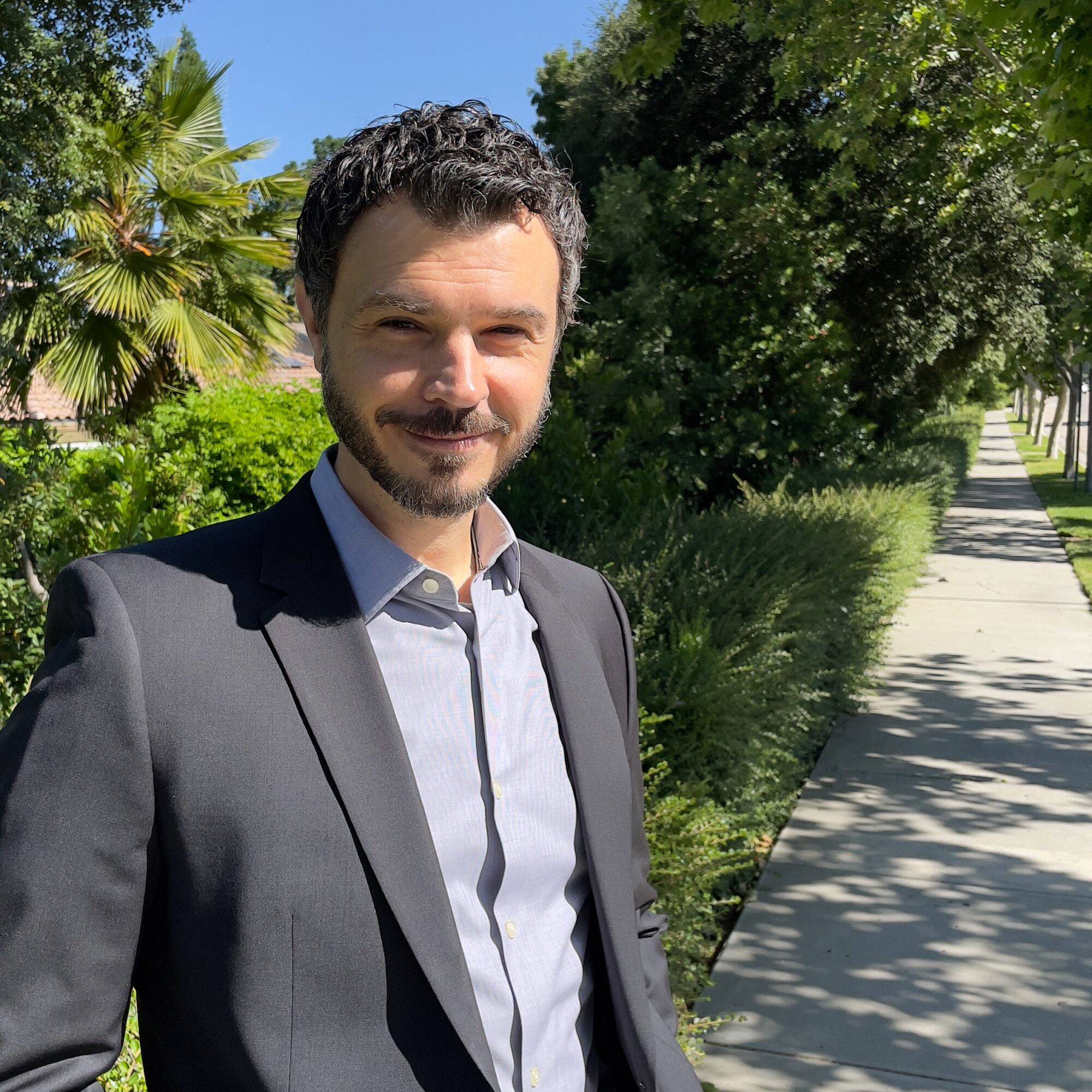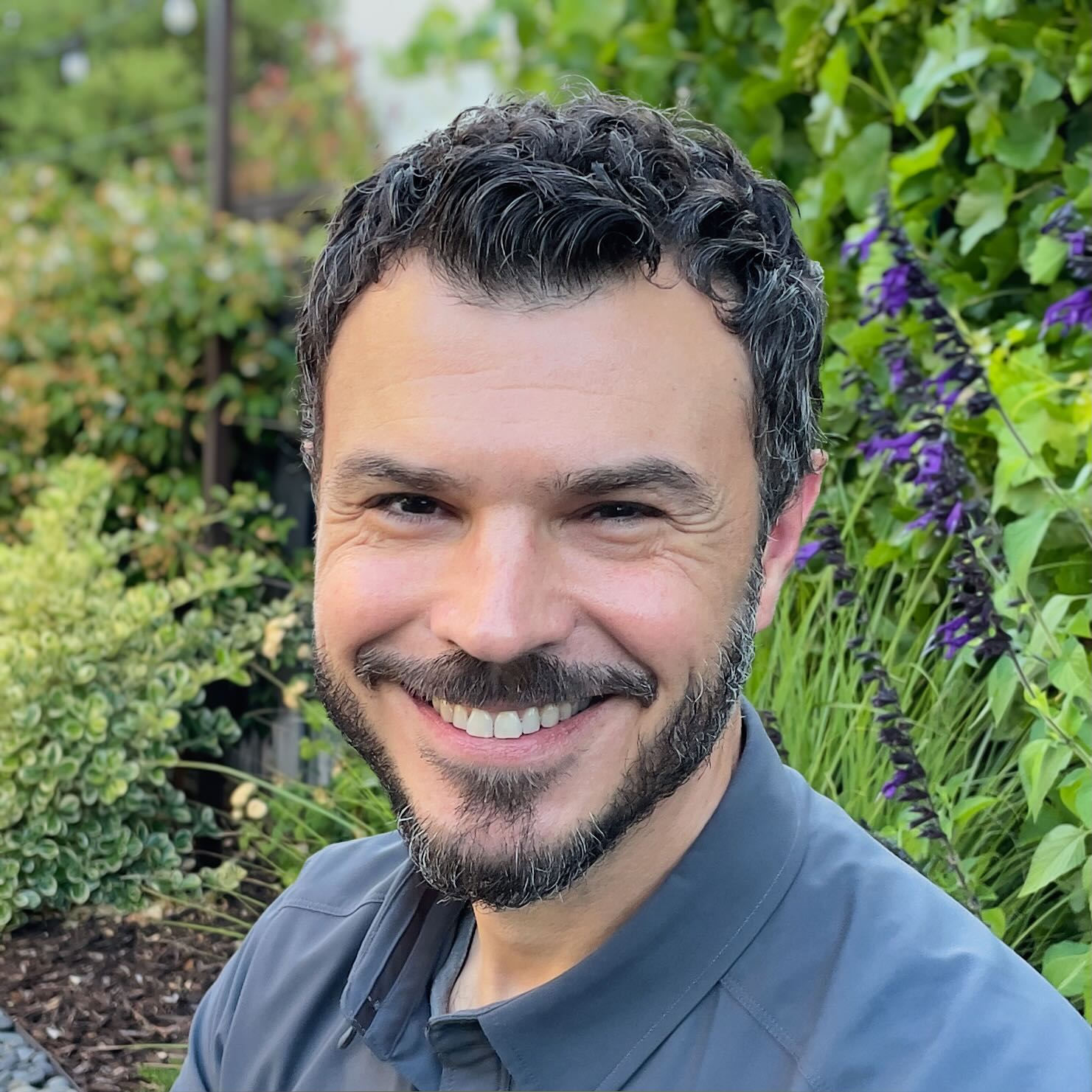





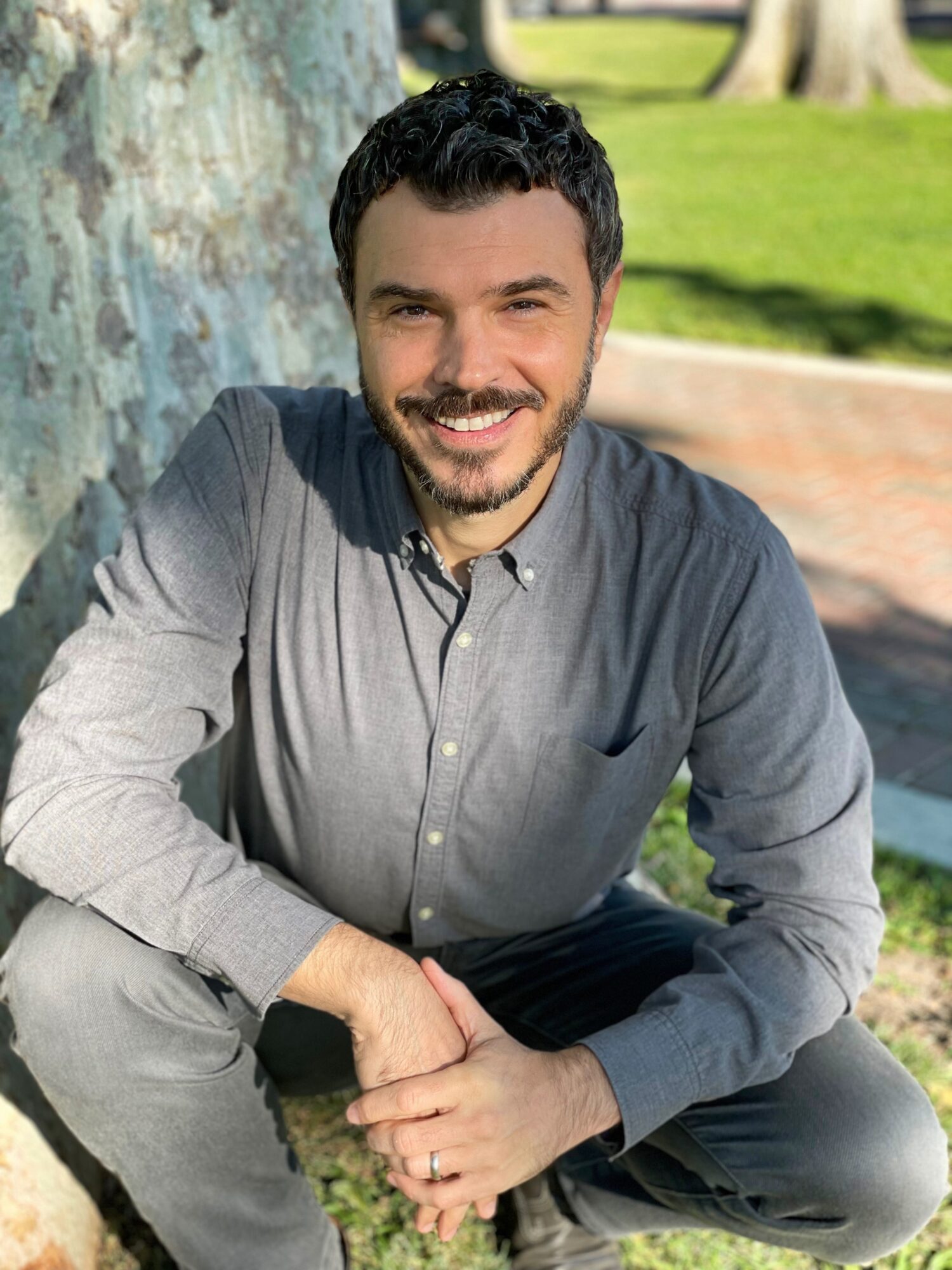
Today we’d like to introduce you to Justin Chernow.
Hi Justin, we’re thrilled to have a chance to learn your story today. So, before we get into specifics, maybe you can briefly walk us through how you got to where you are today?
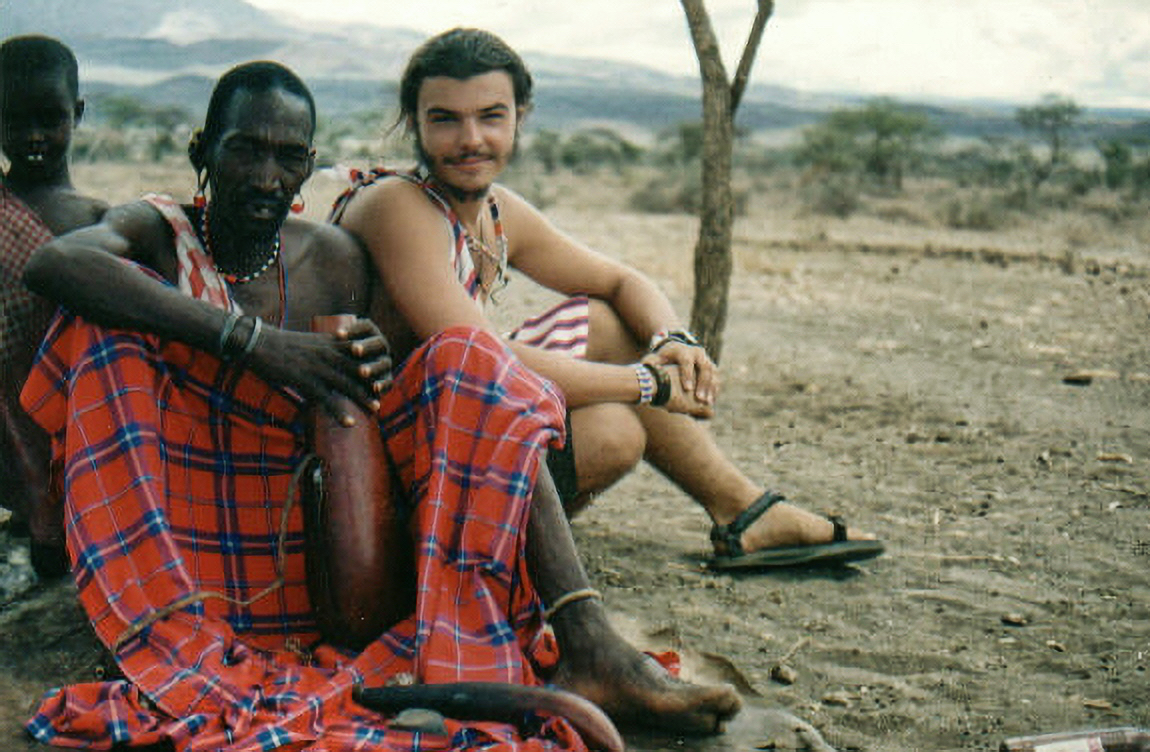
Sure. It actually starts in a pretty unexpected place — anthropology. In college I was studying cultural and medical anthropology, and I became fascinated with how different cultures understand health, healing, and wholeness. And I didn’t just want to read about it. So I went to Kenya, where I studied the medical practices of the Maasai in the Rift Valley, and documented the rituals of the Giriama on the coast. Later, through a Ford Foundation grant, I worked in the Oregon wilderness alongside a Klamath and Modoc medicine woman, helping reconstruct the nearly lost traditions of the Shasta people. And what struck me was that everywhere I went, healing almost always happened through story — the narratives people told about their suffering, and what they built around them.
Then life took a detour. After graduating, I followed the practical path and spent about ten years in brand strategy and communications consulting in San Francisco and New York. I was good at it, because that work was also about story. But I wasn’t fulfilled. And at some point I finally listened to what had been true all along — I didn’t want to just study healers. I wanted to become one.
So I went back to school, earned my Master’s and Ph.D. in clinical psychology, and spent the next two decades working in some of California’s most demanding clinical settings — community mental health, university counseling centers, integrated medical care, and the state prison system, where I eventually oversaw suicide prevention and crisis response as a Senior Psychologist. Three years ago, I opened my private practice in San Luis Obispo, where I now work with adults and couples — in person locally, and online throughout California. And in my view, it all connects. Therapy, to me, is fundamentally about story too — helping people make new sense of their own narrative, so they can start to shift the meanings of the past and create a new arc for the future.
Can you talk to us a bit about the challenges and lessons you’ve learned along the way. Looking back would you say it’s been easy or smooth in retrospect?
Definitely not smooth — and honestly, I might be a bit hesitant to trust anyone in this field who said theirs was. I think we have to venture off into the wilderness sometimes in order to find the path that leads us to where we want to go.
So yes – there were a few big bends in the road for me. One was that decade in the corporate world. From the outside it looked like success, but inside, something was off. It took me a long time to admit that to myself and change course — and that experience of feeling outwardly fine but inwardly unfulfilled is something a lot of my clients know intimately.
I also became seriously ill in my mid-twenties. It was a terribly difficult period, but looking back, it altered my life’s trajectory in ways I’ve come to see as positive. And toward the end of my twelve years working in the prison system, I experienced traumas of my own, and had to recalibrate in a pretty major way — personally, professionally, all of it.
Here’s the thing, though. Those struggles are actually central to how I practice now. Part of my doctoral research focused on Post-Traumatic Growth — the finding that people don’t just recover from suffering, they can genuinely grow from it. I’ve lived that. Few of us would ever choose our hardest chapters, but when the pain is worked through well, it can become a catalyst for living in a more meaningful and purposeful way. That belief isn’t theoretical for me. It’s the ground I stand on with every client.
As you know, we’re big fans of Justin Chernow, PhD – Clinical Psychologist. For our readers who might not be as familiar what can you tell them about the brand?
I run a private psychotherapy practice in San Luis Obispo, on California’s central coast, where I work with adult individuals and couples — in person locally, and online throughout the state. Most people come to me navigating depression, anxiety, trauma, or relationship difficulties — often some combination of these.
What I’m probably best known for is a depth-oriented, integrative approach. People usually come in wanting relief from a specific symptom, and we absolutely work toward that. But I’m just as interested in what’s driving it, because addressing that is usually where the real change happens. Rather than a one-size-fits-all method, I draw from EMDR, psychodynamic therapy, mindfulness, CBT, and Internal Family Systems, and tailor that mix to each person. My anthropology background shaped this — I learned to approach every person as a culture of one, getting curious about their world rather than assuming I already understand it.
What sets the practice apart, I think, is the combination of an unusual path — indigenous healing traditions, a decade in brand strategy, twenty-plus years across some of the state’s most intense clinical environments — and a very simple core belief: that the relationship between therapist and client is what makes lasting change possible. So, I put real care into creating a space that’s warm, curious, honest, and collaborative — with room for humor, too.
What am I most proud of? The trust. People share stories with me they’ve sometimes never told anyone, and they let me sit with them through the hardest parts of their lives. That never stops feeling like sacred work.
And for your readers — if something in your life feels off, whether it’s worry that won’t quiet down, a sadness that’s dulled things, or something you’re still carrying from the past, that instinct to reach out is exactly right. You don’t need to have it figured out first. You can come exactly as you are. If any of this resonates, I’m easy to find at drjustinchernow.com.
If you had to, what characteristic of yours would you give the most credit to?
Curiosity — without a doubt.
It’s the thread that runs through everything I’ve done, from sitting with Maasai healers in Kenya to sitting with a client in my office today. Genuine curiosity means approaching each person with openness and humility, without imposing assumptions or grasping for a quick diagnosis. I think of it like holding something in an open palm instead of a tight fist — staying open to complexity, working with whatever emerges, letting each person’s experience unfold in its own way.
And here’s what I’ve found: when people feel that kind of curiosity directed at them, they feel deeply seen. And often, they start to turn that same curiosity toward themselves — toward parts of their inner life they’d been avoiding or judging. That’s frequently where the healing begins.
The bonus is that curiosity keeps me learning. It’s a good antidote to the rigidity — and maybe the arrogance — that can creep in with supposed expertise. More than twenty years into this career, every person who walks through my door is still a new world to be invited into. I hope that never changes.
Contact Info:
- Website: https://www.drjustinchernow.com
- LinkedIn: https://www.linkedin.com/in/justinchernowphd
- Other: https://www.psychologytoday.com/profile/1161104