




Today we’d like to introduce you to Edith Schneider.
Hi Edith, thanks for joining us today. We’d love for you to start by introducing yourself.
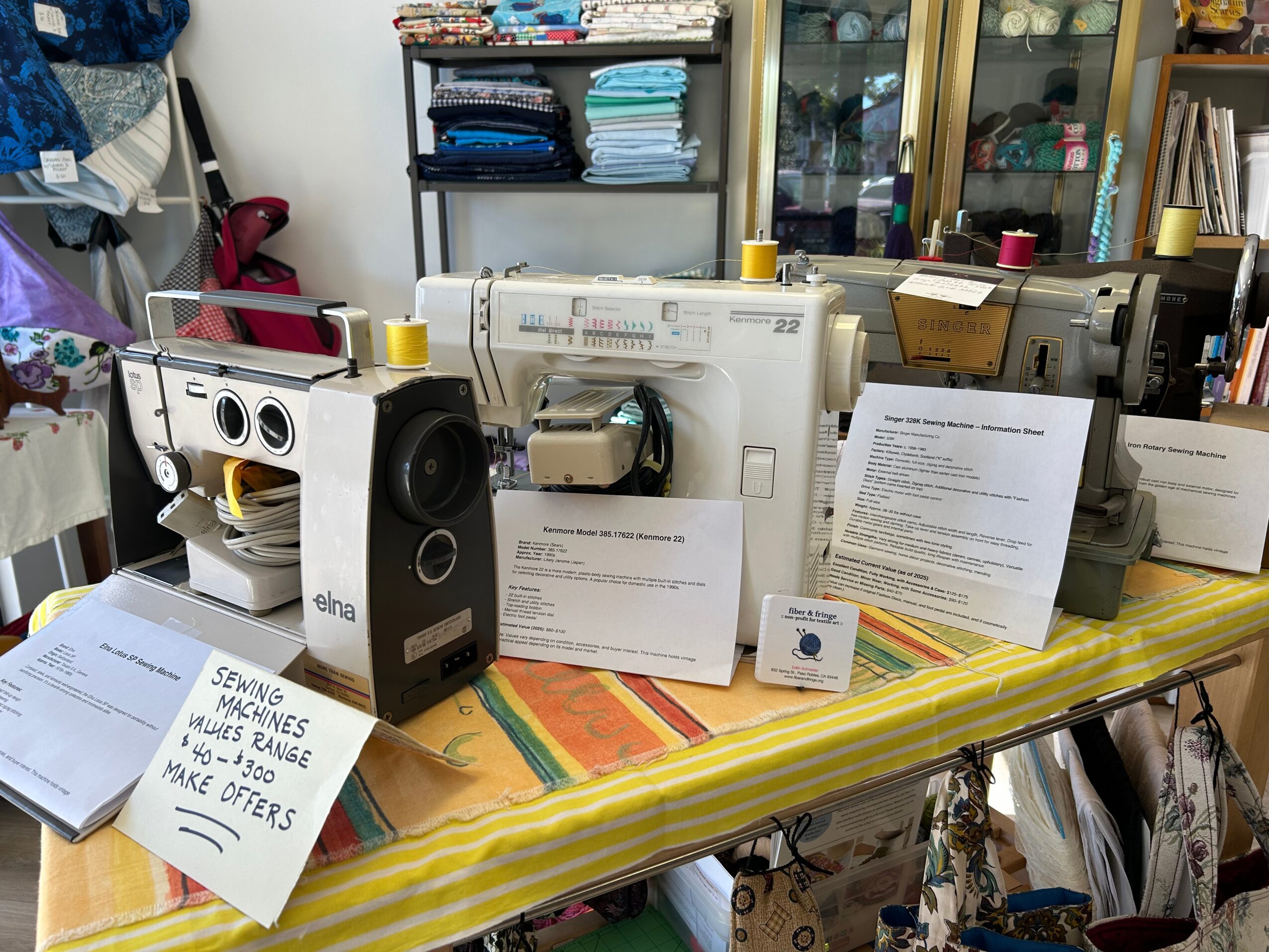
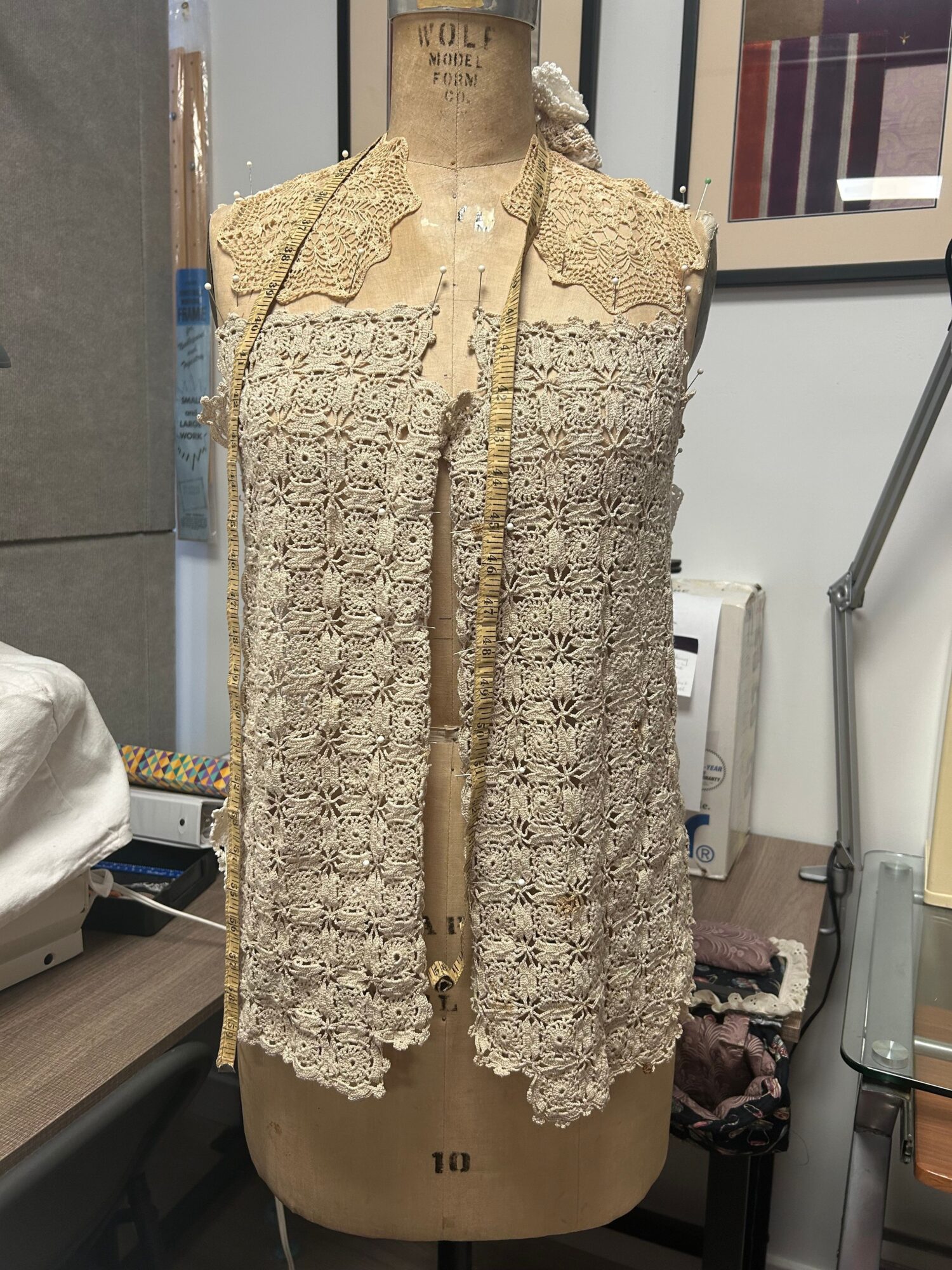
I’m a college professor for fashion design and merchandising and my middle name is sustainability. I collect textile donations and hand them over to my students, same for sewing machines and everything else you need for sewing, pattern making, knitting, quilting, embroidery etc.
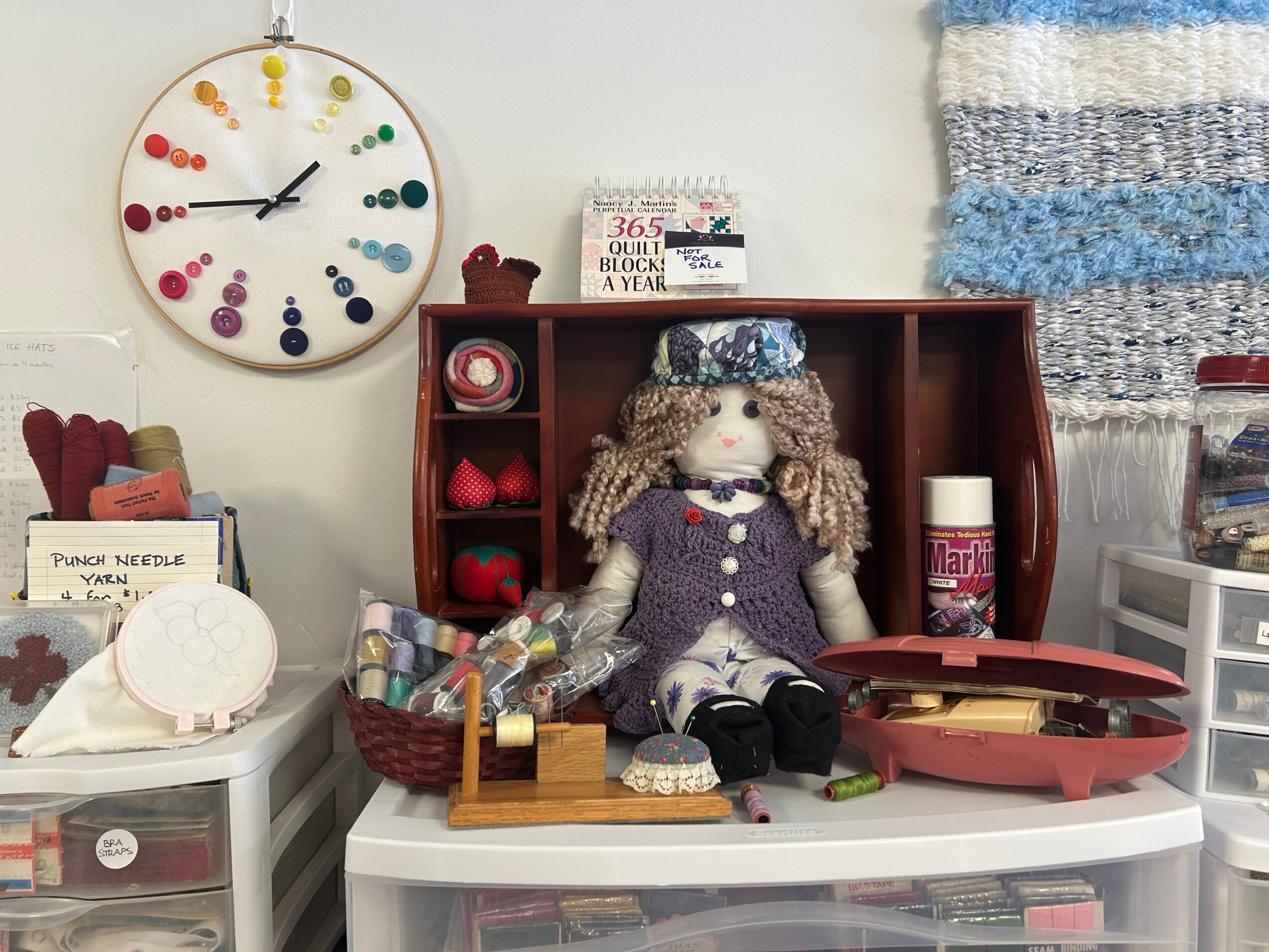
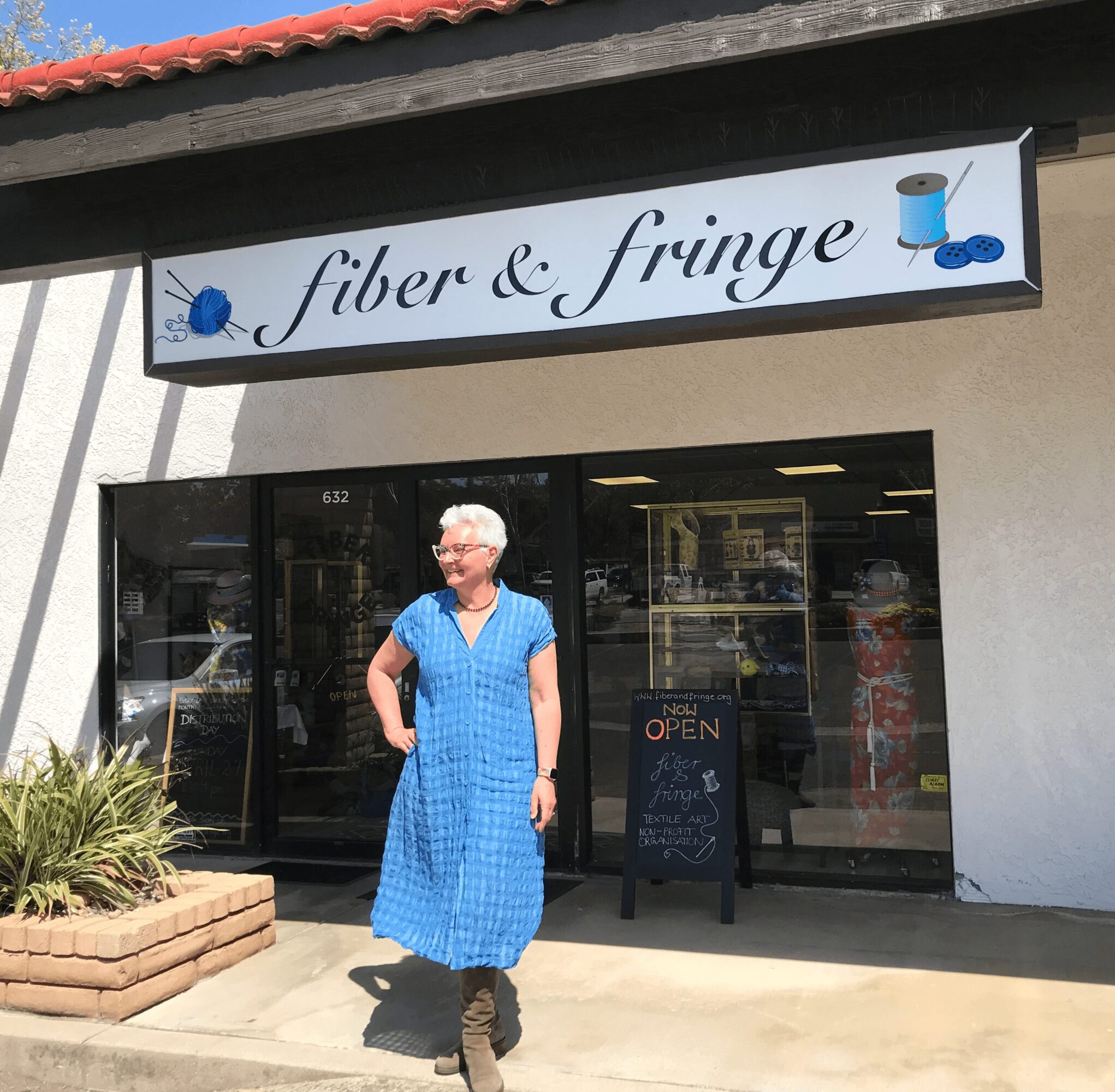
Three years ago I had this vision of creating a textile art non-profit organization, a place where people can donate their overflow, leftovers, dislikes and so on, and other people can find affordable materials for all kinds of textile techniques. And why not make this transition even more fun by offering classes, so people can try a new technique, get help with projects, find a new hobby and – of course network? The concept made sense, the paperwork creating a non-profit was bearable, and my need for sustainability was satisfied. It took several months to find a small storefront, ground level with easy parking, but I was dedicated! It is not necessary to make all those wonderful materials and tools end up in landfill, just because the common resale stores do not know what they got and where to put it. That’s why all those bins full of goodies end up in the back room, lower shelf, all the way in the back…
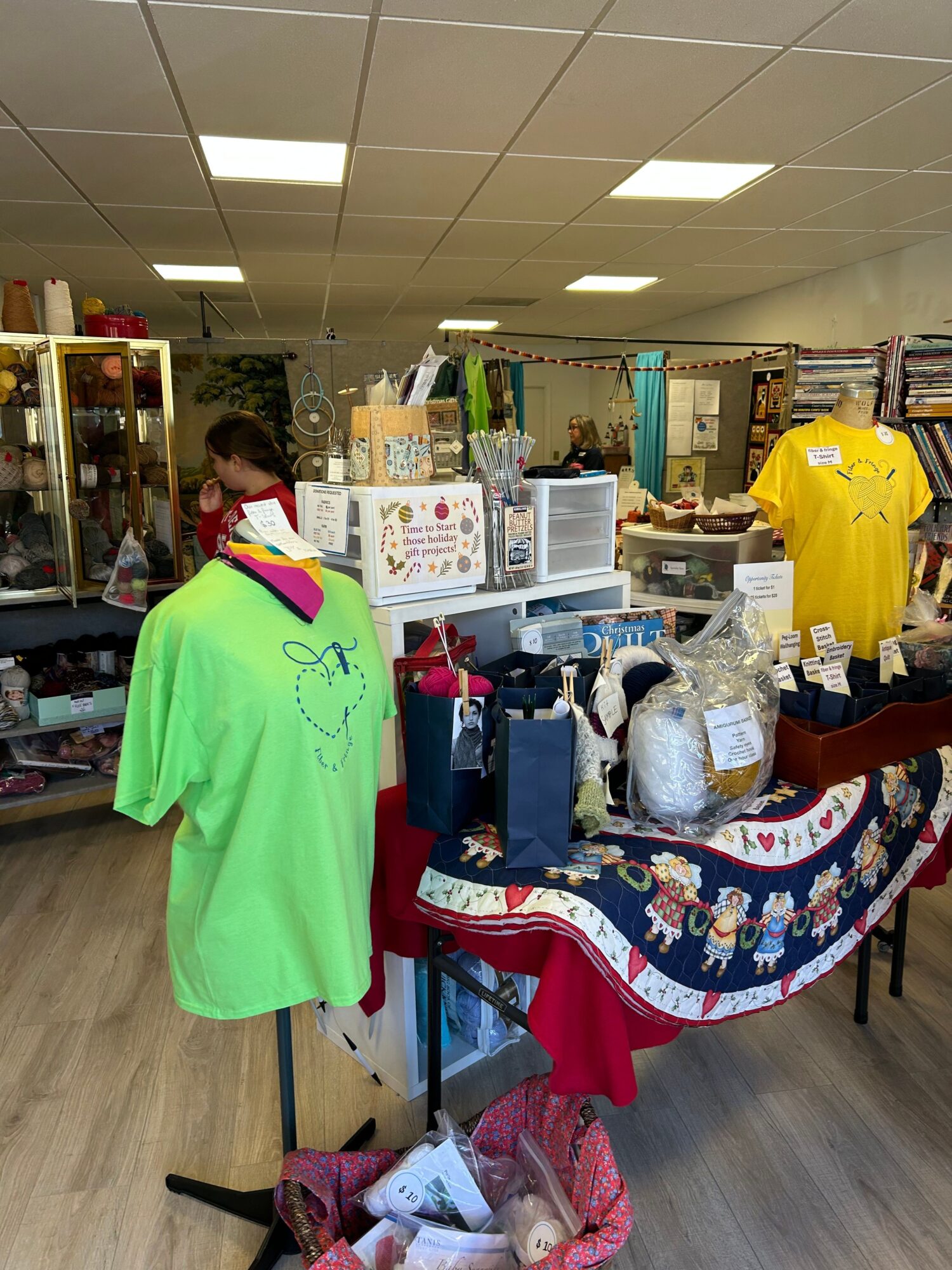
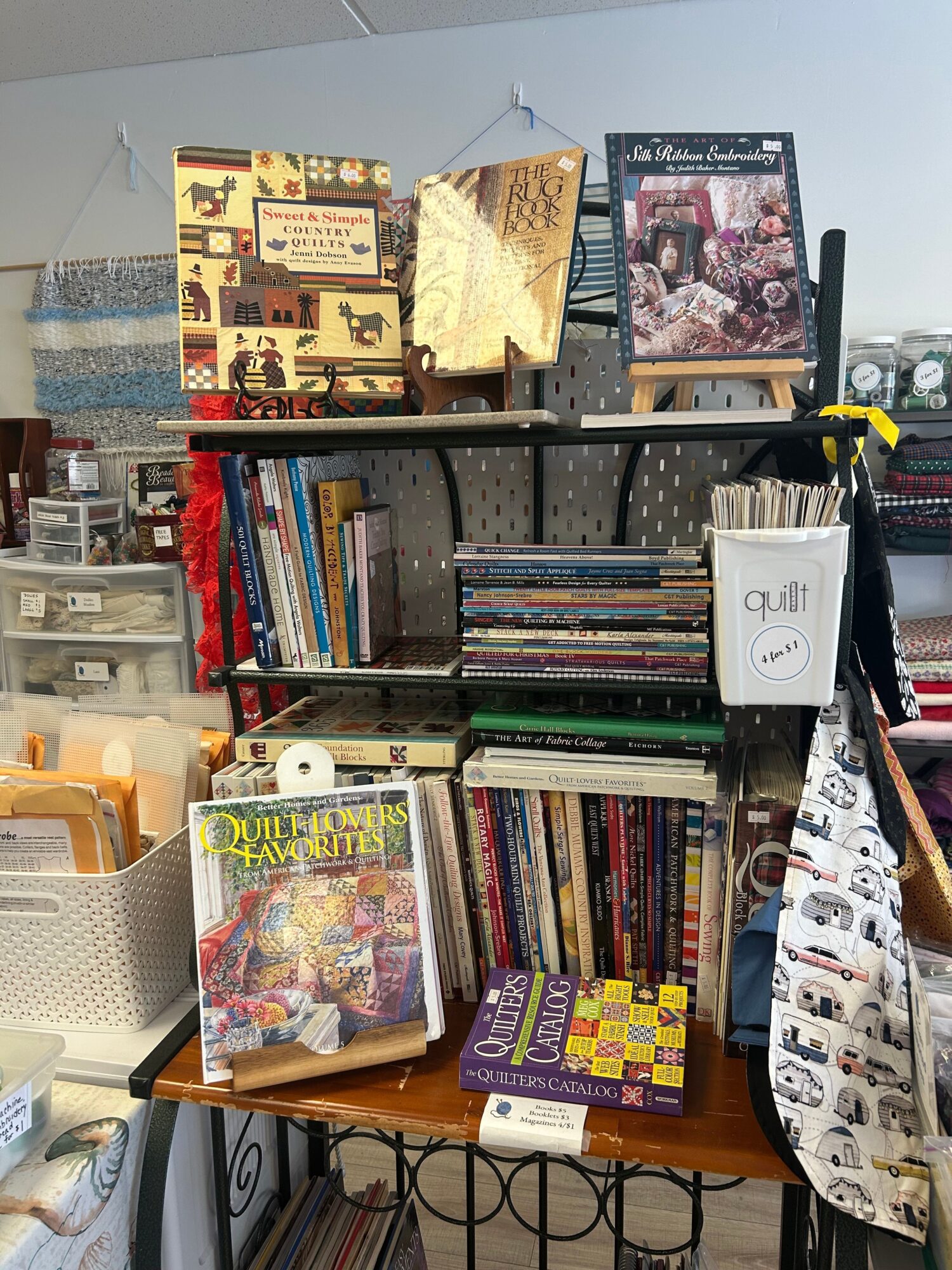
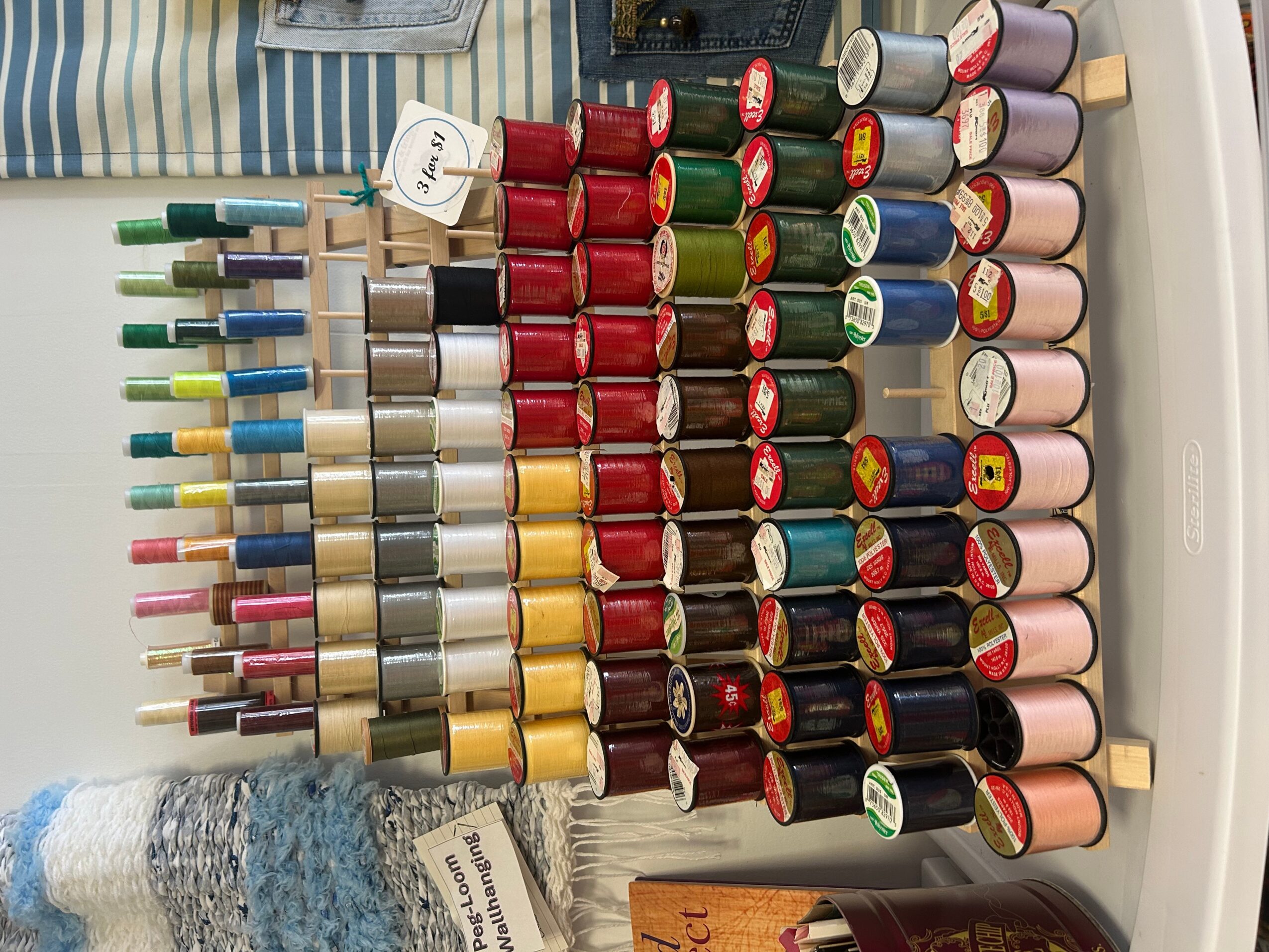
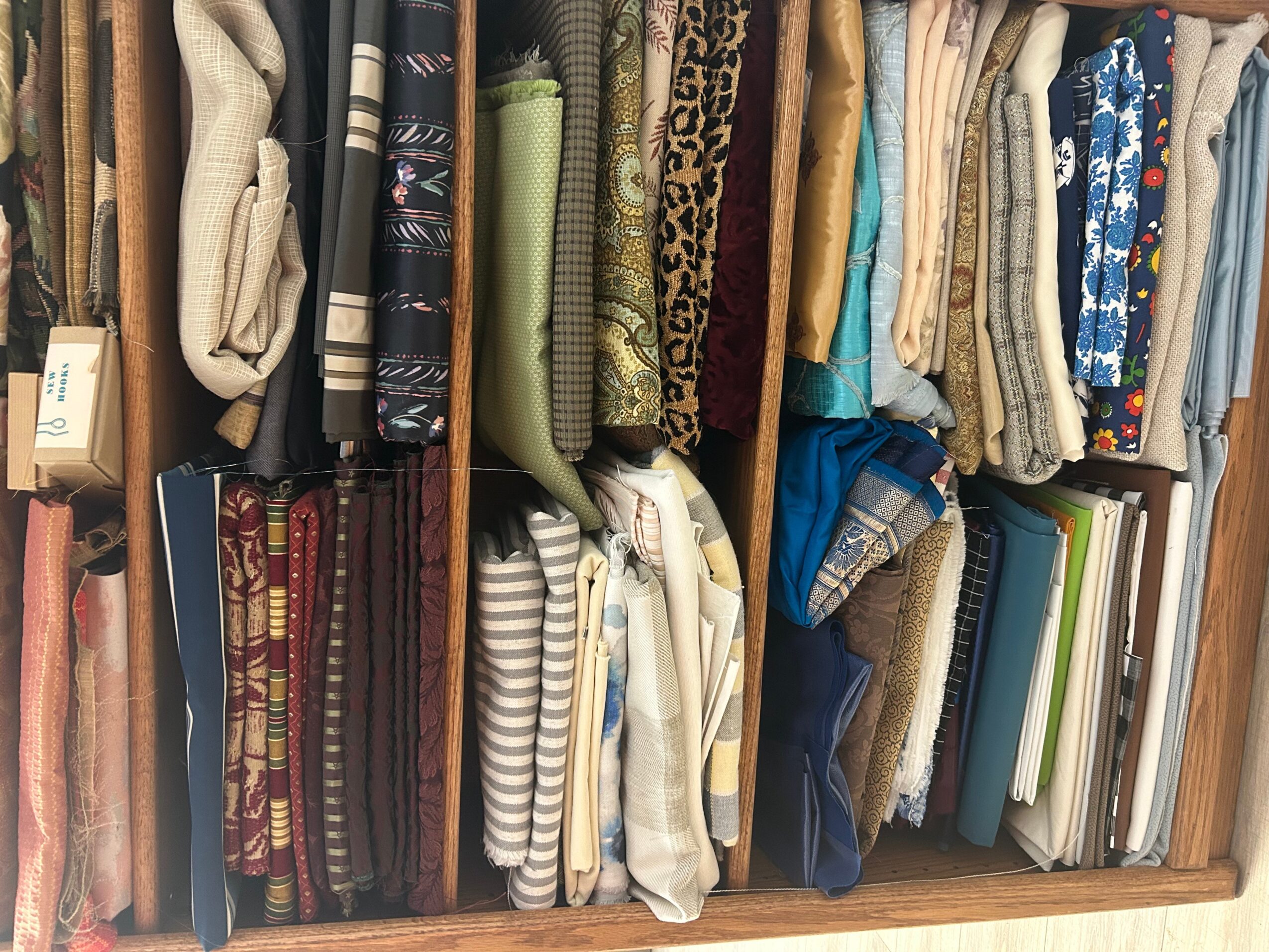
My vision was to sort everything out, categorize and display each item like it was merchandise in a well sorted fabric or yarn store, sorted by technique, quality and color.
This vision was a good start, so I packed up my own surplus, many bins of textile goodies, put them in the store and waited. After three weeks anxiety set in: what if nobody donates anything? What if nobody needs my things? I had been too busy and way too enthusiastic to see that the glass could also be half empty, but slowly the pace increased. More and more people found the store, donated and / or purchased our goodies! People offered to help out, volunteer, word spread and after one year, we outgrew our space! We were lucky, finding another store, double the size, right across the street – perfect! So we packed up and thanks to the network that had been created by then, many hands were available for caravanning our goodies to a new home.
12 volunteers and two years after our move: we outgrew our store again! Multiple donations are brought in every day: tools and equipment has to be checked and maintained, everything goes through an inspection and – if necessary cleaning process. Yarn has to be wound, merchandise has to be priced, displayed, grouped. We are open five days a week, the last Sunday of each month we offer a special “distribution day”, where we bring out all new donations or the month to create an exciting momentum. Sunday at 10am, people are lined outside the door to get first pick!
Would you say it’s been a smooth road, and if not what are some of the biggest challenges you’ve faced along the way?
The biggest struggle we had so far is space. After one year we had to move to a store twice the size, two years later we are in the same position again: our store is way too small, donations are rolling in faster than we can process. We’d like to stay where we are, hopefully just extend to a neighboring storefront…
Can you tell our readers more about what you do and what you think sets you apart from others?
After getting an MA degree in Art history, Art Pedagogy and Cultural Anthropology from the LMU university in Munich Germany, where I was born and raised, I moved to America. I had to be a stay-at-home mom for 2 years before I got a green card. The day it arrived I started my first business: one-of-a-kind jewelry, precious stones, silver or gold created in a contemporary European design. I opened a store with a teaching studio, went to numerous art shows and fulfilled orders from 200 galleries nationwide. In my store I also offered accessories from other artists and my own clothing line; sewing had always been my passion, so why not!? 17 years later, I had added teaching fashion design and merchandising classes at a local community college, which I enjoyed a lot, I was overwhelmed by workload, personal hardships and an urge to change.
I sold that business and concentrated on my college teaching. Soon after that transition, another college reached out to me to offer teaching fashion classes and I thought “why not”? One semester later I was offered to be the chair of the department. And out of this position my sustainability urge, my dislike of fast fashion and my passion to inspire my students kicked in and made me create “fiber & fringe, a textile art non-profit organization”.
Where do you see things going in the next 5-10 years?
Initially I had hoped to be in the position we are now, three years after I founded it, by year 10. I wanted a busy store, where knitting groups would meet, people come in for help, where people find a new passion, experience new creations and learn to let go and have fun.
The common question where I want to be after 5 and after 10 years, I always ask my students when they have to create a business plan. I also teach them to revise, to adjust, modify those goals once in a while. So here I am with my updated plan: By year 10 I’d like to double the size of the store, have a group of ~30 volunteers and a constant flow of donations coming in and people starting new techniques (well, that aspect I just like to keep as is!). What I would like to add: getting more recognition from media, work more bigger scale projects (f.e. store liquidations) and eventually open a second branch in another city. With my expertise I think I will be a good source of avoiding beginner mistakes (haha!), so the set-up will be as smooth and straightforward as with our store. If there is a shortage of things in one store or an overflow, it can be easily adjusted. Another idea is that I would like to have “yarneries”. The concept is the same like little free corner libraries where people leave or take a book, the yarners would just be filled with yarn projects, textile technique books, tools and equipment. And my ultimate goal is to have an APE, a three-wheeled Italian mini truck, that I will drive to schools out in the countryside and distribute yarn and tools, teach short classes and help with projects. The APE should be blue, our signature color, have our “fiber & fringe” sign on each door and a fun little jingle music, similar to an ice-cream truck…..
Pricing:
- almost all fabrics sell for $2 / yard
- upholstery fabrics are $5 / yard
- yarns made of man-made materials are free
- natural yarns range from $2 – $10 / skein
- all classes are $20 / hour
Contact Info:
- Website: https://www.fiberandfringe.org