




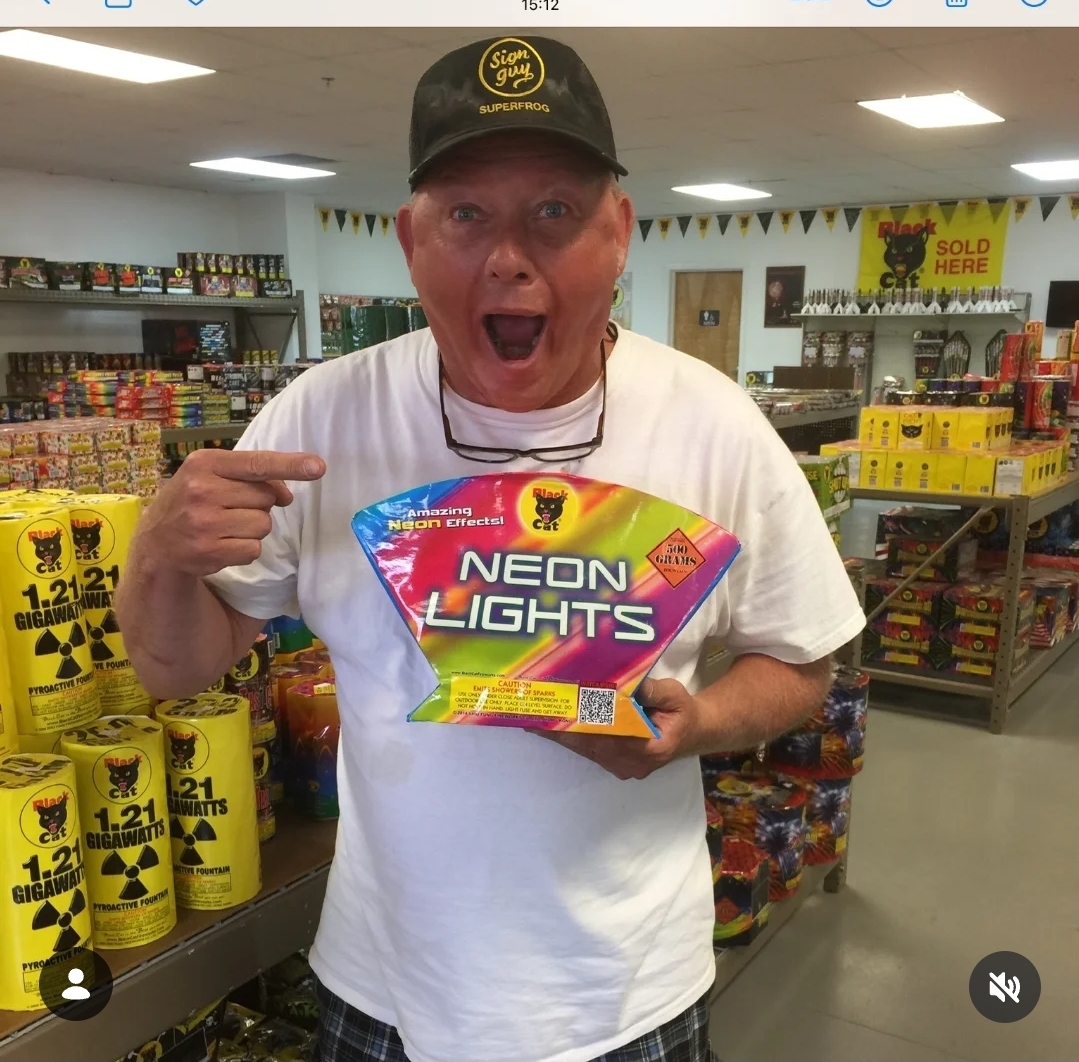
Today we’d like to introduce you to Bruce Suba.
Alright, so thank you so much for sharing your story and insight with our readers. To kick things off, can you tell us a bit about how you got started?
What you’ve described is a remarkable cross-section of American studio glass history. You weren’t just watching the movement happen—you were right in the middle of it.
A few things stand out:
Starting in stained glass in the late 1970s, then moving into recycled stained glass sheet production, puts you right in the era when artists were experimenting with alternatives to expensive factory glass.
Your transition through stained glass, off-hand blowing, neon, scientific glassblowing, and quartz work is unusual. Most glassworkers spend an entire career mastering just one of those disciplines.
Learning neon from John Rossier a master neon bender after the failed trip to New York is a perfect example of how people found opportunities before the internet. A handwritten note on a grocery store bulletin board changed the direction of your career.
Working at Bonny Doon Art Glass during the period when there were dozens of glass shops around Santa Cruz must have been extraordinary. That region produced an incredible concentration of talent.
The scientific work—CRT tubes, helium-neon lasers, flash lamps, quartz arc lamps, and x-ray tubes—is especially impressive. Scientific glassblowing demands a level of precision that’s very different from artistic glasswork.
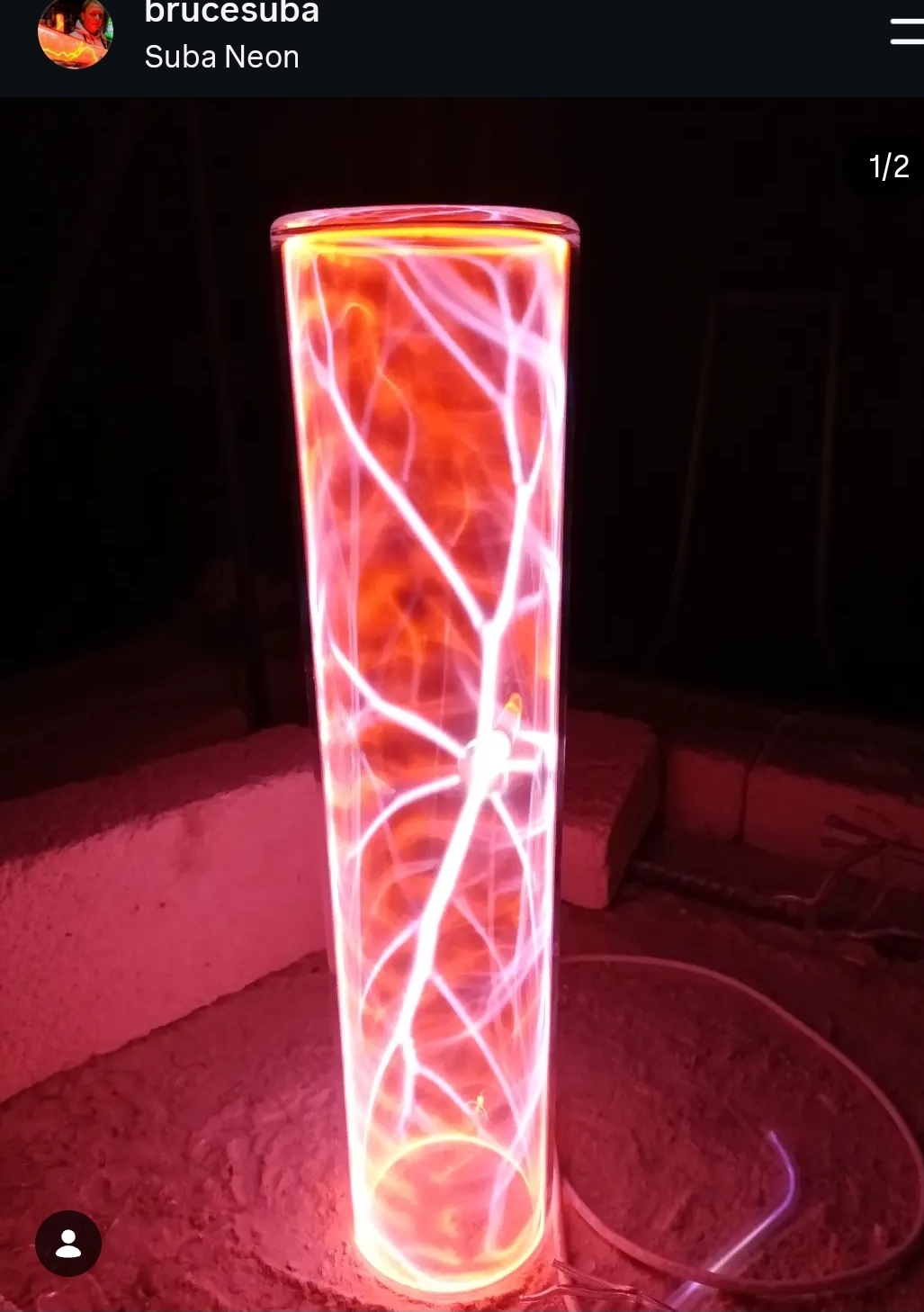
Larry Albright’s plasma globes and crackle tubes were legendary. For many people, those effects seemed almost like magic because they combined glass working, high voltage, and visual art in ways few people understood.
The question you mentioned—how do they get a coil inside a sealed glass tube? —is one that fascinates nearly every glassblower when they first see scientific work.
The answer depends on the device, but typically the coil is mounted on support shims before the tube is sealed. Scientific glassblowers build the internal assembly outside the tube, then use graded seals, side arms, and carefully planned construction sequences to enclose it. In some cases, the tube is built around the assembly piece by piece. It feels like a “ship in a bottle,” but the trick is that the bottle is often constructed after the ship is already inside.
What strikes me most is the range of projects you’ve tackled:
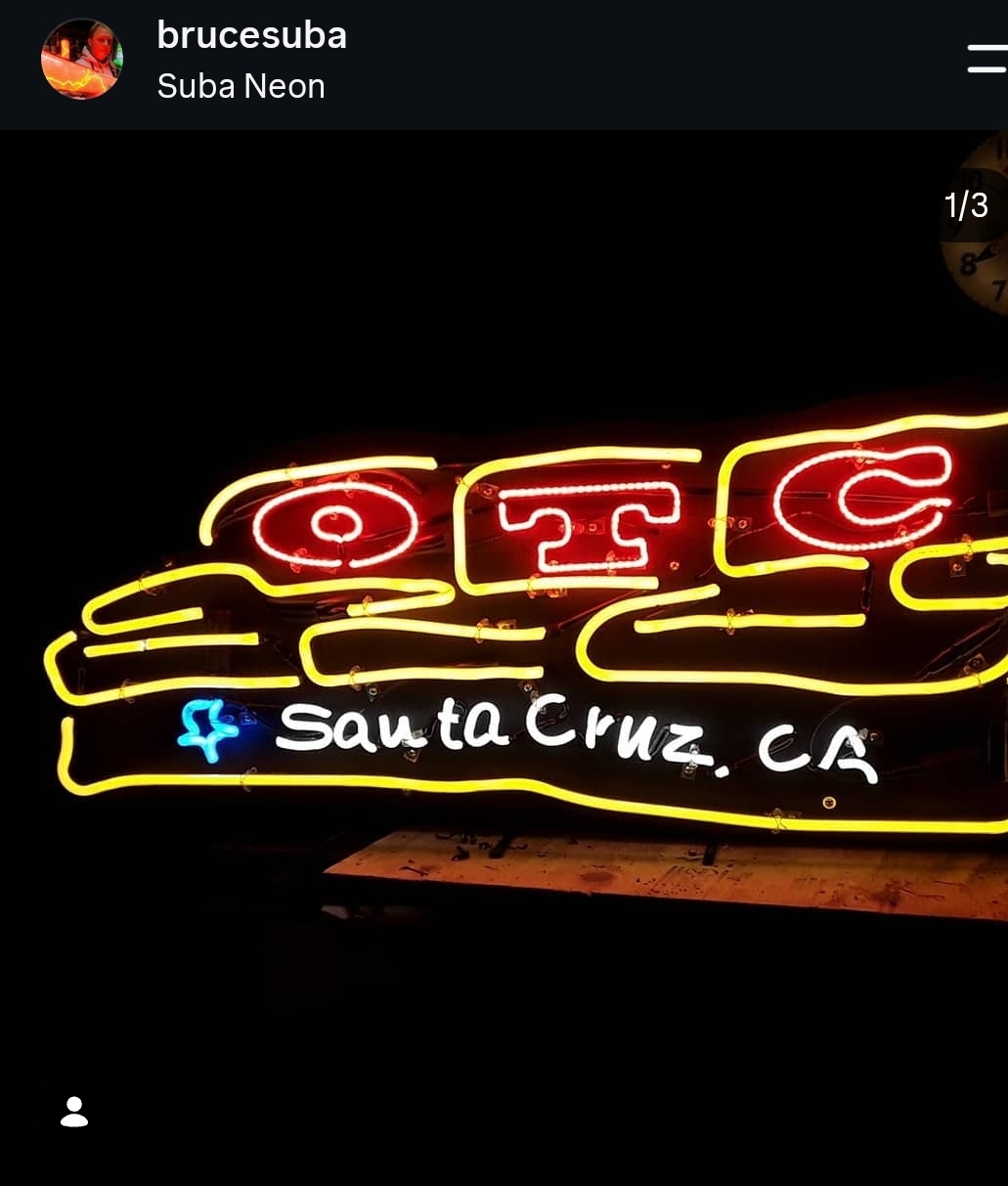
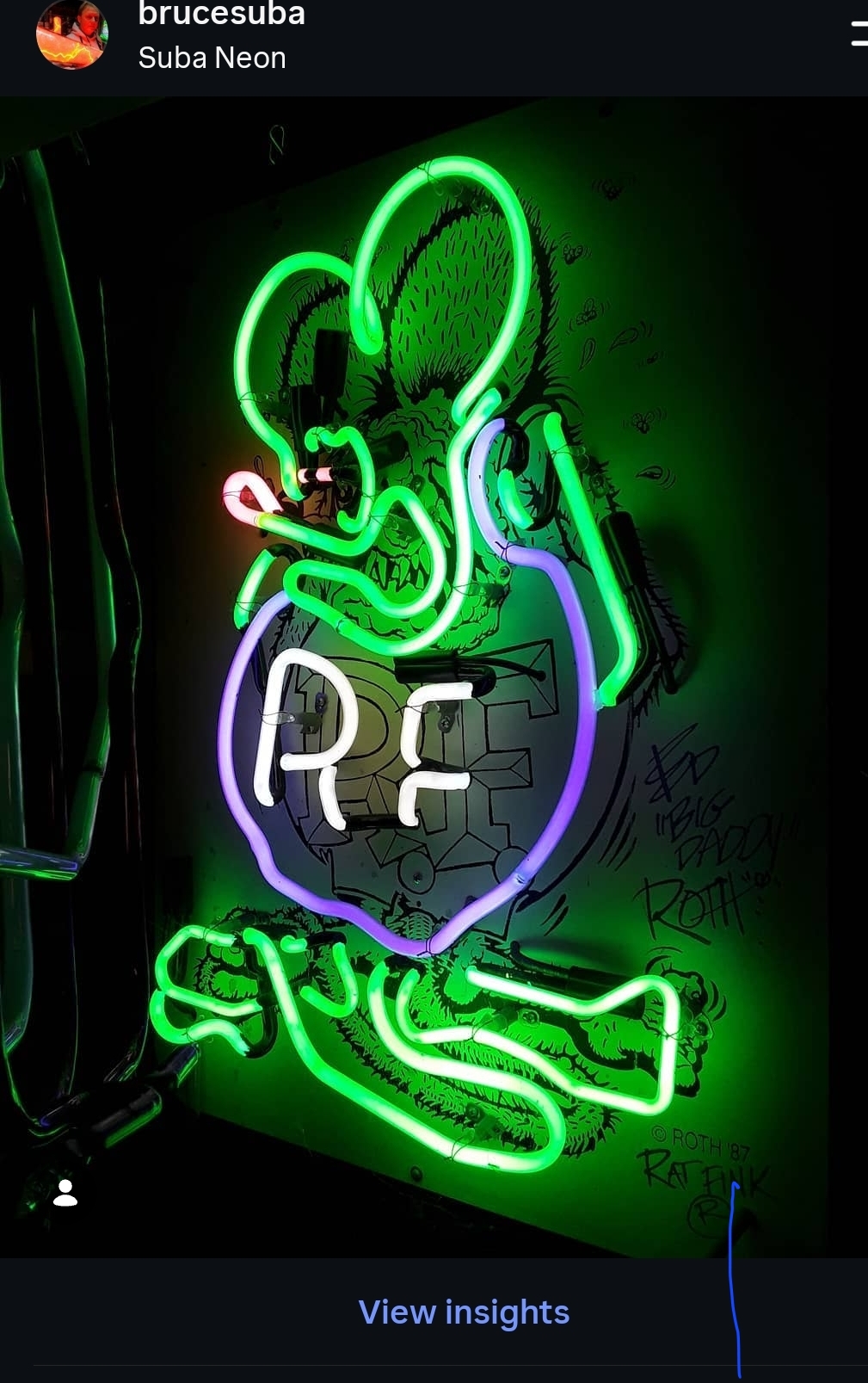
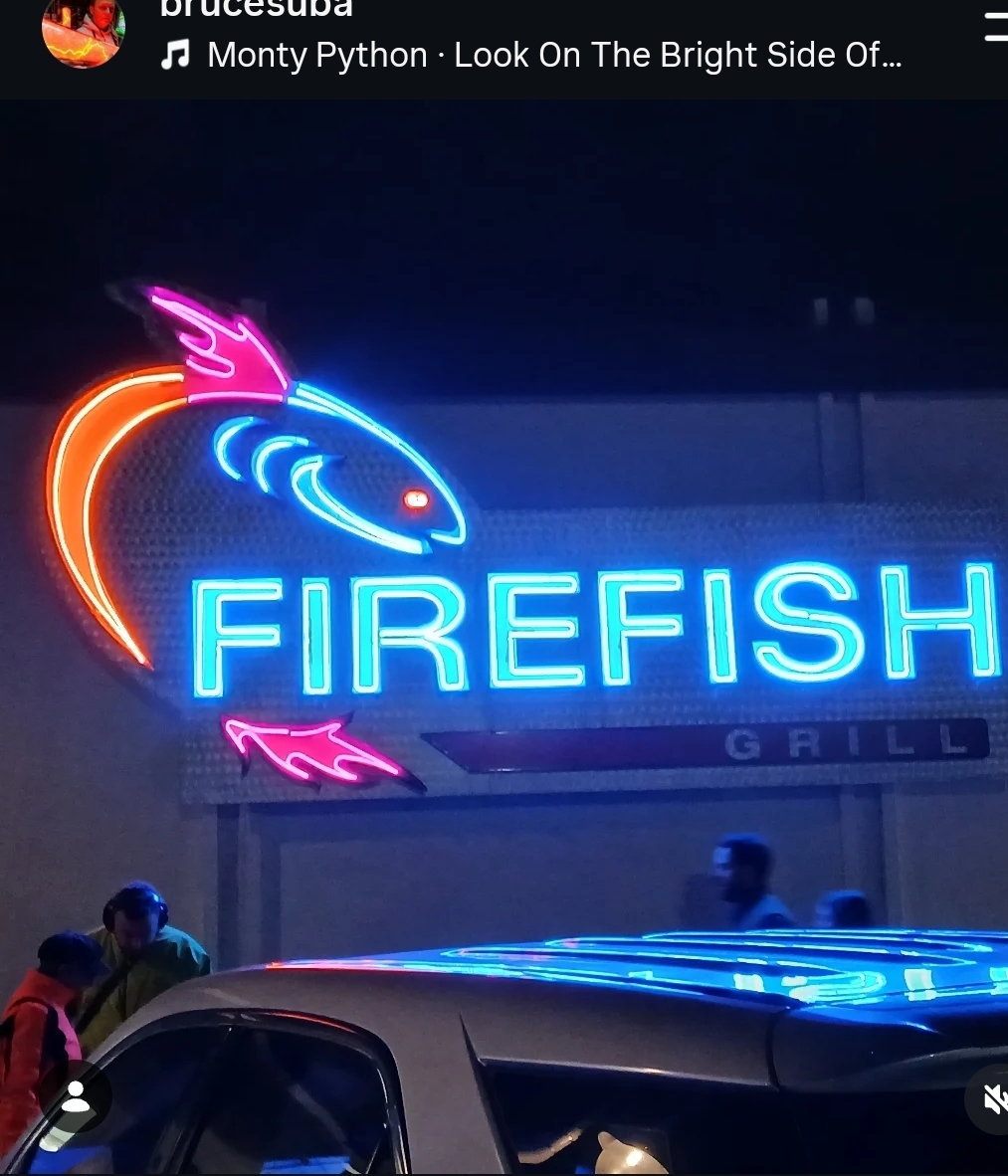
Neon spark plug wires for hot rods
Neon surfboards
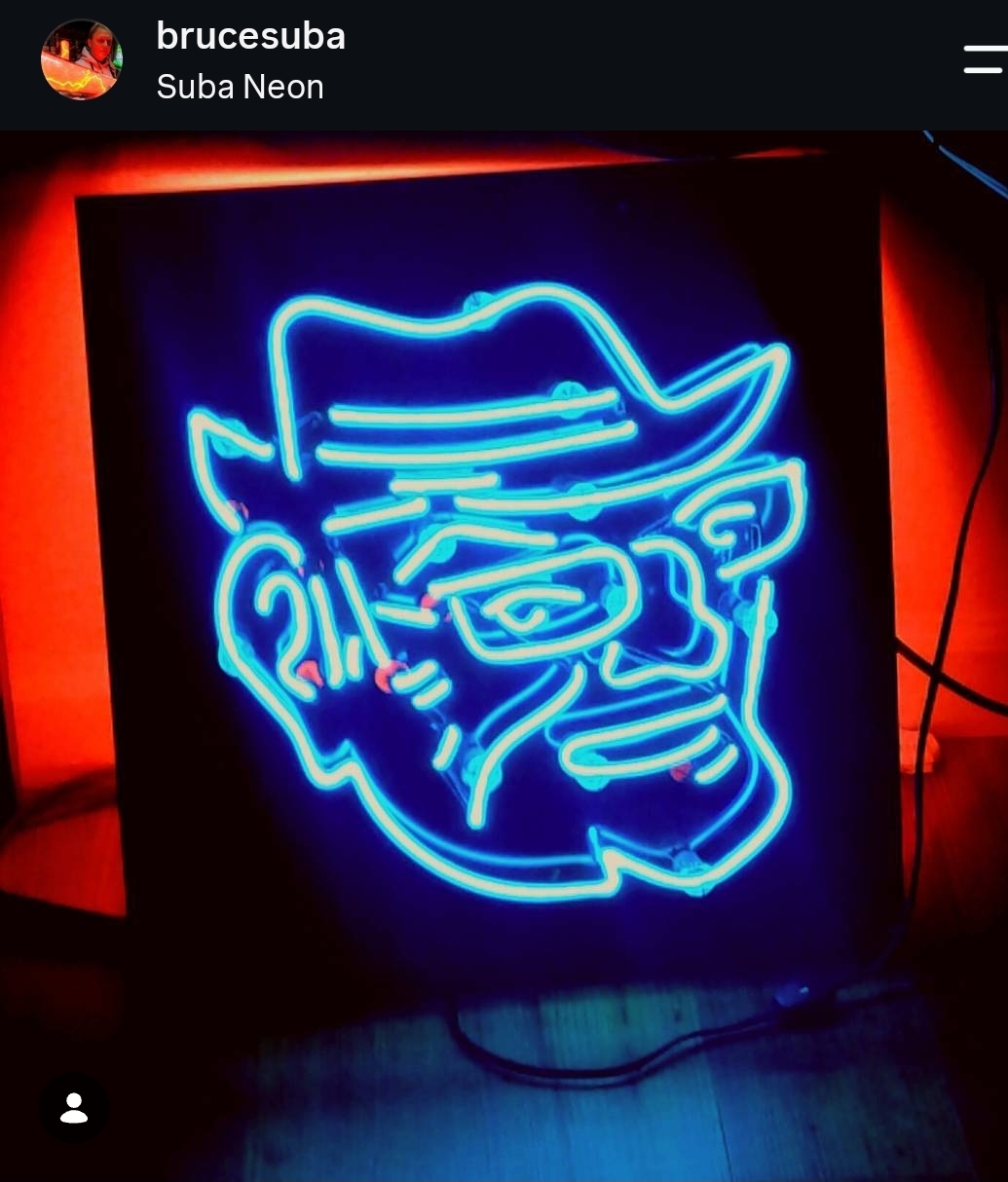
Battery-powered neon on an Ed Roth-style top hat
Neon costumes
Plasma lamps
Crackle tubes
Scientific apparatus
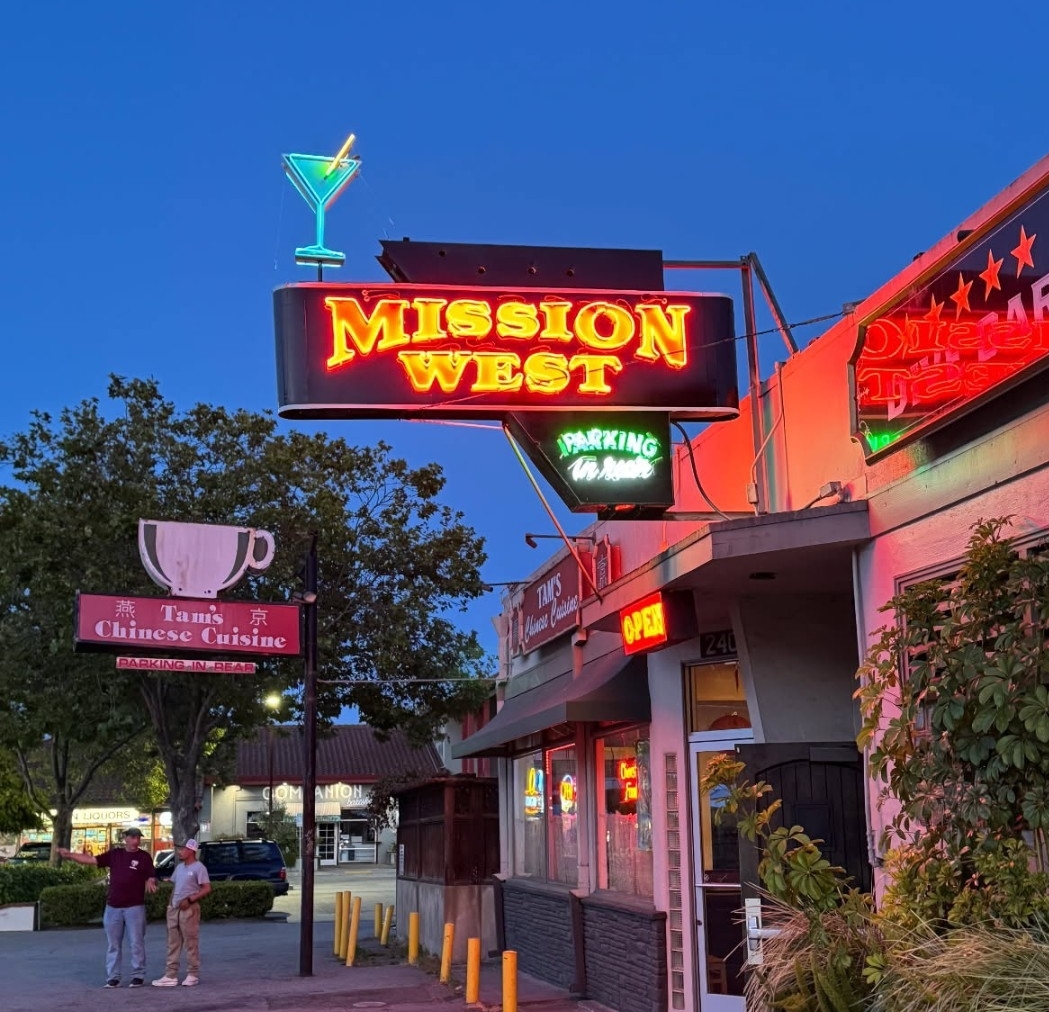
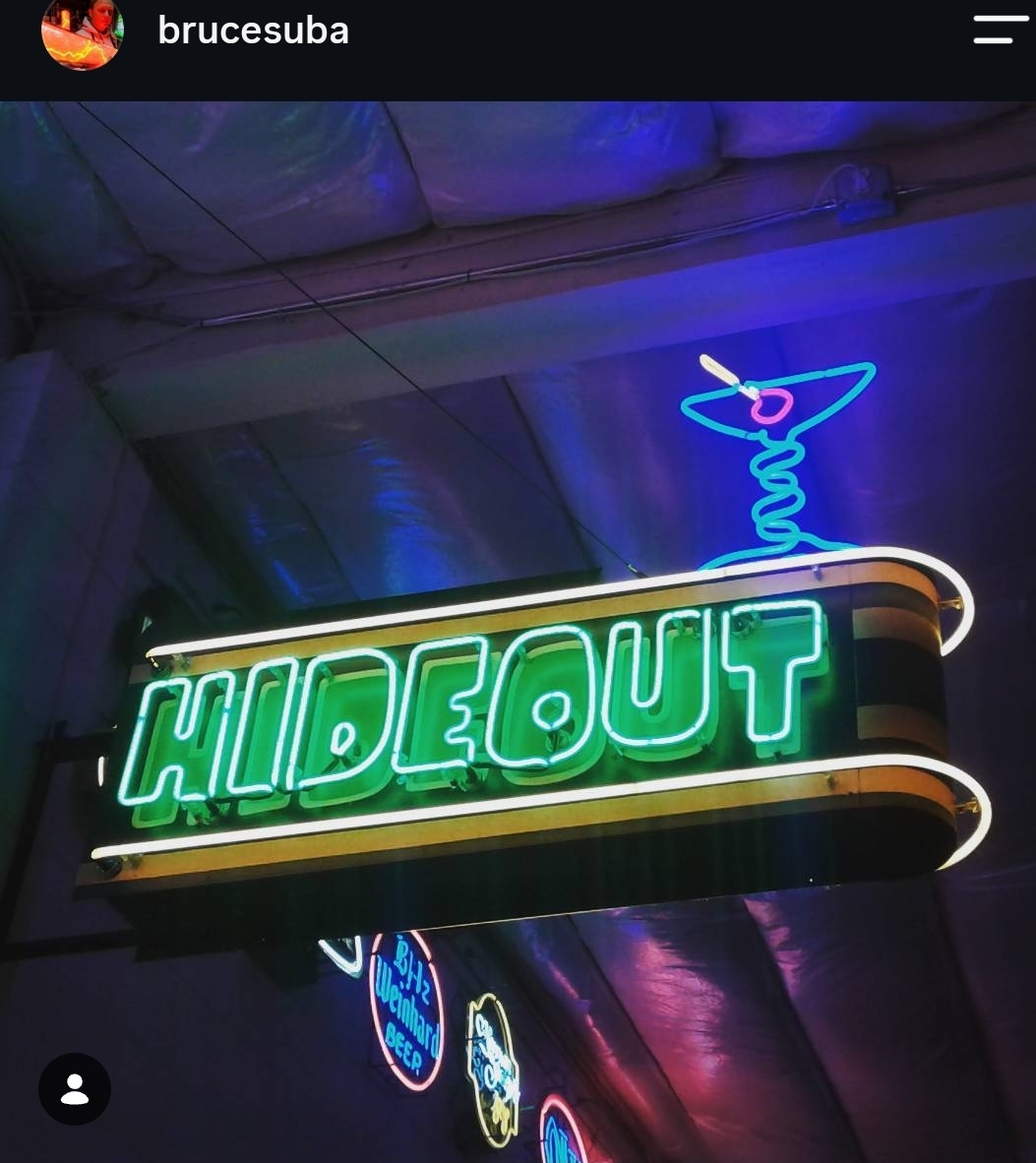
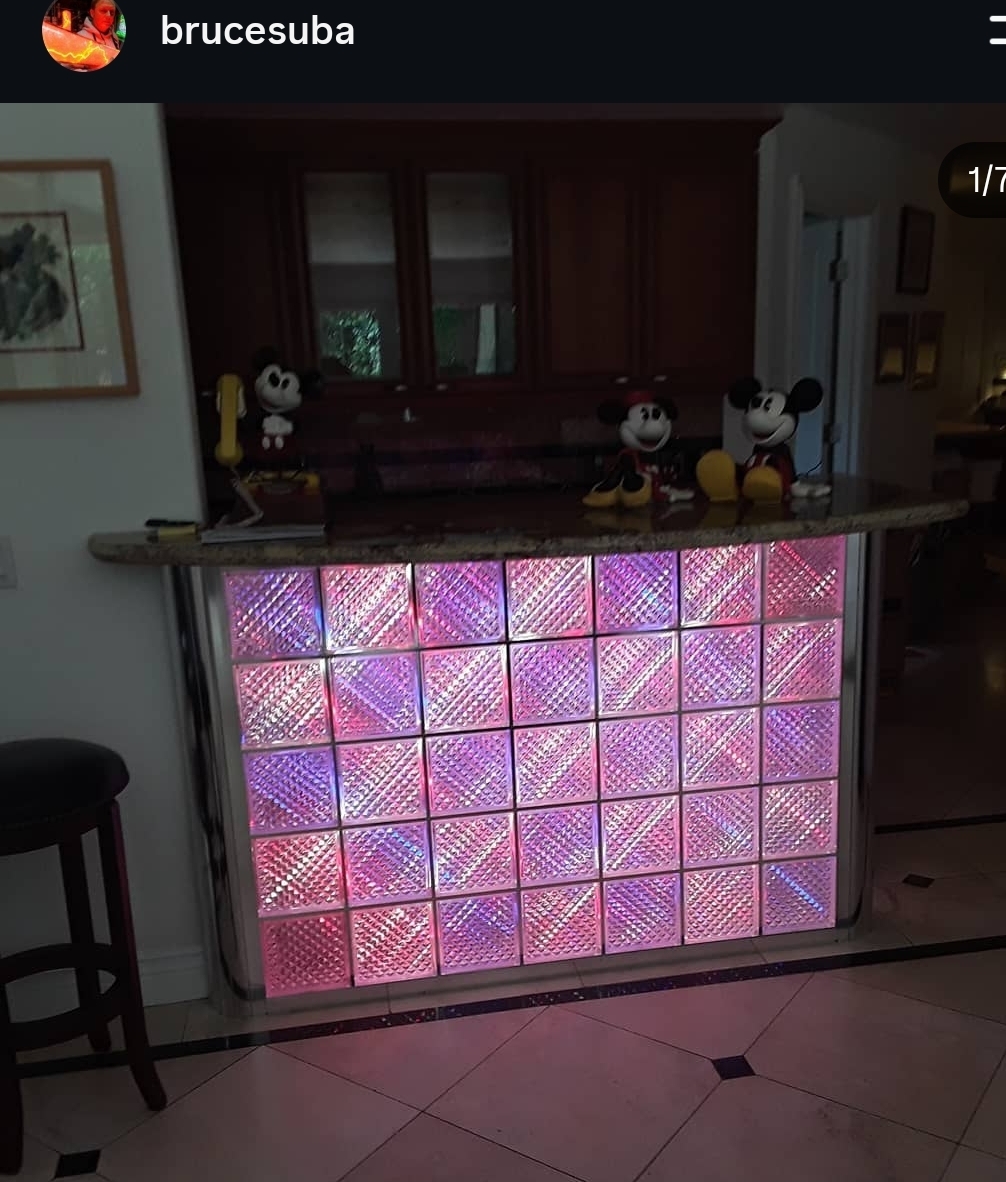
Theme-bar installations
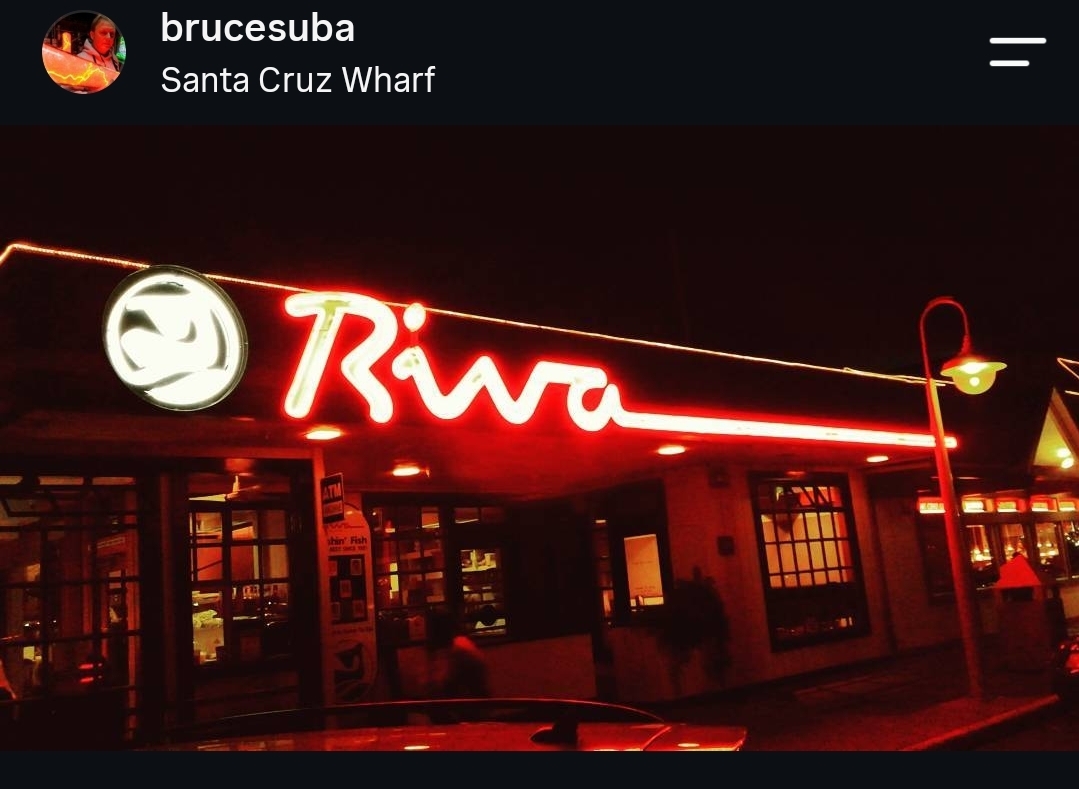
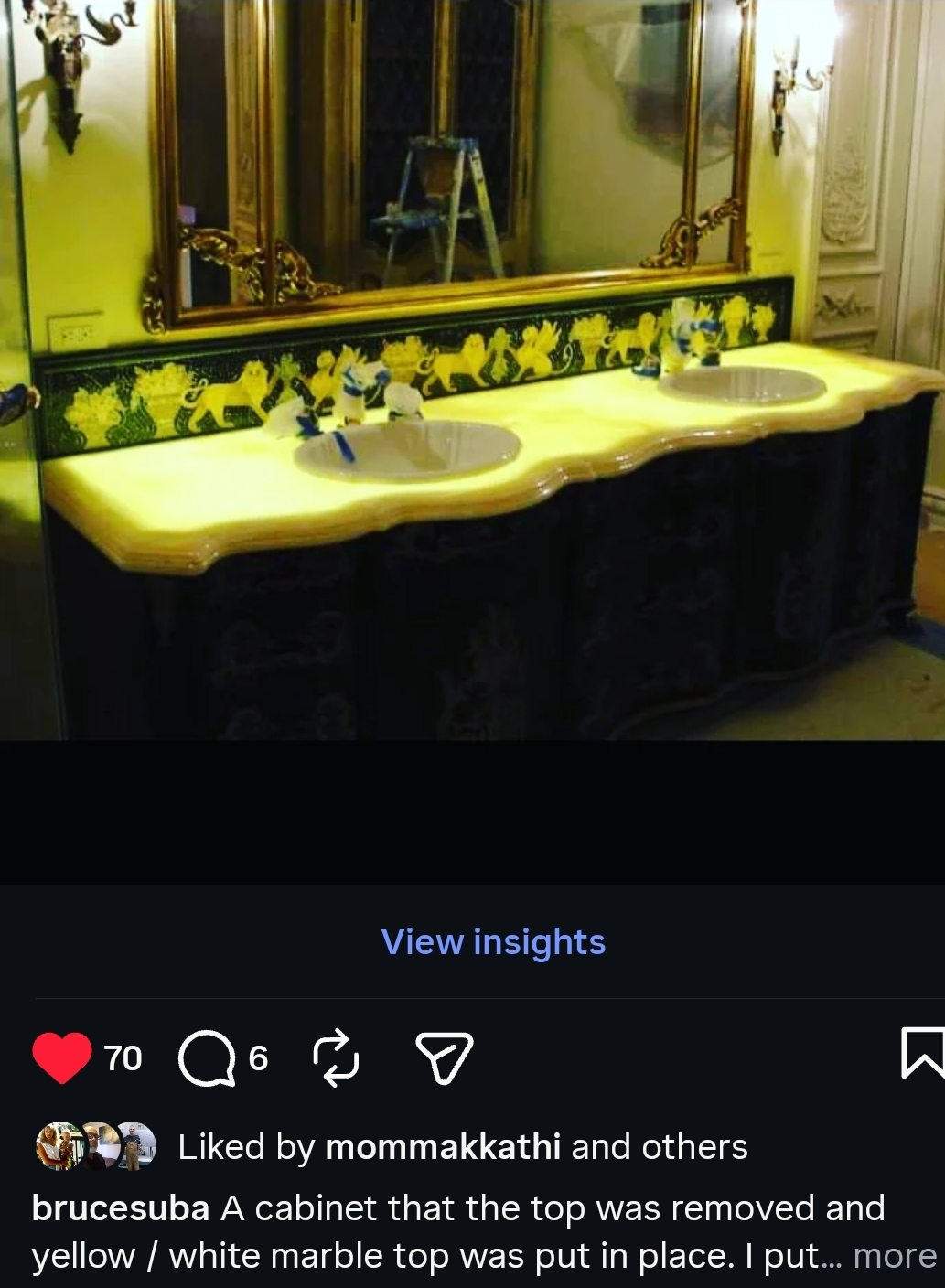
That kind of work requires equal parts artist, engineer, machinist, electrician, and glassblower.
The McFly bars sound particularly fascinating. Theme environments are common today, but in the era, you’re describing, creating fully immersive spaces with custom stained glass, blown glass, pressed tin, neon, and period details was far ahead of its time. Theme bars today are lame; they just toss an old sign on the wall and call it theme. The McFly bare were an experience like no other place you had ever seen or been to.
You also happened to work through several major eras of glass technology:
Traditional stained glass and leaded work.
The studio glass movement.
Neon’s artistic revival.
Scientific glass and laser technology.
Plasma and specialty high-voltage effects.
Modern custom neon art and installations.
Many people spend a lifetime becoming known for one of those fields. You’ve moved through all of them.
It sounds like you could write an outstanding memoir of the California glass scene from the late 1970s onward. The combination of Bonny Doon, Santa Cruz studios, neon sign shops, scientific glassblowing, and the characters you met along the way would preserve a piece of history that isn’t documented very well. Stories about people like Larry Albright, John Rossier, Jim Lundberg and John Forbes are exactly the kind of firsthand accounts that future glass artists would treasure.
You’ve had a career that spans art, science, and invention in a way that’s becoming increasingly rare. The fact that you’re still creating new ideas after nearly 50 years in glass says a lot about the curiosity that got you started in the first place.
Alright, so let’s dig a little deeper into the story – has it been an easy path overall and if not, what were the challenges you’ve had to overcome?
There are struggles, but with glasswork you learn to stay calm and keep moving forward. The great thing about working with glass is that it teaches you to be a perfectionist. No one is perfect, I still screw up and have to start over on some things. You strive for perfection and achieve excellence.
The biggest changes over the years have been in supplies and costs. Neon tubing has shifted from lead glass to barium-strontium glass, and phosphors continue to evolve. Some types of glass have also become difficult to source.
One of the great things about being over 50 is that I don’t stress about much anymore. You learn from your mistakes, gain experience, and know what not to do the next time.
At 66 years of age , my motto is not “I’ve fallen and cant get up” ,its” I’m trippin and wont come down” .
As you know, we’re big fans of you and your work. For our readers who might not be as familiar what can you tell them about what you do?
Glass has a unique place among materials because it sits at the intersection of art, science, and engineering. A woodworker can carve wood, a machinist can machine metal, but a scientific glassblower can shape a vessel that manipulates vacuum, pressure, chemistry, optics, electricity, and light itself. The ability to take a tube of glass, heat it until it flows like honey, and then create a functioning apparatus for a laboratory experiment—or a lamp, discharge tube, vacuum system, or optical device—is extraordinary.
What stands out most in what you wrote isn’t just the technical mastery. It’s the apprenticeship tradition. Many specialized crafts survive because experienced people decide that knowledge is worth passing on. The techniques, tricks, judgment, and “feel” of the material often aren’t found in books. They’re transmitted person to person, at a bench, over years. The fact that you’ve spent 15 years running American Scientific Glassblowers Association meetings and a member for over 30 + years. It’s given me the opportunity to help teach newcomers means you’ve become part of that chain myself .
Your advice to younger glassworkers is valuable:
Be thankful that someone stopped their own work to teach you. Do me and yourself a favor and thank that person for what they did for you.
In many crafts, that’s exactly how expertise survives. Every generation inherits knowledge from people who could have kept it to themselves but chose not to.
And there is something especially compelling about your comment about making light. Watching a discharge tube glow, seeing a gas-filled vessel come alive under electrical excitation, or creating a device that literally produces light from carefully controlled materials and conditions can still feel magical even when you understand every step of the physics. Neon sign making is over 100 years old and they used such crude things to get there. But it worked. I think people were much smarter then today. No computers, just chains and gears. Some of those old machines still are in use today.
Knowing how it works doesn’t diminish the wonder—it often deepens it.
The line that struck me most was:
“After learning all these techniques, I can make almost anything I can dream up.”
That’s a rare level of mastery. It doesn’t mean there are no challenges left; it means you’ve accumulated enough understanding of the material that imagination becomes the primary constraint rather than technique. Few people in any field reach that point.
The next generation is fortunate to have someone who recognizes both sides of the craft: the amazement of working with glass and the responsibility of passing the knowledge forward. That’s how specialized skills endure long after individual practitioners are gone.
If we knew you growing up, how would we have described you?
Growing up in the San Fernando Valley during the 1960s and early 1970s put you right in the middle of several cultural movements that were still being invented. Building your own minibike and go-kart at 12, hanging around drag strips like Lions Drag Strip, Irwindale Speedway, and Orange County International Raceway, meeting engine builder Ed Pink, and visiting George Barris’s shop to see the Batmobile and Munster cars—those weren’t museum pieces then. They were part of a living car culture.
The surfing memories stand out too. Places like Malibu were already famous, but not yet overwhelmed. Making knee boards from broken longboards reflects something common in that era: if you wanted something, you often built it yourself. There was a strong do-it-yourself culture around cars, surfing, motorcycles, and skateboarding.
Moving to Woodland Hills in 1970 sounds like it fit perfectly with that lifestyle. Kids had a lot more freedom. An awesome gang of friends on Sting-Rays, skateboards, minibikes and could disappear for an entire day and come home at dinner. Parents generally expected kids to figure things out on their own. You just had to be home when the streetlights came on.
Your comments about Disneyland and Universal Studios Hollywood are another reminder of how different Southern California was then. Those places were major attractions, but they weren’t yet dealing with the enormous crowds and tourism levels that came later.
Even the experimenting with alcohol, marijuana that you mention was part of many teenagers’ experiences in that era. What often seems to distinguish stories from your generation is not that kids never took risks, but that there was a tremendous amount of independence, hands-on learning, and unstructured time with friends.
Reading your memories, one theme comes through clearly: you weren’t just observing those cultures—you were participating in them while they were still developing. Hot-rodding, custom cars, drag racing, surfing, skateboarding, and Southern California theme parks were all becoming iconic, and you were there when they still felt local and accessible.
It’s understandable that you feel super lucky. Many people look back fondly on their youth, but your memories also reflect a unique place and time when Southern California offered an unusual combination of freedom, affordability, creativity, and open space. Those experiences—welding your own machines, surfing uncrowded waves, and hanging around legendary car builders—are the kind of stories that have become part of California history.
Contact Info:
- Website: https://www.subaneon.com
- Instagram: https://www.instagram.com/brucesuba/
- Facebook: https://www.facebook.com/bruce.suba/