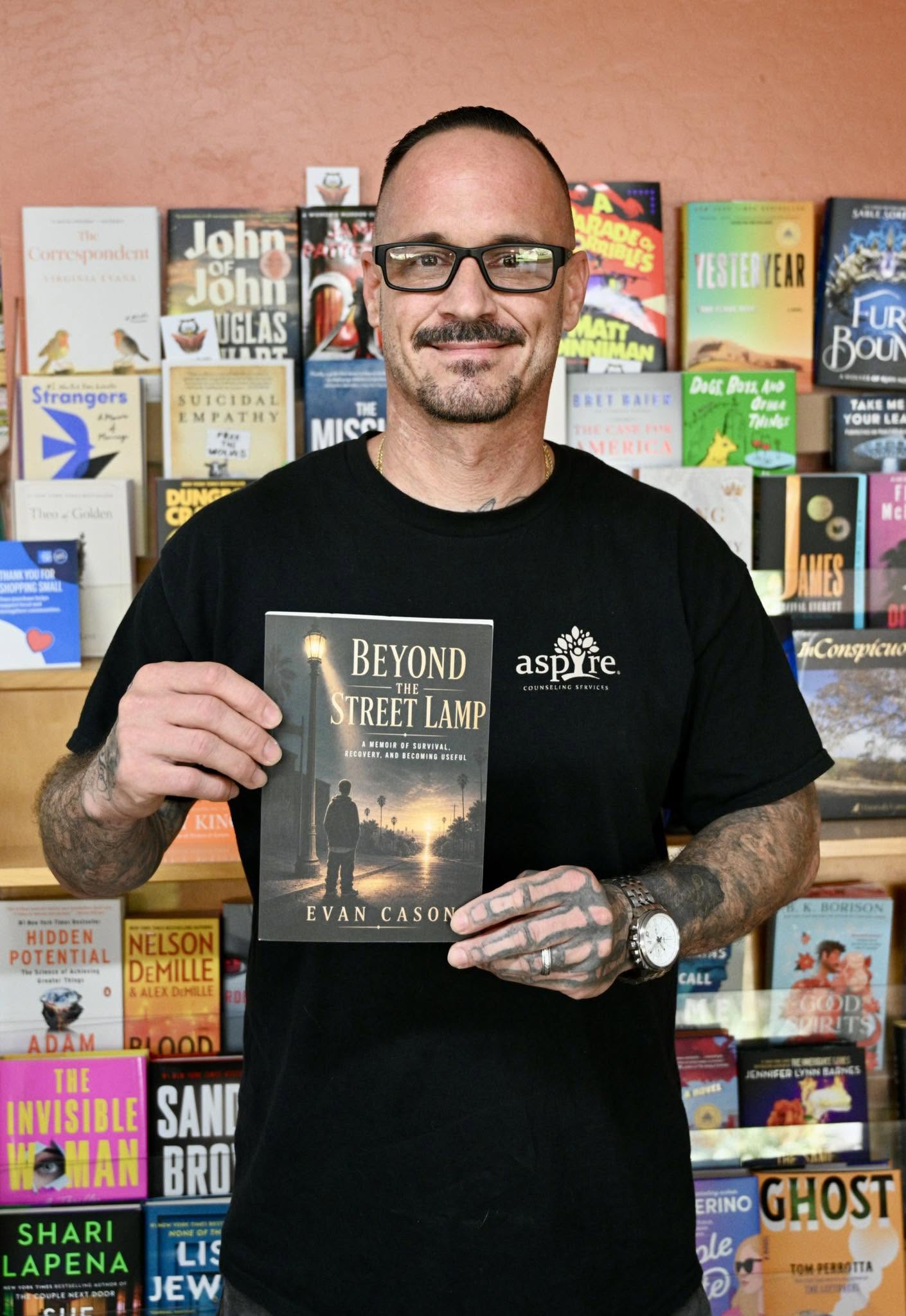





Today we’d like to introduce you to Evan Cason.
Hi Evan, can you start by introducing yourself? We’d love to learn more about how you got to where you are today?
My story did not begin in behavioral health leadership. My younger years were shaped by street life, addiction, incarceration, and the consequences of choices that affected not only me, but also the people who loved me. For a long time, I believed the worst chapters of my life might be the only evidence of who I was.
Recovery gave me the opportunity to begin writing a different story. I have now been sober for more than 16 years, but rebuilding my life did not happen all at once. It required accountability, consistency, repairing relationships, becoming present for my family, and learning that the experiences I once felt ashamed of could eventually help me understand and serve other people.
About 13 years ago, I began working with Scott Huhn at another behavioral health organization. Scott was a partner there, but he had developed a vision of his own for how treatment services could be delivered and how an organization could care for both the people seeking help and the employees providing it. His vision differed from the direction of his former partner, and he eventually shared with me what he hoped to build.
Scott asked whether I could see that vision and whether I would be willing to join him. I absolutely could. I believed in Scott, I believed in what he wanted Aspire Counseling Services to become, and I was willing to take that chance with him.
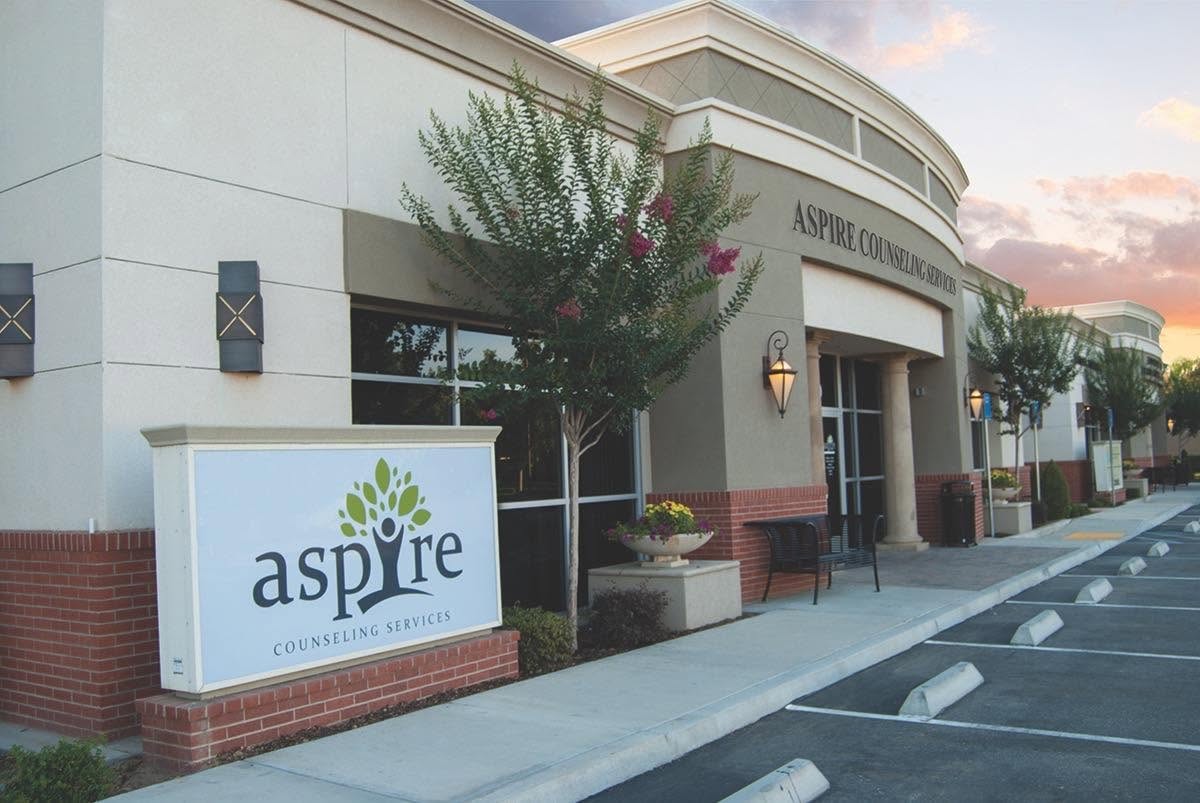
Aspire began 11 years ago in Bakersfield as an idea, a few boxes, and a small office. Scott founded the organization, and I became its original employee. I am not an owner, founder, or partner, but I have been there since inception—before the doors opened, before there were multiple locations, and before anyone knew what Aspire would eventually become.
We celebrated Aspire’s 11th anniversary on July 1, 2026. Today, the organization has grown from its first Bakersfield location into multiple programs throughout California, as well as a location in Arizona. I currently serve as Director of Patient Engagement and am grateful to be part of Aspire’s leadership team. Over the years, my responsibilities have expanded across admissions, patient engagement, community relationships, organizational culture, and the overall experience of individuals and families reaching out for help.
I oversee Aspire’s admissions department and regularly speak with people during some of the most difficult moments of their lives. Many are frightened, overwhelmed, or unsure where to turn. My responsibility is not simply to schedule an appointment. It is to listen, help people understand their options, remove barriers when possible, and make sure they feel like human beings rather than another phone call, diagnosis, or insurance policy.
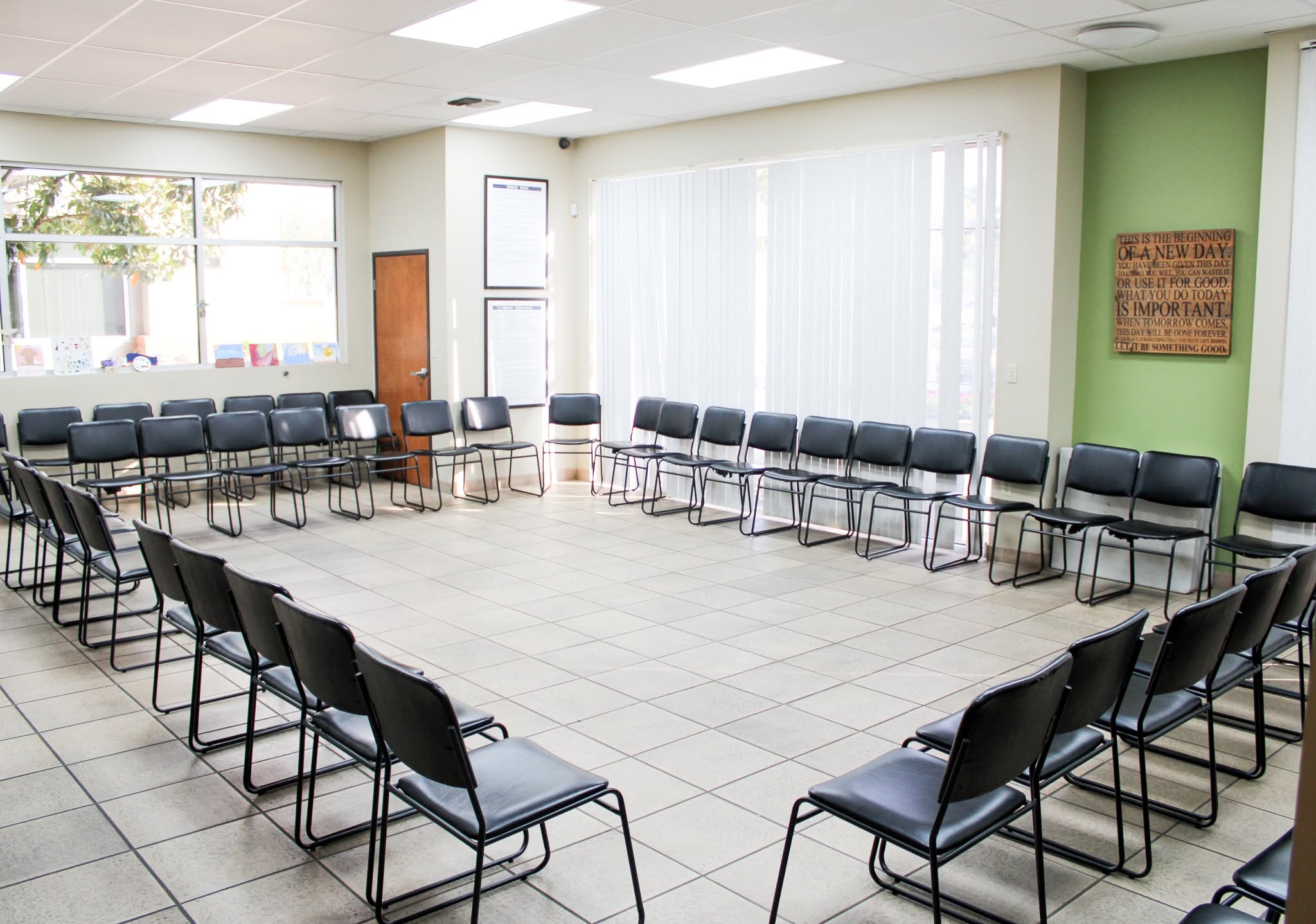
Our work on the Central Coast is an important part of Aspire’s story. We first began serving the region in Arroyo Grande in 2016. As the program and the need for services grew, we eventually closed that smaller facility and moved down the street to a much larger location in San Luis Obispo in 2018. It has since become one of Aspire’s largest locations, serving individuals and families throughout San Luis Obispo, Atascadero, Morro Bay, Arroyo Grande, and neighboring communities along the coast.
I oversee admissions for that location and regularly speak with Central Coast families who are searching for help. Those conversations have allowed me to develop a meaningful connection to the region, even though I live in Bakersfield. I understand how difficult it can be for families to navigate behavioral health services, especially when they are already under stress, and I try to make that first step into care feel less overwhelming.
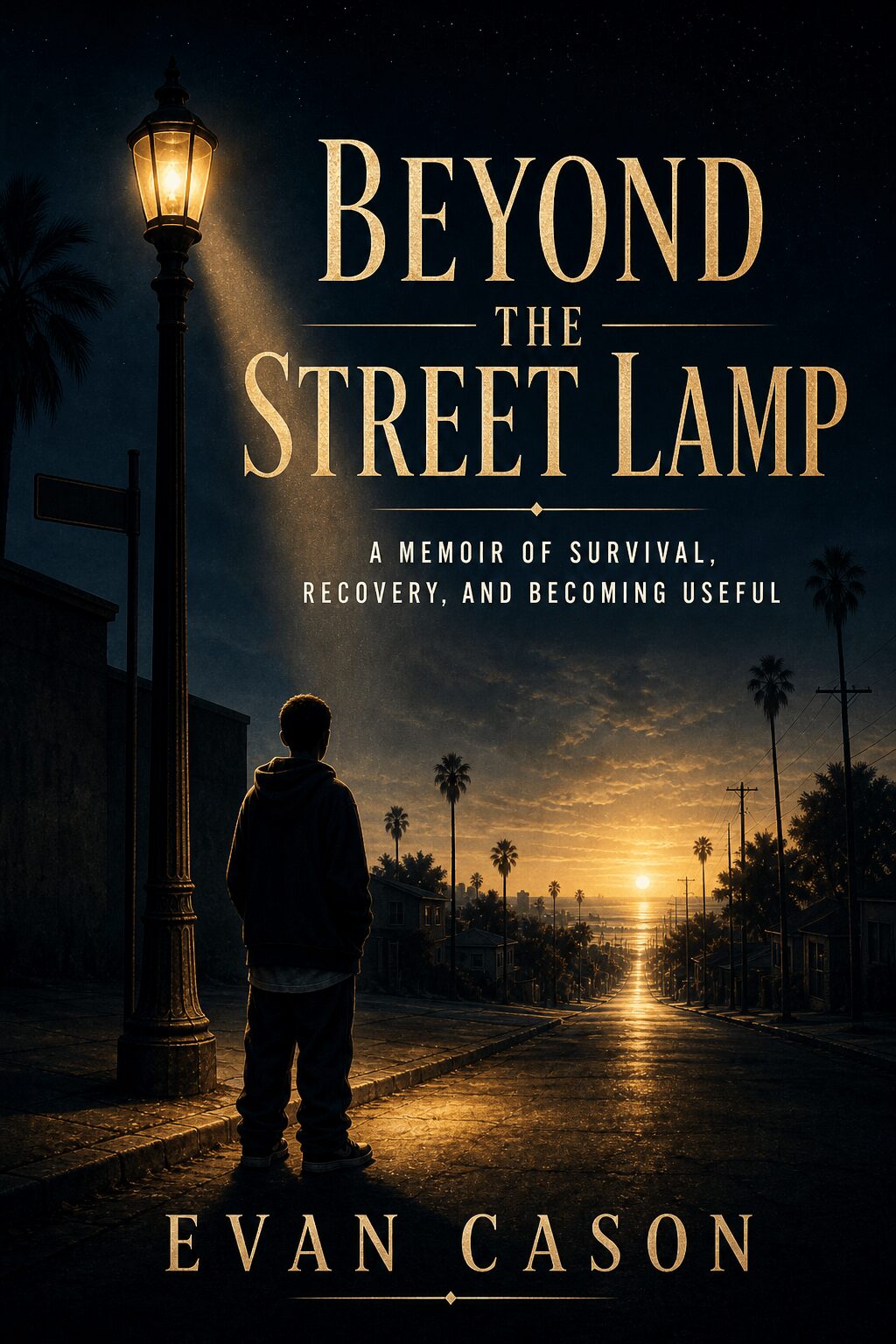
My professional journey is inseparable from my personal one. I recently published my memoir, Beyond the Street Lamp, which tells the fuller story of street life, addiction, incarceration, consequences, family, recovery, redemption, and finding purpose. The book is not only about where I came from. It is about what can happen when someone is given an opportunity, accepts responsibility for their life, and decides to become useful to others.
Writing the book required me to revisit parts of my past that were painful and uncomfortable, but it also helped me understand how every part of my story led me here. My lived experience allows me to connect with people in a way that cannot always be taught in a classroom. I know what it feels like to believe that your life may be beyond repair, and I also know what it feels like to discover that your past does not have to determine your future.
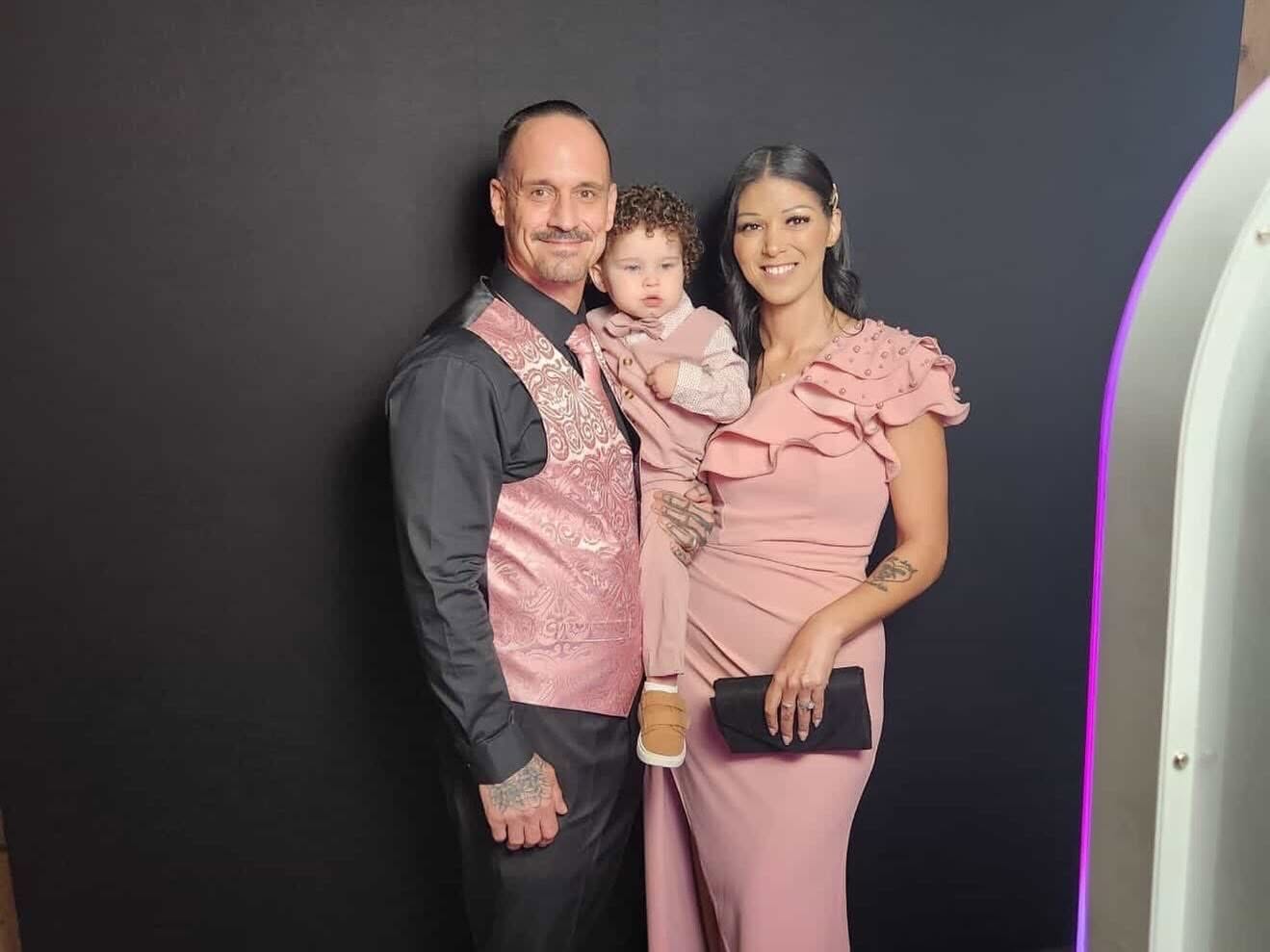
Today, I live in Bakersfield with my family, continue my work with Aspire, and use both my professional role and personal story to remind people that change is possible. I am proud of how far Aspire has come, but I am equally proud that the life I once believed was ruined has become useful.
One of the central messages of my book, and of my life today, is this: Your worst years do not have to be the only evidence of who you are.
Alright, so let’s dig a little deeper into the story – has it been an easy path overall and if not, what were the challenges you’ve had to overcome?
It has not always been a smooth road, but I try not to look at obstacles as reasons to stop. I see them as challenges and opportunities to grow.
There have obviously been many difficult stretches in my personal life. Addiction, incarceration, rebuilding trust, repairing relationships, and learning how to live differently all came with setbacks and hard lessons. Recovery did not erase the consequences of my past, and success did not suddenly make life easy. I had to learn how to remain accountable, keep moving forward, and not allow one difficult moment to become the definition of an entire day or an entire life.
There have also been challenges throughout Aspire’s growth. Building an organization from the ground up is never simple, especially in behavioral health. As Aspire expanded into new communities and opened additional locations, we had to learn, adjust, solve problems, and continue protecting the heart of what Scott originally envisioned. Growth is exciting, but it also requires flexibility, patience, and a willingness to keep improving.
The work itself can also be emotionally difficult. We serve people who are hurting, and we often meet them and their families during moments of fear, crisis, grief, or uncertainty. You see people make remarkable changes, but you also experience loss. You learn that you cannot save everyone, fix every situation, or make every person happy. That can be hard to accept when you care deeply about the work.
For me, much of it comes down to perspective. I challenge myself every day to be intentional about how I respond to difficulty. One philosophy I try to live by is that yesterday’s problems are already behind me, and tomorrow’s problems have not arrived yet. I only have enough strength for what is in front of me today. If I spend today’s strength carrying yesterday’s problems or worrying about tomorrow’s, I will be depleted by the end of the day and may not have enough left for the people who actually need me in the present.
That does not mean ignoring the past or failing to prepare for the future. It means learning from yesterday, planning responsibly for tomorrow, and then returning my attention to what I can do today.
The difficult roads have shaped both me and Aspire. They have taught me resilience, humility, patience, and the importance of continuing to show up. I do not believe growth happens because we avoid hardship. I believe it happens because we learn how to walk through hardship without allowing it to change the kind of person we want to be.
Appreciate you sharing that. What else should we know about what you do?
I serve as Director of Patient Engagement for Aspire Counseling Services, where I oversee admissions and help guide individuals and families through the process of entering behavioral health treatment. I have worked in the behavioral health and substance use treatment field for approximately 13 years, but my career began far from a leadership office.
I started as an intern working graveyard shifts in a residential treatment program. From there, I gained experience in nearly every part of the treatment process. I facilitated groups, carried a clinical caseload, worked directly with individuals in residential and outpatient settings, supported day-to-day program operations, and learned what it takes to care for people during some of the most vulnerable moments of their lives.
That experience has been invaluable because I understand the work from several different perspectives. I know what it is like to work overnight in a residential program, sit across from someone during a difficult counseling session, lead a group, manage a caseload, communicate with worried family members, and help someone navigate the practical barriers that can prevent them from receiving treatment. I have had my hand in nearly every area of an organization, and that continues to shape the way I lead today.
I am a credentialed addiction treatment professional and clinician. I hold a CADC-II through the California Consortium of Addiction Programs and Professionals, commonly known as CCAPP. I also hold the ICADC, an internationally recognized alcohol and drug counselor credential. In addition, I am certified through the California Association of DUI Treatment Programs, or CADTP, as a Substance Use Disorder Certified Counselor, Level II, or SUDCC-II. I am also a Level II Certified Anger Management Professional through Century Anger Management.
Although those credentials are important, I believe some of the most meaningful parts of my professional development came from showing up every day, working directly with people, learning from experienced clinicians and leaders, and remaining willing to take on whatever responsibility was needed.
Today, my primary responsibility is overseeing admissions across Aspire’s locations. At its core, my work is about helping people feel heard, understood, and supported from the first moment they contact us. People rarely call a behavioral health program on their best day. They may be frightened, ashamed, overwhelmed, angry, or exhausted. Family members are often trying to hold everything together while navigating insurance, treatment options, scheduling, and the emotional strain of watching someone they love struggle.
My responsibility is not simply to schedule an appointment. It is to listen carefully, understand what is actually happening, explain the available options, remove barriers when possible, and help make the first step into care feel manageable.
On the Central Coast, I regularly speak with individuals and families from San Luis Obispo, Atascadero, Morro Bay, Arroyo Grande, and neighboring communities. I oversee admissions for our San Luis Obispo program and work closely with the team there to help ensure that people receive timely, compassionate, and accurate support.
I specialize in connecting with people. That may sound simple, but it is one of the most important skills in behavioral health. I have learned how to listen beyond the immediate question and recognize what someone may truly need. Sometimes they need information. Sometimes they need reassurance. Sometimes they need honesty and direction. Other times, they simply need someone to tell them that they are not beyond help.
What sets me apart is the combination of professional training, hands-on clinical experience, organizational leadership, and lived experience. My own history includes addiction, incarceration, recovery, and rebuilding my life. I know what it feels like to be judged by your worst decisions, and I understand how difficult it can be to believe that a different life is possible.
I never assume another person’s story is the same as mine, but my past allows me to approach people with humility, compassion, and very little judgment. My clinical experience helps me understand treatment, while my lived experience often helps me understand the fear, shame, and uncertainty underneath the words someone is saying.
I am probably best known within Aspire for being willing to step into whatever needs attention. Admissions is my primary department, but I have never viewed my role as being limited to a title. I remain involved in community engagement, site support, quality of care, leadership initiatives, and the overall experience of the individuals and families we serve.
What I am most proud of is having grown alongside Aspire. I began working with Scott Huhn approximately 13 years ago at another organization, and when he shared his vision for Aspire Counseling Services, I believed in it and chose to follow him. I became Aspire’s original employee and have been part of the organization since its inception.
Over the past 11 years, I have watched Aspire grow from an idea, a few boxes, and a small Bakersfield office into an organization serving communities throughout California and Arizona. I have also had the privilege of growing from an intern working graveyard shifts into a credentialed clinician, department director, and member of the leadership team.
I am also proud that my personal story has become connected to my professional purpose. Through my work and my memoir, Beyond the Street Lamp, I try to show that people can accept responsibility for their past without being permanently defined by it.
My greatest professional accomplishment is not a title, position, or credential. It is knowing that the life I once believed was ruined has become useful to other people.
Any advice for finding a mentor or networking in general?
Finding a mentor is extremely important, especially in behavioral health. One of the things that can prevent a good clinician from becoming a great clinician is believing they already know everything. The moment we stop being teachable is often the moment we stop growing.
I try to approach every learning opportunity with an open mind. Even when I have heard something before, I am willing to hear it again. I may be in a different place mentally, personally, or professionally than I was the first time, and I may recognize something I was not ready to understand before. Sometimes the information has not changed, but I have.
When I was completing my internship at The Salvation Army many years ago, Vince Estes became one of my earliest mentors. I watched closely as he facilitated groups, communicated with clients, and carried himself as a professional. I tried to soak in every minute of it. I did not enter the room trying to prove what I knew. I entered ready to listen and learn.
Scott Huhn has also been an important mentor in leadership and organizational growth. I had the opportunity to work alongside him before Aspire Counseling Services existed, and I have continued learning from him throughout Aspire’s development. Watching him turn a vision into an organization, take risks, build a team, navigate challenges, and remain committed to the people we serve has taught me lessons that could never come entirely from a textbook.
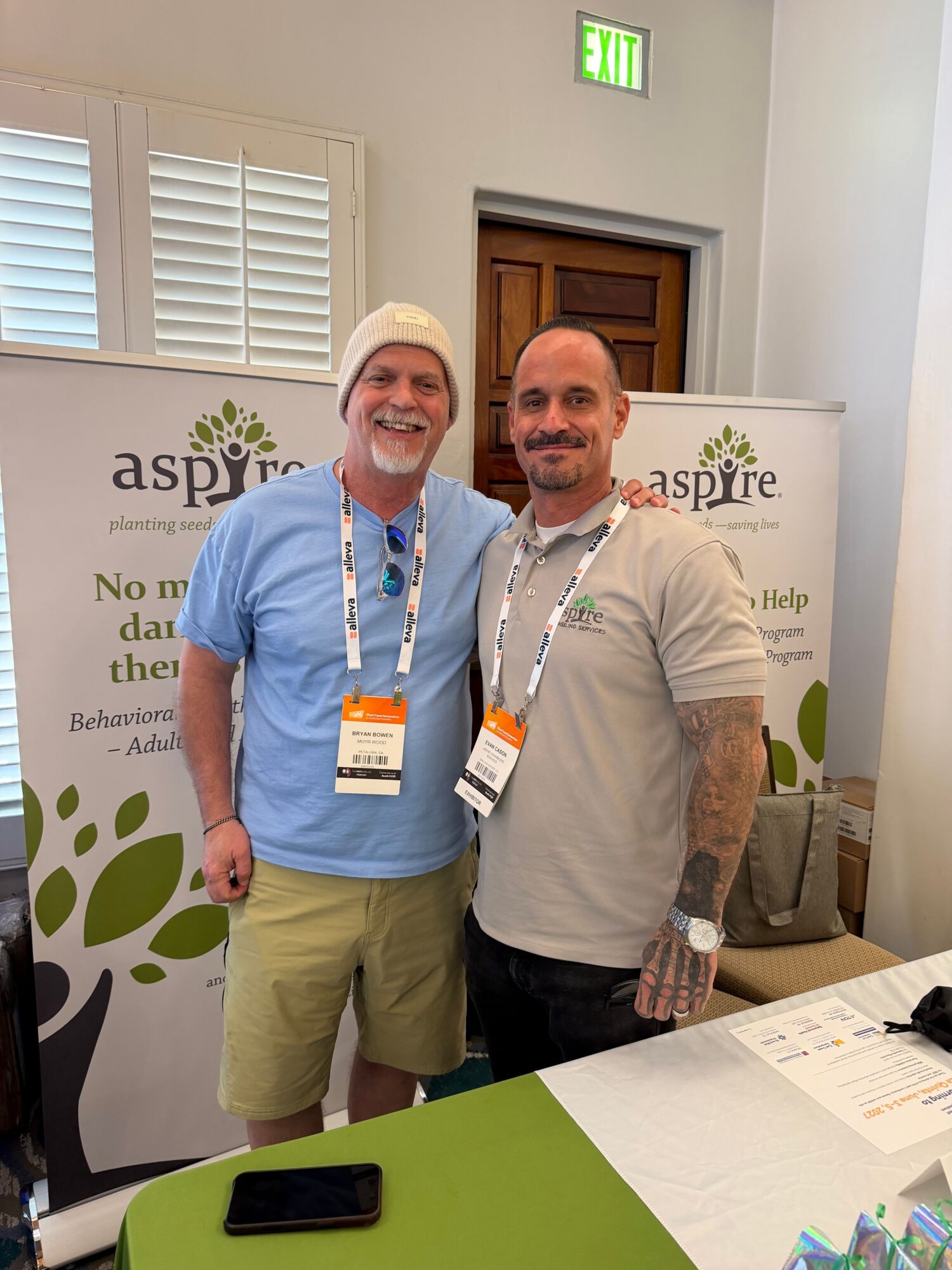
I have also been fortunate to build relationships with many other respected people in the treatment community. Arthur Mogilevski, who is connected to Ohana, After Action, Valley Recovery Center, and other programs, is a good friend and someone whose leadership and experience I value. Bryan Bowen of Muir Wood is a man with a great heart and a staple in the adolescent residential treatment community. I have learned from them and many others who have built organizations, served their communities, and remained committed to helping individuals and families through incredibly difficult circumstances.
My advice for finding a mentor is not to begin by asking, “What can this person do for me?” Begin by being present, dependable, curious, and willing to learn. Pay attention to the people whose character, work ethic, compassion, and leadership you respect. Ask thoughtful questions, truly listen to their answers, and then apply what they teach you. Mentorship often develops naturally when someone sees that you genuinely value their time and are willing to do the work.
Networking has worked best for me when it has been based on authentic relationships rather than transactions. I do not connect with people simply because I may need something from them later. I try to support others, stay involved in the community, share resources, answer calls, and make myself available when someone needs help. Over time, many of those professional relationships have grown into genuine friendships.
I have always appreciated the idea that we become an average of the five people we spend the most time around. I try to apply that by surrounding myself with people who challenge me, encourage me, and inspire me to become better. That does not mean only spending time with people who agree with me. It means choosing relationships with people who are honest enough to correct me, experienced enough to teach me, and secure enough to want to see me grow.
No matter how much experience, education, or success someone gains, they should never enter a room believing there is nothing left to learn. Even when you know a lot, you can hear the same lesson again with new ears and see the same situation through new eyes. Remaining teachable has been one of the most important parts of my professional growth, and I hope it always will be.
Contact Info:
- Website: https://aspirecounselingservice.com/leadership
- Instagram: https://www.instagram.com/beyond_the_street_lamp/
- Facebook: https://www.facebook.com/profile.php?id=61590014008322
- LinkedIn: https://www.linkedin.com/in/evan-cason-755a7b20b
- Twitter: https://x.com/asc_slo
- Youtube: https://youtu.be/lpFPwgTeGKA?si=MM_CNTEZ-08JMBCZ
- Yelp: https://www.yelp.com/biz/aspire-counseling-service-bakersfield
- Other: https://www.evancason.com