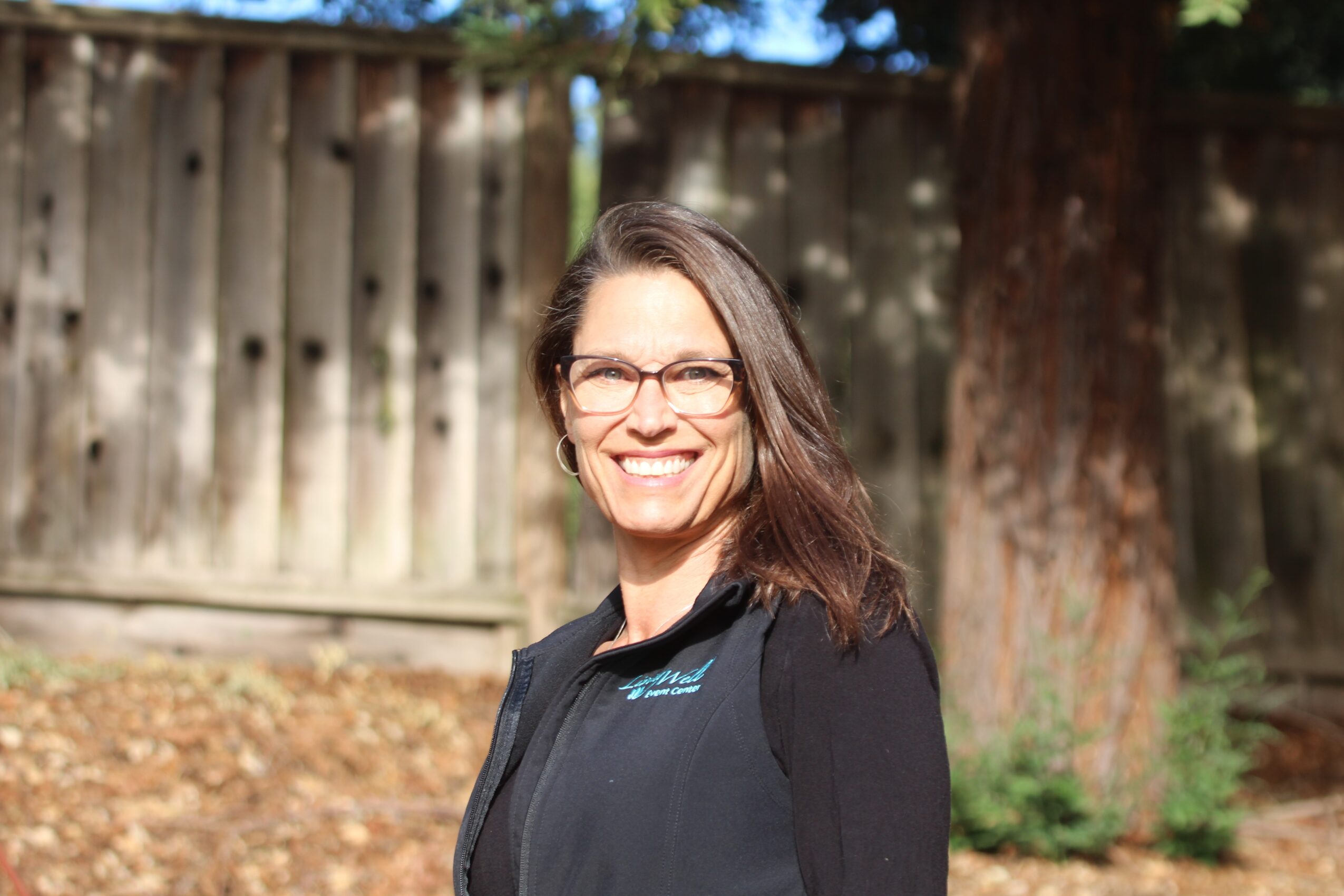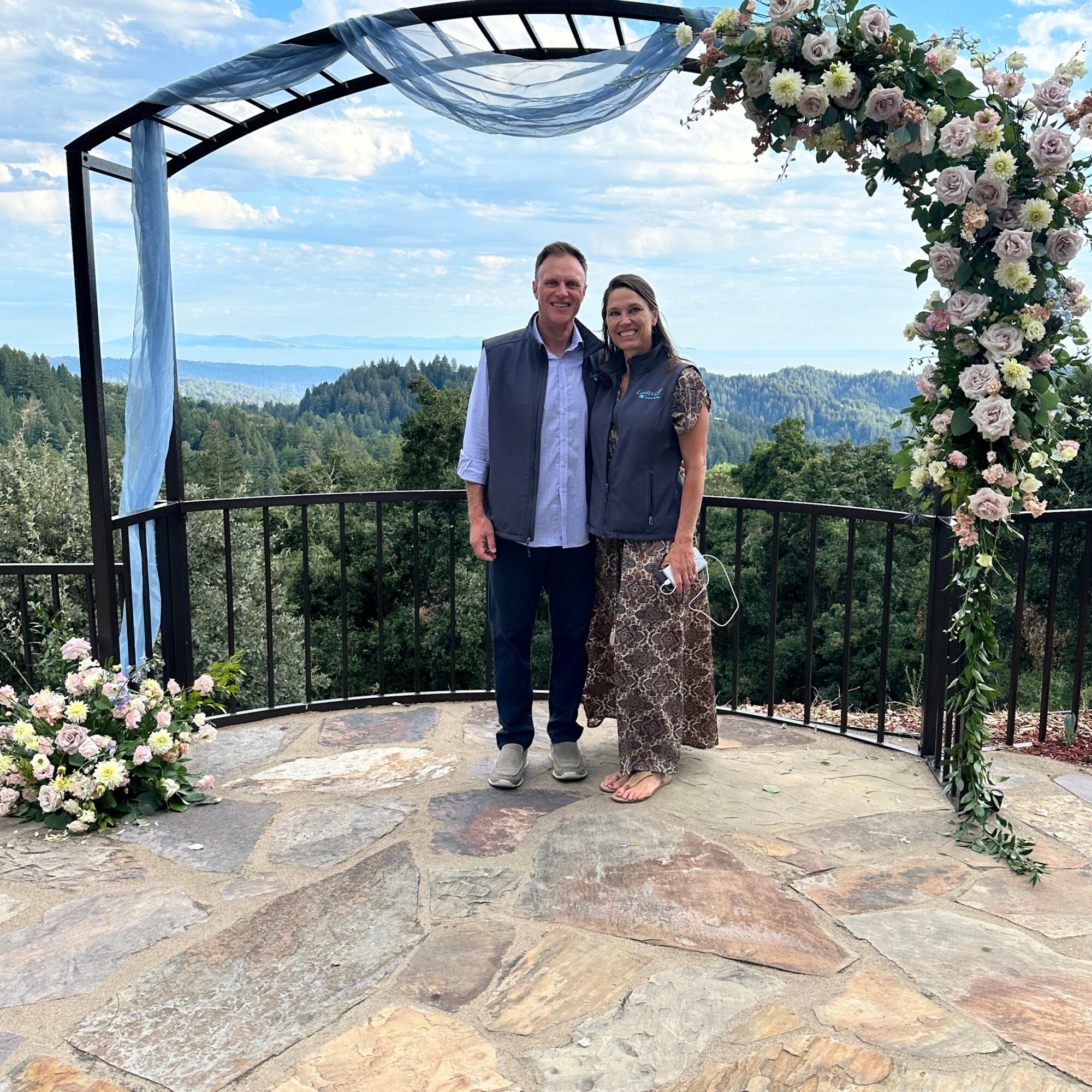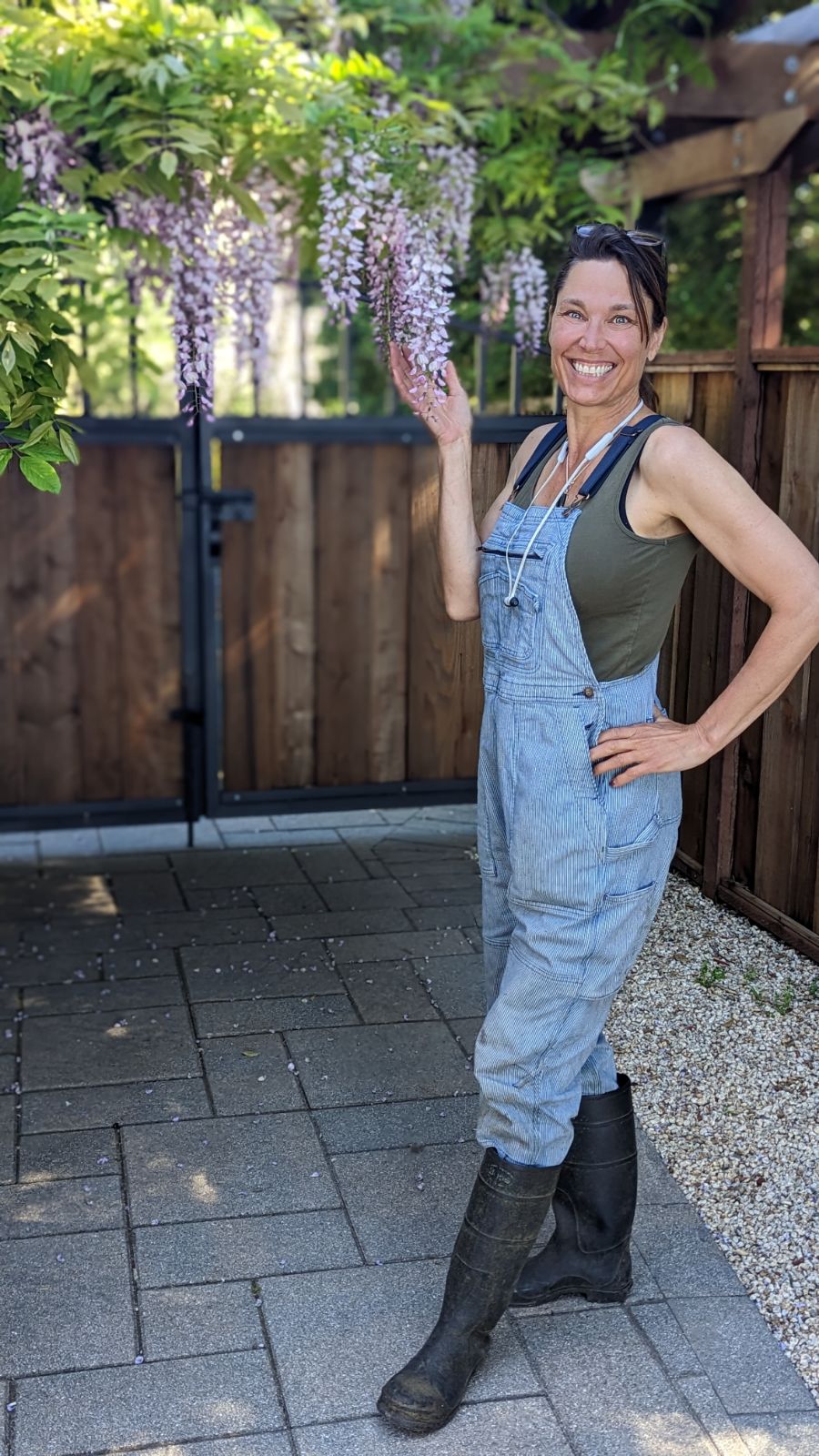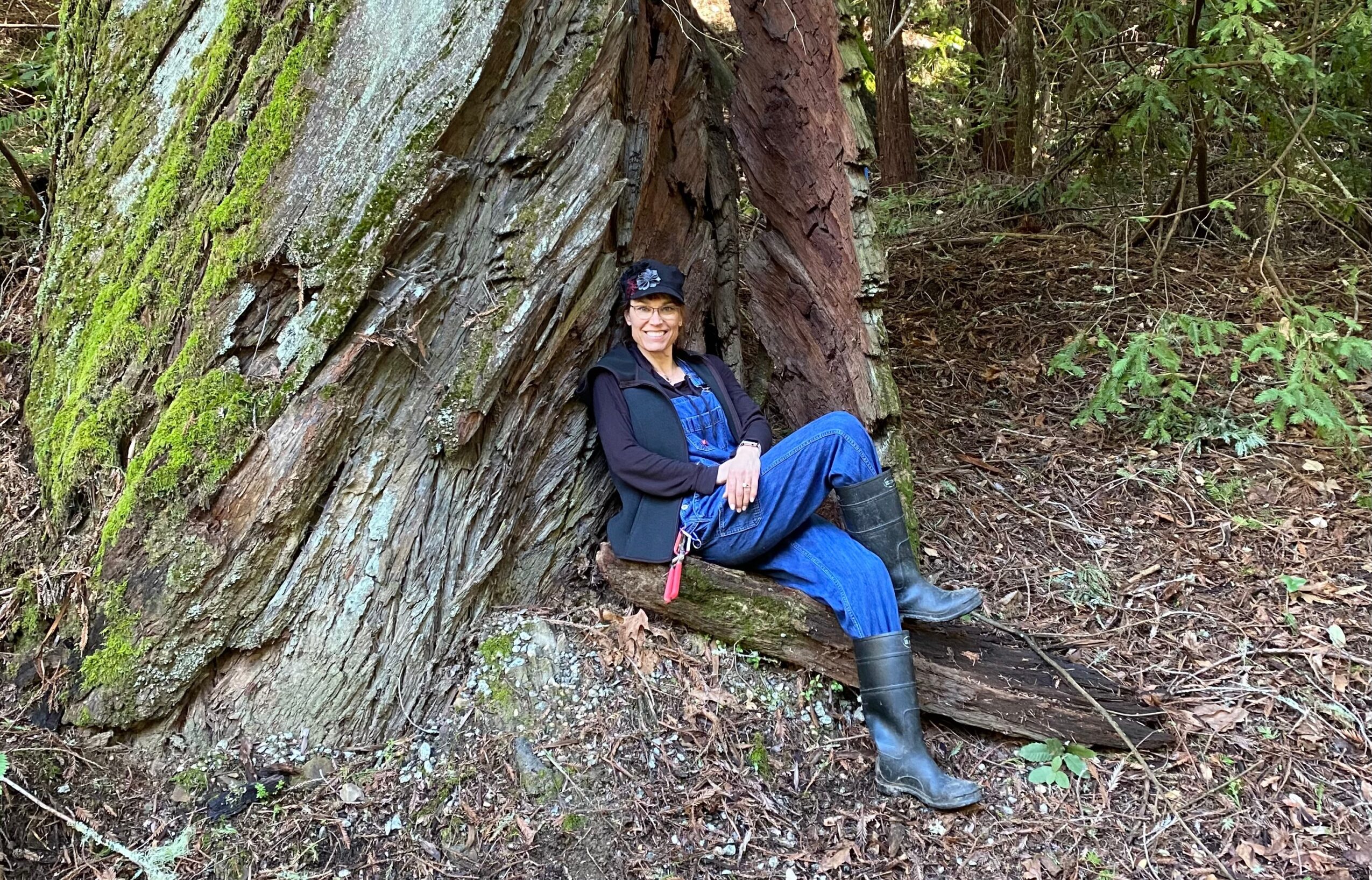





Today we’d like to introduce you to Patty Purpur De Vries.
Hi Patty, so excited to have you with us today. What can you tell us about your story?
The thread running through my life has always been a fascination with human potential: What helps people become stronger, healthier, and more fully themselves?
I grew up in Grand Forks, North Dakota, where sports became my first classroom. Athletics taught me discipline, resilience, and the extraordinary capacity of the mind and body to change through practice. I came to California on a full athletic scholarship to Stanford University, became a nine-time NCAA All-American in the shot put and discus, competed in the 1988 Olympic Trials, and earned my degree in psychology.
Although I did not know it at the time, those experiences laid the foundation for everything that followed. I became deeply interested not only in performance, but in what allows people to thrive over a lifetime.
In 1995, I founded TimeOut Services, a corporate wellness company. What began as an idea grew into a business with more than 100 employees and approximately $5 million in annual revenue, serving organizations such as Google, Cisco, Yahoo!, Safeway, and KLA-Tencor. In 2009, I sold the corporate wellness division and our Community BootCamp program to Plus One, now part of Optum.
A few years later, I returned to Stanford, where I spent a decade helping shape wellness strategy across Stanford University, Stanford Health Care, Stanford Children’s Health, and SLAC National Accelerator Laboratory. I also had the opportunity to help create the Stanford Medicine Model of Professional Fulfillment. That work gave me a front-row seat to an important truth: Even the most accomplished people can become disconnected from themselves. Achievement does not automatically create meaning, peace, or well-being.
After leaving Stanford in 2022, I began listening more closely to the question that had followed me throughout my life: What do people truly need in order to live well?
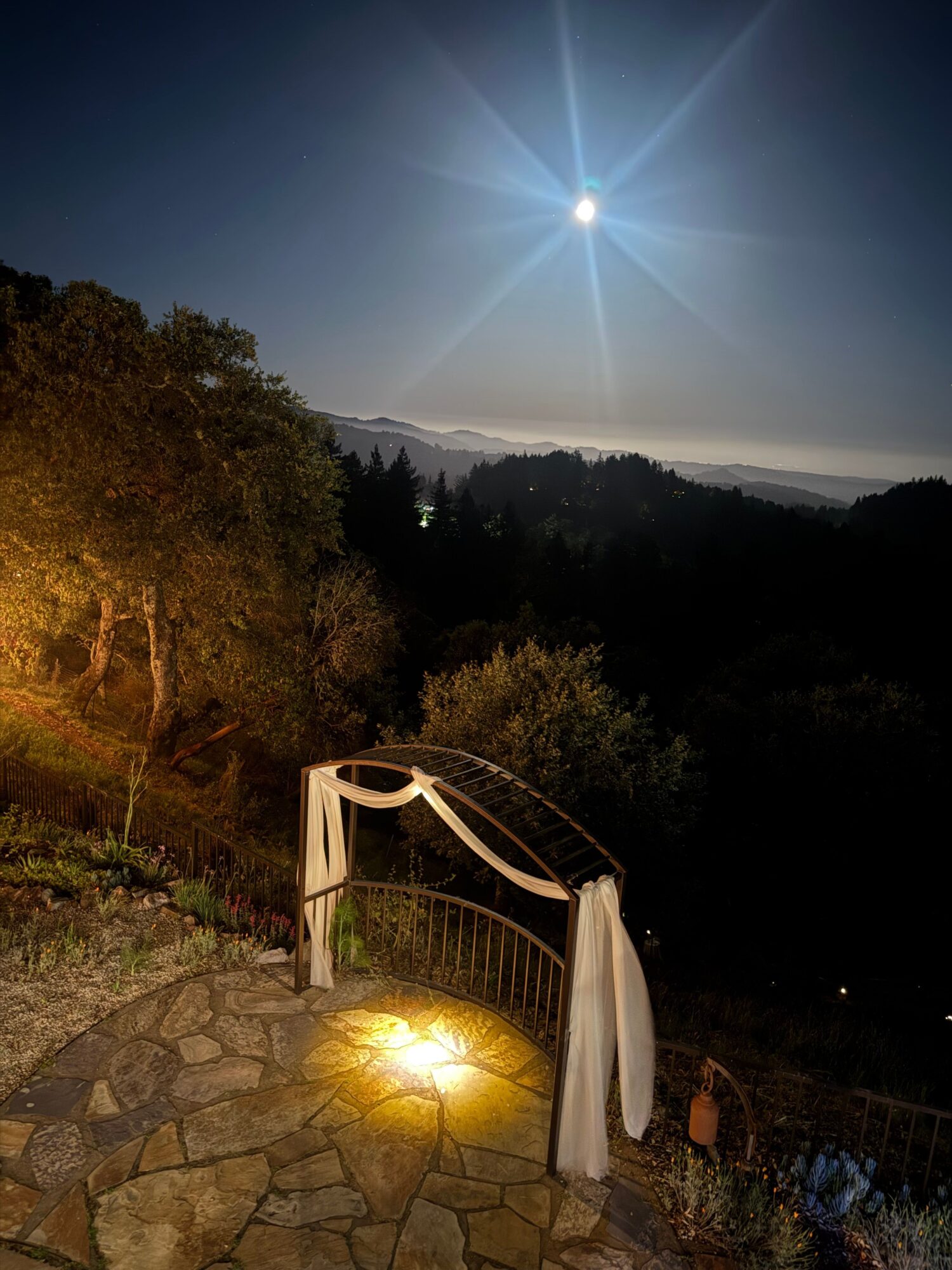
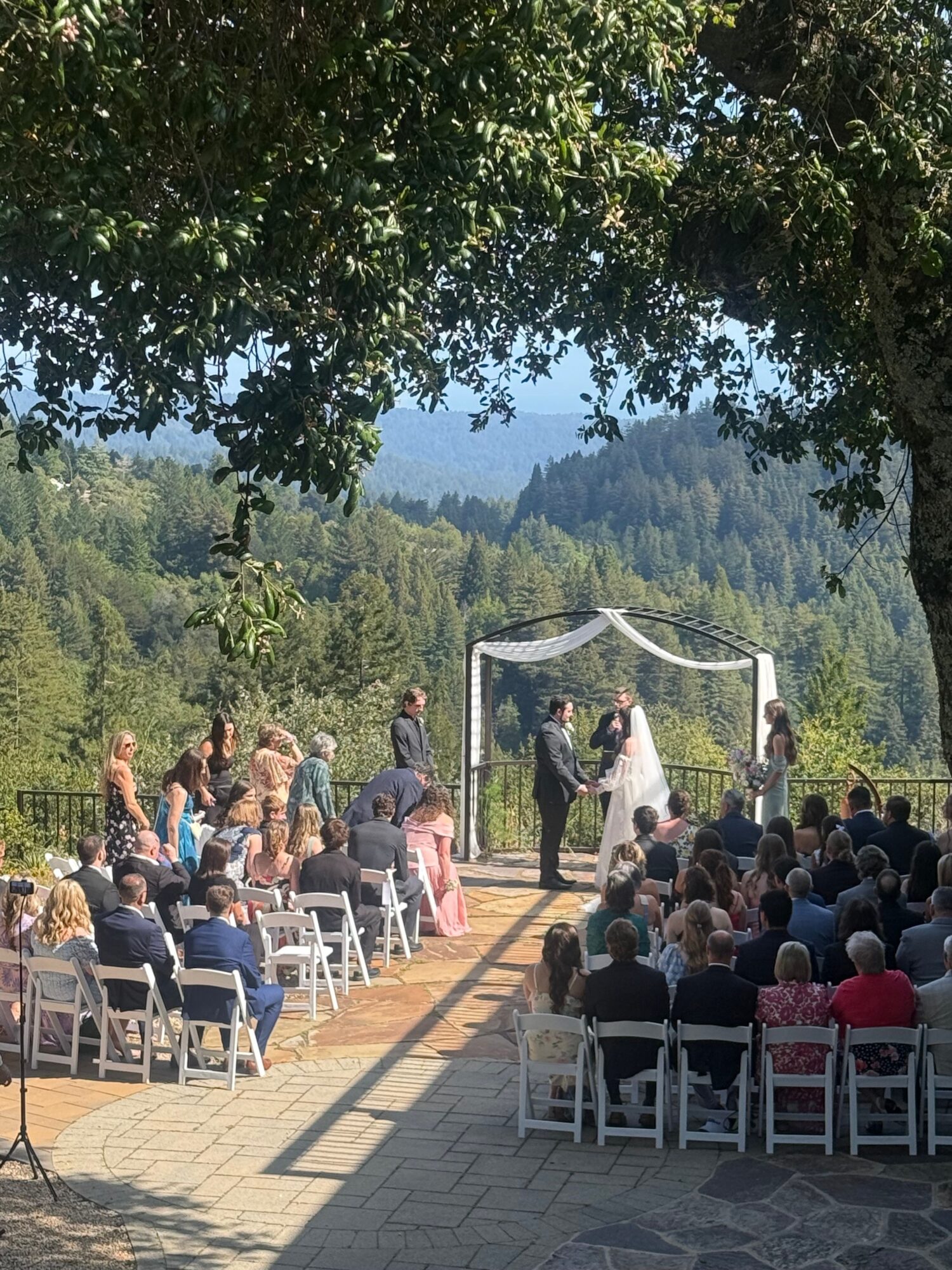
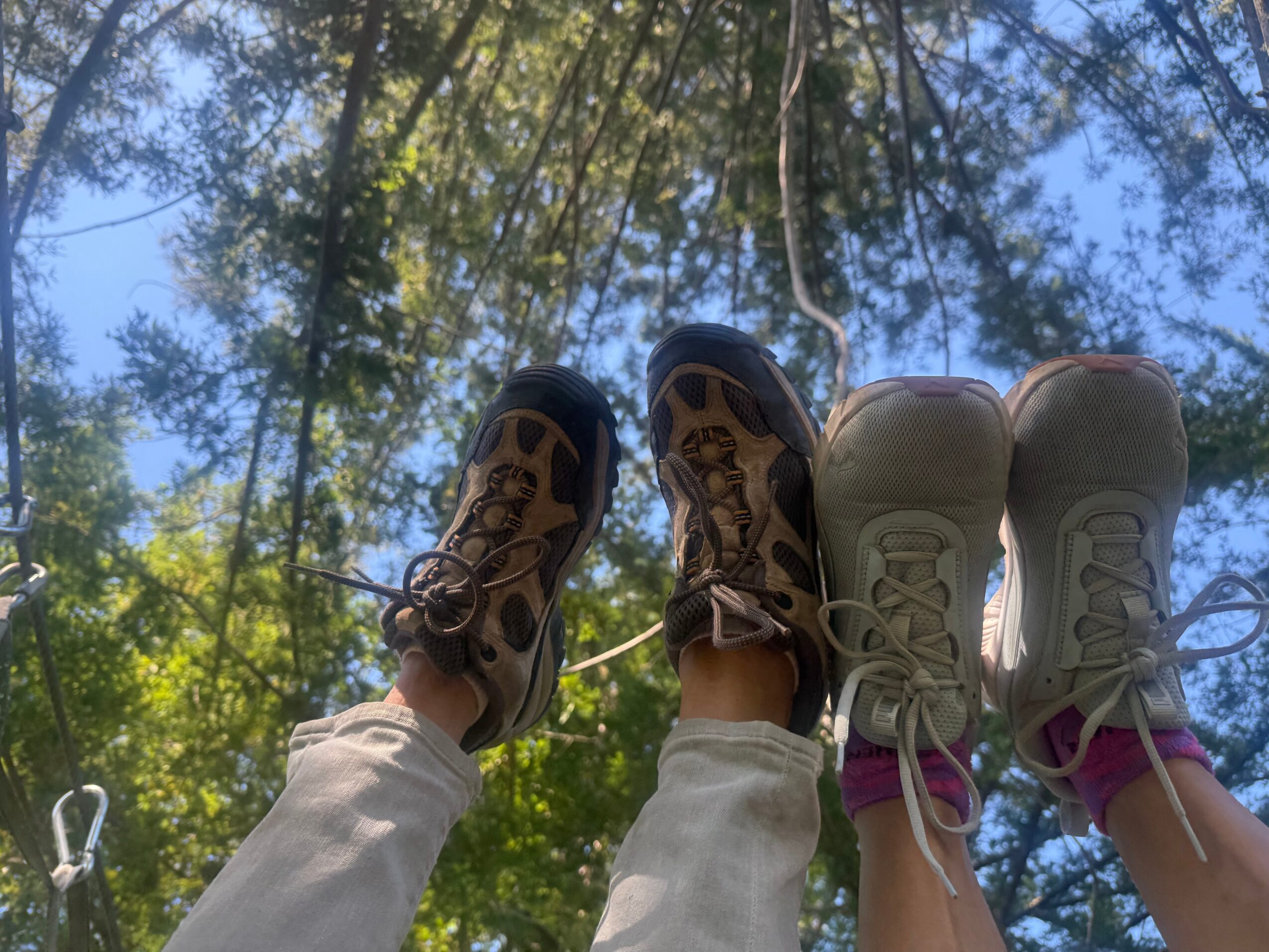
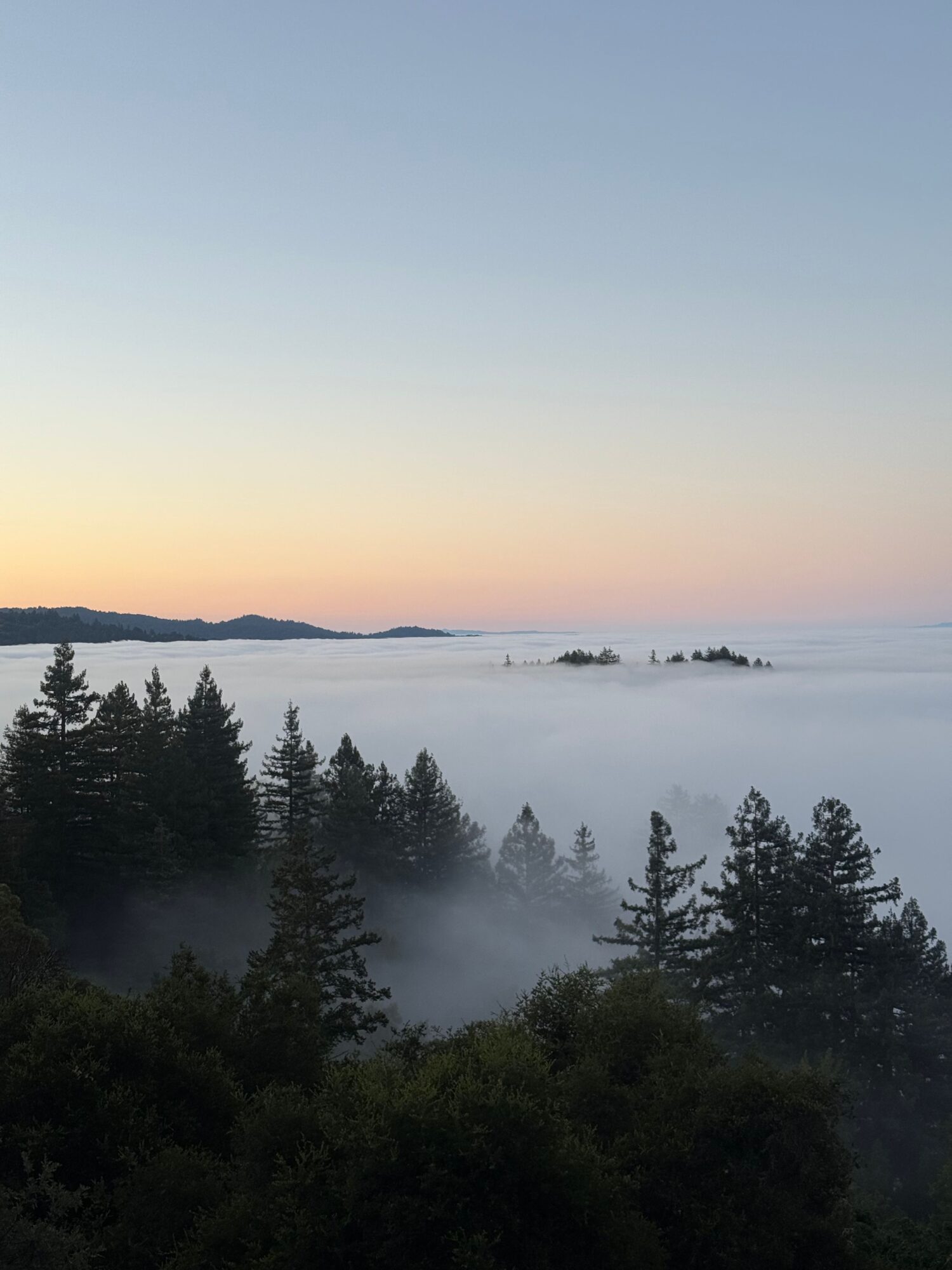
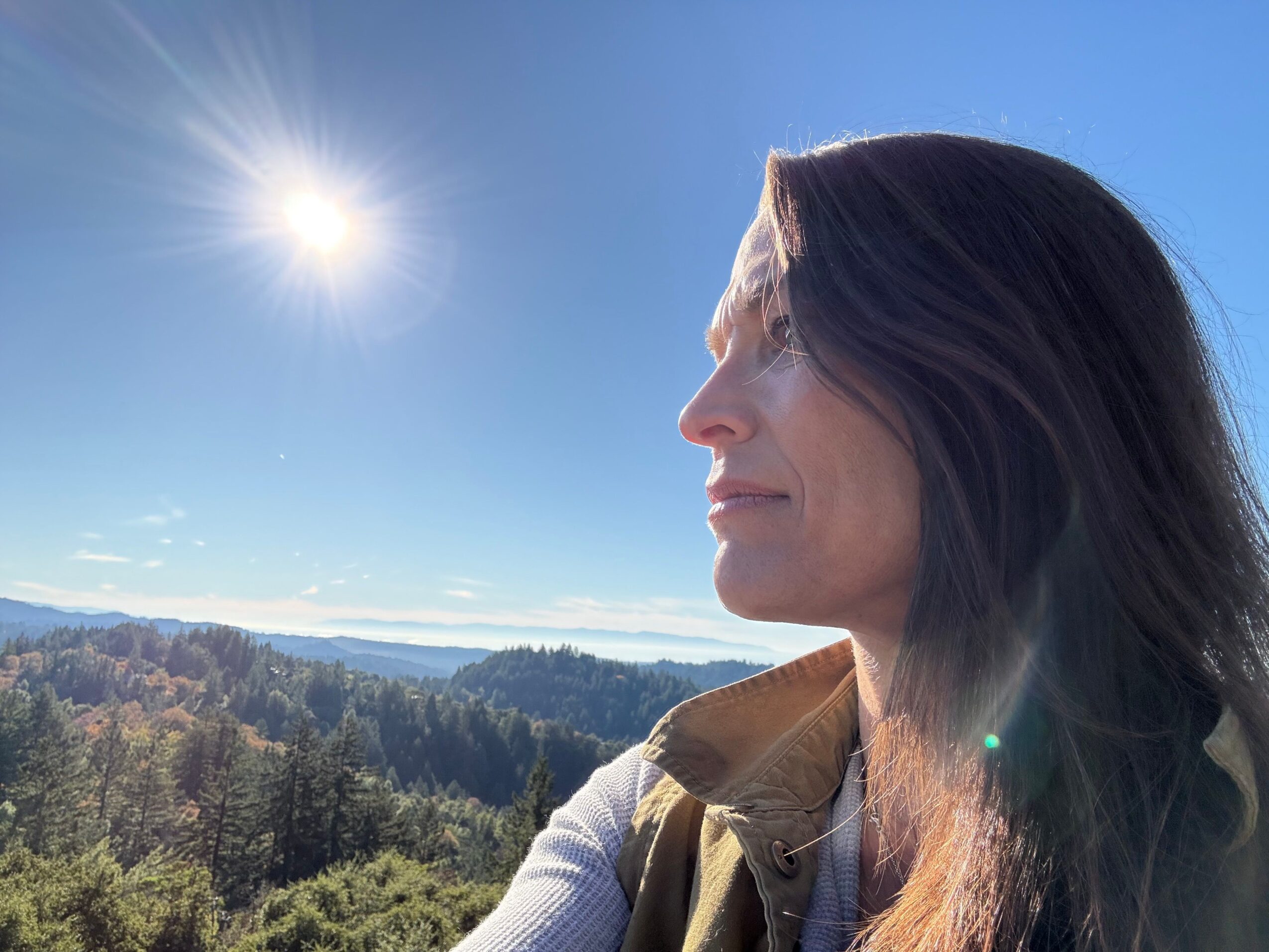
That question led my husband, Greg, and me to create Living Well USA on four and a half acres in the Santa Cruz Mountains. We have transformed the land into a sanctuary where individuals, families, and teams can step away from the noise of daily life, reconnect with nature, regulate their nervous systems, and remember what matters most.
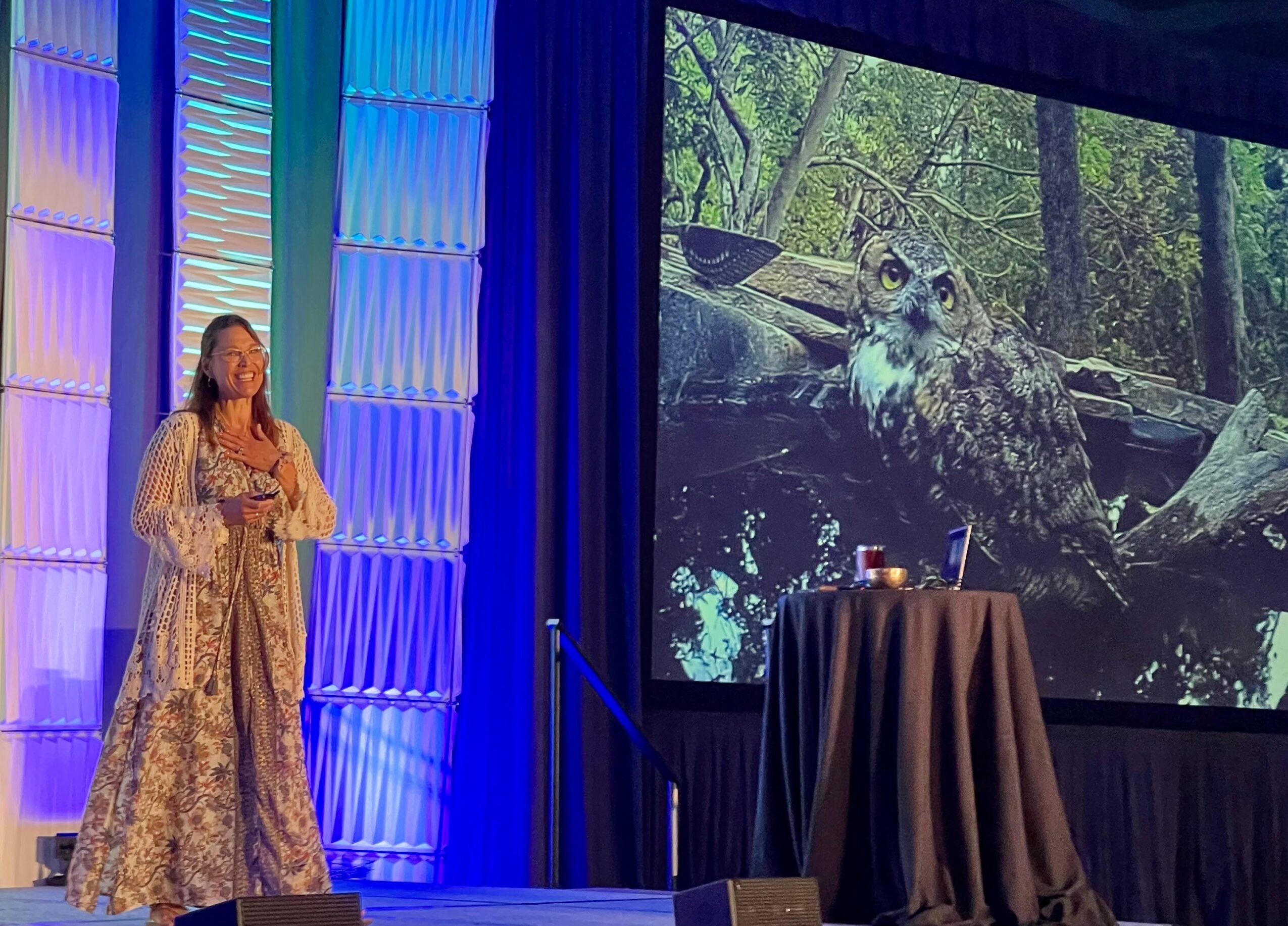
Today, I teach, write, speak, host retreats, and guide leaders through the neuroscience of attention, emotional mastery, conscious choice, and human connection. My Stanford Continuing Studies course, *The Neuroscience of Leadership and Emotional Mastery*, brings together decades of experience in psychology, wellness, leadership, and behavior change. My work is organized around six simple practices: **Observe. Honor. Discern. Choose. Connect. Create.**
I have come to believe that living well is not something we achieve once. It is a practice. It begins when we learn to observe our thoughts, honor what has shaped us, discern what is true, choose where we place our attention, connect more meaningfully, and consciously create what comes next.
Looking back, my path has taken me from the fields of North Dakota to Stanford, entrepreneurship, corporate leadership, teaching, and finally to this sanctuary in the mountains. Each chapter has taught me something different, but they have all led to the same purpose: helping people recognize their inner authority and create lives, relationships, and communities in which more of us can thrive.
Can you talk to us a bit about the challenges and lessons you’ve learned along the way. Looking back would you say it’s been easy or smooth in retrospect?
It never is a smooth road (and think how dull that might be!) I am grateful for that now, because many of the most meaningful parts of my work were shaped by the difficult seasons.
As an athlete, I learned early that effort does not always guarantee the outcome you hope for. Competition taught me how to work hard, but it also exposed me to disappointment, self-doubt, comparison, and the pressure to prove my worth through performance. For many years, achievement was one of the primary ways I understood success.
Entrepreneurship brought a different set of challenges. Building a company from the ground up required courage, sacrifice, and an enormous amount of energy. There were financial pressures, difficult decisions, long hours, and the responsibility of supporting employees and clients while also raising a family. Even as the company grew, I learned that outward success does not eliminate uncertainty or fear.
My years working within large institutions also revealed how difficult meaningful change can be. I met many brilliant, caring, highly accomplished people who were exhausted, disconnected, or struggling silently. I came to understand that wellness cannot simply be added to a system as another program or responsibility. The culture, expectations, relationships, and environment surrounding people matter deeply.
Leaving Stanford after a decade was another major transition. So much of my identity had been connected to the university—as a student-athlete, graduate, employee, and leader. Stepping away required me to release a respected role and listen for what was next, even before I could clearly see it.
There have also been personal seasons of grief, uncertainty, changing relationships, and questioning beliefs I had carried for years. I have had to examine the stories I inherited about success, productivity, belonging, and worth. I have learned that sometimes the hardest work is not becoming someone new; it is letting go of who we believed we had to be.
Those struggles ultimately became part of the foundation for Living Well USA. They taught me that resilience is not about pushing through everything alone. It is about learning to pause, regulate, reflect, ask better questions, receive support, and make a new choice.
The road has not been straight or easy, but it has been deeply instructive. Each challenge has invited me to become more honest, more compassionate, and more intentional. Today, I do not teach from the belief that I have life perfectly figured out. I teach from decades of practice, and from the understanding that we can honor everything that has brought us here while still choosing to create something different.
Thanks for sharing that. So, maybe next you can tell us a bit more about your work?
I think of myself as an artist whose mediums are **land, experience, neuroscience, and human possibility**.
Professionally, I teach, write, speak, and create transformational experiences for individuals, leaders, families, and teams. My work brings together psychology, neuroscience, nature, leadership, and decades of experience in human well-being. I help people understand how attention, emotion, nervous-system regulation, and repeated thought patterns shape the lives they experience—and how they can begin creating something more intentional.
Yet some of my most meaningful creative work has taken place outside any traditional office or classroom.
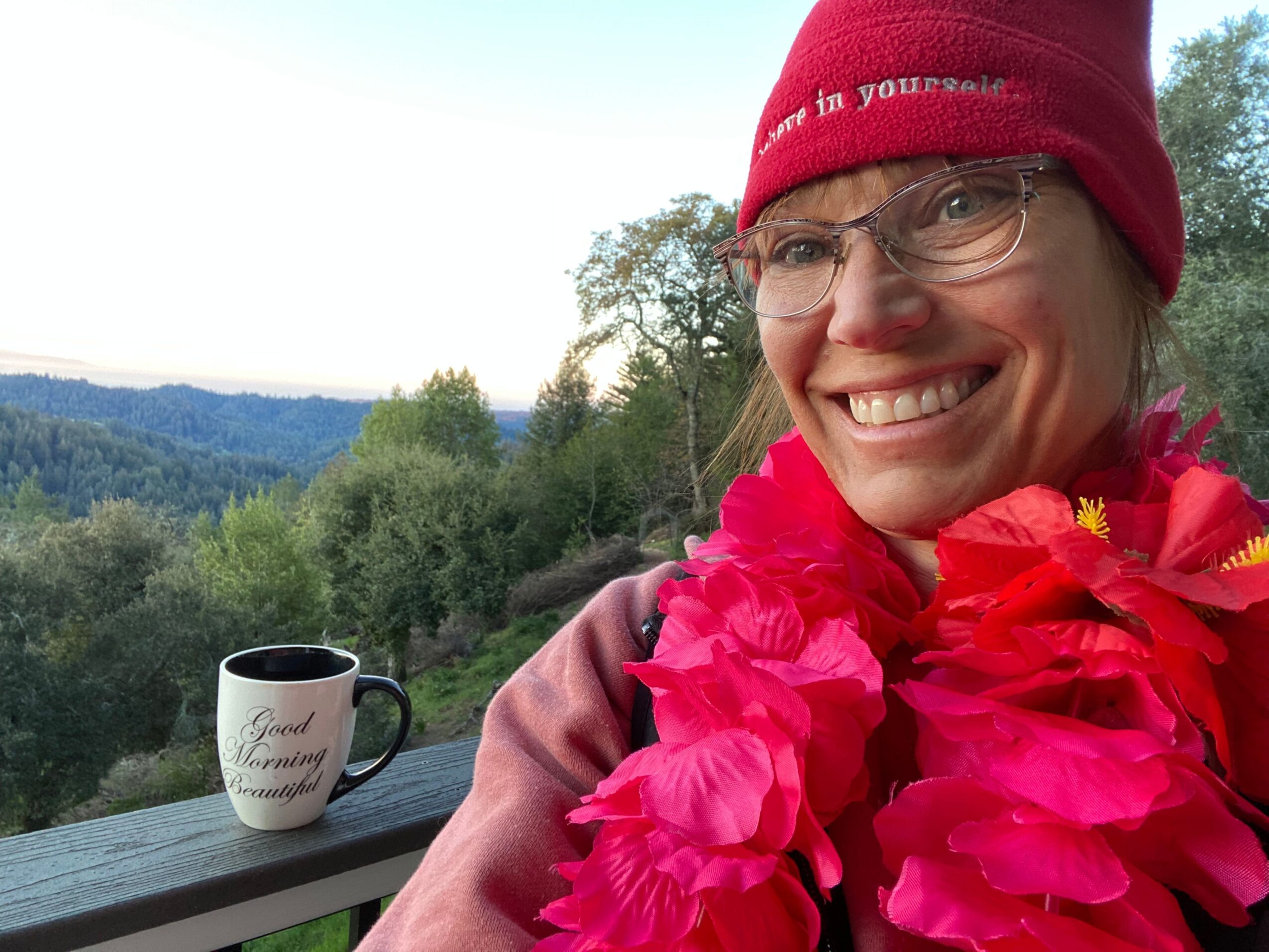
For the past six years, I have been shaping four and a half acres in the Santa Cruz Mountains into what is now **Living Well USA**, a sanctuary for reflection, connection, learning, and renewal. When I first began working on the property, I did not have a detailed business plan. I simply felt pulled to care for the land. There was an inner sense of, *“If you build it, they will come.”*
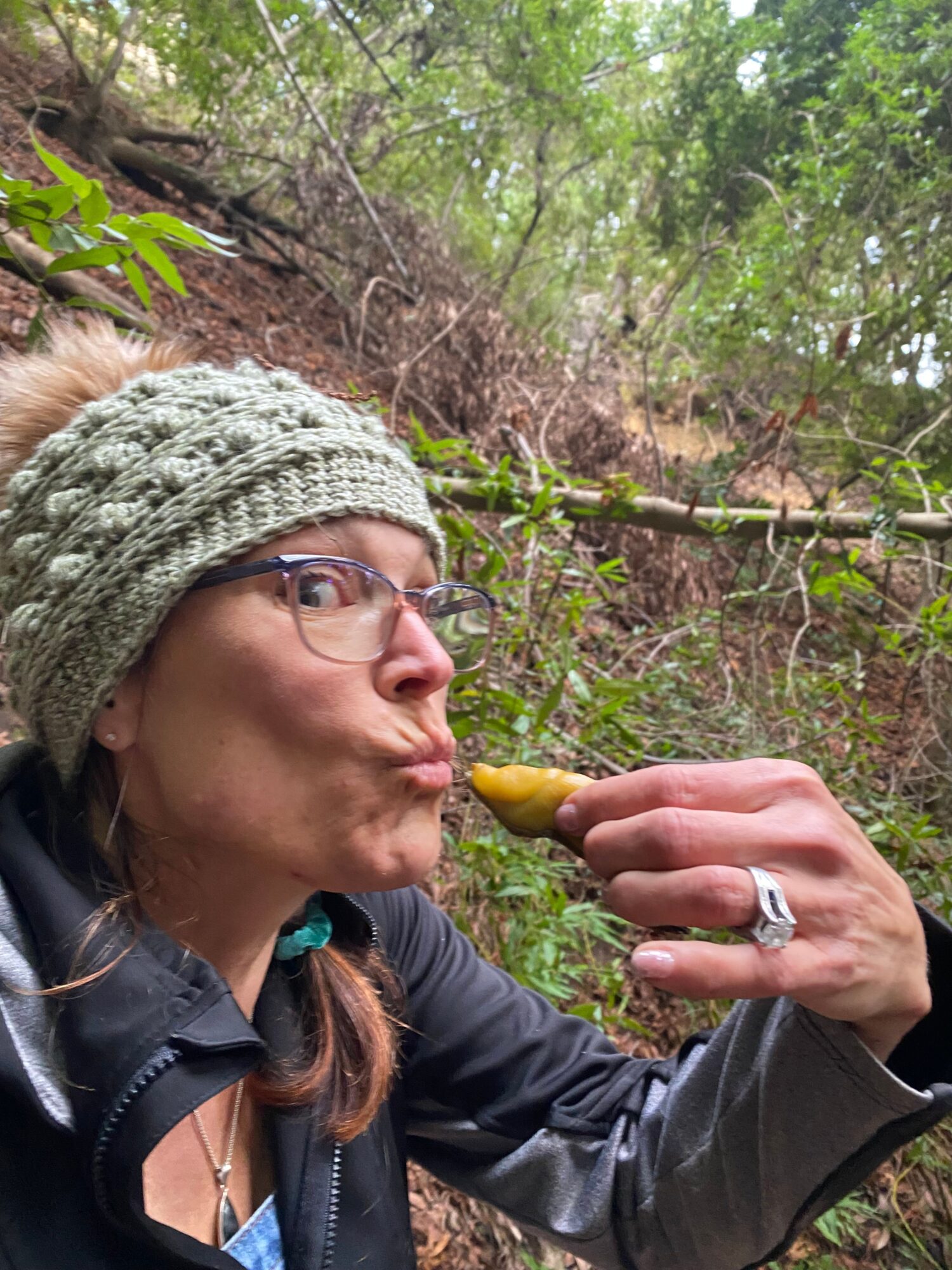
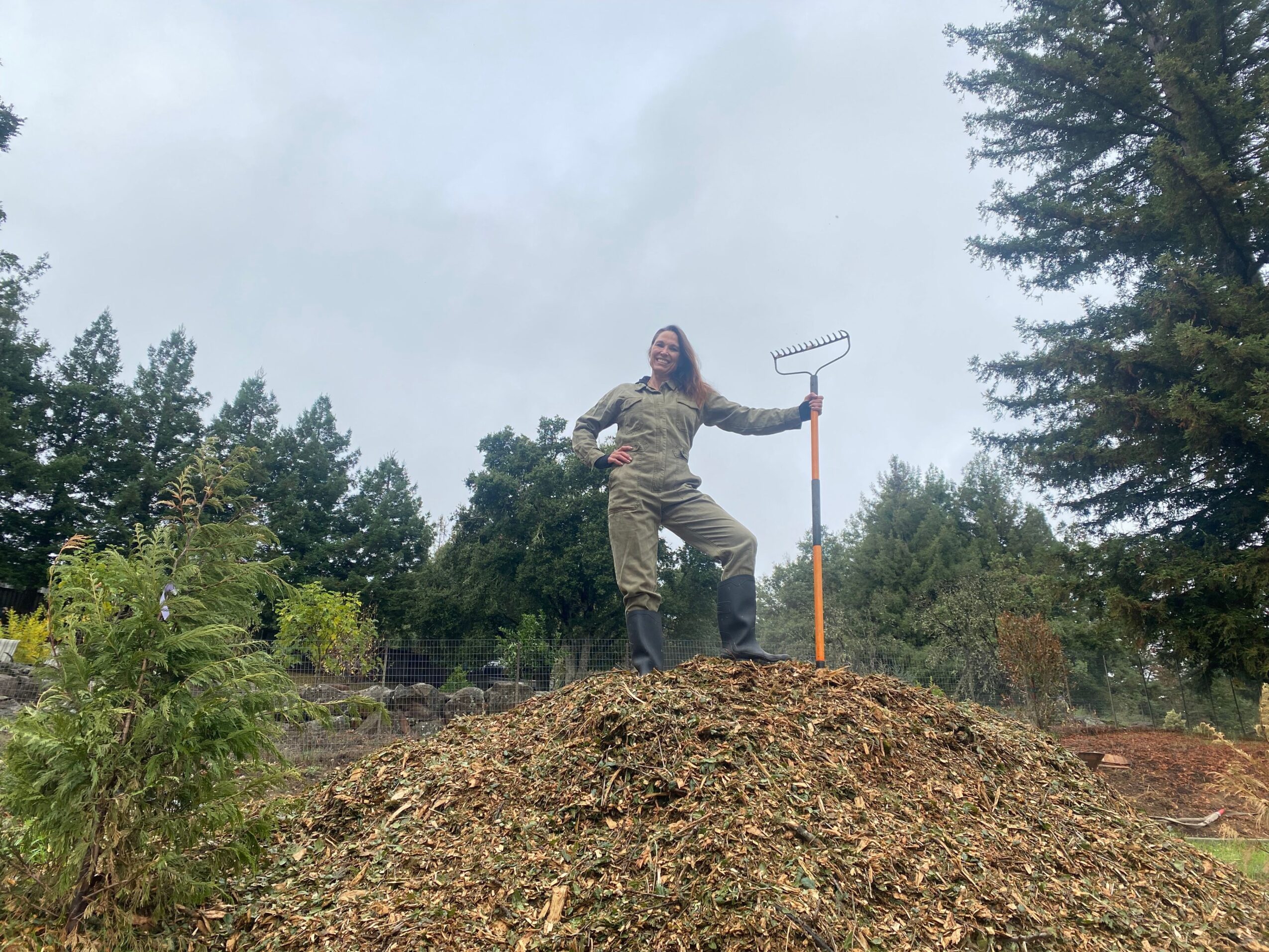
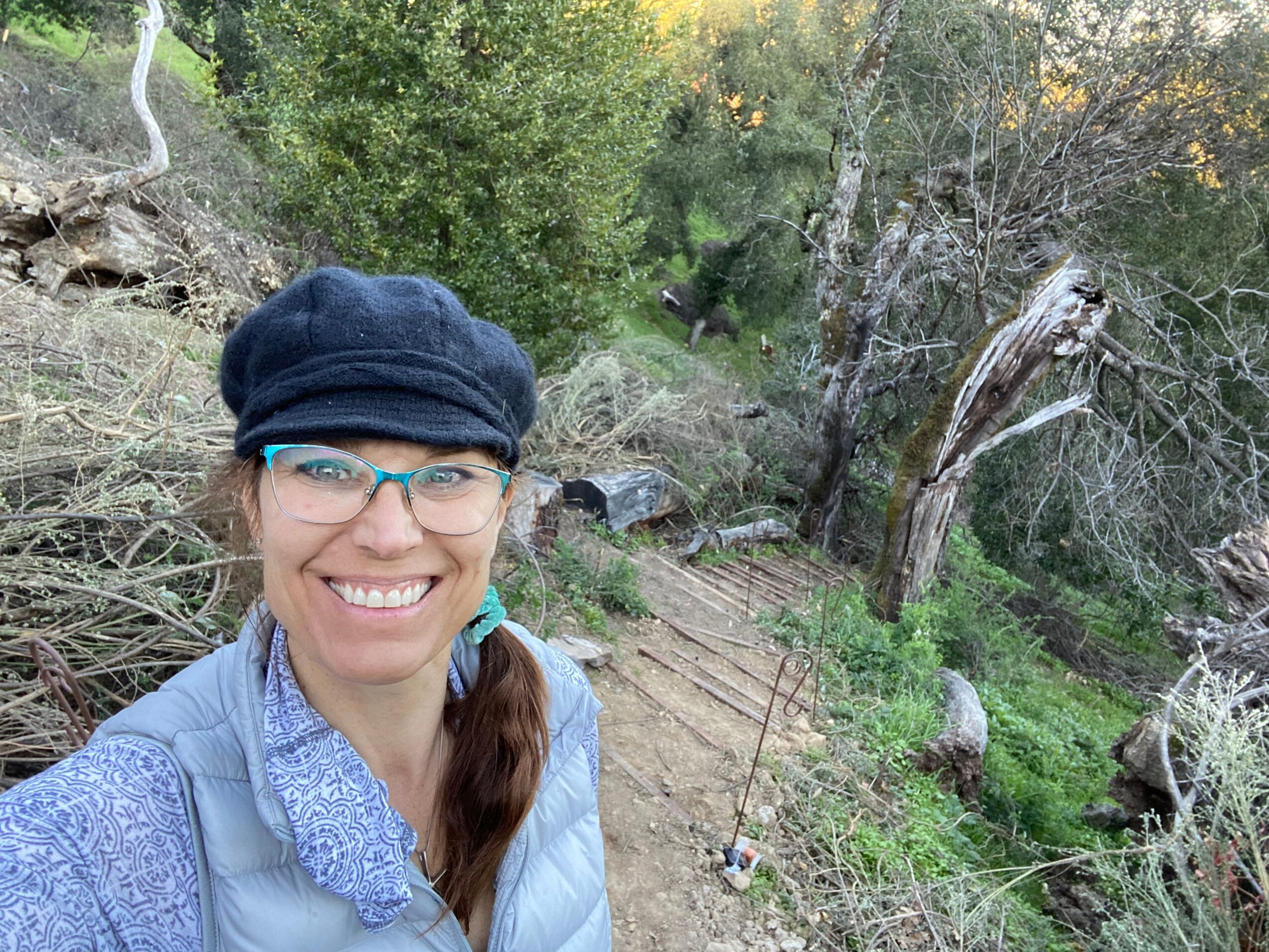
I spent thousands of hours in solitude pulling weeds, clearing brush, moving stones, uncovering pathways, and imagining places where people might someday gather. I created trails, reflection spaces, and more than 500 steps that now allow guests to move through the forest and reach the natural spring we call **the Living Well**.
The land became both my canvas and my teacher.
Earlier in my life, when I was focused primarily on conventional measures of success—titles, achievement, productivity, and recognition—I could not fully see the value of the forest. It did not appear productive in the way the world often defines productivity. Yet as I worked quietly among the redwoods, oaks, madrone, and bay laurel, I began to understand that I was not only transforming the property. The property was transforming me.
Neuroscience has helped me recognize that this is what we are all doing throughout our lives. Our brains continually change in response to what we repeatedly think, practice, notice, and choose. We shape our environments, our relationships, our habits, and our stories—and those things shape us in return.
In that sense, **we are all artists**.
We create through what we tend. We create through the attention we give, the words we speak, the spaces we shape, the relationships we nurture, and the choices we make each day. We may not control every circumstance or every mark placed upon the canvas of our lives, but we can pause, observe what is here, honor what has shaped us, and decide what we would like to create next.
What I am most proud of is that Living Well USA was not created by imposing a vision upon the land. It emerged through listening, patience, physical work, imagination, and collaboration with nature. Every trail, staircase, gathering place, and quiet corner carries that story.
What sets my work apart is the integration of science with lived experience. I do not simply teach people about the brain; I create environments where they can feel what becomes possible when the nervous system settles, attention broadens, and we reconnect with ourselves, one another, and the natural world.
My life’s work is helping people remember that they are not merely observers of their lives. They are participants in their creation.
**Our lives are living works of art—and they are never finished.**
We’d love to hear about any fond memories you have from when you were growing up?
My favorite childhood memory is not one single moment, but a feeling of quiet freedom of exploration.
I remember exploring the forests and many lakes in Minnesota, exploring a museum in Canada were I loved the ship called the Nonesuch, and visiting new place where we fed the deer (somewhere in South Dakota). When my parents took me on adventures, the world seemed wide, spacious, and full of possibility. I was always with someone older than me and I think what made those experiences so meaningful was the way safety, curiosity, and playfulness came together.
I felt protected, but not directed. I was free to notice, imagine, wander, and let my thoughts be my own. There was no pressure to perform or become anything. I could simply explore.
Looking back, I realize how much those quiet days shaped me. They taught me that open space can create inner space, and that when we feel safe, curiosity naturally comes alive. Some of my deepest work today is rooted in that same experience: creating places where people can slow down, reconnect with themselves, and rediscover their own sense of wonder.
Perhaps that is what I loved most as a child—the feeling of being safely held by the people around me while still being completely free to discover the world for myself.
Contact Info:
- Website: https://livingwellusa.com/
- Instagram: https://www.instagram.com/livingwellca/
- Facebook: https://www.facebook.com/pattypurpurdevries
- LinkedIn: https://www.linkedin.com/in/pattydevries/
- Youtube: https://www.youtube.com/@livingwellUSA
- Other: https://livingwelleventcenter.com/