




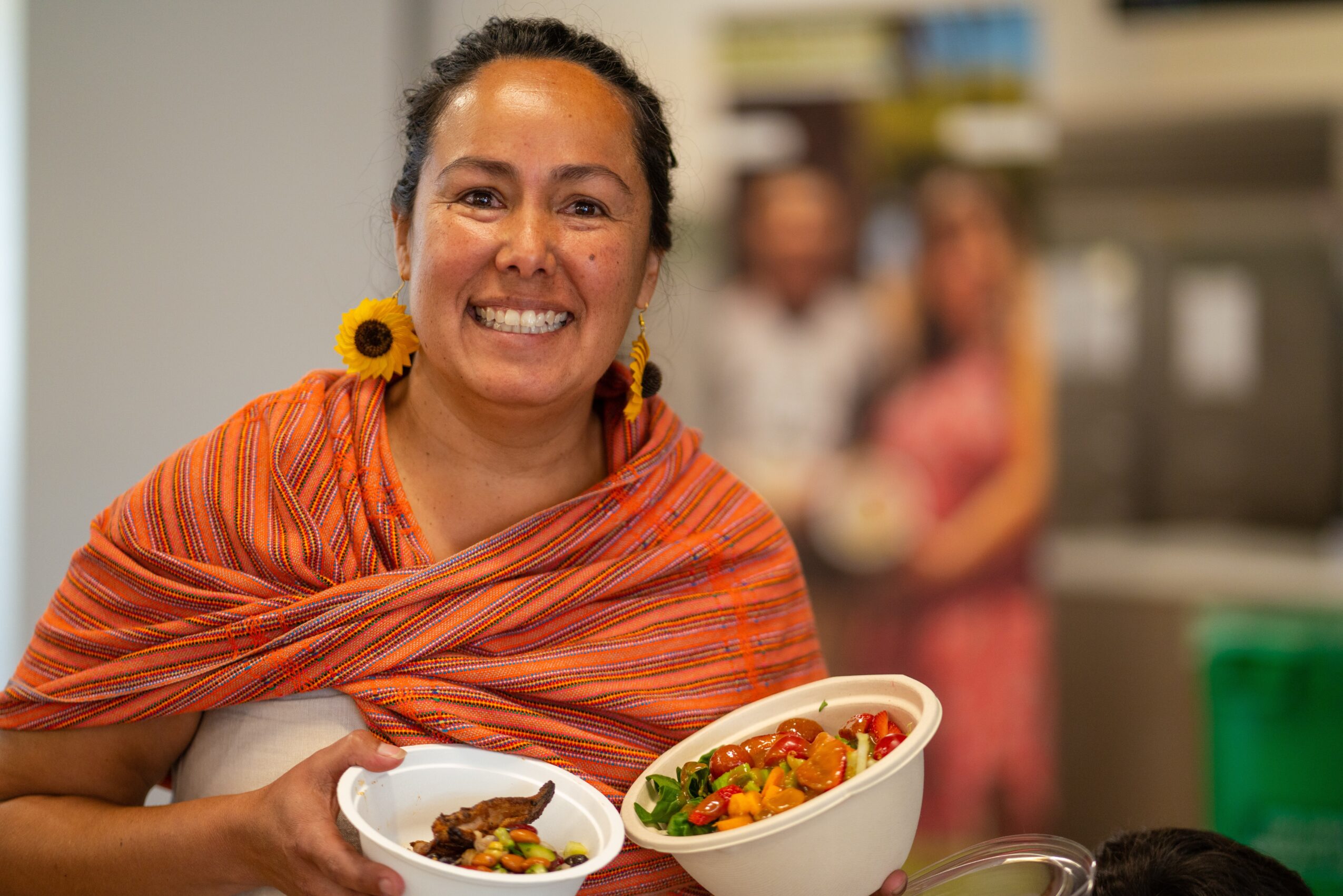
Today we’d like to introduce you to Mireya Gomez-Contreras.
Hi Mireya, so excited to have you on the platform. So before we get into questions about your work-life, maybe you can bring our readers up to speed on your story and how you got to where you are today?
I am a first generation Xicana who grew up picking different crops with my parents. We are originally from Colima and Jalisco Mexico. When I was growing up I didn’t know I’d end up happily in the agriculture industry, and much less in the more ORGANIC branch. The story of how I got here is more common than you might think. I remember vividly the smell of fresh soil after a rain, the numbing freezing mornings when it was time to prune the grape vines, the comforting smell of instant coffee my parents drank before entering the workfield to pick bell peppers, watermelon, cherry, almonds, asparagus and other crops. I remember my numb fingertips under my two pairs of gloves and how much they hurt when I’d bend my fingers around the pruners as my mom expected me to learn how to work the fields not so much because I needed to help bring in more money but because she loved it so much that she wanted to make sure I too fell in love with the beauty and abundance of the natural world. I did. My mom would be proud. I graduated with a BA in Sociology and a minor in Education from UC Santa Cruz even though I entered with a wish to become a biologist; the hard sciences proved to be difficult for me. But when I found sociology I was at home. The world around me keeps my attention no matter where I am or what I’m doing. I feel blessed to be working as the Executive Director of an organic community farm where I put into action the dignity that my parents were pressured to lose as immigrants in the USA. I find myself working to unite people around a common universal cause – growing healthy food with justice, dignity and joy for all beings in the world.
Can you talk to us a bit about the challenges and lessons you’ve learned along the way. Looking back would you say it’s been easy or smooth in retrospect?
The road has been what it is. I have had low times and high times like everyone experiences. My lows were significant and showed up without warning. My sisters and I fell into the foster care system when I was 13. Wendy was 12 and my sister Erica was 6. For the nex decade we found ourselves in several different homes and eventually fell through the cracks. of the system. In everyday terms it looked like my sisters and I living in one room with the only anchor being school. I found caring friends; my sister did not. My other sister suffered even more. Now as adults with our own families we look back and feel lucky to have survived with most of our values in tact. I can’t think or describe the road without thinking of my sisters’ road – they are intertwined. I struggled as a university student because at my high school, one of the results of having outdated science books and many distractions was not having been taught to study. So at UCSC I took several classes and the shock of wealth made reassured me that the teaching of the brown beret mtgs I went to in high school were more real than I knew. I struggled along with my sisters when our parents died when we were in high school. That’s how we ended up in the foster care system. And later as an adult with children I became a widow just before COVID hit.
Professionally I have found it difficult to navigate an organization that stands for fairness while it exists in a broader system that perpetuates unfairness. Currently I’m struggling with finding employees that care about the environmental crisis and racism.
Can you tell our readers more about what you do and what you think sets you apart from others?
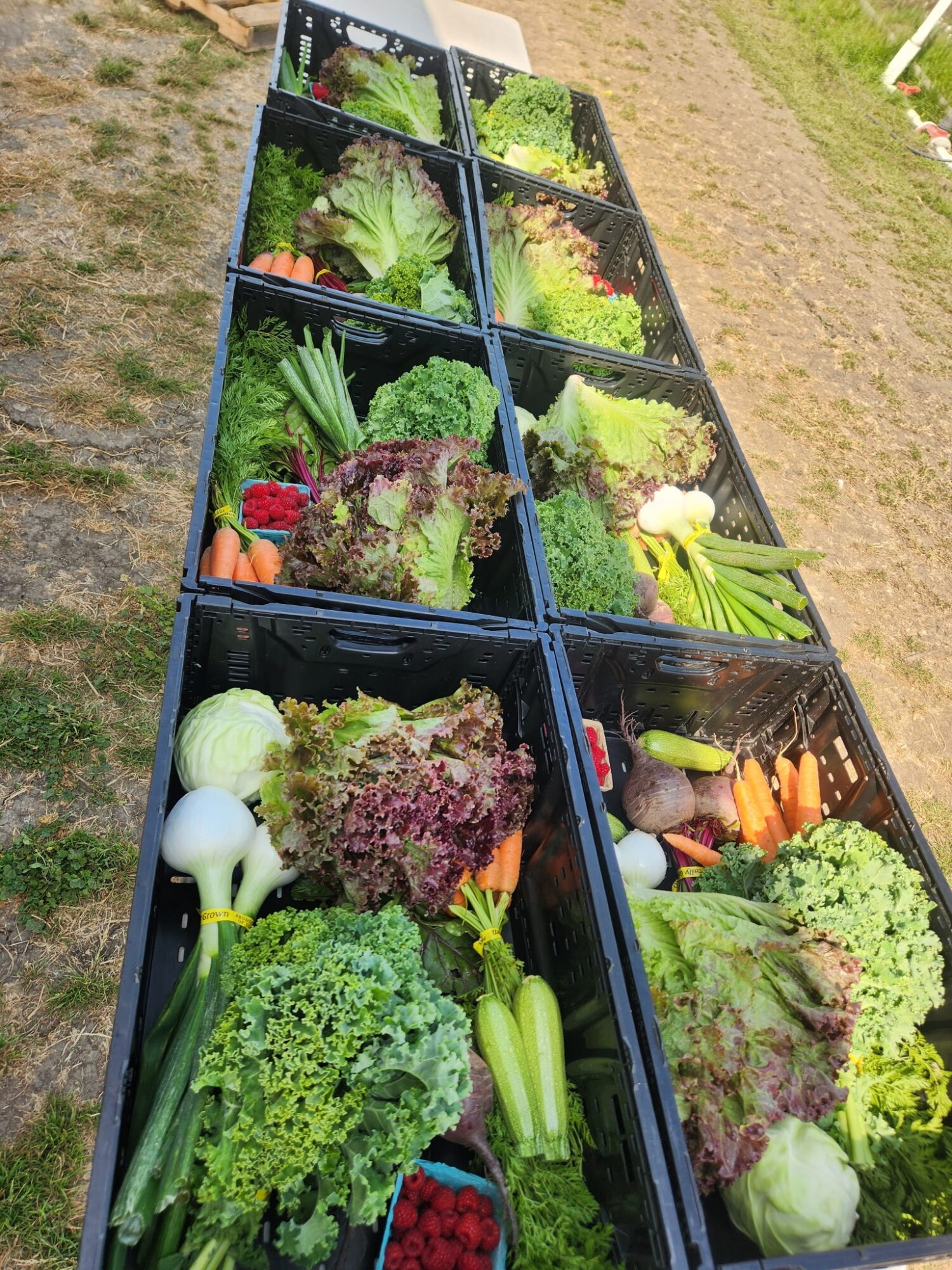
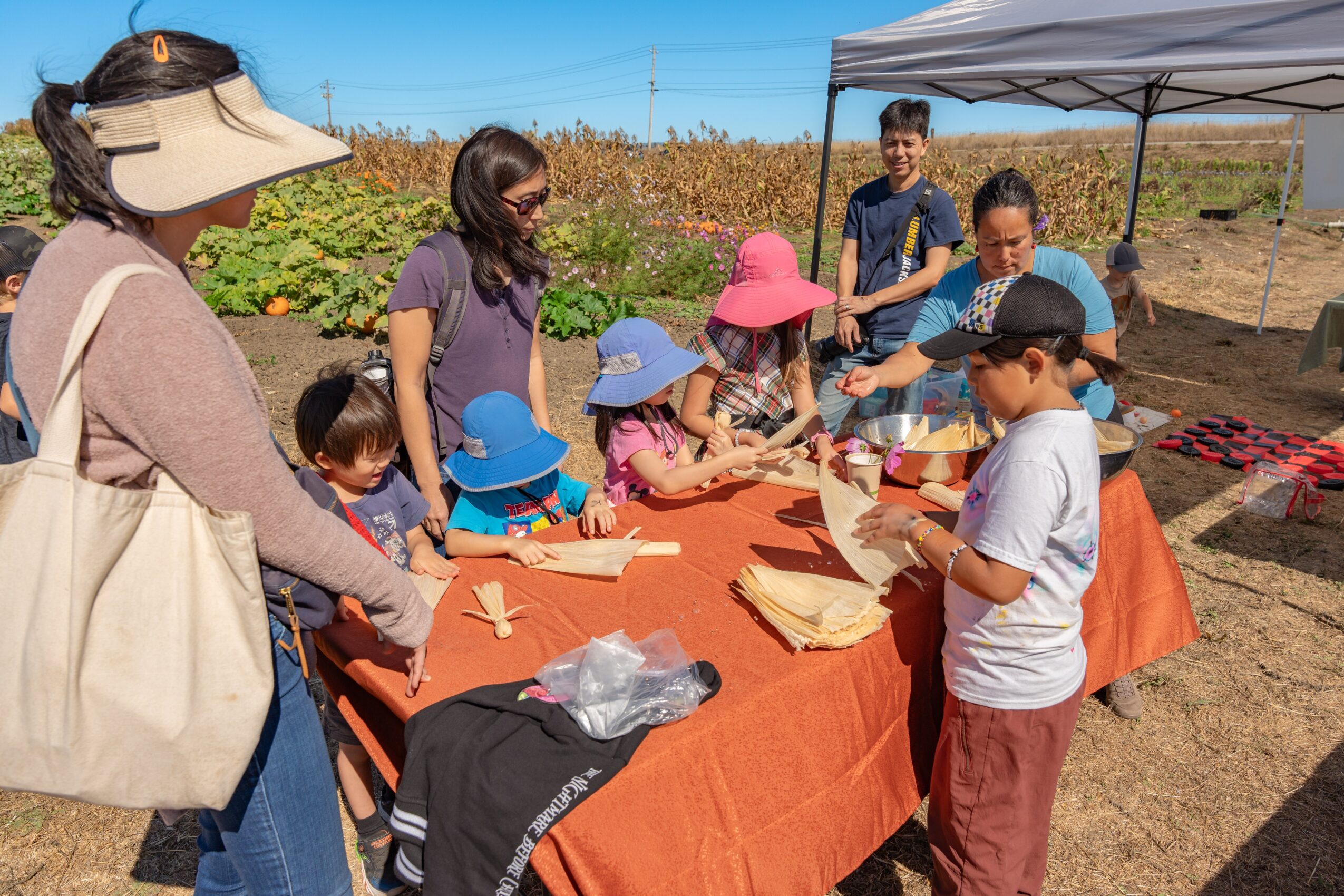
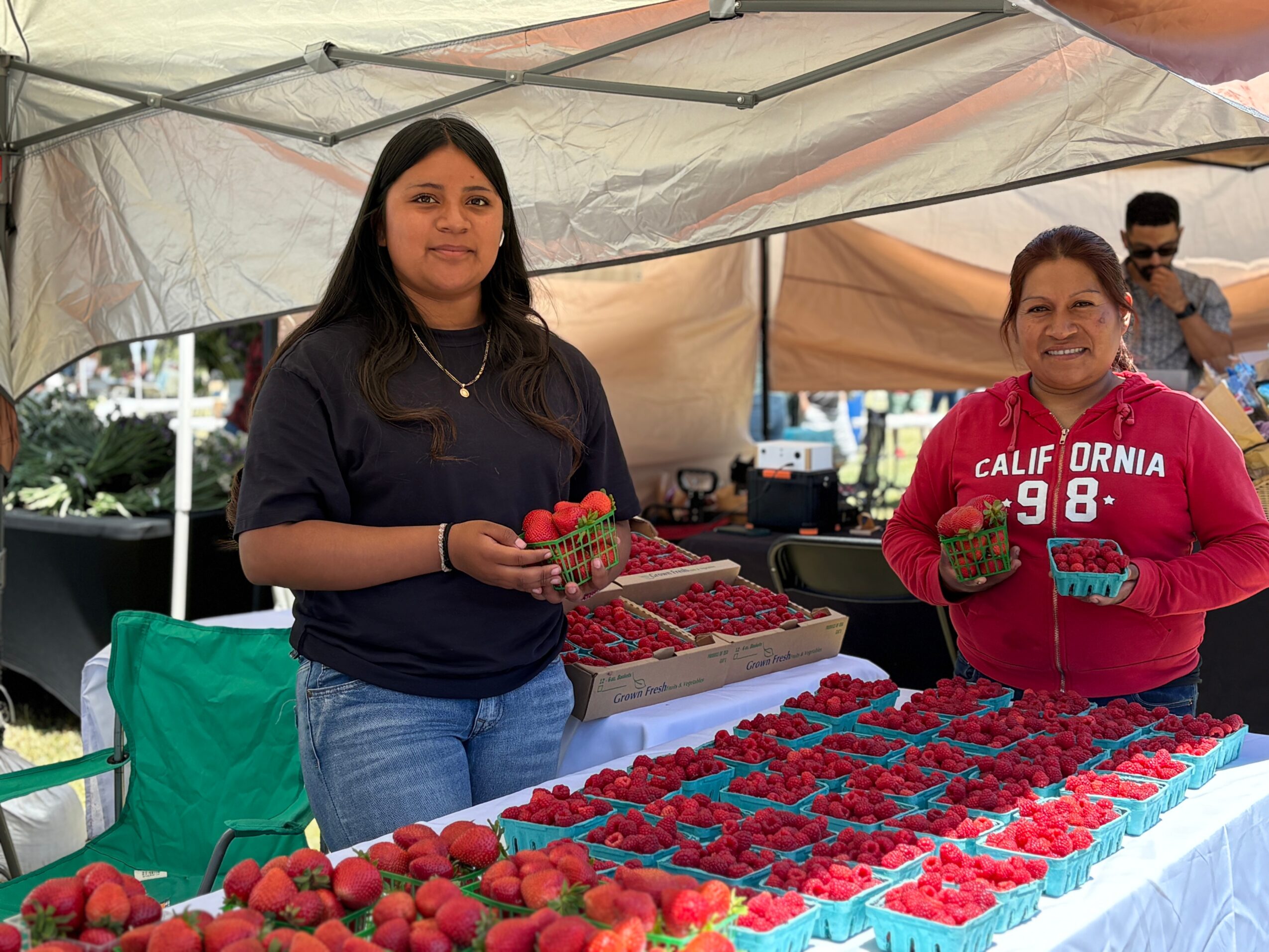
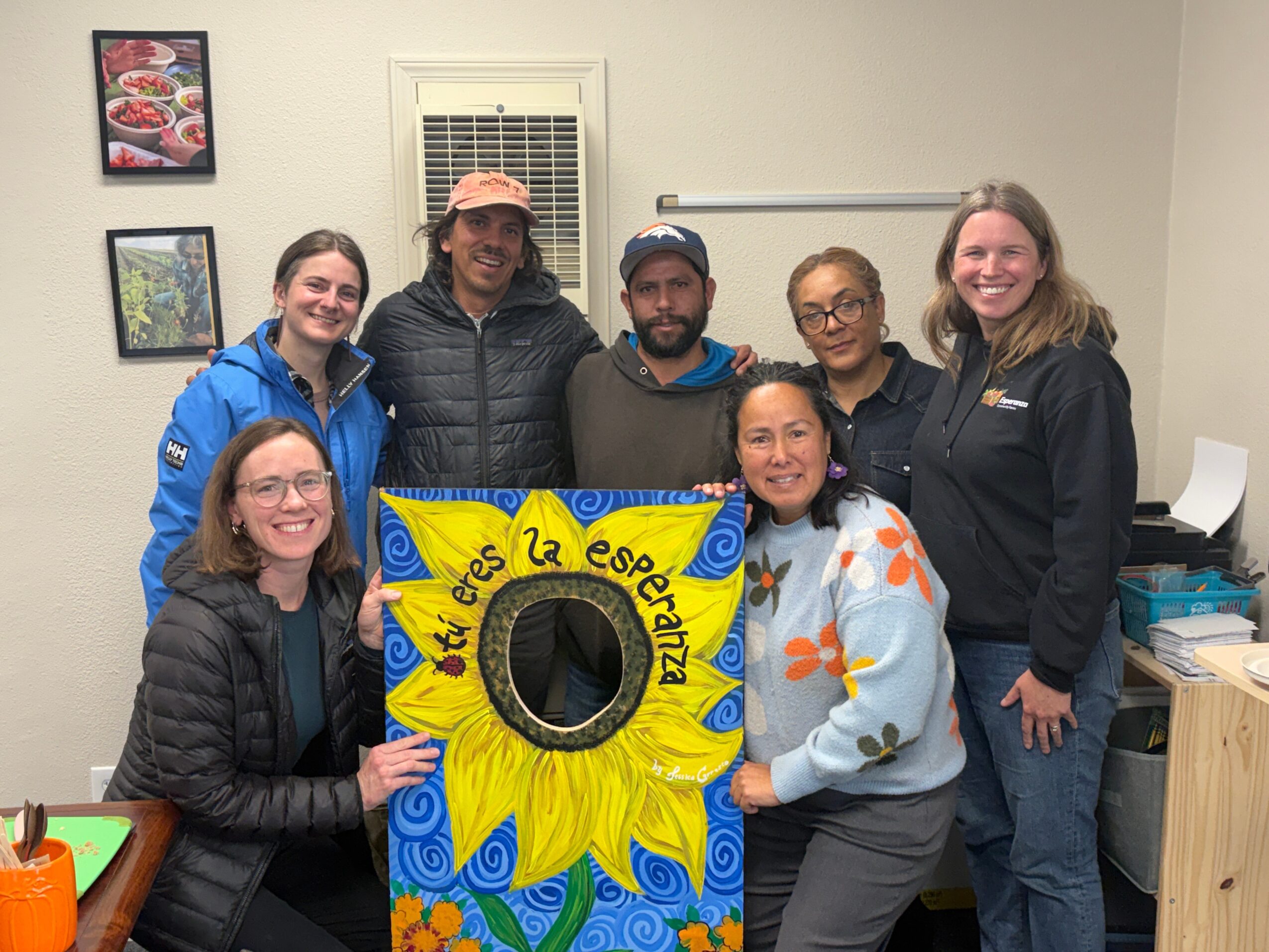
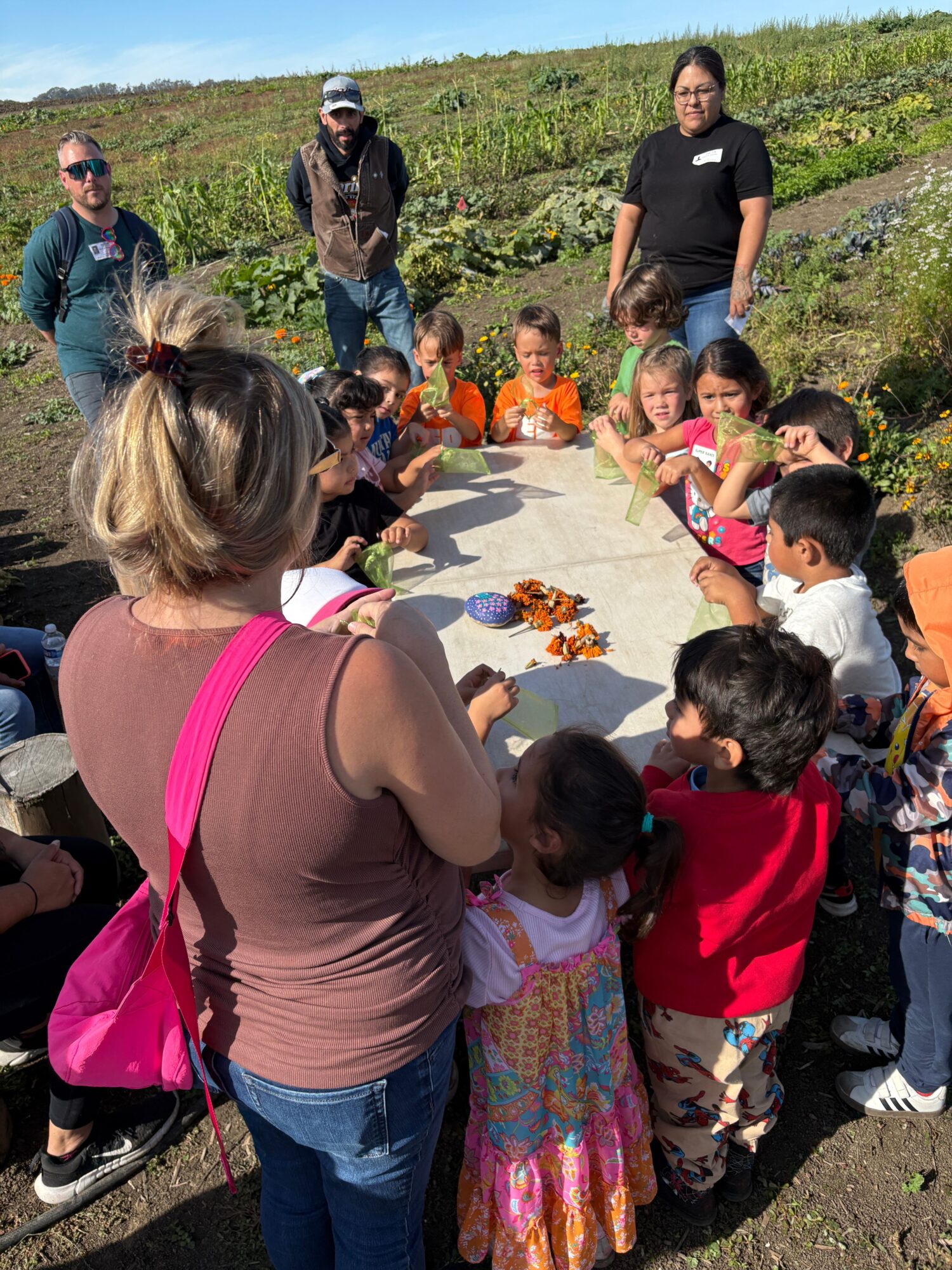
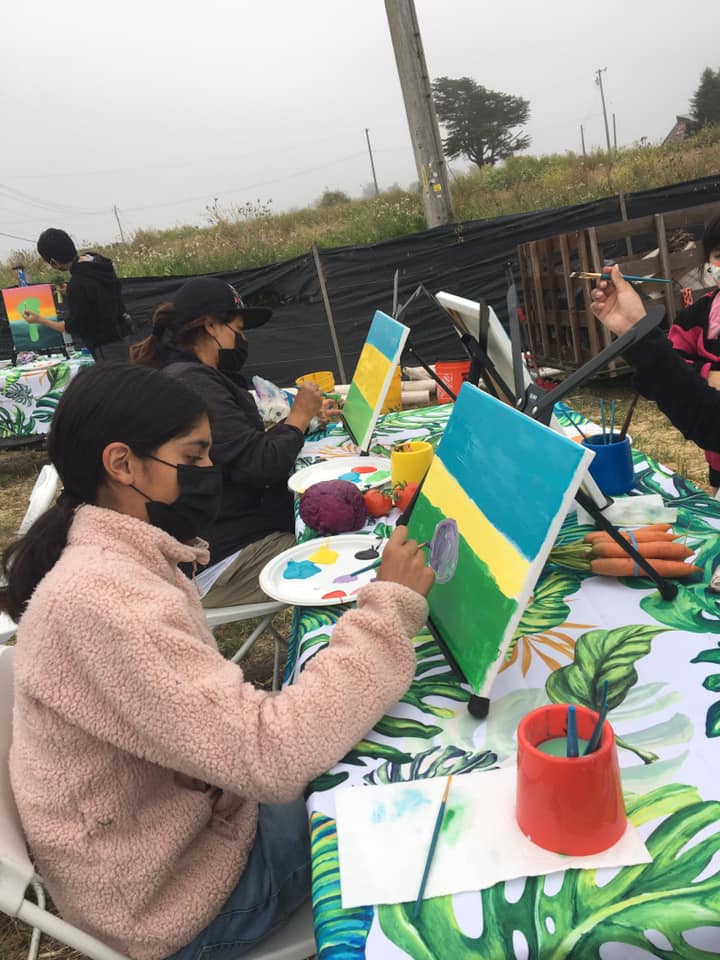
I work with teams of people at the grassroots level to unite our efforts and bring about social change. I use popular education as a set of techniques to uncover the potential our collective energy and the power within ourselves. I could do this work anywhere at any front but I happen to be doing it on the Central Coast in Watsonville, Salinas and San Benito County where small growers of color work hard to grow healthy organic food. they struggle getting it to market so I and my team provide technical assistance. On the other end of the spectrum and the food supply chain are the eaters or consumers. We work with them too to inform, inspire and move them to action toward creating a local food supply chain that is based on fairness and care for all beings. This bilingual bicultural work is rooted in the stories of each person that steps into the circle. All are welcome.
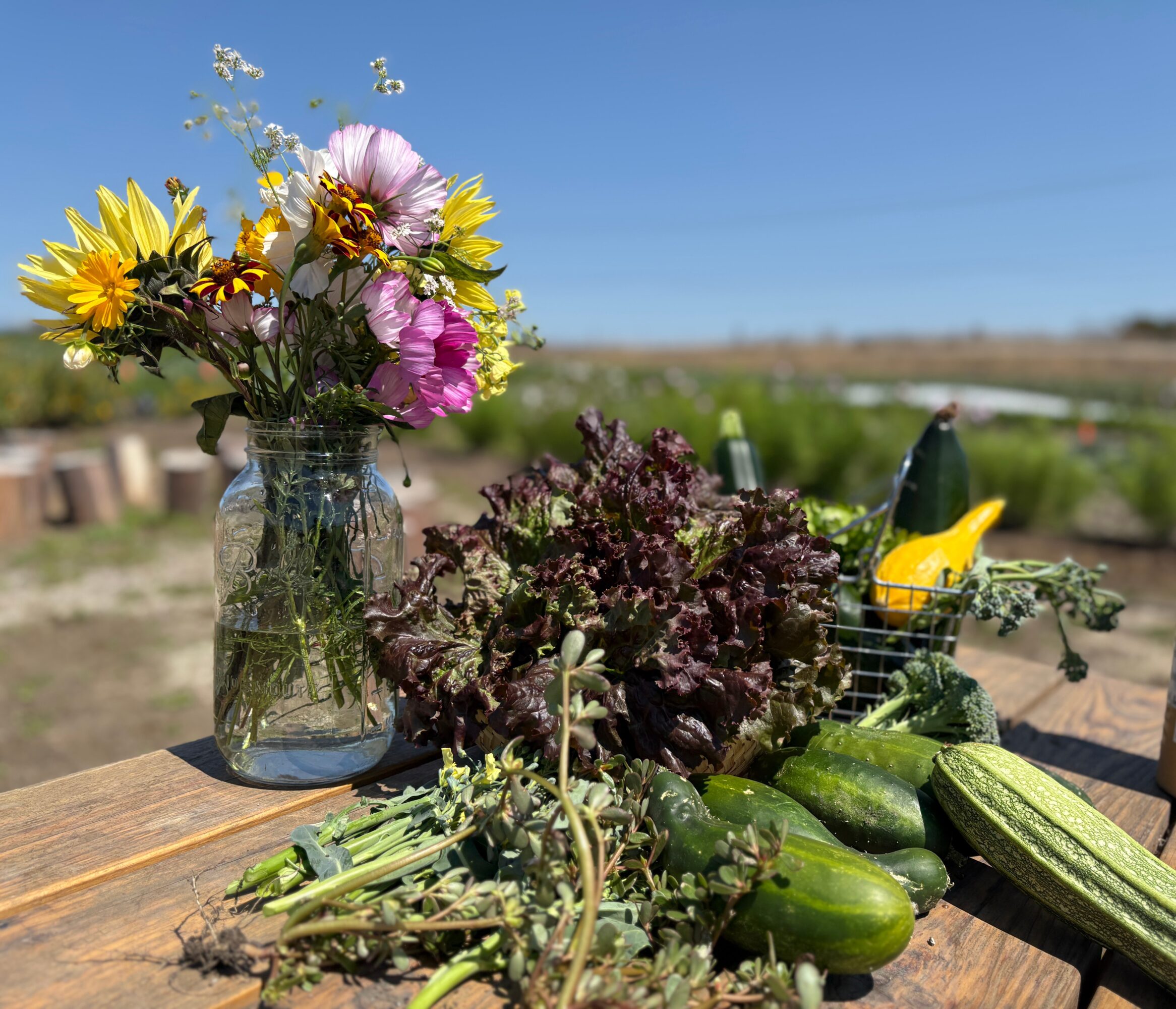
Esperanza Food Hub is growing fast! There is hunger for organic local produce. Even though there is much learning to do on the part of eaters, there is an openness from the general public to learn whey the current mainstream food systems are benefitting some while leaving small growers to struggle. The earth is mistreated in our current conventionally-driven food system so the food hub is an alternative path that creates and celebrates a renewed way of being with each other based on well-being and interdependence.
We’d be interested to hear your thoughts on luck and what role, if any, you feel it’s played for you?
Luck has played a limited role in my life and business. Creator has played a much bigger role and after that my own efforts combined with the support and love of my circle of people. Ancestors have guided me along my journey.
Contact Info:
- Website: https://www.esperanzacommunityfarms.org
- Instagram: https://www.instagram.com/esperanzacommunityfarms/
- Facebook: https://www.facebook.com/Esperanza.Community.Farms
- Youtube: https://www.youtube.com/results?search_query=esperanza+community+farms