



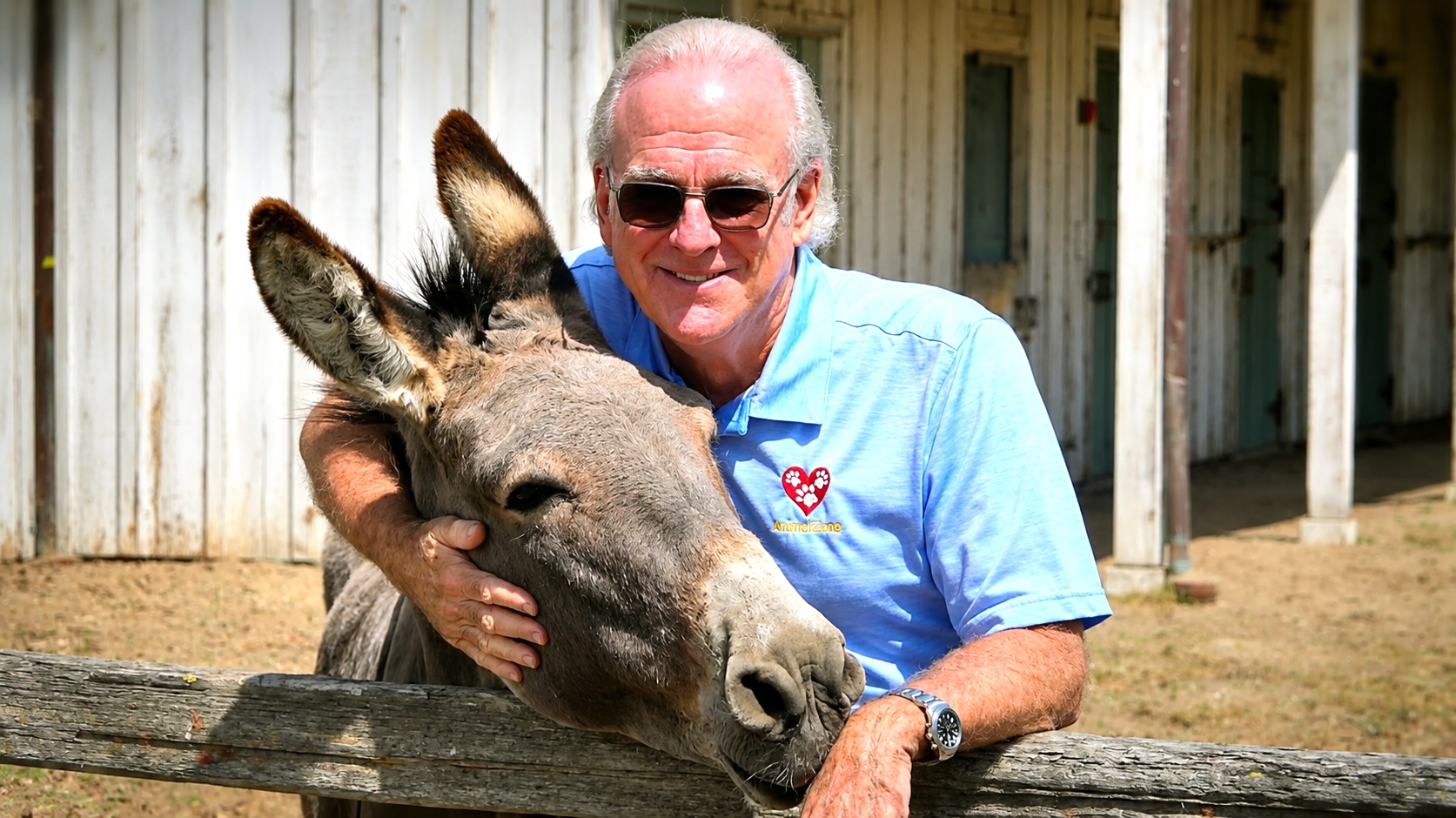
Today we’d like to introduce you to Arthur Von Wiesenberger.
Hi Arthur, please kick things off for us with an introduction to yourself and your story.
My story in Santa Barbara began in 1973, when I arrived to attend Brooks Institute of Photography, specializing in motion picture production. I was young, curious, and fairly certain I was destined for a life in film. More than half a century later, I’m still in Santa Barbara, still making television—and still curious. So perhaps I wasn’t entirely wrong.
After Brooks, I went to work in Hollywood at FMS Productions and became associate producer of Hollywood Outtakes, which aired on NBC. It was a marvelous introduction to television and to the wonderfully unpredictable business of putting pictures and stories on a screen.
Then my career took what might politely be called an unexpected turn: water.
I had become fascinated by bottled water at a time when most Americans thought buying water in a bottle was somewhere between eccentric and ridiculous. In 1978, I wrote my first book, Oasis, about bottled water. At the time, there were relatively few bottled waters available in the United States, and ordering one in a restaurant could earn you the sort of look normally reserved for someone requesting yak’s milk.
But I was convinced bottled water was going to become an important part of American life.
That fascination eventually led me to work as a consultant to Anheuser-Busch as the company explored developing a bottled water division. It also took me around the world visiting springs, tasting waters, studying mineral composition and meeting some wonderfully eccentric characters along the way. I continued writing, including H2O: The Guide to Quality Bottled Water, and somehow found myself becoming known as a “water expert”—a profession I’m fairly certain no career counselor ever suggested.
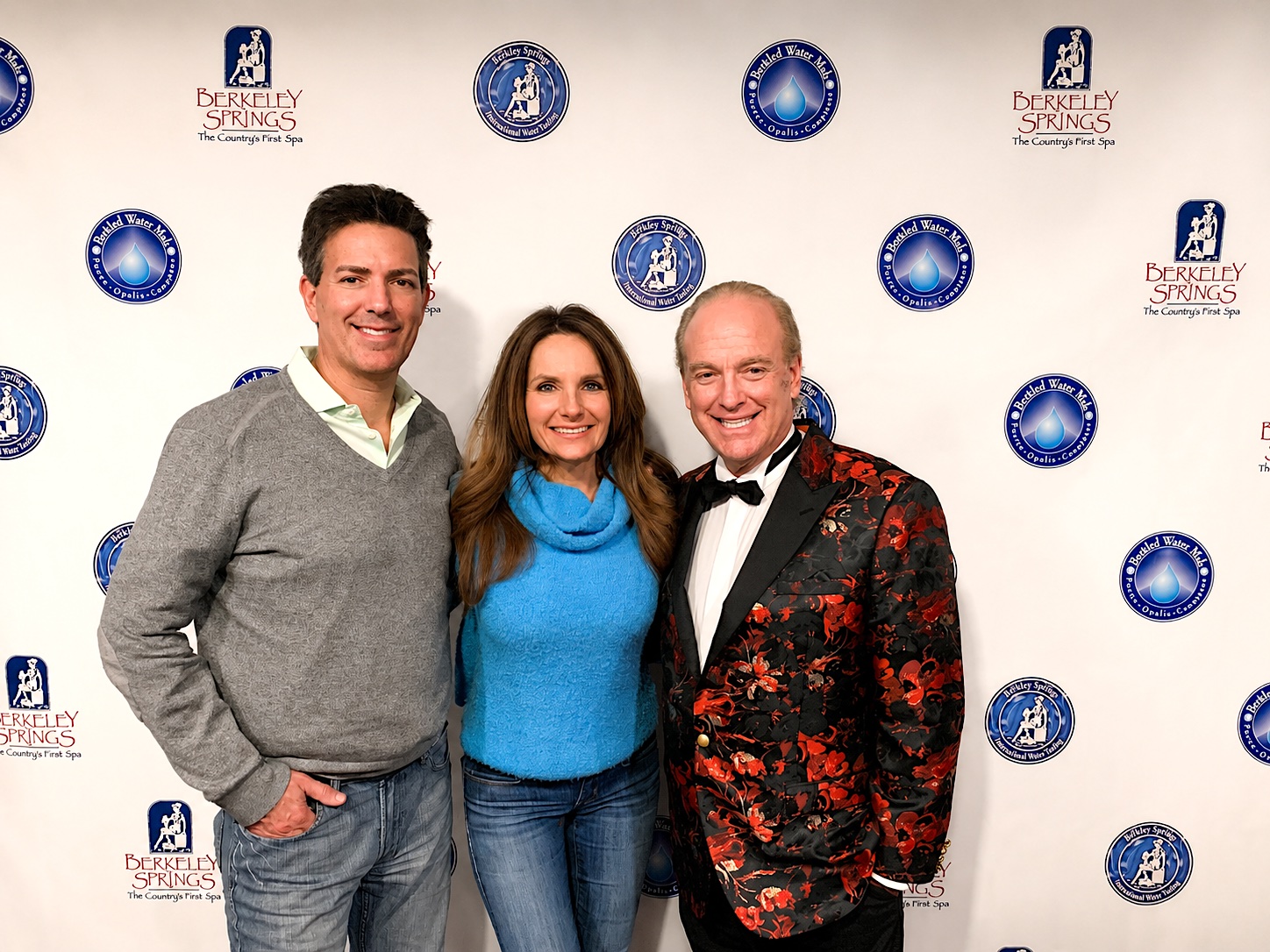
Water ultimately became my passport to the world. I appeared on television and radio, lectured and judged water competitions, and eventually became involved with the Berkeley Springs International Water Tasting, where I have spent decades as Watermaster and training judges in the surprisingly serious art of tasting water.
And yes, water does have a taste. Ask me sometime and I’ll happily ruin tap water for you forever.
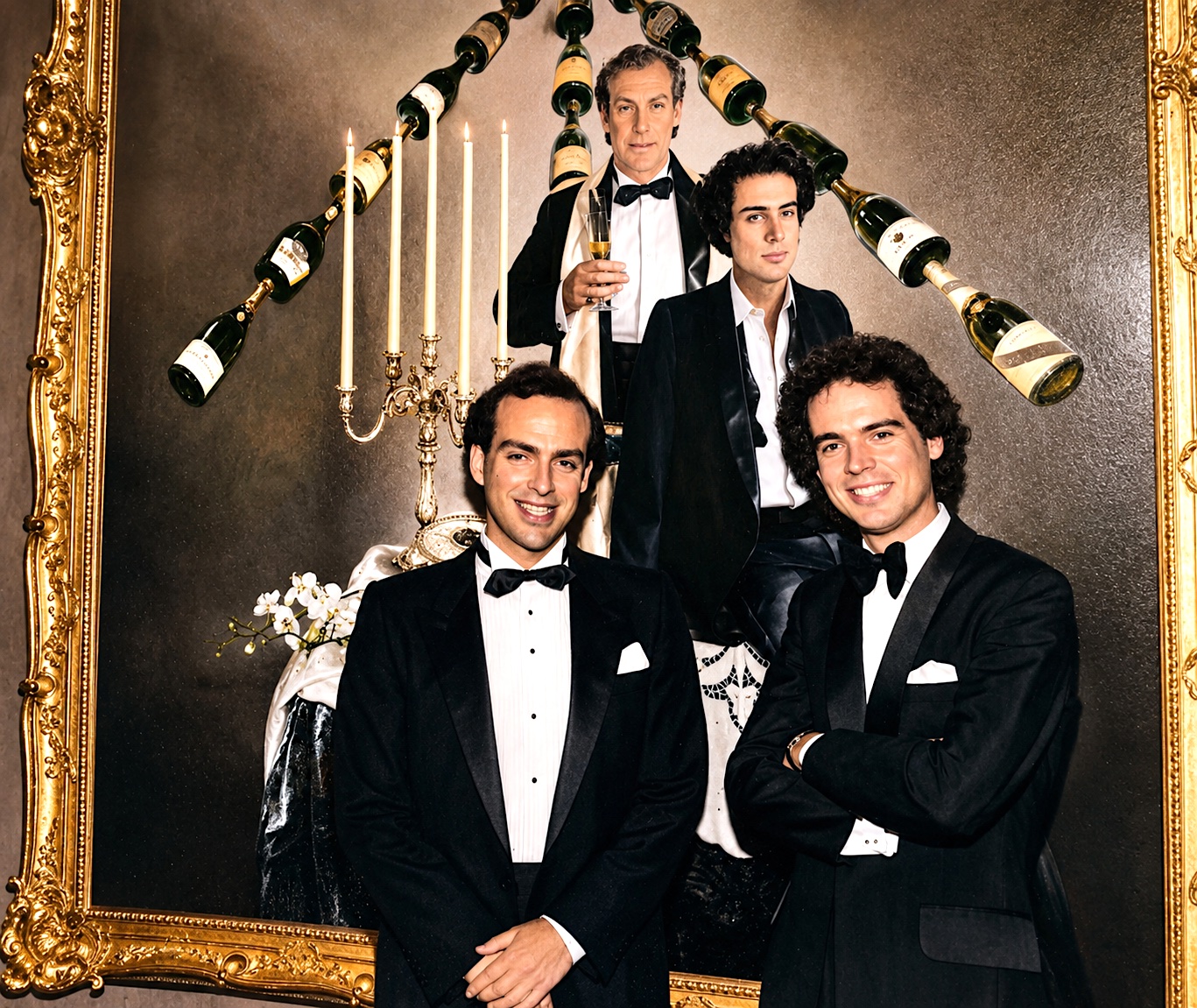
Along the way, I never lost my love of television, travel, food and storytelling. I hosted Around the World, wrote books on subjects ranging from bottled water to champagne and caviar, and became involved in numerous television and media projects. One adventure always seemed to lead rather improbably to another.
Then came animals.
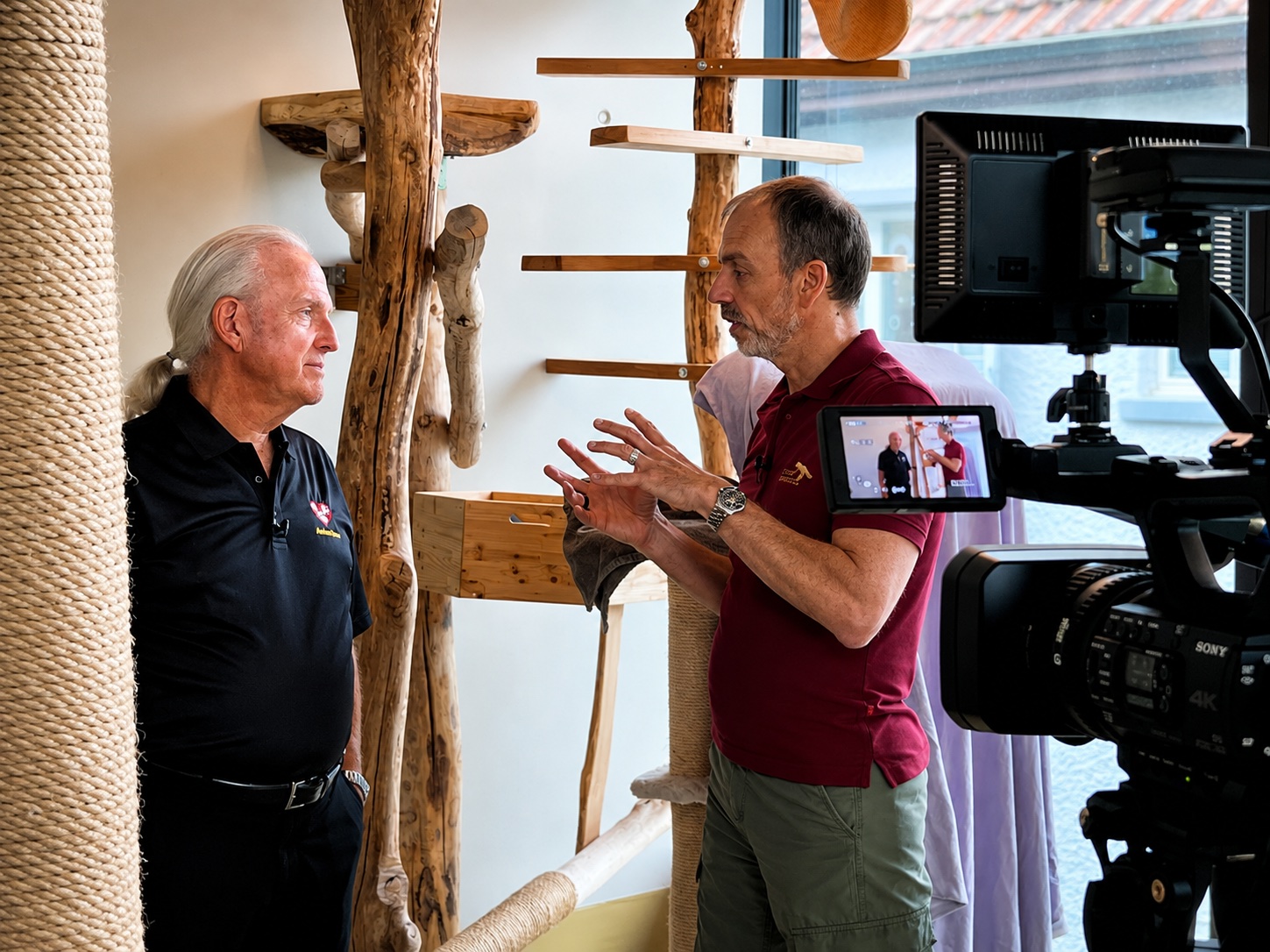
In 2018, we launched AnimalZone, a television series devoted to animal rescue, wildlife rehabilitation and the extraordinary bond between people and animals. What began here in Santa Barbara has grown into more than 200 episodes, taking us across the country—and occasionally around the world—to tell stories about the people who dedicate their lives to helping animals.
It has also brought me full circle. I came to Santa Barbara in 1973 to learn how to make films. Today, more than 50 years later, I’m still making them here—only now my co-stars are dogs, cats, horses, donkeys, bats, dolphins, parrots and the occasional creature who is considerably better behaved on camera than I am.
Looking back, there was never much of a master plan. I’ve simply tried to remain curious and follow interesting stories when they appeared. Sometimes they led to Hollywood. Sometimes to a mineral spring in a distant country. And sometimes to a rescued donkey standing in front of a television camera.
The common thread has been storytelling—and Santa Barbara has remained home throughout virtually all of it.
I arrived here as a young film student in 1973 thinking Santa Barbara would be the place where my story began.
I just never imagined I’d still be adding chapters more than half a century later.
Would you say it’s been a smooth road, and if not what are some of the biggest challenges you’ve faced along the way?
Smooth road? Not remotely. But in retrospect, I’m rather glad it wasn’t.
I think one of the biggest challenges has been that I’ve rarely chosen the conventional path. When I became fascinated with bottled water in the 1970s, for example, most Americans thought the idea of paying for water in a bottle was slightly absurd. Trying to convince people that water had different tastes, mineral compositions and even personalities was not exactly an easy sell.
Fortunately, I was stubborn—or perhaps just sufficiently eccentric—to keep going.
Over the years, I’ve also learned that careers seldom unfold according to plan. Projects disappear, television programs change direction, businesses evolve, funding comes and goes, and occasionally a wonderful idea receives a resounding “no.” You learn fairly quickly that rejection is not necessarily a verdict; sometimes it is simply a detour.
Producing AnimalZone has certainly taught me that. Creating independent television devoted to animal welfare is enormously rewarding, but finding the resources to keep producing it can be challenging. We are telling positive stories about rescue organizations, wildlife rehabilitation and people doing extraordinary work—stories that deserve a much larger audience but aren’t always the easiest programs to finance.
Then there are the challenges that come with filming animals. Human guests generally understand call times. A donkey does not. A cat has never read a production schedule, and a dolphin couldn’t care less that you’re losing the light.
But perhaps the most important lesson I’ve learned is to remain adaptable. I’ve had successes, disappointments, projects that flourished and others that went absolutely nowhere. There have been moments when I wondered what on earth I was doing—and quite a few when other people probably wondered the same thing.
Yet some of the best chapters of my life have come from things that didn’t go according to plan.
So no, it hasn’t been a smooth road. It has been winding, occasionally bumpy and filled with unexpected turns.
But I’ve discovered that the interesting stories rarely happen on the freeway.
Appreciate you sharing that. What else should we know about what you do?
If I had to put a label on what I do, I suppose I’m a storyteller. The trouble is, I’ve never been particularly good at staying in one category.
I began in motion pictures and television, became an author, somehow developed an international career as a bottled-water expert, traveled the world writing and reporting about food, wine, water and interesting people, and eventually came full circle to television. Curiosity has really been the common denominator.
I’ve always been fascinated by subjects that other people might overlook. Bottled water was certainly one of them. When I began writing about it in the 1970s, it was hardly considered a subject worthy of serious attention. But I discovered that behind every spring and every bottle there was a story—geology, history, culture, taste and the people who brought that water to the surface. That curiosity ultimately took me around the world and allowed me to become involved in an industry while it was still in its infancy in America.
Television gave me another way to explore those stories. Whether I was traveling for Around the World, talking about food on What’s Cooking, or standing in front of a camera discussing why two glasses of seemingly identical water taste completely different, I’ve always enjoyed taking a subject and making it accessible, entertaining and, whenever possible, a little amusing.
Today, the work I’m most proud of is AnimalZone.
We started the series in Santa Barbara in 2018 with a fairly simple idea: instead of concentrating on everything that is wrong in the world of animal welfare, why not introduce viewers to the people who are doing something right?
Since then, we have produced more than 200 episodes featuring animal rescues, sanctuaries, wildlife rehabilitation centers and some extraordinary individuals who have devoted their lives to helping animals. We’ve filmed everything from dogs, cats and horses to dolphins, bats, birds, donkeys and creatures I never imagined would someday appear on my résumé.
The program has grown far beyond Santa Barbara and now reaches audiences across the United States and internationally through television and streaming platforms. Along the way, our episodes have also received recognition at film festivals around the world, which is gratifying—not simply because of the awards, but because every bit of recognition helps shine a brighter light on the organizations and people we feature.
That may be what I’m proudest of.
Television can entertain, but it can also do some good. If someone watches an episode of AnimalZone and decides to adopt an animal, support a rescue organization, volunteer at a wildlife center, or simply look at another living creature with a little more understanding and compassion, then we’ve accomplished something worthwhile.
As for what sets me apart, perhaps it’s that I’ve never been terribly concerned about fitting neatly into a box. I’ve followed my curiosity from Hollywood studios to mineral springs, restaurants, television sets, wildlife hospitals and animal sanctuaries.
It has made for a rather unconventional career.
But I’ve always believed that if something fascinates you, there’s a good chance it will fascinate someone else too. Your job as a storyteller is simply to help them discover why.
Alright, so to wrap up, is there anything else you’d like to share with us?
I suppose the one thing I’d add is that I still wake up curious.
After more than 50 years in Santa Barbara, I’m still interested in what’s around the next corner. There are places I haven’t visited, people I haven’t met, stories I haven’t told and, apparently, quite a few animals I haven’t interviewed yet.
I’ve also become increasingly aware of how fortunate I’ve been to make a life out of things that genuinely interest me. Film, television, travel, food, water and animals may sound like a rather unlikely career plan—and I can assure you, no guidance counselor ever suggested it—but somehow they have all connected.
Santa Barbara has been the constant through virtually all of it. I arrived here in 1973 as a young film student and never imagined that more than half a century later I would still call it home. The Central Coast has given me friendships, opportunities, adventures and a wonderful place from which to explore the rest of the world.
These days, AnimalZone gives me another reason to keep exploring. I continue to be inspired by people who quietly devote their lives to rescuing animals, protecting wildlife and making their communities a little kinder. Being able to tell their stories is a privilege—and tremendous fun.
If I’ve learned anything along the way, it’s not to become too attached to the plan. Some of the most interesting things in my life happened because I took an unexpected turn, said yes to something slightly improbable, or followed an idea simply because I wanted to know where it would lead.
At this stage of life, people occasionally ask if I’m thinking about slowing down.
I am.
I just haven’t found the time.
Pricing:
- While AnimalZone isn’t selling a product or service, we are always grateful for individuals, businesses, foundations and organizations interested in helping us continue telling positive stories about animals and the people who care for them. Support AnimalZone: Sponsorship opportunities are available for individuals, foundations, nonprofit organizations and businesses that share our commitment to animal welfare, rescue, wildlife rehabilitation and education. Season Sponsorships: Support can range from underwriting individual stories and episodes to broader season-long partnerships. Corporate & Foundation Partnerships: We welcome conversations with companies and foundations interested in supporting positive, family-friendly television while helping bring greater awareness to animal welfare organizations. On-Air Recognition: Depending upon the level and nature of support, sponsorship opportunities can include on-air acknowledgments, end credits, website recognition and other promotional opportunities. Help Tell a Story: We also love hearing about extraordinary rescue organizations, wildlife programs and individuals whose work deserves greater attention. Some of our best AnimalZone stories have come from people simply saying, “You really ought to meet these folks.” Tax-Deductible Support: For those wishing to make a charitable contribution, donations supporting AnimalZone can be processed through our nonprofit television partner, TV Santa Barbara, a 501(c)(3) organization. Learn More: Visit AnimalZone.org for more about the series, our episodes and the organizations we feature. Sponsorship information is available upon request.
Contact Info:
- Website: https://www.Animalzone.org
- Instagram: @animalzoneshow
- Facebook: @animalzoneshow
- Twitter: @Nipperino
- Youtube: @nippervw