




Today we’d like to introduce you to Nicole Fischer.
Hi Nicole, please kick things off for us with an introduction to yourself and your story.
I’ve always had a strong intuition for spaces and how they shape the way people feel.
Even before Rootstock, I found myself creating environments that helped people connect, not just with each other, but with themselves. As a kid, I was always rearranging furniture, painting walls, and making spaces feel just right. Years ago, my son Fischer gave me the nickname “The Queen of Cozy,” and I think he recognized something before I did. Looking back, I don’t think it was really about cozy. It was about creating places where people felt welcome, comfortable, and like they belonged.
I didn’t realize at the time that those instincts were leading me somewhere.
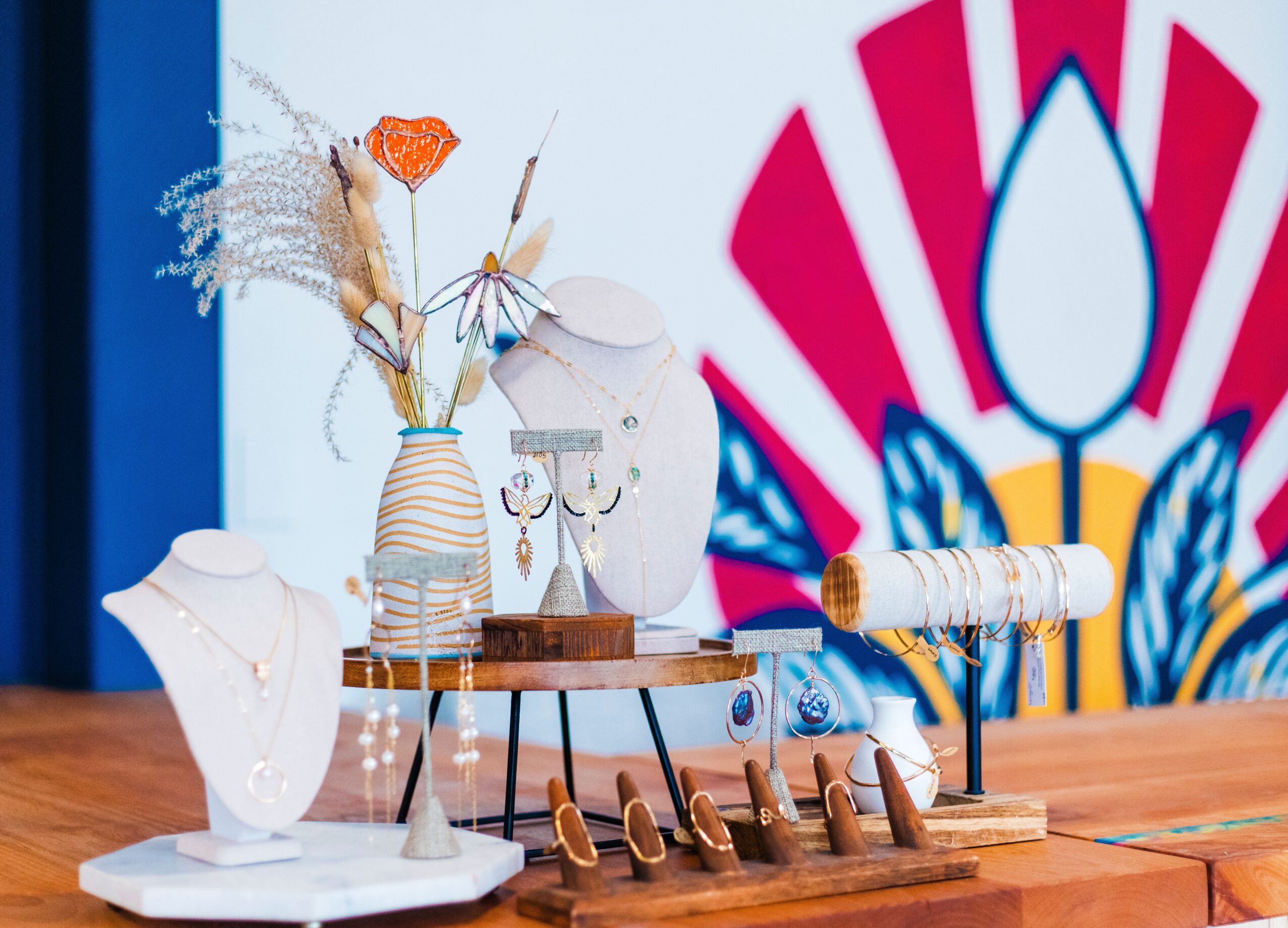
That eventually led me to selling my own jewelry at local makers markets. I loved creating, but what stayed with me wasn’t selling my own work. It was watching someone light up when they connected with an artist’s story. It was seeing artists gain confidence when they realized people truly valued what they had made. I realized that what inspired me most wasn’t the transaction. It was creating the conditions for meaningful connection.
That’s what became Rootstock.
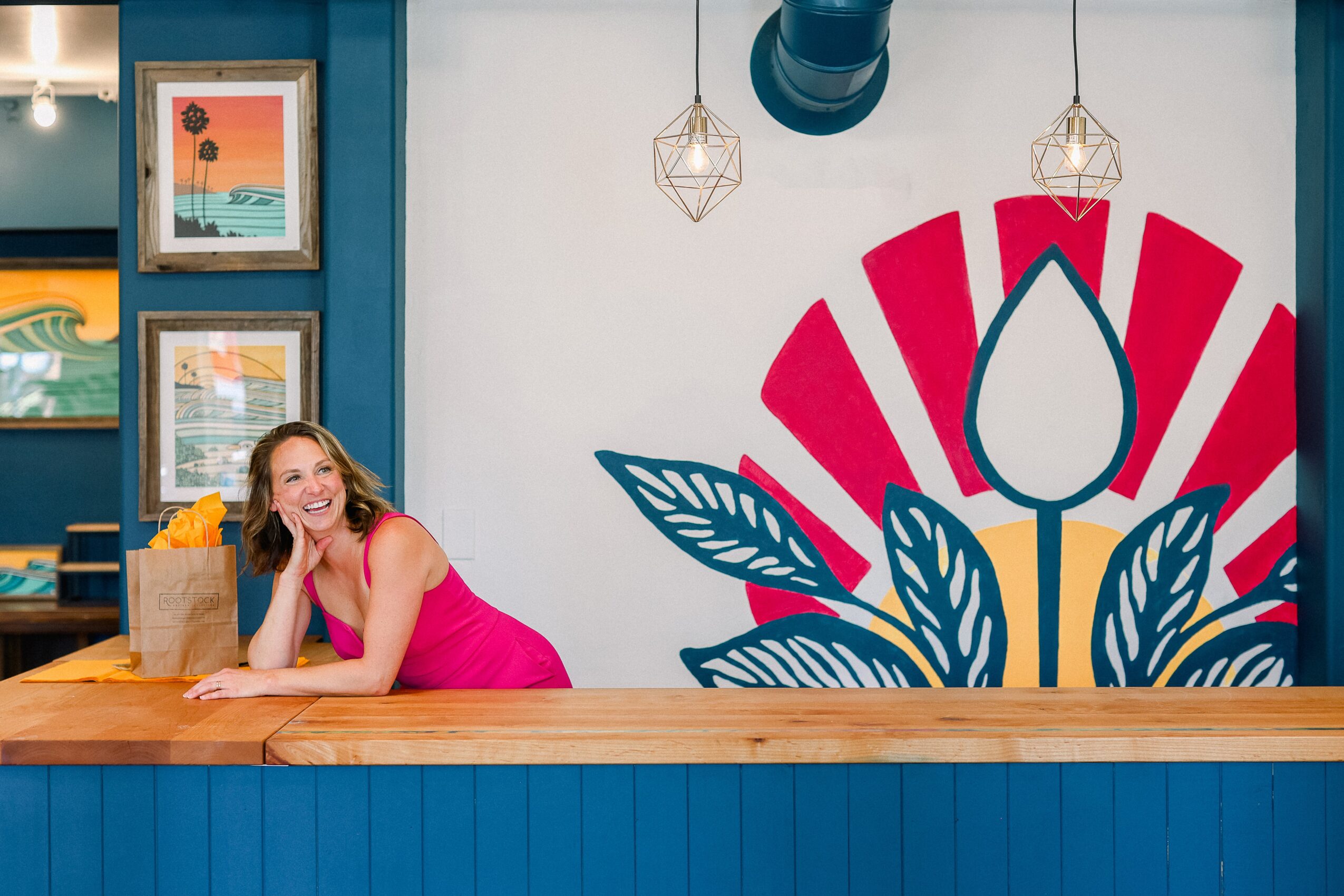
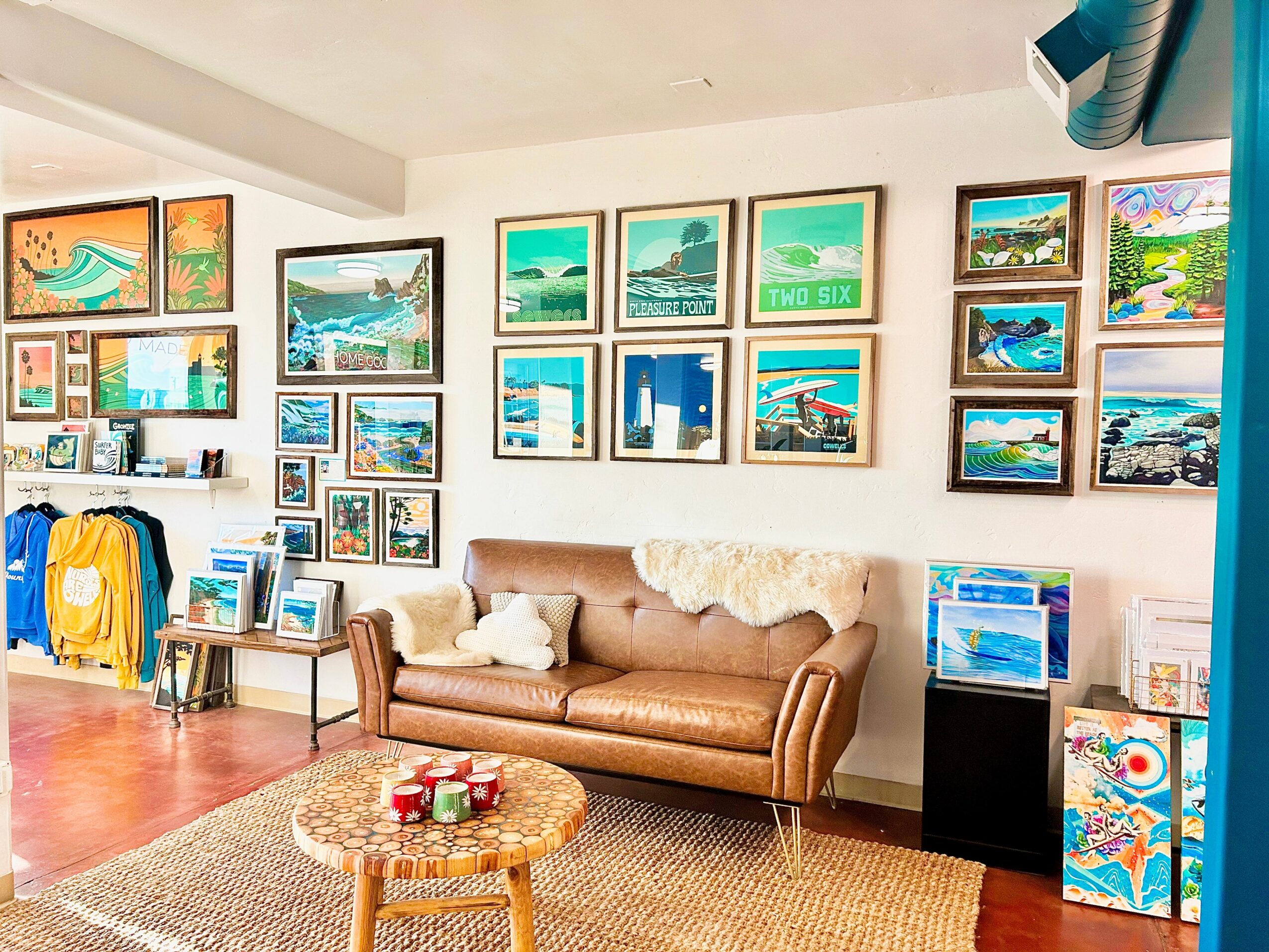
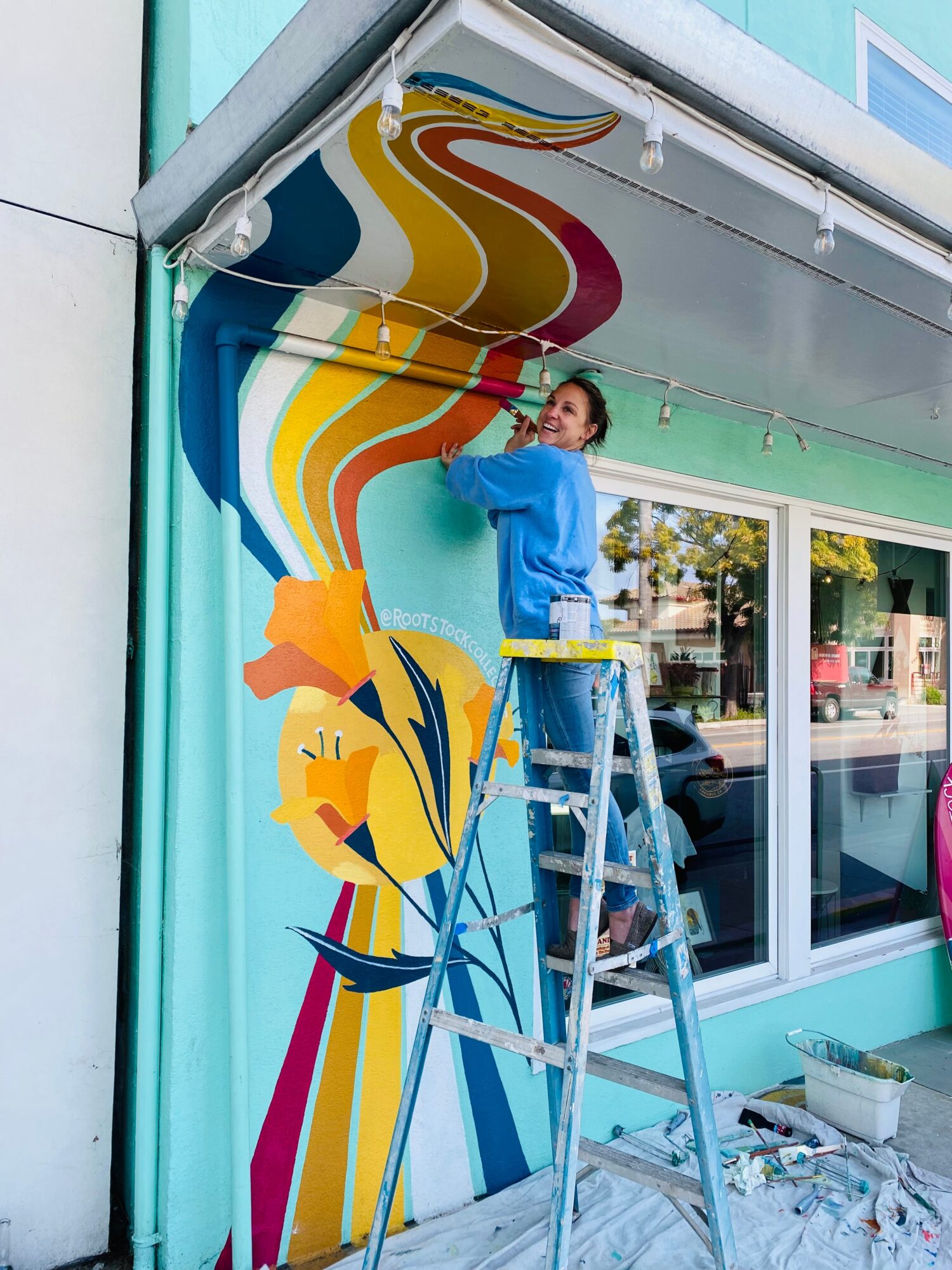
Today, Rootstock is home to dozens of local artists, but I’ve never thought of it as simply a retail store. To me, it’s a community built on trust. Trust that artists know the value of their work. Trust that customers know what resonates with them when they’re given the space to discover it for themselves. Trust that meaningful connection doesn’t need to be manufactured or rushed.
That belief shapes every decision we make.
We care more about how someone feels when they leave than what they purchased while they were here. We believe gifts carry stories. We believe artists deserve to be deeply respected for their work. We believe customers don’t need to be convinced or persuaded. They simply need an environment where they can be curious, ask questions, and discover what genuinely resonates with them.
In many ways, Rootstock is a response to a world that often feels transactional.
We’ve chosen a different path. One where community comes before consumerism, care comes before clutter, people come before product, and relationships matter more than outcomes.
Looking back, I don’t think my journey has really been about opening a business. It’s been about creating places where people feel like they belong. Rootstock just happens to be the most visible expression of that. Artists feel valued. Customers feel welcomed exactly as they are. Connection is allowed to happen naturally. That’s the kind of space I hope people carry with them long after they leave.
We all face challenges, but looking back would you describe it as a relatively smooth road?
It definitely hasn’t been a smooth road, but looking back, I wouldn’t change it. Every challenge has helped clarify what Rootstock is and, just as importantly, what it isn’t.
Like many small business owners, I’ve experienced the uncertainty that comes with running an independent business through changing seasons, economies, and life itself. But the biggest challenges haven’t been external. They’ve been internal.
One of the hardest lessons has been realizing that just because something helps the business grow doesn’t necessarily mean it helps Rootstock become more Rootstock.
There were moments when I could have expanded faster, carried more inventory, chased trends, or made decisions based purely on numbers. Instead, I found myself asking a different question: Does this move us closer to the experience we’re trying to create? That question has become a compass for every decision.
I’ve learned that growth isn’t just measured in sales or square footage. It’s measured in trust. It’s measured in artists who feel genuinely valued, customers who feel welcomed instead of sold to, and a team that feels empowered to care for the space as much as I do.
On a personal level, I’ve also learned that building something meaningful requires taking care of the person building it. There have been seasons that challenged me to slow down, reflect, and reconnect with why I started Rootstock in the first place. Those experiences have made me a better business owner because they’ve made me more intentional.
Today, success looks different than it did when I first opened the doors. Of course I want Rootstock to grow, but I want it to grow in a way that deepens what makes it special. If growth ever comes at the expense of trust, connection, or belonging, then it’s probably not the right kind of growth.
That’s the balance I’ll keep protecting as Rootstock evolves.
Can you tell our readers more about what you do and what you think sets you apart from others?
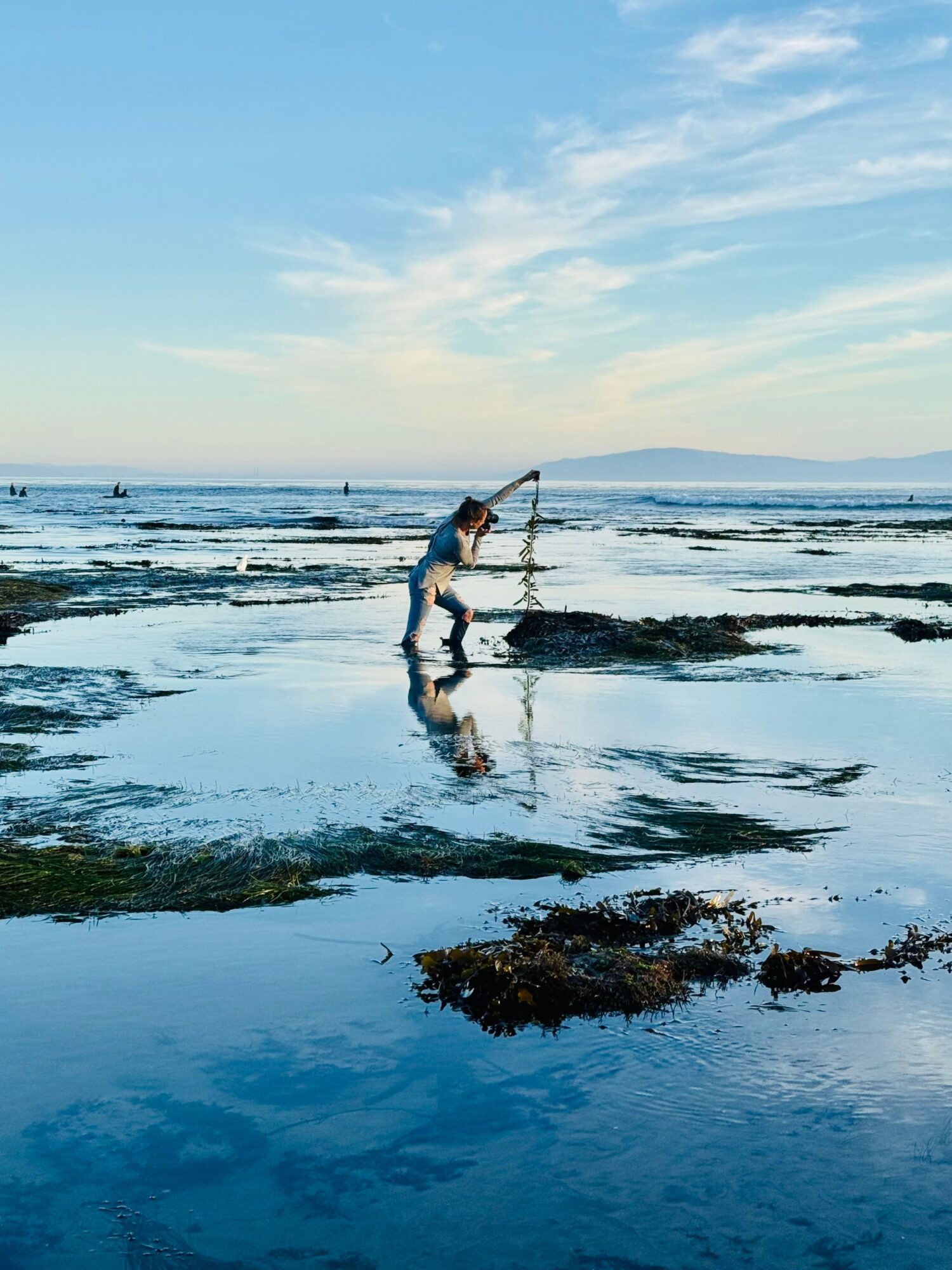
My work is less about documenting a place and more about capturing what it feels like to be there.
Whether I’m creating a large-scale fine art photograph or building one of my intricate paper collages, I’m always asking the same question: Can someone feel this?
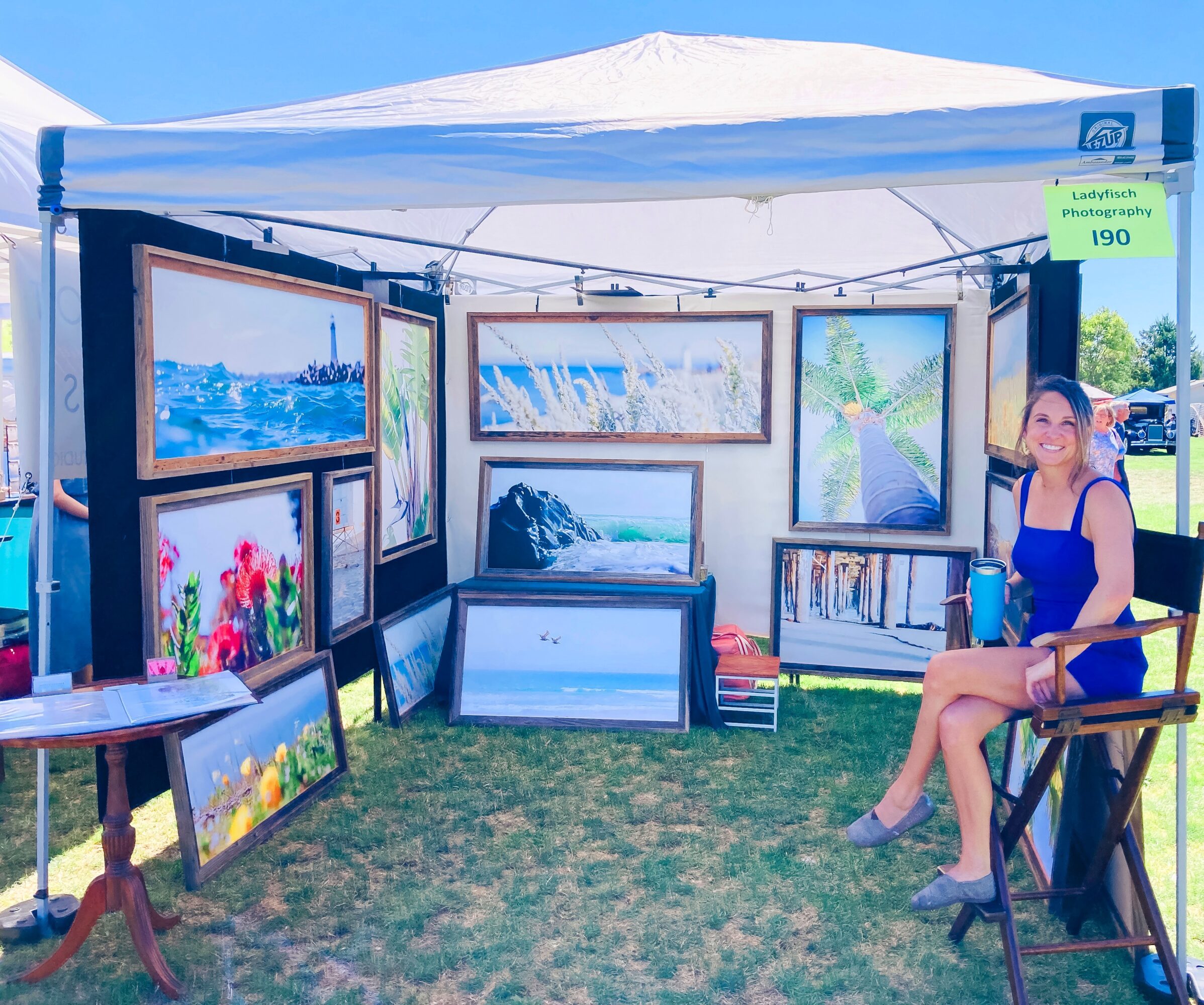
With my photography, I’m incredibly selective about what I print. A beautiful scene isn’t enough on its own. I want people to feel the warmth of the sun, the movement of the ocean, the wind in the air, or the stillness of a quiet morning. If an image doesn’t evoke an emotional response, I simply don’t print it. That’s also why I print exclusively at a large scale. I want people to feel immersed in the experience, not just observe it.
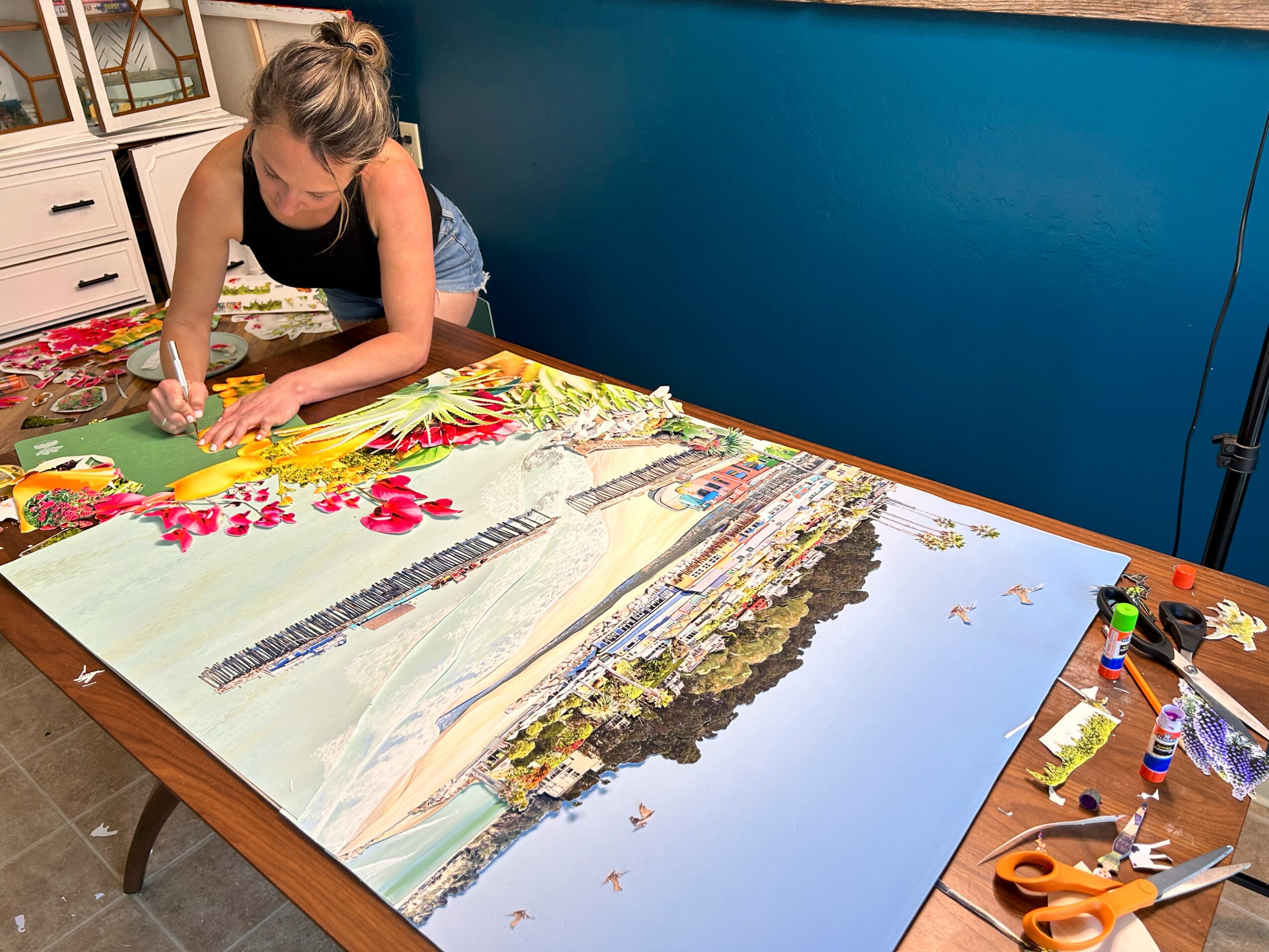
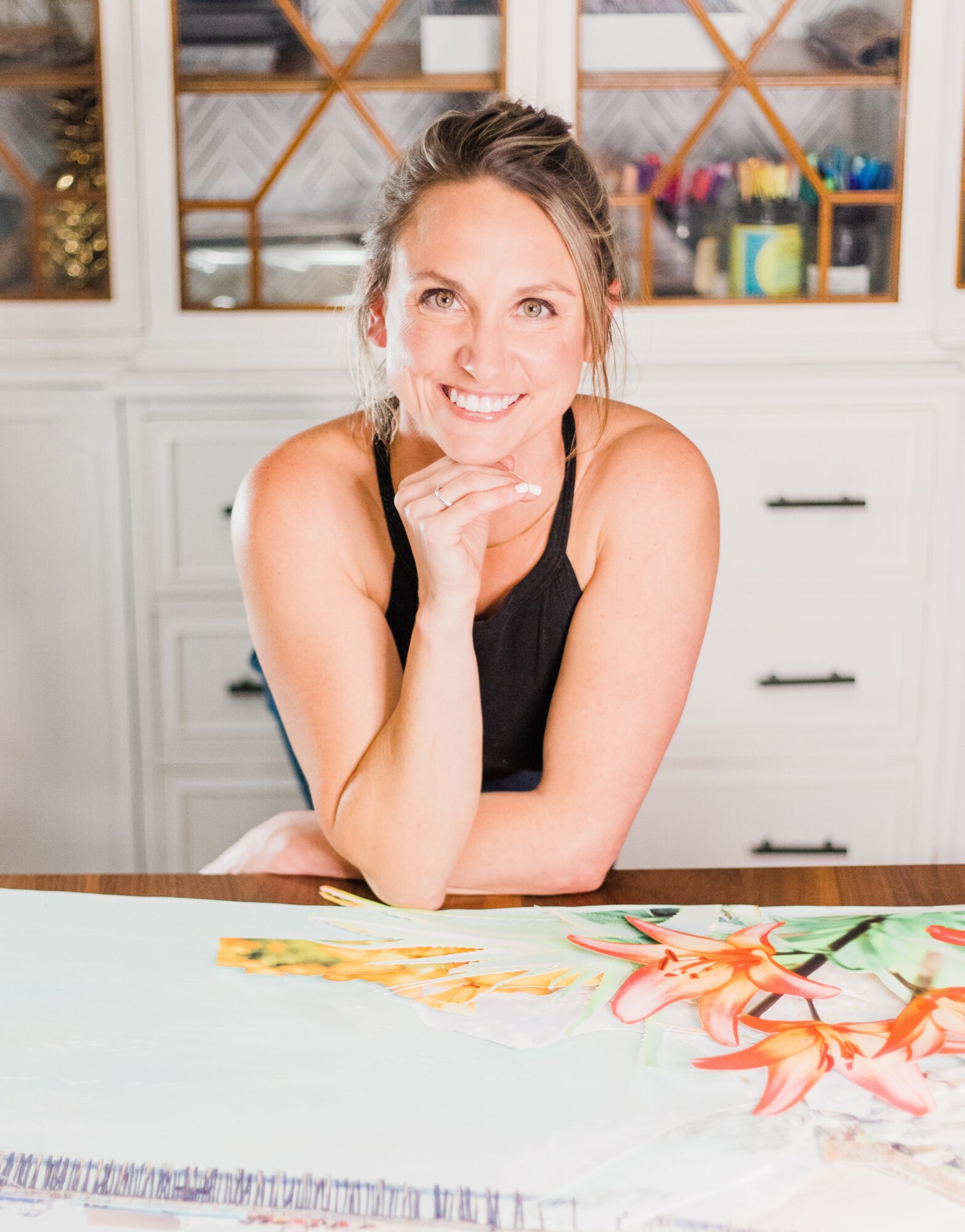
My collage work gives me a different kind of creative freedom. Instead of documenting reality, I get to recreate the way a place is experienced. Perspective can shift, scale can change, and details that would never exist together in a single photograph can be brought into one composition if it better represents the feeling of being there.
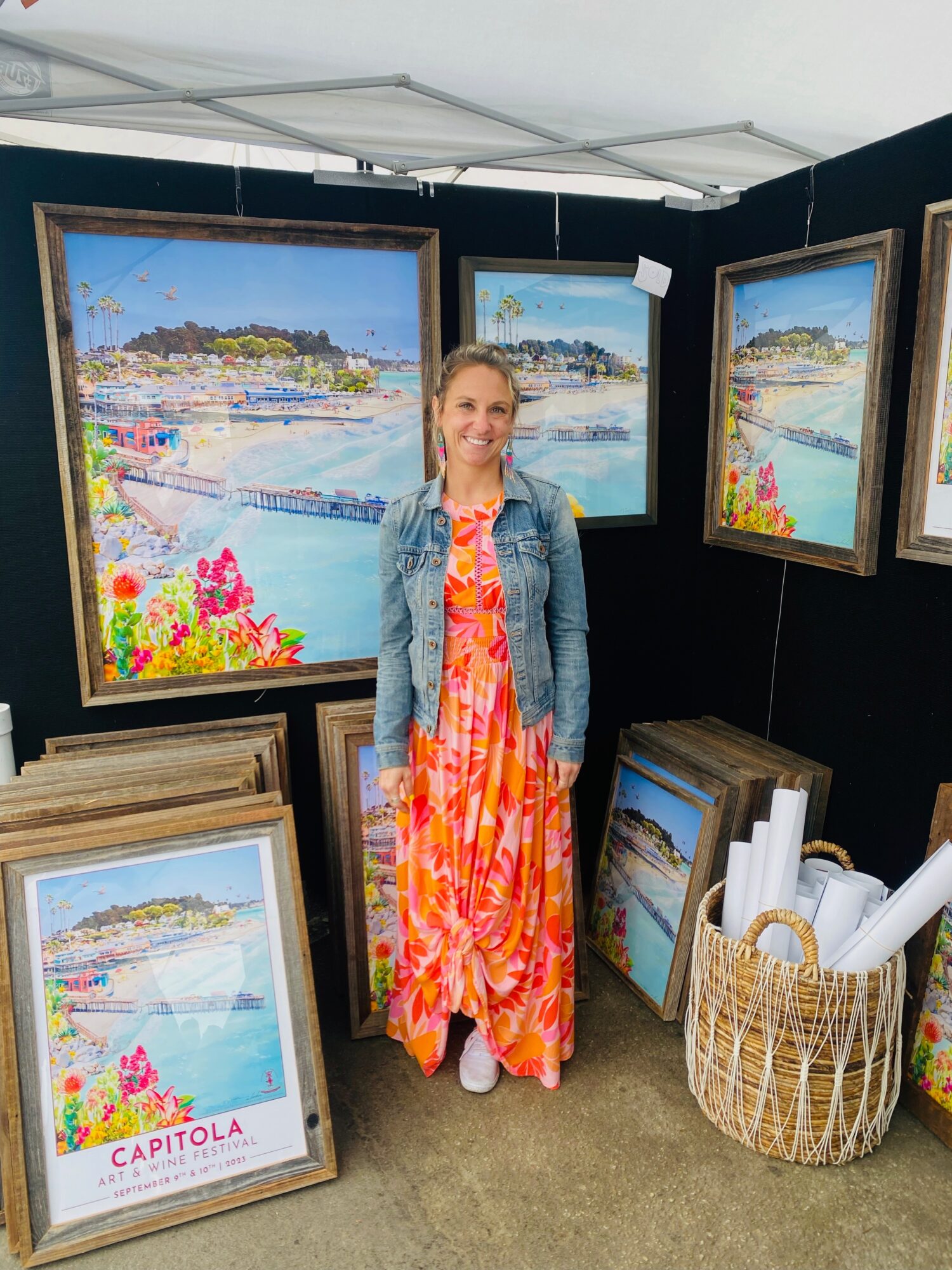
One of the projects I’m most proud of was creating the official artwork for the 40th Anniversary Capitola Art & Wine Festival poster in 2023. The collage took nearly 200 hours to complete, and the original artwork became the highest-selling original festival poster. What meant the most to me wasn’t the recognition, it was knowing that people connected with the feeling the piece captured.
I think that’s what sets my work apart. I’m not trying to create the most technically perfect photograph or the most realistic collage. I’m trying to create artwork that reminds people how a place felt. If someone looks at one of my pieces and can almost feel the salt air, hear the waves, or remember a moment they experienced there, then I’ve accomplished what I set out to do.
–
I don’t create things for people to simply look at. I create experiences that help people feel.
Whether it’s a photograph, a collage, a retail space, a gallery wall, a conversation, or a brand, the goal is the same:
To create environments that evoke a feeling and help people become more fully themselves.
Can you talk to us a bit about happiness and what makes you happy?
What makes me happiest is creating the conditions for people to become more fully themselves.
That might sound abstract, but it’s something I’ve noticed has been a thread throughout my entire life. Whether I’m mentoring an artist who’s learning to believe in the value of their work, helping someone find a gift that perfectly captures how they feel about another person, designing a space that invites people to connect, or simply having a meaningful conversation, I love watching people come alive.
Community is a huge part of that for me. Not community for the sake of gathering people together, but creating environments where people feel like they belong. When people feel safe to be themselves, something really special happens. They become more creative, more generous, more connected, and more confident.
I also find a lot of joy in beauty. Walking the coast, searching for shells, noticing the way light changes throughout the day, rearranging a room until it feels just right, or watching someone discover a piece of art that genuinely resonates with them. Those moments remind me that beauty isn’t just something we look at. It’s something we experience.
The older I get, the more I realize that happiness isn’t something I chase. It shows up when I’m living in alignment with what matters most to me: creating spaces where people feel seen, valued, and like they belong.
Contact Info:
- Website: https://rootstockcollective.com
- Instagram: https://www.instagram.com/rootstockcollective/?hl=en
- Facebook: https://www.facebook.com/RootstockCollective/