



Today we’d like to introduce you to Jeffrey Reid.
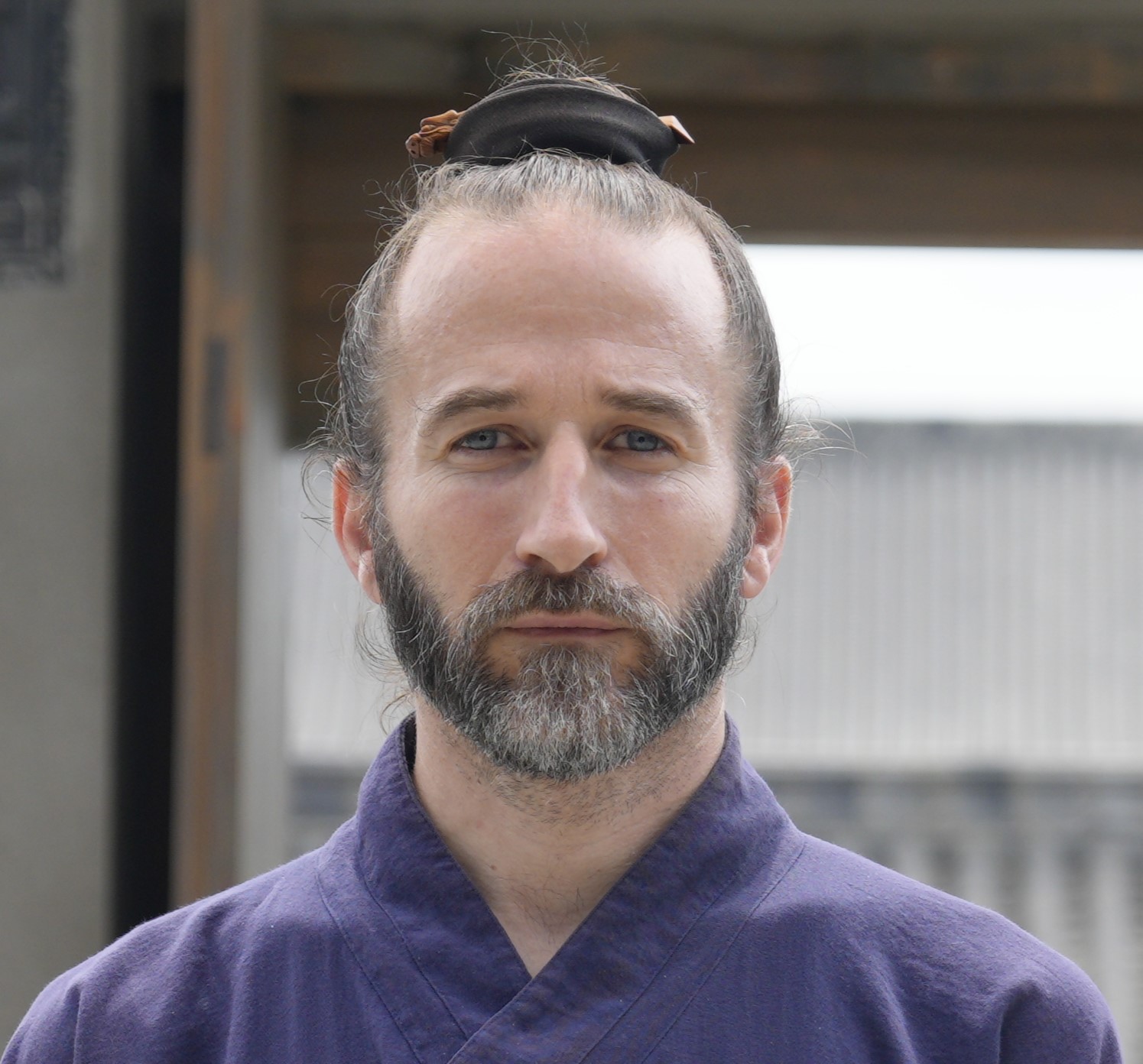
Hi Jeffrey, can you start by introducing yourself? We’d love to learn more about how you got to where you are today?
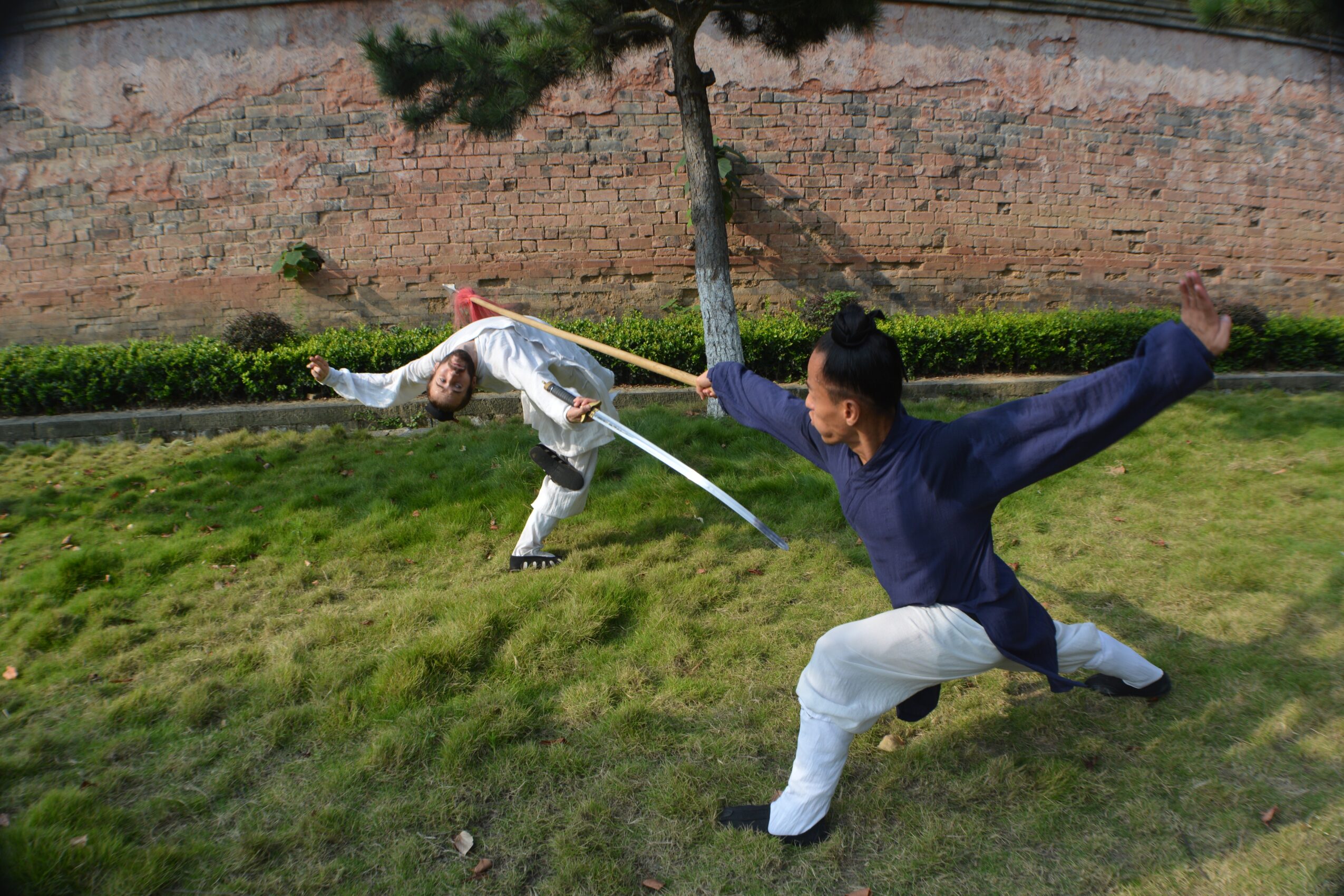
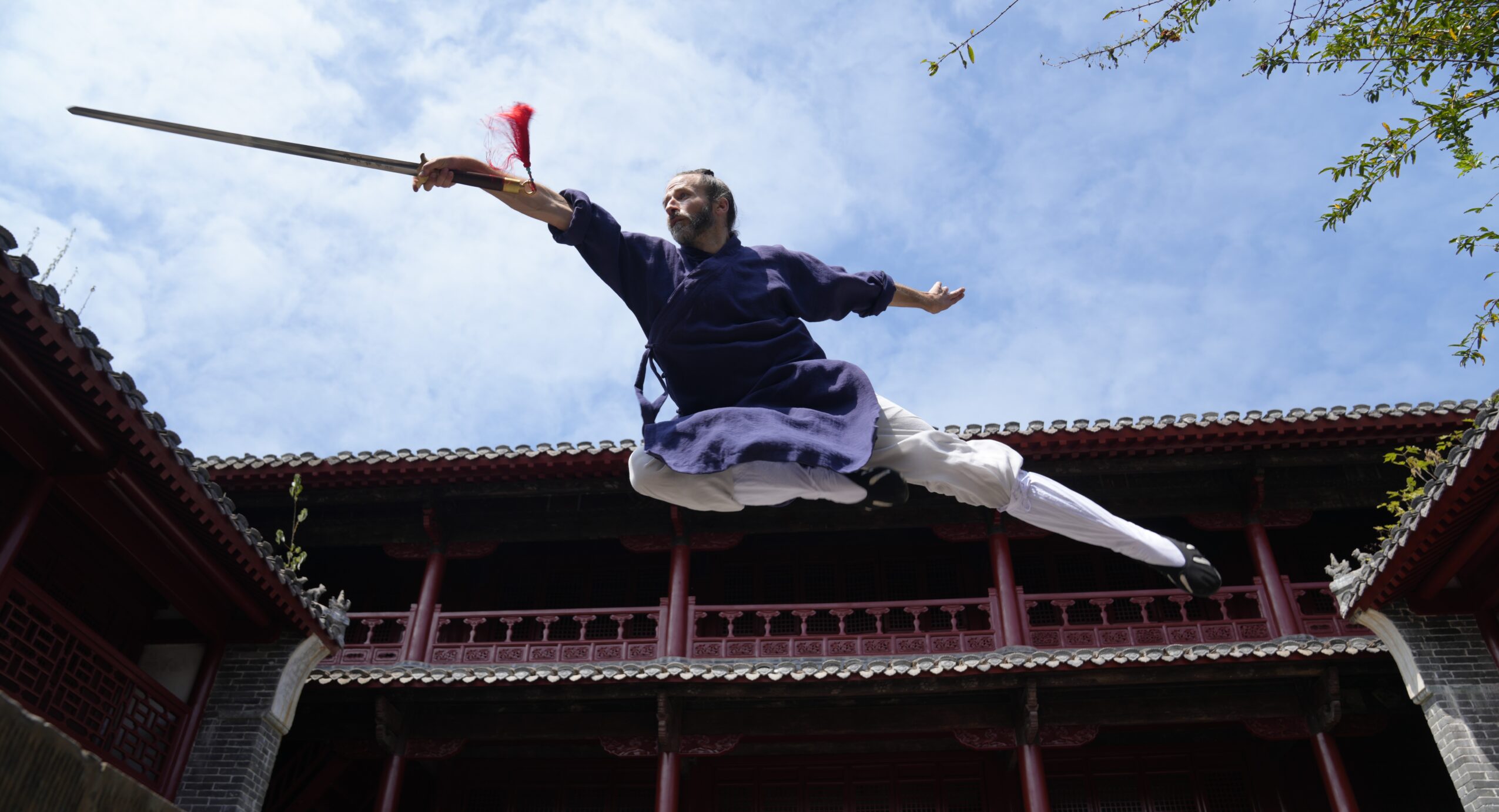
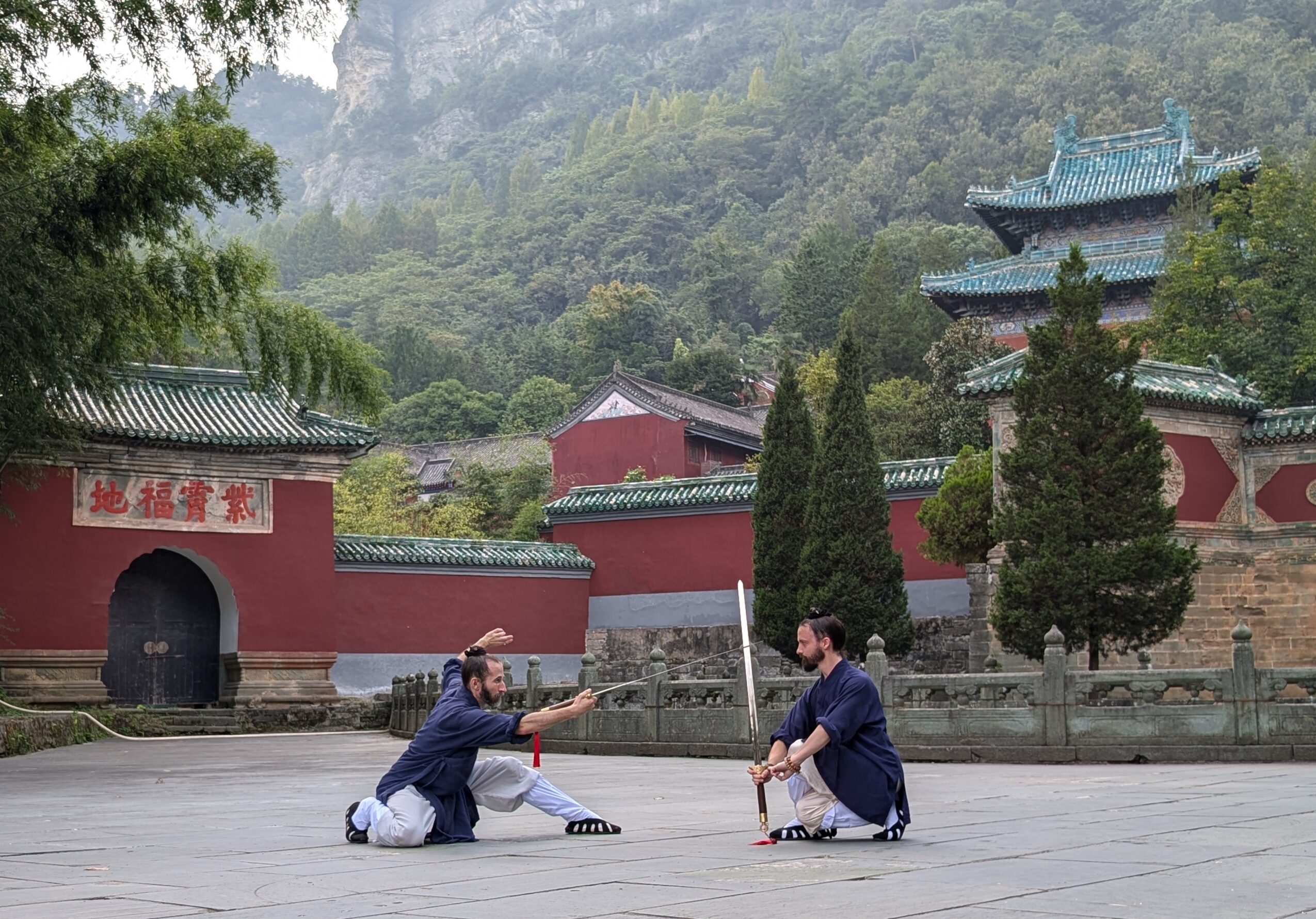
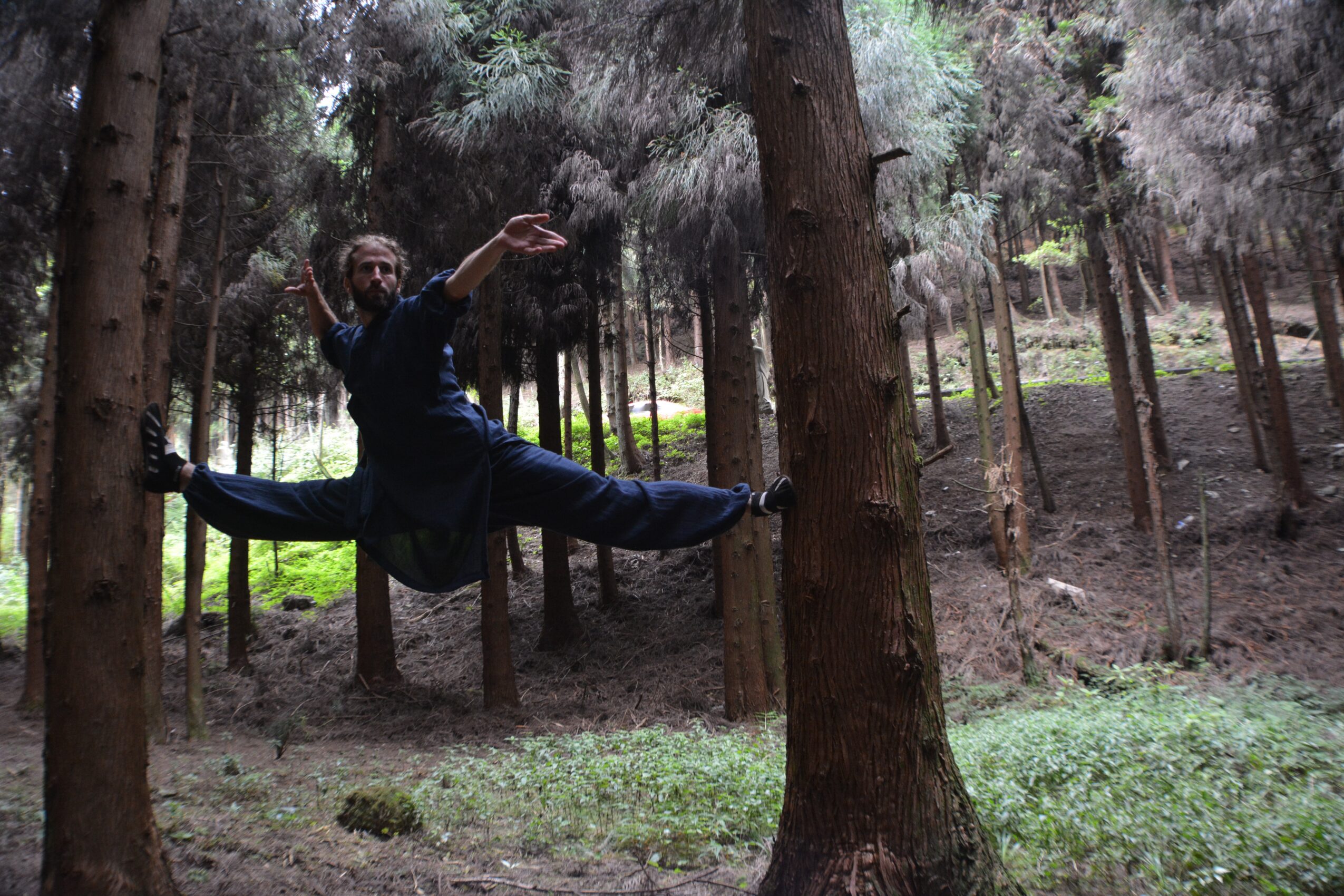
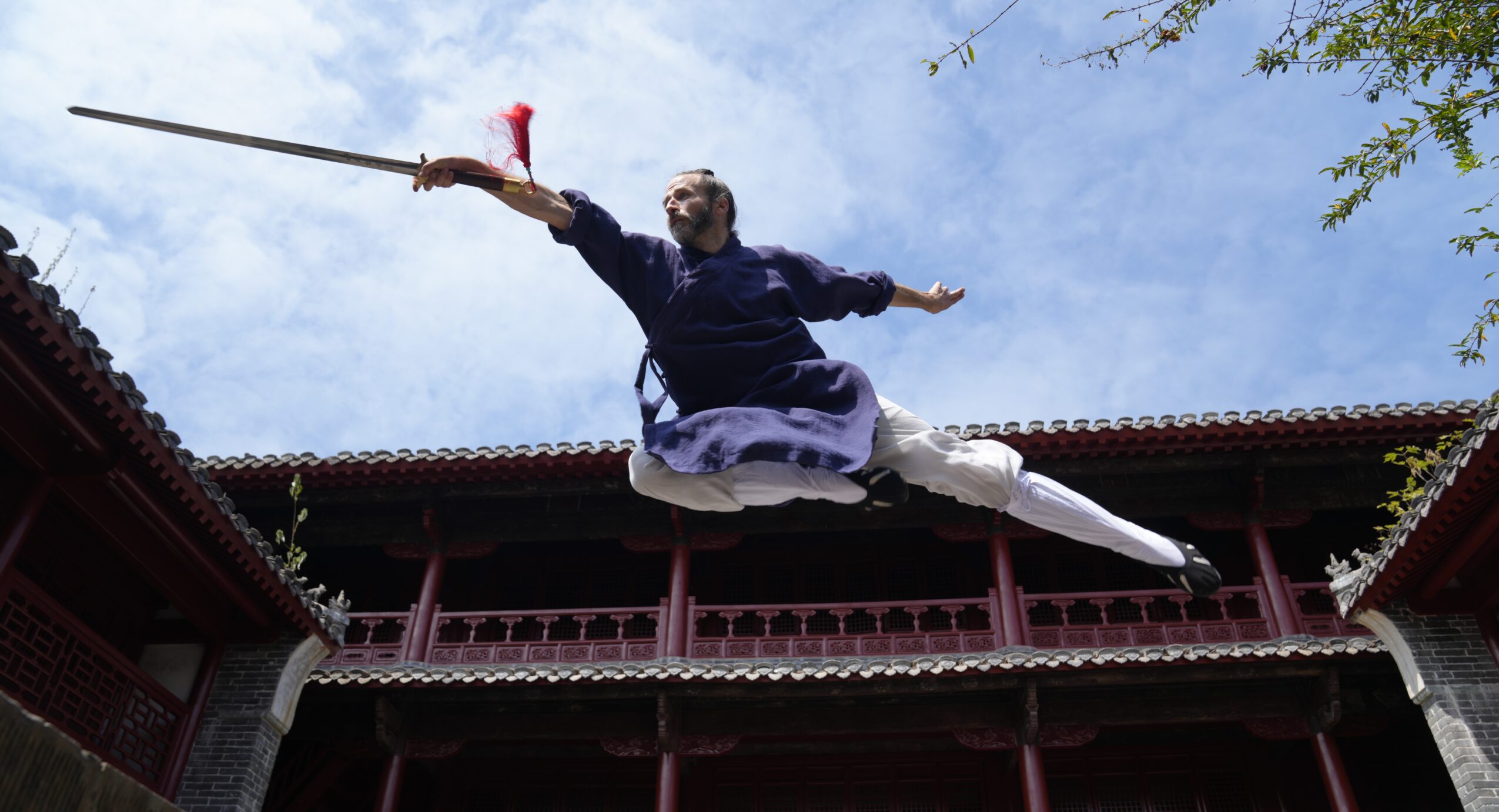
At twenty-three, I left behind a comfortable life in the United States and moved alone to the Wudang Mountains of central China in search of something I could not quite name. What began as curiosity soon became a seven-year apprenticeship under a Daoist kungfu master. There I immersed myself in the traditional life of the mountain: training martial arts from dawn to sunset, studying Daoist philosophy, practicing internal alchemy, translating for my master, and so on. Those years transformed not only how I moved, but how I understood the body, nature, and what it means to be human.
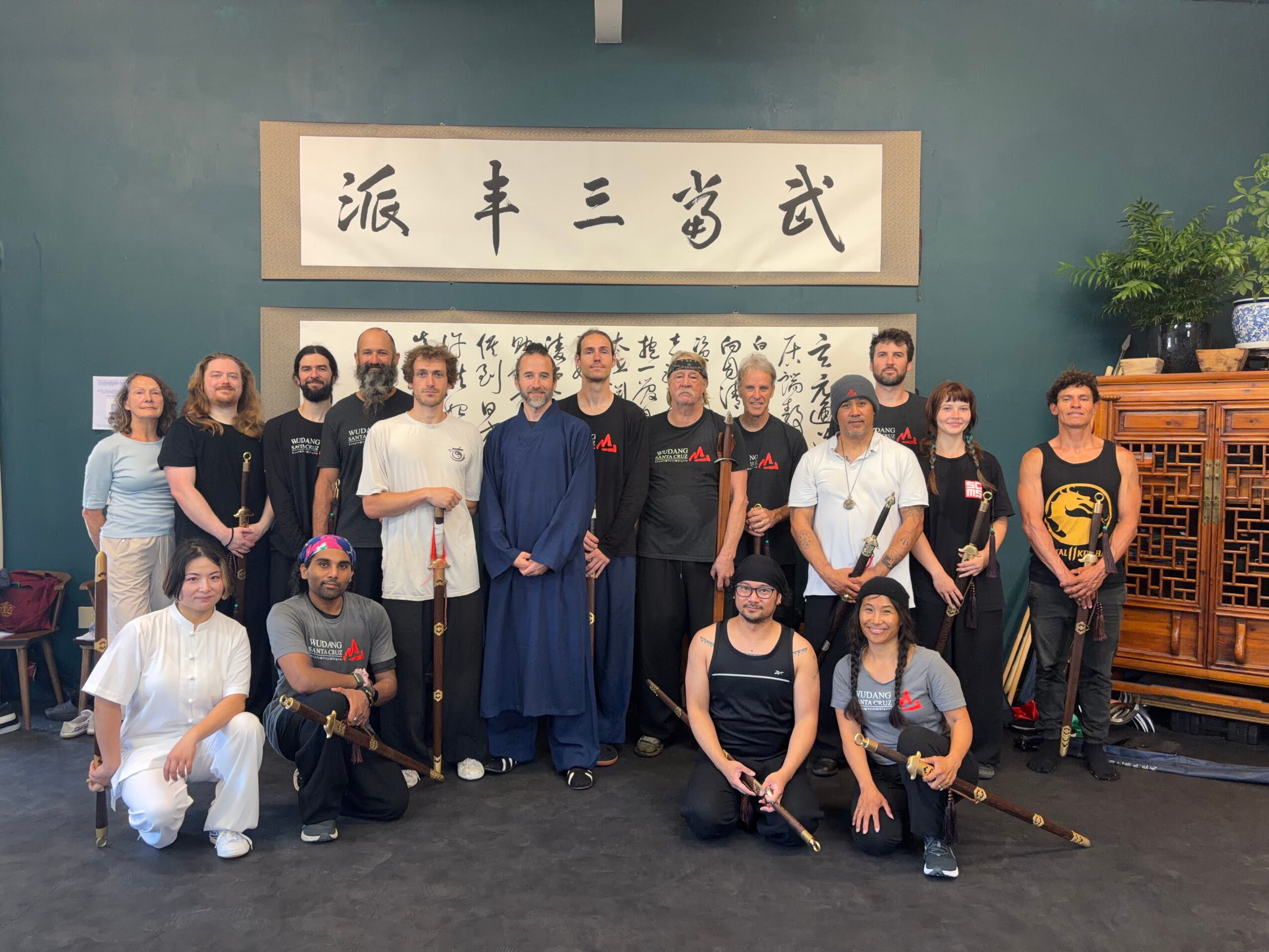
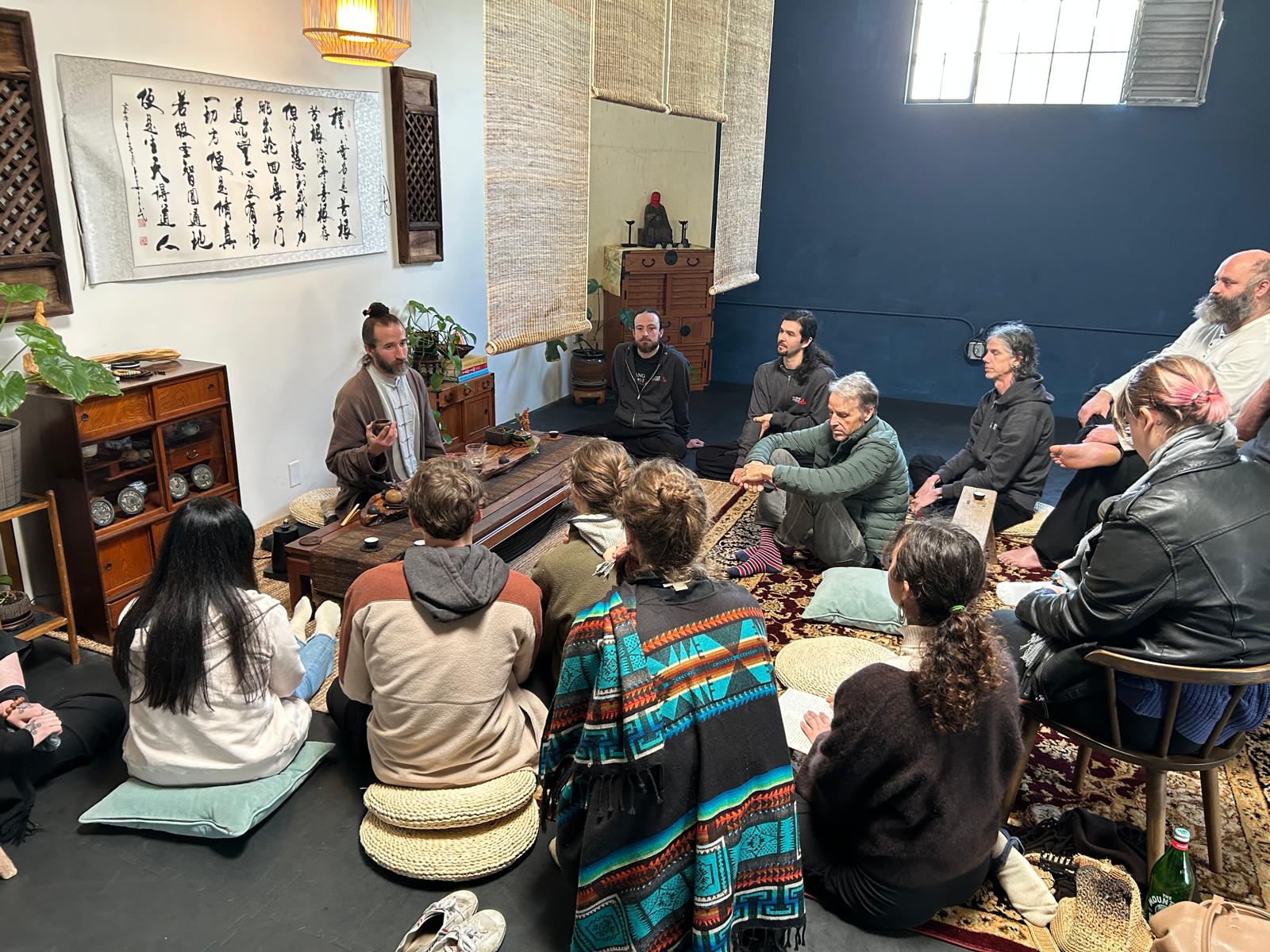
Departing China in 2014, I traveled the world as an itinerant teacher for five years before moving to Santa Cruz at the start of 2019. Since leaving China, I have spent more than a decade teaching and sharing this tradition with students around the world. My work has taken me internationally through workshops, lectures, and retreats, while my writing and research have sought to make the depth of Daoist practice accessible to modern readers without sacrificing its integrity. In 2024, that journey culminated in the opening of Wudang Santa Cruz, a school dedicated to preserving and transmitting the authentic Daoist martial and internal arts. More than teaching techniques, my hope is to offer students a lifelong path of cultivation, one that transforms not only the body, but the way we inhabit the world.
Would you say it’s been a smooth road, and if not what are some of the biggest challenges you’ve faced along the way?
It certainly has not been a smooth road. To summarize the impossibilities I faced during my traditional apprenticeship under my master, my life in Wudang was a sort of quasi-monastic, paramilitary experience. I was completely removed from the outside world during some of the most formative years of my life. When I left China in 2014, I had a pretty difficult time reassimilating to the West. In fact, I don’t know that I ever really did. It’s been twelve years now since I left, and I lead a kind of amphibious life, swimming in the interstices of two worlds. That was an odd experience for quite some time, but it’s something I have come to happily embrace. So, in a sense, I consider my job to be that of an interpreter. How do we translate the timeless wisdom of a mystical tradition into the chaotic immanence of modern life?
I also wasn’t handed a guidebook on what to do after leaving China. I had to truly forge my own path in how to interpret the relevance of the Daoist tradition and its martial arts. I also had to forge my own way in how to make that a sustainable business. It’s been a real gauntlet to pass through, with plenty of complexities along the way. But when you have a true path—something to which you are deeply devoted, something with which you have a kind of destiny, a context or structure that is larger than yourself—then, in a sense, none of the complexities really matter.
Appreciate you sharing that. What else should we know about what you do?
Daoist practice is inherently multifaceted. People often assume that what I teach is just martial arts. In one sense, that’s true. I teach Taiji, Qigong, Kungfu, internal martial arts, and Daoist cultivation. But what has increasingly become clear to me is that these are really just different languages for teaching a particular way of inhabiting the world, a particular way of cultivating oneself.
Having spent seven years immersed in a traditional lineage in the Wudang Mountains, and the years since translating that experience through teaching and writing, I have found that my real work is interpretation: making a mystical tradition intelligible without domesticating it, preserving its depth while allowing it to remain genuinely transformative for contemporary people. I try to help my students find their own direct access to these practices and teachings.
What I am most proud of is not any particular accomplishment, but the trust my master and lineage placed in me and the responsibility that came with it. My hope has always been to preserve the spirit of the tradition itself while allowing it to continue evolving in a new cultural context. Perhaps that is what sets my work apart. Rather than treating Daoism and Chinese martial arts as either exotic relics of the past or a trendy collection of wellness practices, I present them as a living tradition, one that still has something profound to say about how we move through the complexities of modern life.
Can you talk to us about how you think about risk?
I suppose the obvious answer is that I moved alone to the Wudang Mountains of central China at twenty-three years old with no real plan beyond an eerie conviction that I had found something worth dedicating my life to. Looking back, it sounds like an extraordinary risk. At the time, though, it didn’t really feel like one. The greater risk would have been ignoring that call and choosing a “safer” path, wondering for the rest of my life what might have happened had I not answered it. The same could be said for much of what followed: leaving China without any clear roadmap, trying to build a life translating a tradition that few people in the West deeply understand, blazing my own path as a teacher and author, and so on. None of these decisions came with guarantees. In many ways, they were all leaps into the unknown.
Growing up skateboarding, snowboarding, breakdancing, etc., I was pretty familiar with risk as a kid. And perhaps because of my later Daoist training, I don’t really think about risk primarily in terms of probability or reward. I tend to think of it more in terms of alignment and intuitive knowing. There are certainly practical considerations, but once something feels deeply aligned with who you are and the direction your life is asking you to move, the uncertainty becomes secondary. That doesn’t mean the path is easy. Sometimes, it has been extraordinarily difficult. But I’ve found that when your life is organized around something larger than comfort or certainty, the question shifts from “is this risky?” to “is this the path I am meant to walk?” For me, that has made all the difference. And led to a kind of deeper knowing.
Contact Info:
- Website: https://wudangsantacruz.com/
- Instagram: https://www.instagram.com/wudangsantacruz/?hl=en
- Youtube: https://www.youtube.com/playlist?list=UUZYZpvSV8yzrG4598Nzx9Nw