




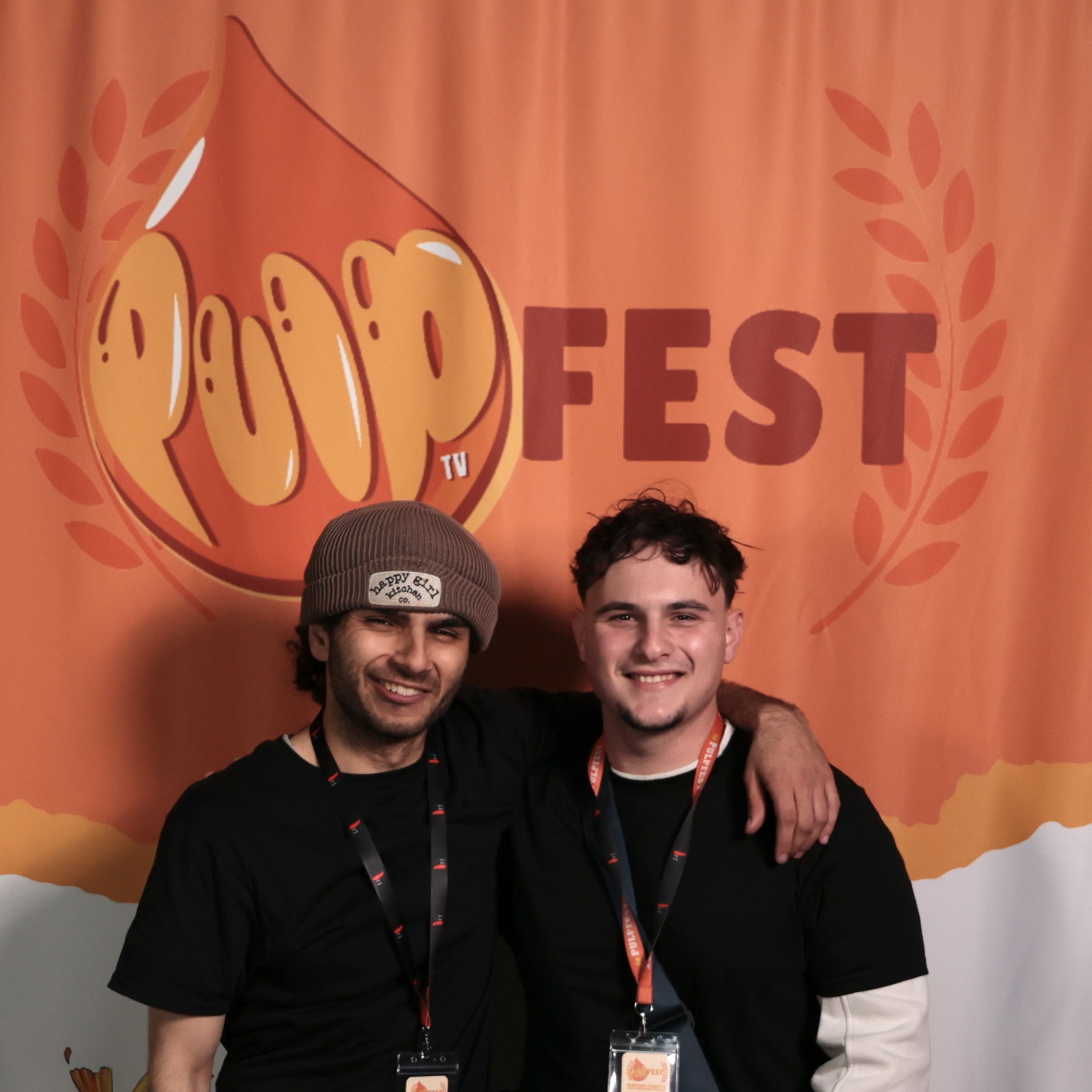
Today we’d like to introduce you to Sam Al-Maqtari And Jameson Paull.
Hi Sam Al-Maqtari and Jameson Paull, so excited to have you on the platform. So before we get into questions about your work-life, maybe you can bring our readers up to speed on your story and how you got to where you are today?
Jameson and I have been working together for years now. We originally met at Monterey Peninsula College, where we were both studying film and became involved in building up the film community there. We eventually transferred to CSUMB, but throughout that time we kept working together on different creative projects and became increasingly involved in the local arts community around Monterey County.
PULP really grew naturally out of that. Jameson and I are both huge fans of independent animation, and we kept coming across incredible animators online making work that was funny, strange, experimental, or just completely different from what you normally see through traditional studios and streaming platforms. A lot of these artists had built audiences of their own, but there wasn’t really a central place dedicated to bringing all of that work together and introducing it to new people.
We started PULP as an attempt to create that space. It began as a grassroots independent-animation platform. We were reaching out to animators whose work we loved, talking with them directly, sharing their films, and collaborating with them through Instagram. What surprised us was how quickly people responded to the idea. It started developing into a genuine network of independent animators and an audience that wanted to discover this kind of work.
Since then, PULP has grown to more than 40,000 followers, reaches millions of viewers monthly, and featured work from more than 170 independent animators. What began as the two of us sharing films we loved started showing us that there was a much larger audience for independent animation than we initially realized.
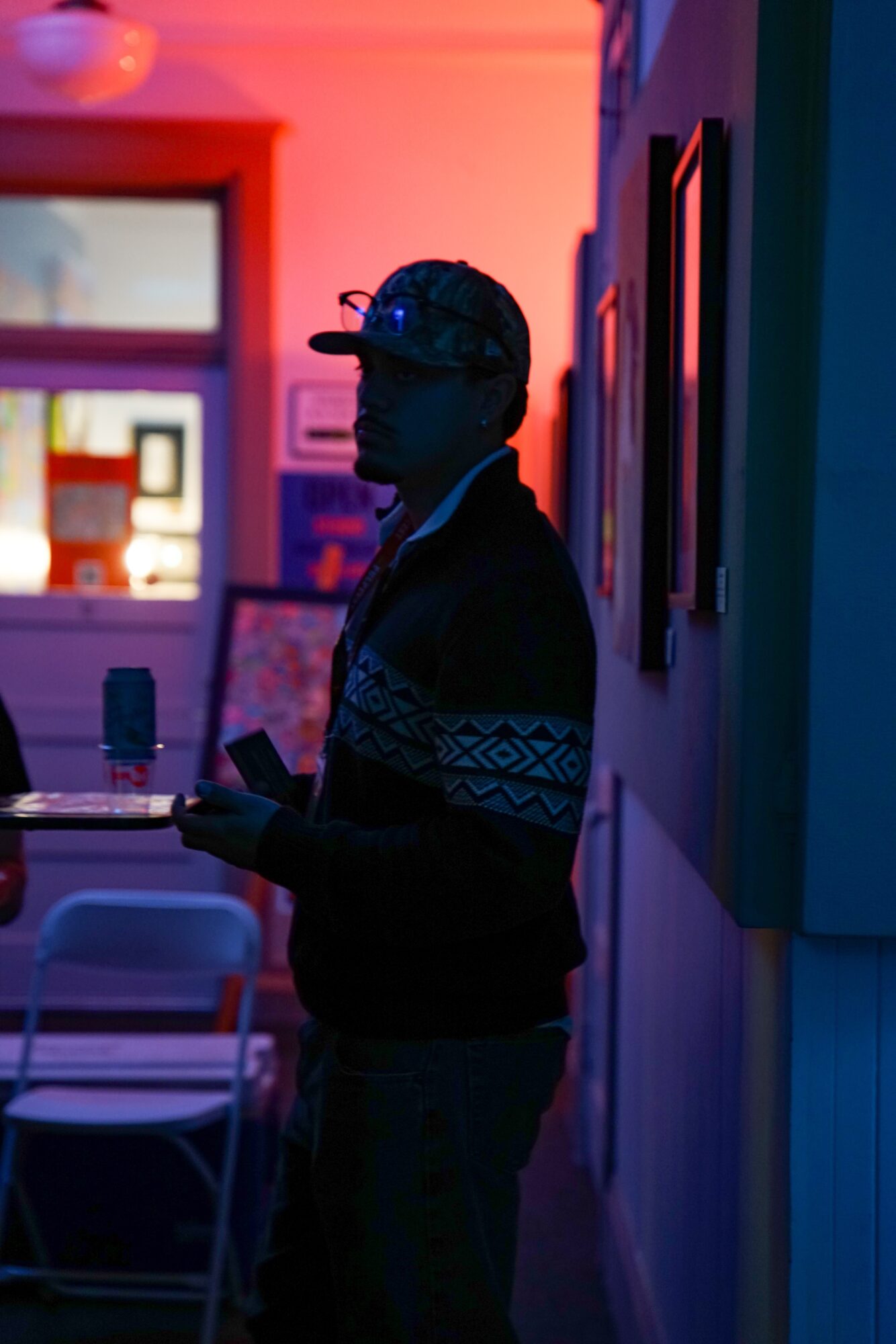
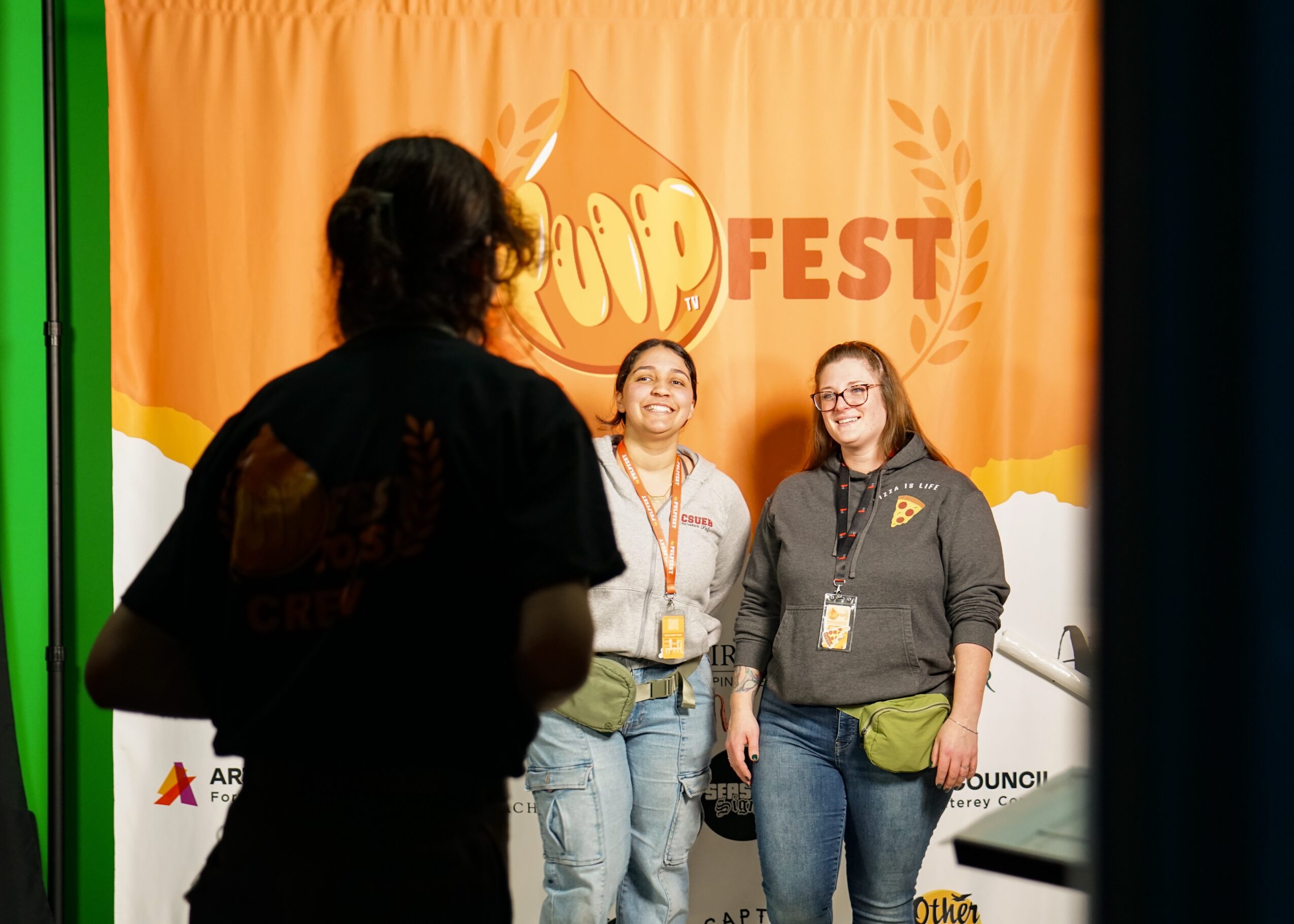
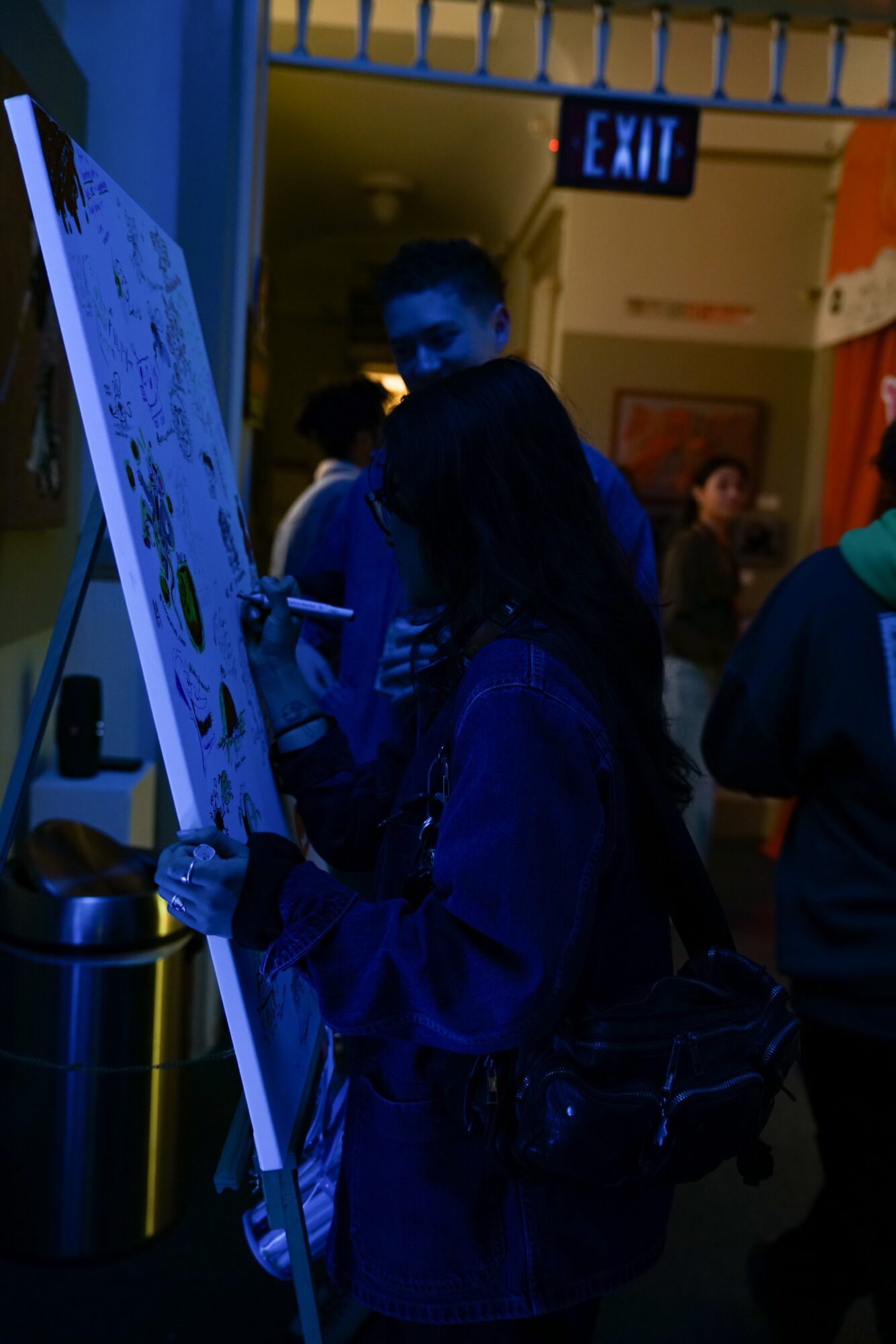
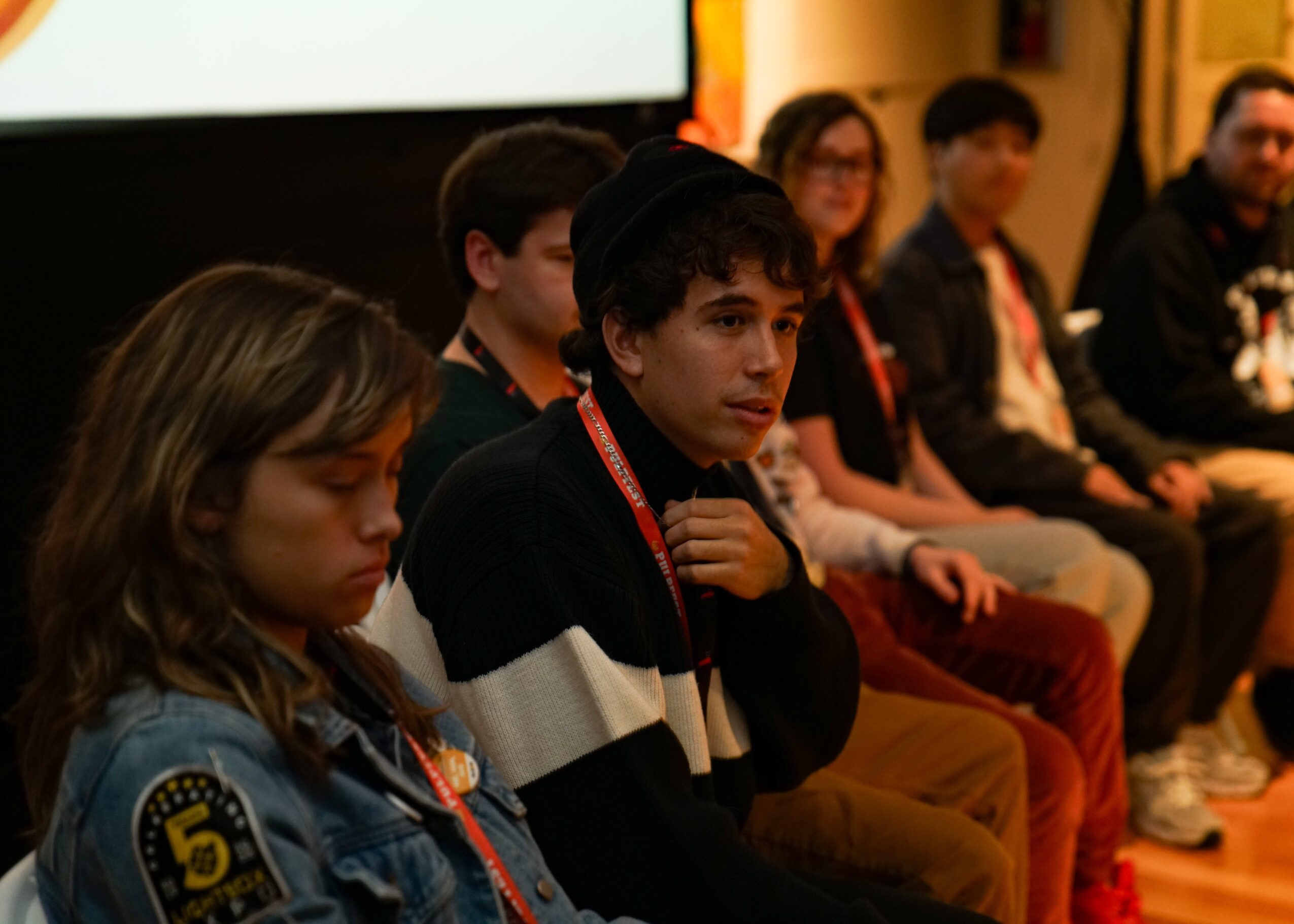
Eventually, we started asking ourselves how we could take something that existed primarily online and make it tangible in our own community. That led to PULPFEST, which we organized at the Pacific Grove Art Center as Monterey County’s first independent animation festival. We only had about four months to bring the festival together, and while Jameson and I had previous experience organizing festivals and events that helped us develop a cohesive plan of action, PULPFEST was very much a team effort. We were fortunate to have fellow local creatives step up alongside us, including animator Hailey Geiler, producers Payam Sharifi and Marie Dial, and CSUMB Film Club President Dakota Draper, among others. Many of the people who helped make the festival happen were current or former CSUMB students, which made it feel even more representative of the creative community that had grown around us.
Together, we turned four months of planning into a sold-out Art Center full of people watching independent animation. That was a major moment for us. It proved that the audience PULP had been building online could translate into a real-world community, and that there was a genuine appetite for independent animation here in Monterey County.
That’s really been the story of PULP so far. Jameson and I didn’t start with a large company behind us or a huge number of resources. We’ve largely built it by reaching out to people, forming relationships, experimenting, and figuring things out as we’ve gone along. A lot of what we’ve done has come from looking around and asking, “Why doesn’t something like this exist here?” and then trying to build it ourselves.
We’re still very much in the middle of that story. What started as a way to spotlight independent animation has grown into something much larger, and we’re now thinking seriously about how PULP can become lasting infrastructure for independent animators: a platform for discovering their work, physical screenings and events that bring audiences and artists together, and eventually new ways for independent creators to financially benefit from the audiences their work generates.
We all face challenges, but looking back would you describe it as a relatively smooth road?
One of the biggest challenges with PULP has simply been learning how to build something while we’re already running it. We didn’t start with a large budget, paid staff, or an established organization behind us. PULP has been built almost entirely through volunteer work, and nobody on the PULP team is currently paid. At the same time, the audience, number of participating artists, and scope of what we’re trying to build have grown considerably. Jameson and I have had to learn a lot of things in real time.
Early on, one of the biggest challenges was simply getting people to understand what PULP actually was. Independent animation can be pretty fragmented, and the idea of creating something that could bring these artists together, build an audience around their work, host physical screenings and events, and eventually grow beyond social media wasn’t always easy to explain. In a lot of ways, we’ve had to prove the concept by actually doing it.
PULPFEST was probably the clearest example of that. We were trying to organize Monterey County’s first independent animation festival with limited resources and a largely volunteer team. It was ambitious, but the community rallied around it. The festival sold out, and rather than treating it as something designed to generate money for ourselves, the proceeds went back into supporting the Pacific Grove Art Center, a nonprofit arts organization that has served the community since 1969 and provides working studio space for more than 30 artists.
That experience reinforced something important for us: PULP doesn’t have to grow in isolation. Some of the strongest opportunities we’ve found have come from independent artists, students, established arts organizations, businesses, foundations, and community leaders finding ways to support one another.
We’re incredibly grateful for some of the local leaders who have helped us navigate that process. People like Karen Owen with the Pacific Grove Art Center, Kathleen Lee with the Pebble Beach Foundation, and Chris Carpenter, President of the Monterey County Film Commission, have been generous with their guidance, support, connections, and experience. Having established people in the community willing to take what we’re building seriously, answer a lot of our questions, and help us find our footing has made a tremendous difference.
More recently, the challenge has shifted from proving that PULP can work to figuring out how to make it sustainable. When something grows organically, there’s a point where enthusiasm and volunteer labor alone aren’t enough to support everything you want it to become. We’ve had to think much more seriously about organizational structure, fundraising, partnerships, responsibilities, and ultimately how PULP can generate resources that flow back toward the independent artists whose work makes the platform possible.
We’re still figuring some of that out, and I think that’s an important part of the story. One of the biggest things Jameson and I have learned is that you don’t need to have every answer before you start. You need to be willing to learn, ask for help, surround yourself with people who know things you don’t, and adapt when something isn’t working. A lot of the obstacles we’ve encountered have ultimately forced us to become better at building PULP
Thanks – so what else should our readers know about your work and what you’re currently focused on?
At the center of our work is a pretty simple goal: we want to help independent animators find audiences, build community around their work, and ultimately create more opportunities for that work to financially support the people making it.
PULP is an independent animation platform and emerging nonprofit built around that idea. Right now, a huge part of what we do is discover independent animators whose work we genuinely love, build relationships with them, and introduce their films to a larger audience. We’ve now featured work from more than 170 independent animators, and one of the things we’re most proud of is that those relationships aren’t based around exclusivity or ownership.
We don’t want PULP to become another gatekeeper.
If an animator works with us, we want them to retain the rights to their work and remain free to screen it somewhere else, enter festivals, distribute it through another independent platform, work with other organizations, or grow their own audience independently of us. Ideally, PULP is one part of a much larger ecosystem surrounding that artist rather than the ecosystem itself.
That’s important because we think independent distribution can become much more collaborative. An animator should be able to create something once, retain ownership of it, and work non-exclusively with multiple organizations to generate opportunities and potentially income from that same piece of work. That could mean taking it through the festival circuit, earning money through independent distribution platforms, participating in paid screenings and events, licensing it elsewhere, and continuing to build an audience around the work themselves.
Physical screenings and events are another major part of what we’re building. PULPFEST showed us what happens when the community we’ve developed online gets brought into a physical space. We want to continue developing PULP Pop-Ups, screenings, festival partnerships, and other programming where independent work can reach audiences while creating additional opportunities for participating artists to benefit financially. Wade Donahoe, a recent addition to PULP, has been particularly helpful in developing that side of the organization alongside Payam Sharifi, who are now both our Screening Committee Chairs.
Our longer-term goal is to develop PULP into an independent distribution platform where audiences can discover and watch independent animation completely free. We don’t want cost to become another barrier between an independent artist and someone discovering their work. The challenge we’re interested in solving is how to keep that experience accessible to audiences while developing revenue models that allow the creators whose films give the platform its value to share in its success.
What probably sets PULP apart most is that we’re trying to build this from the perspective of independent filmmakers and animators ourselves. We’re asking what kind of infrastructure we wish existed for us and our peers, and then trying to build pieces of it.
We don’t think the future of independent animation needs one organization controlling everything. We think it needs a healthier network of artists, festivals, distributors, screening organizations, galleries, venues, schools, nonprofits, and audiences that can work together without forcing creators to surrender ownership or lock themselves into one ecosystem.
Ultimately, that’s what we want PULP to contribute to: not simply another place to post animation, but infrastructure that helps independent work travel further, reach more people, and create more value for the artists who made it.
What sort of changes are you expecting over the next 5-10 years?
It’s an interesting time to be entering the film and animation industry because so much of what people our age were told the traditional path would look like is changing in real time. We’ve watched creatives deal with layoffs and instability, the rapid introduction of generative AI, mergers and consolidation among major media companies, and a general uncertainty around what a sustainable creative career is going to look like in the future.
At the same time, we’re seeing something happening in the opposite direction. There is an enormous amount of independent work being created right now, and individual artists have more ability than ever to create something and reach an audience directly. Some incredibly talented artists are finding audiences entirely on their own, and many experienced creatives who previously worked within larger companies are finding themselves independent as well.
The ability to make something and reach people has become dramatically more accessible. The harder question is how independent artists turn that accessibility into sustainable careers.
Jameson and I could have looked at that uncertainty and decided that the answer was to leave Monterey, move to Los Angeles, and try to find our place within the existing system. Instead, we started asking why we couldn’t help build an alternative.
We believe independent creators are going to occupy a much larger part of the future of film and animation. That doesn’t mean traditional studios or major productions are going to disappear. It means individual artists increasingly have the ability to create, distribute, collaborate, and build audiences outside of those systems.
But independence shouldn’t mean isolation.
Ideally, the next generation of independent filmmakers and animators will be able to surround themselves with an ecosystem of organizations that can help them without trying to own them or their work. An animator might work with PULP, another independent distributor, film festivals, screening organizations, galleries, universities, venues, or other partners while continuing to own what they’ve created and build an audience of their own.
That’s ultimately the future we want PULP to contribute to. We don’t want independence to mean that artists have to do everything alone. We want it to mean that artists have more choices.
And we think there’s an opportunity to build some of that infrastructure here in Monterey County.
There’s sometimes an assumption that if you’re serious about film or animation, eventually you have to leave places like Monterey County for Los Angeles or another major entertainment center. We looked around Monterey County and saw filmmakers, animators, students, artists, venues, arts organizations, educational institutions, and audiences already here. What seemed to be missing wasn’t necessarily the creative talent. It was some of the connective infrastructure that could bring those pieces together.
PULP is our attempt to plant one small seed of that future here. We’re trying to demonstrate that independent animation can find an audience here, that artists from around the world can become connected to a community being built on the Central Coast, and that organizations don’t necessarily need to compete for ownership of artists or audiences in order to succeed.
Over the next five to ten years, we’d love to see a much larger independent ecosystem emerge around film and animation, with PULP working alongside other festivals, distributors, nonprofits, schools, venues, artists, and organizations rather than trying to replace them.
If we can help create a system where an independent animator has more places to show their work, more ways to find an audience, more organizations willing to collaborate with them, and more opportunities to earn from what they create while retaining ownership of it, that’s the future we’d like to help build.
Contact Info:
- Website: https://pulptv.org
- Instagram: https://www.instagram.com/tvpulp/?hl=en