




Today we’d like to introduce you to Laurel Thomsen.
Hi Laurel, we’d love for you to start by introducing yourself.
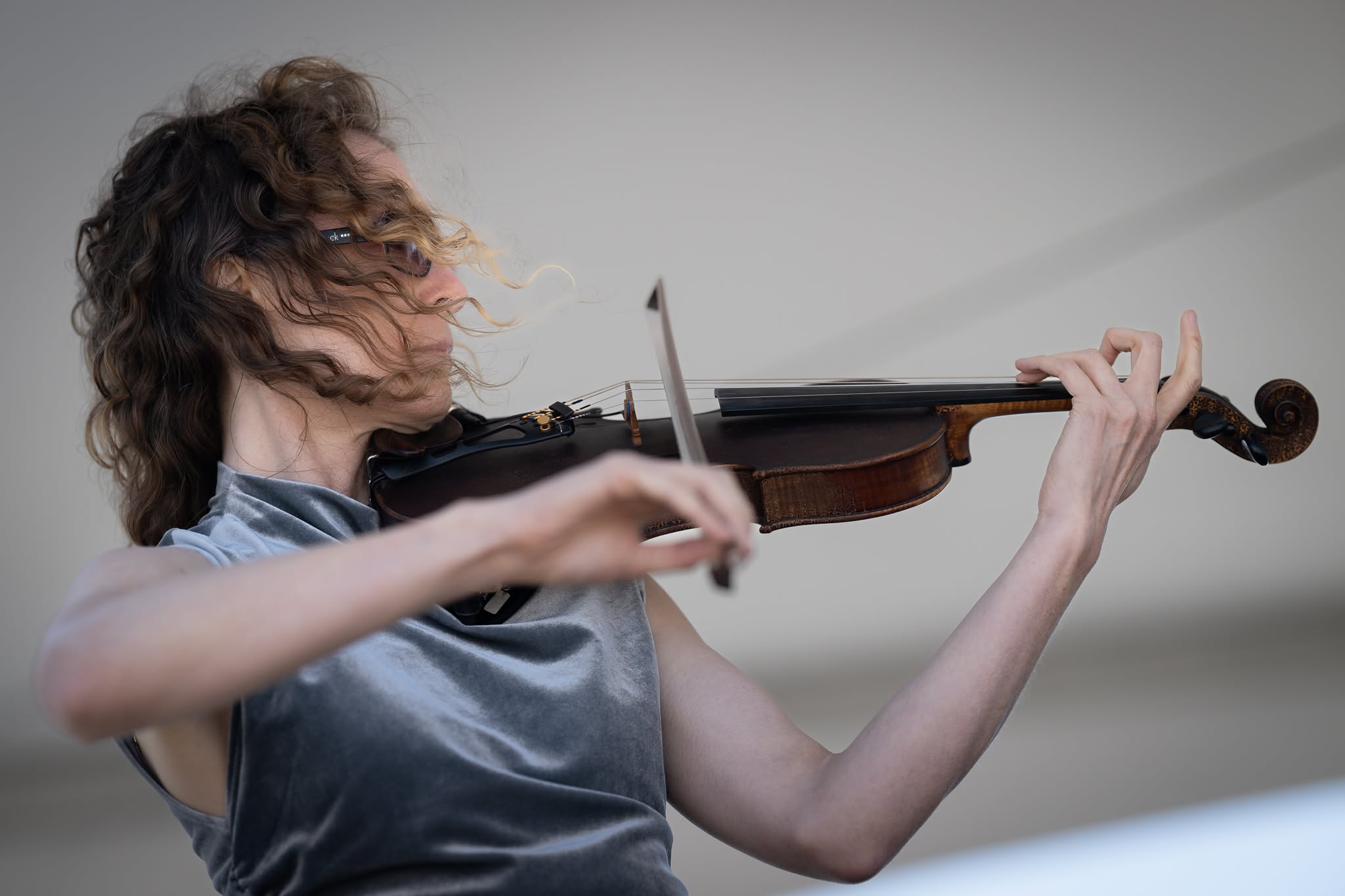
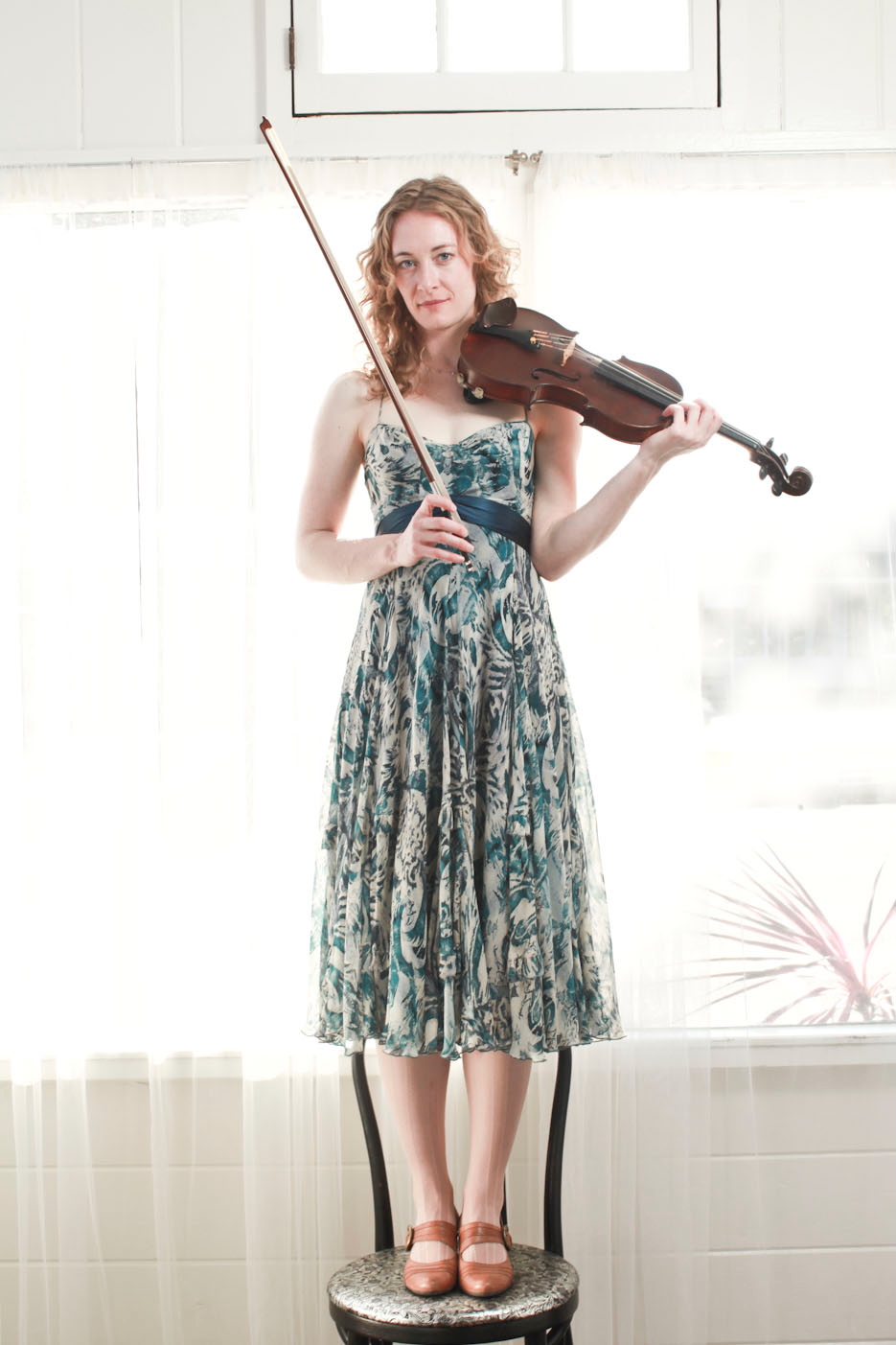
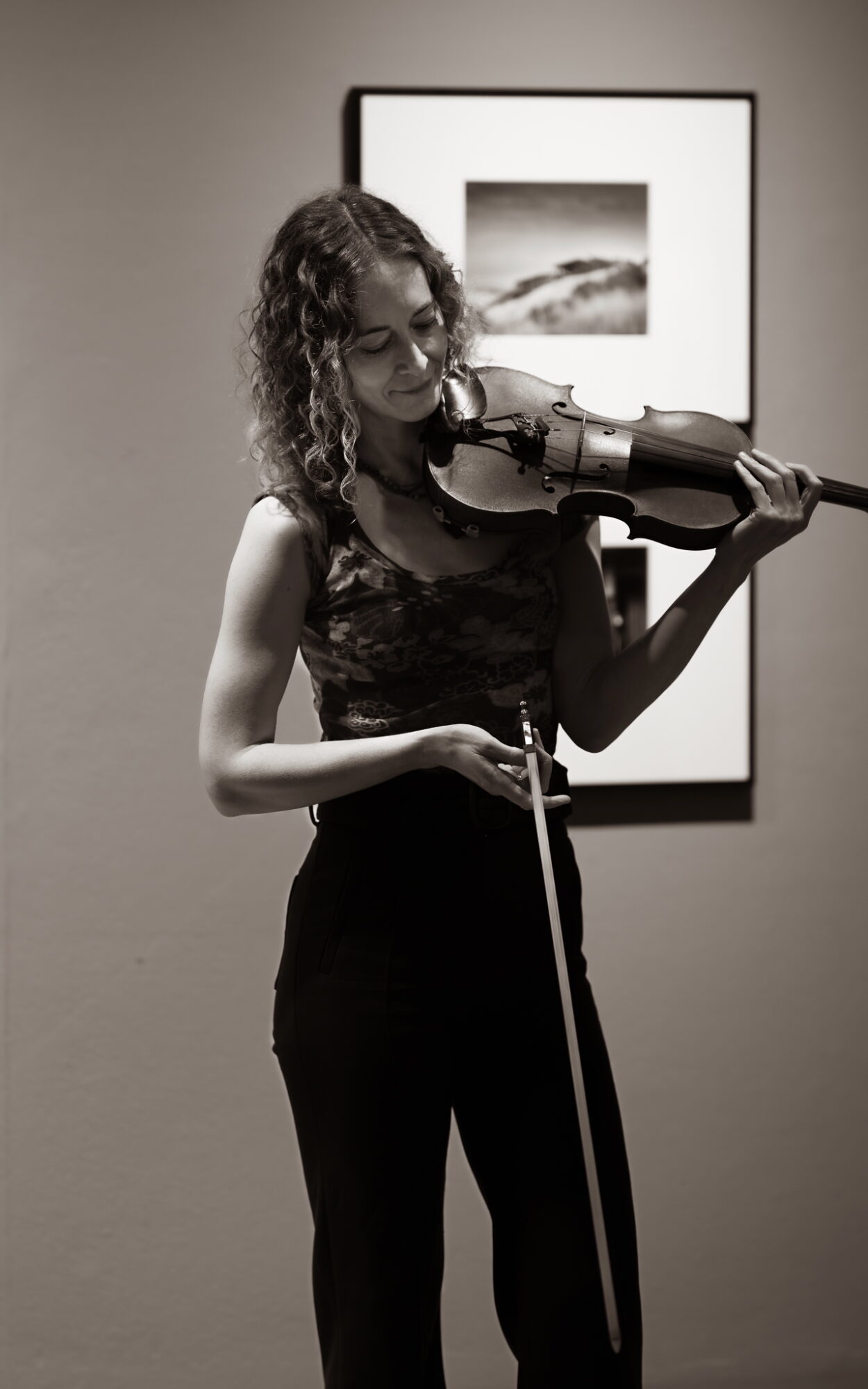
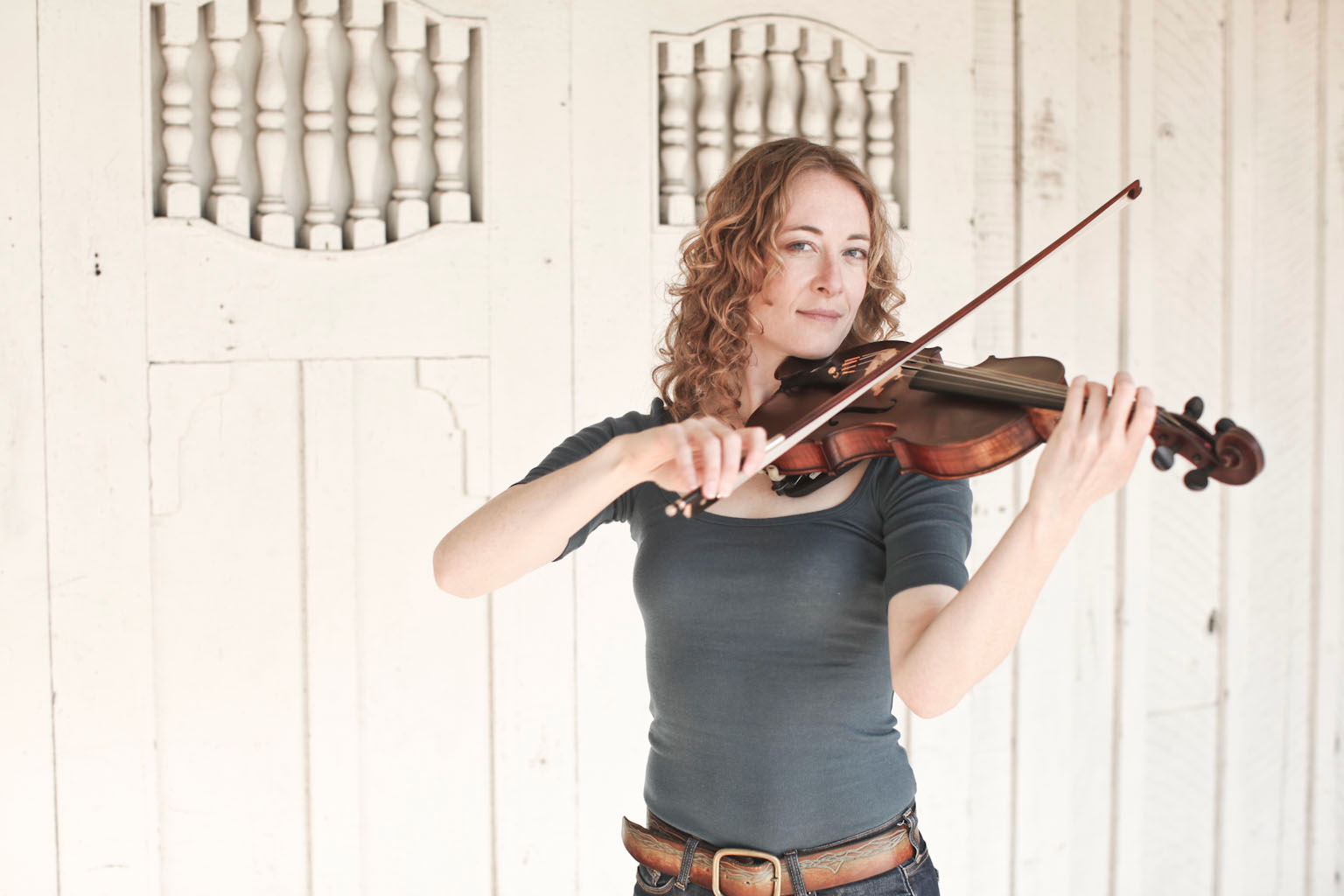
I’m an internationally touring string player, passionate about exploring the range of emotions and genres the violin and other bowed-stringed instruments are capable of.
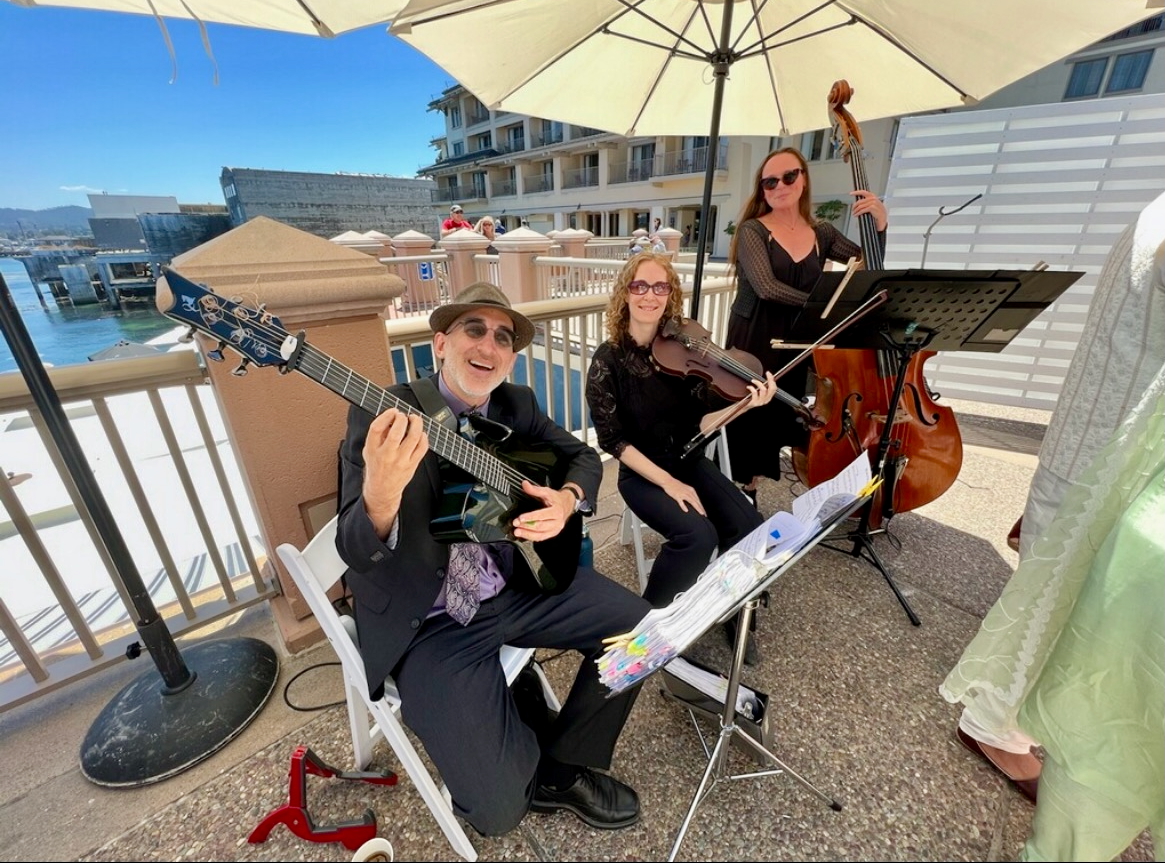
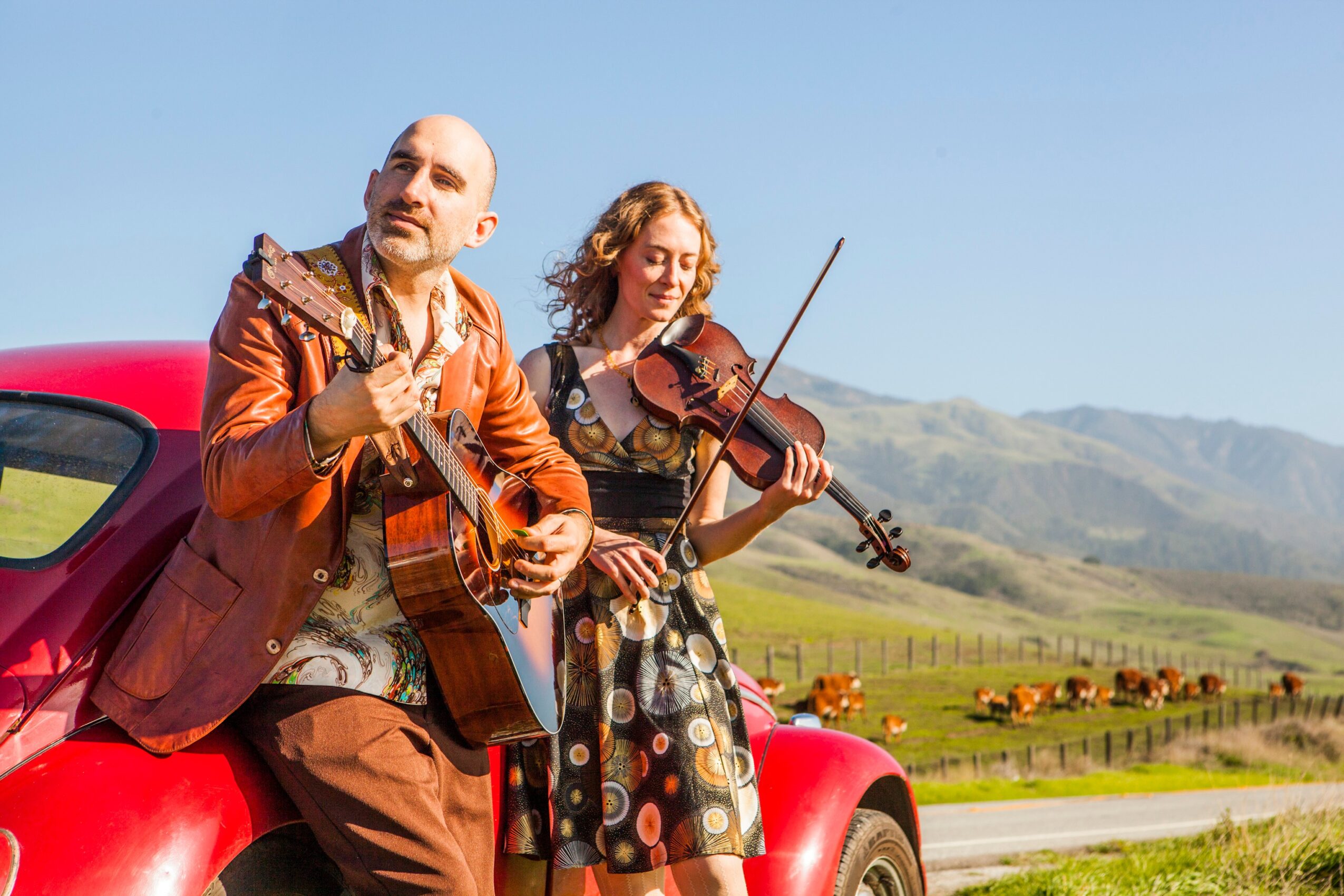
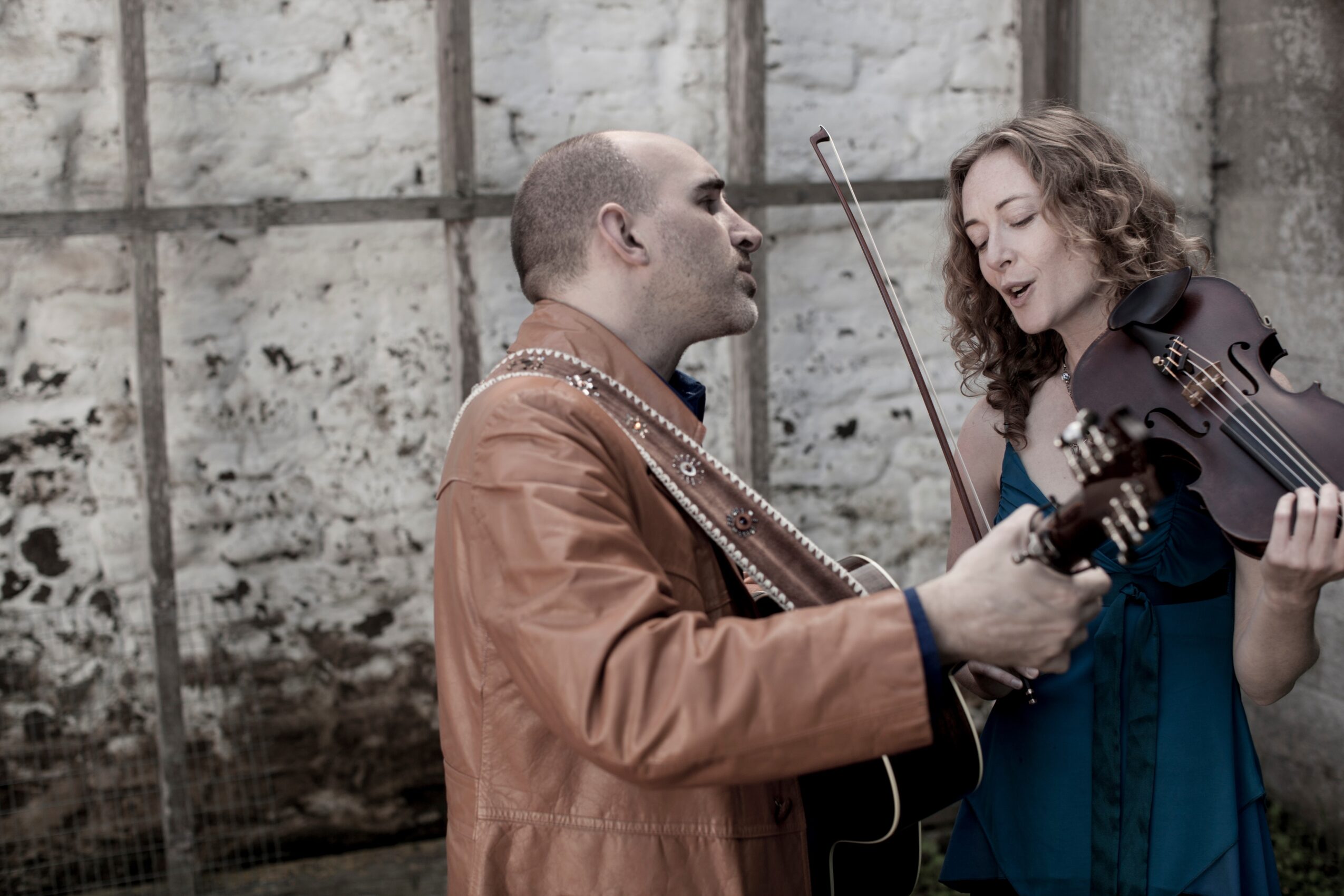
I was born and raised in Monterey, California and am now based in the Santa Cruz Mountains. I began performing around the California Central Coast and San Francisco Bay Area when I was a teenager, and have enjoyed creating and being a part of diverse stage projects ever since, from symphony orchestras to opera and theater pit orchestras, wedding and corporate event opportunities, and shows with singer-songewriters and bands performing a wide variety of material. Some highlights have included performances at Apple headquarters, on BBC radio, the Winnipeg Folk Festival, and extensively touring North America and Europe with my musical partner and husband, Canadian songwriter Dan Frechette, as our duo “Dan Frechette & Laurel Thomsen.” We released our fifth album, “After the Fire,” in 2022.
Teaching has also been a large and important part of my life. As a young teen in 1996, my first student approached me about taking lessons and I fell in love with sharing and troubleshooting with students. As reported by the New York Times, in 2009 I expanded my home studio to embrace online students as one of the first music teachers offering online lessons, at that time via Skype. I have since enjoyed inspiring dedicated violin, viola, fiddle, and cello students in dozens of countries and on every continent except Antarctica.
I have also been honored to have had dozens of my technique and practice articles published in Strings and Fiddler magazines, and my passion for sharing the tips and insight I’ve discovered along the way led me to create the Violin Geek Blog, Violin Geek Podcast, and to date, three online courses addressing common technical challenges bowed string players face, such as vibrato, bowing, shifting, and intonation, in ways which use our natural biomechanics to our advantage.
Can you talk to us a bit about the challenges and lessons you’ve learned along the way. Looking back would you say it’s been easy or smooth in retrospect?
Growing up, I imagined becoming a Classical violinist, performing in symphonies, heading a string quartet, and teaching privately. I dutifully entered university as a performance major, but after a few semesters started feeling like I’d taken a step back. The performance anxiety that had been building throughout high school was only getting worse, and while I had already been teaching 12 students a week by my senior year, not to mention making good money performing at weddings and other events, now I was head down in books again, mostly learning generalized information that I wondered if I’d ever even use. I was studious and dedicated; I’d graduated at the top of my high school class, but striving for so long, I was burned out. I thought college was supposed to be different.
Then, I got accepted to a summer chamber music program in Italy. I thought, ok, this will be a breath of fresh air. Surely, I’ll go there, meet new people, explore a new culture, regain my inspiration and feel like my life is falling into place again.
I loved Italy, and the chamber music program was filled with fine teachers and students, but I continued to feel disconnected. While others took a break from practicing and rehearsing to nap during siesta time, I walked as far as I could, to the highest points of the landscape. I longed for a different perspective.
Towards the end of the program, on a bus ride out to a performance location, I overheard one of the most advanced violinists of the group crying with her friend in the seat behind me. She was getting ready to graduate from college, but felt like she had nothing to show for it, and no real prospects for work. She expected to go live with her parents for a while, get a job at the local coffee shop or grocery store. She couldn’t see herself winning an audition with any orchestra that would pay her a living wage. She imagined going for her masters, maybe even a doctorate, and eventually becoming a professor, but did she even like teaching? She felt stuck and regretted putting so much effort into music, and money into a degree that “meant virtually nothing” as far as an audition jury would probably be concerned.
I listened, shocked that here was someone I considered very accomplished, yet she seemed to both have no faith in herself, or creative spirit to think outside the box. Suddenly, I desperately knew I also had to get out of the box. I took a leave of absence for that next semester, planning to hunt for a school with a broader program, one that emphasized not only Classical, but other genres of music. I returned to the Central Coast and immediately, opportunities started flowing in – teaching, performing, bands and singer-songwriters were inviting me to sit in with them and record on their albums. I went to my first fiddle camp. I took a summer Jazz intensive. I mentored with a few violinists with careers closer to what I imagined – diverse and full of vitality. My life took off. That semester came and went, as did another and another. I never looked back.
Alright, so let’s switch gears a bit and talk business. What should we know about your work?
In a nutshell, I create beauty out of what is not always inherently beautiful. People come to a performance, or learn I play the violin, and remark: “oh, the violin is such a beautiful instrument!” Yes, that can be true, but it can also sound absolutely terrible! Whether I’m performing, or helping one of my students troubleshoot something they’re experiencing, I’m constantly juggling physical, mental, emotional, acoustic, and even spiritual challenges and barriers to achieving beauty.
Music, and playing a musical instrument, especially one like the violin which does not hand you a single musical element automatically – not intonation, not rhythm, not tone, nothing – is a master yogi level pursuit. We have to be present and on top of so many skills, both internally and externally. We have to be able to be resilient against inner and outer demons.
And like any art, music reflects the world and our experience. Even in my songwriting there is a certain “phoenix rising from the ashes” theme, so many songs about finding the silver lining, overcoming adversity, and taking a stand for a better world.
Music, playing an instrument, singing, it really is a beautiful meditation that weaves it’s way into all aspects of life. And none of it will never be mastered. I actually love that most about what I do! There will never be a finish line, but always a striving. We become better humans through that effort and that humbling. I’m honored that I get to share this journey with my partner and other incredible musical colleagues, with my students all around the world, with audiences, with my event music and recording clients, and people who might enjoy my recordings. It’s all about showing up for what’s happening, leaving your preconceived ideas at the door, and trying to leave the space and its people in a better, more peaceful, hopeful, and uplifted place than you found them.
What sort of changes are you expecting over the next 5-10 years?
It is really sad that the recorded music industry is virtually gutted, ever since Napster. And while streaming services promise ways to get artists paid, the payouts are so ridiculous, only the top 1% of artists are getting anything they could remotely live on. We have seen some interest in physical music, CDs, records, even tapes, but it’s hard to say if artists will ever be able to count on it as a major income stream. Even 15 years ago we were often making just as much from CD sales as from ticket sales, often even more.
Classical music scenes are having to shift as well. I see a lot of orchestras programming more pop music. String quartets are doing Taylor Swift or “Bridgerton” music nights. We all have to find ways to stay relevant.
One of the more hopeful sectors is certainly private event music, which is going strong on the Central Coast, with so many weddings, corporate events, conferences happening all the time, and virtually no off season. I’d expect that to continue, at least as long as musicians can find ways to afford to stay in the region.
There are little pockets where publicly performed music is having a renaissance as well. The Monterey Peninsula, and Pacific Grove in particular, seems to be full of opportunities and new venues hosting music all the time. On most any weekend evening, someone can stroll down Lighthouse Ave, enjoying music at Pop & Hiss, PG Meetinghouse, the Pacific Grove Library, the Monarch Pub, Lucy’s, and a number of other restaurants, hotels, and pubs. On the other side of town, the Asilomar Conference Center has hosted us for a number of events in recent years, from their summer concert series, to a May Day festival, to an intimate Valentines Day dinner concert. I’m really impressed with how much energy is being put toward hosting live music, and local musicians.
Contact Info:
- Website: https://www.laurelthomsen.com/
- Instagram: https://www.instagram.com/laurelthomsenmusic
- Facebook: https://www.facebook.com/LaurelThomsenMusic/
- Youtube: https://www.youtube.com/c/laurelthomsen
- Other: https://www.danandlaurel.ca/