




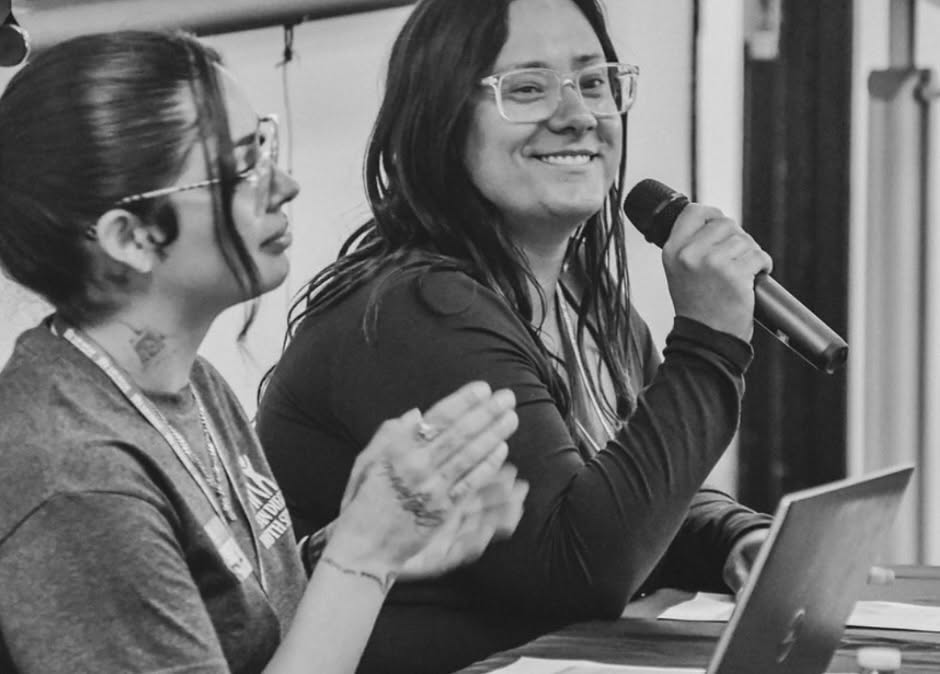
Today we’d like to introduce you to Michelle Wales.
Hi Michelle, so excited to have you on the platform. So before we get into questions about your work-life, maybe you can bring our readers up to speed on your story and how you got to where you are today?
My name is Michelle Wales, and I grew up in Southeast San Diego, Encanto to be exact. I am one of five siblings, but I grew up in the home with my parents and my twin sister. At one point, we shared a two-bedroom home with 21 other people. Life was crowded, complicated, and there was always something going on. Two of my siblings have since passed away—one due to health complications and the other from a drug overdose—and I also experienced having a brother incarcerated.
Aside from everything happening around me, I was dealing with my own trauma. From a very young age and into my teenage years, I experienced verbal, physical, and sexual abuse. At the time, a lot of what I was experiencing felt normal because it was simply the environment I knew. I started drinking at 11 years old, and by 16 I was smoking weed and using harder drugs. Substance use became something I struggled with well into my late twenties.
There were many more struggles along the way, but eventually I reached a point where I knew something had to change. One of my biggest turning points actually came after leaving a very toxic workplace. Quitting that job gave me the space to finally start focusing on myself and begin my journey toward getting clean.
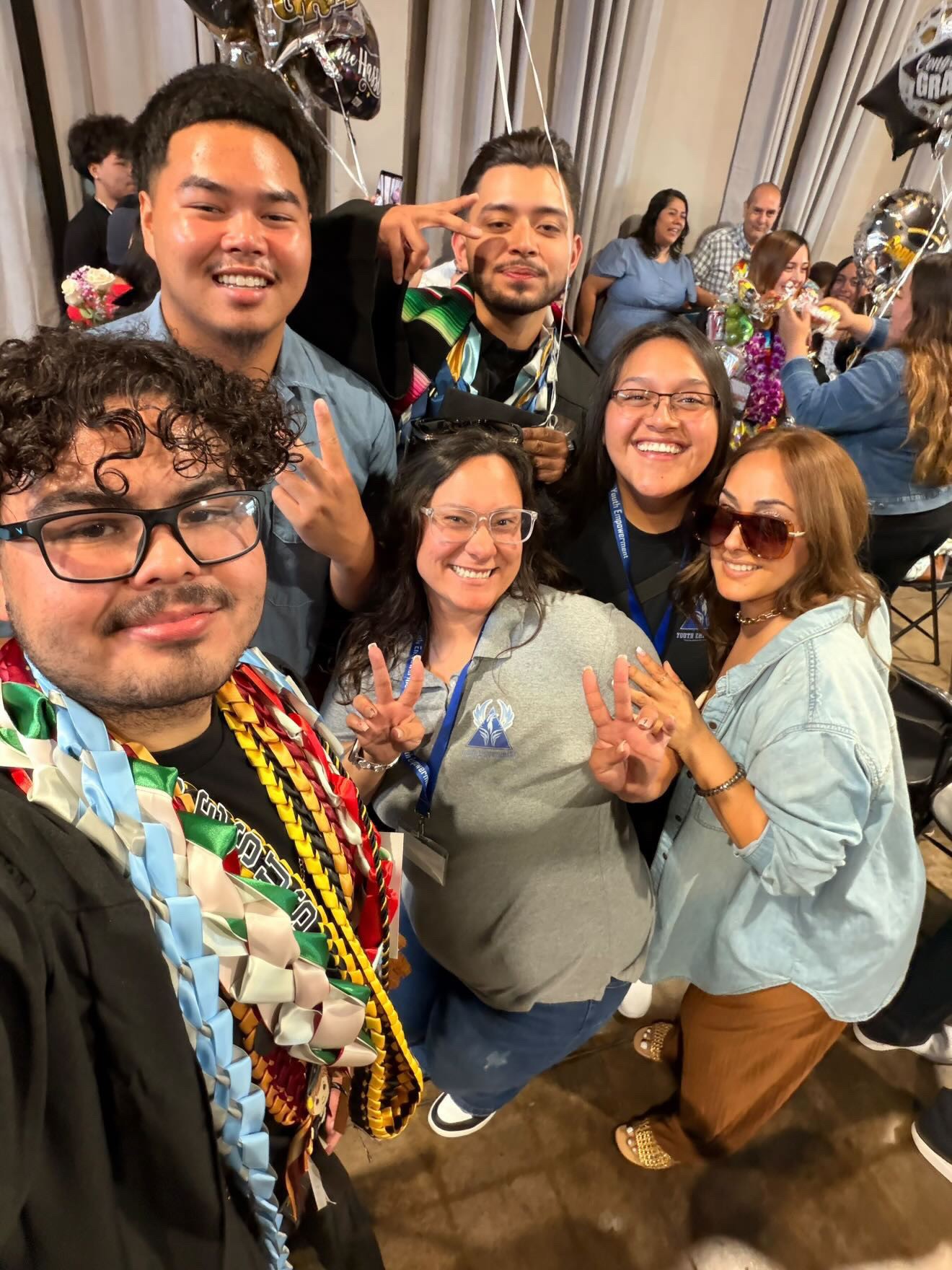
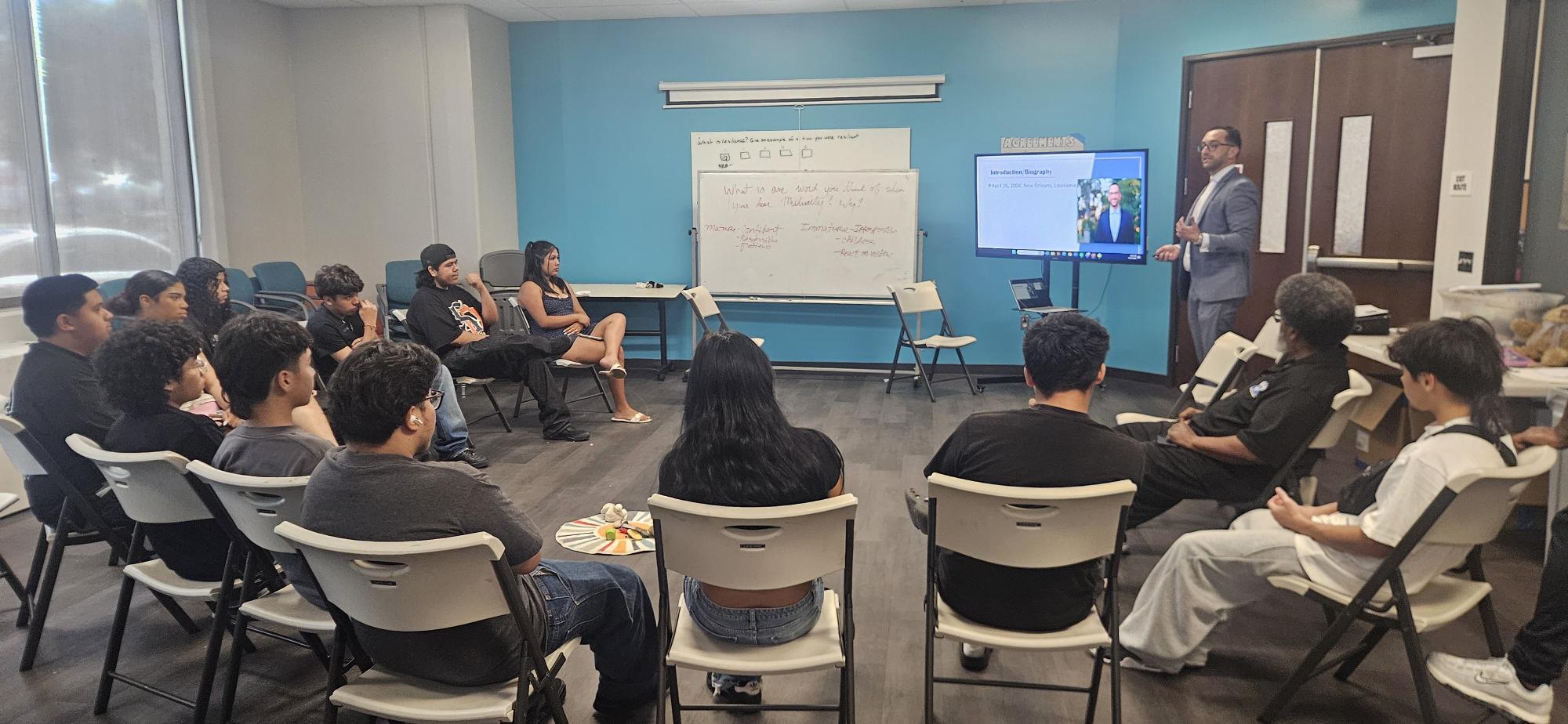
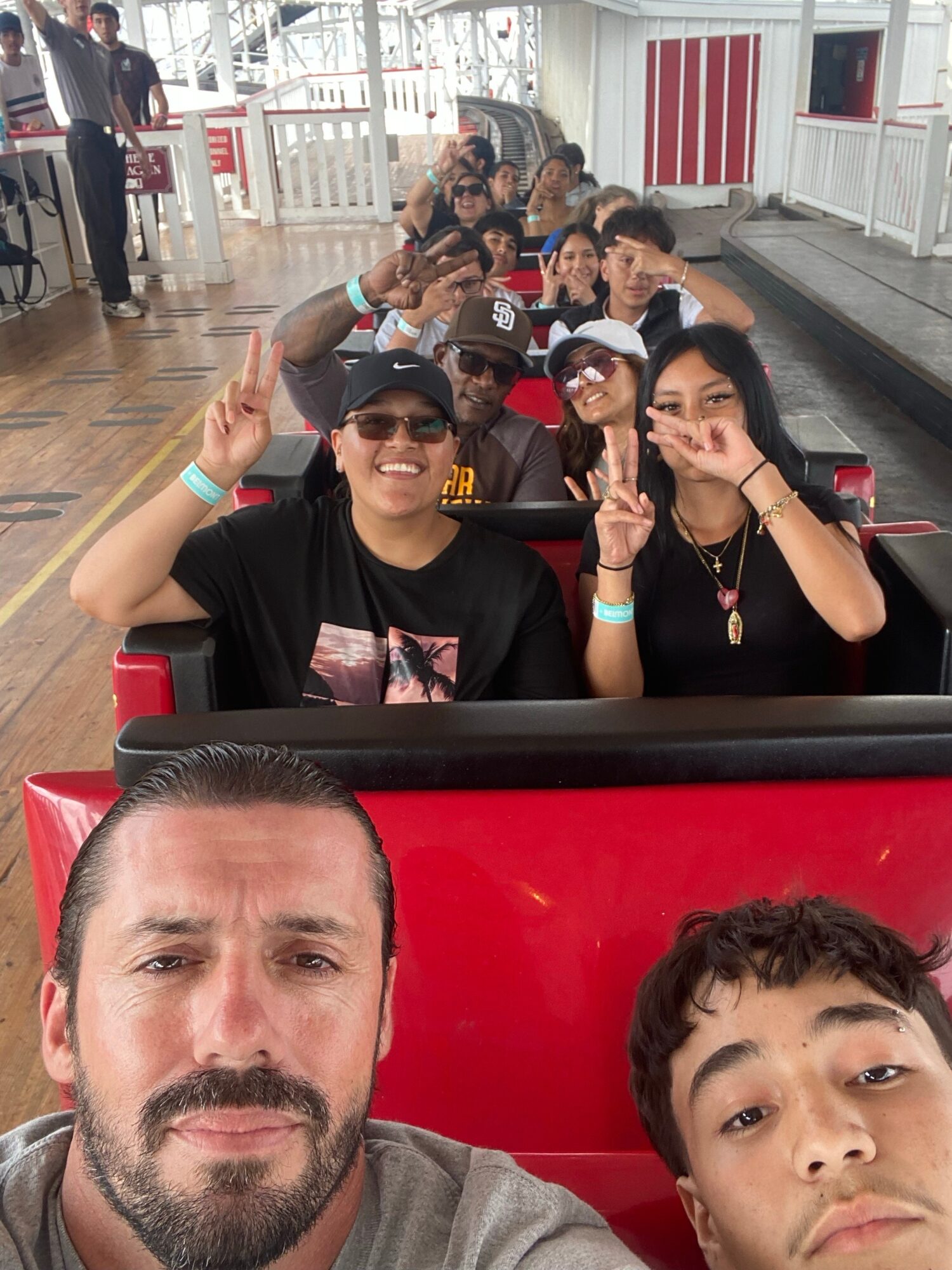
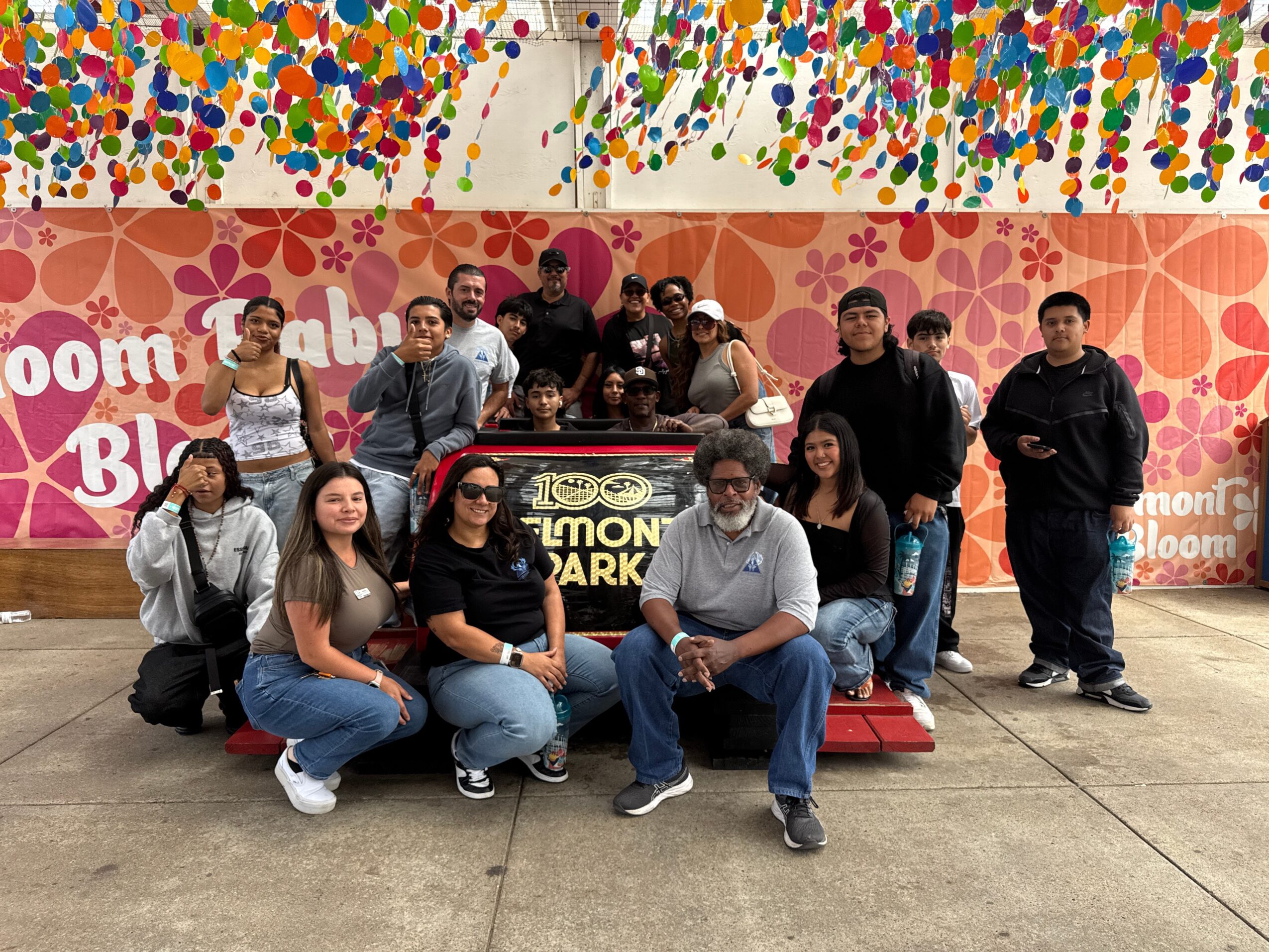
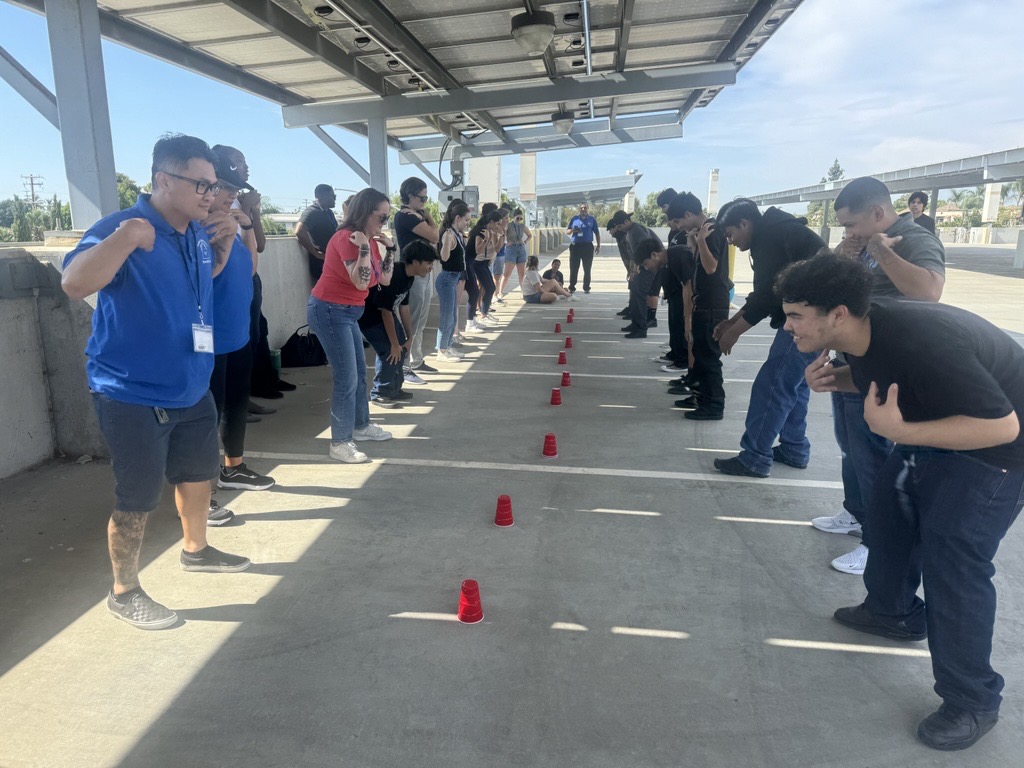
During that process, I started volunteering with Youth Empowerment. In the beginning, I wasn’t coming in with some big plan to make this my career. I was simply dropping off meals, helping out, hanging with the teens, playing games, and being present.
It didn’t take long for me to realize how much I could relate to the youth. I understood their family struggles, their anger, their choices, and even some of the behaviors that other people might immediately judge. Sometimes it felt like I was looking at smaller versions of myself—I had just grown up already.
After a few months of volunteering, I was hired as a mentor for the after-school program. I fell in love with the work because I realized that my lived experiences, including some of the hardest parts of my life, could actually be used to connect with young people in a way that made them feel seen and understood.
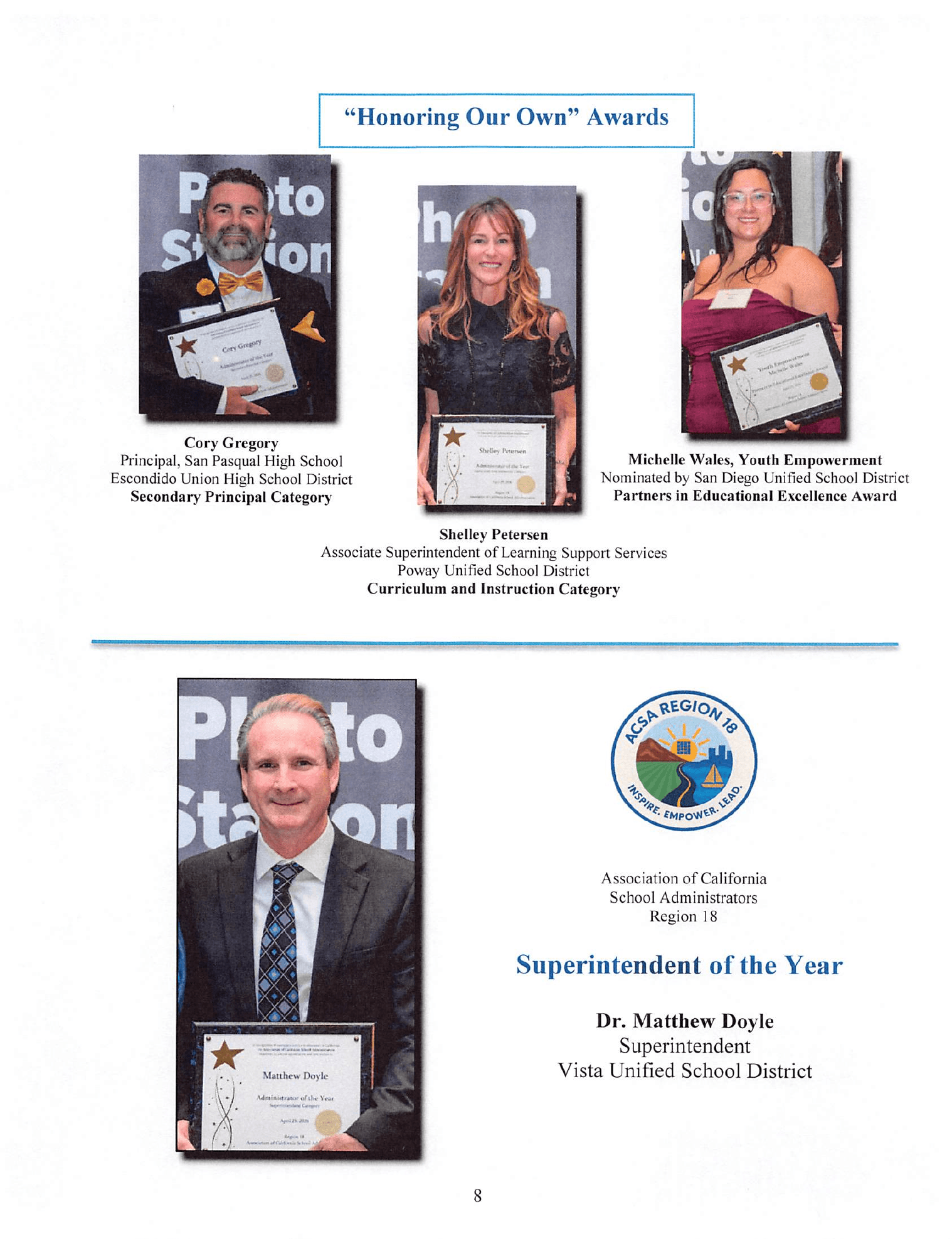
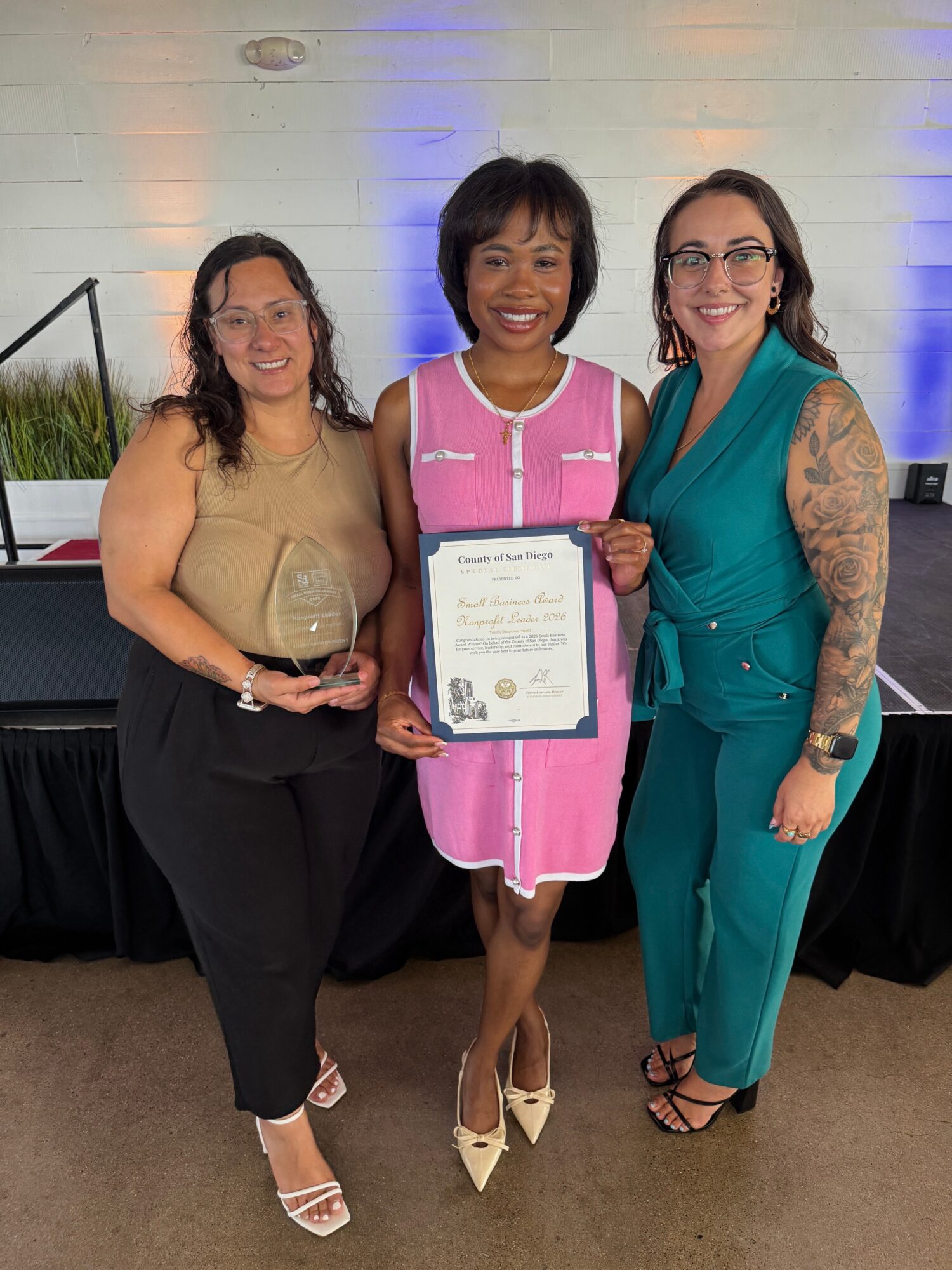
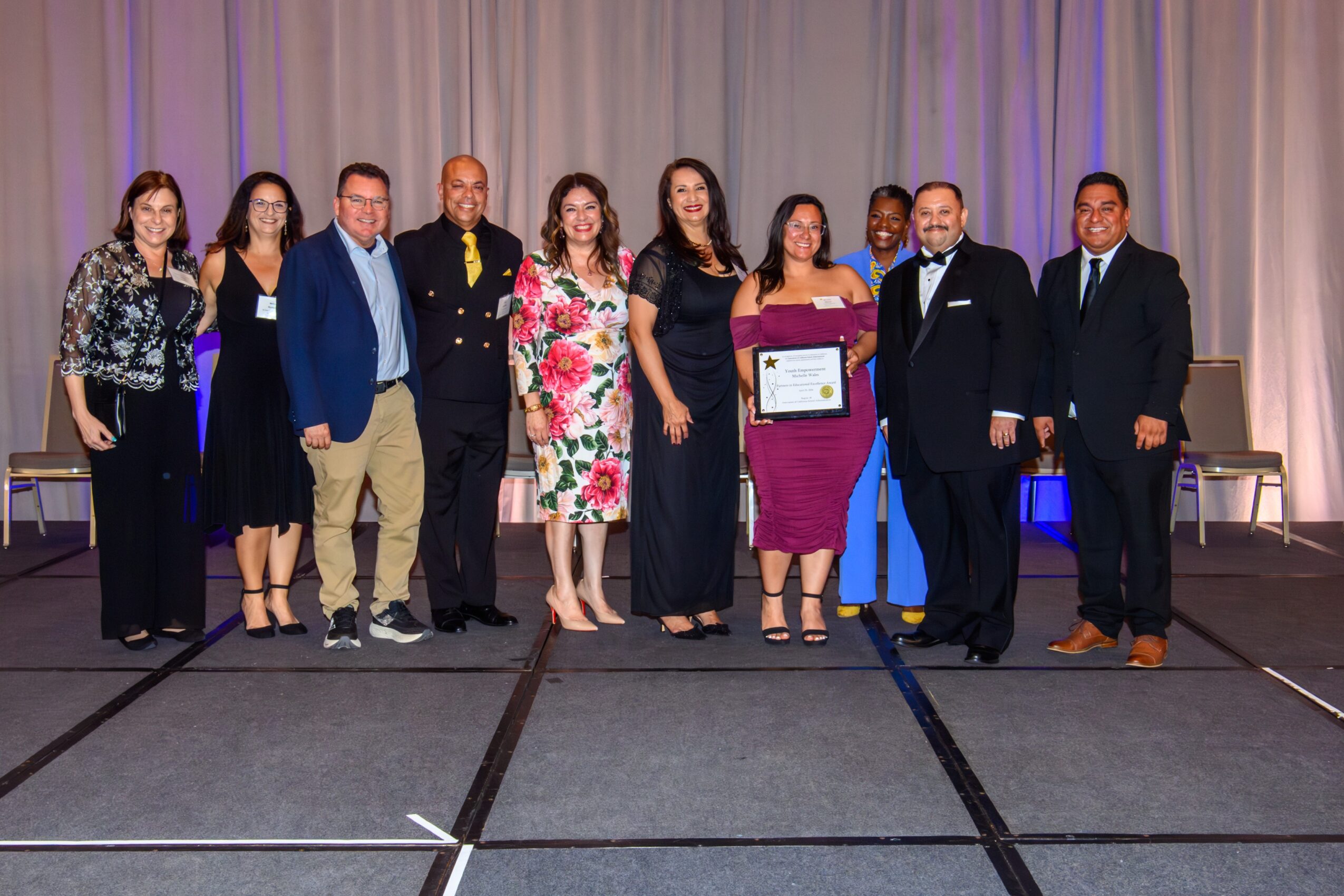
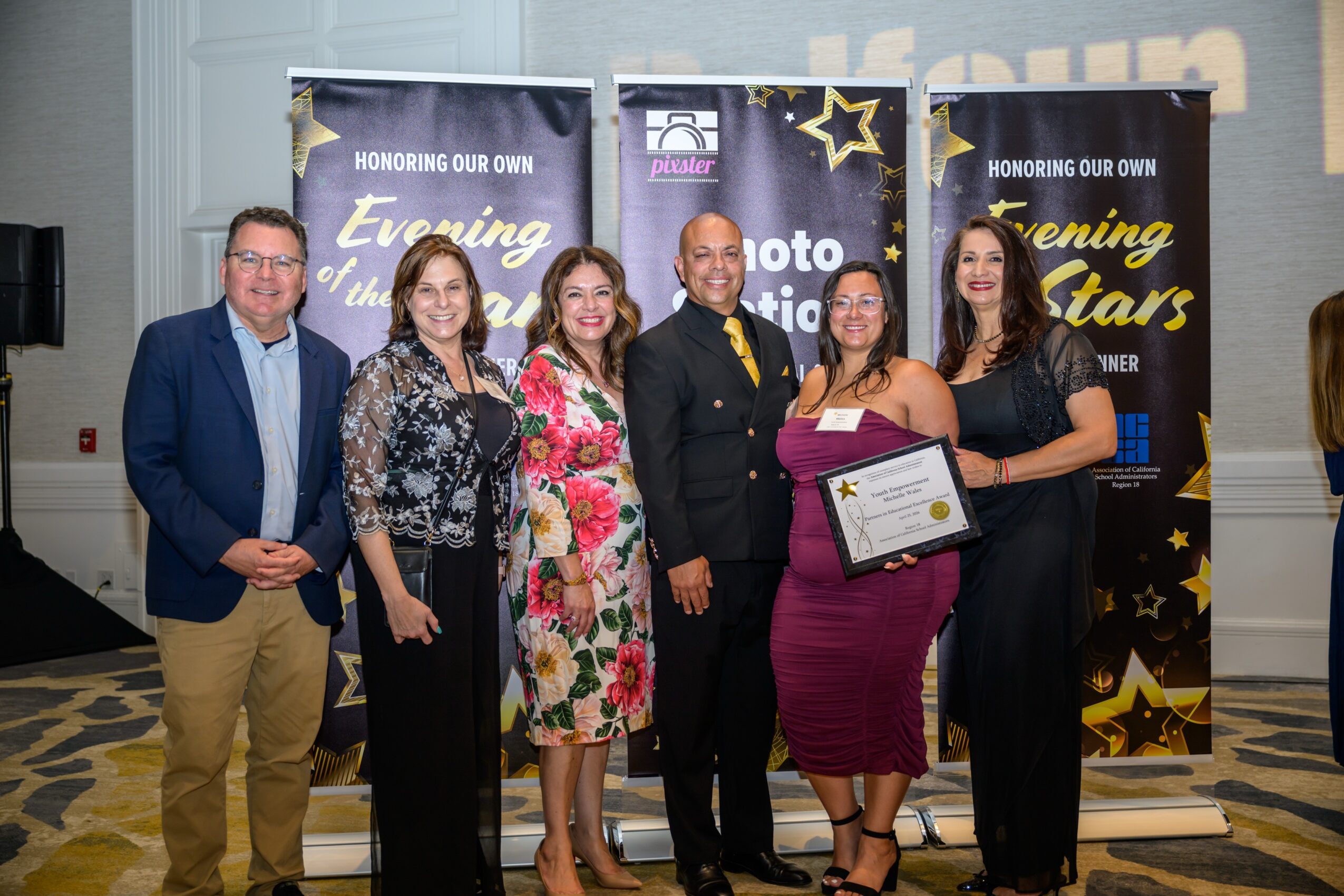
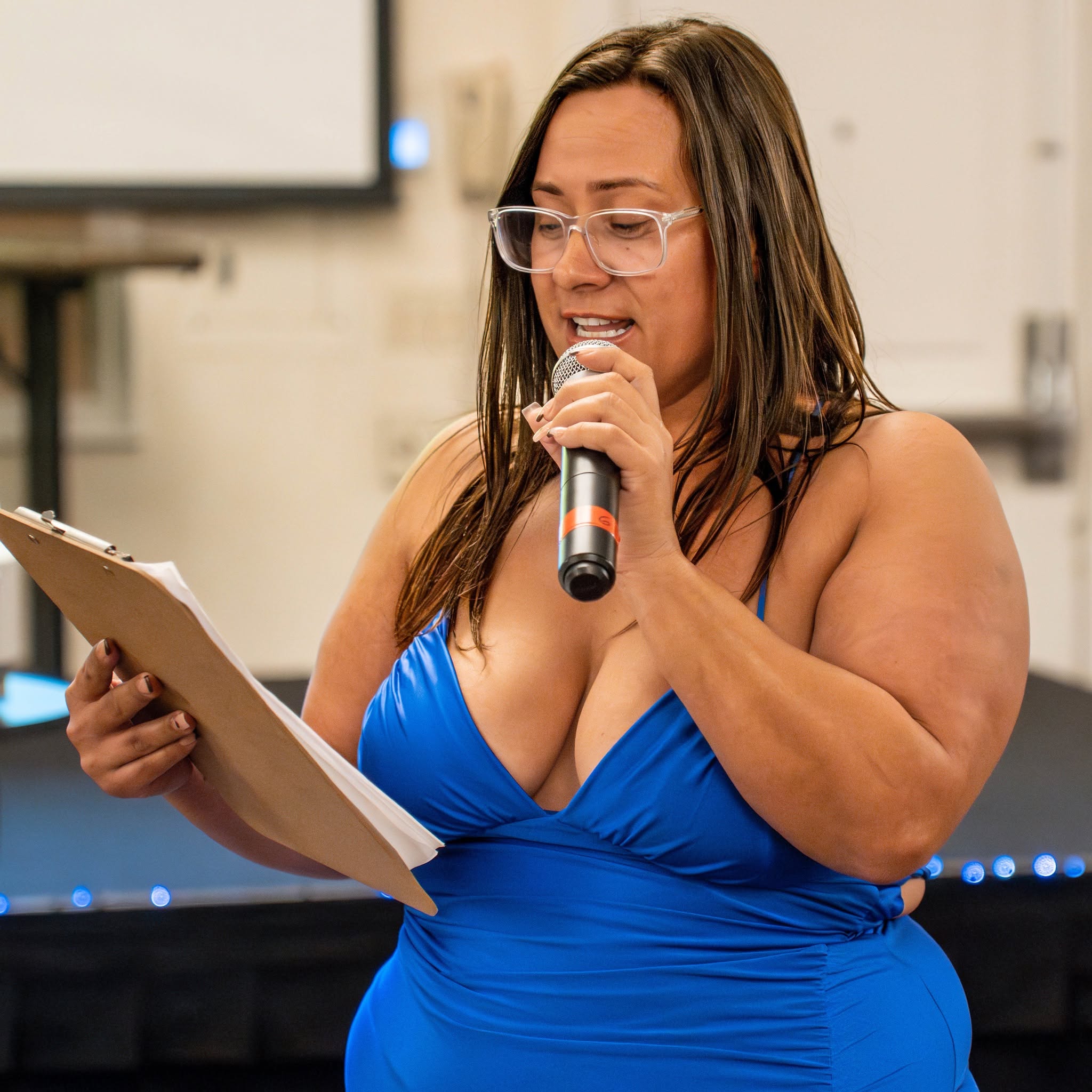
Now, three years later, I am the Director of School Programs for Youth Empowerment. I lead a team that works directly with young people and helps fight against the school-to-prison pipeline.
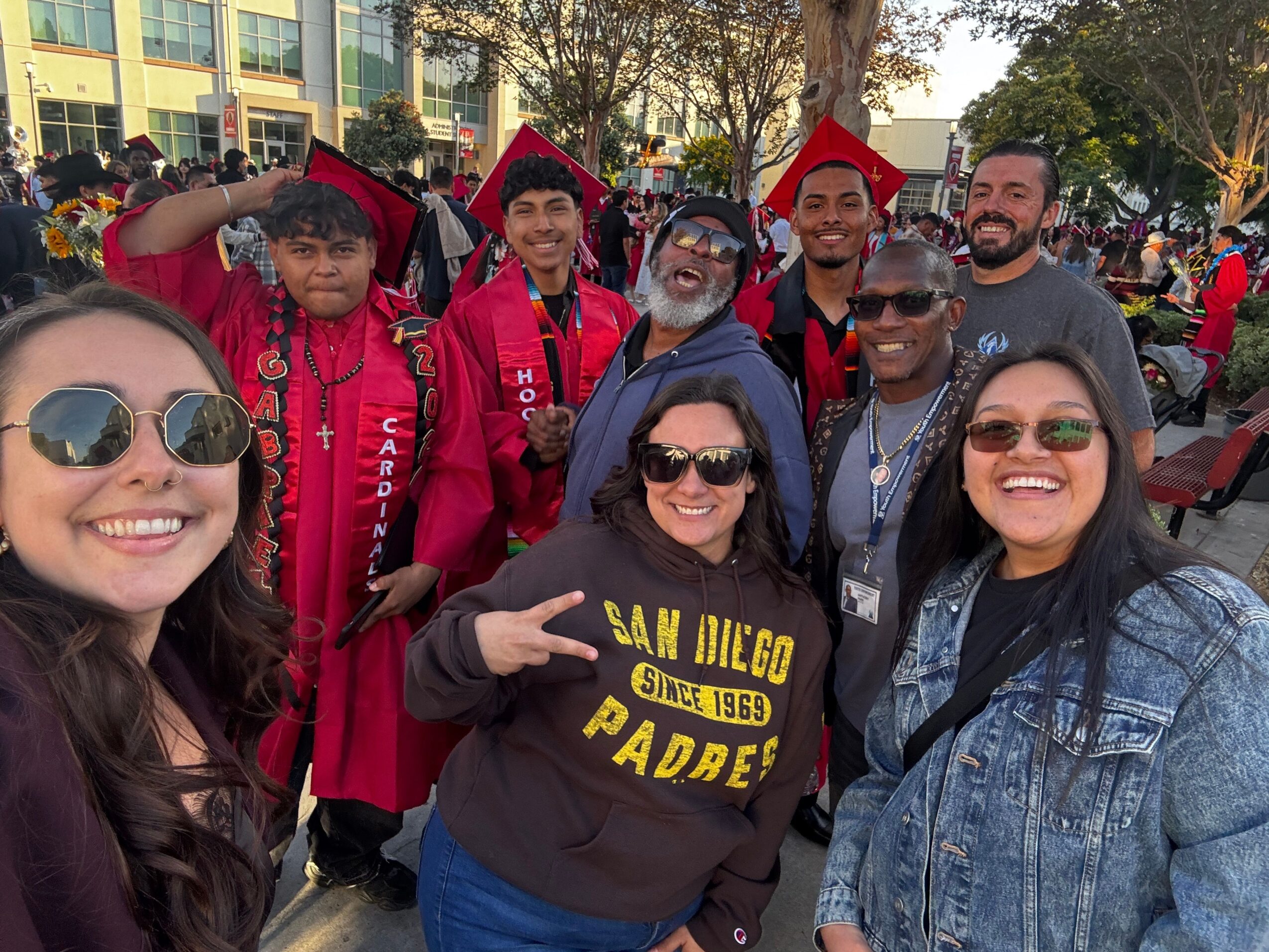
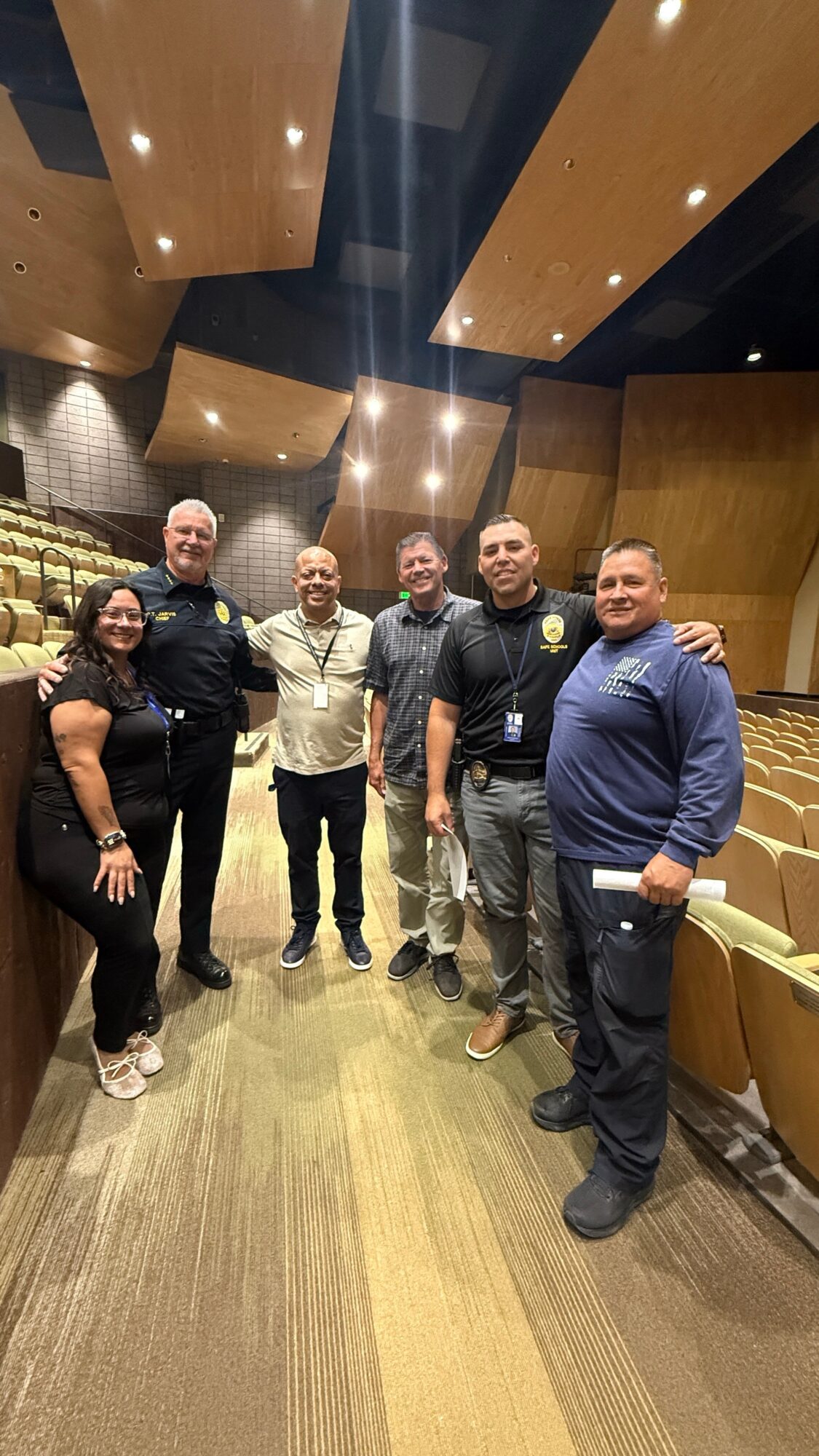
One of the things I’m most proud of is the impact we’ve been able to make at Hoover High School. Over a three-year period, the school saw an 84% reduction in fights, a 60% reduction in suspensions, an 89% reduction in expulsions, and a 58% reduction in overall incidents. Chronic absenteeism also decreased by 13.1 percentage points.
Those numbers mean a lot to me, but what they represent means even more. Behind every number is a young person. Our approach is built around credible messenger mentorship, being consistently present on campus, building trusted relationships, using restorative practices, creating accountability, and intervening early instead of waiting until a young person is already in crisis.
For me, that’s what fighting the school-to-prison pipeline actually looks like. It’s not just telling a young person to make better choices. It’s building enough of a relationship with them to understand what’s behind those choices and making sure they have support, accountability, and someone who continues showing up.
If you had asked me five years ago—or honestly even three years ago—if I could see myself sober, leading a team, working in schools, and advocating for youth, I probably would have laughed and said absolutely not.
My passion for this work comes from remembering what it felt like growing up without feeling protected by the adults around me. I remember what it was like to not feel seen or heard. That is why I want our programs to be places where young people feel safe, build confidence and resilience, and have adults who don’t give up on them.
We intentionally work with youth who are often overlooked, labeled because of their behavior, falling through the cracks, or already being treated like a “lost cause.” I understand those young people because I was one of them.
Today, I get to help youth understand that the cards they were dealt don’t have to be the cards they keep.
**You can always shuffle the deck.**
For me, that’s what this work is about—helping young people break generational cycles and realize that where they started does not have to determine where they finish.
Alright, so let’s dig a little deeper into the story – has it been an easy path overall and if not, what were the challenges you’ve had to overcome?
It definitely has not been a smooth road. I think one of the biggest things I’ve learned is that deciding you want a different life and actually learning how to live that life are two completely different things.
Getting clean was only one part of my journey. I also had to start dealing with the things I had spent years trying not to deal with. For a long time, substances were how I coped. Once I started removing that from my life, I had to learn healthier ways to deal with trauma, anger, grief, relationships, and even myself.
There were setbacks. There were moments when I questioned whether I was really capable of changing my life. I had to unlearn behaviors that had protected me at one point but were no longer helping me become the person I wanted to be.
That journey has also shaped one of my strongest beliefs about mentorship: **being a mentor is about living the lifestyle we’re teaching our youth.**
We can’t ask young people to be accountable if we aren’t accountable. We can’t teach them about honesty while being dishonest about who we are. We can’t tell them to work through their struggles while pretending we’ve never had any of our own. Youth can spot a phony from a mile away, and once they don’t trust you, your title doesn’t mean much.
Going into Hoover, I knew our mentors had to be transparent about our lives, our struggles, our mistakes, and what we’ve overcome. Our lived experience is one of our greatest tools because it allows a young person to look at us and say, *”You’ve been through something too, so maybe you actually understand me.”*
But there is another side to that vulnerability.
When you work with youth whose stories look similar to your own, their experiences can bring up your own experiences. There are triggers. There are moments when a young person’s situation hits closer to home than you expected. You constantly have to check yourself and remember that this is their story, not yours. I’ve had to learn how to use my experiences to connect without allowing my experiences to take over the moment.
Building trust was another challenge. The impact we’ve seen at Hoover didn’t happen overnight. It took us about a year to truly gain the trust of the youth.
And honestly, there wasn’t some magical program that made that happen.
**We just kept showing up.**
We showed up every day at lunch. We spent time with them when we weren’t asking them to complete an assignment or participate in a program. We talked, listened, joked around, and allowed them to get to know us.
After school, we took public safety literally. Our program was about two blocks away, so our mentors went outside and walked with the youth from school to program. We weren’t sitting inside waiting for them to come to us. We were outside making sure they got there safely.
Day after day, we were present.
Eventually, the youth realized we weren’t going anywhere.
That trust is what allowed us to do the deeper work. It gave us the ability to have difficult conversations, hold youth accountable, intervene before situations escalated, and challenge them without them immediately feeling like we were another group of adults judging or punishing them.
And that is why I’m especially proud of the numbers we’ve been able to achieve at Hoover. Over three years, incidents decreased by 58%, fights by 84%, suspensions by 60%, and expulsions by 89%. Chronic absenteeism decreased by 13.1 percentage points.
Those numbers didn’t come from one workshop or one conversation. They came from consistency, relationships, accountability, transparency, and a team willing to show up every single day.
There have been struggles on both sides of this journey. I’ve had to continue working on myself while learning how to lead others. I’ve had to understand my own triggers while helping young people navigate theirs. And I’ve had to accept that trust can’t be demanded just because your title says “mentor.” **It has to be earned.**
I think that’s one of the biggest lessons this journey has taught me: you can’t teach young people a lifestyle you’re unwilling to live yourself.
Our youth watch what we do much more than they listen to what we say. So if I’m going to tell them that their past doesn’t have to determine their future, I have a responsibility to keep living that truth in my own life too.
Appreciate you sharing that. What else should we know about what you do?
I am currently the Director of School Programs for Youth Empowerment. In the simplest terms, my job is to make sure our youth feel seen, heard, supported, and like they have someone in their corner—but there is a lot that goes into making that happen.
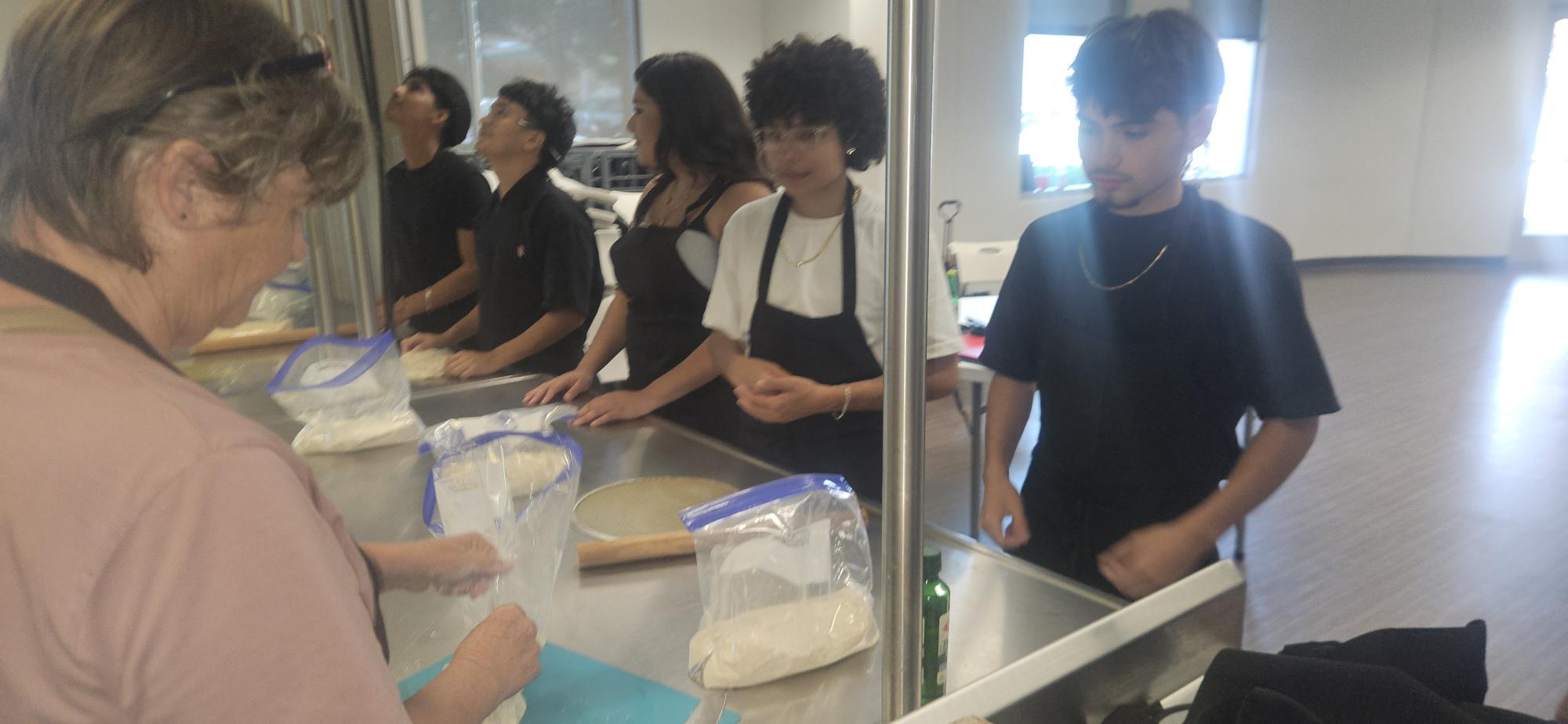
I oversee our school-based programming and the mentors who are doing the work directly with our youth. We provide mentorship, after-school programming, small groups, restorative practices, prevention and intervention, and one-on-one support. A lot of our work focuses on youth who are already being labeled because of their behavior, struggling with attendance, getting suspended, getting into fights, or simply falling through the cracks.
I think what we specialize in is reaching the youth who don’t always respond to traditional approaches.
I’m huge on credible messenger mentorship and lived experience. I don’t believe you need to have lived the exact same life as a young person to help them, but I do believe they need to feel like you genuinely understand them. Our job isn’t to walk into a school and tell kids everything they’re doing wrong. Half the time, they already know. Our job is to figure out what’s happening underneath the behavior and build enough trust that they’ll actually let us help.
I’m also big on accountability. Understanding why a youth behaves a certain way doesn’t mean excusing everything they do. We can understand where something comes from and still say, “Okay, but what are we going to do differently next time?” To me, that’s where the real work happens.
As a director, a big part of my job is making sure my mentors understand that we’re not just running activities or watching kids after school. We’re building relationships that can literally change the direction of someone’s life. I expect my team to show up, be consistent, keep their word, be honest with our youth, and live the same values we’re asking them to practice. Like I always say, youth can spot a phony.
I’m extremely proud of what we’ve been able to accomplish at Hoover, but I’m honestly even more proud of **how** we accomplished it. The changes we’ve seen didn’t happen because we came in trying to “fix” kids. They happened because we built relationships. We showed up every day. We listened. We held youth accountable. We advocated for them. We celebrated them. And when they messed up, we didn’t automatically decide we were done with them.
That’s probably what sets me apart professionally too. This work is very personal to me. I’m not looking at a youth as a suspension, an attendance percentage, a behavior problem, or another number on a report. I know there is a whole person and usually a whole story behind that behavior.
I also know that sometimes the person you’re looking at today is nowhere near the person they’re capable of becoming.
I’m living proof of that.
So when I’m fighting for a youth that everyone else is frustrated with, I’m not doing it because I don’t see their behavior. **I see it. I just refuse to believe that’s all they are.**
At the end of the day, I want our programs to interrupt the school-to-prison pipeline before another young person gets pushed so far out that they start believing there isn’t a place for them anymore. I want them to know there are adults who will hold them accountable, advocate for them, challenge them, and still be there tomorrow.
That’s the work I’m most proud of.
Can you share something surprising about yourself?
Something most people don’t know about me is that I have endometriosis disease. It’s not something I talk about often, especially at work, so most people would probably never know how much it can affect me. There are days when the pain and exhaustion can be really hard, but I’m also the type of person who will still get up, go to work, handle what needs to be handled, and probably crack a joke somewhere in between. It’s a part of my life that isn’t always visible, but it’s definitely taught me how strong I can be even on the days when I don’t necessarily feel that way.
Contact Info:
- Website: https://www.youthempowermentsd.com/
- Instagram: https://www.instagram.com/michi1993w?igsh=NTc4MTIwNjQ2YQ%3D%3D&utm_source=qr
- Other: https://wl.donorperfect.net/weblink/weblink.aspx?name=E356883&id=32&cfifid=11