





Today we’d like to introduce you to Aletia Giselle Egipciaco.
Hi Aletia Giselle, thanks for sharing your story with us. To start, maybe you can tell our readers some of your backstory.
I’ve been teaching dance for over 25 years, and throughout that time, I began to notice that people often came to dance lessons for reasons that went much deeper than learning the steps.
Sometimes they were looking to build confidence or become more comfortable socially. Others were seeking connection, navigating grief or a major life transition, or simply looking for a way to feel more like themselves. Dance may have been what brought them through the door, but there was often something deeper happening through the experience of movement.
As I continued to evolve professionally, I became increasingly interested in that deeper connection between movement, emotion, and expression. That curiosity ultimately led me to Dance/Movement Therapy and gave me a way to bring together my many years of experience in dance with therapeutic practice.
Today, through The Expressive Apothecary, I’m able to use movement in a deeper way as a therapeutic modality that can help people explore, understand, and express themselves.
Can you talk to us a bit about the challenges and lessons you’ve learned along the way. Looking back would you say it’s been easy or smooth in retrospect?
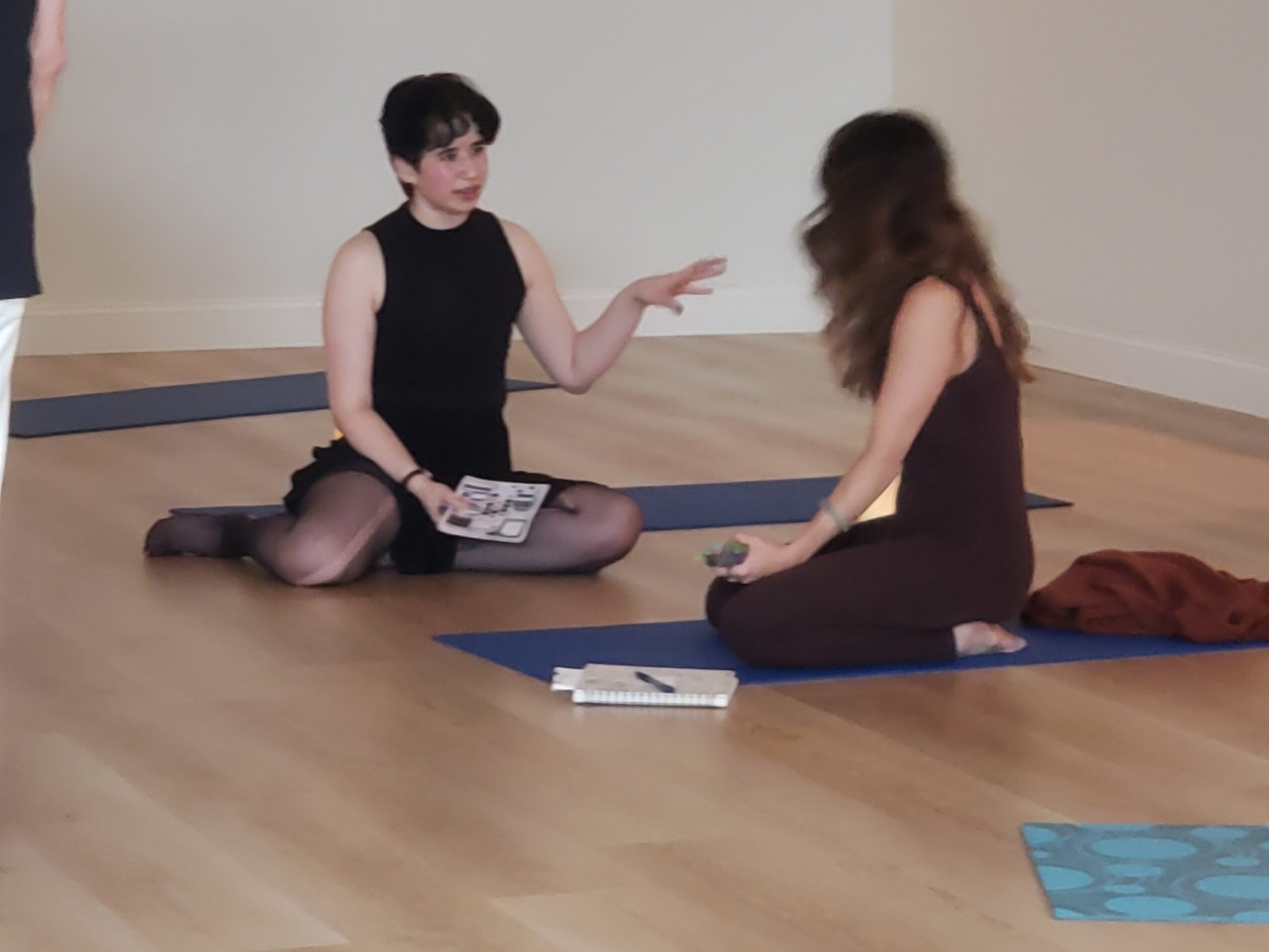
One of the biggest challenges has been educating the community about what Dance/Movement Therapy actually is. There is often an assumption that dance therapy means one has to know how to dance, when in reality, movement within a therapeutic setting can take many different forms.
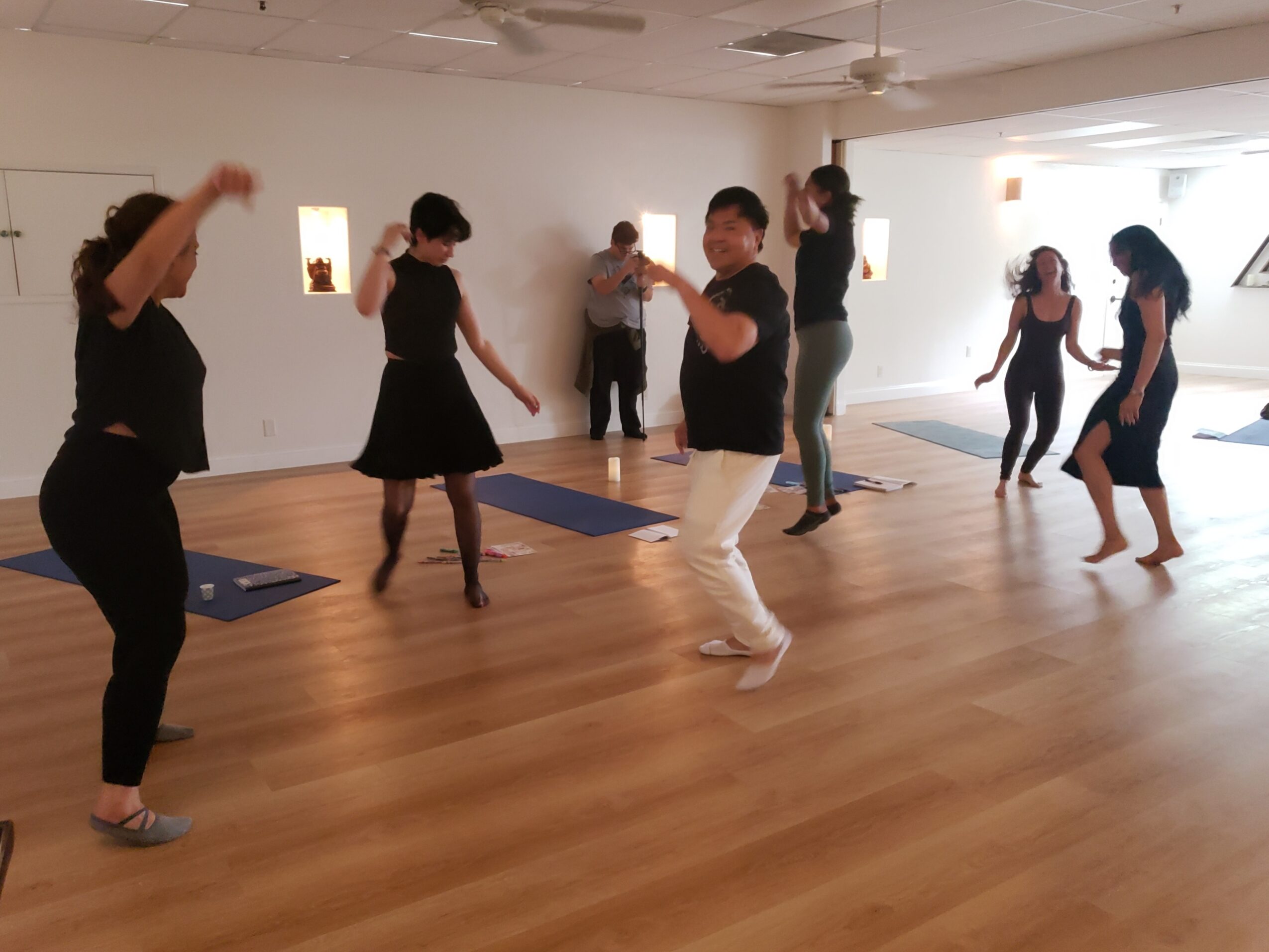
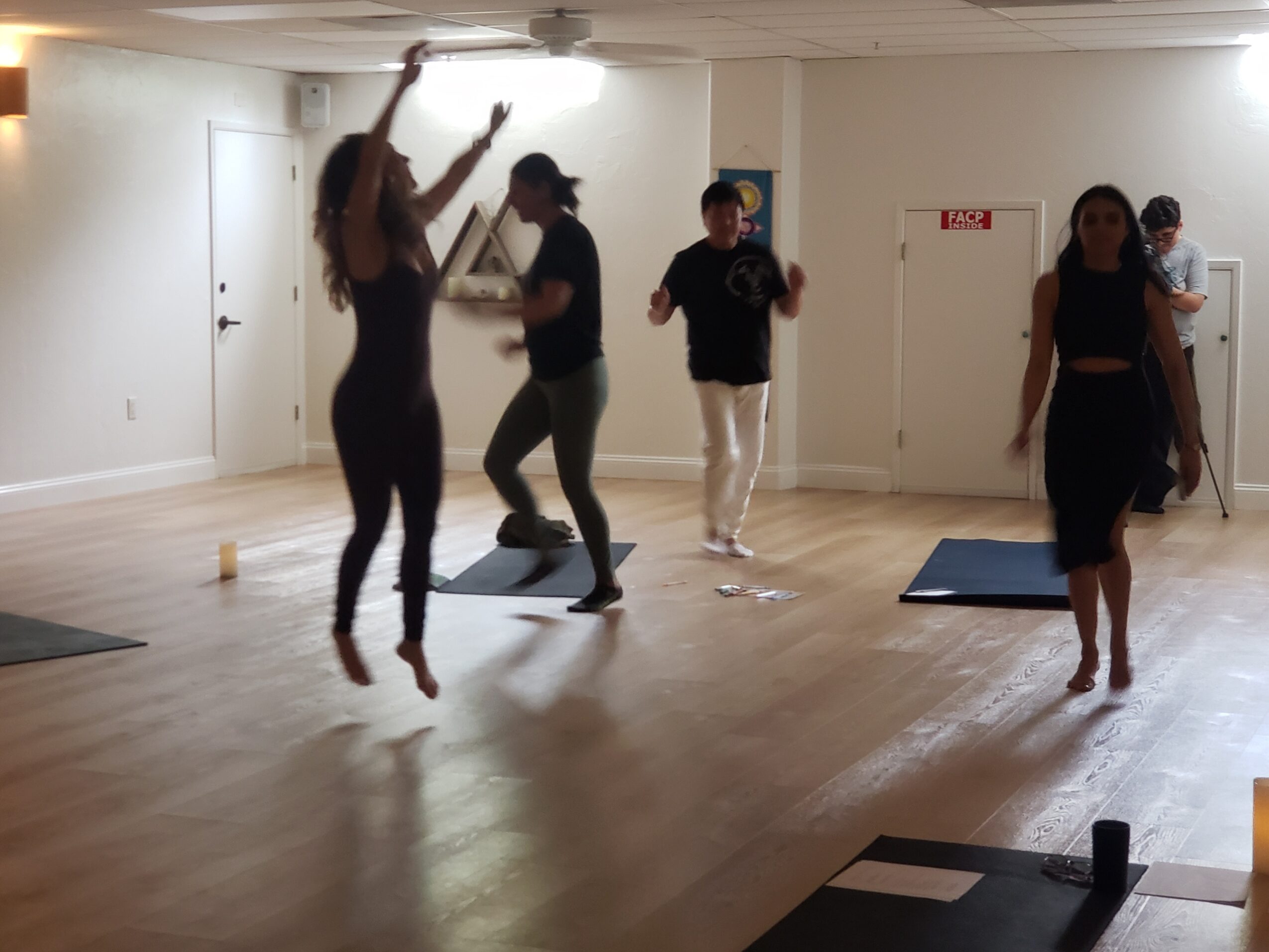
Movement can range from stillness and breathwork to body awareness, walking, working with props, improvisation, or abstract freeform movement. It really depends on the individual and what feels comfortable and accessible to them.
Because Dance/Movement Therapy is not yet as widely recognized as other expressive arts therapies, such as art or music therapy, a significant part of my journey has been helping people understand what it is and how it can be used therapeutically. I’ve offered community presentations and experiential opportunities where people can learn about Dance/Movement Therapy and experience it for themselves.
That educational piece has become something I’m very passionate about. I want to help make Dance/Movement Therapy more visible and accessible so that more people understand that you don’t have to consider yourself a dancer to experience the therapeutic potential of movement.
Great, so let’s talk business. Can you tell our readers more about what you do and what you think sets you apart from others?
Movement is more than something we do. It can be a way of understanding ourselves.
That belief is at the heart of The Expressive Apothecary, a movement-centered practice I founded to help people explore, understand, and express their emotions through the connection between mind and body.
I specialize in helping people use movement to explore emotions, deepen self-understanding, and find ways to express experiences that may not always be easily accessed through words. My work brings together Dance/Movement Therapy, psychological insight, mindfulness, neuroscience-informed practices, and more than 25 years of experience as a dance educator.
An important part of my role is being a guide and an educator. I do not want someone to simply move through an experience with me. I want them to understand what we are doing, why we are doing it, and how they can use what they discover beyond our time together. My goal is for people to leave with movement-based tools and resources they can continue using to connect with and express their emotions as they move forward in their lives.
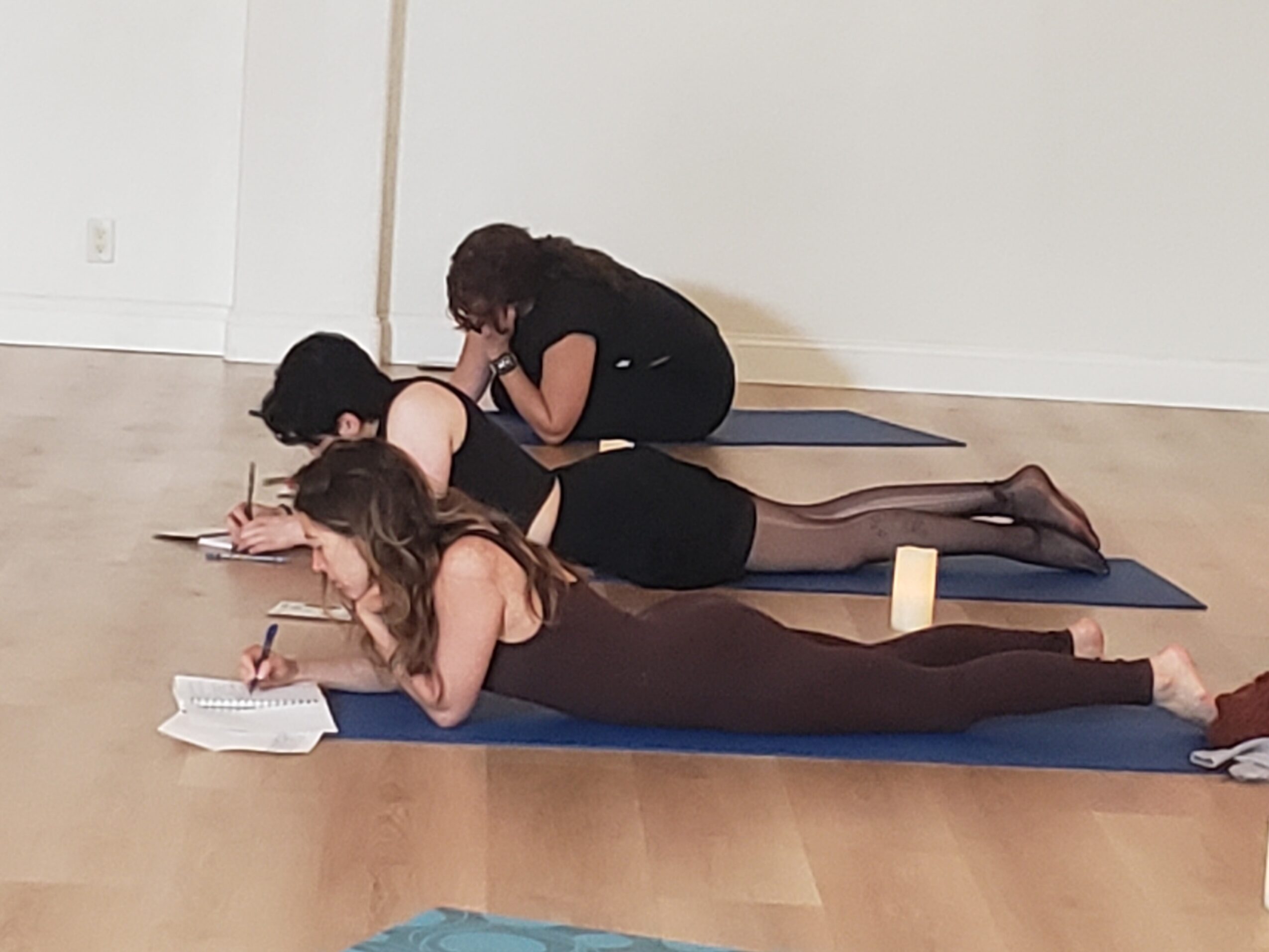
That philosophy is at the foundation of my Educate. Embody. Express.™ methodology. We begin with understanding. From there, we explore how an experience is felt and held within the body, and then how it can be expressed through movement. The intention is for people to not only experience the process, but to embody what they learn so it becomes something they can continue to access for themselves.
Movement can look different for everyone. It can be as subtle as breath, stillness, or body awareness, or it can include walking, working with props, improvisation, and expressive movement. No dance experience is necessary.
Through The Expressive Apothecary, I offer individual in-person and virtual sessions, programs, workshops, community presentations, and educational experiences. I am especially passionate about increasing awareness of Dance/Movement Therapy and making movement-centered practices more accessible to the broader community.
What I am most proud of is creating a brand that empowers people to develop a different relationship with movement. I want people to recognize that movement is not reserved for dancers, athletes, or performers. It is something we all possess, and when we learn how to work with it intentionally, it can become a resource for understanding ourselves, expressing what we feel, and continuing to move forward.
If you had to, what characteristic of yours would you give the most credit to?
I believe one of the most important qualities contributing to my success is my ability to take concepts that can feel abstract or nebulous and make them understandable and accessible.
Dance/Movement Therapy and other movement-centered concepts can sometimes be difficult to define, particularly for someone experiencing them for the first time. People may understand the idea intellectually but still wonder, “What does this actually look like?”
My more than 25 years as a dance educator taught me how to take something complex, break it down into smaller, digestible pieces, and guide someone through a process in a way they can understand and apply.
That skill has become an important part of how I approach my work today. I want people to understand not only what we are doing, but why we are doing it and how it connects to their own experience. When someone can understand the process, embody what they are learning, and leave with tools they can continue to explore and use on their own, I feel I have been successful as an educator and guide.
Contact Info:
- Website: https://www.theexpressiveapothecary.com/
- Instagram: https://www.instagram.com/theexpressiveapothecary/
- Facebook: https://www.facebook.com/profile.php?id=61587572237445
- LinkedIn: https://www.linkedin.com/in/aletia-giselle-egipciaco/
- Other: https://www.tiktok.com/@theexpressiveapothecary